

Ramiz Qudsi
From state of caffeination to citation!
Statistical Comparison of Various Dayside Magnetopause Reconnection X-line Prediction Models
Ramiz A. Qudsi, Brian Walsh, J. Broll, Stein Haaland
Boston University, Los Alamos National Lab, Max-Planck Institute
*(qudsira@bu.edu)
1, * 1 2 3
1 2 3
Outline:
Qudsi (qudsira@bu.edu)
The BASICS
Qudsi (qudsira@bu.edu)
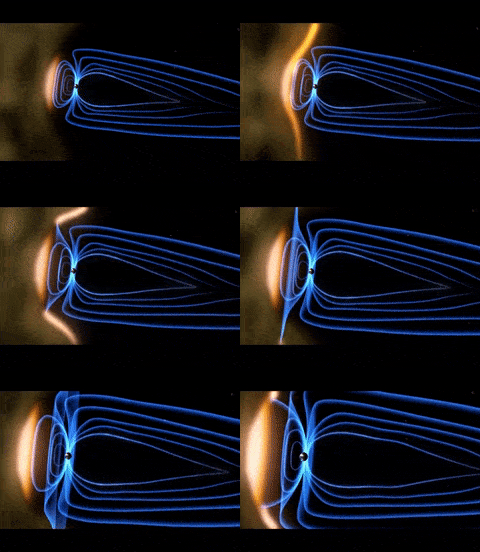
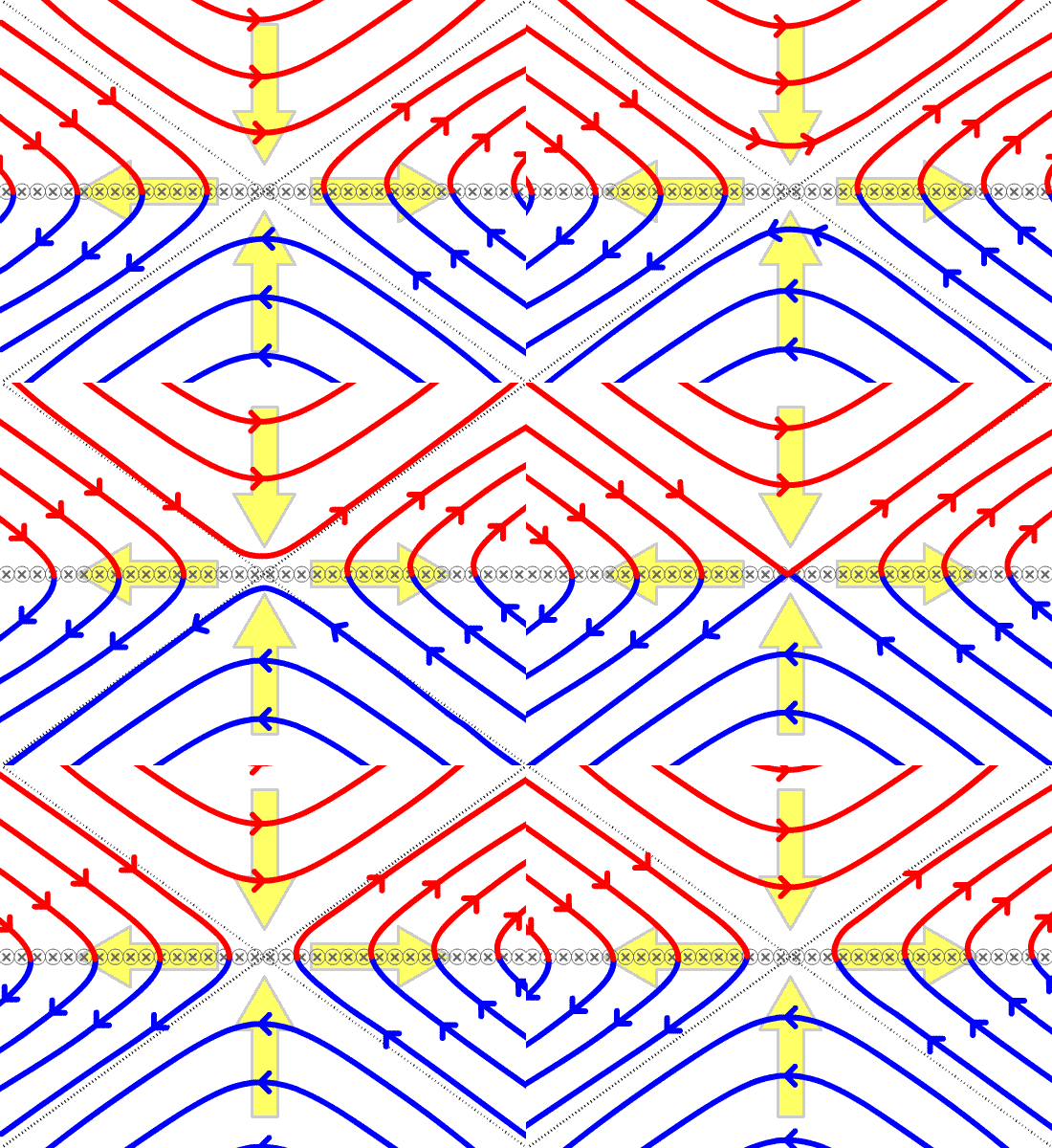
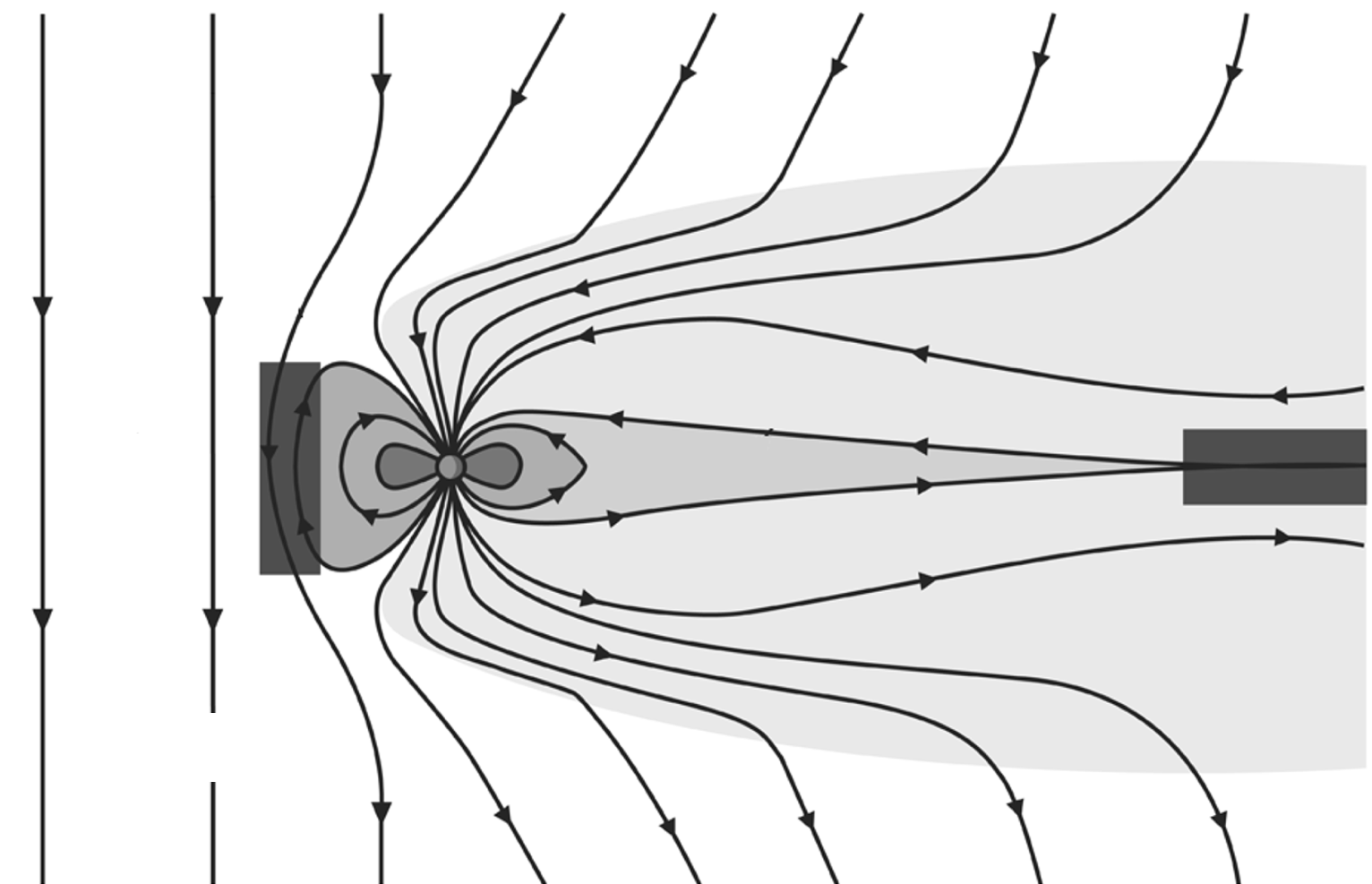
Source: NASA
Qudsi (qudsira@bu.edu)
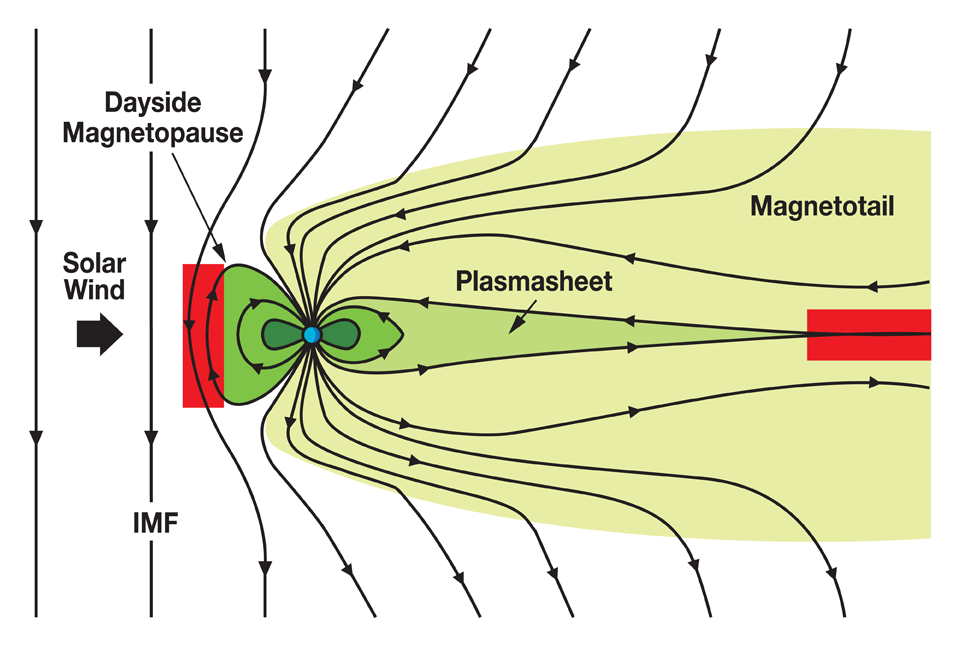
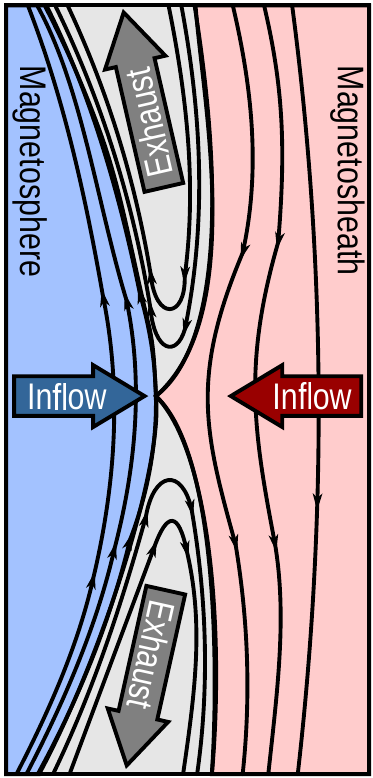
Region of interest:
Qudsi (qudsira@bu.edu)
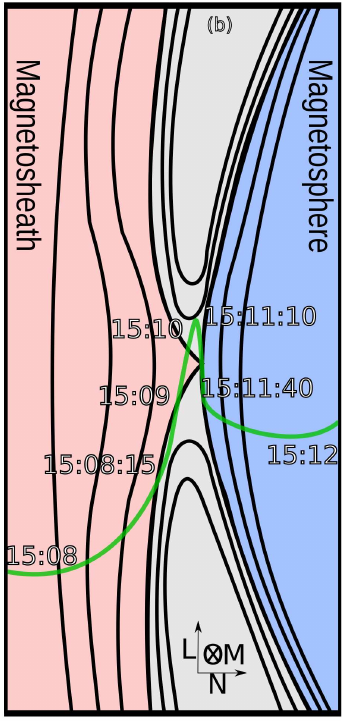
[Broll et al., 2017]
Source: wikipedia
Qudsi (qudsira@bu.edu)
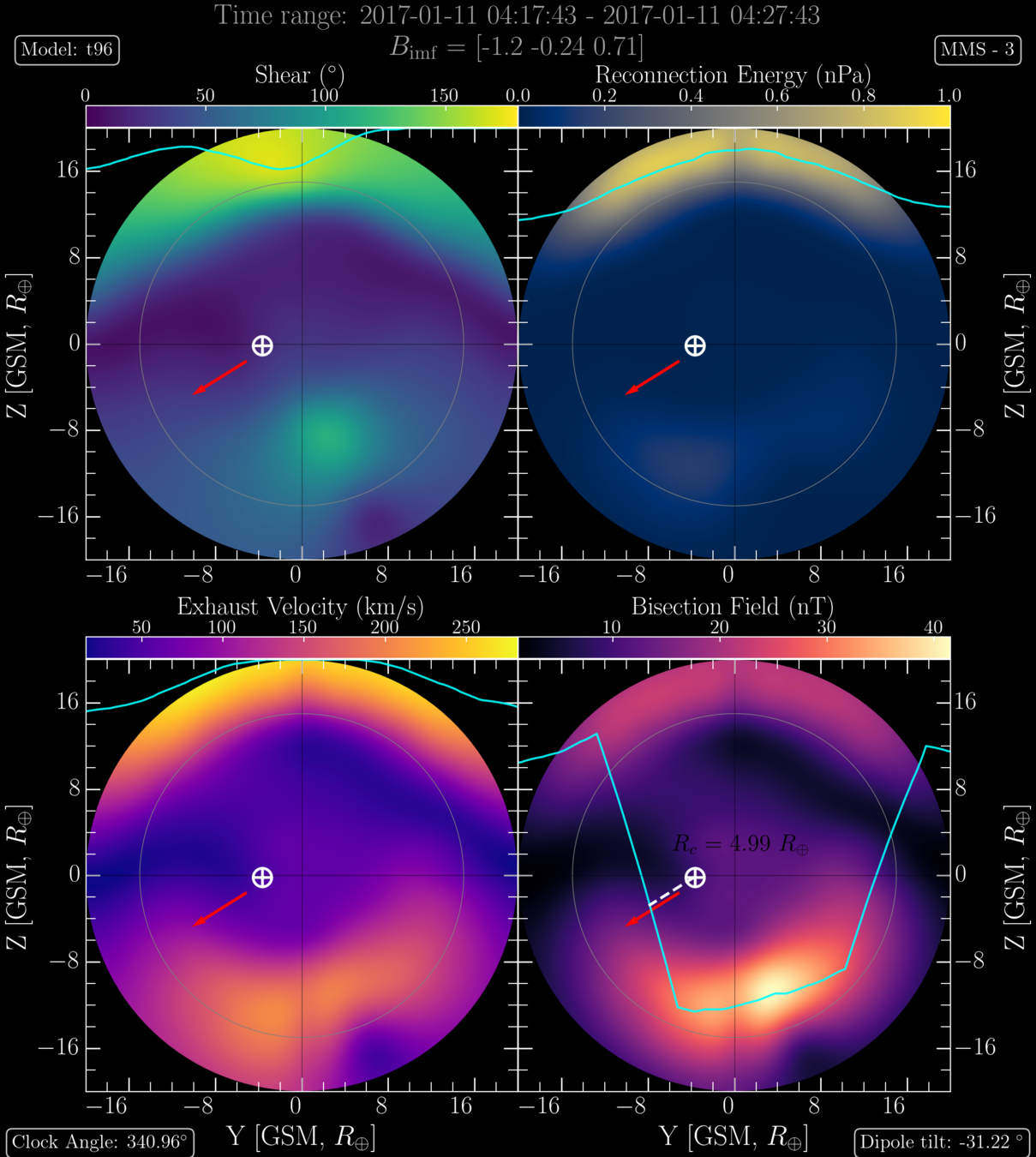
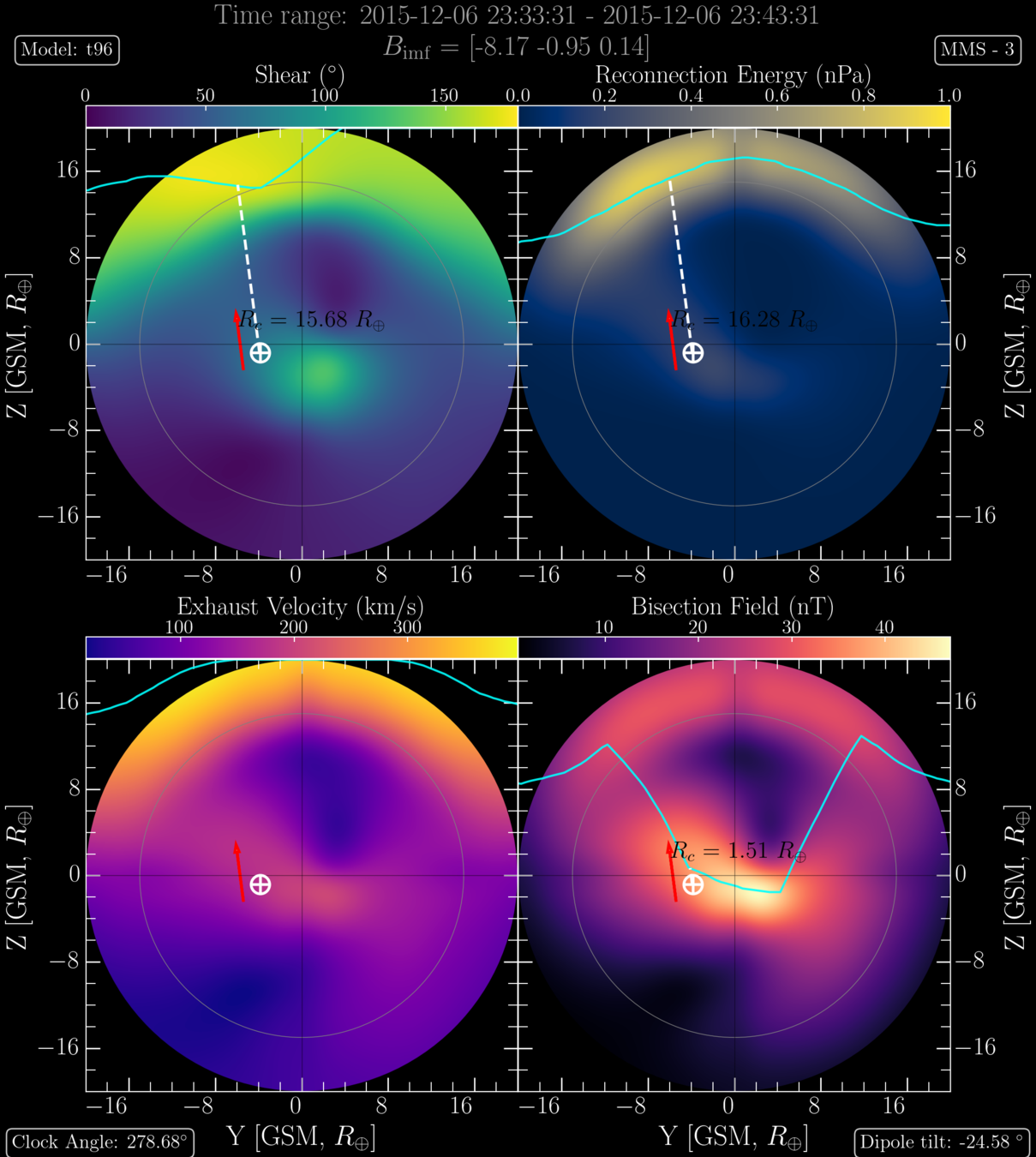
Location of x-line: Models
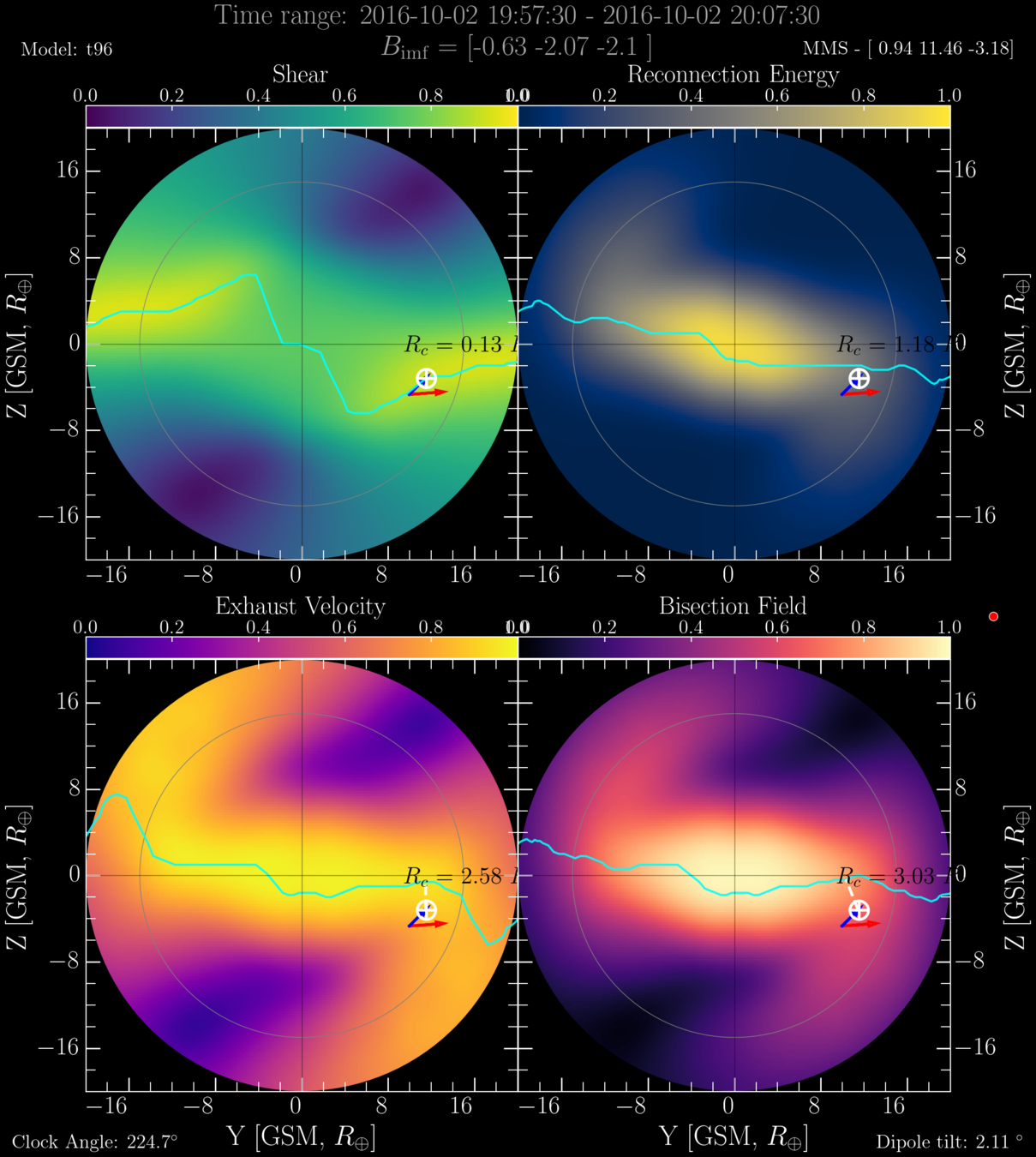
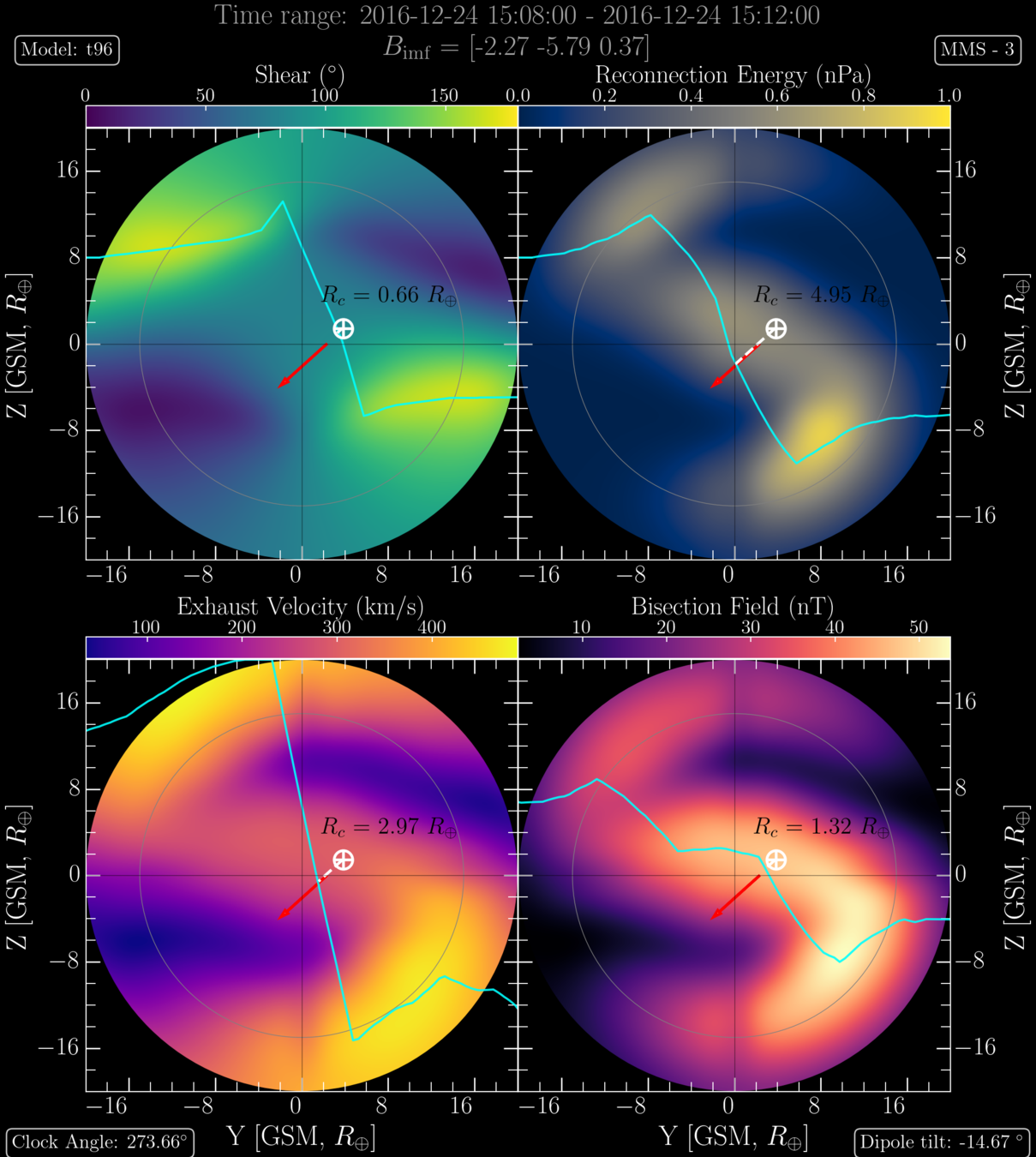
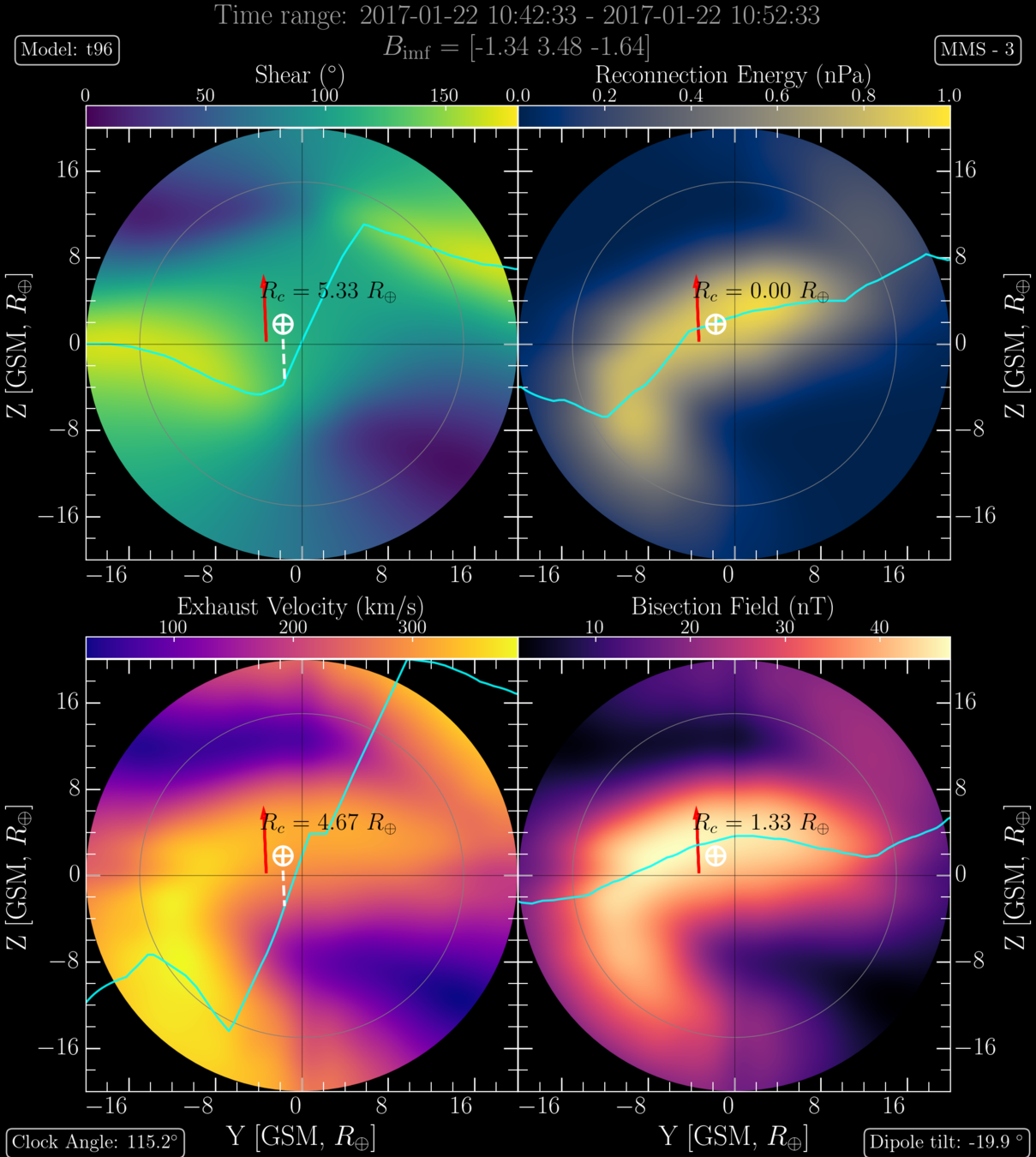
Local field bisection [Moore et al., 2002]
Maximum exhaust speed [Swisdak and Drake, 2007]
Maximum magnetic shear [Trattner et al., 2007]
Maximum reconnecting field energy [Hesse et al., 2013]
Qudsi (qudsira@bu.edu)
Magnetic shear [Trattner et al., 2007]:
Local field bisection [Moore et al., 2002]:
Reconnection field energy [Hesse et al., 2013]:
Exhaust speed [Swisdak and Drake, 2007]:
sh: magnetosheath
msp: magnetosphere
Location of x-line: Models
Qudsi (qudsira@bu.edu)
DATA
Qudsi (qudsira@bu.edu)
Data:
Solar
Wind
OMNI
Cooling-2001 Model
Magnetosheath
Magnetopause
Shue-1998 Model
T-96 and IGRF Model
Magnetospheric Fields
Qudsi (qudsira@bu.edu)
Data
Solar Wind data: OMNI (propagated to the magnetopause)
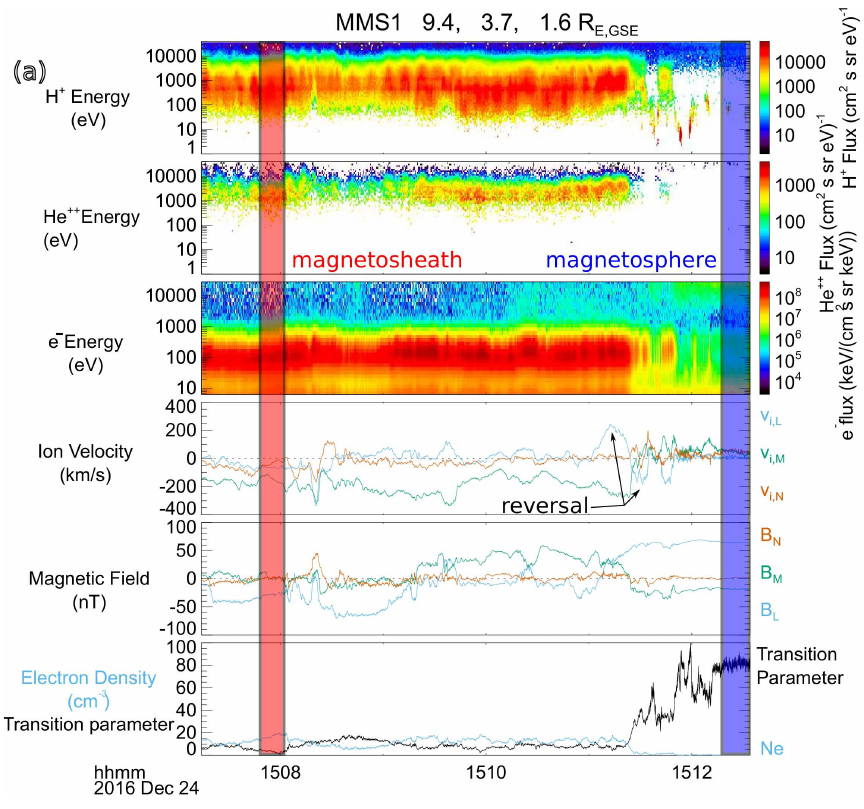
Magnetosheath data: MMS (FPI and FGM)
Magnetospheric magnetic field: Models (T96 or T05 and IGRF)
Magnetosheath magnetic field: Models (Cooling model)
x
z
y
GSM coordinate system
Qudsi Center for Space Physics, BU qudsira@bu.edu
Methodology
Qudsi (qudsira@bu.edu)
Methodology
Qudsi (qudsira@bu.edu)
Magnetosheath
Magnetosphere
[Broll et al., 2017]
Qudsi (qudsira@bu.edu)
Methodology
Qudsi (qudsira@bu.edu)
RESULTS
Qudsi (qudsira@bu.edu)
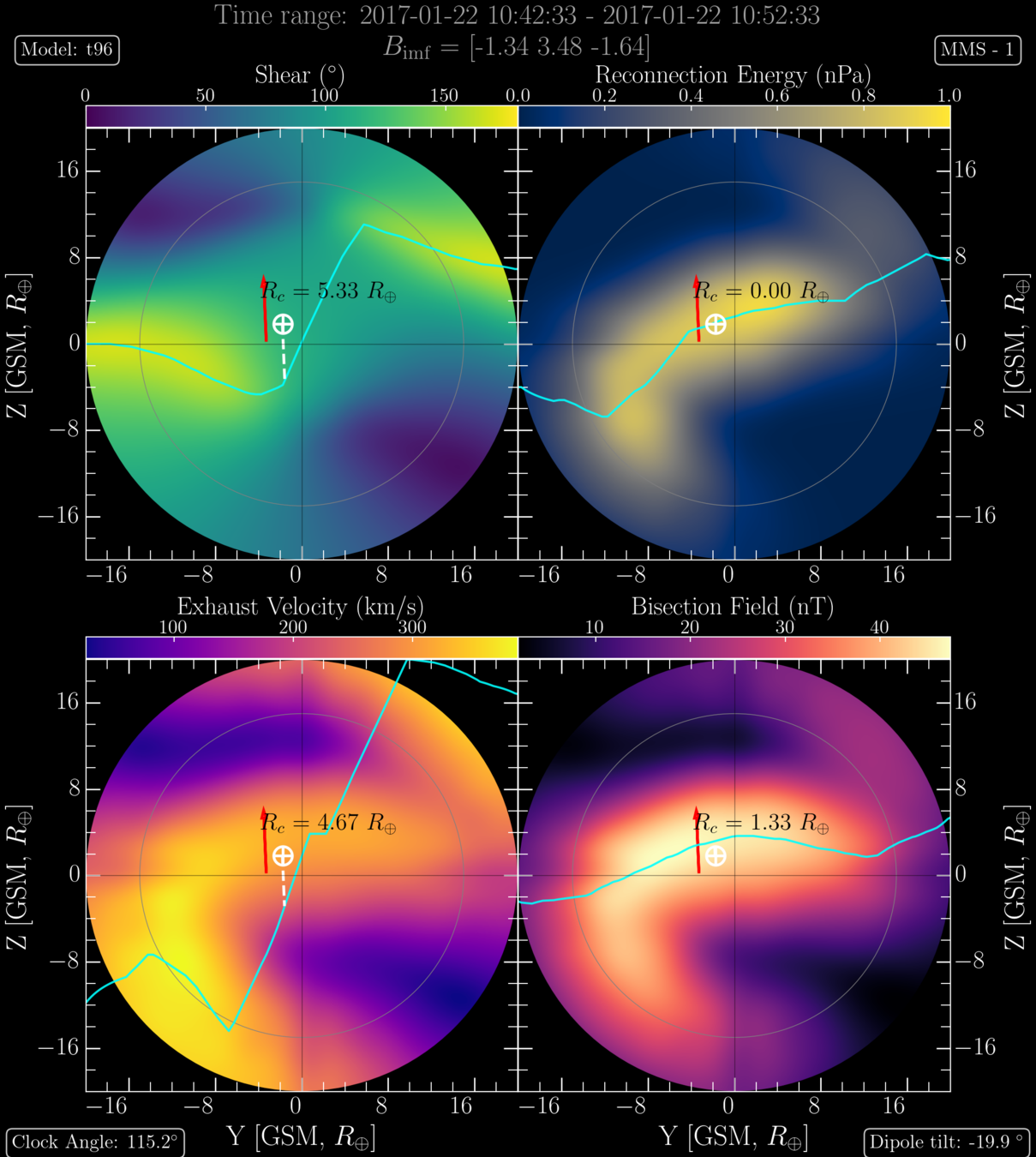
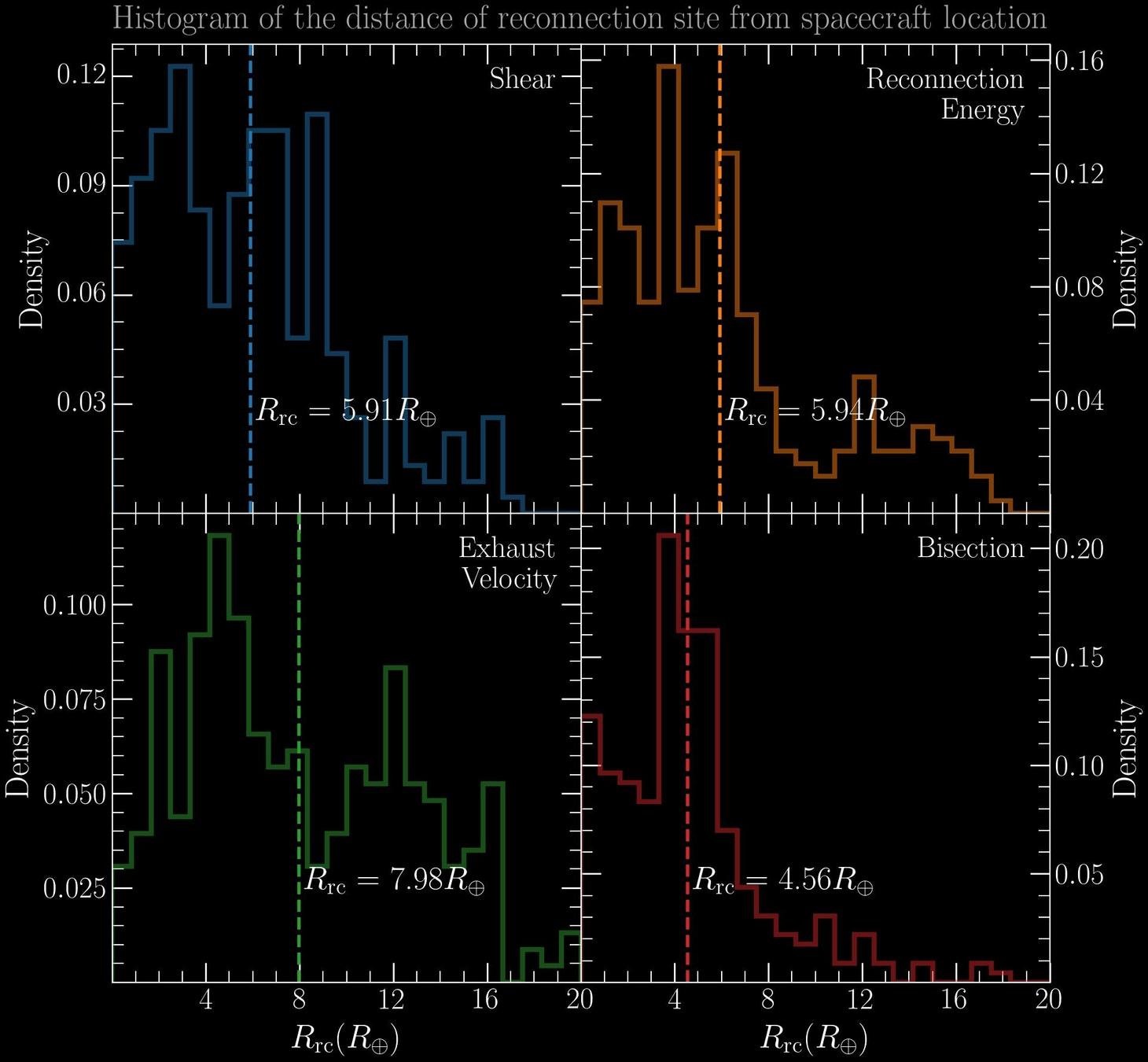
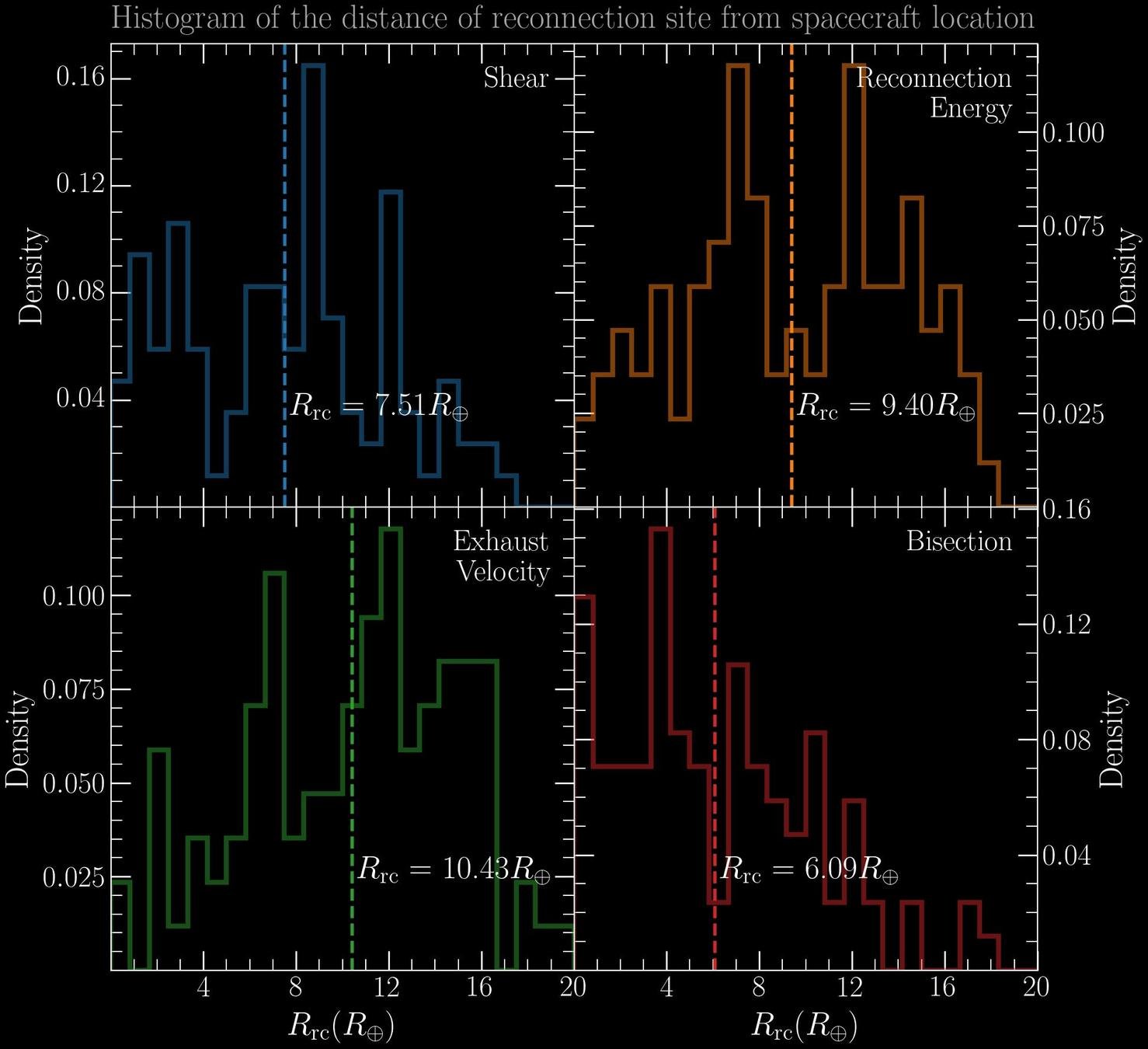
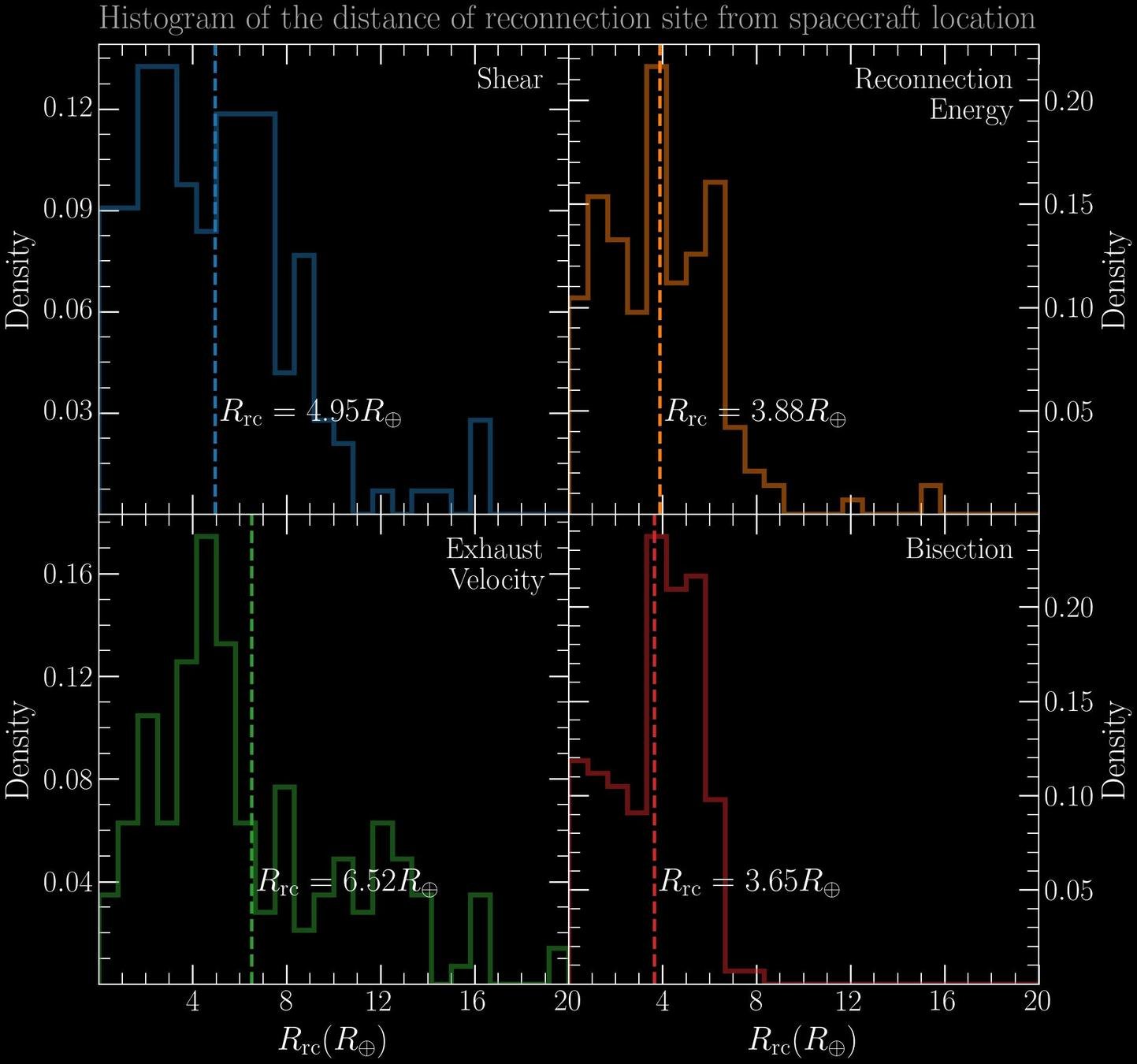
The maximum shear model:
The maximum exhaust velocity model
Qudsi (qudsira@bu.edu)
DISCUSSIONS
Qudsi (qudsira@bu.edu)
Discussions:
For negative z-component of IMF, reconnection energy and bisection field models both give very similar statistics.
For positive z-component, shear and bisection model seem to do the best job of predicting the expected x-line
Statistically, bisection field model seem to perform better than other models for different IMF and magnetopause conditions.
Qudsi (qudsira@bu.edu)
Link to the presentation
Qudsi (qudsira@bu.edu)
By Ramiz Qudsi
A comparative study of reconnection X-line predictions on dayside magnetopause of Earth. Magnetic reconnection is a fundamental plasma process of key importance to several fields. Reconnection at Earth’s magnetopause drives magnetospheric convection and provides mass and energy input into the magnetosphere/ionosphere system. Despite this importance, the factors governing the location of dayside magnetopause reconnection are not well understood. Though a few models can predict X-line locations reasonably well the underlying physics is still unresolved. In this study we present results from an intensive analysis of over 100 reconnection regions observed by MMS to determine what quantities are most strongly associated with the occurrence of dayside magnetopause reconnection. We also attempt to answer under what upstream conditions are global X-line models least reliable.