Introduction in React

Sam Baeck
- What is React?
- Components
- Code walkthrough
Index
What is React?
- Javascript library for building user interfaces
- Not a framework!
- Component-based
- Uses JSX instead of HTML
- Devtools support
Components
- Stateful vs Stateless
Stateful Component
- Class that extends Component or PureComponent
- Has a state
- Can have props
- Has lifecycle methods
- Has a render function
Example Stateful Component
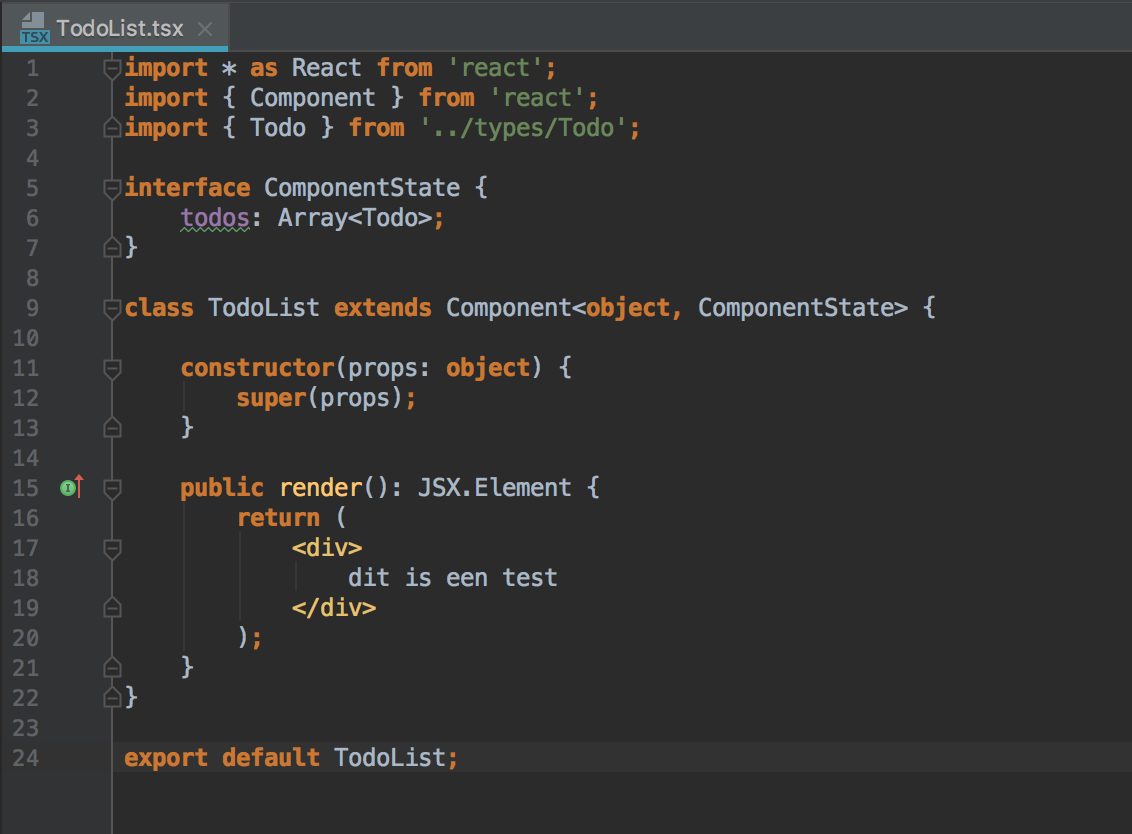
Class extends Component & takes props and state
Render method
Export default classname
Constructor takes props
State
- State is the data a component holds
- Read data from this.state
- Never update this.state
- Always use setState()
Props
- Props are the data a component receives from his parent
- ~ bindings in angularjs (only 1-way binding)
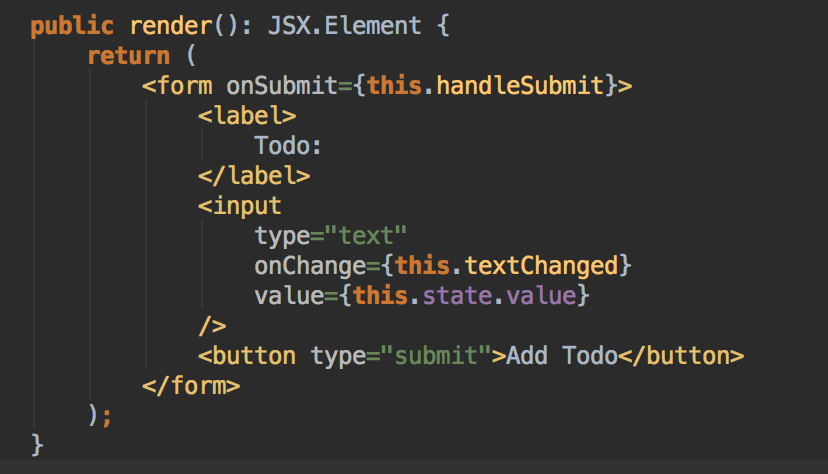
Render method
- Stateful components have a render method
- Method returns JSX
- HTML-like syntax, but is javascript

Stateless Components
- Don't have a state
- Can have props
- Don't have lifecycle methods
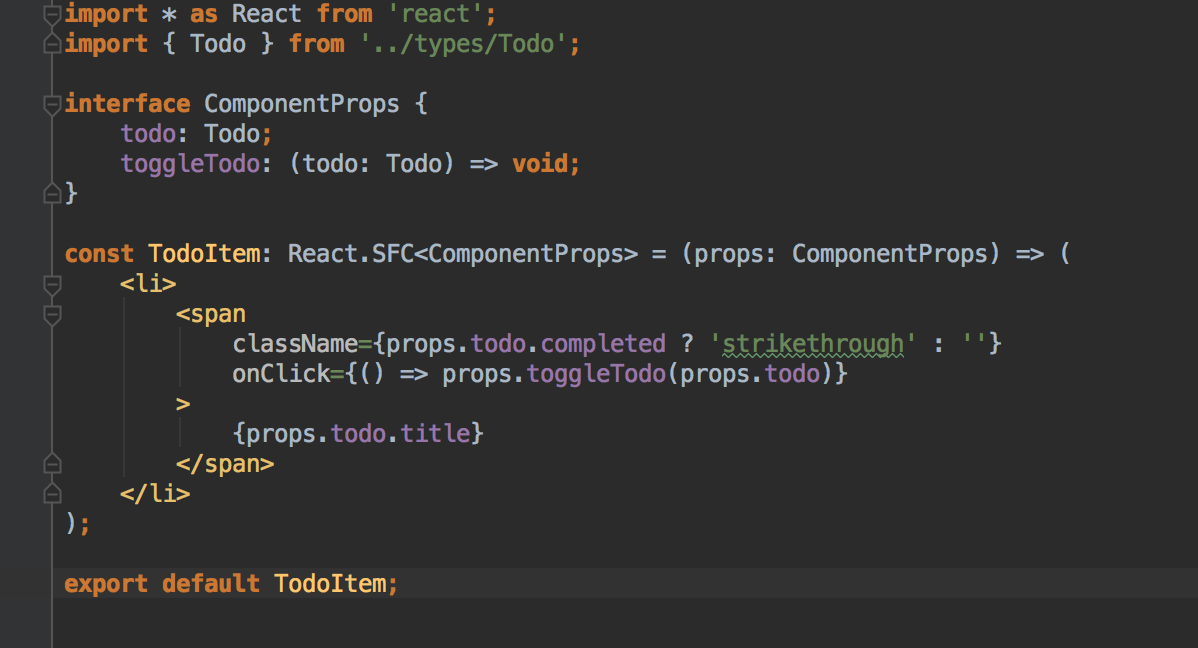
- A.K.A. Stateless Functional Components
- Return JSX
Stateless Component
Code Walkthrough
+
Assignment
TodoApp
- Input field => add todo => clear input field
- list the todo's
- toggle a todo to completed => line-through the todo
LifeCycle Events
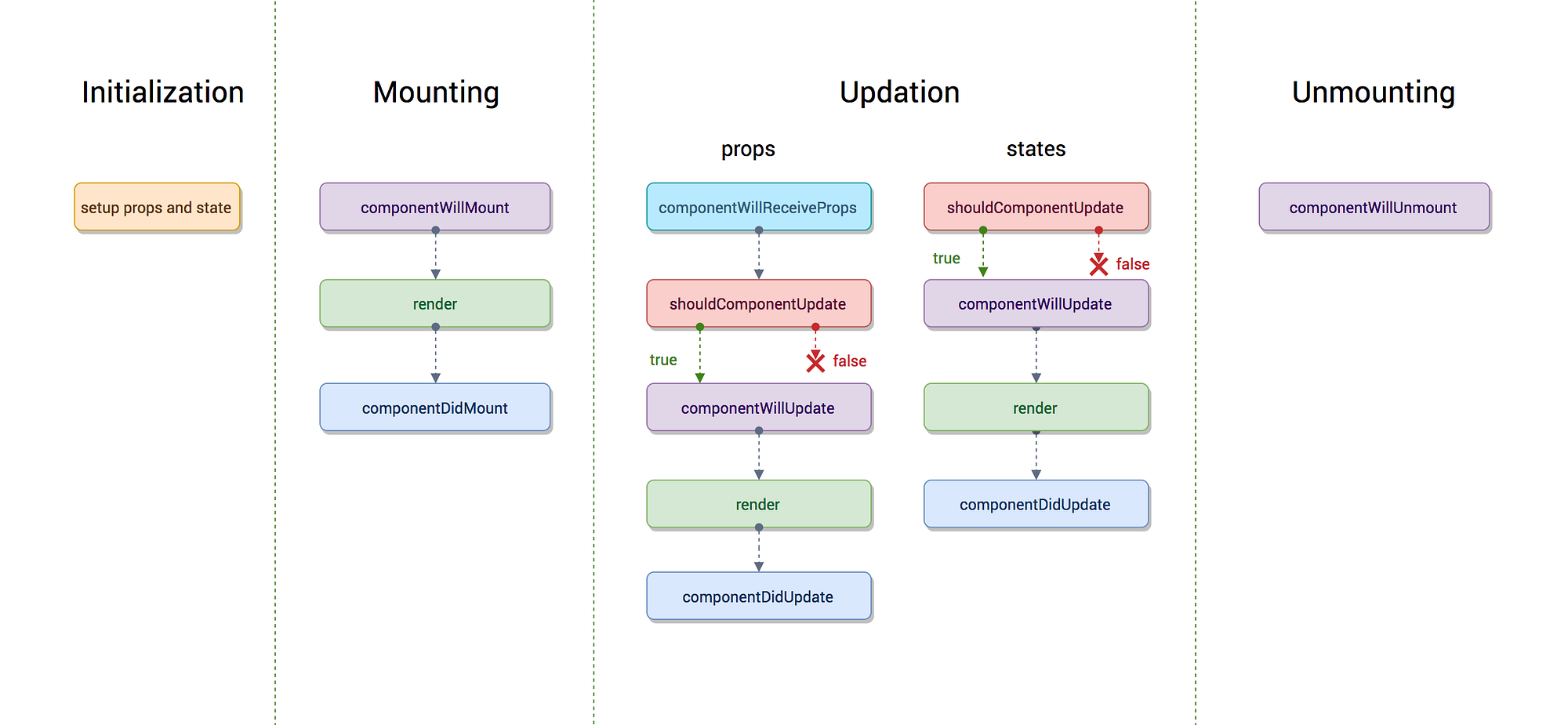
LifeCycle events
- Mounting
- Updating
- Unmounting
Mounting
- constructor
- componentWillMount
- render
- componentDidMount
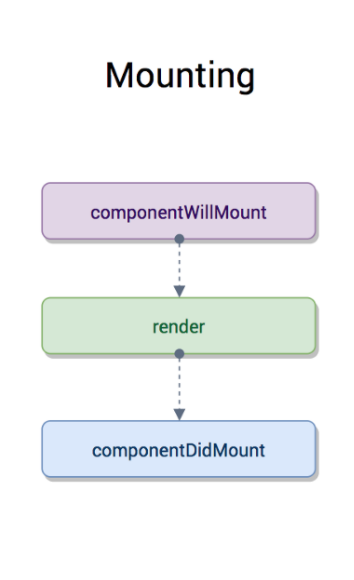
Mounting: constructor
- constructor(props)
- Call super(props) to initialise props
- Set initial state here
- Don't use setState({})
const initialState = {
    color: 'green'
};

class BackGroundColor extends React.Component {

    constructor(props) {
      super(props);
      this.state = initialState
    }
    // ...
}
Mounting: componentWillMount
- Only lifecycle hook called on server rendering
- Can use setState()
- Invoked immediately before mounting & thus before (initial) rendering
Mounting: componentDidMount
- Invoked immediately after initial render
- Setup subscriptions here / initial http requests
- Careful with setState here => rerender of component (right after initial render)
Mounting: render()
- Required in every Component
- Returns React elements - strings - numbers - booleans - null
- Executed every time state or props update
Updating
- componentWillReceiveProps
- shouldComponentUpdate
- componentWillUpdate
- render
- componentDidUpdate
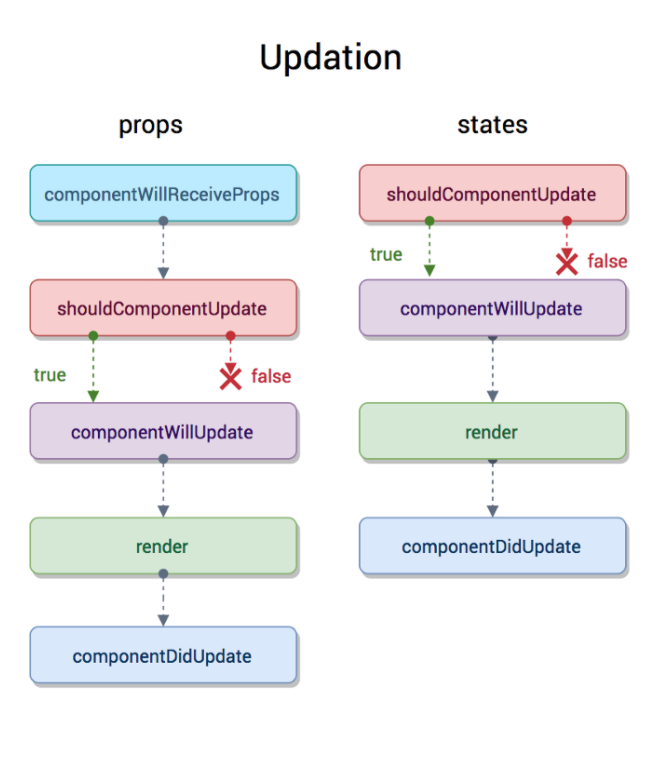
Updating: componentWillReceiveProps
- nextProps as params
- Called when component will receive new props
- Used when you want to update the component's state based on incoming props
Updating: shouldComponentUpdate
- Receives nextProps & nextState as props
- Default: return true
- PureComponent has this lifecycle event build-in and should be used as default
Updating: componentWillUpdate
- Cannot use setState()
- Use this as an opportunity to perform preparations before an update occurs
Updating: componentDidUpdate
- previousProps & previousState as params
- Opportunity to operate on DOM after the component has updated
- Opportunity to do a http request after certain props have changed
Unmounting
- componentWillUnmount
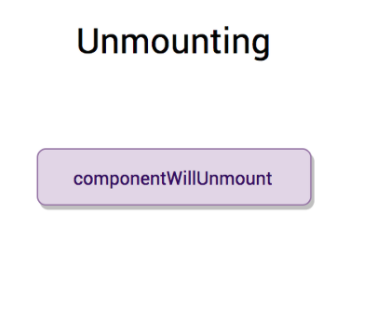
Unmounting: componentWillUnmount
- Invoked immediately before component is unmounted & destroyed
- Use this to cleanup the component (subscriptions, invalidate timers, ... )
React
By Sam Baeck