Memory Retrieval
EDUC 173 / PSCI 192T
Shayan Doroudi
University of California, Irvine
Working Memory
site of awareness and thinking
Long-Term Memory
factual knowledge and procedural knowledge
Environment
Learning
Attention
Remembering
Forgetting
Working Memory
site of awareness and thinking
Long-Term Memory
factual knowledge and procedural knowledge
Environment
Learning
Attention
Recollecting
Forgetting
Working Memory
site of awareness and thinking
Long-Term Memory
factual knowledge and procedural knowledge
Environment
Learning
Attention
Recollecting
Forgetting
Does Learning =
?
We understand new things in the context of things we already know, and most of what we know is concrete.
The Learning Paradox
or Meno’s Paradox
Socrates, summing up Meno’s claim:
“He cannot search for what he knows
—since he knows it, there is no need to search—
nor for what he does not know,
for he does not know what to look for.”
The Learning Paradox
or Meno’s Paradox
The Learning Paradox:
How can we learn anything that we do not already know?
Socrates’ Answer:
Learning is recollection.
Willingham’s Answer:
“Understanding is disguised remembering.”
Wittgenstein’s Answer:
“The problems are solved, not be giving new information, but by arranging what we have always known.”
Plato’s Argument
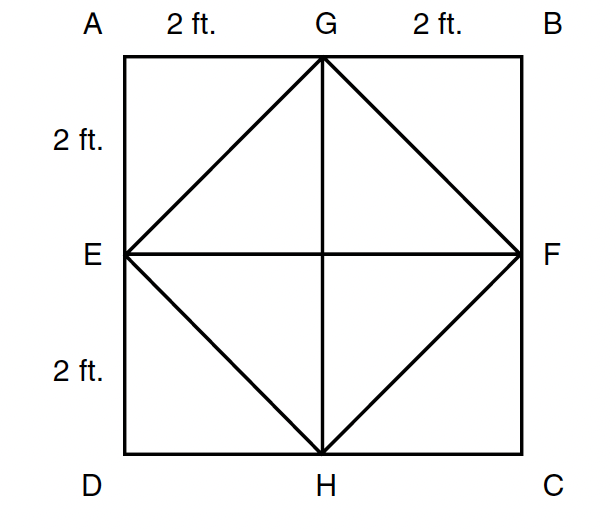
Socrates claims he helped Meno’s slave recollect geometric knowledge that he must have always known.
Do you agree?
Plato’s Argument
“It is one of the great frauds in the history of education.
Socrates asks the boy a long series of leading questions and, although the boy makes no response which has not been carefully prepared, insists that he has told him nothing. In any case the boy has learned nothing; he could not have gone through the proof by himself afterwards, and Socrates says as much later in the dialogue. Even if the boy had contributed something to the proof by way of a modest original discovery, it would still be wrong to argue that his behavior in doing so under Socrates’s careful guidance resembled Pythagoras’s original unguided achievement.”
- B. F. Skinner
Skinner, B. F. (1965). Review Lecture-The technology of teaching. Proceedings of the Royal Society of London. Series B. Biological Sciences, 162(989), 427-443.
Where Do We Start From?
What does ab ovo mean?
“from the beginning, the origin, the egg”
What does beginning mean?
“the point in time or space at which something starts.”
What does start mean?
Rationalism vs. Empiricism
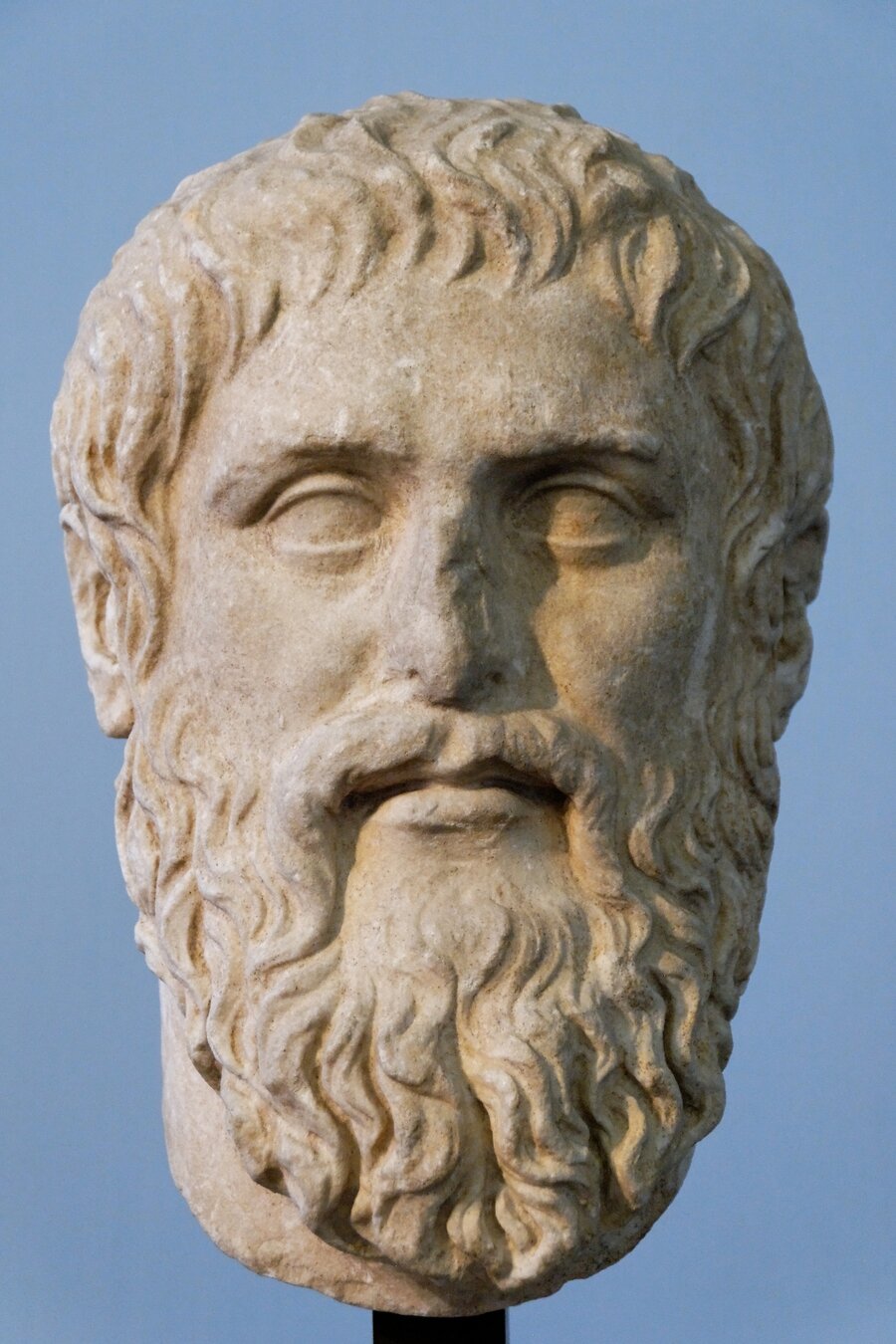
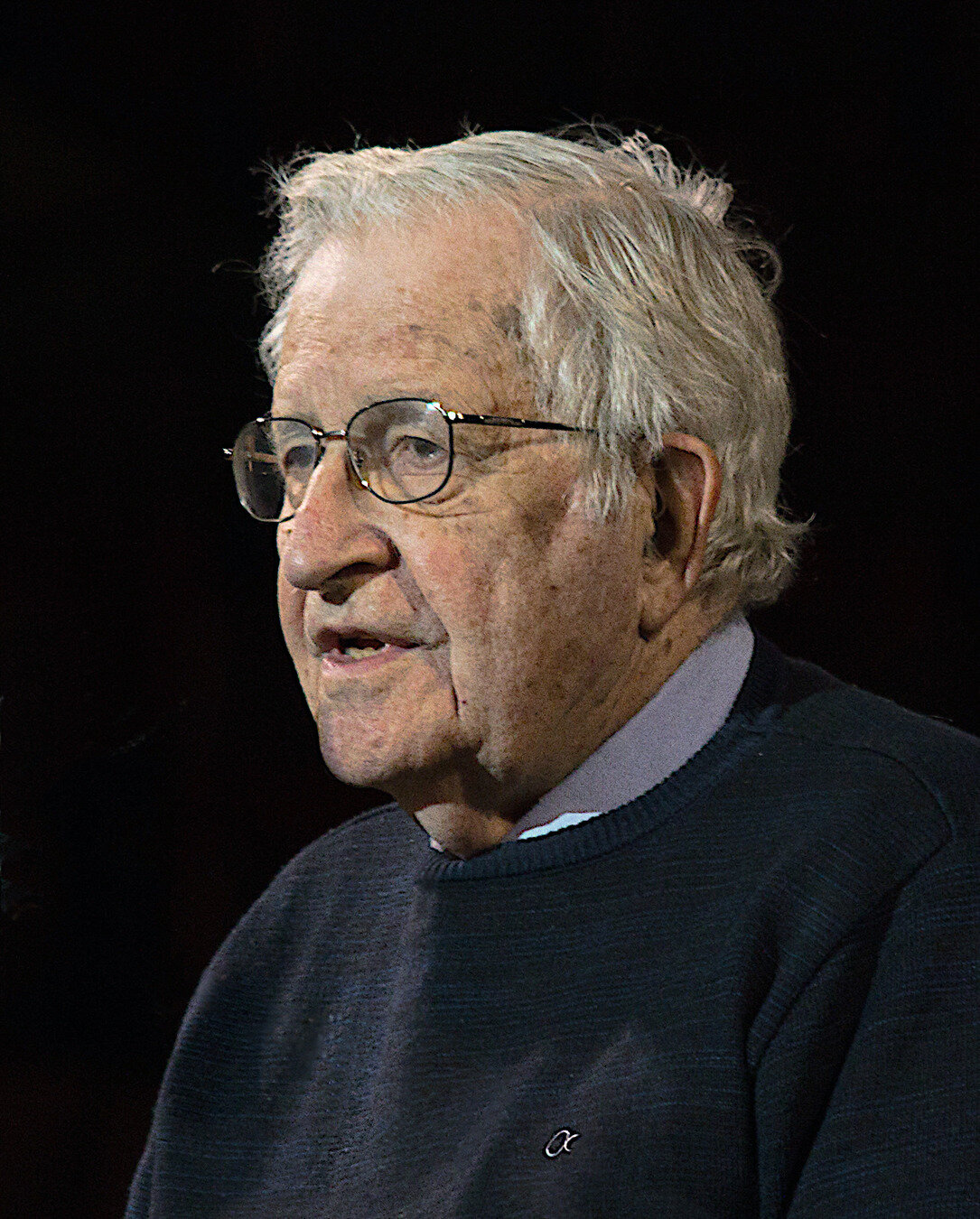
Rationalists (or nativists) claim that our mind has some innate ideas and we can derive new knowledge from that.
One of the biggest debates in the history of philosophy.
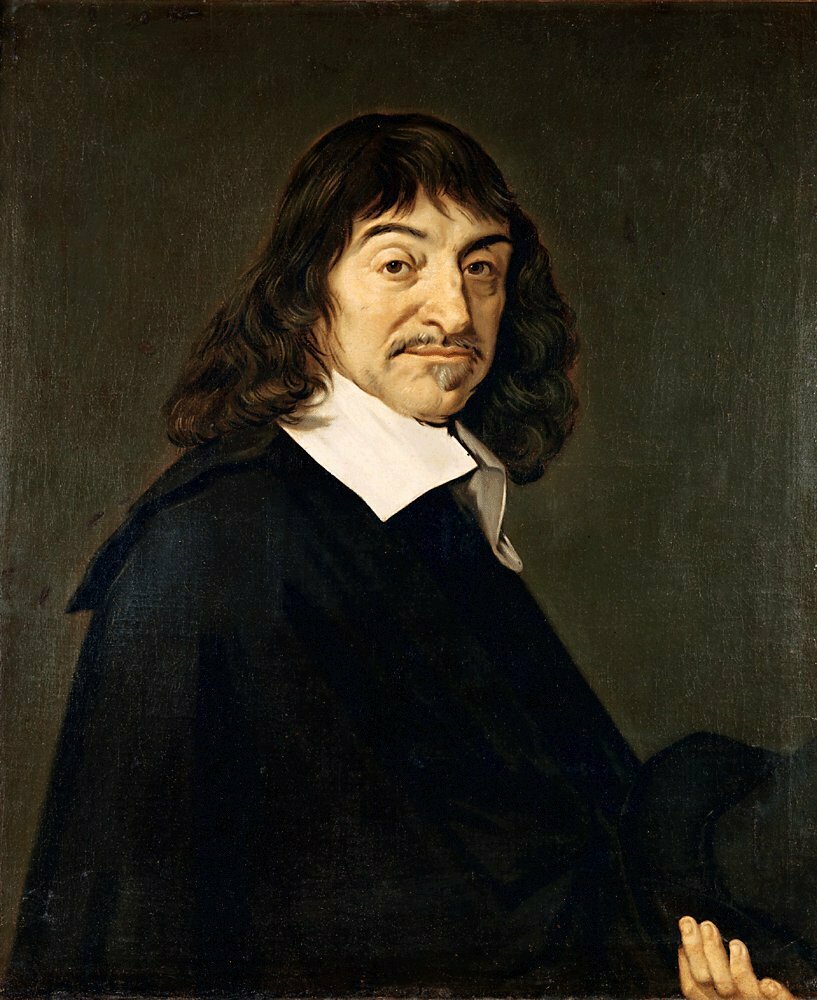
René Descartes
Plato
Noam Chomsky
and other cognitivists
Rationalism vs. Empiricism
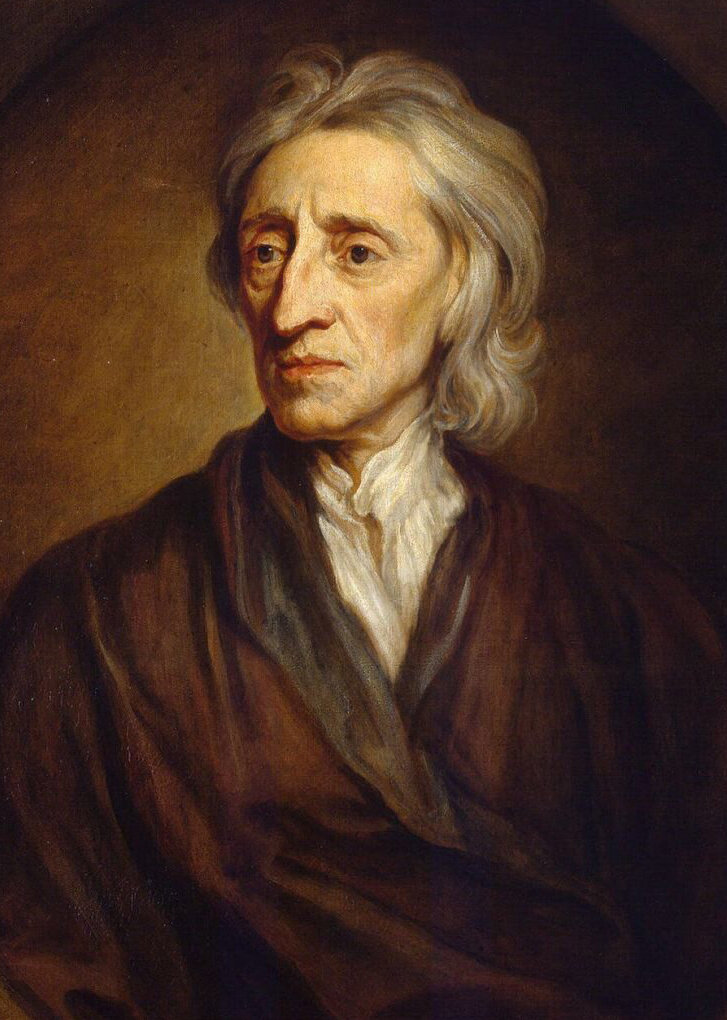
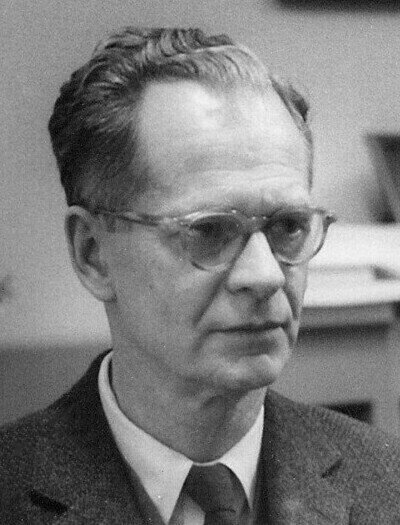
Empiricists claim that we begin with a (nearly) blank state and can learn by empirically engaging with the world.
John Locke
One of the biggest debates in the history of philosophy.

David Hume
B. F. Skinner
and other behaviorists
Rationalism vs. Empiricism
It seems reasonable to argue it’s a mix of both!
Immanuel Kant
One of the biggest debates in the history of philosophy.
Jean Piaget

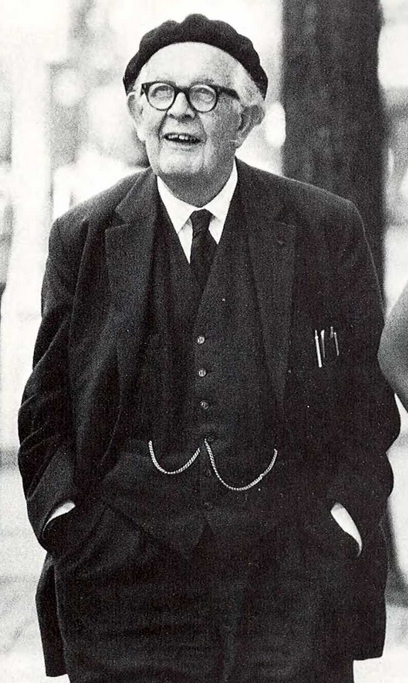
and other constructivists
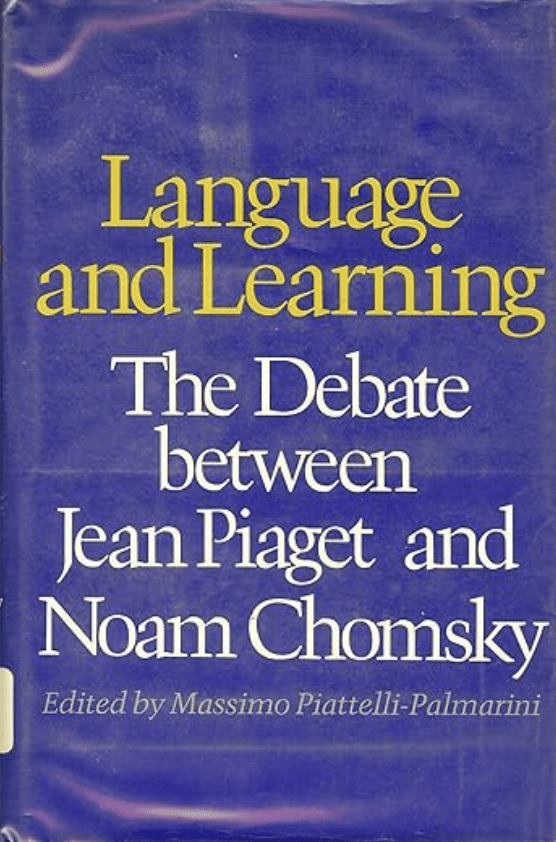
Rationalism vs. Empiricism
Working Memory
site of awareness and thinking
Long-Term Memory
Environment
Assimilation & Accomodation
Attention
Recollecting
Forgetting
New knowledge is constructed in light of prior knowledge
Constructivism
Learning consists of changes to how we organize our knowledge in light of new information.
Rote, Shallow, and Deep Knowledge
Shallow Knowledge:
Understanding to some extent and knowing some concrete examples.
Deep Knowledge:
Deep understanding; seeing the abstraction that underlies the concrete examples
Rote Knowledge:
Memorized information without understanding
C&L - Memory Retrieval
By Shayan Doroudi