Rust is the future of systems programming

- Why?
- C++ vs Rust
- Pros and Cons of Rust usage
Syllabus
Microsoft report graph

Why?
Application binary interface
- Each platform has it's own compiler
- ABI is not compatible (even with compiler versions)
Language Complexity
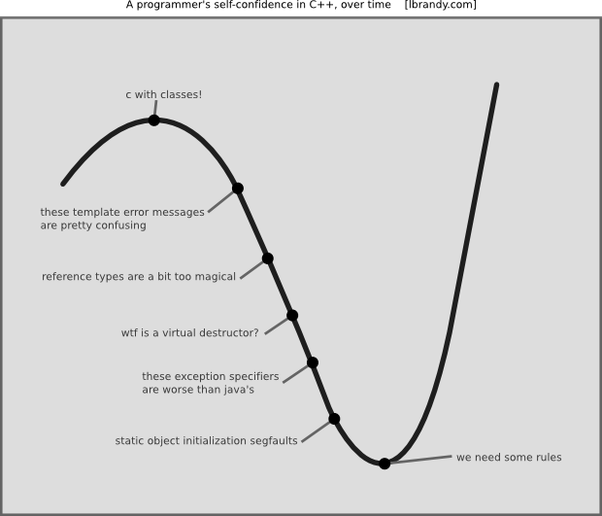
Language Complexity
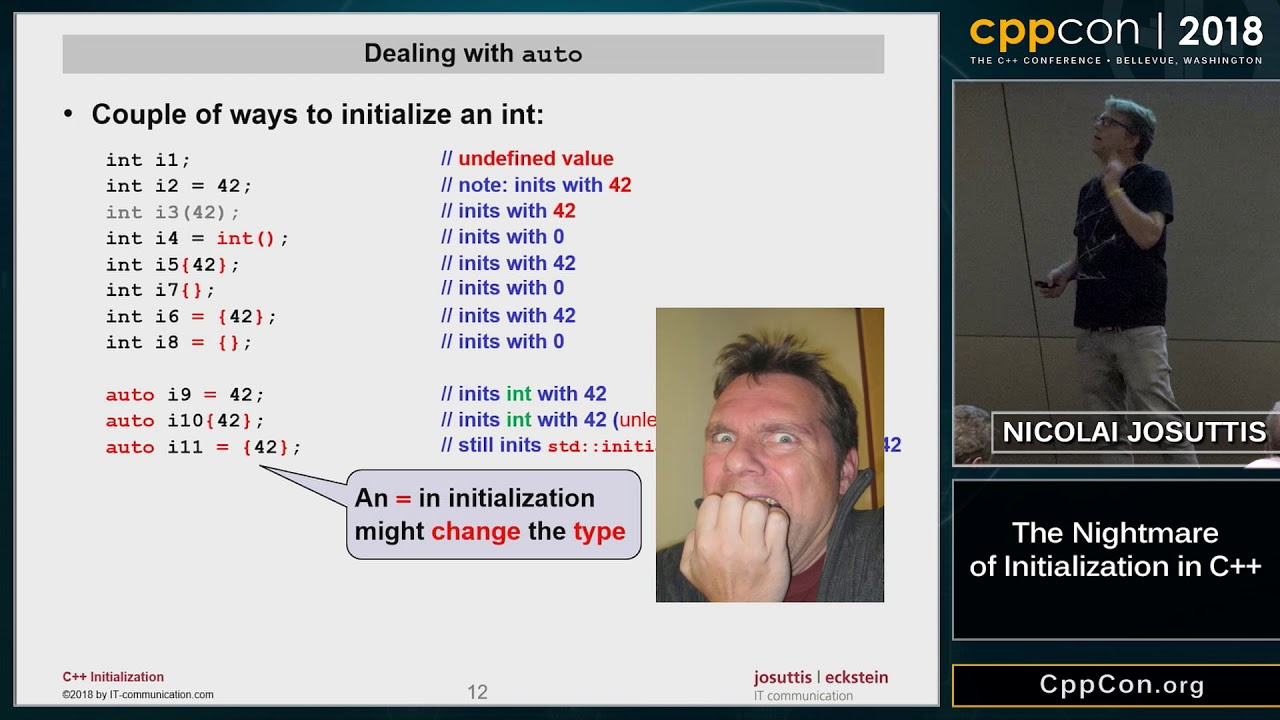
SFINAE
Exeptions
C++ vs Rust
By examples
std::vector<std::string> items{"1", "2", "3", "4", "5"};
auto & last = items.at(4);
items.push_back("6");
last[0] = 'o';

for (const auto & item : items)
{
	std::cout << item << ' ';
}
gcc -o sample -x c++ -O3 -Wall -Werror main.cpp -lstdc++ && ./sample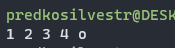
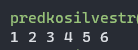
std::vector<std::string> items{"1", "2", "3", "4", "5"};
auto & last = items.at(4);
items.push_back("6");
last[0] = 'o';

for (const auto & item : items)
{
	std::cout << item << ' ';
}
C++
fn main() {
    let mut items = vec![String::from("1"), String::from("2"),
                         String::from("3"), String::from("4"),
                         String::from("5")];

    let last = &mut items[4];
    // items.push(String::from("8"));
    *last = String::from("o");

    for item in &items {
        print!("{} ", item);
    }
}
Rust
Rust
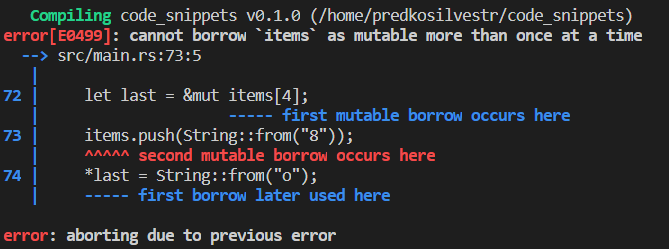
fn main() {
    let mut items = vec![String::from("1"), String::from("2"),
                         String::from("3"), String::from("4"),
                         String::from("5")];

    let last = &mut items[4];
    items.push(String::from("8"));
    *last = String::from("o");

    for item in &items {
        print!("{} ", item);
    }
}
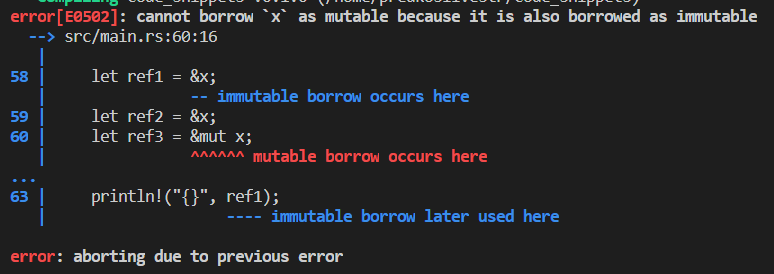
Borrow checker
fn main() {
    let mut x = 5u32;
    let ref1 = &x;
    let ref2 = &x;
    let ref3 = &mut x;
    *ref3 += 1u32;
    println!("{}", ref3);
    println!("{}", ref1);
    println!("{}", ref2);
}
Unsafe Rust
fn main() {
    let raw_p: *const u32 = &10;

    unsafe {
        assert!(*raw_p == 10);
    }
}
Rust isn't complex(hah)
fn main() {
    // allocate on heap
    let value_on_heap = Box::new(String::from("---")); // C++ unique pointer
    let shared_pointer = Rc::new(String::from("----"));
	// everything is moved by default
    for i in 0..=10 {
        println!("{}", i);

        let x = if i % 2 == 0 {
            println!("Even");
            5
        } else {
        	0
        };
    }
}
// the keyword fn is how we know it is a function
pub fn say_hello(name: &str) -> String { // use the -> to say what type the function returns
  let message = format!("hello, {}!", name);
  message // return a value from the last line of a function by omitting the semicolon
}
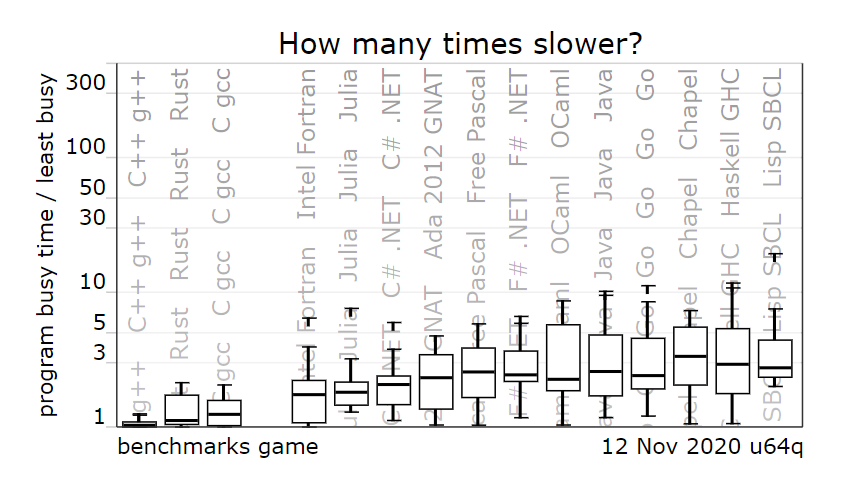
Performance and Binary size
Tooling
- Library distribution
- Package managers
- Build systems
- Build system generators(Cmake, GN)
Rust Tooling
Cargo is Rust’s build system and package manager
// create new project
$ cargo new hello_cargo
$ cd hello_cargo

File Cargo.toml
[package]
name = "hello_cargo"
version = "0.1.0"
authors = ["Your Name <you@example.com>"]
edition = "2018"

[dependencies]
rand = "0.3.1"

// if we want to build project
// and download dependencies
$ cargo build
C++ ecosystem
Rust ecosystem


Pros and Cons of Rust usage
Pros
- Great tooling
- Language safety
- Easy to start new projects
- Features of language
- Safe Threading
Cons
- No method overload
- No inheritance (to discuss)
- Not so mature ecosystem(depends on what you are doing)
Questions?
Rust is the future of systems programming
By Silvestr Predko