
Stefan Sommer
Professor at Department of Computer Science, University of Copenhagen
Stefan Sommer, University of Copenhagen
Faculty of Science, University of Copenhagen
Ringe, January, 2026
Shape models should
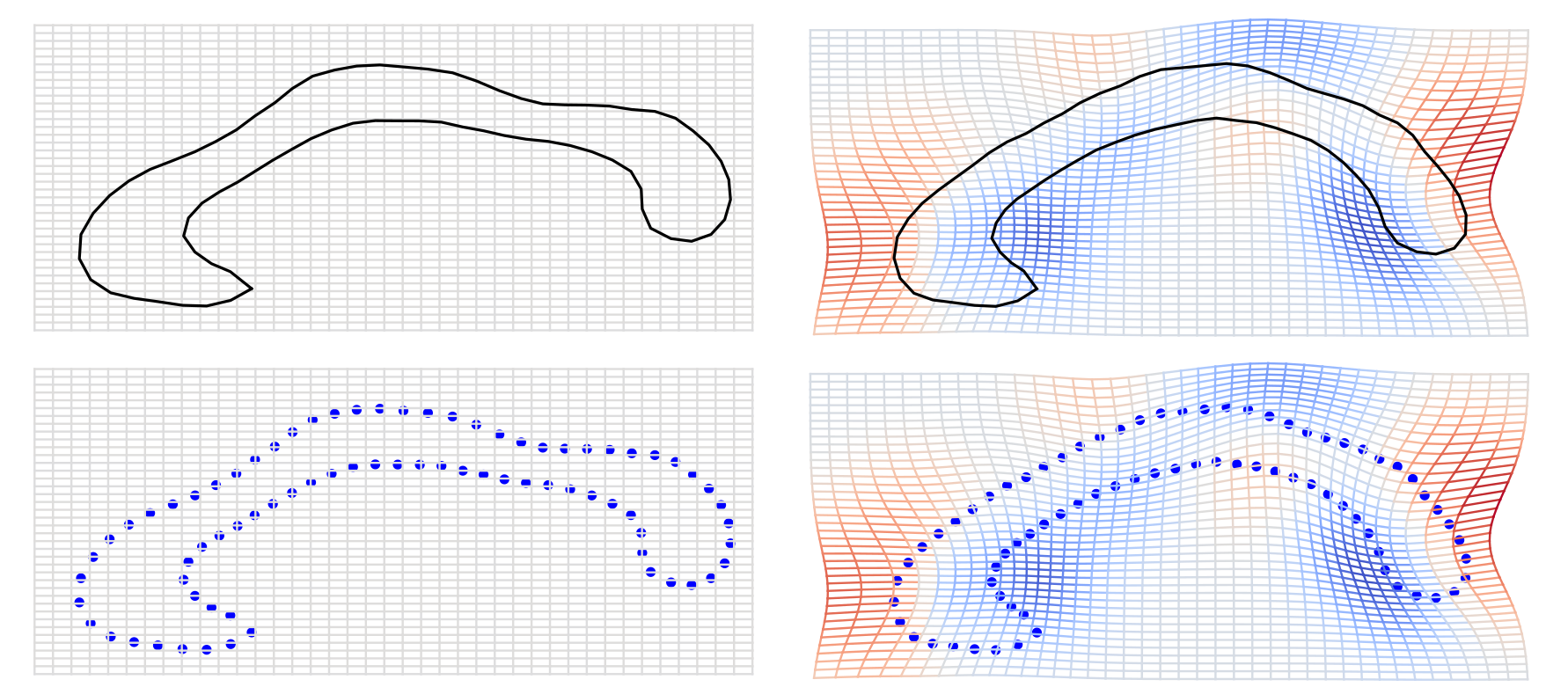
action: \(\phi.s=\phi\circ s\) (shapes)
\(\phi.s=s\circ\phi^{-1}\) (images)
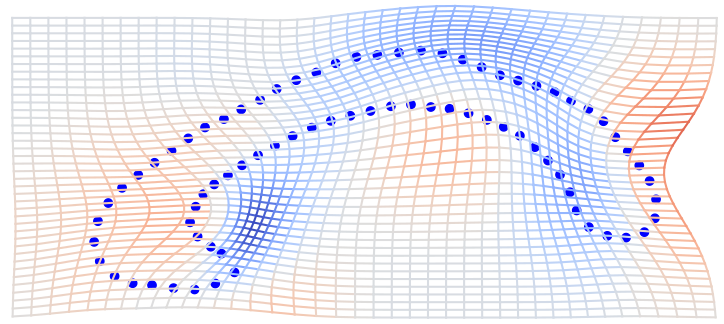
\( \phi \)
\( \phi \) warp of domain \(\Omega\) (2D or 3D space)
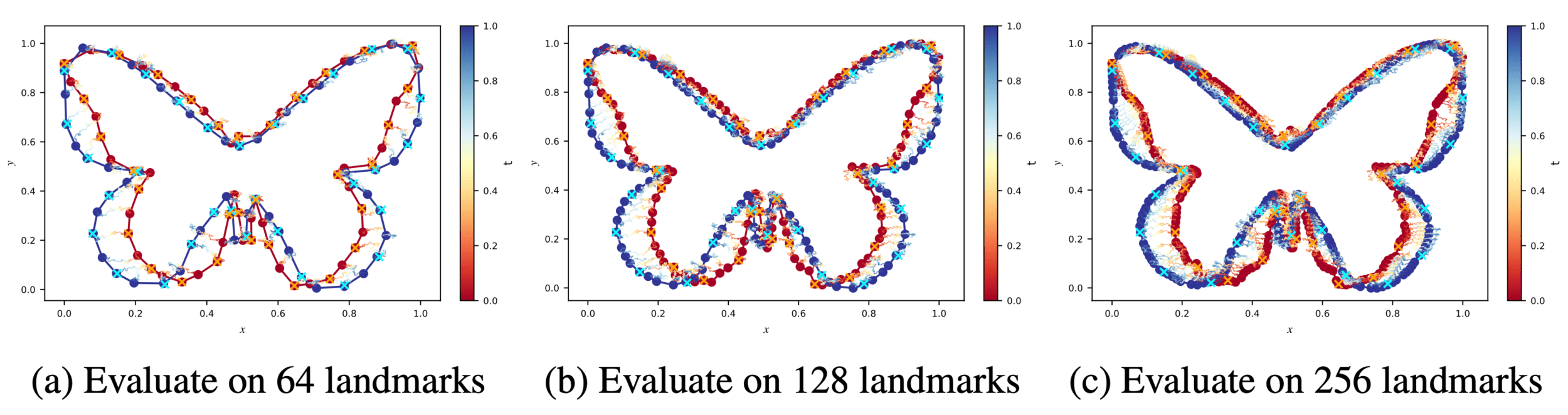
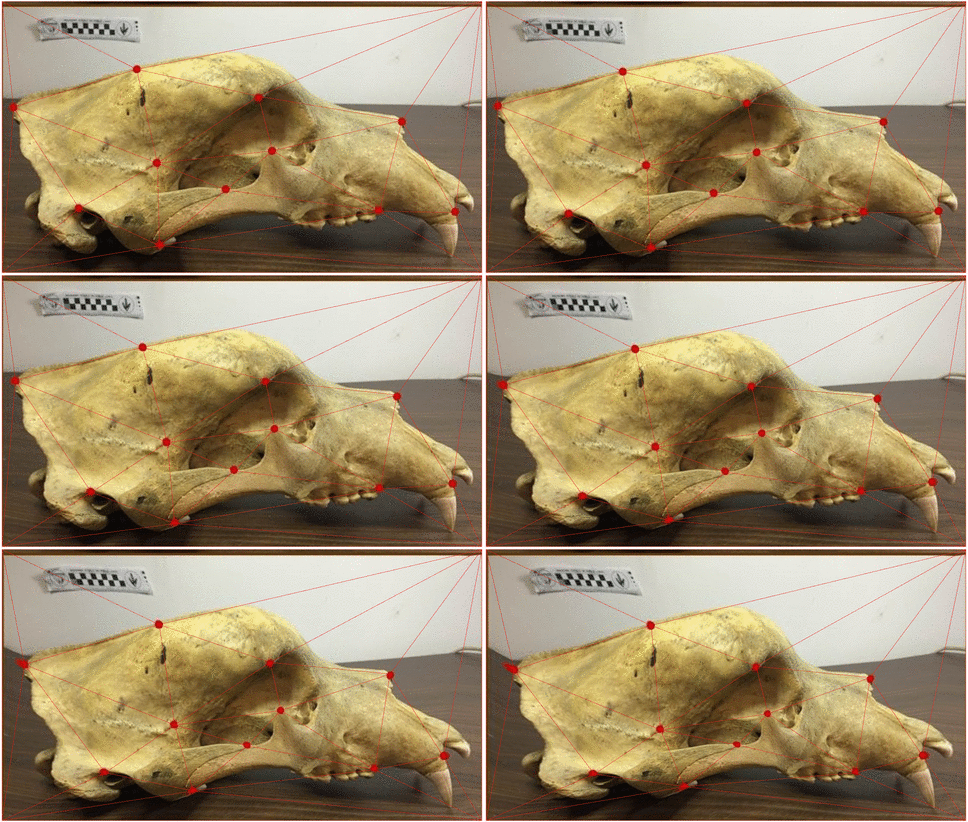
landmarks: \(s=(x_1,\ldots,x_n)\)
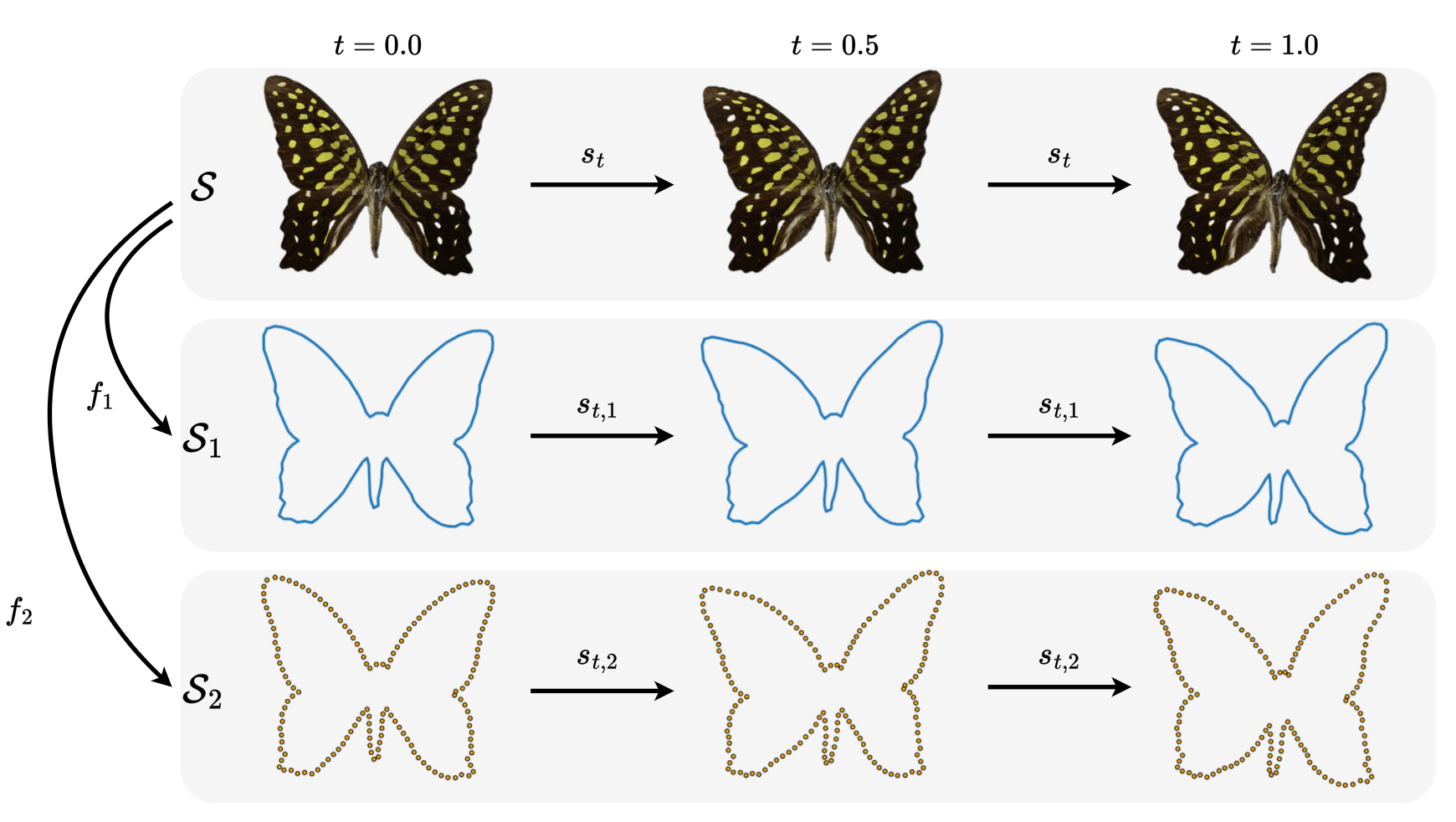
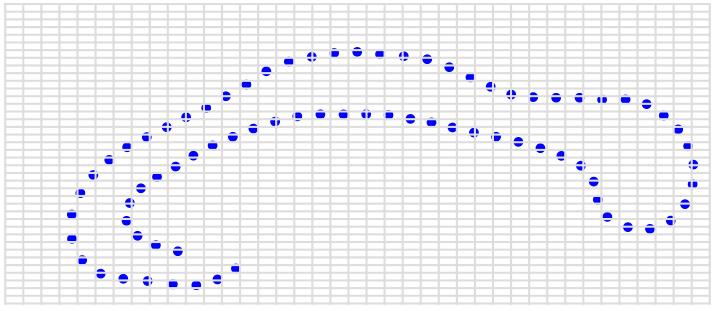
curves: \(s: \mathbb S^1\to\mathbb R^2\)
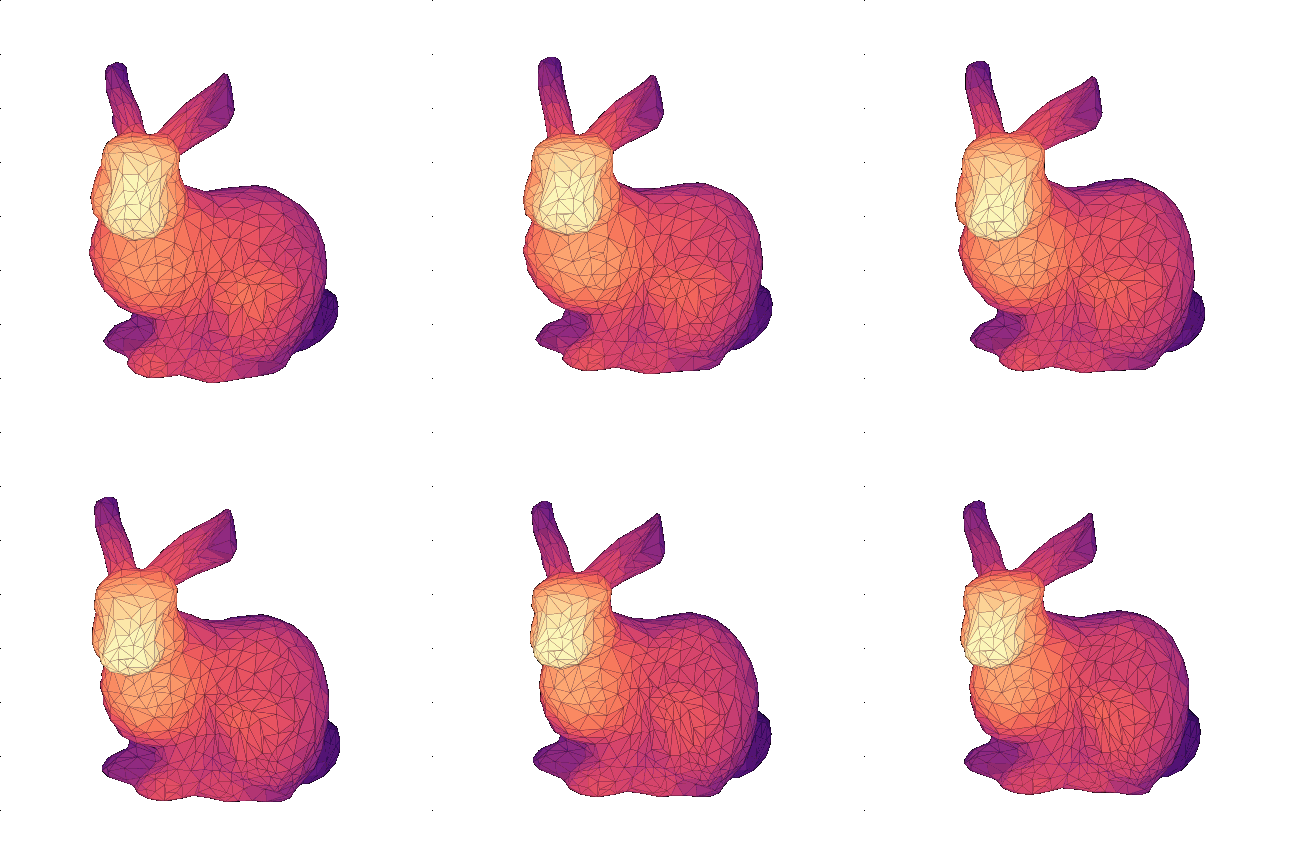
surfaces: \(s: \mathbb S^2\to\mathbb R^3\)
\( \phi_t:[0,T]\to\mathrm{Diff}(\Omega) \) path of diffeomorphisms (parameter t)
LDDMM: Grenander, Miller, Trouve, Younes, Christensen, Joshi, et al.
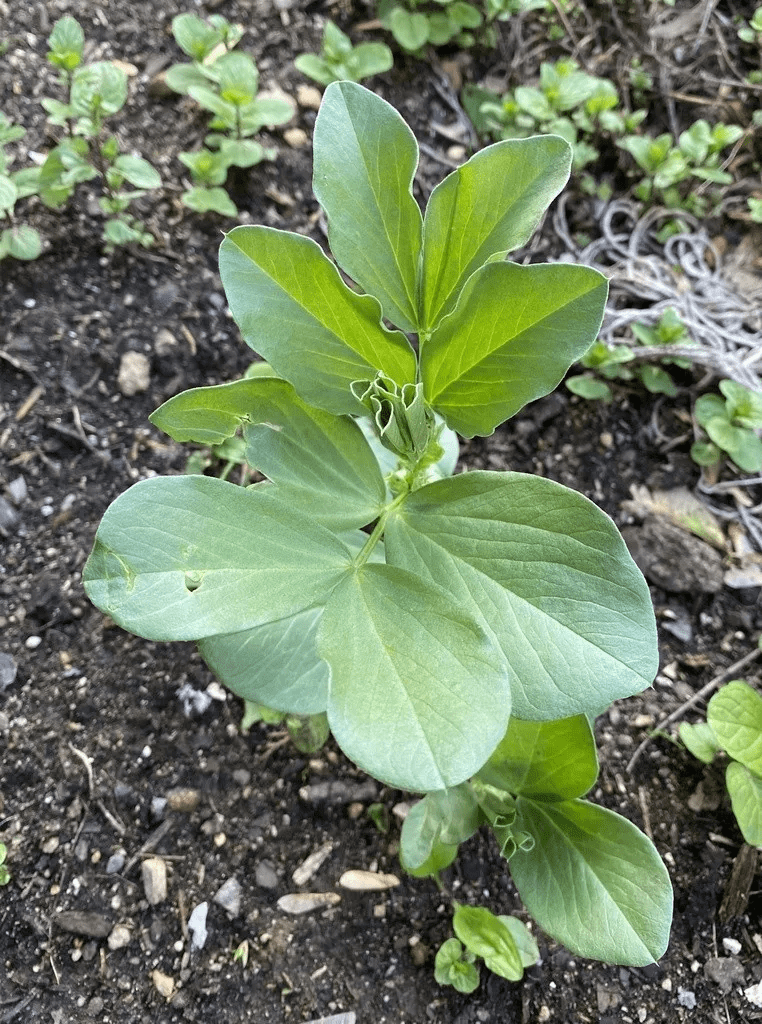
- define action on leaf shape and internal structure
- define fiber of internal structure change
- geometric and metric structure on fiber bundle
- statistics
- Thomas Besnier (postdoc from Jan 1 2026, 50%)
- Lili Bao (postdoc from Mar 1 2026, 50%)
- Gabriel D'hulst (PhD, from Jun 1 2026)
MSc students:
- spring 2026: Mark, Nynne
WP2 Computer vision for detection and segmentation
2.1) Identify relevant object detection and segmentation models. Set up computational pipelines for processing of the field images,
2.2) Develop a fine-tuning methodology to further optimise the base models,
2.3) Evaluate the results with a particular focus on the robustness of the models. For this, adequate fine-grained evaluation metrics need to be developed.
WP3 Shape analysis for plant morphology
3.1) Adapt infinite-dimensional shape models based on actions of diffeomorphisms to plant shape analysis, particularly defining appropriate actions for the overall shape and fine-grained internal structure,
3.2) Develop methodology for low-dimensional representation and visualisation of shape data using the diffeomorphic models,
3.3) Develop statistical methodology for regression analysis, hypothesis testing and analysis of time series of shape data.
By Stefan Sommer