Getting Started with Meteor, React, and Apollo.
Ryan Glover
@themeteorchef

Who are you?
-
Hi, I'm Ryan. I like to think of myself as the James Brown of computer geeks (oof).
-
Six foot tall.
-
Made of solid gold.
-
I run a site called The Meteor Chef that's focused on teaching folks like you how to build real-world products with Meteor and JavaScript. I've developed a romance with React over the last year and a half and recently, started making eyes at GraphQL (haaay).
What's the point here, slick?
-
Try to feel like sane adults. Yes, really.
-
Understand what Meteor is and how it cuts out a ton of work so we can focus more on our product and less on nerd flex 💪.
-
Understand what GraphQL is, how it works, and why you'd want to use it in your work.
-
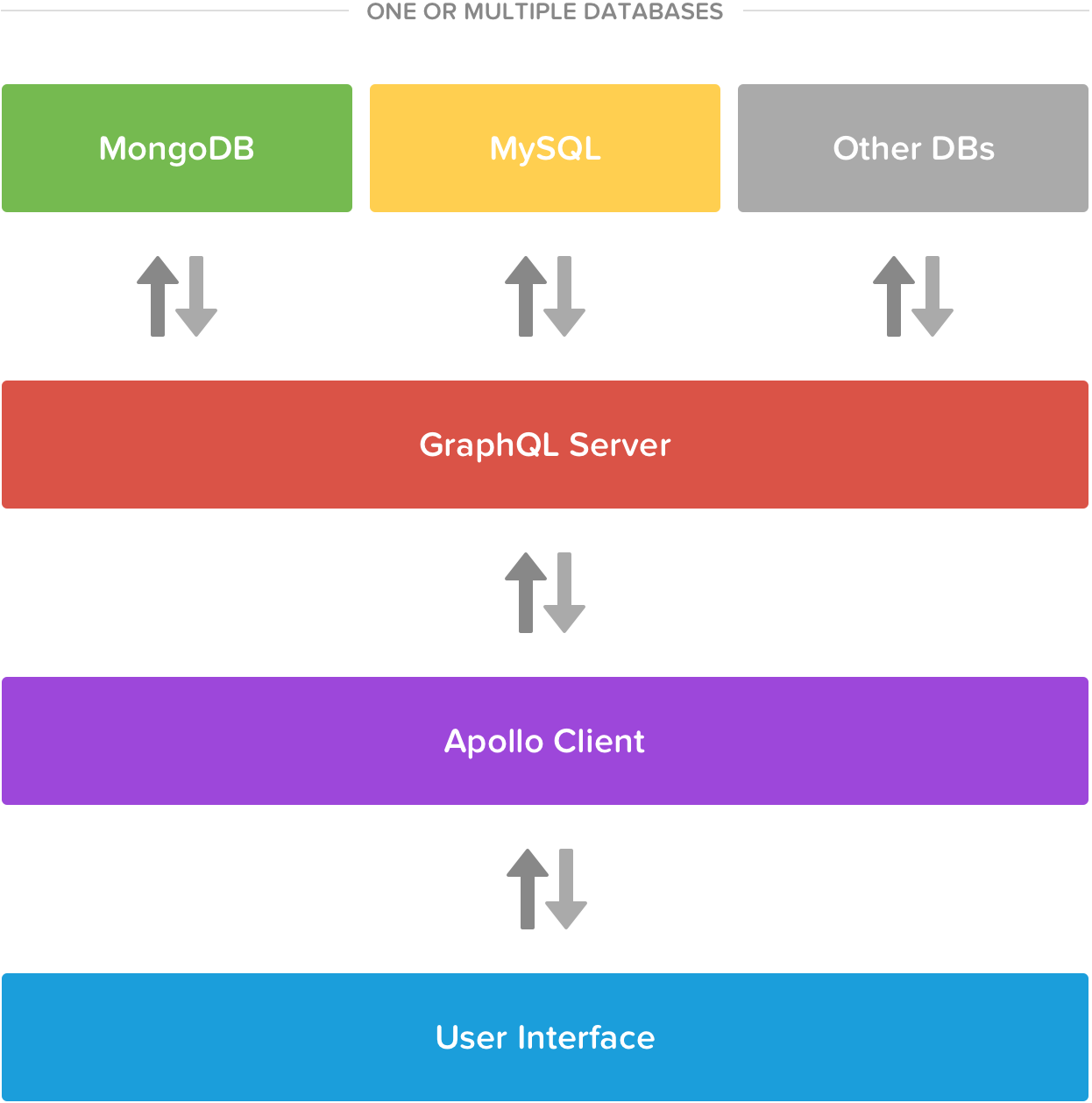
Understand what Apollo is and how it helps us to bridge the gap between our GraphQL server and our React-based interface.
-
Walk through a simple (I swear) implementation of GraphQL in Meteor utilizing React and Apollo.
What is Meteor?
-
A JavaScript platform built on top of Node.js that offers one-size-fits-all solutions to common development tasks.
-
Eliminates the need to understand/configure a build system. Automatic support for ES2015/ES6+ out-of-the-box via Babel.
-
Automatically spins up and connects your app to a MongoDB database.
-
Works directly with NPM as well as its own package system, Atmosphere*.
-
Really upsets hardcore nerds with control issues.
What is GraphQL?
-
GraphQL is an additional layer between your interface and your data store (e.g., MongoDB, MySQL, PostgreSQL, etc).
-
It flips our thinking to put an emphasis on the data requirements of our interface first. No more parsing whatever the server sends us.
-
Eliminates multiple HTTP requests by helping us to design responses that send down everything we need from the server in one go.
-
Specific to Meteor, it enables us to use more than just MongoDB as a database.
{
customer {
name
emailAddress
purchases {
date
item
price
}
}
}
{
data: {
customer: {
name: "Doug Funnie",
emailAddress: "doug.funnie@bluffington.edu"
},
purchases: [{
date: "February 4th, 2017",
item: “Kleenex Tissues (150 ct)”,
price: "$3.75”
},{
date: "February 3rd, 2017",
item: “Hellman’s Mayonaise (64oz)”,
price: "$17.99”
}]
}
}
export const CustomerProfile = ({ data }) => (
<h4>{ data.customer.name } ({ data.customer.emailAddress })</h4>
<h5>Customer Purchases</h5>
<table>
<thead>
<tr>
<th>Date</th>
<th>Item</th>
<th>Price</th>
</tr>
</thead>
<tbody>
{data.purchases.map(({ date, item, price }) => {
<tr>
<td>{ date }</td>
<td>{ item }</td>
<td>{ price }</td>
</tr>
})}
</tbody>
</table>
);
What is Apollo?
-
Made by the same team that builds Meteor (Meteor Development Group). Works with any JS app.
-
In normal people terms: the glue between our GraphQL server and our interface.
-
Heavy emphasis on the client library, apollo-client, which helps us to connect to any GraphQL server.
-
Helps us to execute GraphQL queries and mutations from the client.
-
Server library exists along with a set of tools for creating a GraphQL server/schema. A bit abstracted so not recommended for your first pass.

Let's look at some code and figure this out!
https://github.com/themeteorchef/apollo-react-chicago
If you're sufficiently impressed...
-
Follow @themeteorchef on Twitter for more like this.
-
The Meteor Chef offers a Mentorship service where we can sit down and pair-program on your app together. Specialize in Meteor, React, and now this GraphQL beeswax. Most JS stuff is kosher, though! https://themeteorchef.com/mentorship
-
We released a deep-dive on Getting Started with Apollo in Meteor for members-only subscribers last week. A FREE intro to Getting Started with GraphQL is going live this week. https://themeteorchef.com/tutorials/getting-started-with-apollo
-
Other questions or not sure where to go next? Come say hi afterward or shoot me a note: ryan.glover@themeteorchef.com.
Getting Started with Meteor, React, and Apollo
By themeteorchef