AIM-PRO Pedagogical Constitution
proof of concept
AIM-PRO Pedagogical Constitution

Outlines the core pedagogical principles that guide the creation of our tools, resources, and learning scenarios, ensuring that all partners share a common "pedagogical soul"..
Core pedagogical principles
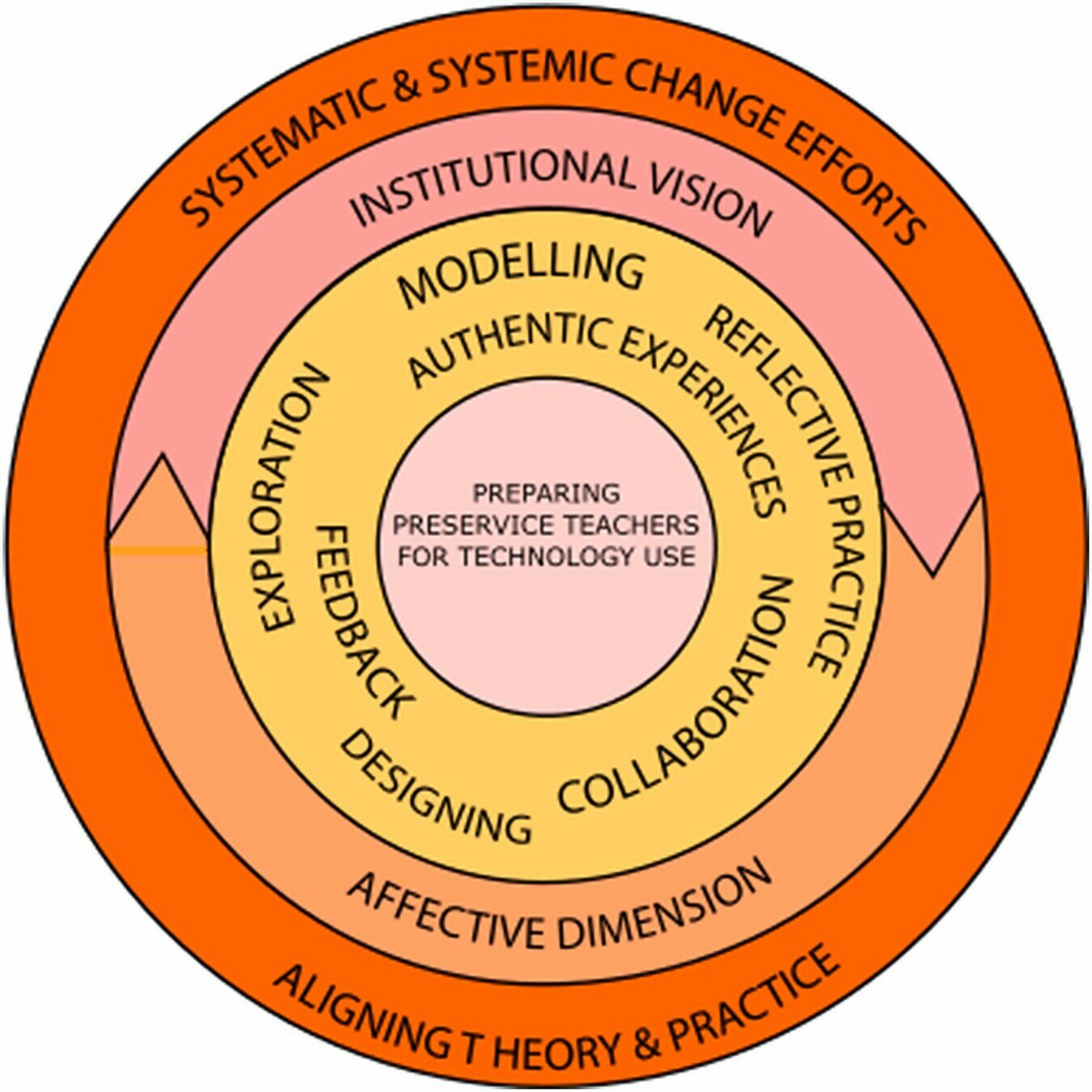
To ensure that AIM-PRO's educational interventions are beneficial and deeply effective, all project outputs and methodologies must stand by to the following core pedagogical principles, adapted from the SQD-model for digital technologies (Tondeur et al., 2025).

1. Modelling and exploration (hands-on exploration)
2. Reflective practice (building a strong "digital identity")
3. Collaborative design (foster collaborative design activities)
...
1. Modelling and exploration (hands-on exploration)
AIM-PRO tools and scenarios must prioritize active experimentation with AI tools to build confidence and practical utility.
2. Reflective practice (building a strong "digital identity")
AIM-PRO resources must encourage learners to critically reflect on the limitations, ethical risks, and potential of AI technologies.
3. Collaborative design (foster collaborative design activities)
The AIM-PRO activities require pedagogical reasoning to understand the "why" and "how" of using specific AI tools to achieve a targeted outcome.
...
1. Modelling and exploration (hands-on exploration)
2. Reflective practice (building a strong "digital identity")
3. Collaborative design (foster collaborative design activities)
4. A cycle of authentic experiences and feedback Mastery of AI requires real-world application. AIM-PRO interventions must provide iterative cycles of authentic experiences (e.g., using AI in real-world SME or HE tasks) supported by continuous, highly-valued human and peer feedback.
5. The affective dimension (Inclusive and Empathetic)AI integration often triggers strong emotional responses, from joy and confidence to stress and frustration. AIM-PRO methodologies must remain sensitive to these affective characteristics and acknowledge "Tech Gaps," ensuring that our tools do not marginalize learners but actively help them overcome psychological barriers to AI adoption .
6. "One Size Does Not Fit All" (Adaptability)
1. Modelling and exploration (hands-on exploration)
AIM-PRO tools and scenarios must prioritize active experimentation with AI tools to build confidence and practical utility.
2. Reflective practice (building a strong "digital identity")
AIM-PRO resources must encourage learners to critically reflect on the limitations, ethical risks, and potential of AI technologies.
3. Collaborative design (foster collaborative design activities)
The AIM-PRO activities require pedagogical reasoning to understand the "why" and "how" of using specific AI tools to achieve a targeted outcome.
4. A cycle of authentic experiences and feedback Mastery of AI requires real-world application. AIM-PRO interventions must provide iterative cycles of authentic experiences (e.g., using AI in real-world SME or HE tasks) supported by continuous, highly-valued human and peer feedback.
5. The affective dimension (Inclusive and Empathetic)AI integration often triggers strong emotional responses, from joy and confidence to stress and frustration. AIM-PRO methodologies must remain sensitive to these affective characteristics and acknowledge "Tech Gaps," ensuring that our tools do not marginalize learners but actively help them overcome psychological barriers to AI adoption .
6. "One Size Does Not Fit All" (Adaptability)

Modelling and exploration
Samen,
afspreken hoe we omgaan met de constante stroom aan informatie.
bepalen wat we willen integreren en hoe we dat willen doen.
het potentieel en de beperkingen van de technologie ontdekken.
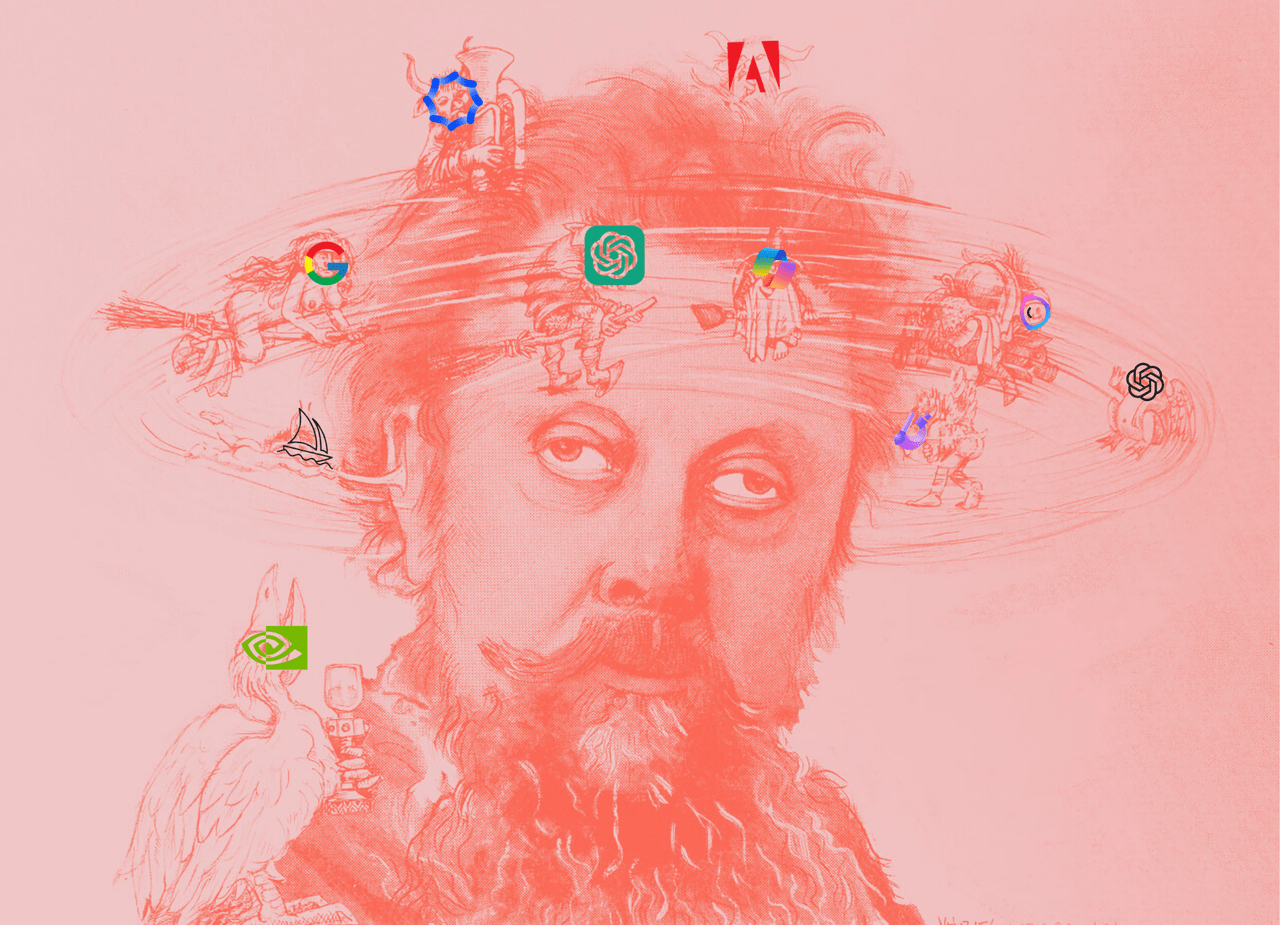

"Any sufficiently advanced technology is indistinguishable from magic.
- Arthur C. Clarke

🪝 EdTech bedrijven hebben er alle belang bij jou enthousiast te houden. Dat helpt bij het veroveren van marktaandeel, het aantrekken van investeerders of het (later) verkopen van bepaalde producten.
Intelligentie 🧠 & antropomorfiseren

AI als een echokamer
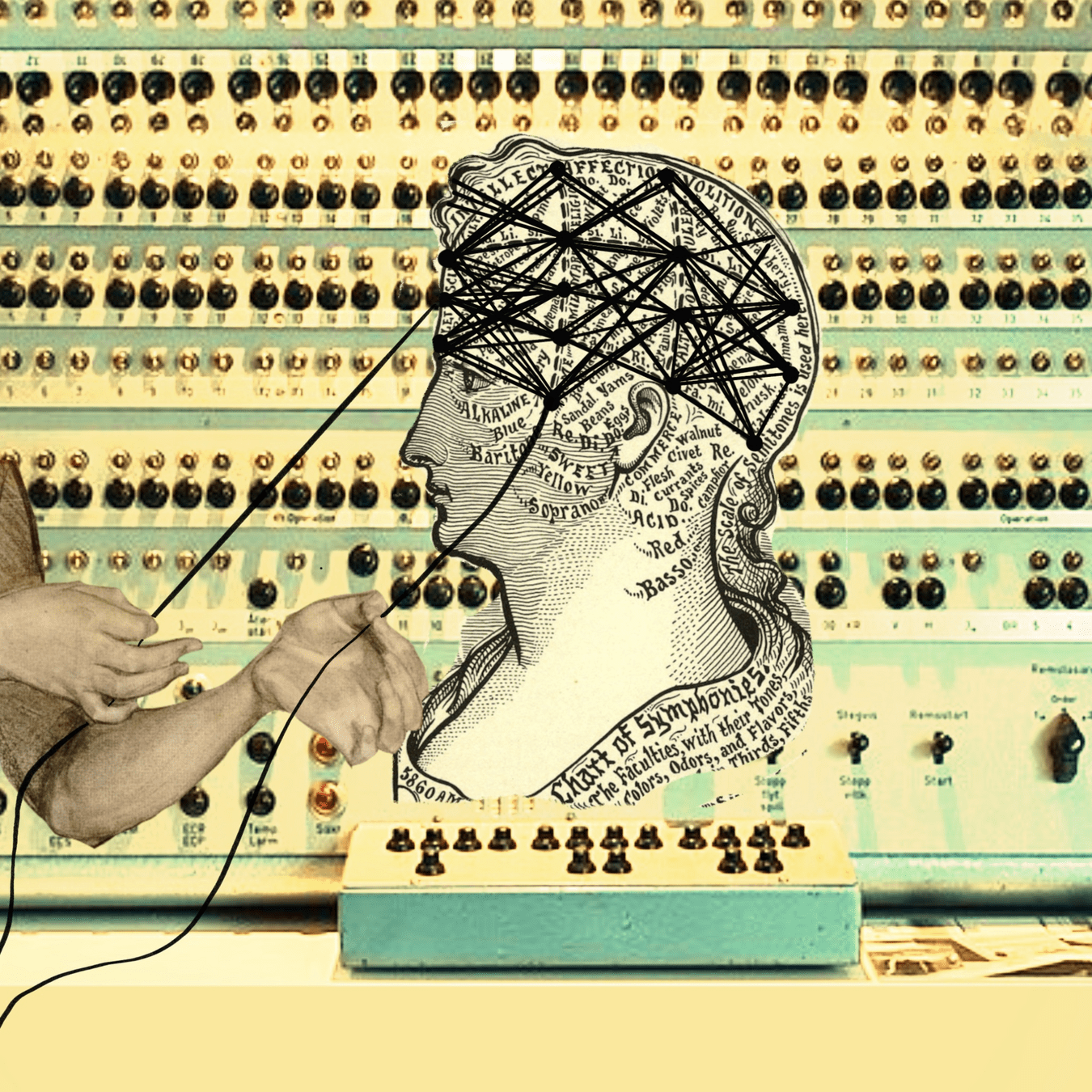
AI-systemen kunnen 'de werkelijkheid' vervormen.

AI als een kermisspiegel
De output van AI-systemen is een voorstelling van de werkelijkheid
(en is niet gelijk aan de werkelijkheid)

AI als een kaart
AI-systemen kunnen ideeën en vooroordelen versterken.
AI-systemen zijn niet (eenvoudig) te doorgronden.
AI als een black box

Waar sta jij nu op het continuum?
Heb je ...
voorstellen om om te gaan met de stroom aan informatie?
ideeën opgedaan over wat we willen integreren en hoe ?
potentieel en beperkingen van de technologie ontdekt?
Don’t buy the hype 🪄
Discover the real value for yourself 🧠
- AI is onvermijdelijk en onontkoombaar (”Eet mij”) 🍪
- AI is de oplossing voor al onze uitdagingen (”Sleutel”) 🔑
- AI overstijgt menselijke intelligentie (”Glazen bol”) 🪩
Mythes
Copy of AIM-PRO's pedagogical soul
By Thibaut Cromphaut
Copy of AIM-PRO's pedagogical soul
AIM-PRO's pedagogical soul