The Root of Misinformation and Bias in Social Networks:
[Echo Chambers]
Yigit Demirag
CS 513 - Implications of the Internet

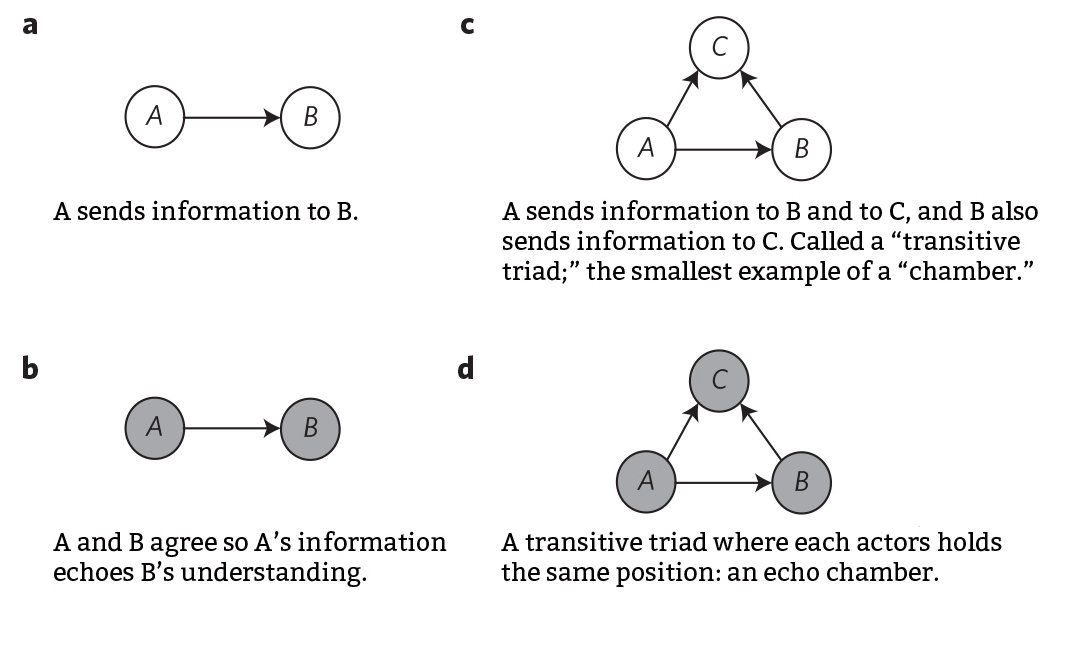
Adapted from Jasny et al.
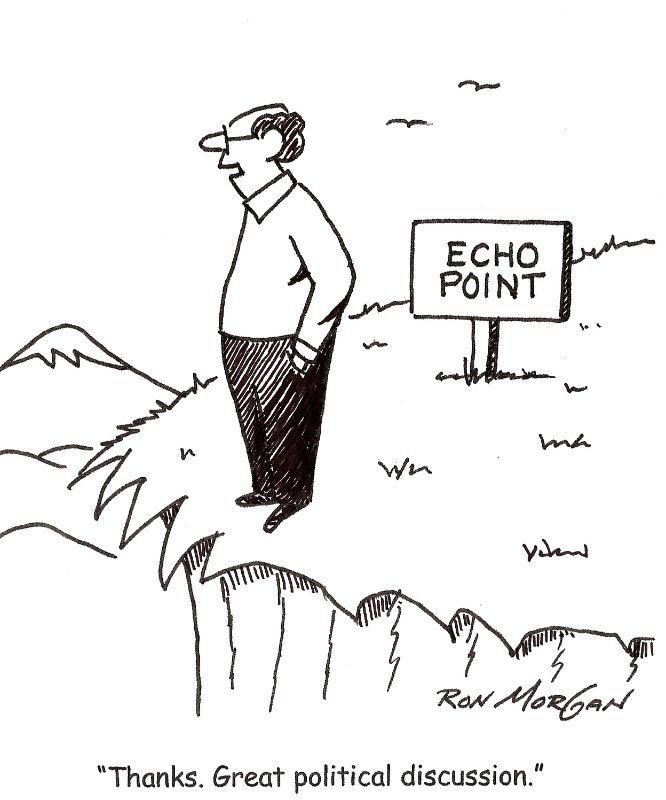
Cartoon by Ron Morgan.


A squirrel dying in front of your house may be more relevant to your interests right now than people dying in Africa.
Mark Zuckerberg, Facebook




2 minutes ago
Like
Comment
Share
Liberal Friend #230
Liberal Friend #434
Liberal Friend #23
Conservative Friend #5
Conservative Friend # 9
Post about Turkey's increasing power.
Post about 80+ journalists imprisoned.
Post about preventing frauds in ballot boxes.
Post about Recep Ivedik.
3 minutes ago
Like
Comment
Share
8 minutes ago
Like
Comment
Share
9 minutes ago
Like
Comment
Share
9 minutes ago
Like
Comment
Share
Post about collapsing democracy in Turkey.
2 minutes ago
Like
Comment
Share
Liberal Friend #230
Liberal Friend #434
Liberal Friend #23
Liberal Friend #19
Post about free speech.
Post about preventing frauds in ballot boxes.
Post about increasing Internet censorship.
3 minutes ago
Like
Comment
Share
8 minutes ago
Like
Comment
Share
9 minutes ago
Like
Comment
Share
9 minutes ago
Like
Comment
Share
Post about 80+ journalists imprisoned.
Liberal Friend #313
Post about collapsing democracy in Turkey.
- 376 million users
- Jan 2010 – December 2015
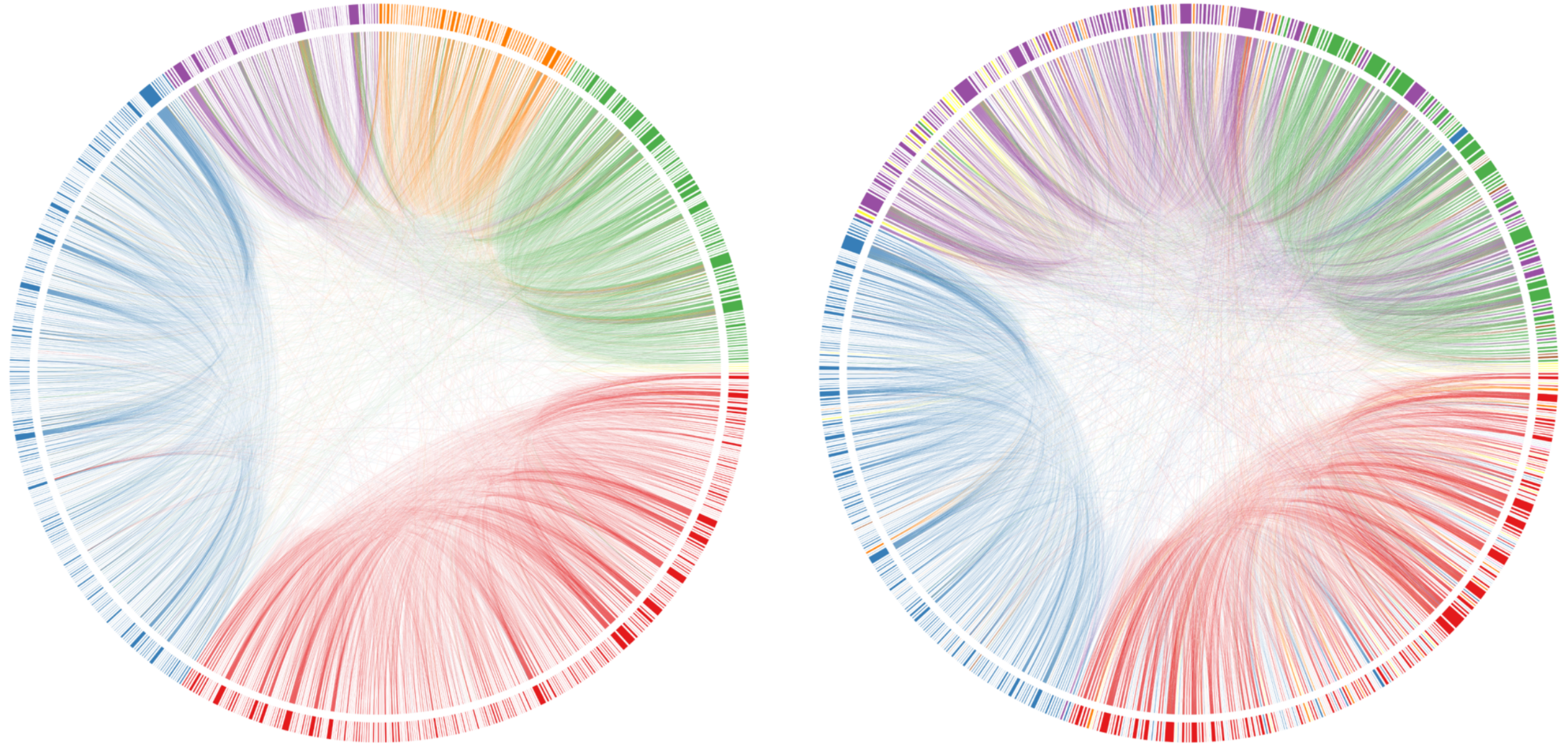
Likes
Comments
Colours indicates different communities.
Adapted from Schmidt et al.



57 Signals
Location.
The browser you use.
The computer you use.
Time need to type query.
Screen resolution.
OS version.
Language.
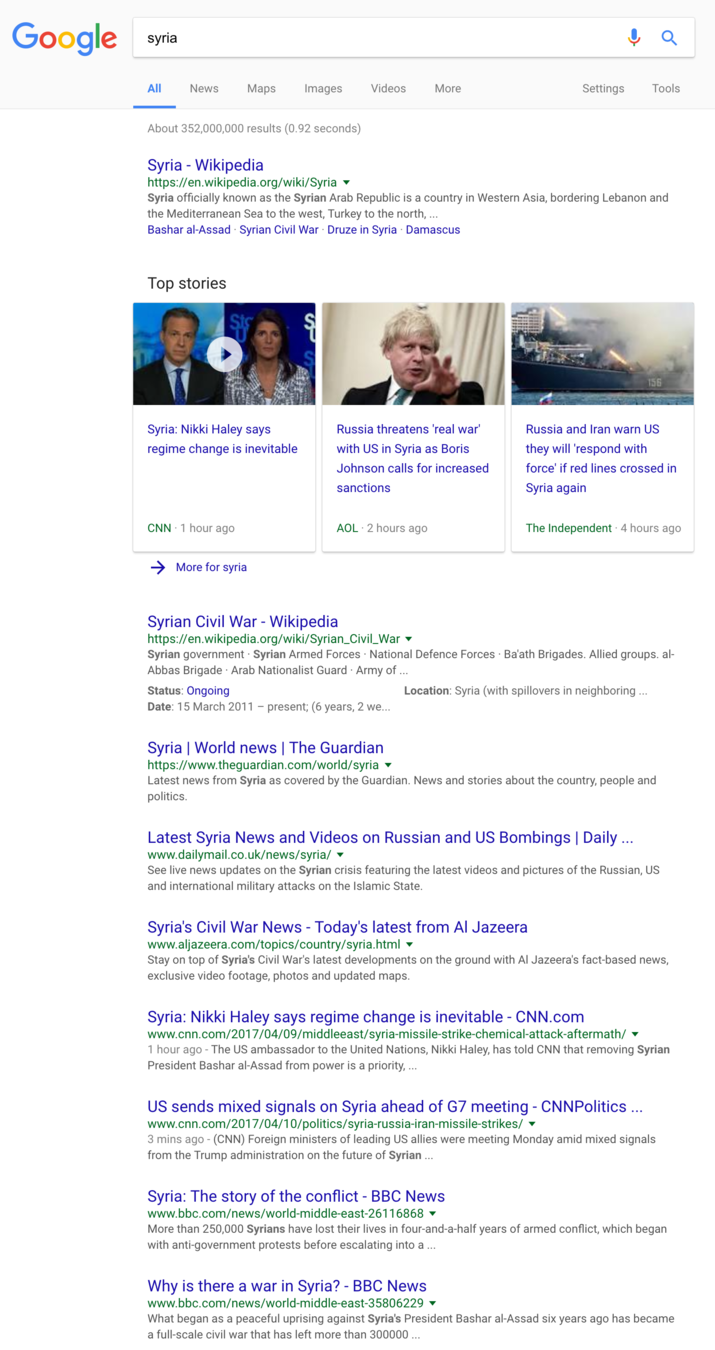
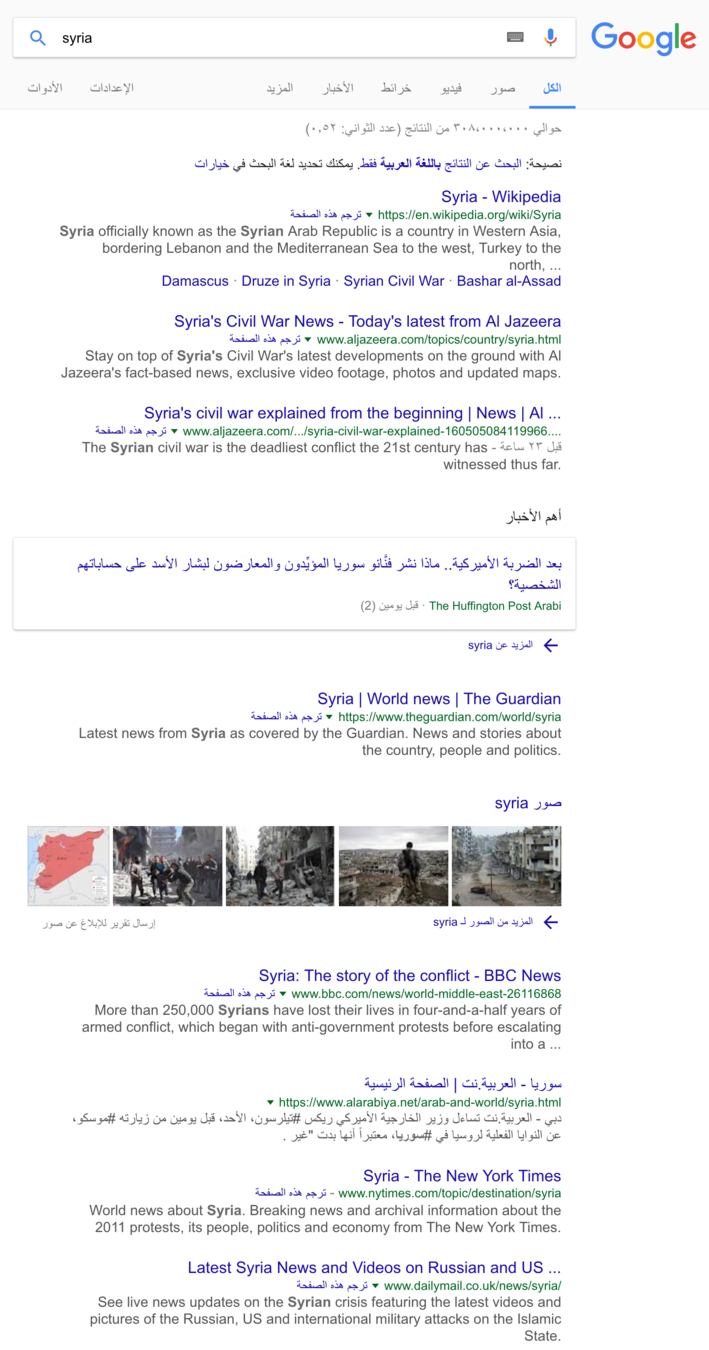
It will be very hard for people to watch or consume something that has not in some sense been tailored for them.
Eric Schmidt, Google
≠
CONTENT QUALITY
TAILORED CONTENT
- 1.34 million tweets
- 2,500 users
- 6th October – 16th November 2016
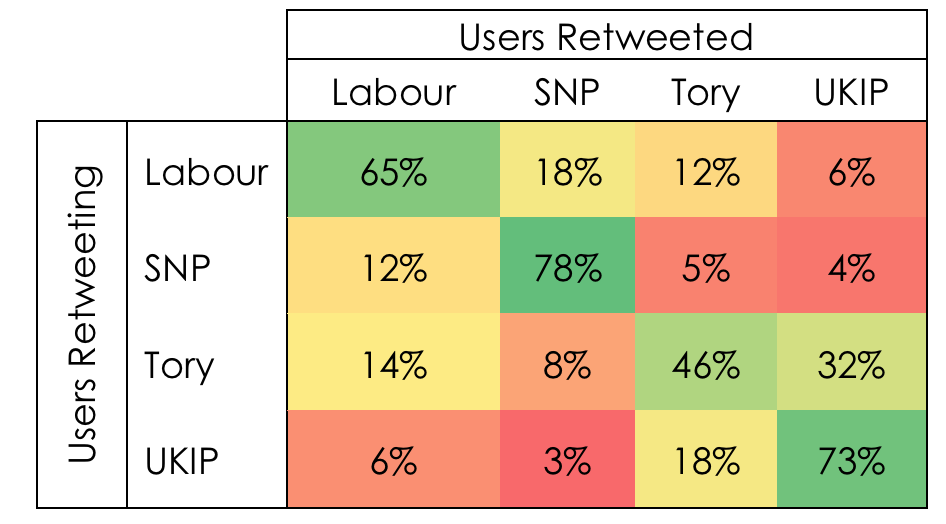
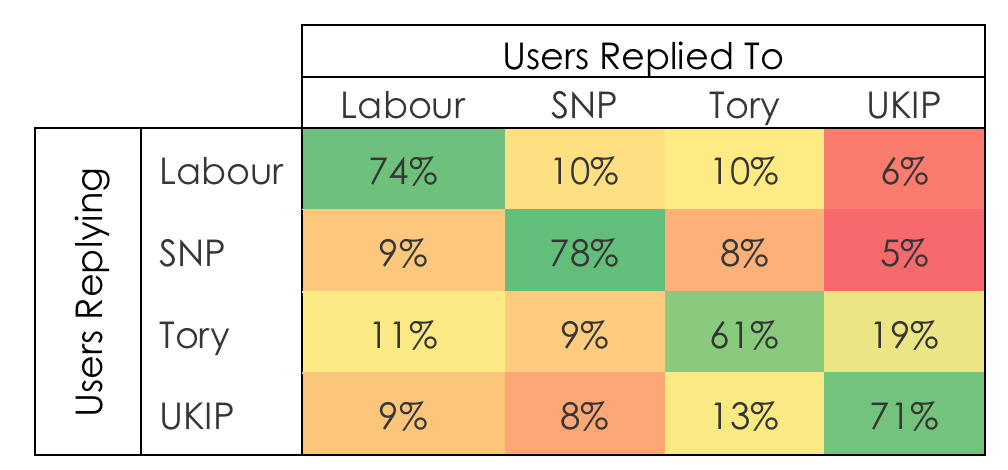
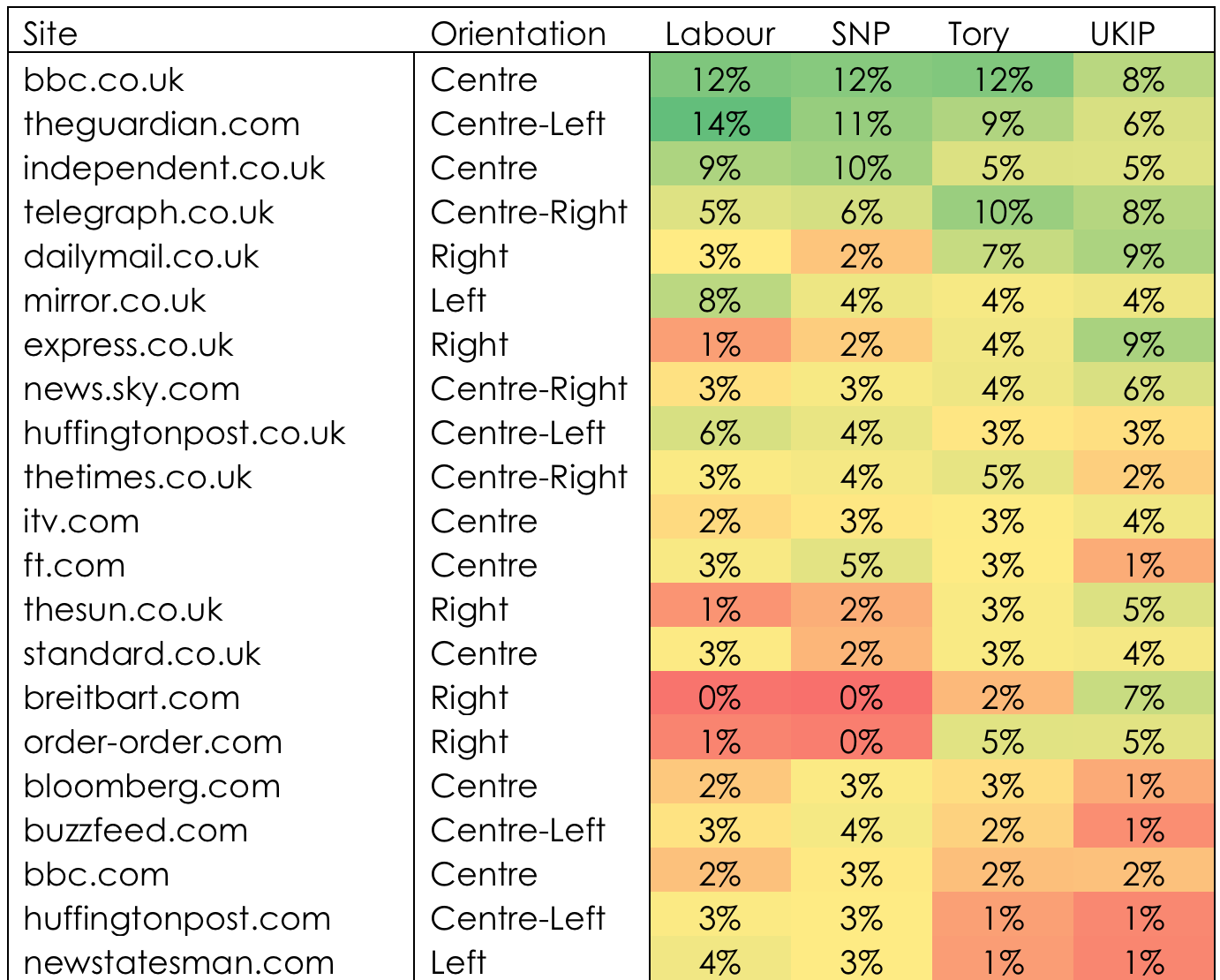
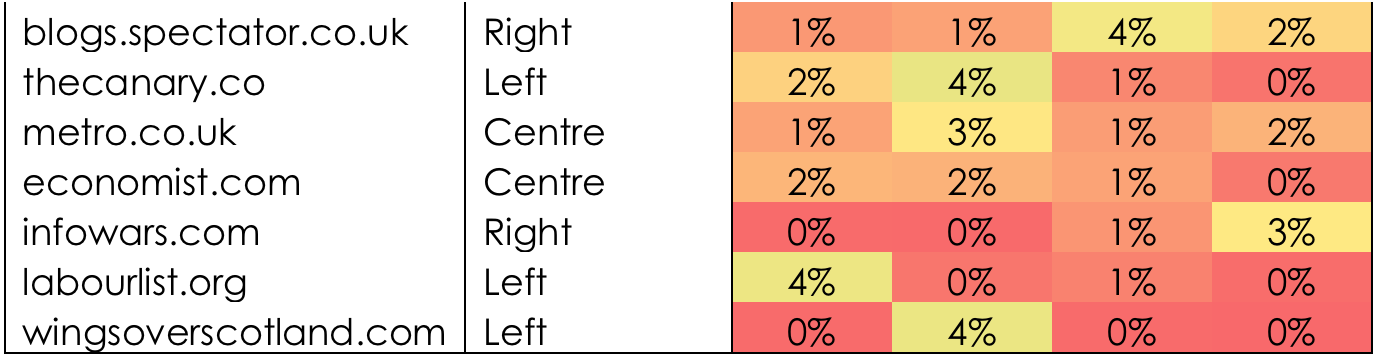
Adapted from Jones et al.
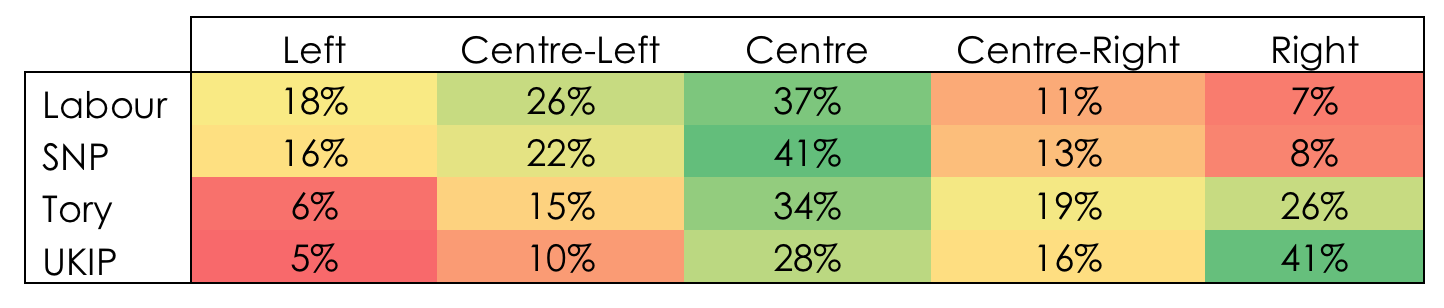
Adapted from Schmidt et al.
Consequences
Relating to or denoting circumstances in which objective facts are less influential in shaping public opinion than appeals to emotion and personal belief.
Post-truth :
Relating to or denoting circumstances in which objective facts are less influential in shaping public opinion than appeals to emotion and personal belief.
Post-truth :
The acceptance of or mental capacity to accept contrary opinions or beliefs at the same time, especially as a result of political indoctrination.
Doublethink :
(from George Orwell's 1984)
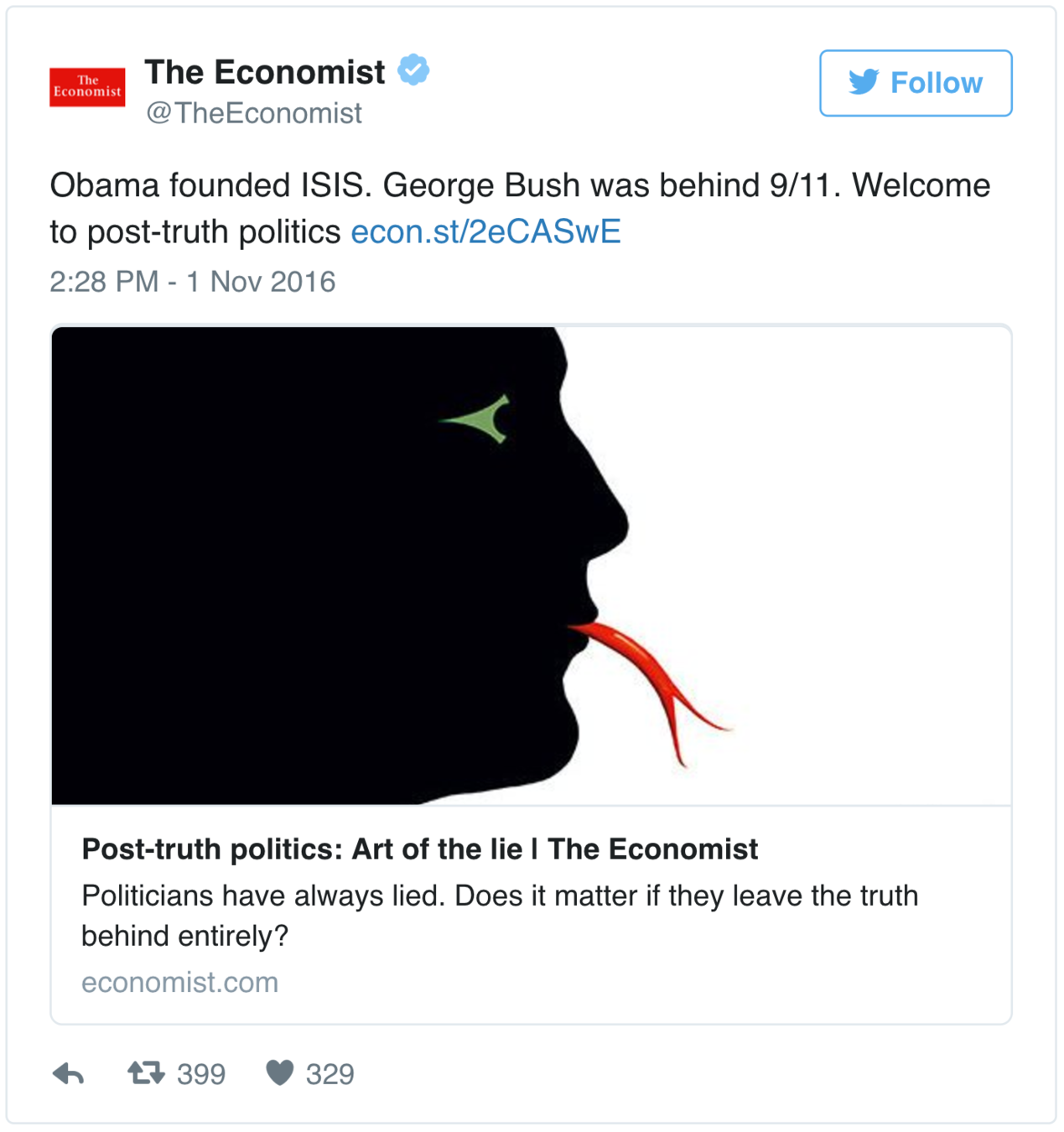
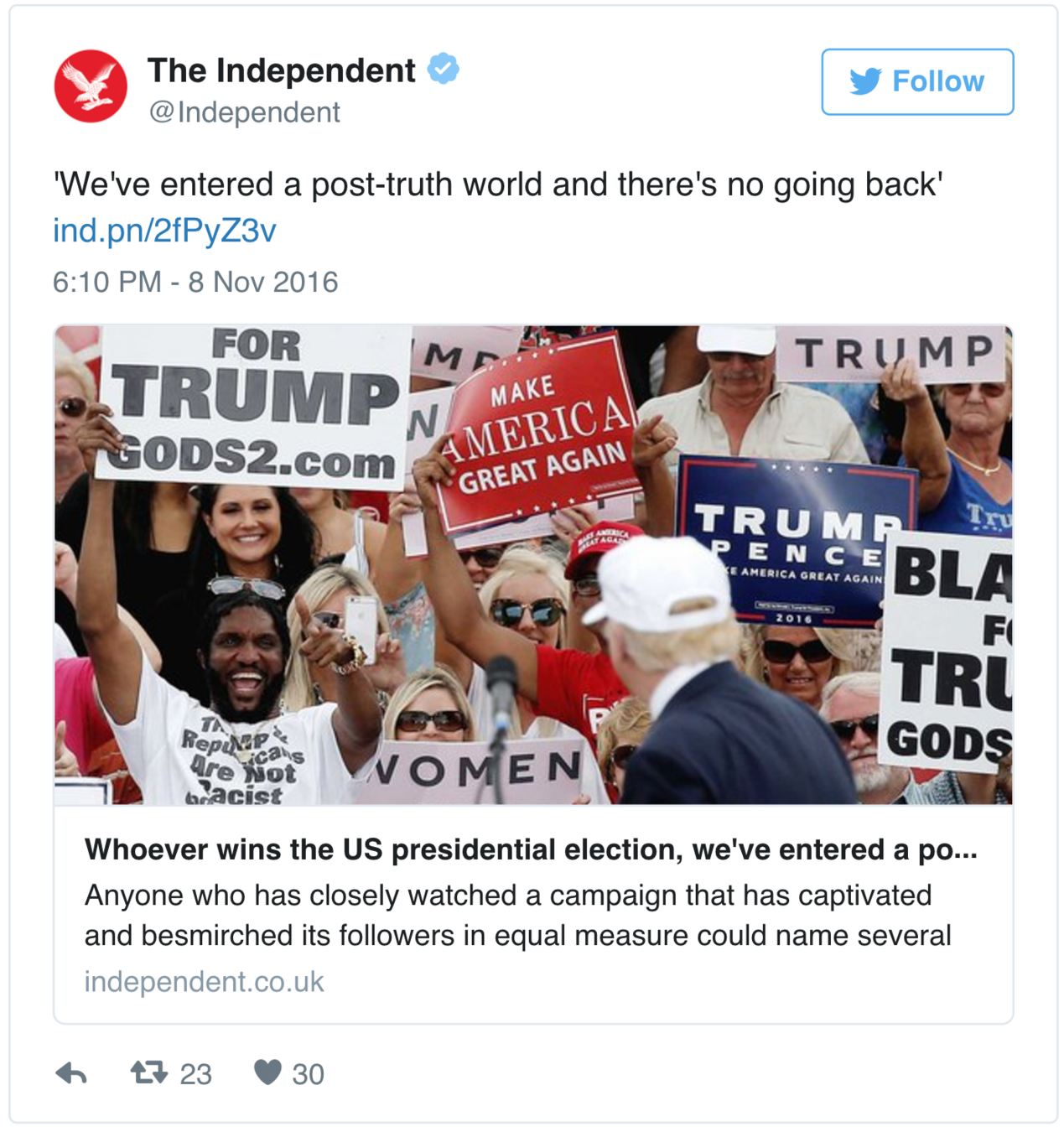
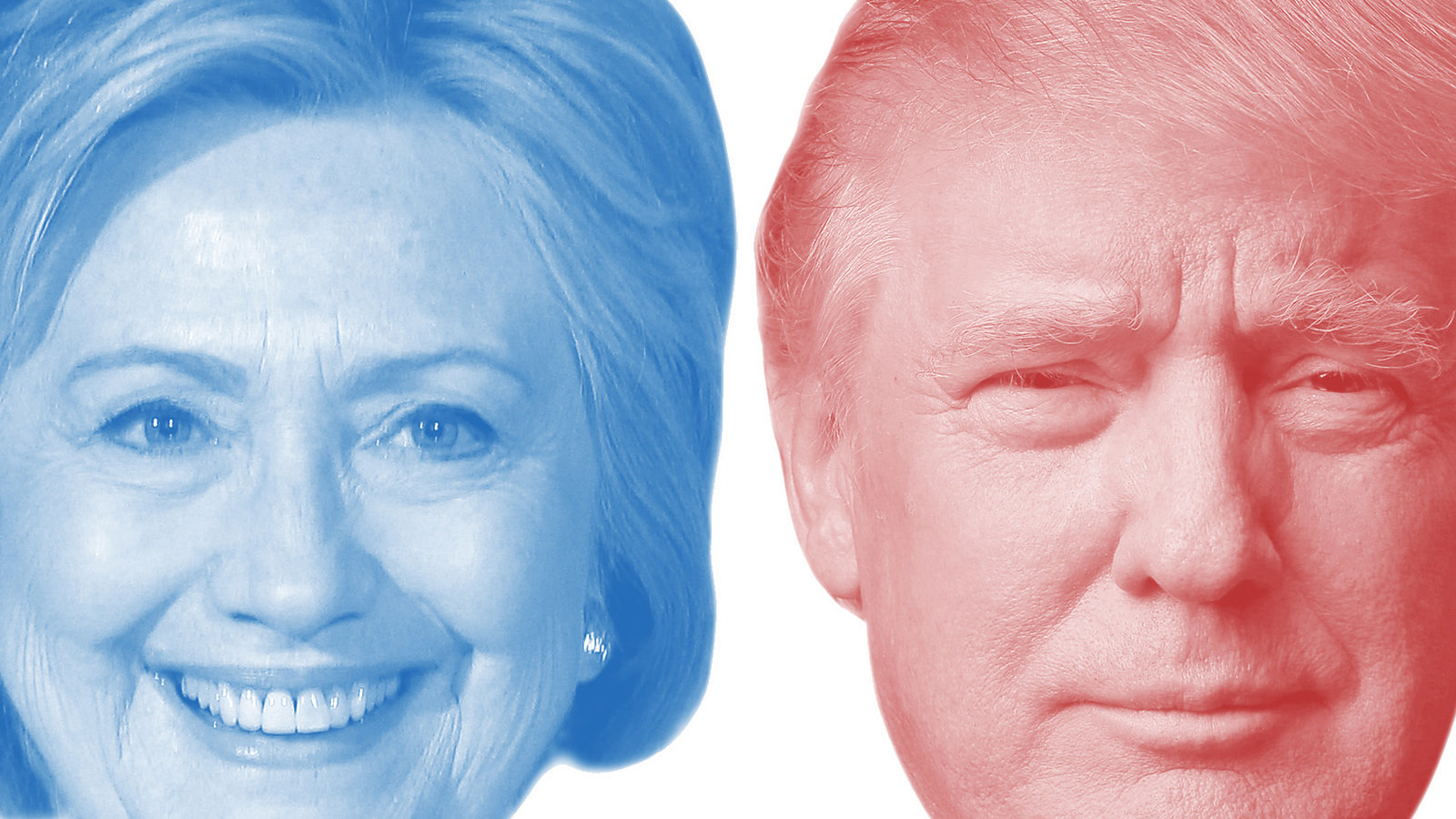
What Happened?
- 44% of Americans accessed news from Facebook.
- Polling systems underestimated the power of alt-right news sources and smaller conservative sites that largely rely on Facebook to reach an audience.
- 38% of posts shared from three large rightwing politics pages on Facebook included “false or misleading information” and that three large leftwing pages did the same 19% of the time.
(Gottfried et al., 2016)
(Silverman et al., 2016)
(Gottfried et al., 2016)
What Happened?
4. Trump has routinely repeated false news stories and whipped up conspiracy theories.
5. The conspiracy theories are amplified by a network of highly partisan media outlets and echo chambers.
6. It was not all about conspiracy theories. Misinformation is widely echoed in correct mediums. "Even professional fact-checkers couldn't keep up."
(Solon et al., 2016)
(Solon et al., 2016)
(Silverman et al., 2016)
What Happened?
7. There is a lag about 13 hours between publication of a false report and the subsequent debunking. Enough time for read by millions of people.
8. Within Facebook’s digital echo chamber, misinformation that aligns with our beliefs spreads like wildfire, thanks to confirmation bias.
9. "People are more prone to accept false information and ignore dissenting information."
(Silverman et al., 2016)
(Solon et al., 2016)
Thank You
References
1. Del Vicario, M. et al. The spreading of misinformation online. Proc. Natl. Acad. Sci. 201517441 (2016).
2. Schmidt, A. L. et al. Anatomy of news consumption on Facebook. Proc. Natl. Acad. Sci. 201617052 (2017).
3. Jasny, L., Waggle, J. & Fisher, D. R. An empirical examination of echo chambers in US climate policy networks. Nat. Clim. Chang. 5, 782–786 (2015).
4. Solon, Olivia. "Facebook’S Failure: Did Fake News And Polarized Politics Get Trump Elected?". N.p., 2017. Web. 3 Apr. 2017.
5. Pew Research Center, May, 2016, “News Use Across Social Media Platforms 2016”
6. Silverman, Craig et al. "Hyperpartisan Facebook Pages Are Publishing False And Misleading Information At An Alarming Rate". BuzzFeed. N.p., 2016. Web. Apr. 2017.
7. All images used are under Creative Commons (CC) license.
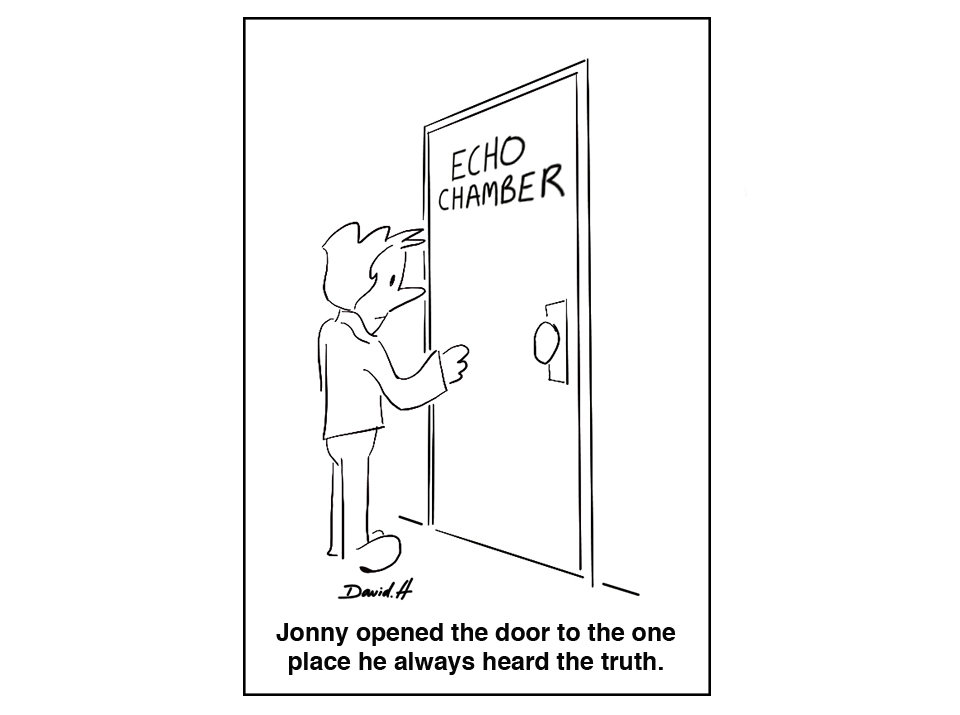
Cartoon of David H.
deck
By Yigit Demirag