Taming Tenancy, Cost and Architecture at Collibra
Through OpenTelemetry and our Telemetry Backbone
Almost 30 years in the sector
Mostly as Software Engineer
Web - 3D - Middleware - Mobile - Big Data
More recent as Architect
Data - SRE - Infrastructure
Community
Apache Beam contributor
OpenTelemetry Collector contributor
Collibra
Principal Systems Architect
Alex
Van Boxel
A data intelligence platform powered by active metadata
AI Governance
Data Catalog
Data Governance
Data Lineage
Data Notebook
Data Privacy
Data Quality & Observability
Protect

"How much does X cost?"
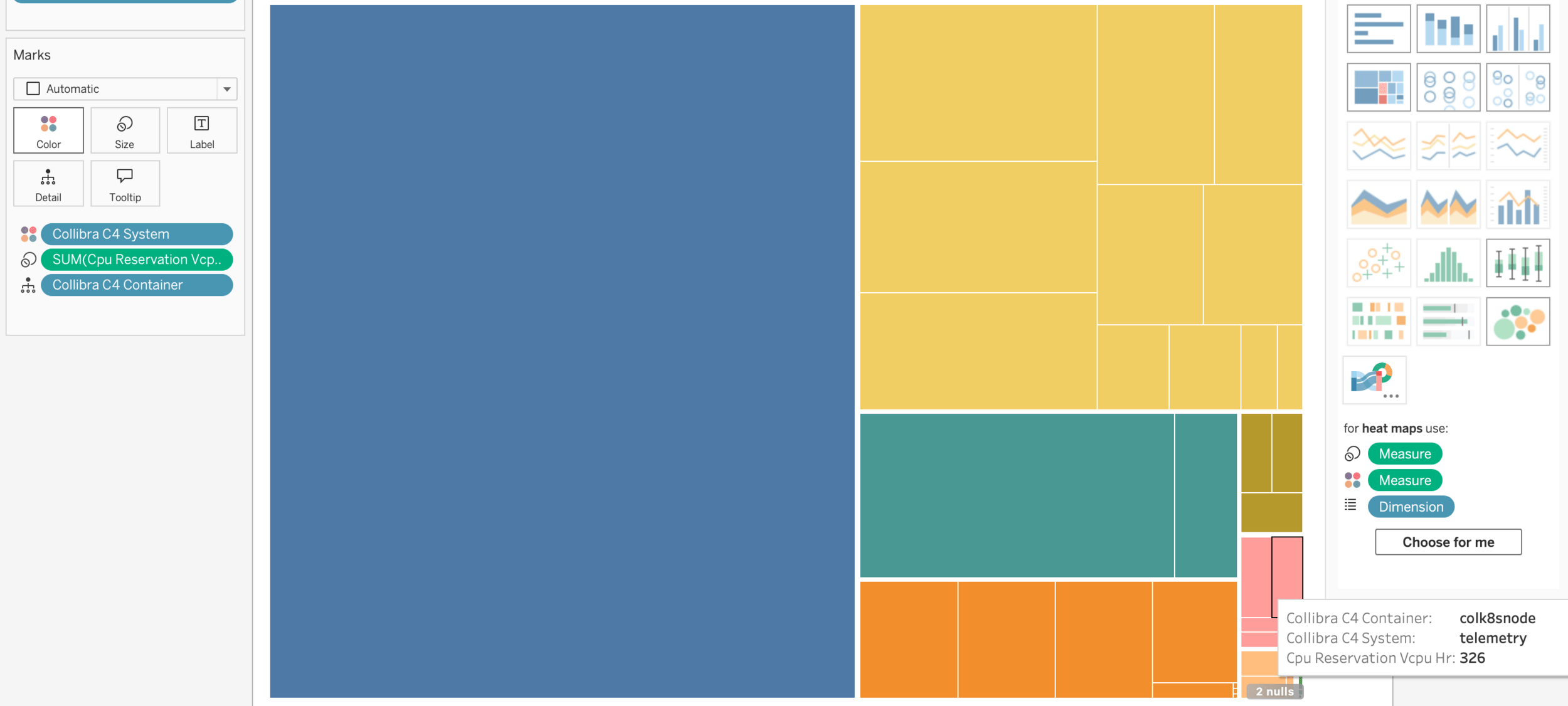
"Compare the Usage and Reservation?"
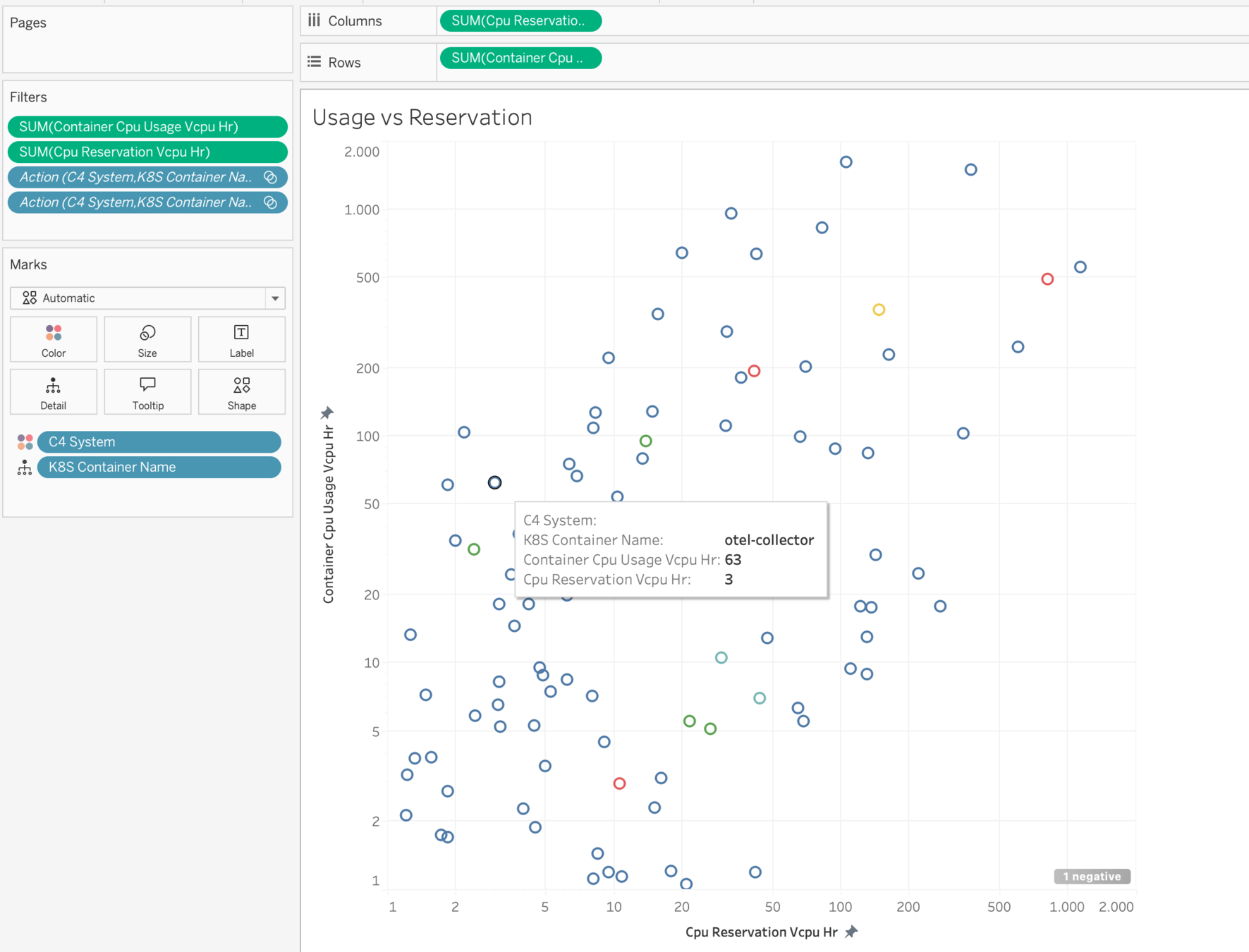
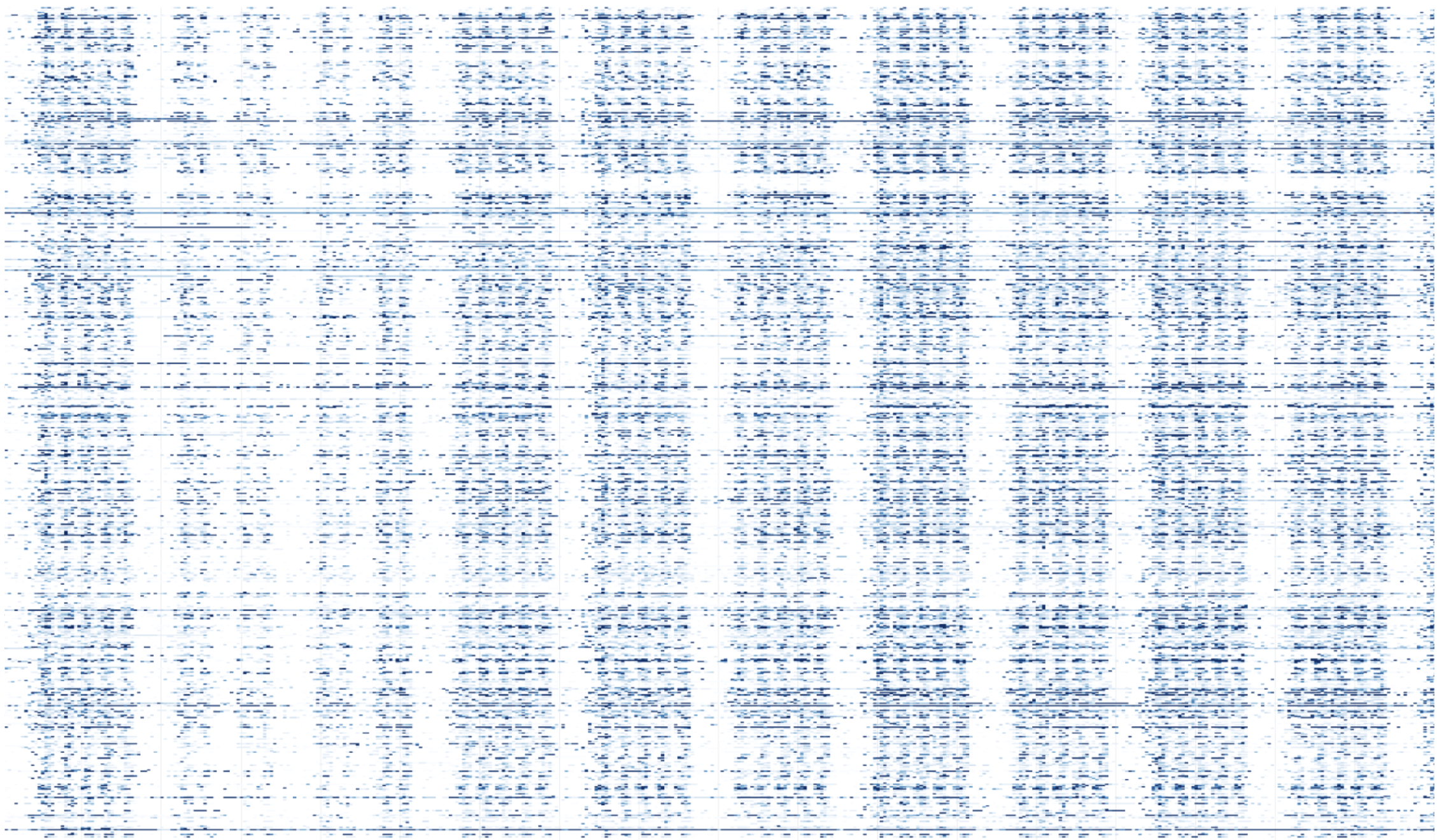
Trend analysis per tenant
and Collection at the Edge
Architecture
Collibra Architecture
- On-prem heritage: single deployable monolith → hosted SaaS on VMs (single-tenant isolation for free)
- Kubernetes shift: microservices for team velocity & polyglot (Python now dominant in AI)
- The pivot: "container per service per tenant" was unsustainable → shared multi-tenant on K8s
Shared multi-tenancy saves cost — but makes it harder to figure out the cost per tenant... how can we solve this?
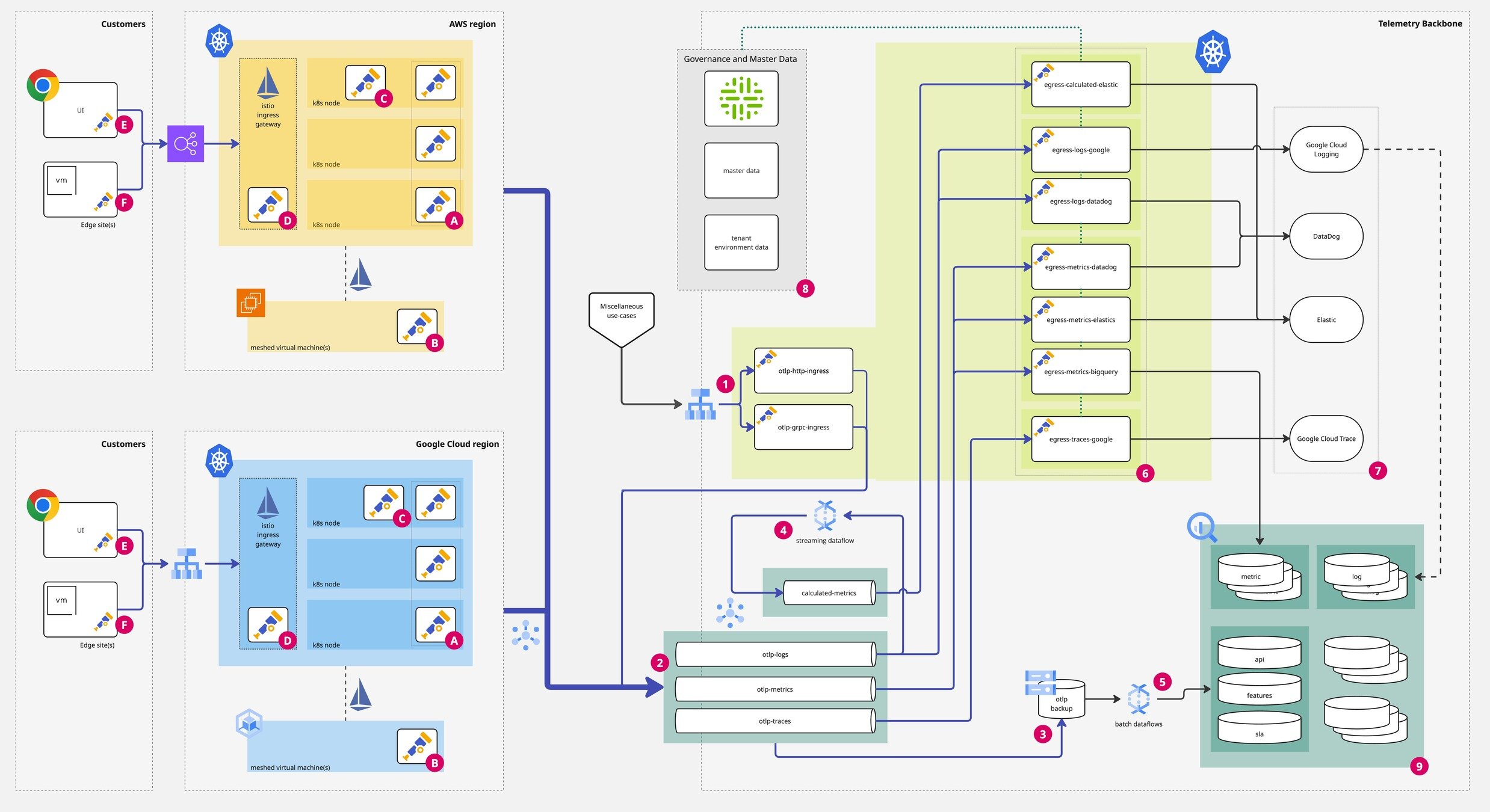
B
Collector (VM)
Collector(s) on the VM. This could be multiple (eg. one per signal)
A
Collector (node)
Collector(s) installed as deamonsets.
C
Collector (cluster)
Cluster wide collectors not relevant to the per node workloads
D
Collector (ingress)
A collector hooked into the ingress gateway on a specific path, to capture telemetry from the browser and our edge.
21
Pub/Sub
Queuing system is an essential part of the backbone
OpenTelemetry Attributes
Golden Signals
Gold Attr. #1: Tenant
collibra.tenant.environment_id
- VMs Resource Attributes - Configurated at the collector
- Pod Resource Attributes - For single tenant pods
- Multi-tenant Pod - Signal Attributes
Gold Attr. #1: Tenant
collibra.tenant.environment_id
- VMs Resource Attributes - Configurated at the collector
- Pod Resource Attributes - For single tenant pods
- Multi-tenant Pod - Signal Attributes
{
  "event_name": "workflow:started",
  "tenant_environment_id": "...",
  "asset_id": "..."
}
CSTE - Collibra Structured Telemetry Event: Events are our golden signal
Gold Attr. #1: Tenant
collibra.tenant.environment_id
- VMs Resource Attributes - Configurated at the collector
- Pod Resource Attributes - For single tenant pods
- Multi-tenant Pod - Signal Attributes
{
  "event_name": "workflow:started",
  "tenant_environment_id": "...",
  "asset_id": "..."
}
MDC.put("tenant_environment_id",
ctx.getTenantEnvironmentId());
try {
// all logs in this thread
} finally {
MDC.clear();
}Multi-tenant service? Dev's responsibility to add signals in code, eg. Mapped Diagnostic Context
Gold Attr. #2: Architecture
https://c4model.com/ - The C4 model is an easy to learn, developer friendly approach to software architecture diagramming (by Simon Brown)
- System - logical product capability
- Container - service, logical database, topic, module
- Deployment Node - where it runs (can nest)
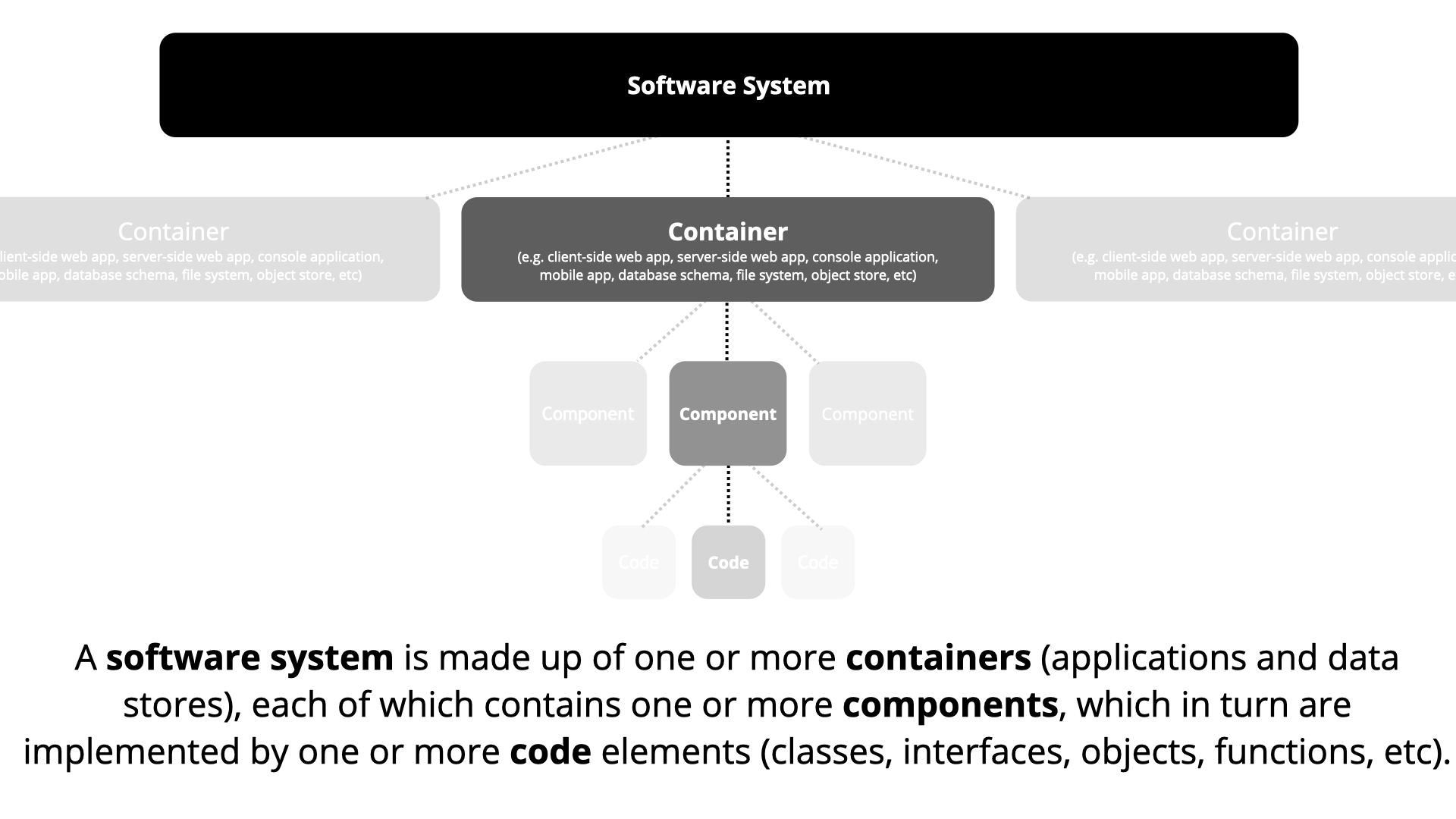
Gold Attr. #2: Architecture
https://c4model.com/ - The C4 model is an easy to learn, developer friendly approach to software architecture diagramming (by Simon Brown)
- System - logical product capability
- Container - service, logical database, topic, module
- Deployment Node - where it runs (can nest)
collibra.c4.system
collibra.c4.container
collibra.c4.deployment
Gold Attr. #2: Architecture
- Pod Resource Attributes - Easy with 1:1 mapping
- Modular Monoliths Signal Attributes - It's not only out single tenant core, but also k8s jobs
labels:
  c4.collibra.com/system: telemetry
  c4.collibra.com/container: colkyverno
collibra.c4.system: telemetry
collibra.c4.container: colkyvernoModular Monoliths ( it becomes the resposability for devs
Enrichment and Routing
Telemetry Backbone
21
Pub/Sub
Queuing system is an essential part of the backbone
8
Master Data
Can be sourced from different systems to merge into the data
7
Pipelines and Backends
Paralel pipelines do the processing, enrichment, filtering, calculation and backup to our backends
In-Flight Enrichment from Master Data
- JSON field promotion: body fields → signal OpenTelemetry attributes
- Master data lookup: keyed by collibra.tenant.environment_id
Devs don't need to know contract terms or support levels — they just log the tenant environment ID, and the backbone dynamically infers and injects the rest.
OpenAPI Reverse-Mapping
- URL cardinality explosion bloats metric DBs and costs
- Reverse-map Istio URL + method → OpenAPI operationId
- Low-cardinality, semantic endpoint stream → automated SLOs across all microservices
- Also: aggressively drop runtime spam & infra-sweep noise before vendors see it
"We don't measure URLs. We measure contracts."
3
OTLP Backup
Backup of the raw data, on cheap storage.
5
Batch Imports
We import into our data lake in batch as it's cost efficient.
9
Data lake
Our data lake is where all the calculations are done for reporting, including cost attribution.
Retention is infinit.
Cost Attribution - Closing the Loop
- Telemetry volume cost — aggregate signal volume per C4 system × tenant
- Compute cost slicing — CPU / mem / disk / network by tenant and C4
- C4-aware provisioning — Collibra Infra CRDs carry C4 metadata; cloud billing maps to logical owner
Open problem: defensible "virtual dollar" formula for cross-team chargebacks.
and wiring
Semantic Conventions
Semantic Conventions
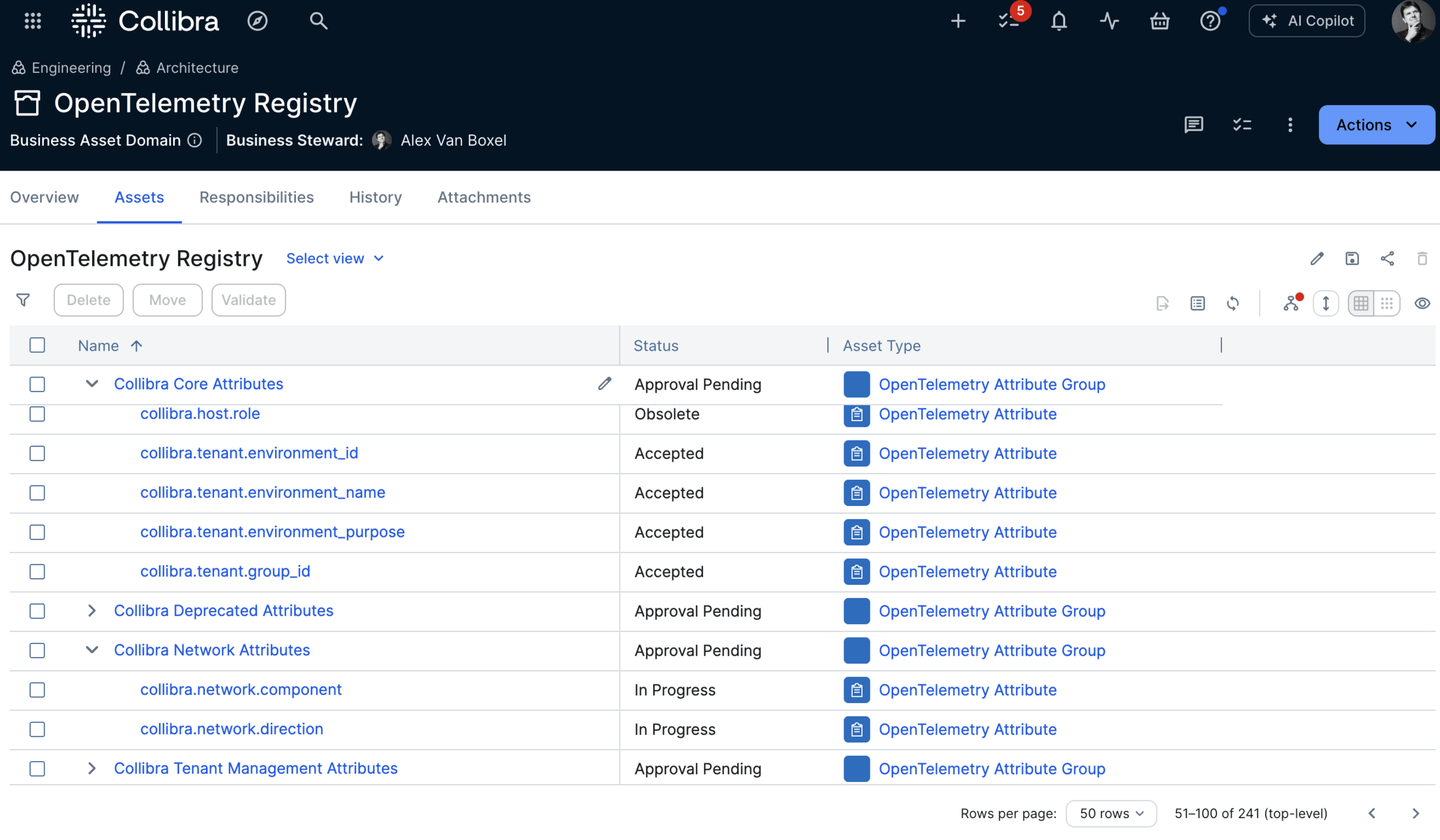
Semantic Conventions
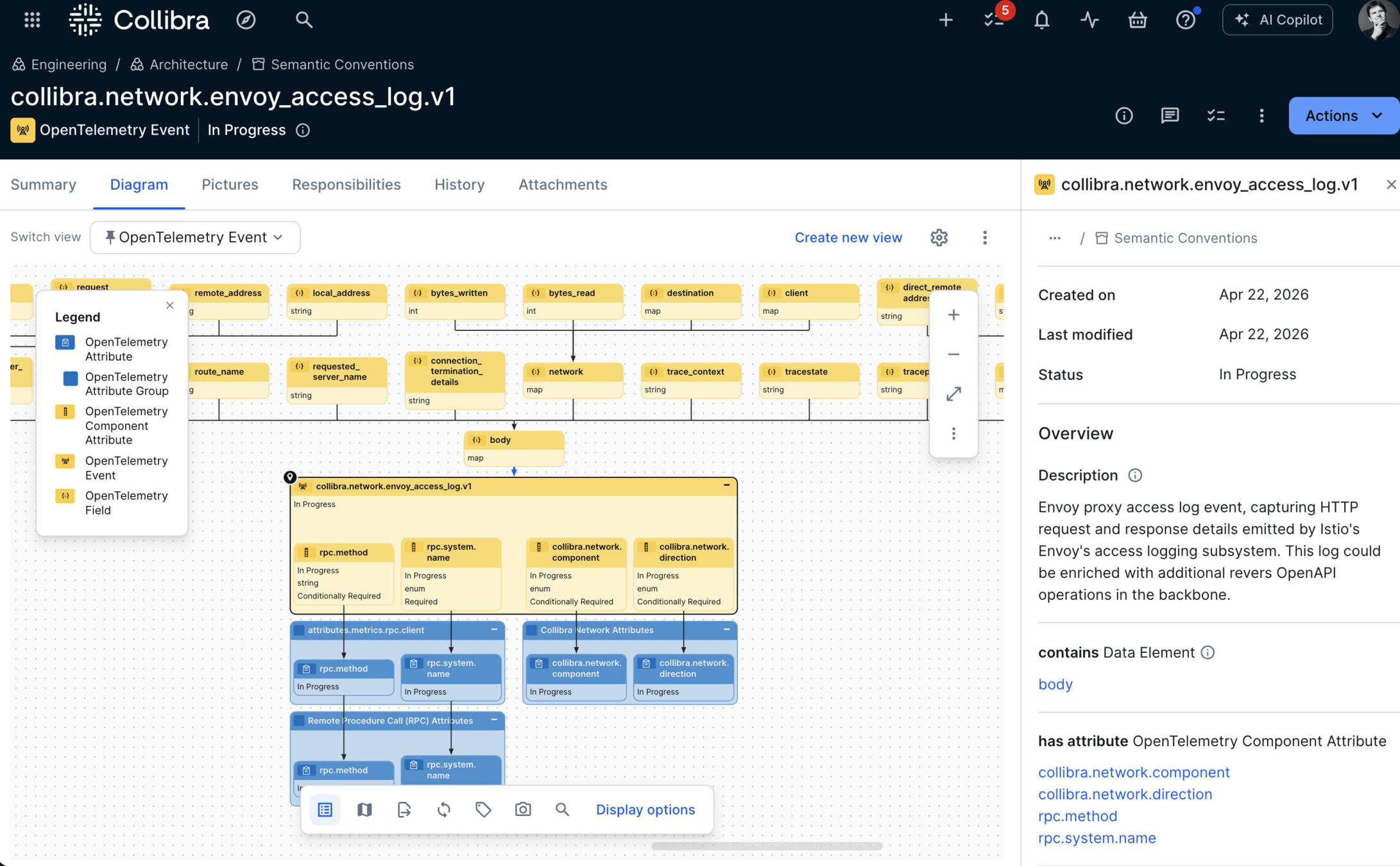
Wiring - SemConv + Weaver
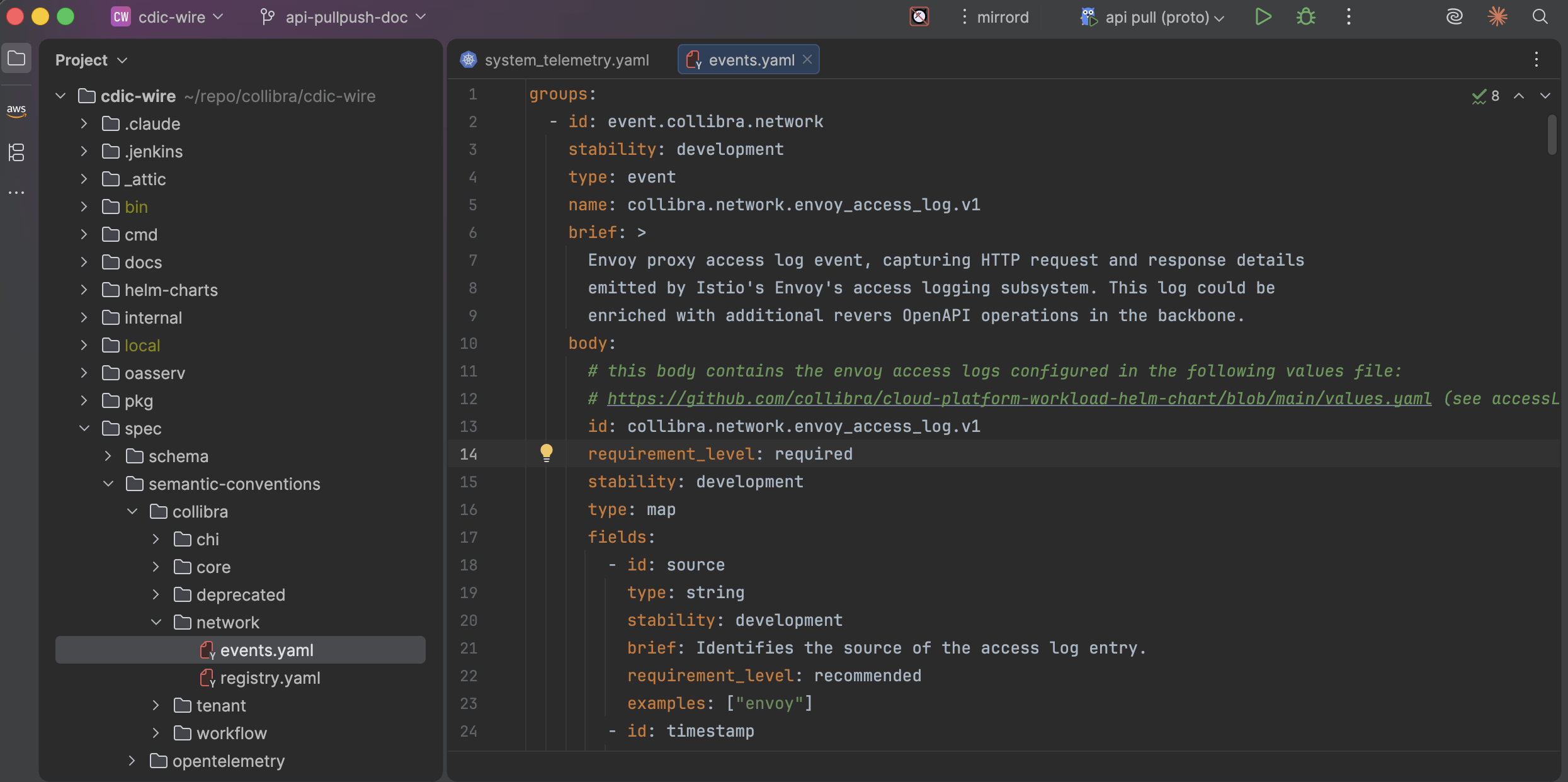
Wiring - More YAML
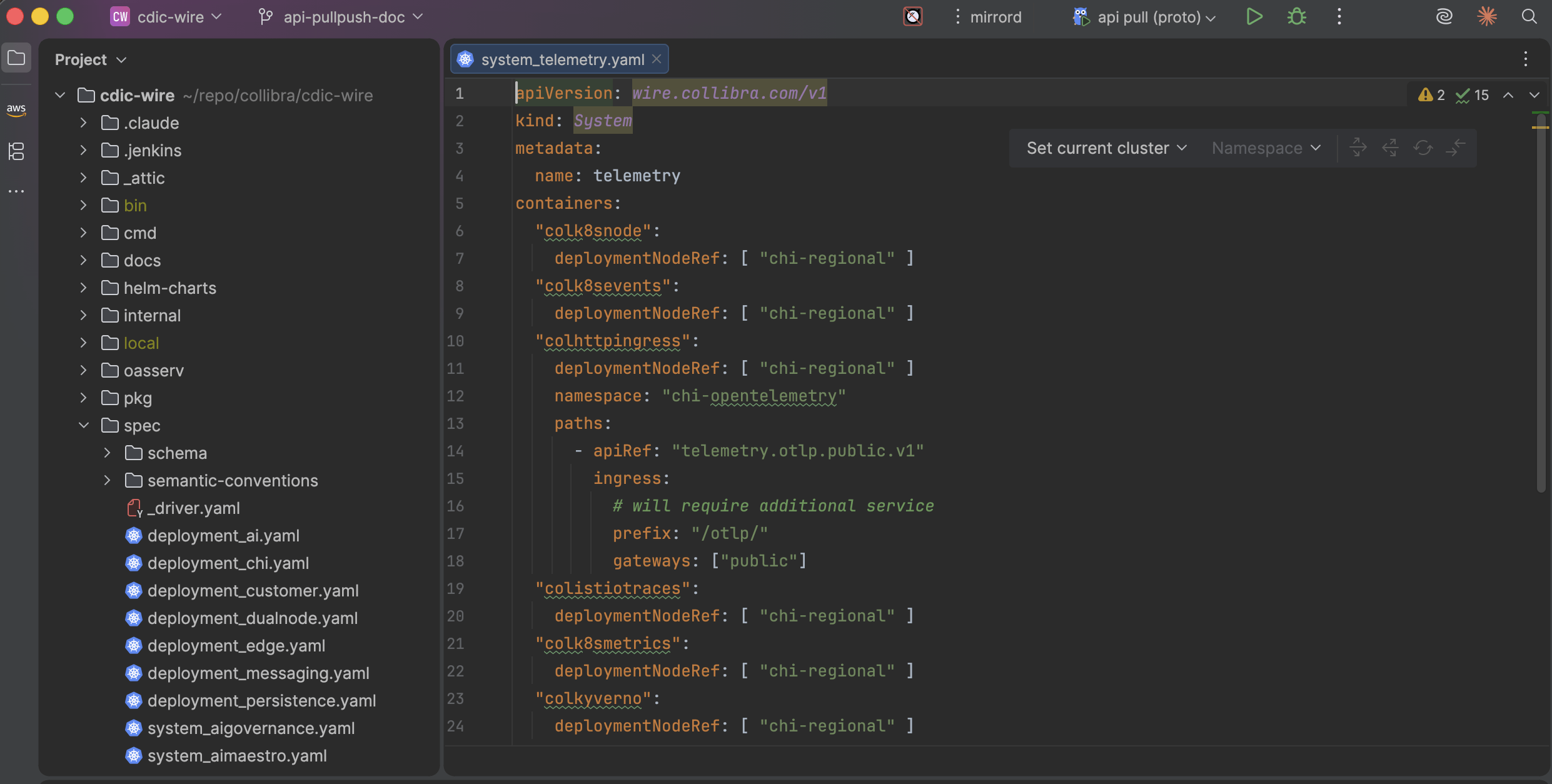
and takeaway
Future
OpAMP — Pushing Control to the Collection Edge
- Bandwidth problem: backbone filtering saves on vendors, but raw telemetry still costs WAN egress
- OpAMP: dynamic management & configuration of the entire collector fleet
- Adaptive edge sampling: normal tenant → aggressive sampling; incident → dial up fidelity at source
Key Takeaways
① Golden attributes on day one
Define tenancy and architecture dimensions before you split into microservices, not after.
② Decouple with a backbone
Buffer-first ingestion (Pub/Sub) + centralized enrichment unlocks both ops and FinOps / BI.
③ Invest in semantic contracts
They structure your signals today and become the foundation for AI diagnostic agents tomorrow.
Taming Tenancy, Cost and Architecture at Collibra
By Alex Van Boxel