

























What is DeFi? Overview of Topics


Presenter:           Andreas Park


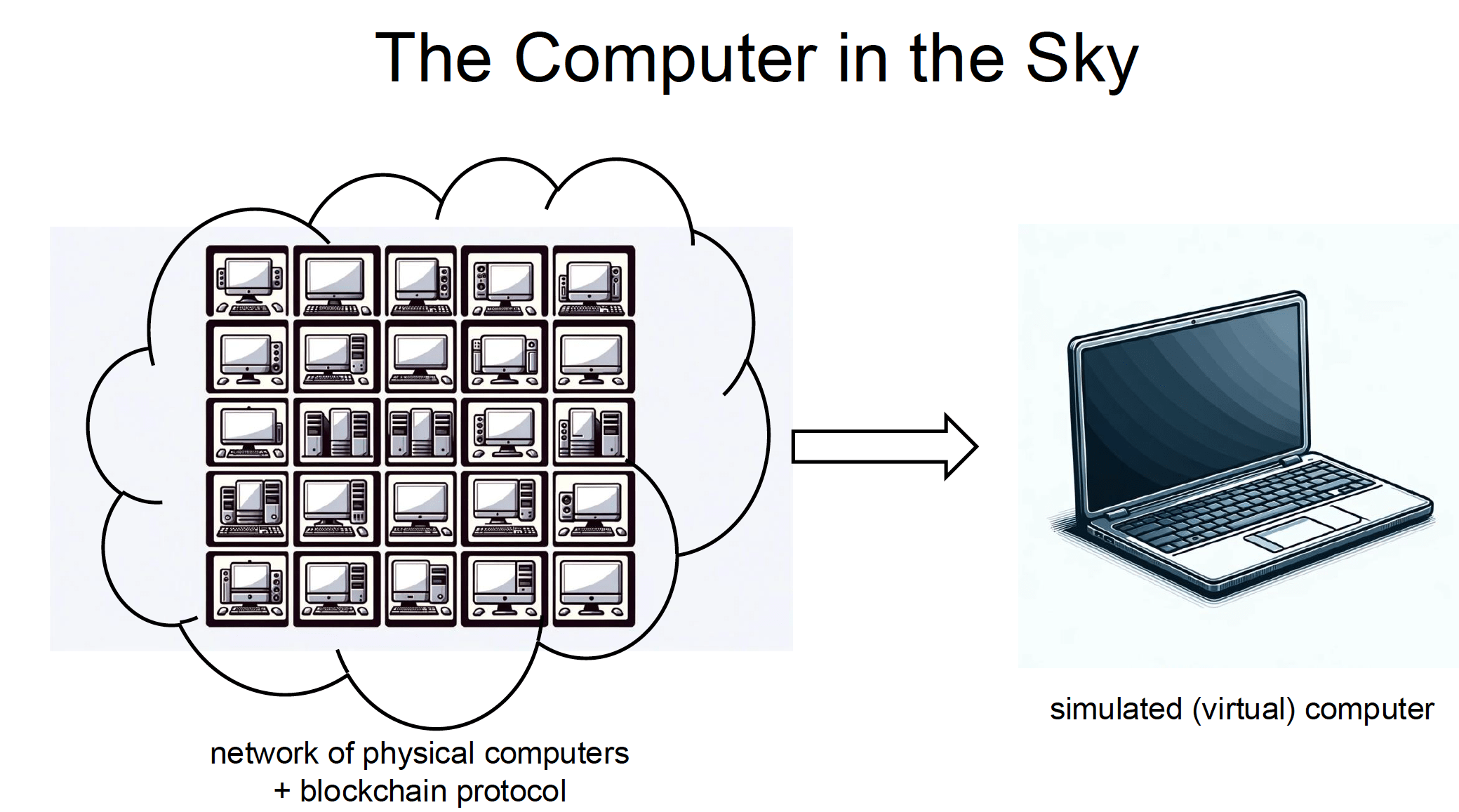
How does a blockchain work?

?

Decentralized Trading

Trading Infrastructure

payments network

Stock Exchange

Clearing House

custodian

custodian

 beneficial ownership record

seller

buyer

Broker

Broker

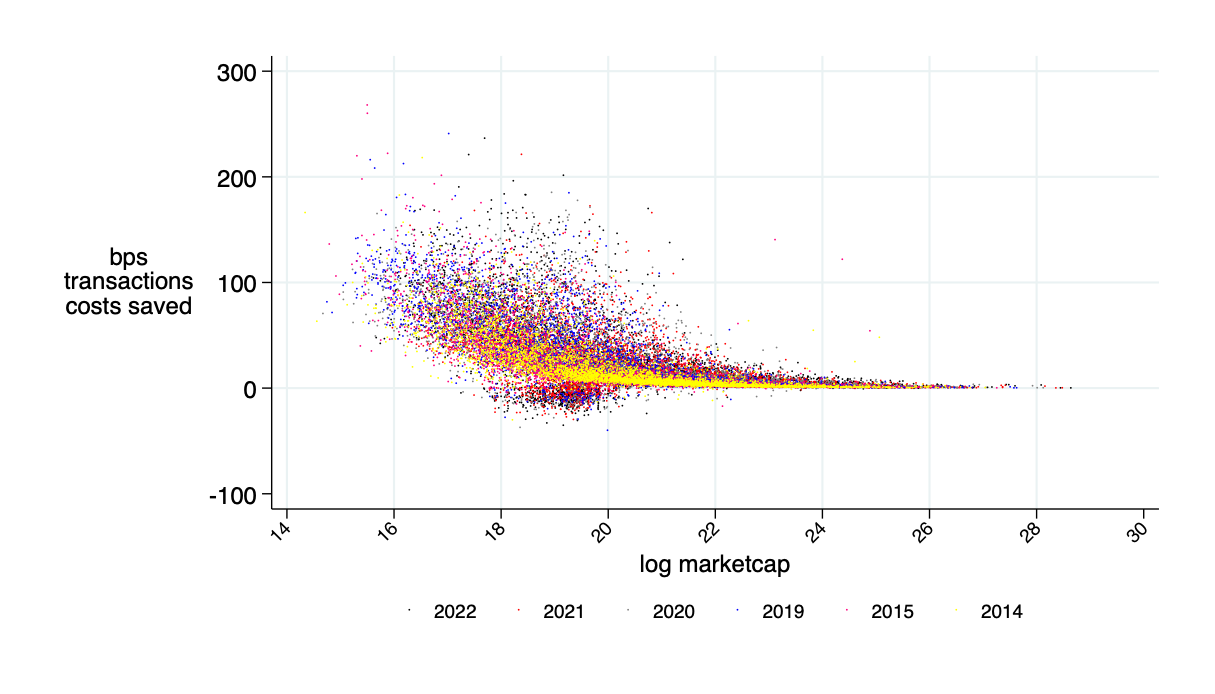
Application: decentralized trading with automated market makers

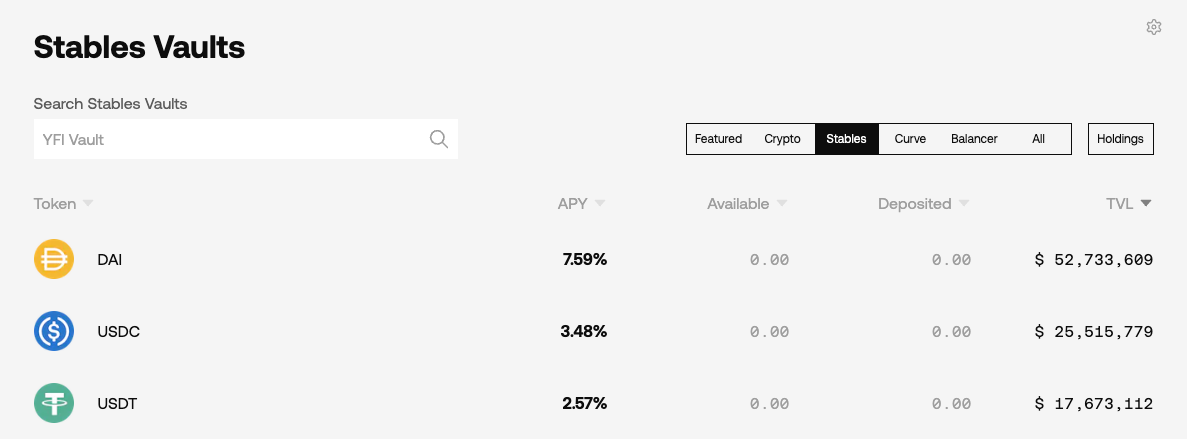
Source of savings: 

  • better risk sharing among liquidity providers
  • better use of capital

Possible transaction cost savings when applied to equity trading: \(\approx\) 30%

Source: "Learning from DeFi: Would Automated Market Makers Improve Equity Trading?" working paper, Malinova & Park 2023

Decentralized Lending

borrow

provide collateral

Application: Pool-based borrowing and lending

Automated Investment Strategies

Obvious Smart Contract Application: Automate Investment  Strategies

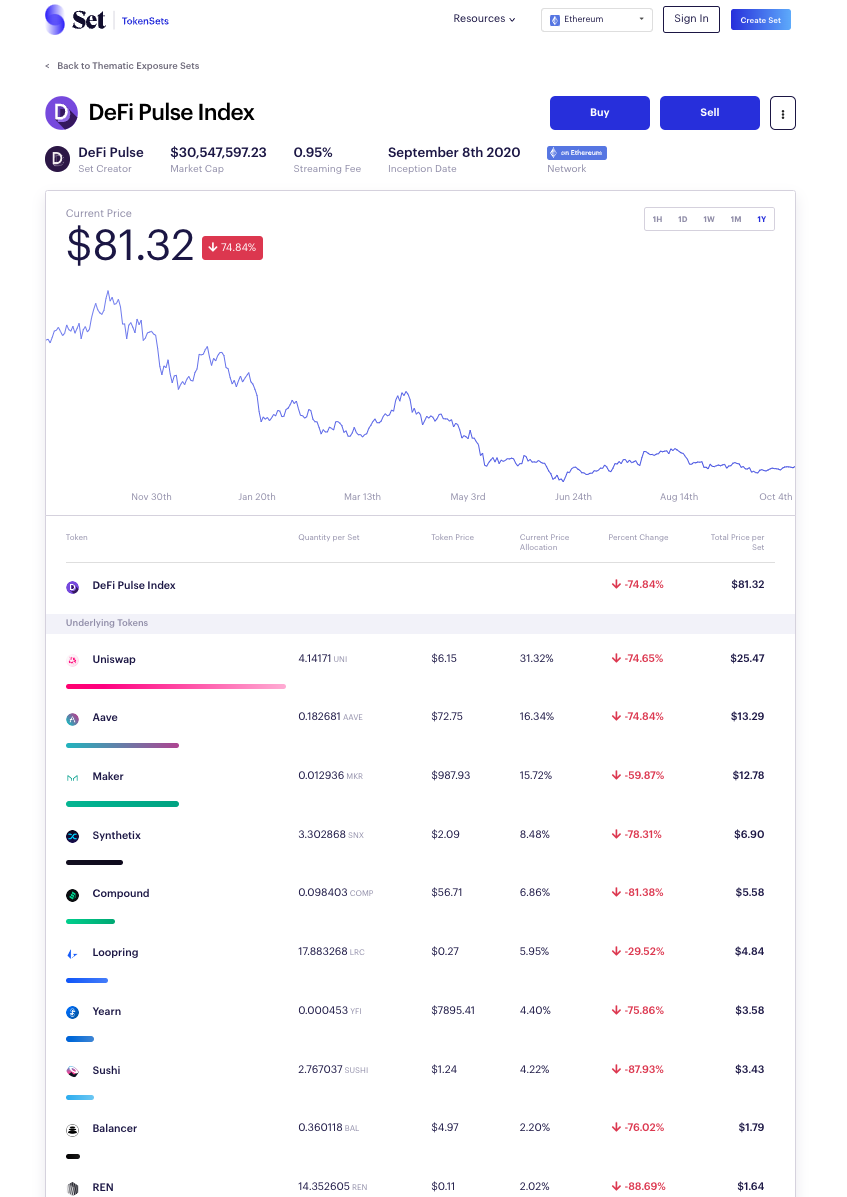
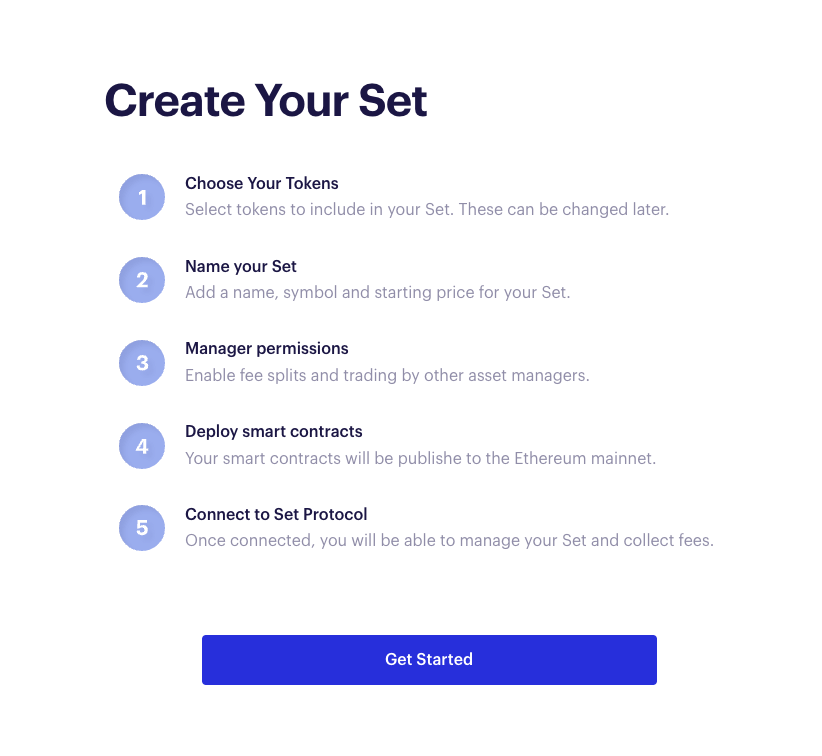
idea: create new mutual fund like asset 

"yield aggregator:" push capital where rate of return is highest

Tokenomics

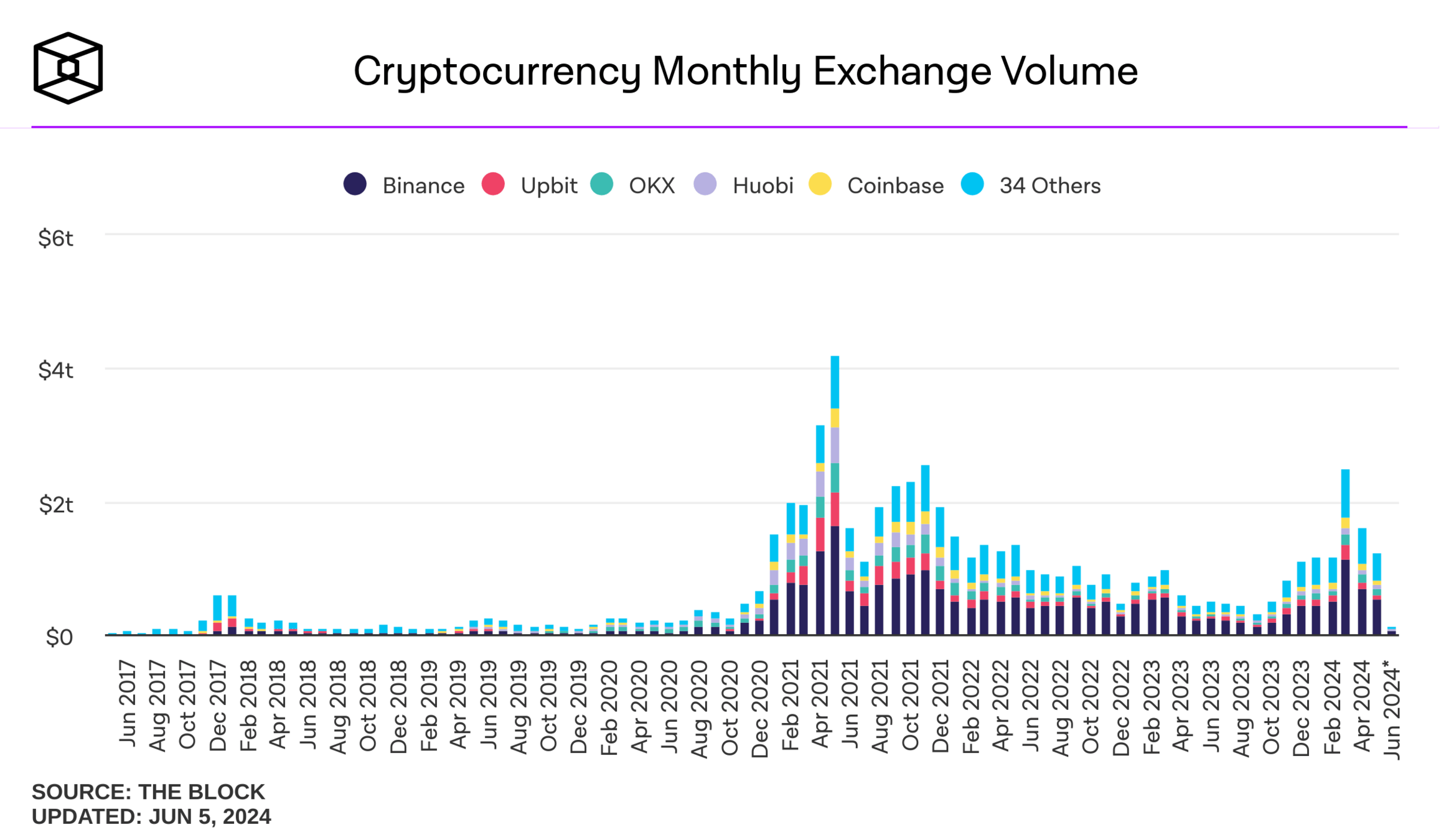
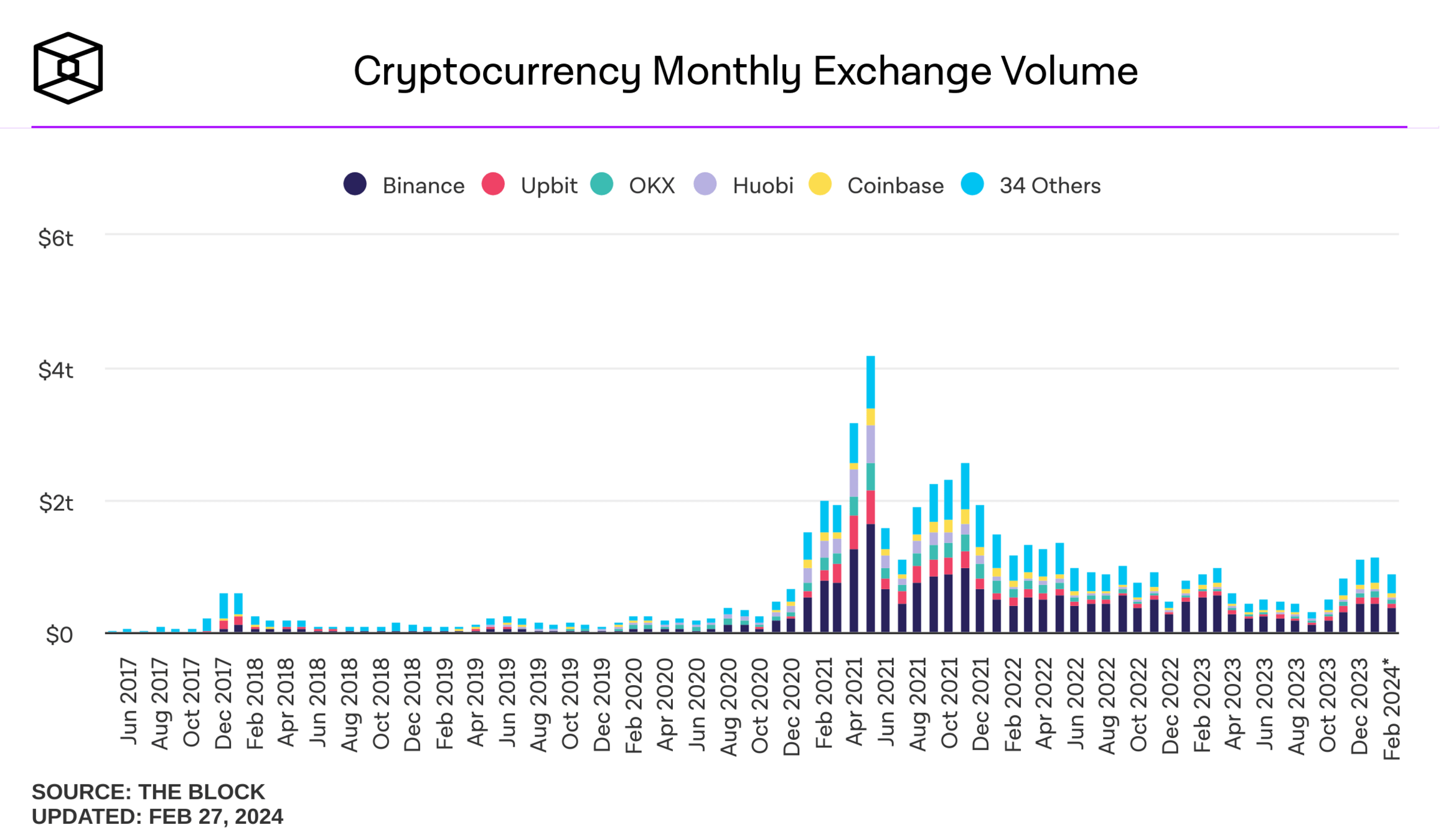
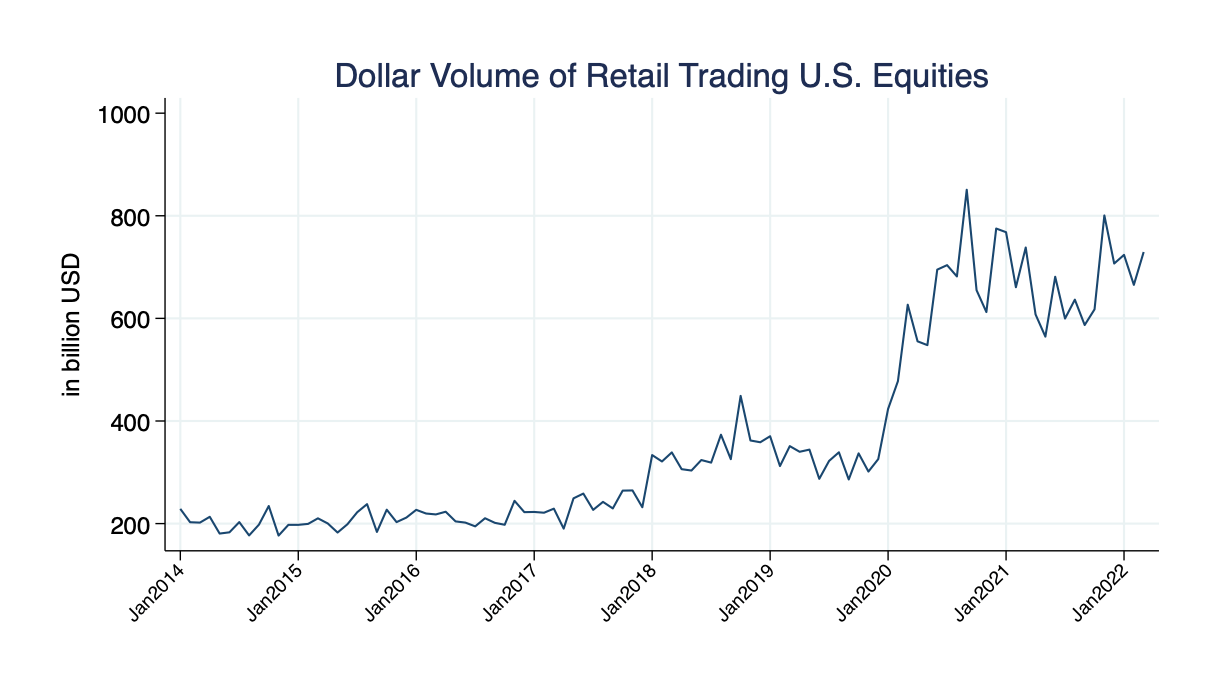
  • People clearly treat tokens and cryptocurrencies as objects of speculation
  • data: authors calculations from TAQ (up to March 2023)
  • crypto volume worldwide is larger by factor >4

What roles do tokens play?

\(\to\) key feature: no necessary intermediaries

  1. Self-custody of assets
  2. Access to financial infrastructure
  3. Conceptually non-custodial services
  4. Value management layer = common resource
  5. Platform approach to commerce

{

{

features

consequences

liquidity \(\nearrow\)

volume \(\nearrow\)

protocol fees \(\nearrow\)

token value \(\nearrow\)

Platform economics is tricky:

  • What's the product?
  • How do you get it started?
  • How do you get people to contribute?
  • How do you earn money?

Without intermediaries:
platform economics!

incentives for both?

Asset Tokenization or
"The Creation of Asset-Linked Tokens"

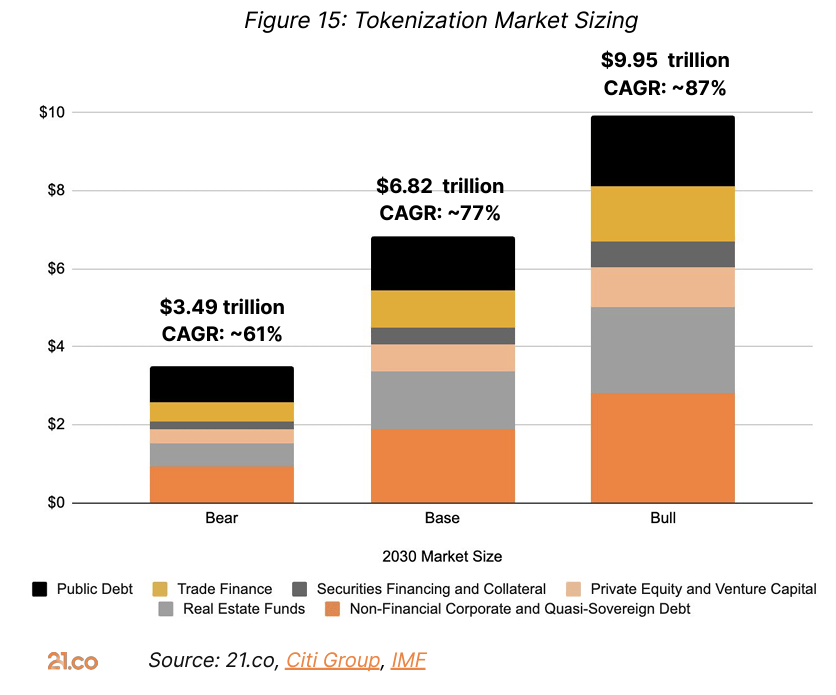
Tokenization is coming

  • this list contains mostly "neglected" assets
  • report published in 2024
  • what about very "busy" assets aka equities
    • what challenges apply to tokenization?
    • what problem are you trying to solve vis-a-vis traditional markets?
    • what do we have to worry about with a defi implementation?
    • what are the opportunities?

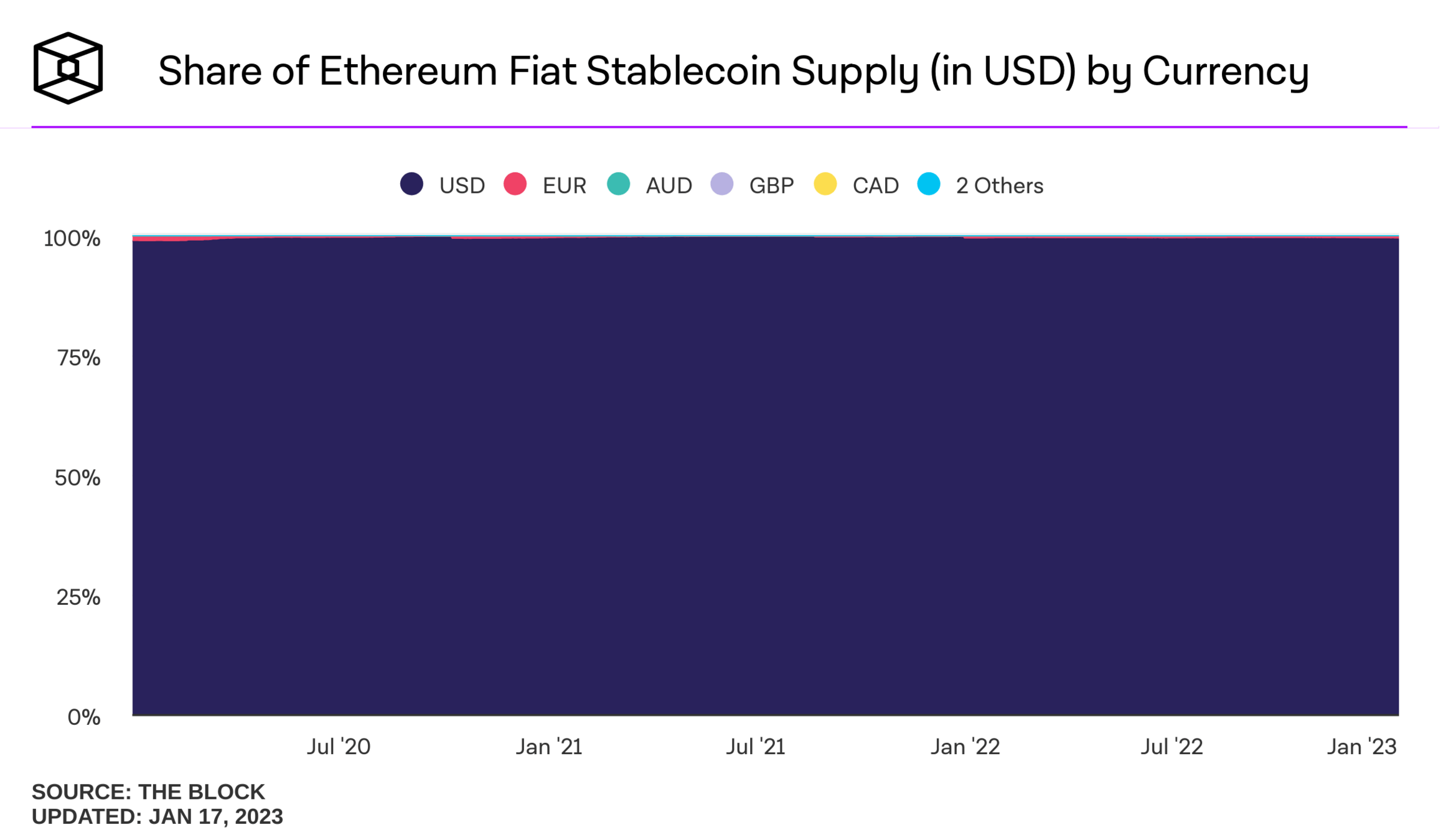
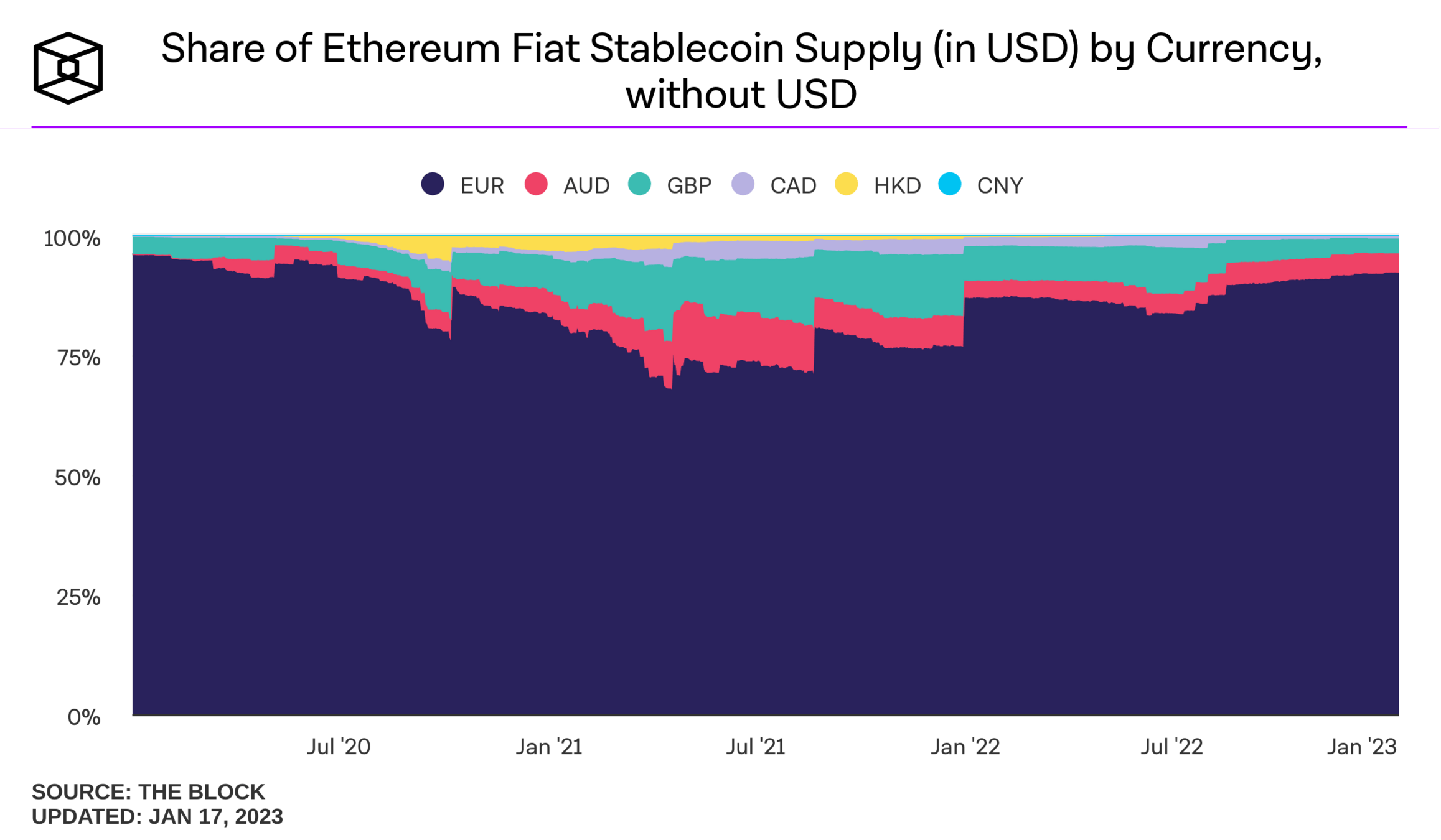
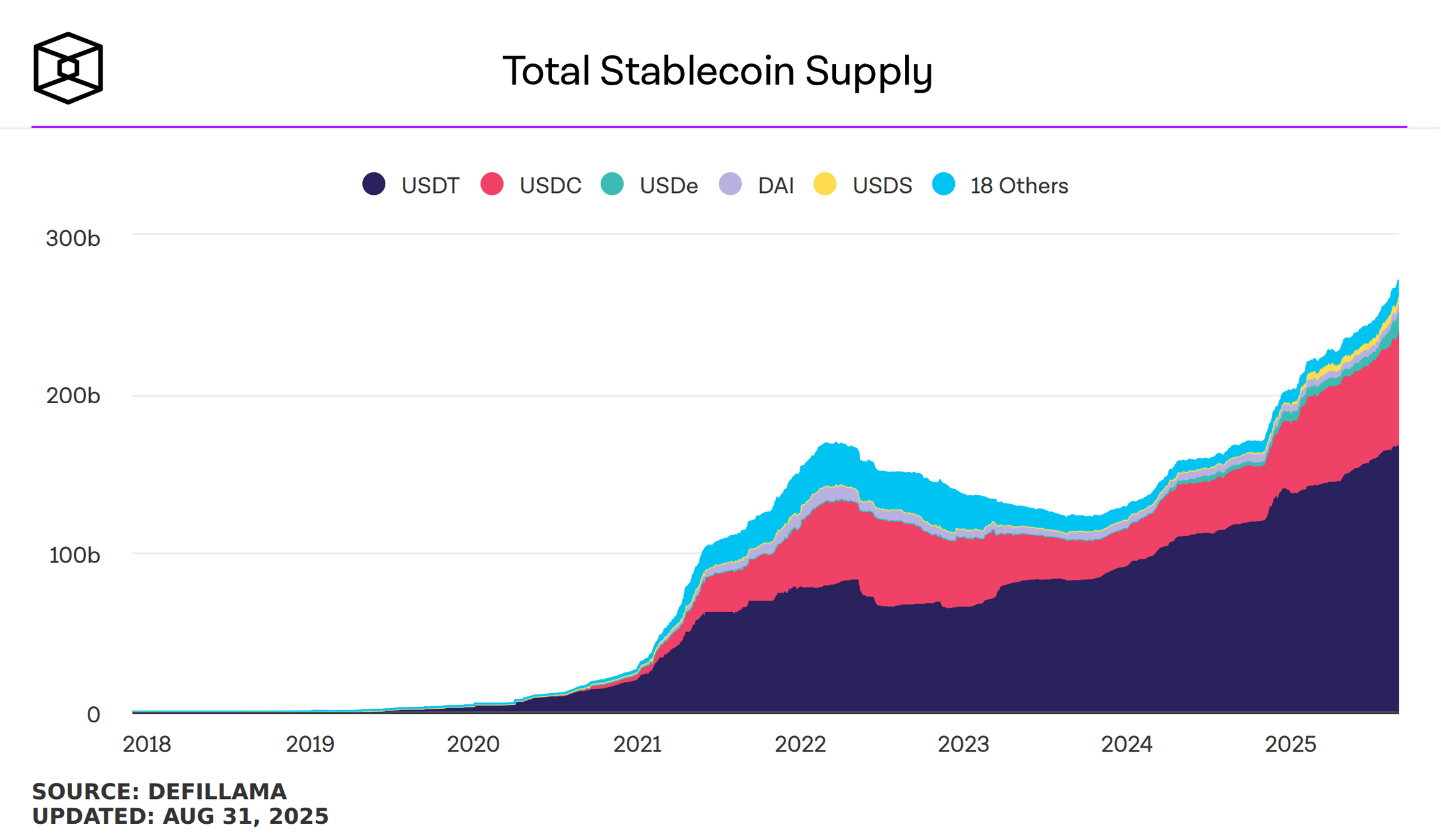
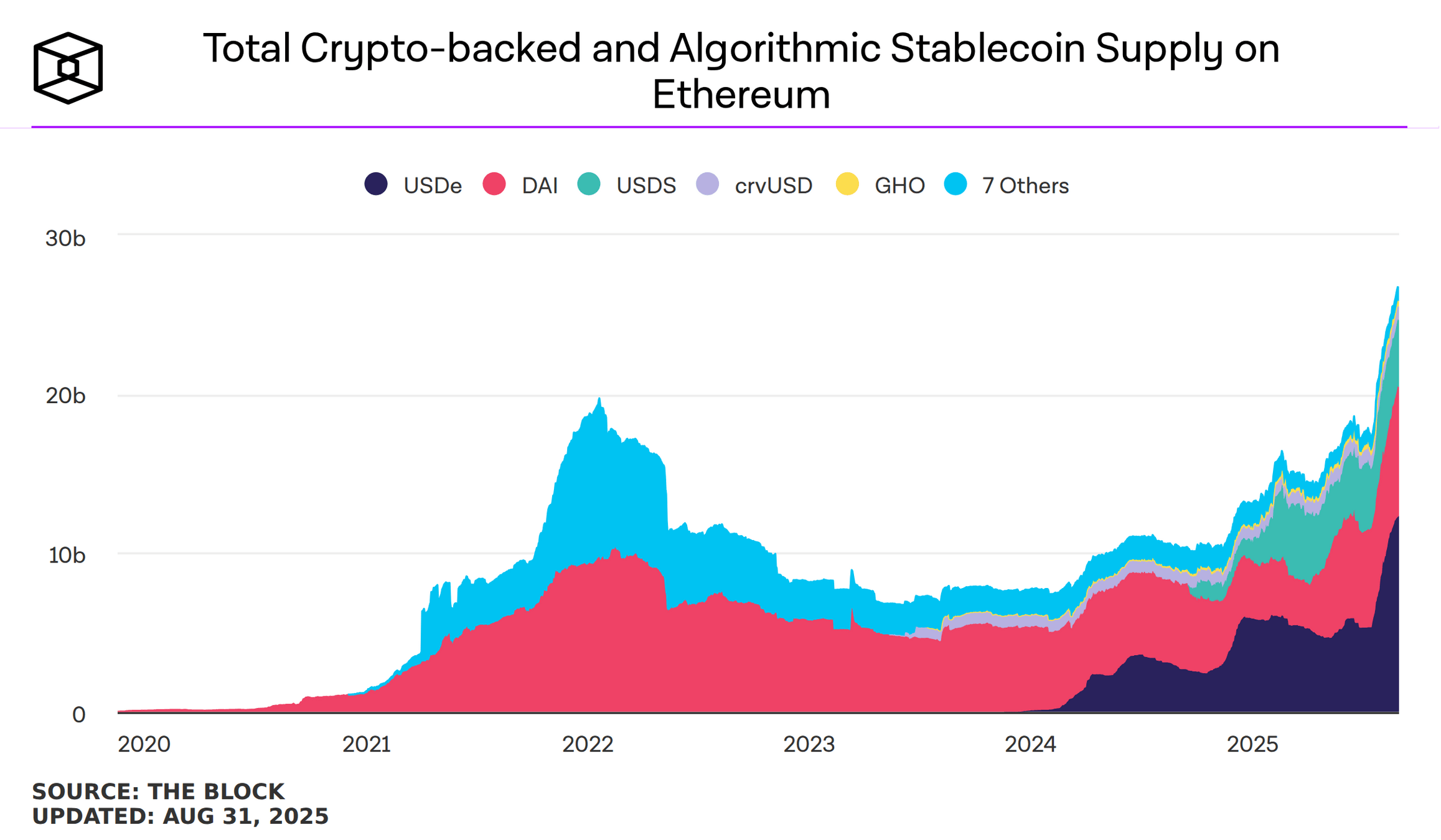
Stablecoins

digital representation of a unit of a fiat currency on a blockchain

pulled from Nick Carter's talk on "Will stablecoins serve or subvert U.S. interests?"

Central Bank-Issued Digital Currencies

Evolution

2008

2014/5

2019

2020 (announced)

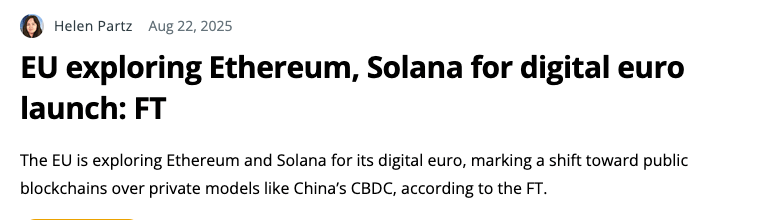
2025 (framework

Challenges

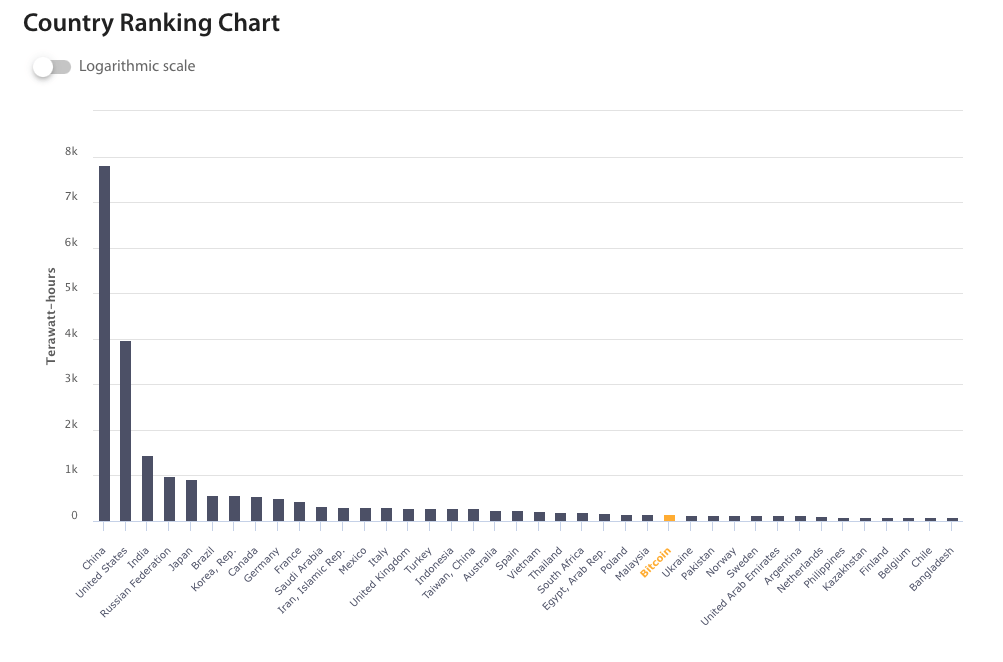
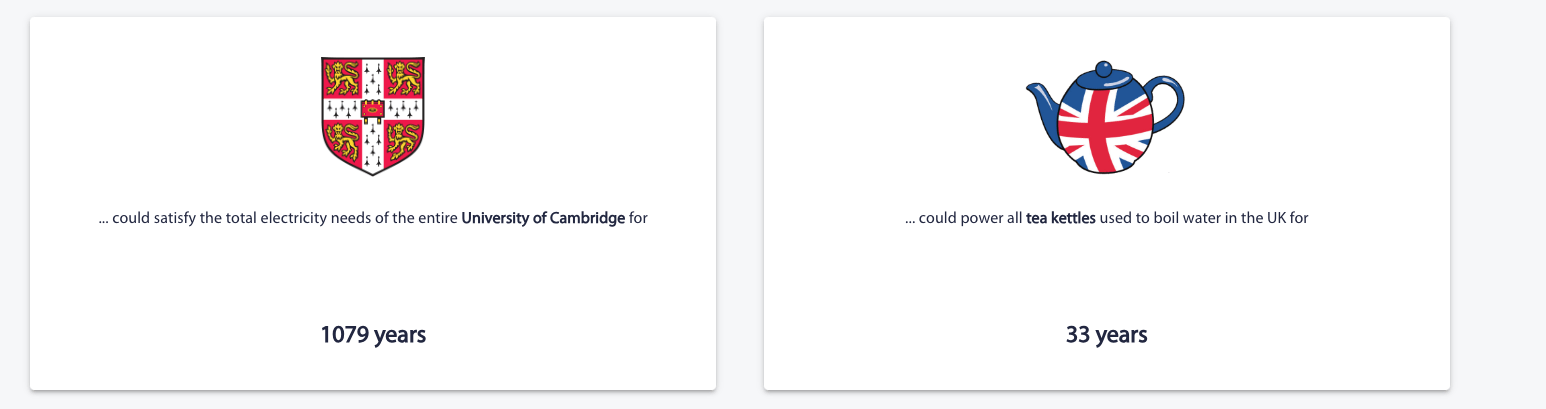
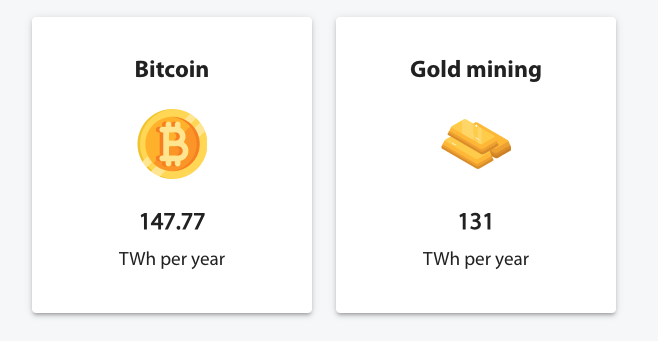
Source: Cambridge Bitcoin Energy Consumption Index https://cbeci.org/

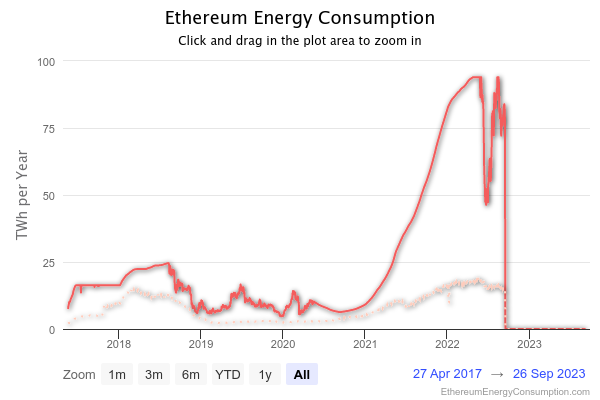
Challenge 1: Energy Consumption

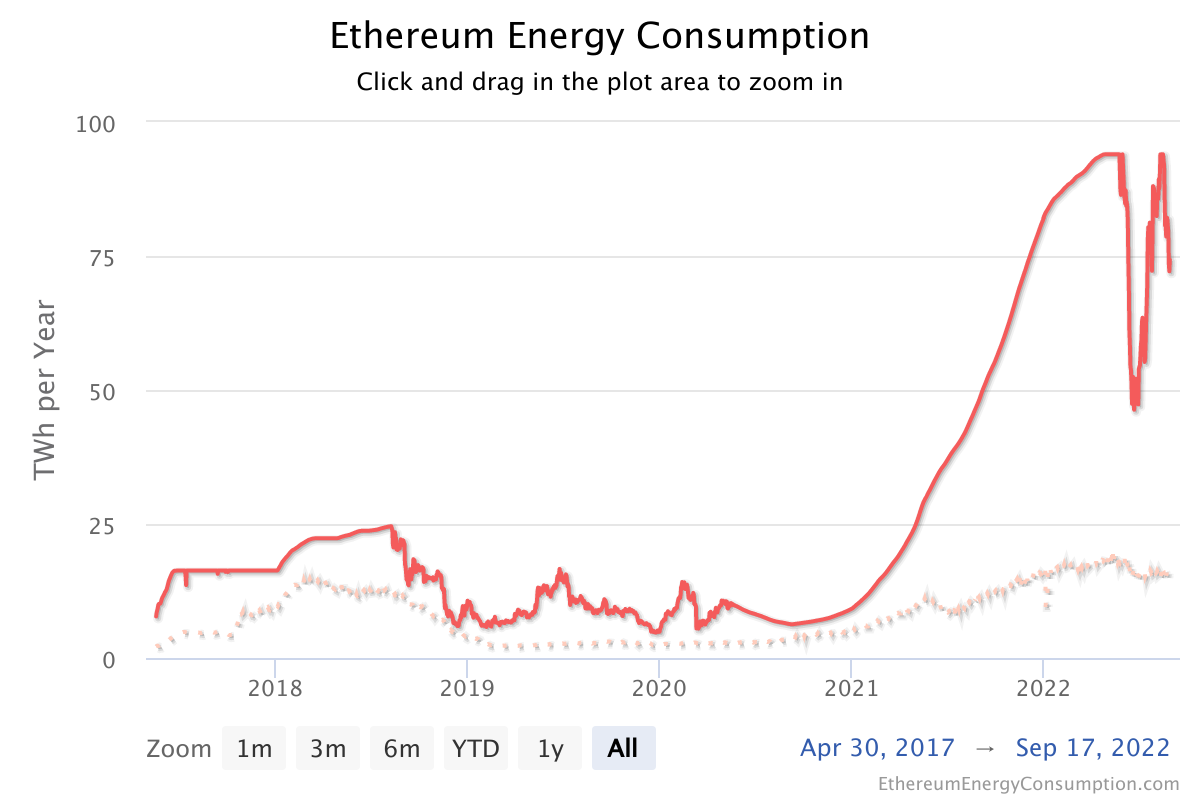
Ethereum Challenge 1: Environment

  • Carbon footprint of Switzerland
  • Power consumption of Austria

problem solved

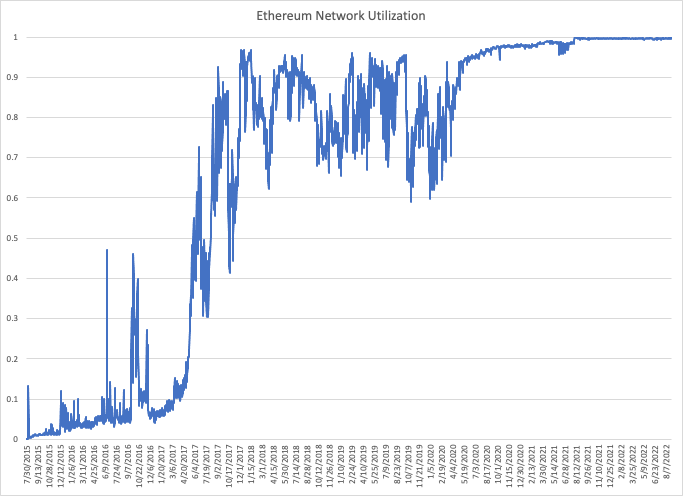
Ethereum Challenge 2: Throughput

Source: Etherscan w re-scaling

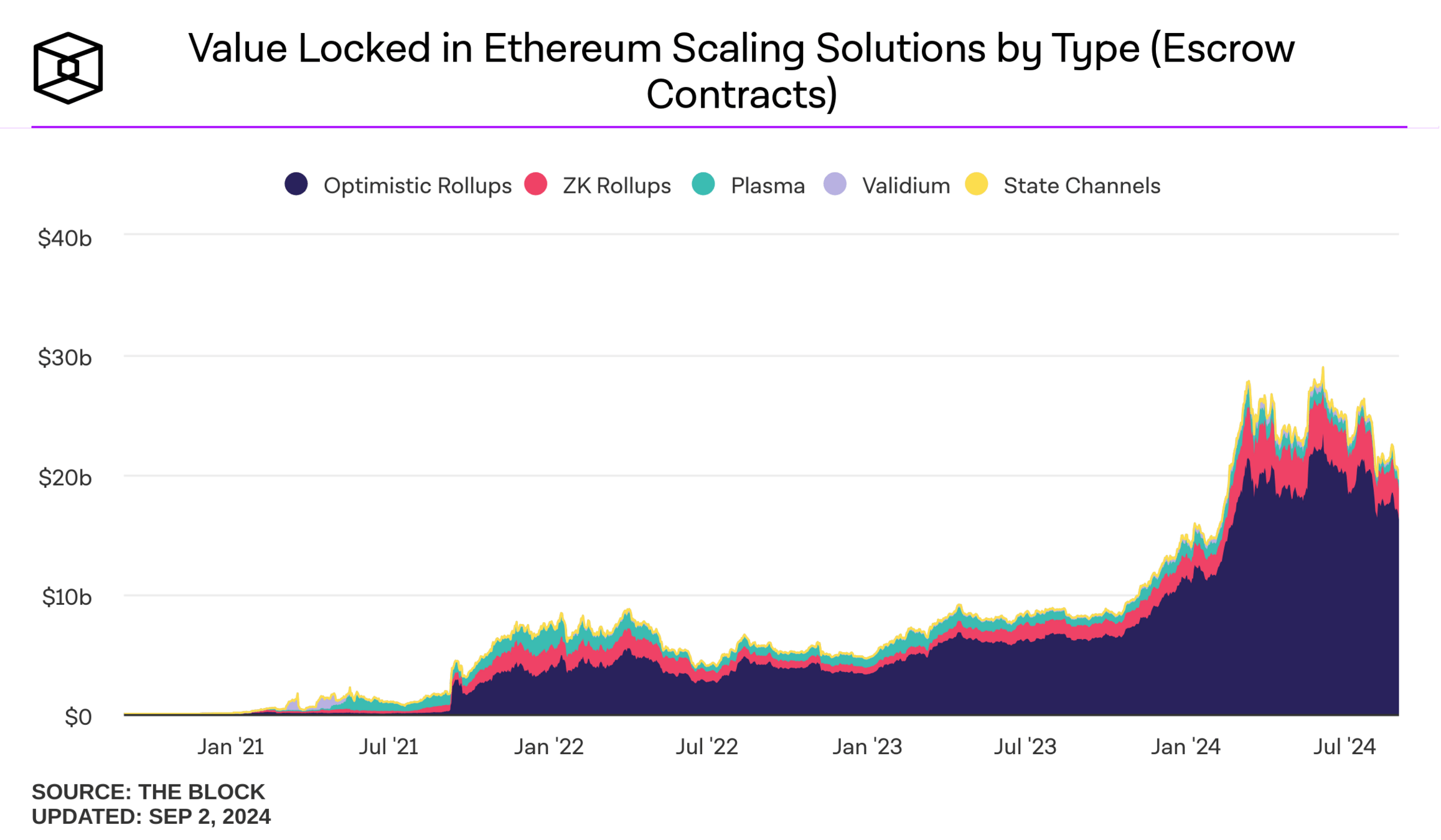
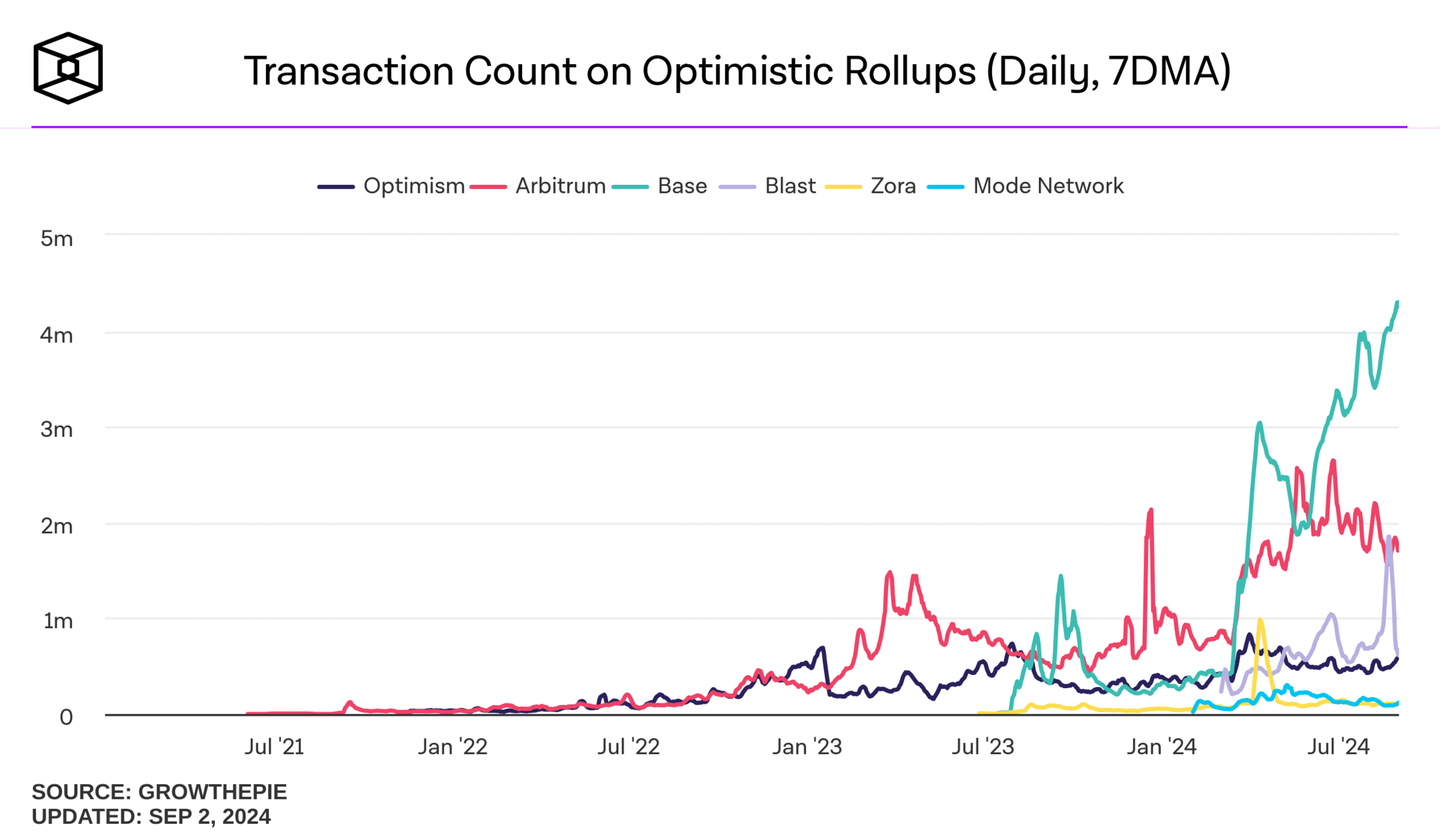
Ethereum Throughput Solution: L2s/Rollups

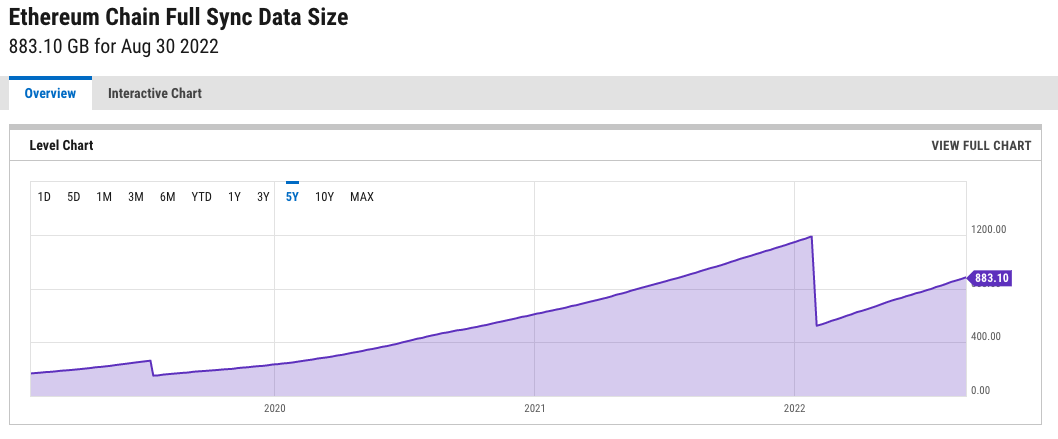
Ethereum Challenge 3: State Size

Source: Ycharts

Money Laundering and Crime

  1. Does it provide scale?
  2. Does it enable new criminal activity?
  3. Is there substitution from super-visable means? Is it easier and safer to use for criminals than traditional means?

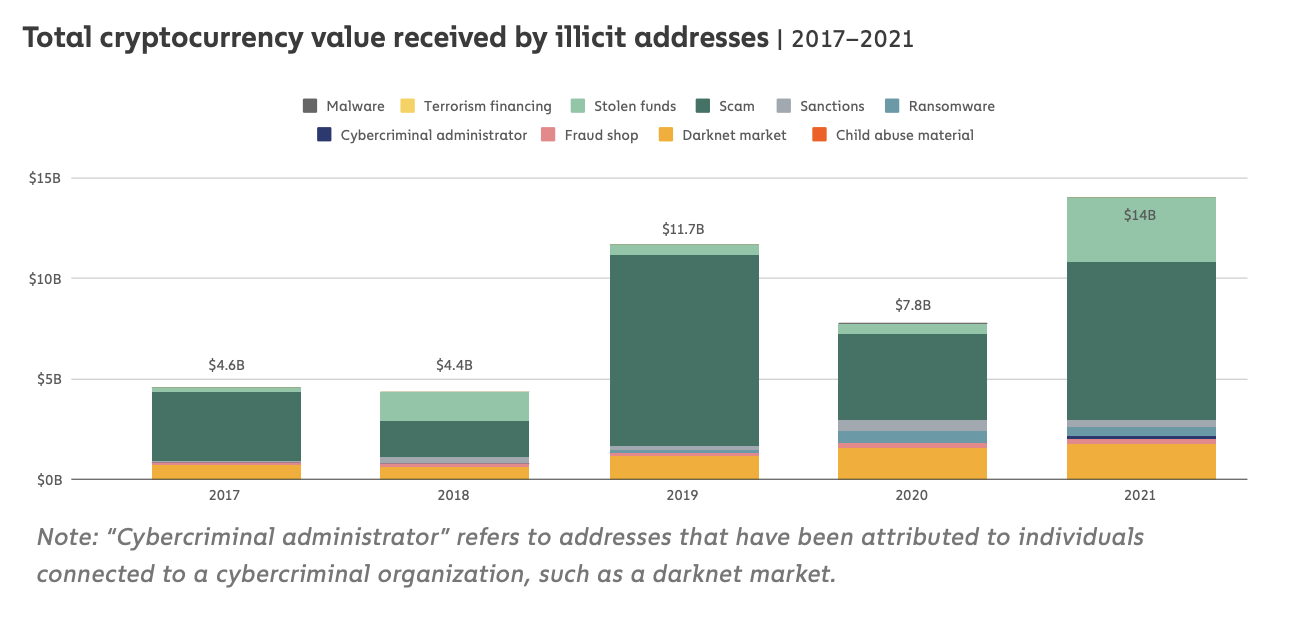
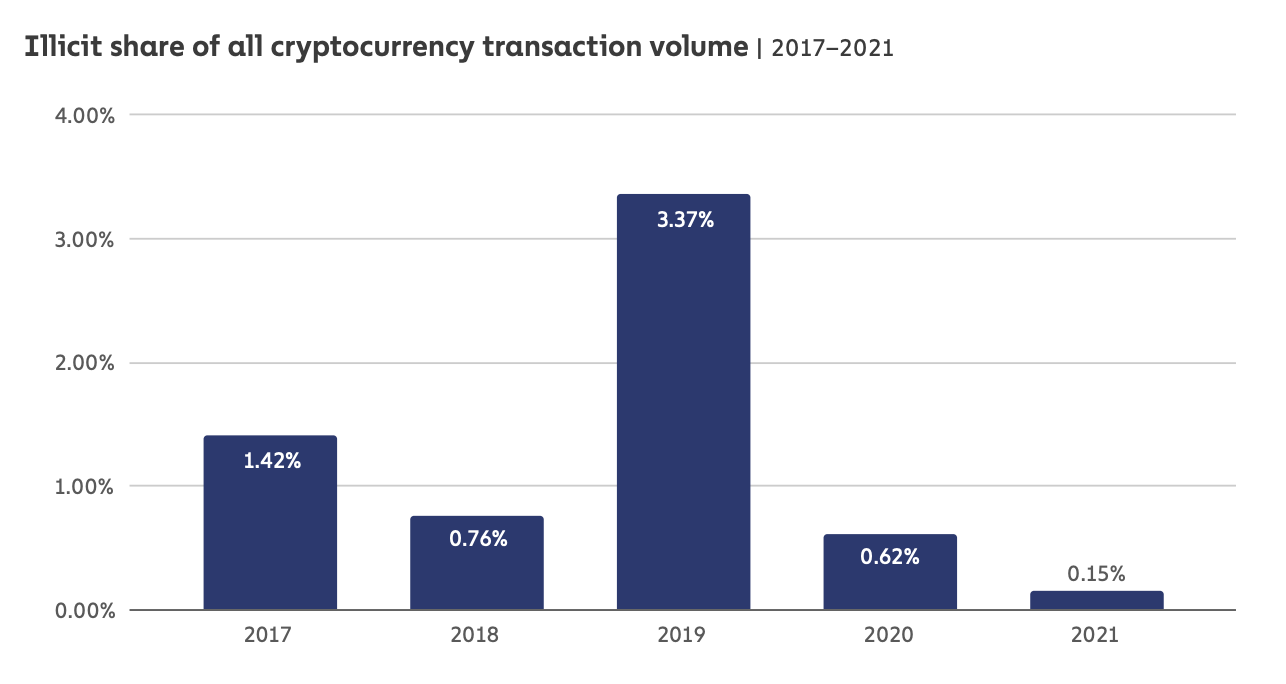
What's special about crypto-crime?

Chainalysis Crime Report

extra info:

  • 2019:  PlusToken Ponzi scheme 
  • numbers depend on known addresses, e.g., 2021 report listed ~.3% for 2020 and upped to .65 now

Final Thoughts

Some Final Thoughts on Terminology

  • The terms blockchain and decentralized are often tossed around with various different meanings. So some thoughts.
  • Decentralized \(\not=\) fragmented
  • Blockchain \(=\) aspires to work like a single computer
  • \(\to\) Decentralized blockchain \(=\) common resource 
  • Decentralized applications on blockchains \(=\) generally accessible without restrictions
  • blockchain \(=\) permissionless
  • permissioned/authorized blockchain \(=\) a very slow database
  • permissioned \(\Rightarrow\) attempt to replicate the existing world
  • non-custodial \(=\) user is in charge and bears all risks
  • centralized exchange \(=\) custodial exchange
  • regulators and lawyers hate non-custodial (who can they call? who is on the hook if things go wrong?)
  • regulators cannot regulate the general population and firms not on their radar

Some Final Thoughts

  • this presentation only scratches at the surface, there are tens of thousands of people working on blockchain ideas
     
  • this is not (only) garage band work -- university research plays a key role
     
  • blockchain tech won't get uninvented.
     
  • the space is still trying to figure things out, including tech and economic challenges
     
  • great progress has been made, but things will and do still go wrong
     
  • a common resource can have huge economic benefits
     
  • biggest threat of it all: crony capitalism \(=\) firm using policy makers and regulators to define rules that secure their rent-seeking

@financeUTM

andreas.park@rotman.utoronto.ca

slides.com/ap248

sites.google.com/site/parkandreas/

youtube.com/user/andreaspark2812/

Overview of Topics 2025-26

By Andreas Park

Overview of Topics 2025-26

  • 984