Andreas Park PRO
Professor of Finance at UofT
Katya Malinova and Andreas Park
How did these guys put it ...?
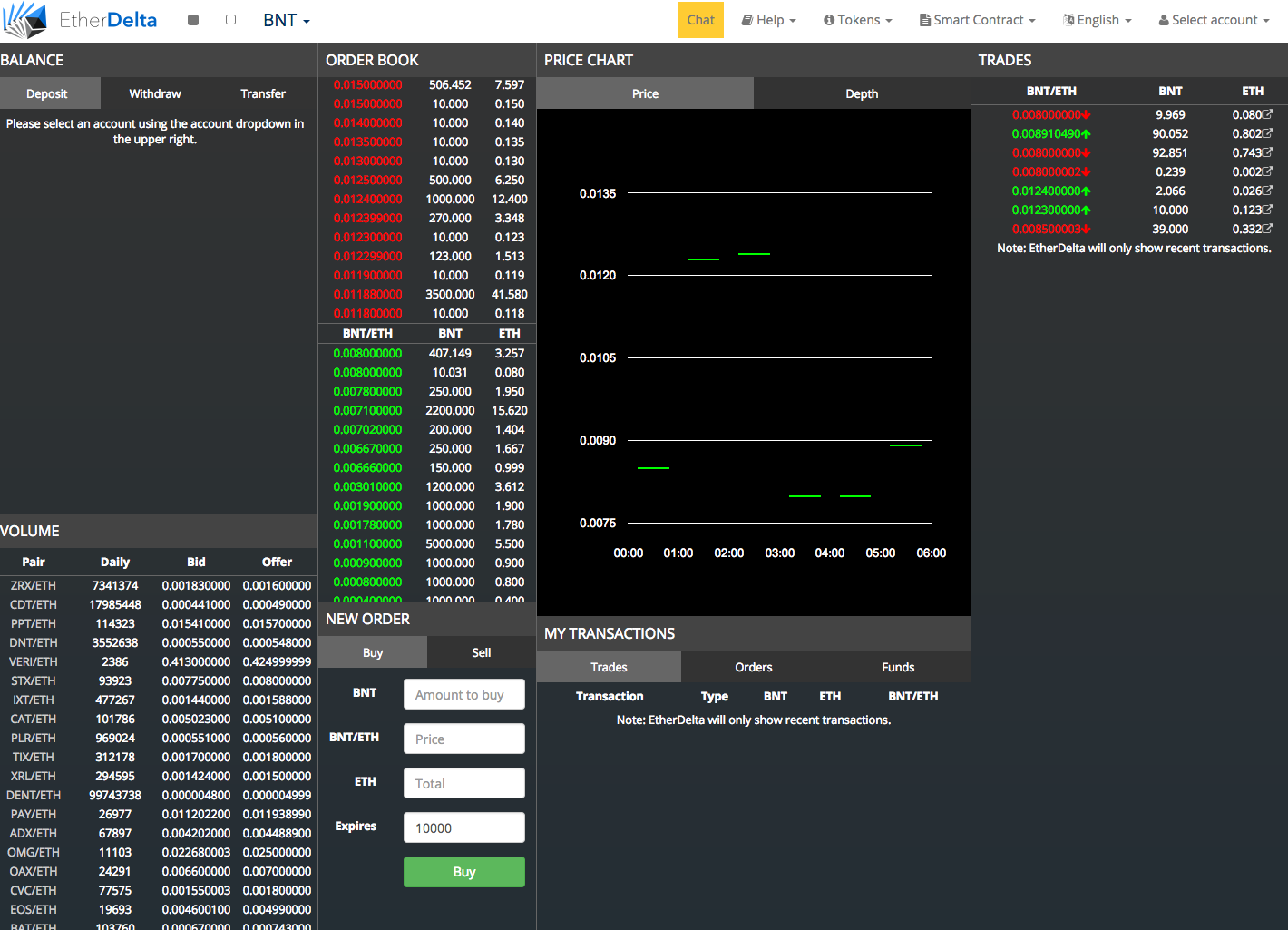
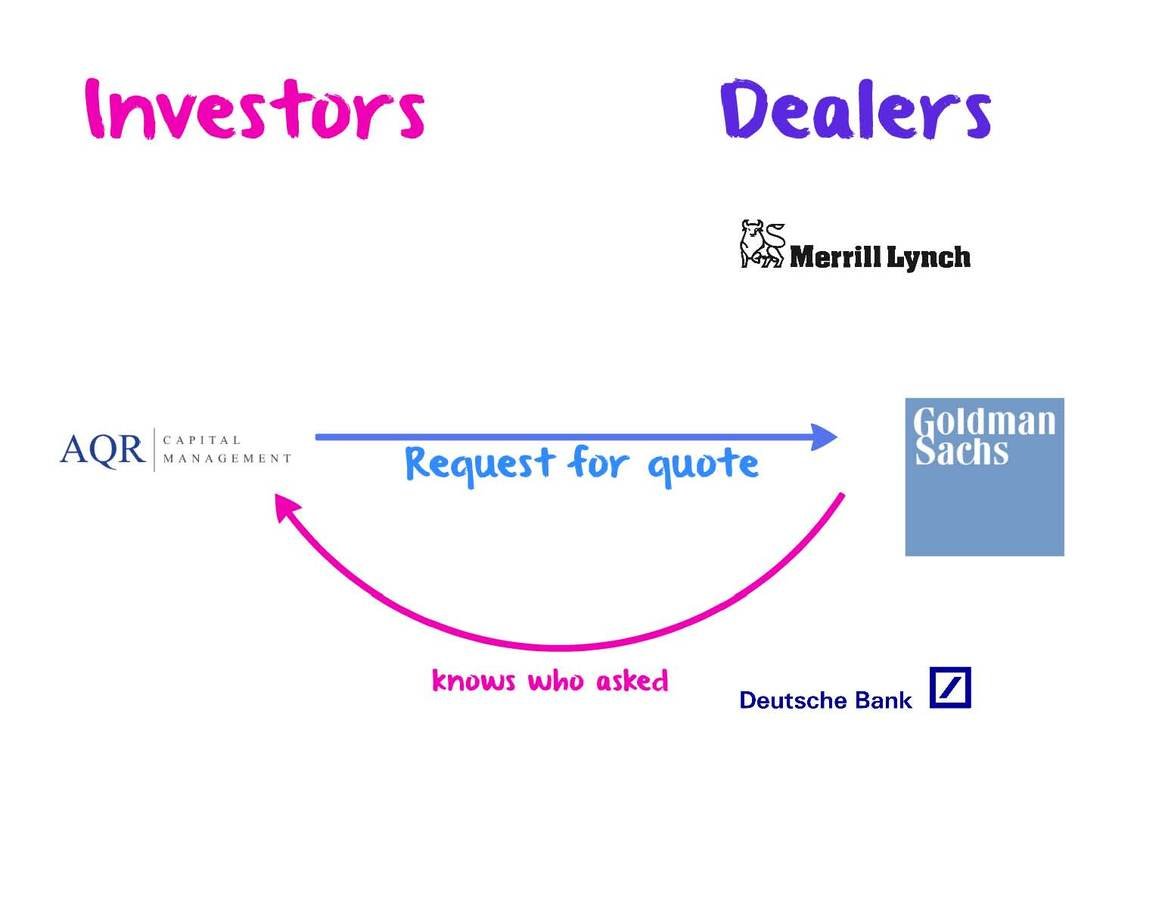
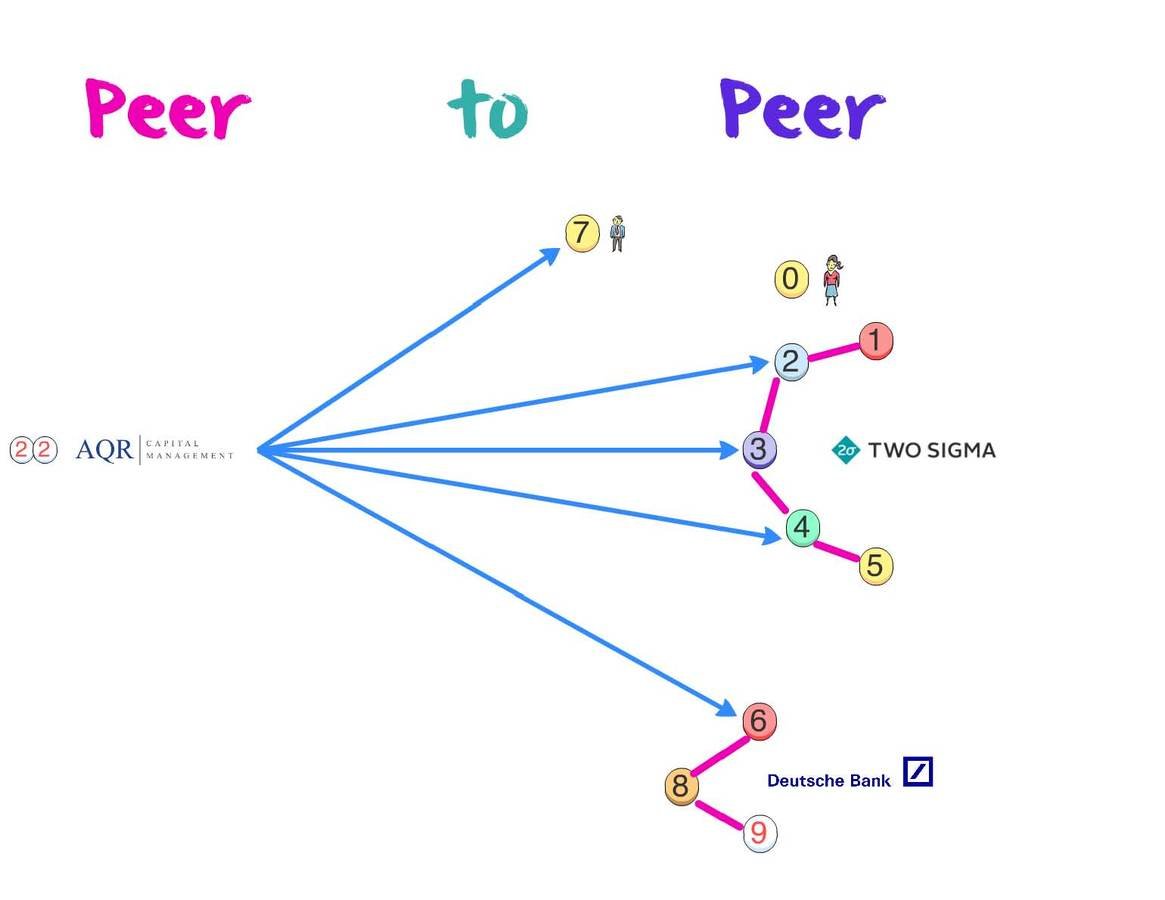
1. Multiple trading protocols are possible
User-facing exchange mask
Fully Decentralized, "OTC",
Peer-to-Peer Exchange
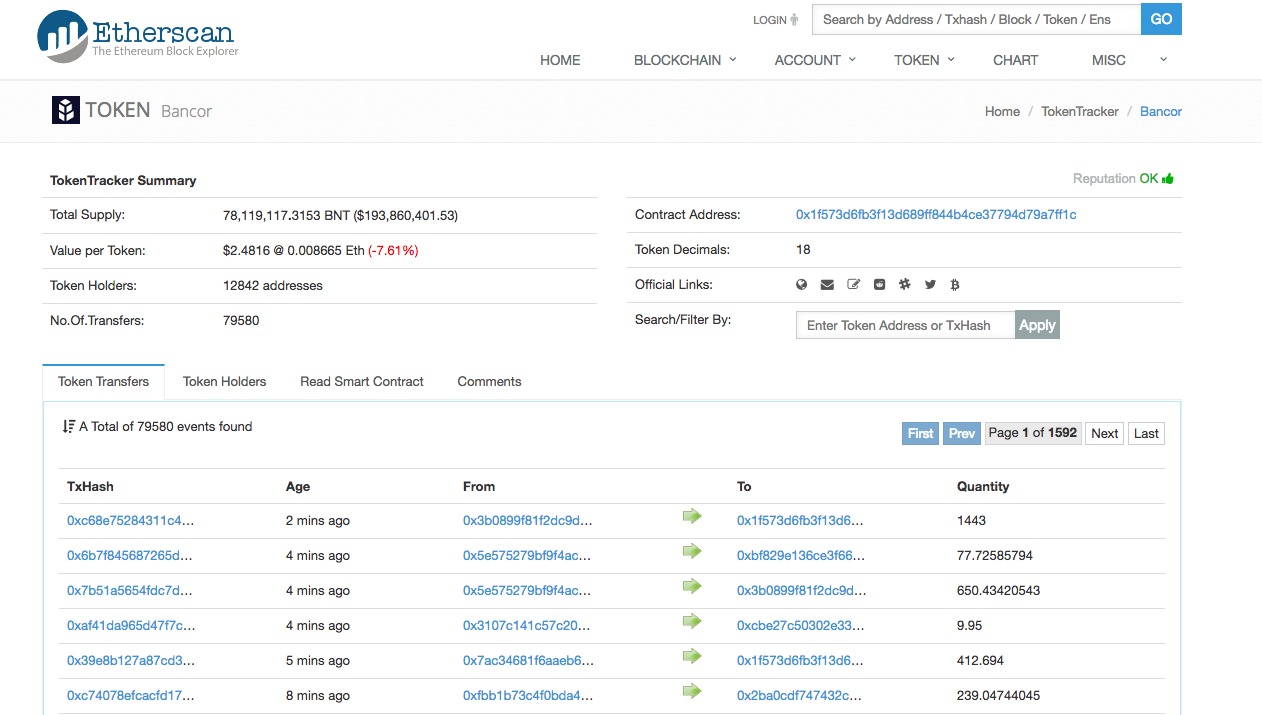
2. High Level of Transparency
See transactions between "addresses" (="IDs")
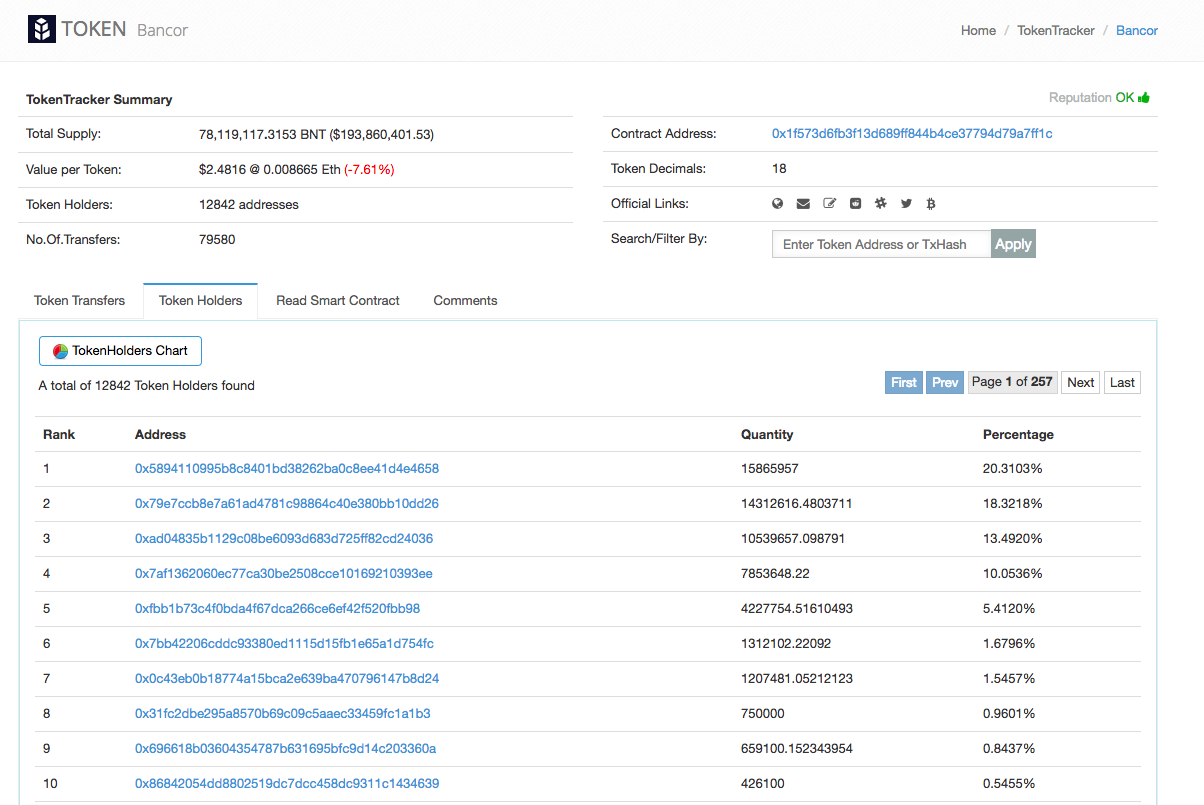
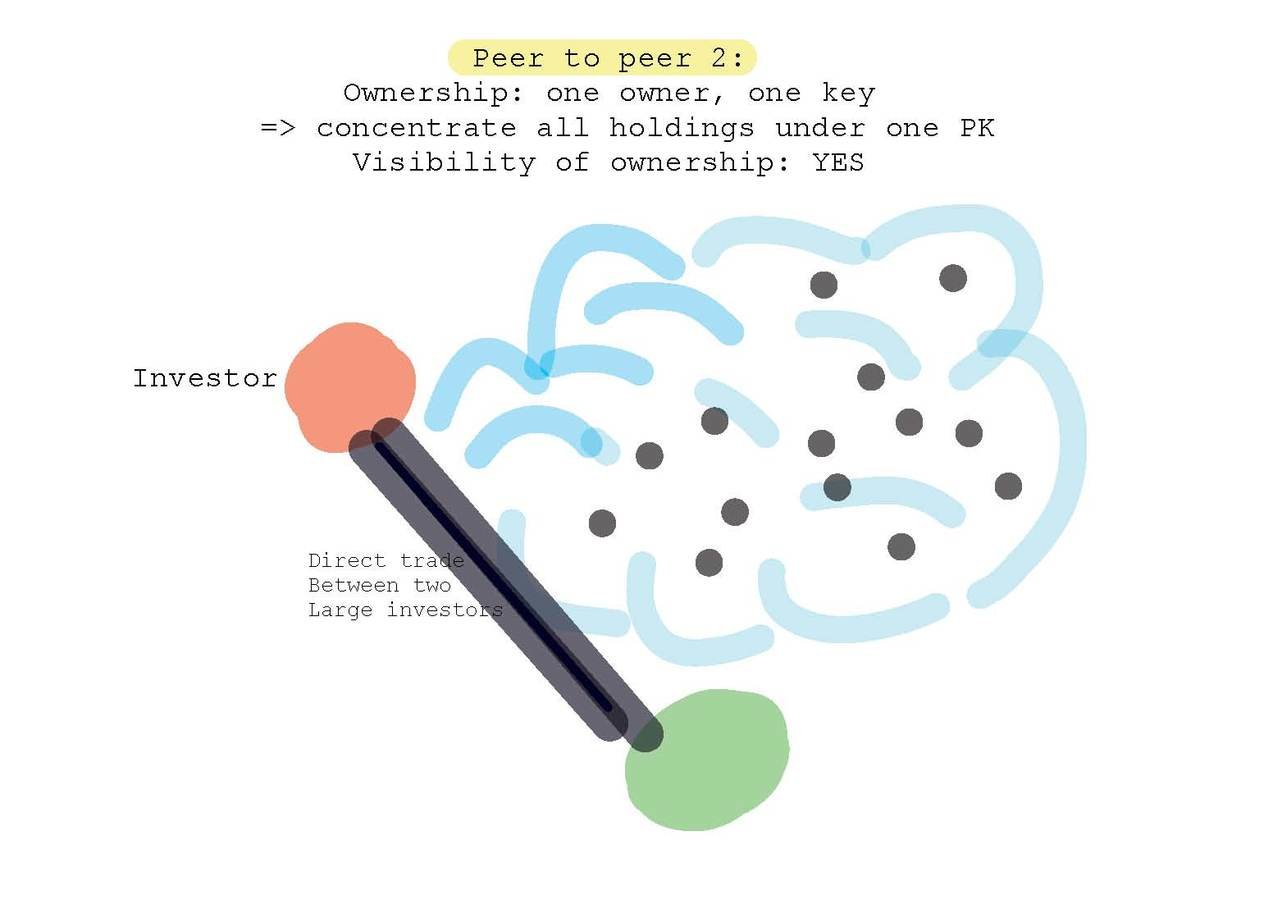
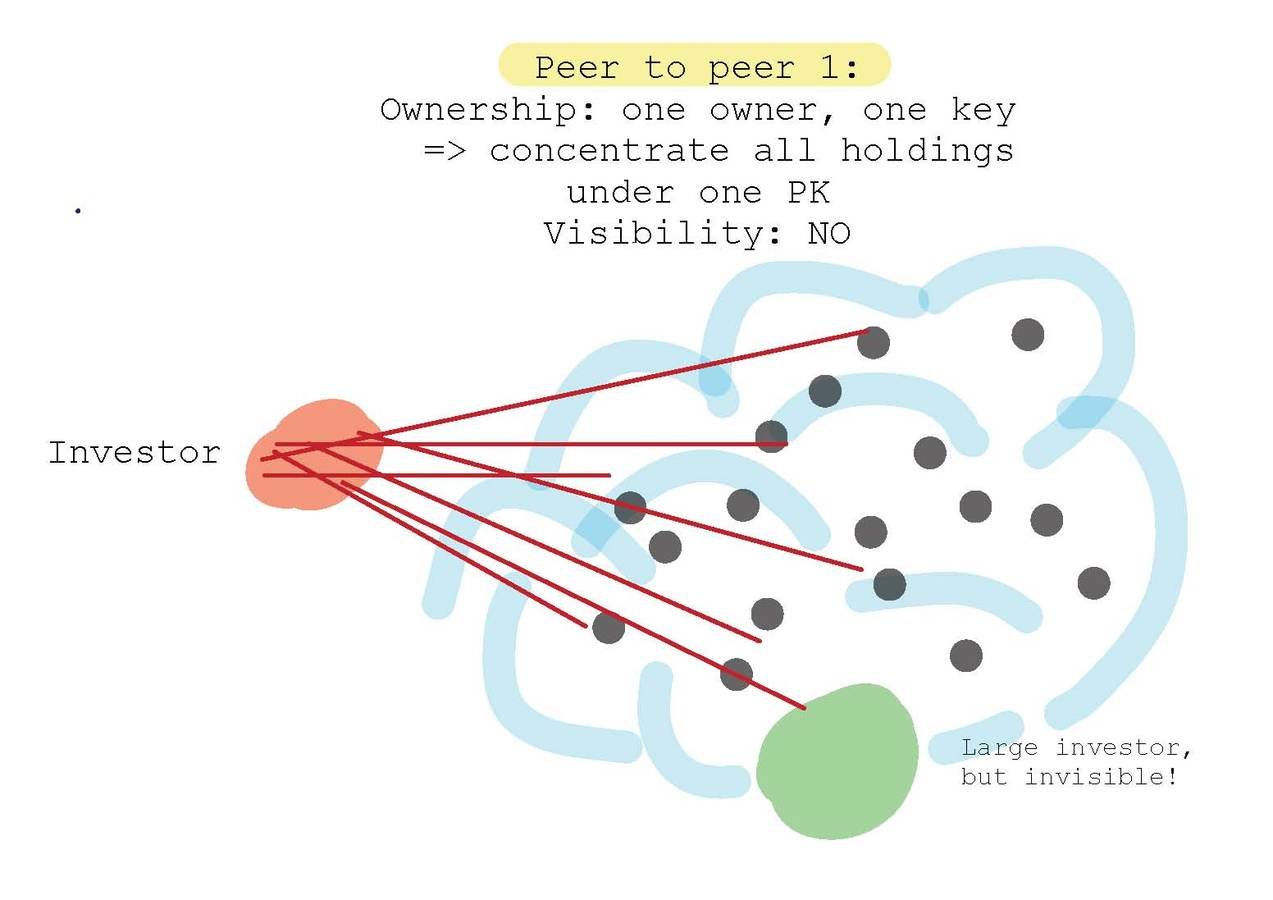
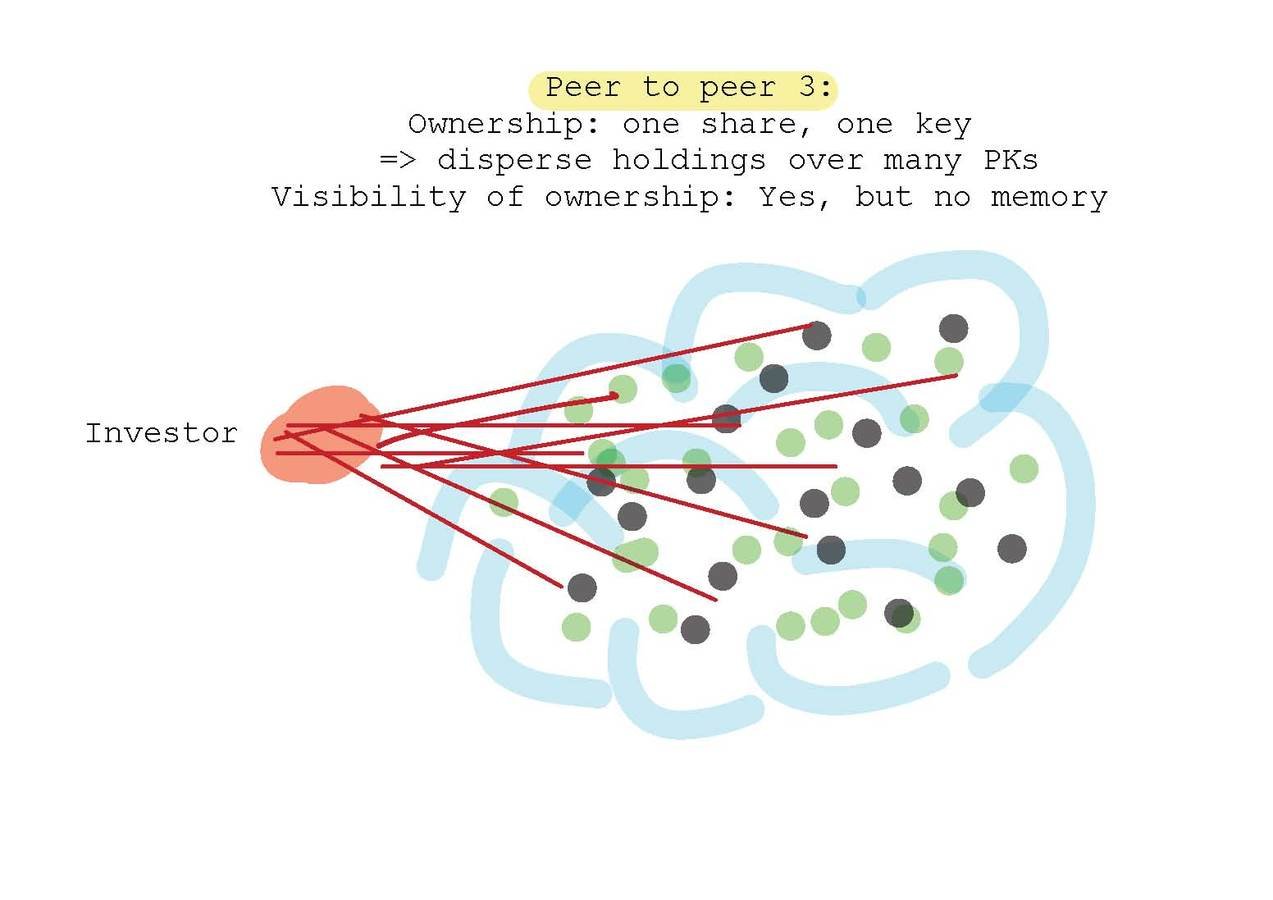
3. You can tell who owns what
Who benefits and loses under which regime?
Each period one is hit with size Q=1 liquidity shock.
Other can absorb the shock at zero cost.
Disclaimer:
Disclaimer:
Requires a system design choice:
Large trader LT may:
Trade with small investors.
Trade with the intermediary.
Approach the other large trader LP.
complexity cost
current market price paid to small
costly trading with intermediary
validation cost
escape complexity and validation costs
avoid price impact of trade with risk-averse intermediaries
Closest and native to "public" blockchains:
small traders
large trader
small traders
large trader
small traders
large trader
filled
unfilled
Opaque Single ID
Opaque Multi-ID: LP accepts
Opaque Multi-ID: LP rejects
accept offer
submit large amount to continuum
submit large amount to continuum
front run
Result 1: There exists an equilibrium with no front-running where
provided
Result 2 (numerical): For small discount (=infrequent interaction) factors, the equilibrium with no front-running where LP accept does not exist. Then:
=> over-trading with intermediary
Observations
Finding 3:
The following relations hold for the average equilibrium stage payoffs of large traders.
Finding 4: (Numerical)
There exist parametric configurations such that large traders trade with each other at p > 0 in the multi-ID ownership setting, but their average equilibrium payoff in the opaque single-ID setting is higher.
By Andreas Park
This is a set of slides that my co-author Katya Malinova used for a presentation of my paper with Katya Malinova on our paper "Market Design with Blockchain Technology". This iteration was presented on August 22, 2017. The deck has been designed for a 25 minute presentation.