Long time no see
Lab meeting
Guillaume - 13/11/18
Guess who's back...
On the road again

What changed ?

Master student
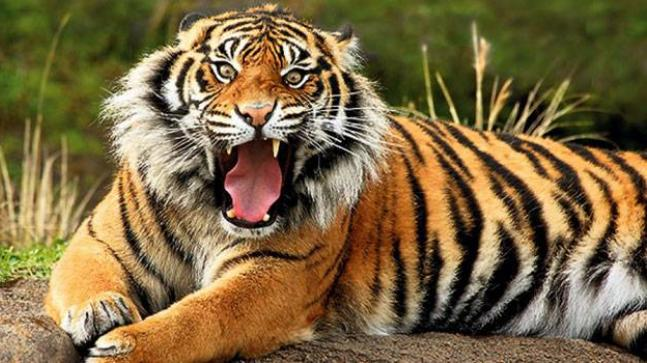
PhD Student
Expectation:
3 months of holidays

What changed ?
Master student
PhD Student
Reality:
3 months of holidays
Many other things have changed

Looking for a flat

New mug +++
Same job, but I can survive with my salary

OMG Mark Knopfler's on Tour in 2019 :O !!
But most importantly...
3 new questions (family meetings / saturday night parties)
1 - Why a PhD ?
2 - What's your PhD about ??
and...
- "As you work in informatics, can you fix my printer ?" (No)

Why a PhD
PhD Student
PI (50% chances)
1 extra-year, 3 post-doc, 1 HDR, financial precarity, sharing your home with 10 roomates at 40, psychiatrical disorders, suicidal thoughts, loneliness, be forever misunderstood by your pairs, relative low salary, no wife no kids, nobody swipes you right on tinder because you're a nerd
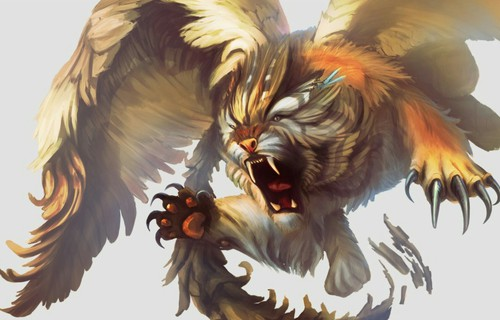

Working for big pharmas (50% chances)
Literally nothing


PhD Student
What's the PhD going to be about ?
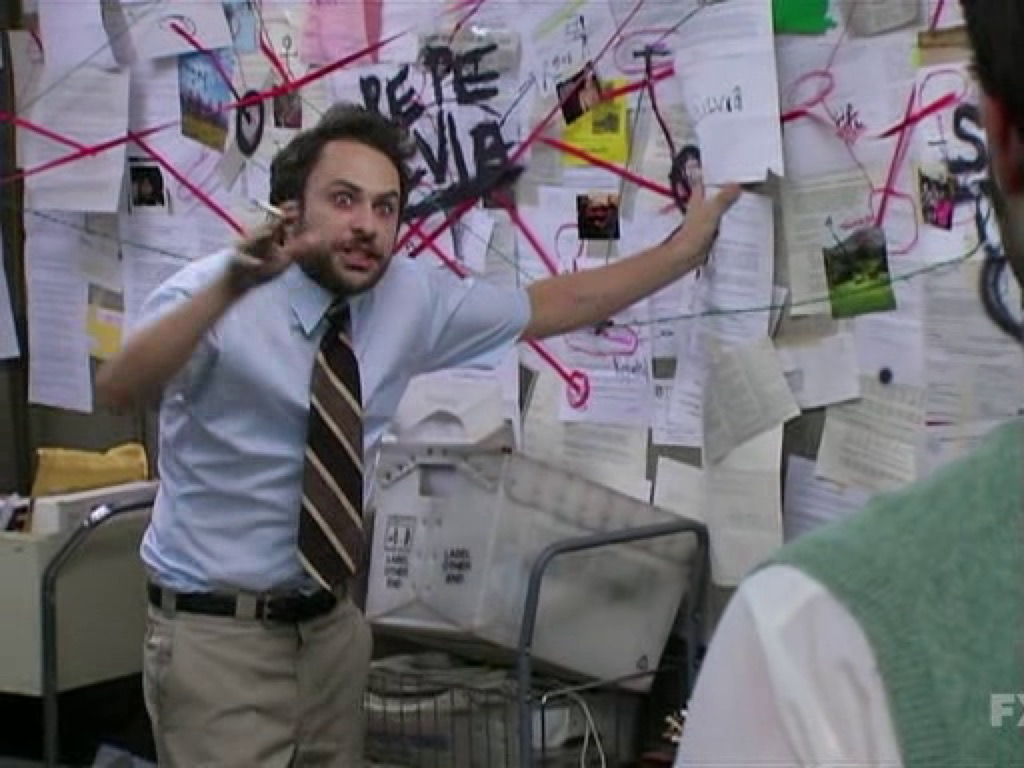
Explained to my parents, who still think I'm a med student
Explained to fellow scientists (and to random people, drunk, on a saturday night)
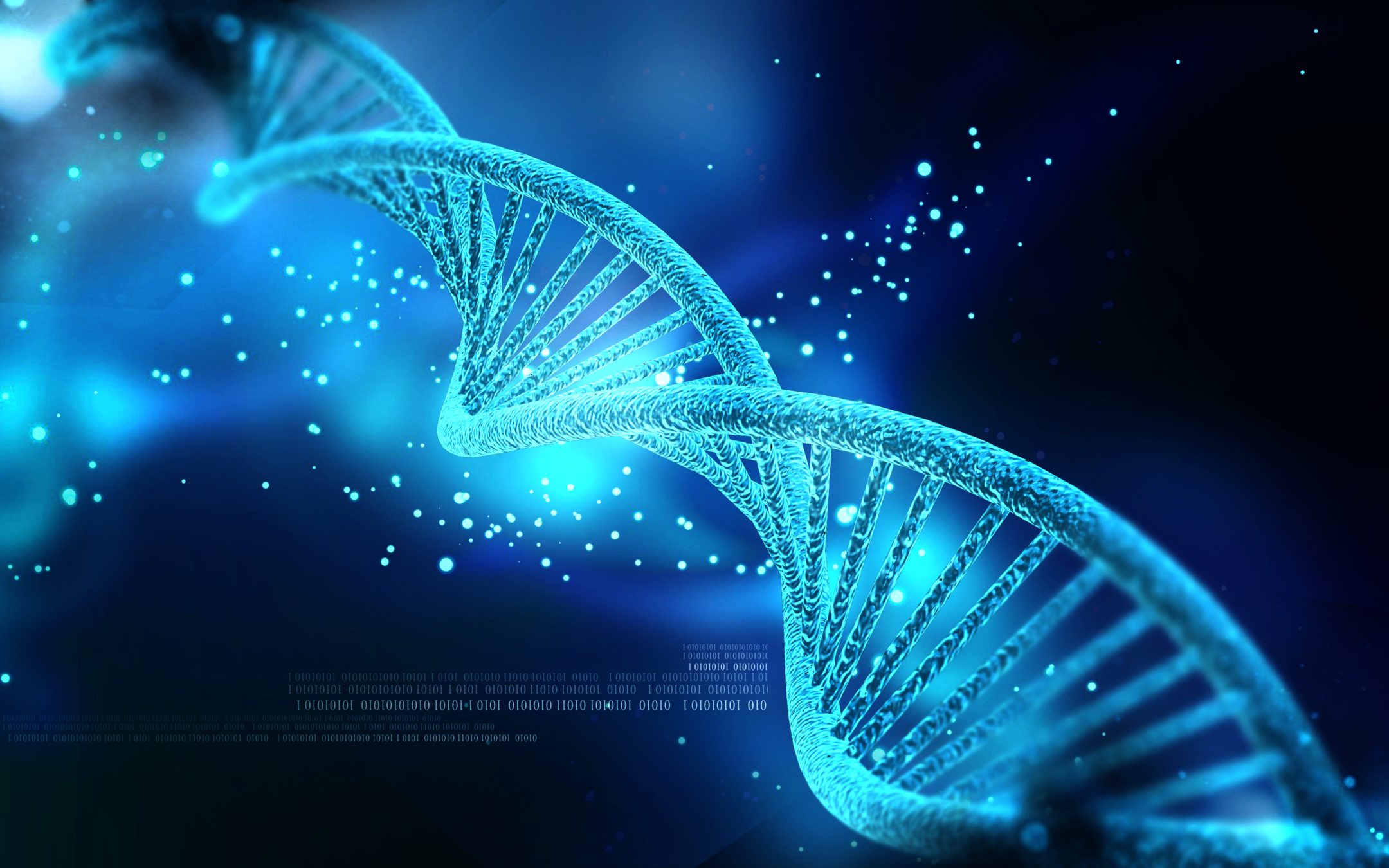

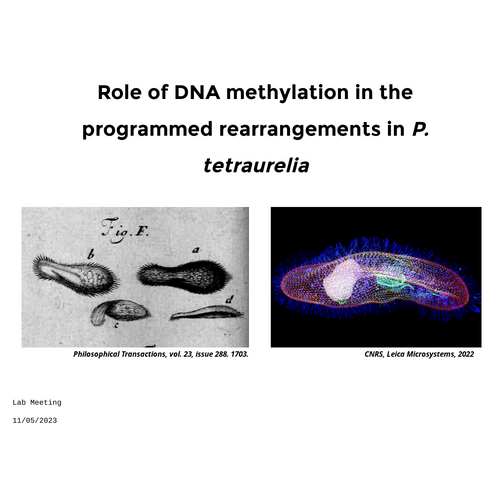
Ciliates: A 340 years old story
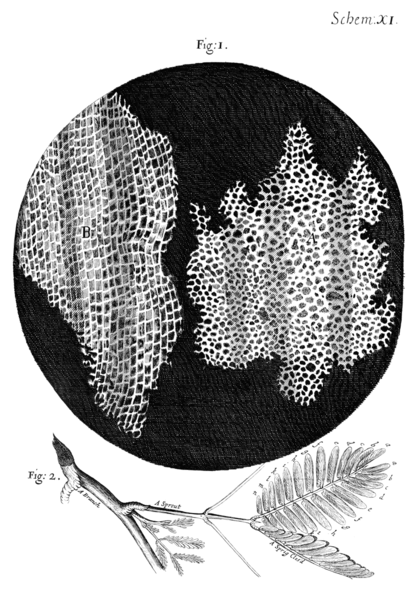
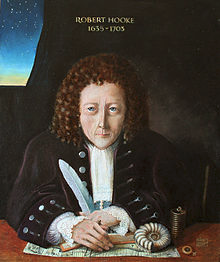
Christopher Hooke
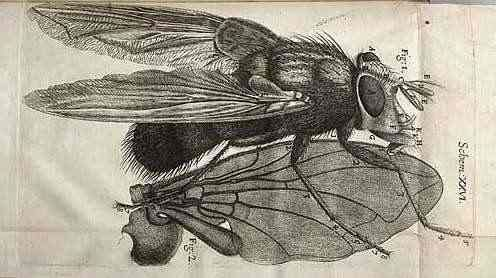
1665 - "Micrographia"
30x microscope
First Cell description


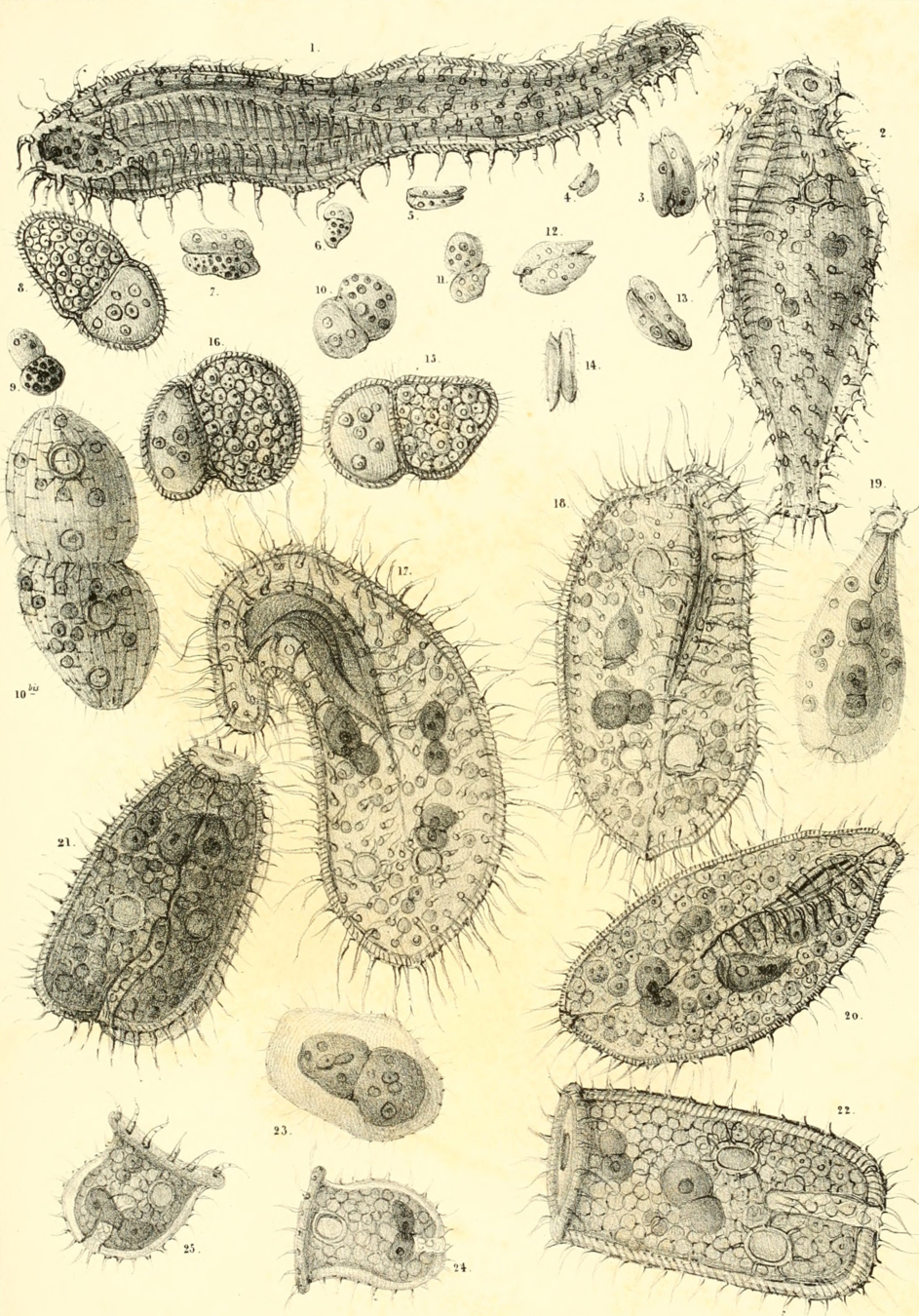
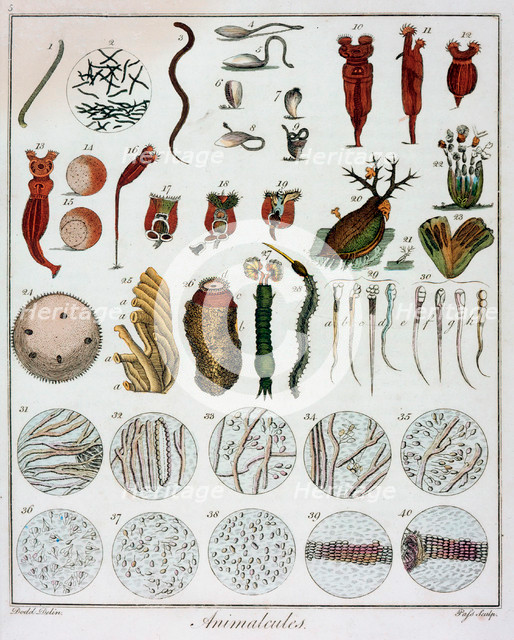
Antoni Van Leeuwenhoek
1678 - "Animalcules"
First observation of single-cell organisms
Infusoria, Paramecium
The storytelling in biology
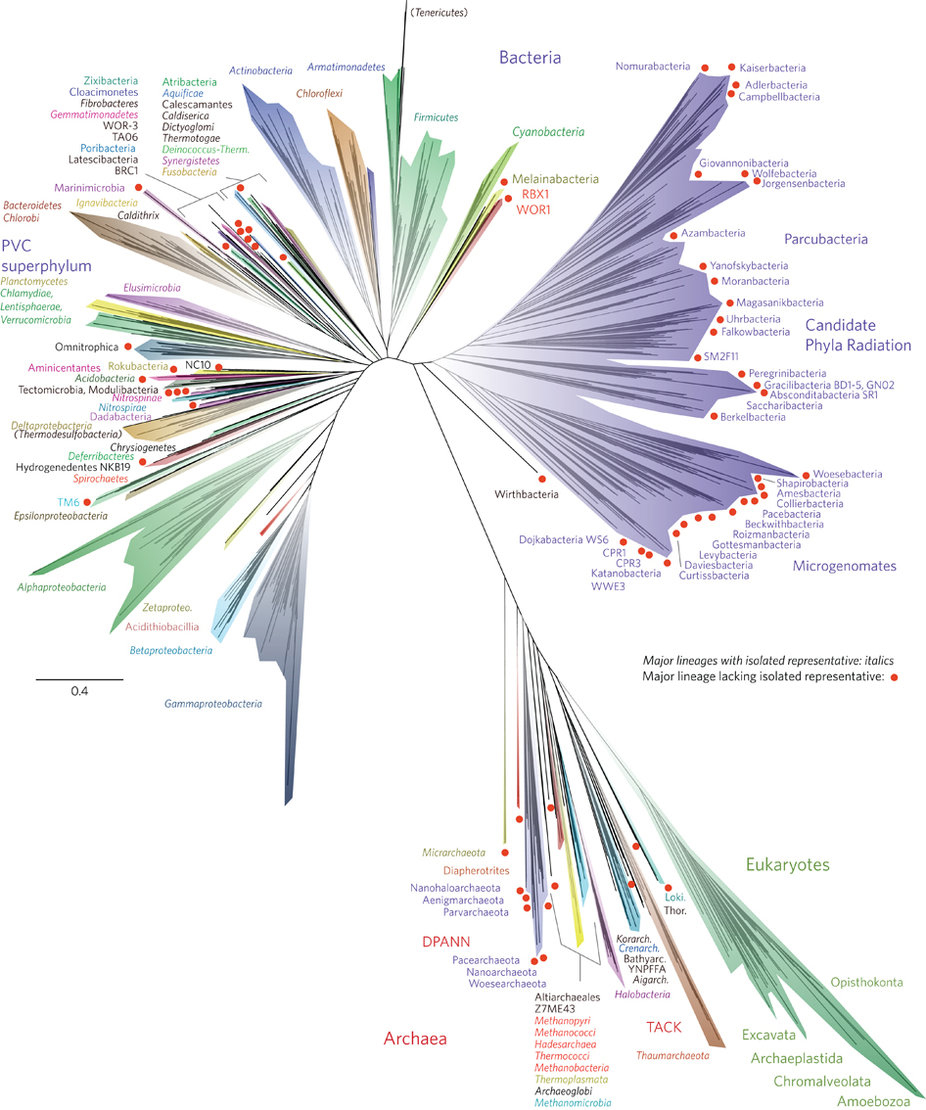
Chronological discoveries
VS
History of Life
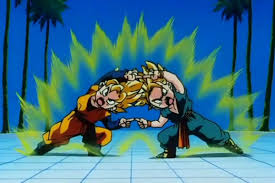
A great story
Scientific partitioning, technical overspecialization
Epistemological explanations
Linear views of non-linear concepts
Factual identification of functions
Unified theory/Elegant generalization
Catalog of debatable hypothesis
Connected / Arborescent views
Finalism / Teleologism
... And we love great stories

Very rare picture of me (right), explaining my PhD project during the lab meeting Pere Castor et Al. (Flammarion FR - Circa 2018 - Colourized)
Surviving the apocalypse of transposons
Lessons learned from 3.5 Bn years of evolution

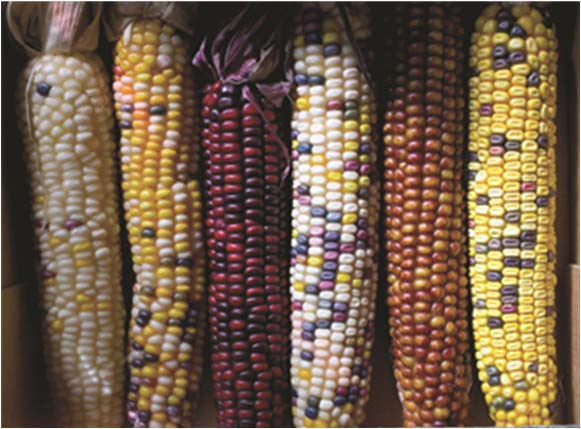
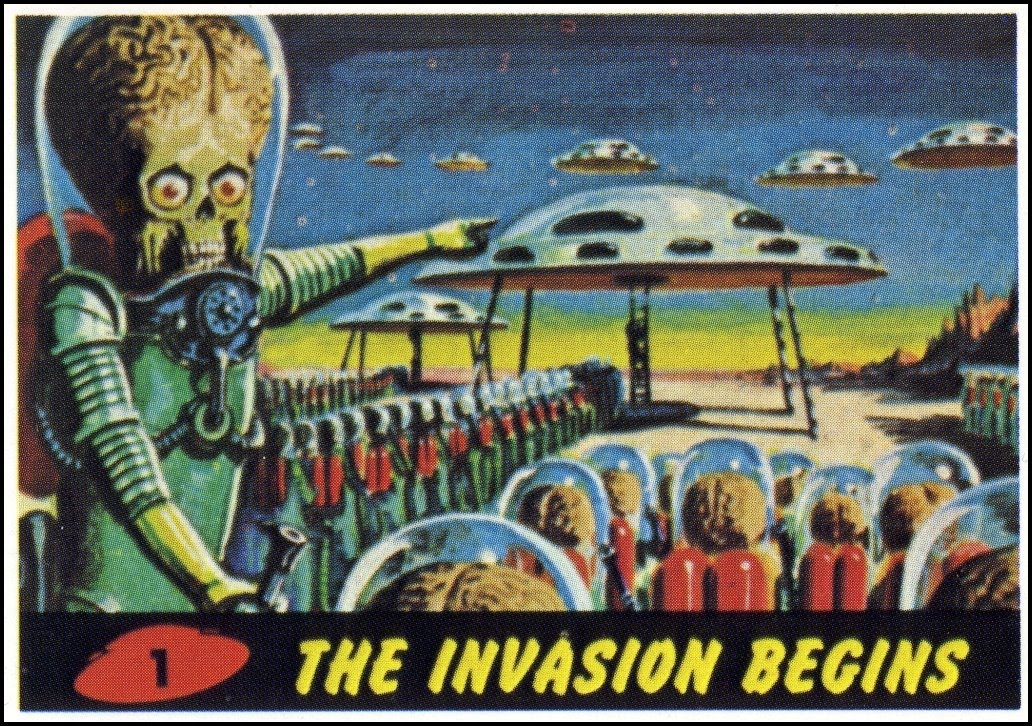
Apocalypse now...
The kernel's color in Maize
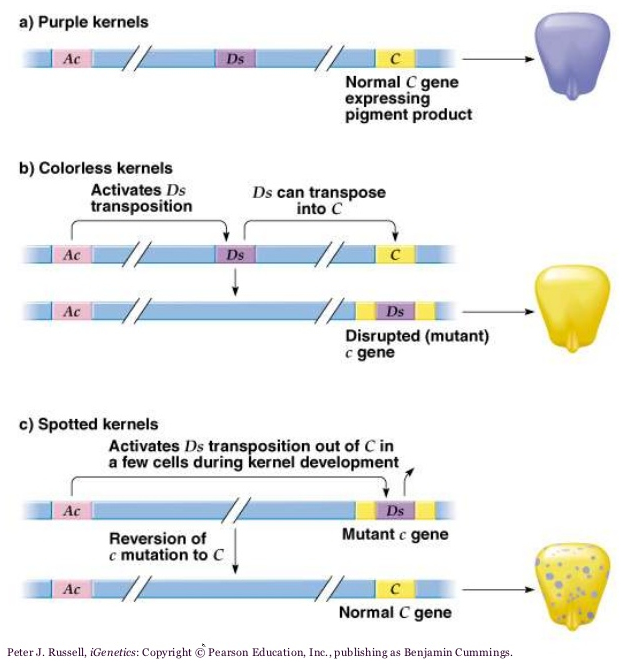
AC : Activator
DS : Destabilization
Ac is required for DS activity
DS literally "moves" in the genome
Ac/Ds elements
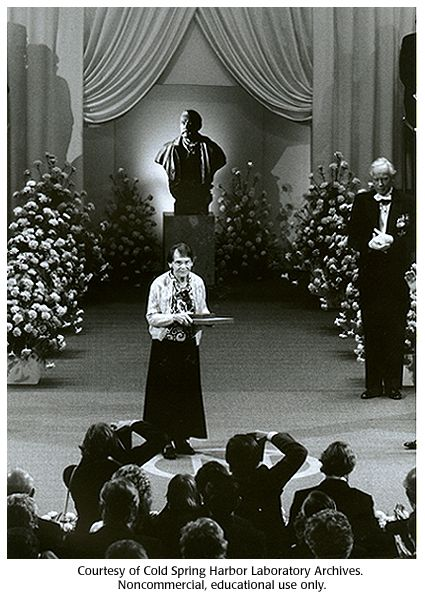
Barbara McClintock - 1960's
Nobel Prize in 1968
"Jumping Genes"
Composite-sketch of a transposon
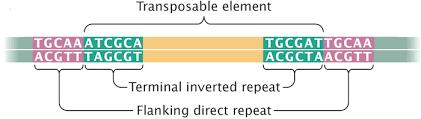
Identification of the Ac/Ds sequences identified a few years later:
- Some transposons encode a transposase: They are autonomous (ex: Ac)
- Some others are dependant of a transposase (ex: Ds)
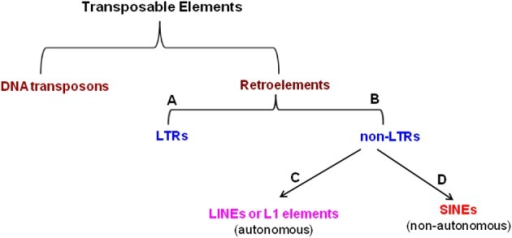
Class I & II TE
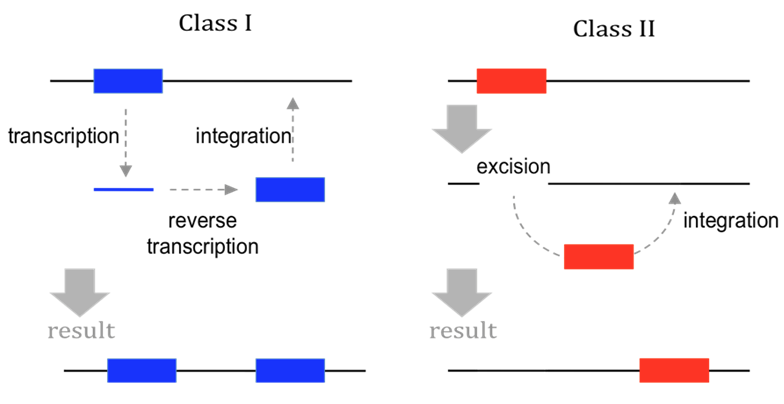
Copy/Paste
Cut/Paste
Both can be autonomous or dependant
Horizontal transfer of TE

- TE are considered as "sharing an ancestor with viruses"
- They could transfer horizontally by their own or through pathogens, pollinators, symbiosis, plasmids...

... And many others
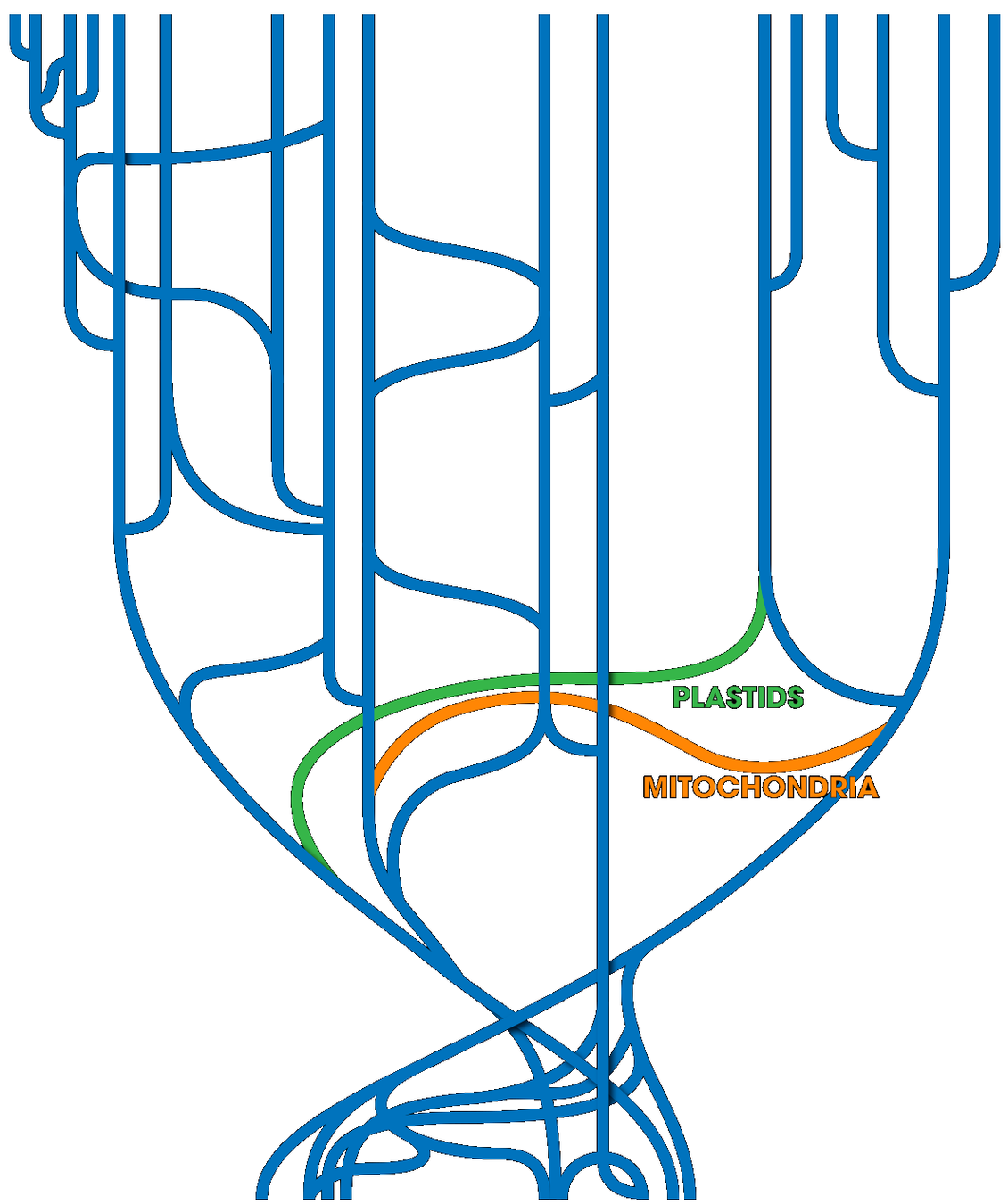
Autonomous copy/paste + horizontal transfer = Global Invasion
TE = Chaotic invasion ? Yes !
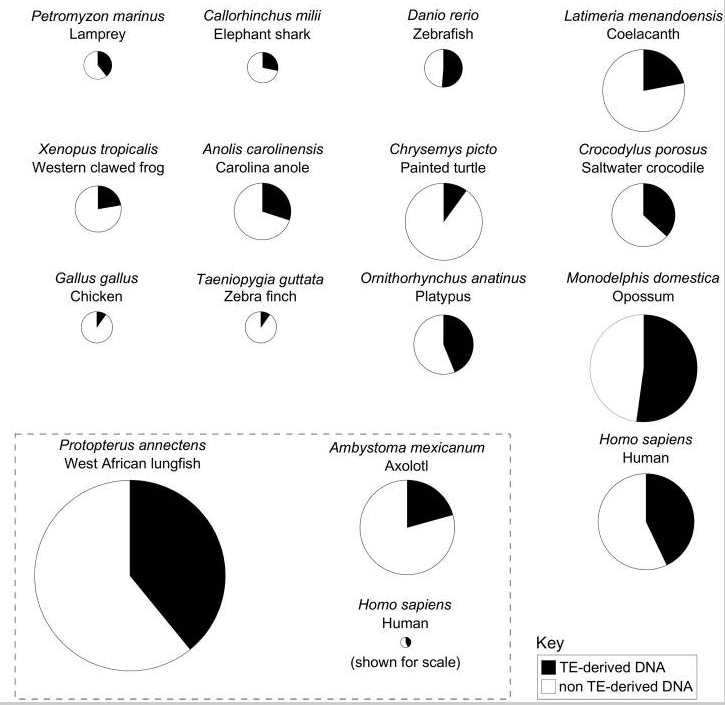
Genome Biol Evol. 2017
"Evolution and Diversity of Transposable Elements in Vertebrate Genomes" (Cibele G.)
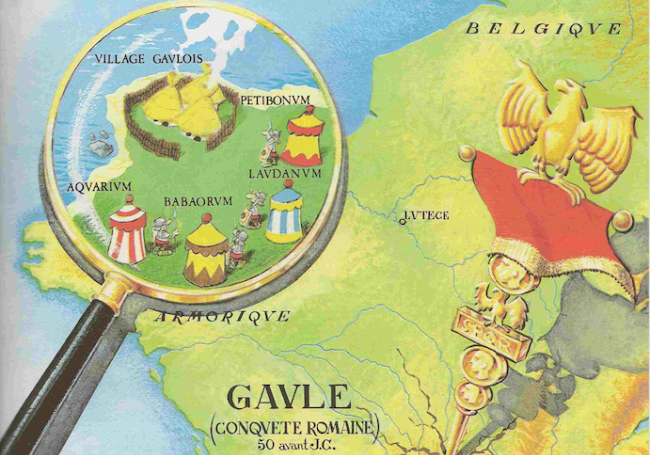
Extreme case 1)
Maize
Up to 86%
He dead ?
Extreme case 2)
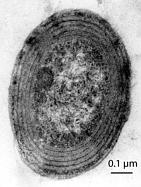
- Prokaryote
- One of the smallest genome ever sequenced
- No TE, no transposase
- Only known exception to day

Hypothesis (none proved):
1 - Very high multiplication rate + Very high vulerability to TE
2 - Defense mechanism so great it's not affected
Prochlorococcus marinus SS120
The invasion seems total in eucaryotes
No known exception
The selfish gene - 1976
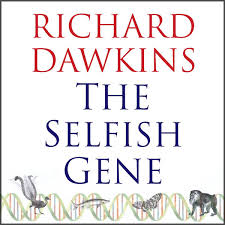

- Finalist/Anthropomorphist analogy: "The DNA is selfish and only 'wants' to reproduce itself" --> Parasitic DNA
- With limited resources, the best DNA replicators "win"
- The evolution and natural selection could be better described by "DNA replicators" rather than species
Quick maths won't stand the distance
Fruit flies:
- Speciation ~65 million years ago
- 1 generation / 30 days
- 1 initial TE
- 1 duplication.10^-5 /TE/Generation
About 2^7800 = 10^2348 transposons

Homo Sapiens:
- ~300.000 years ago
- 1 generation / 35 years
- 1 duplication.10^-5 /TE/Generation
- 100 initial TE
100 +[ 3/ 35 * 100 ] = 108 transposons
Evolution of TE must be different than trivial
- Even considering the low level of one transposition event every 10^5 generations
- Even considering a 99% transposition success rate after excision
They should have disappeared a long time ago in many species
Hypothesis why the calculus don't work
- Transposable elements degenerate quickly if the host has no benefit and therefore don't replicate anymore
- Autonomous element become easily dependant, so... the higher the copy number, the higher the dependant copies, the lesser transposition efficiency
- The most aggressive types of TE invaded and extincted their host, so we just observe under-active TE
- The most vulnerable species got extincted because of the TE, so we just observe the most-protected species (those who have repressive systems)
- During their own horizontal transfer, transposons can also carry their associated defense-system (otherwise the host extincts)
- Some TE families could have appeared more than once, so their age is maybe not so old
- Transmission rate is unknown, and insertion is biaised
Reconstructing the story of transposable elements
Hints of a hidden past
Reconstruct TE's story is something feasible
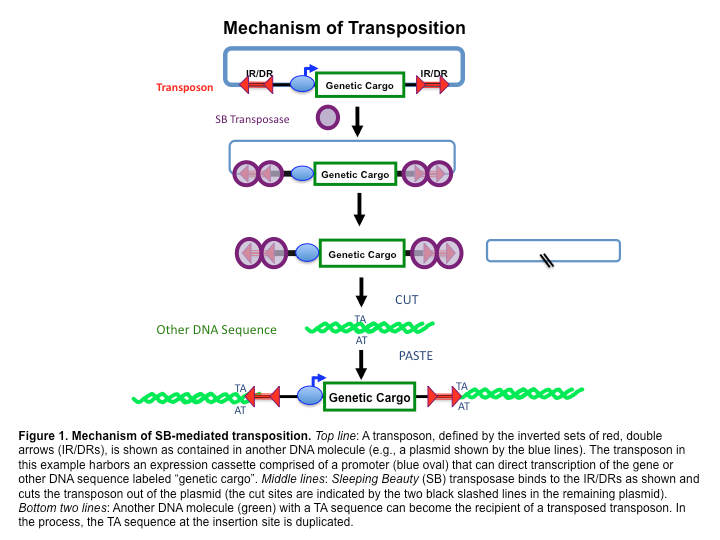
The case of the "Sleeping beauty" transposon
The global story remains a mystery
- A wide range of strategies exist
- Eucaryotes, procaryotes and archea have very different mechanisms
- This suggest a progressive, separate, even constant adaptation
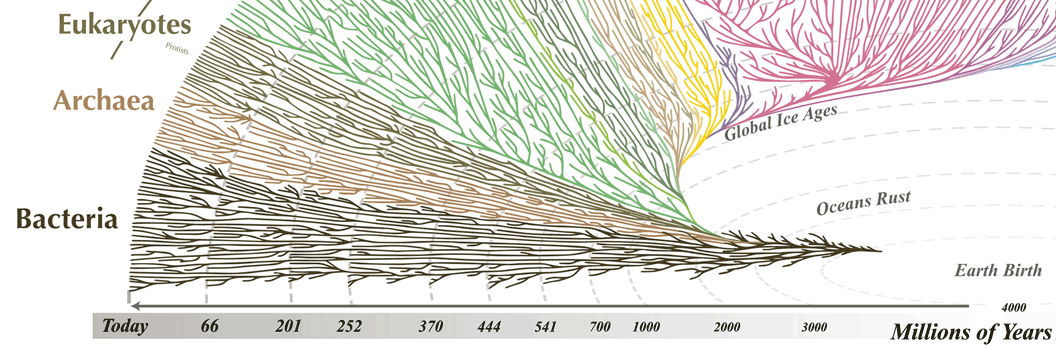
A wide range of strategies to fight transposons
P-M Hybrid dysgenesis
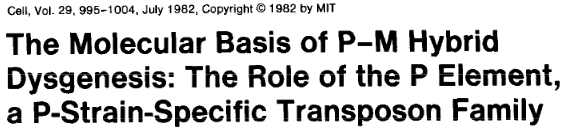
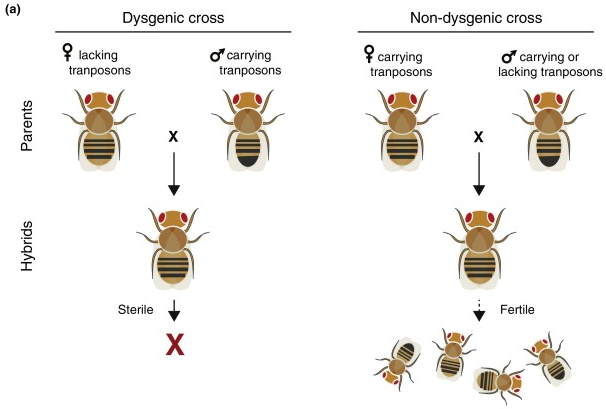
1982 - Identification of a mechanism of defense in multicellular animals, later identified as piRNA
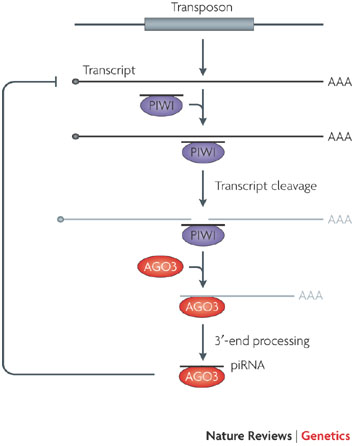
The piRNA mechanism
The common RNA pathway with archea/bacteria (CRISPR) could indicate a real common origin, just a convergence, ... or not !
RQ: TE seem essential to bacteria
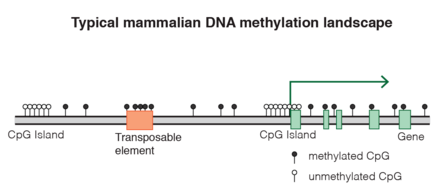
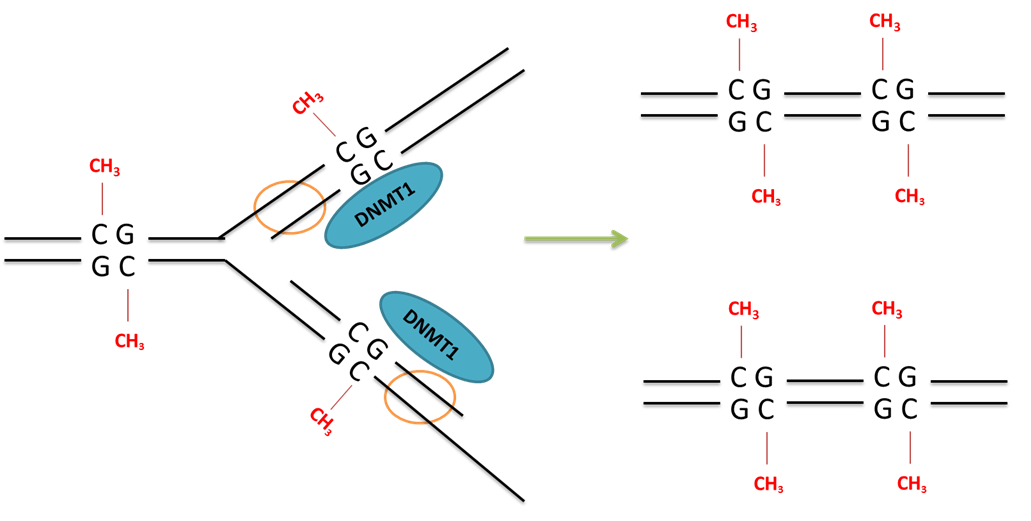
Methylation of DNA and maintenance
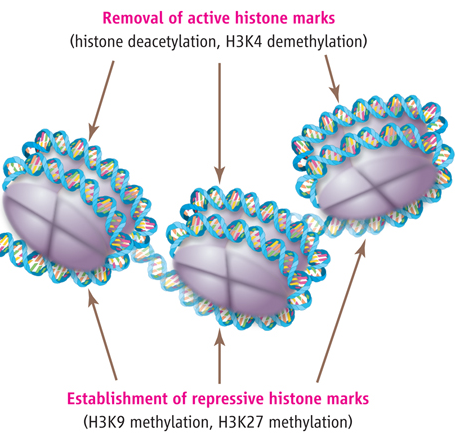
Histone modifications
Cis/Trans Repression
The modification itself seems guided by small RNA
- In fungi, methylation the Copy Number Variants (CNVs) seem to be one (still debated) mechanism or repression
- In procaryotes, apparently random genes are regularly excised, which avoids accumulation of TE
- ORFs are not conserved in TE mutants. Non-sens RNA-mediated decays could be helpfull for eucaryotes
To be continued...
Other mechanisms
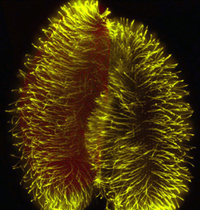
The ciliates: a specific case
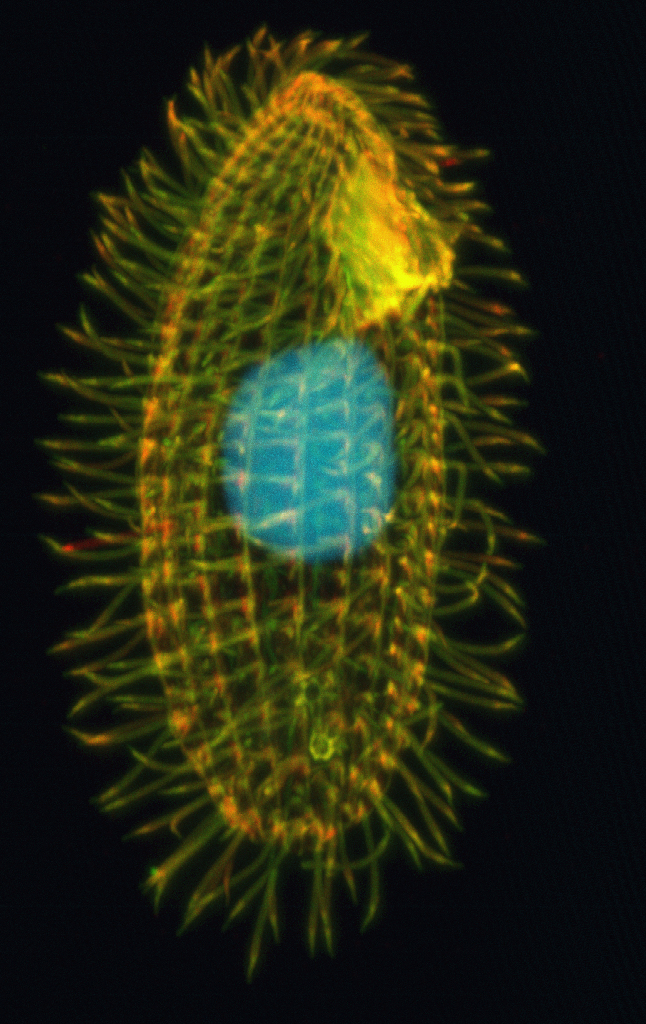
MIC/MAC Differenciation
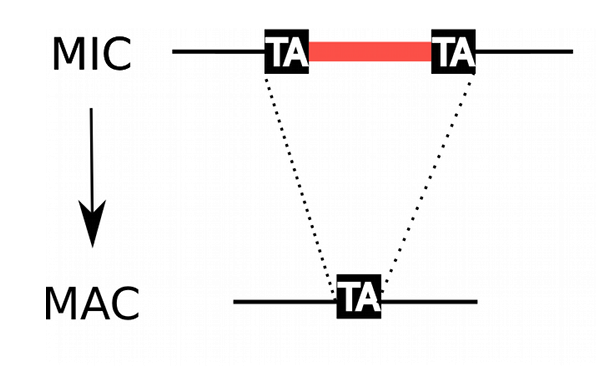
Transposable elements are suppressed in the MAC, where the transcription occurs
Avoids the negative effect of TE


PiggyMac
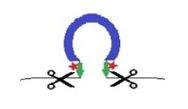
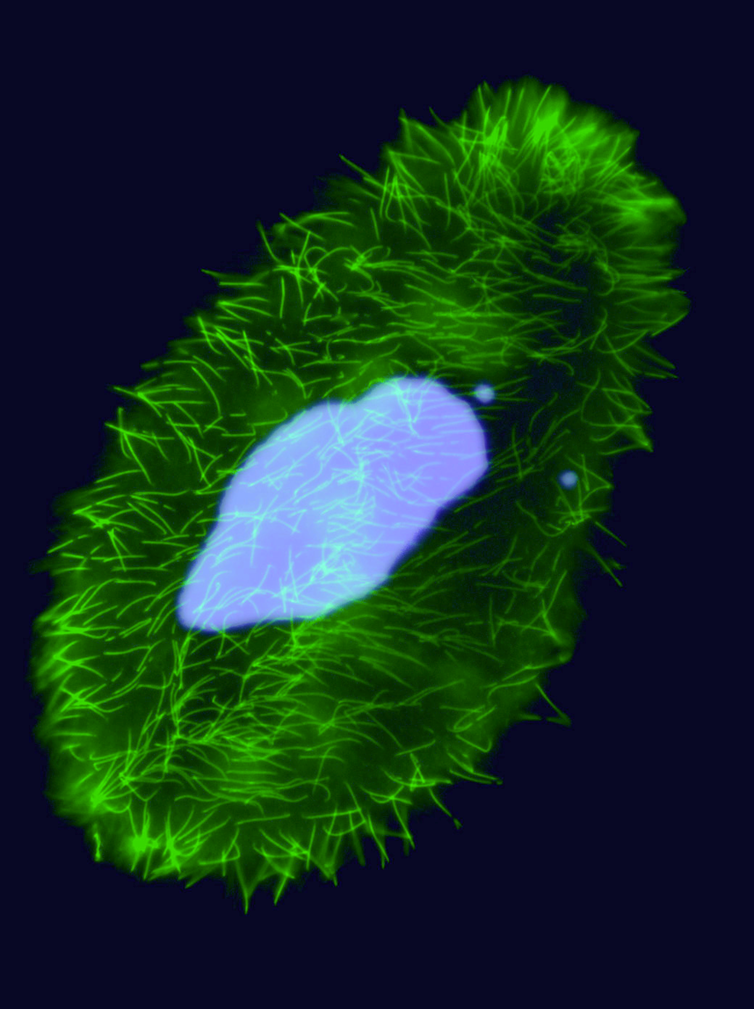
Excision of IES: ScanRNA pathway
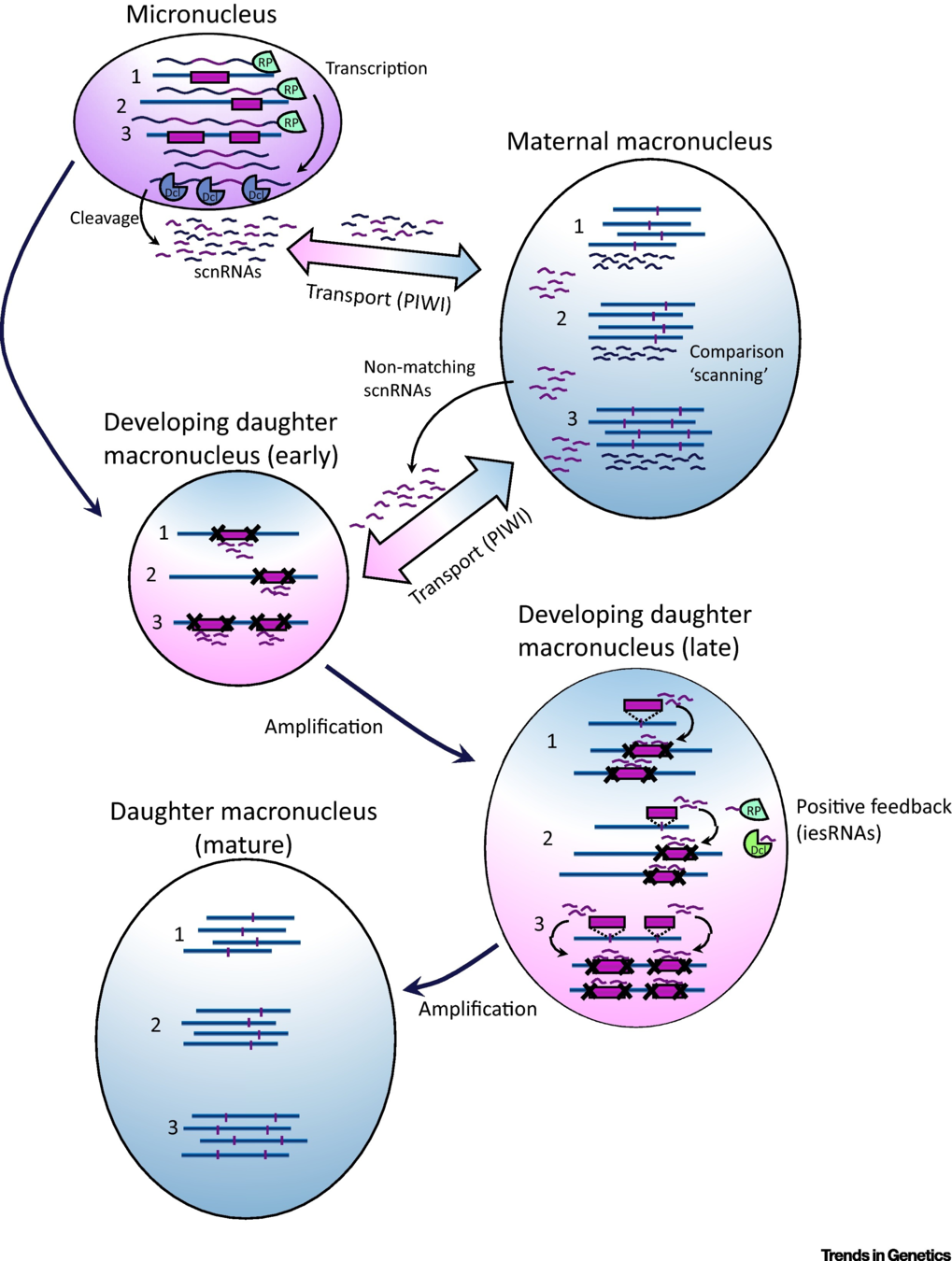
- SCAN-RNA --> Excision of 60% of IES max (shown by DICER-like silencing)
- Piwi shuttle
- What about the 40% remaining ?
What's to be discovered ?
- New TE seem to be excised by PGM + ScRNA
- Old and degenerated TE (= IES) accumulate in genes and seem to be excised very precisely by another system
2 Hypothesis:
1) Paramecium's methylation (started in Master's internship)
2) mtF-Like proteins
DNA Methylation
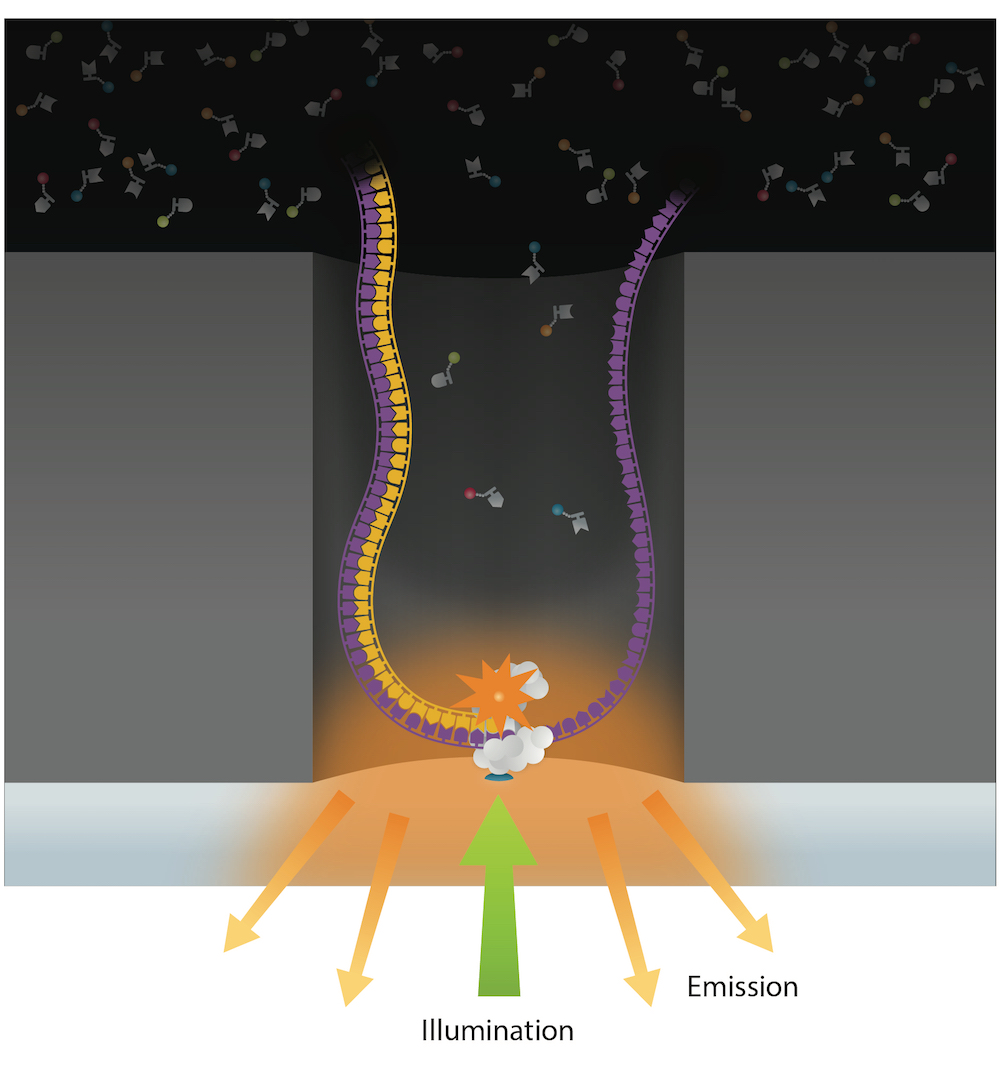
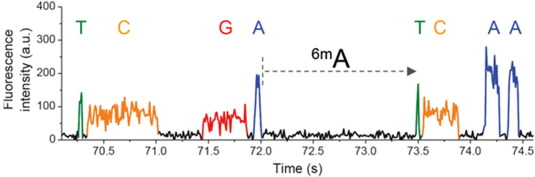
Methylation analysis needs local > 25X
- Analogy with known-systems
- 6mA reported to be abundant
- 5mC = MYSTERY !
- Contradiction between techniques... Including PacBio
mtF-Like
The PhD project
1 - Methylation: A lot remains to be done !
2 - mtF-Like analysis
3 - Building a model of excision
4 - Reconstructing the story of "How Paramecium is different than other ciliates ?", and why it's unique
Other tasks: Some annotation or assembly work to have a higher resolution in analysis
Thank you
Eric
Mathieu
Auguste
And everyone else :) ...
... Except Tiphaine
#SaveMozart
#StopLacrimosa



Variety of TEs discovered
Lab meeting - Long time no see
By biocompibens