Trends in AI and Academic Publishing

Catherine Gracey, Open Scholarship & Applied Sciences Librarian

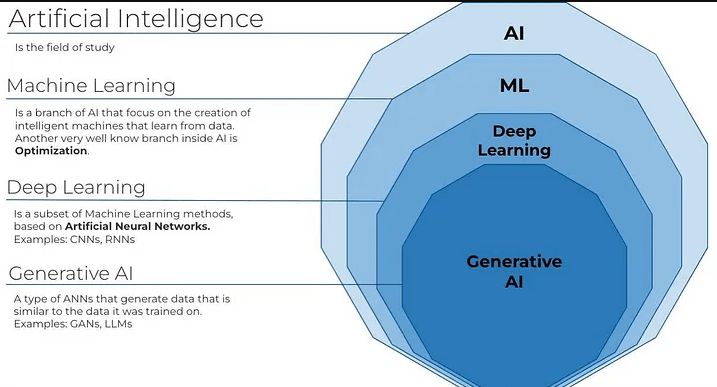
  • Artificial Intelligence (AI) and Generative AI (GenAI) are often used interchangably 

A note on language

  • In this context, I'm talking about GenAI, unless I specify otherwise

[a]

Early GenAI use

The hype begins...

[a]

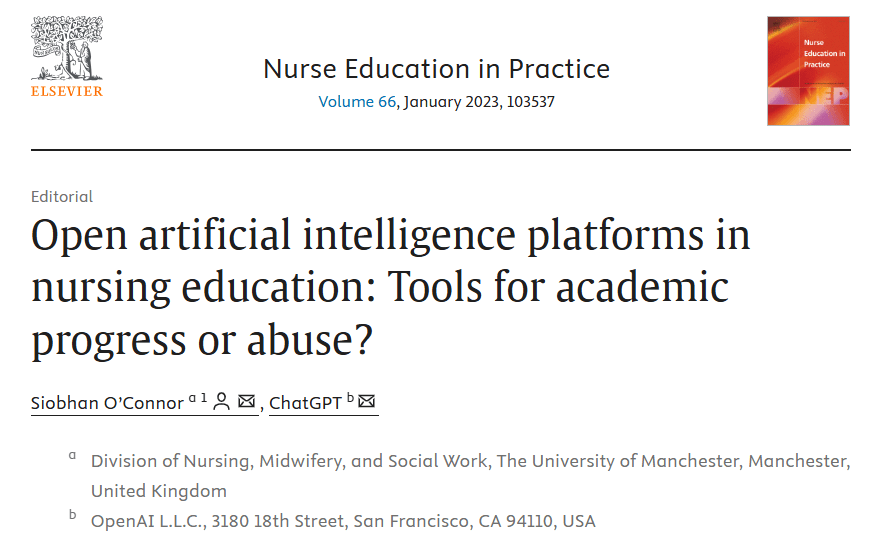
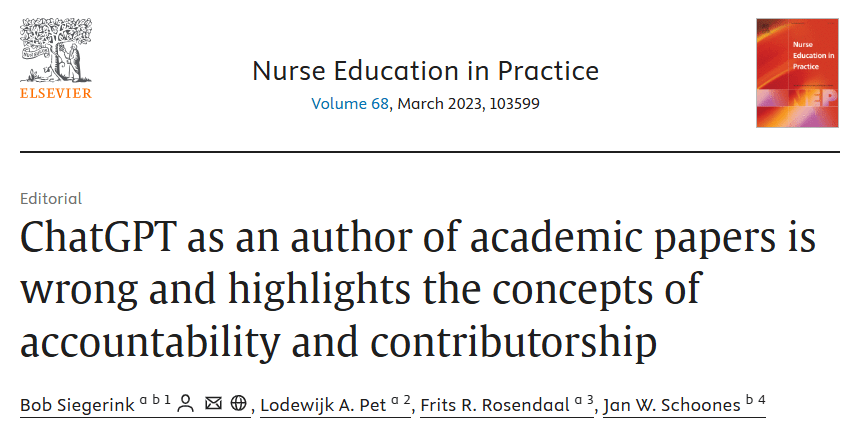
AI as "Author"

  • Accountability
  • Reliability
  • Credit for humans
  • Copyright?*

[a]

[b]

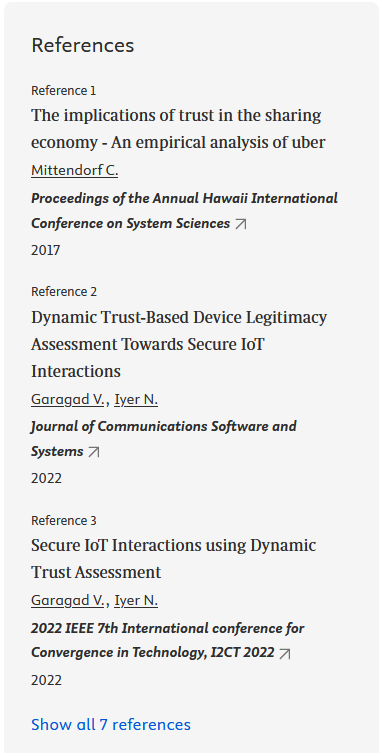
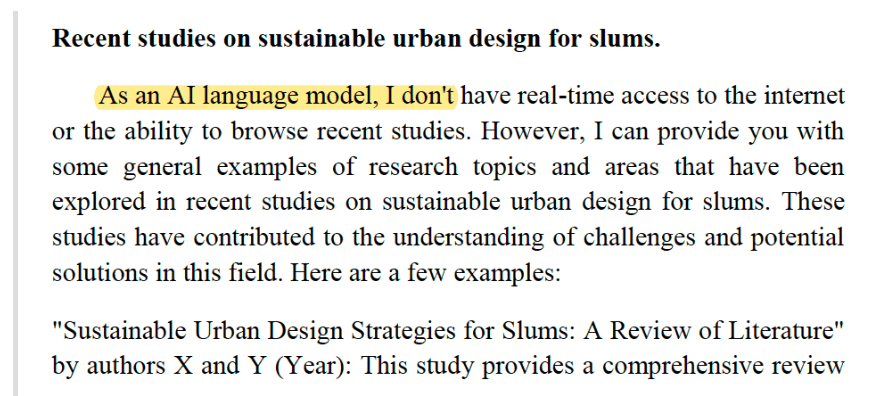
Alleged AI Generated Papers

[a]

[b]

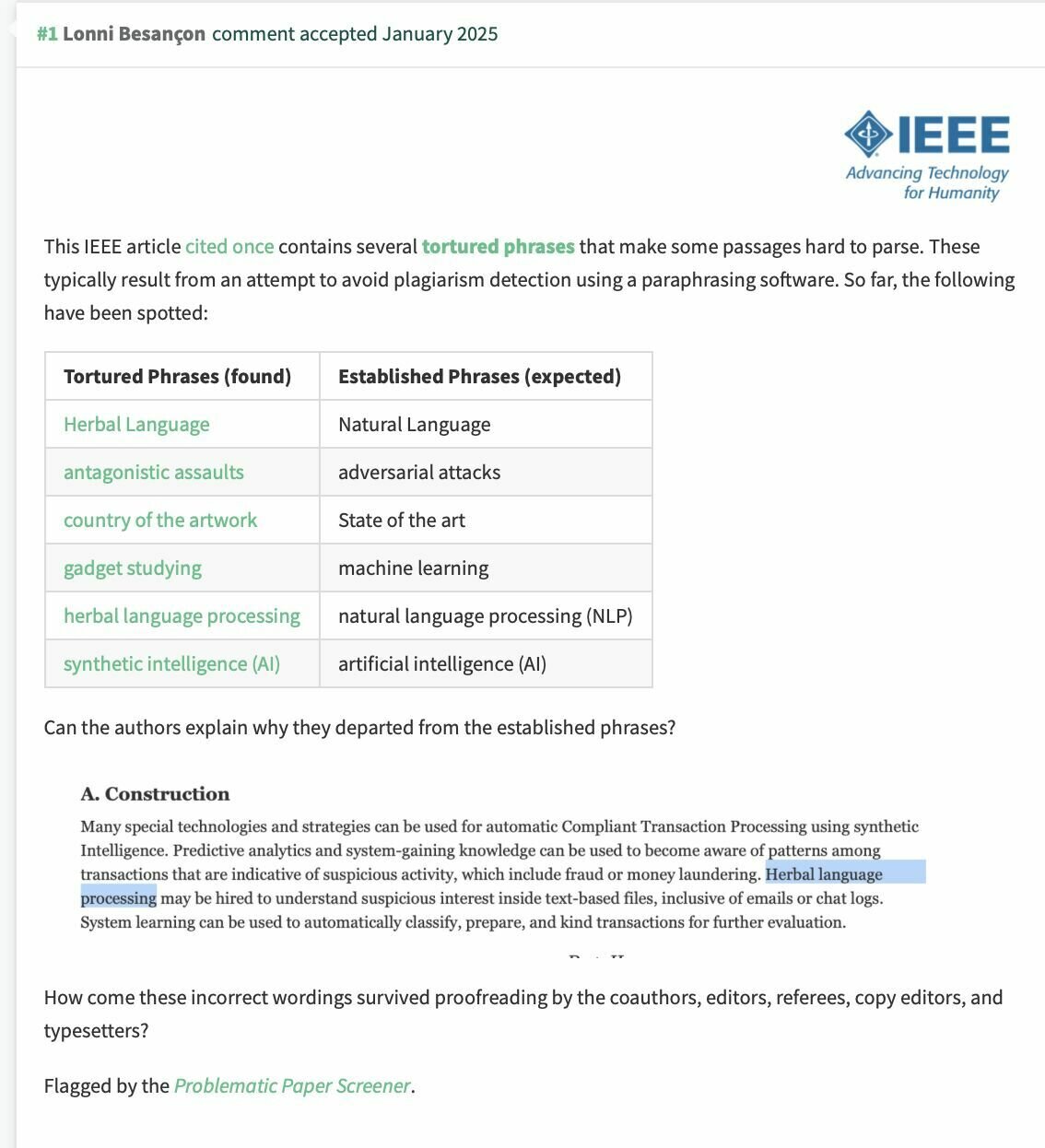
Tortured Phrases

[a]

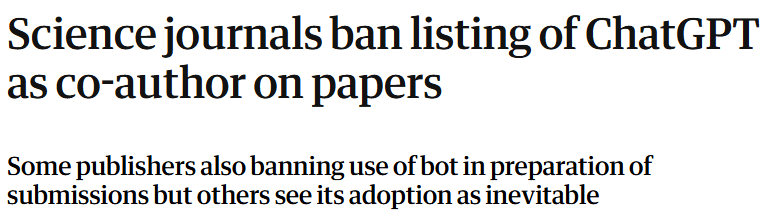
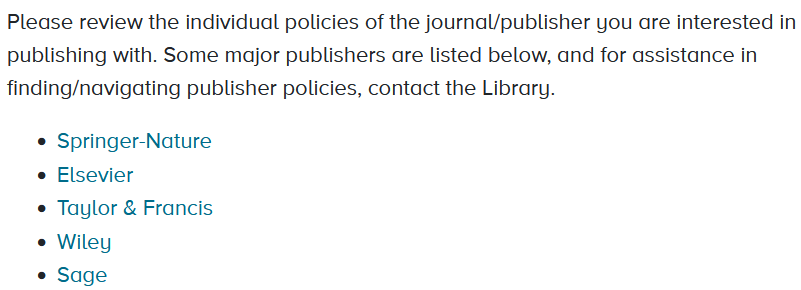
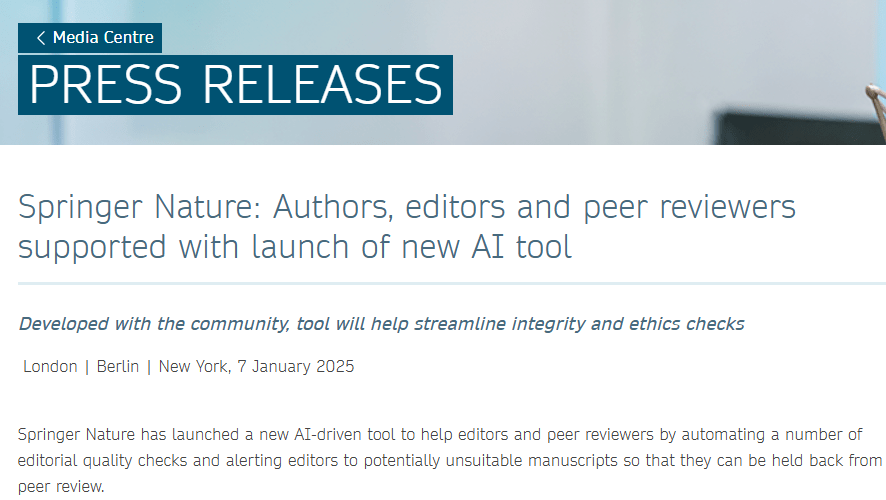
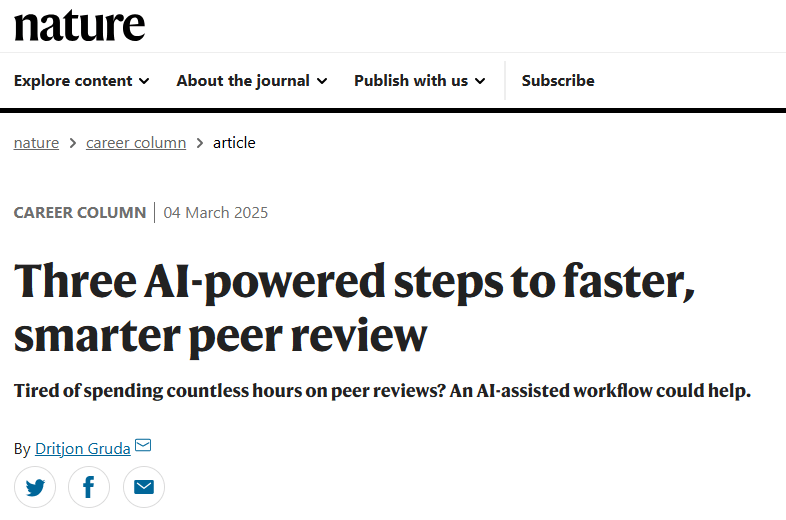
Publisher reactions to AI

– Conrad Anker

Artificial Intelligence

Academic Integrity

Best Practices

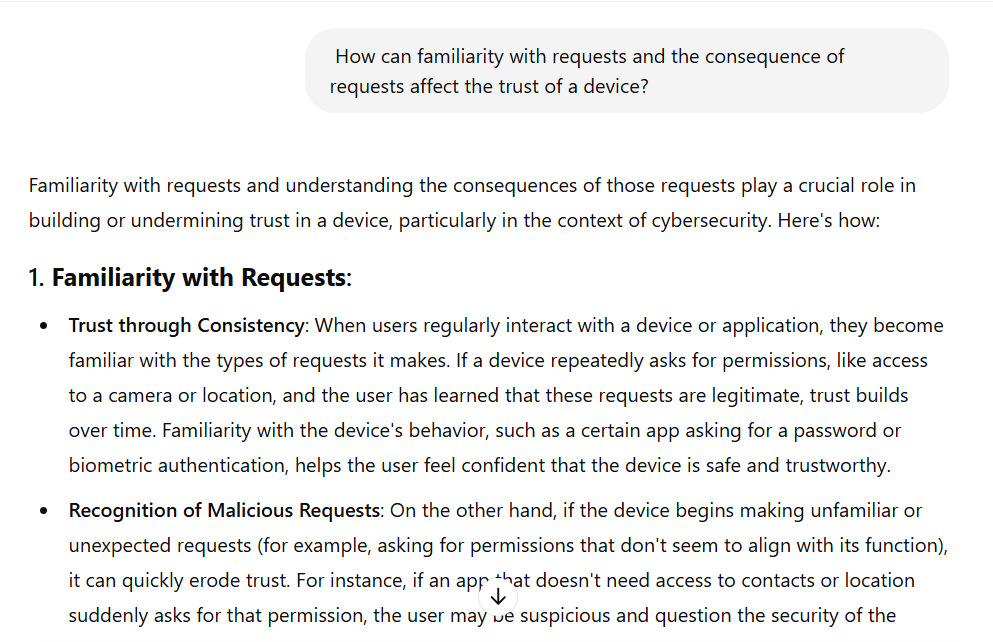
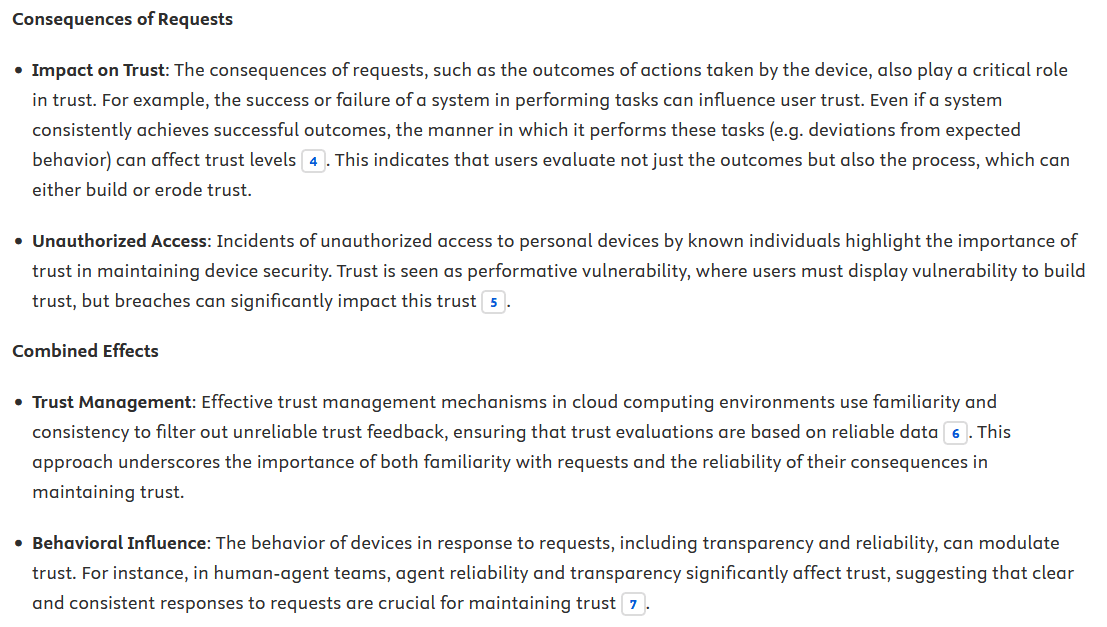
Use tools that can search ACADEMIC sources & provide sources 

Otherwise you might be trusting a Reddit user

1

Look for original sources

Make sure the original source says what the GenAI output is saying (have hallucinations or misrepresentations occurred?)

2

Verify claims

Please don't cite OpenAI or Microsoft - cite the human authors who wrote the linked work (think of the h-index!!)

3

Cite human authors!

ChatGPT

ScopusAI

Generally...

[a]

  • GenAI can't be listed as an author
  • GenAI should not be cited as an information source (cite the original source)
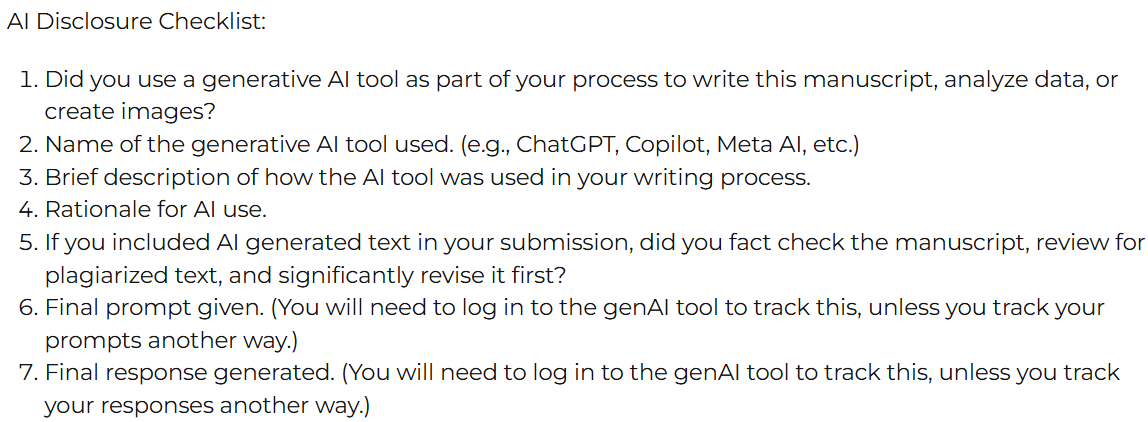
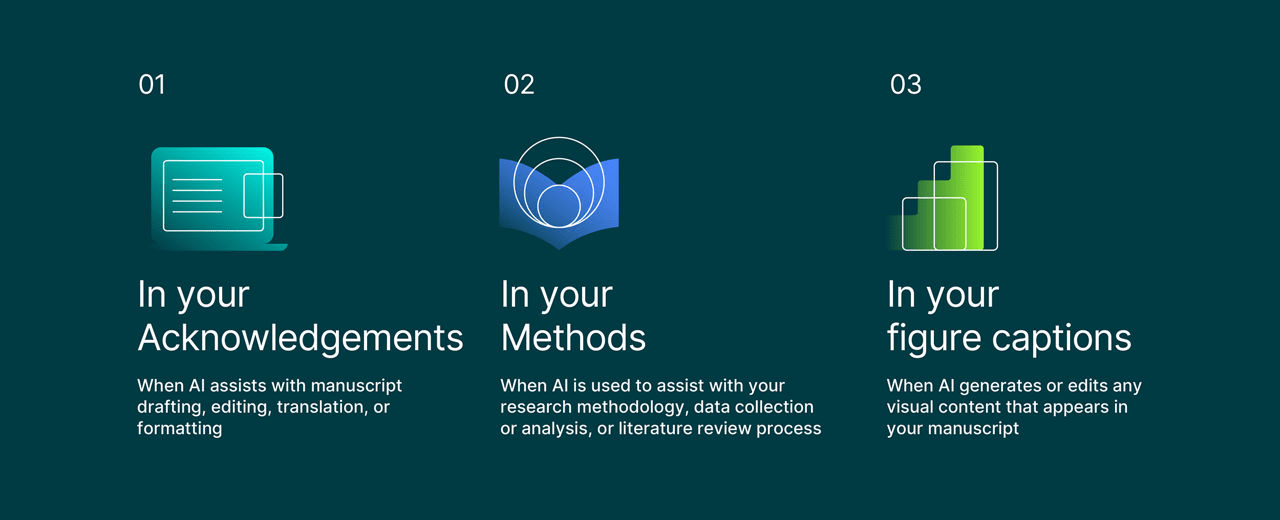
  • GenAI use should be acknowledged in a statement 
  • (Public) GenAI should not be used for peer-review (major! privacy issues)

At the same time, publishers are embracing GenAI

[a]

[b]

Publishers are selling your work to AI Companies


  • For access to their data to train their AI models with:

    • Microsoft paid Taylor & Francis $10 million [a]

    • An unnamed company paid Wiley $23 million (with another $21 million coming soon) [b]

  • Many of these authors likely paid to get their work published (via APCs)

If publishers hold exclusive rights to your work, they have the authority to license it for various uses, including AI training, and financially benefit from these deals.

– Dede Dawson, 2024

Review Publishing/Copyright Agreements


  • Publishers can do this because authors have signed away the exclusive rights to their work in many cases

  • Authors did not explicitly consent to the sale of their work to AI companies, but had signed their rights away

  • There is very limited (or no) ability to opt out as authors

Final Considerations

  • AI-generated content can't be copyrighted 
  • You may accidentally infringe on someone's copyright by imputing their work into GenAI tools

Copyright

Privacy

  • User data and content are stored/used by many GenAI tools, so should not be used for confidential purposes (i.e. peer review, meetings)

Resources

Connect with me:

catherine.gracey@unb.ca

Special shoutout to PubPeer and Retraction Watch!!

Thank You!

AI Trends and Academic Publishing

By Catherine Gracey

AI Trends and Academic Publishing

  • 89