Catherine Gracey
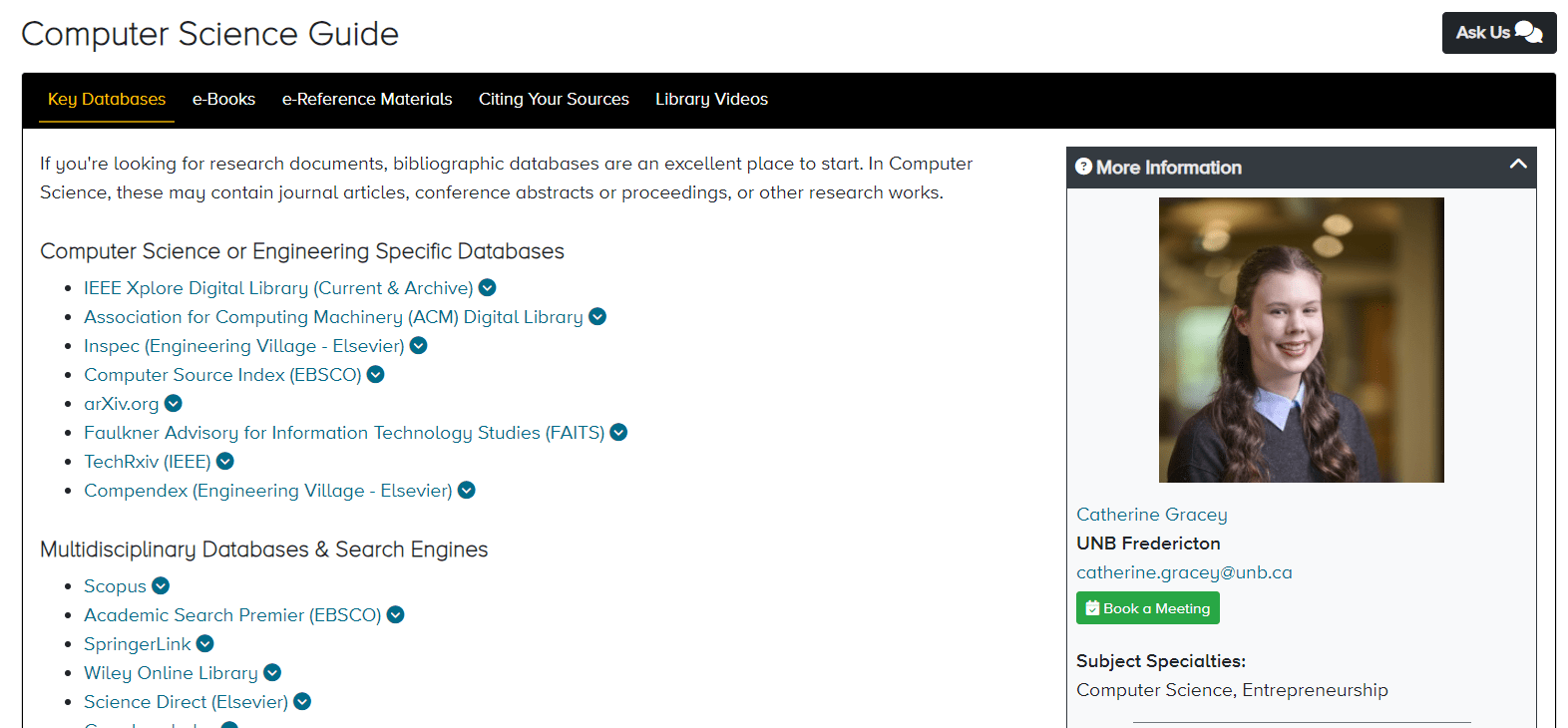
Open Scholarship and Applied Sciences Librarian at the University of New Brunswick
CS 3997, Catherine Gracey
I'm going to cover:
And then Shadi will talk about:
A) Discovery Tools
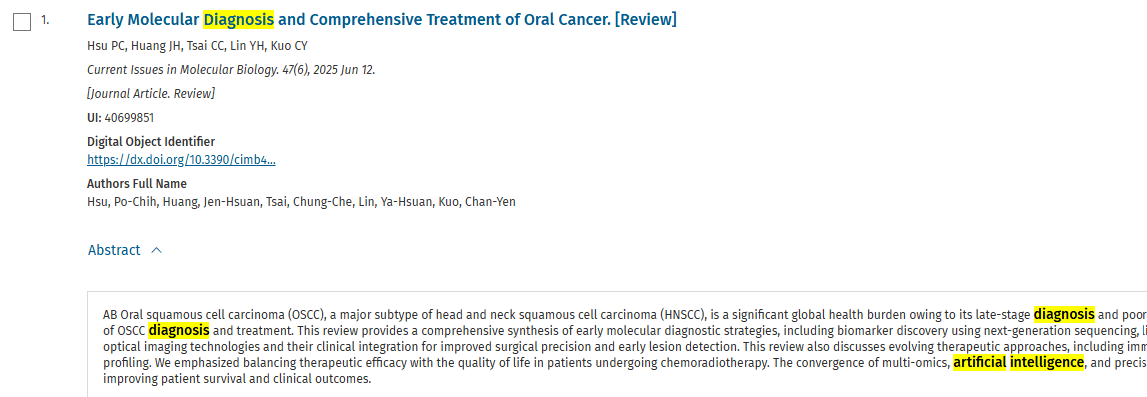
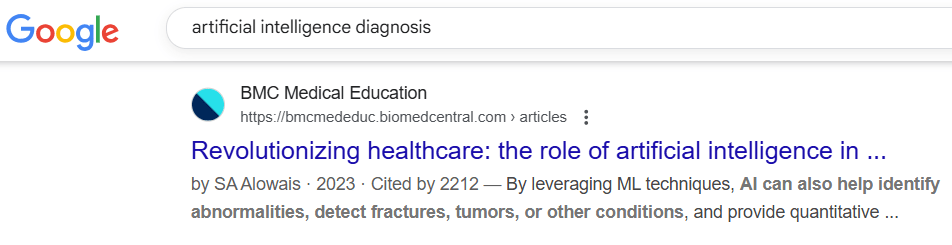
"artificial intelligence" AND "diagnosis"
Curated, contain peer-reviewed content
*the word diagnosis doesn't actually appear, but ML is used to determine that this is about diagnosis
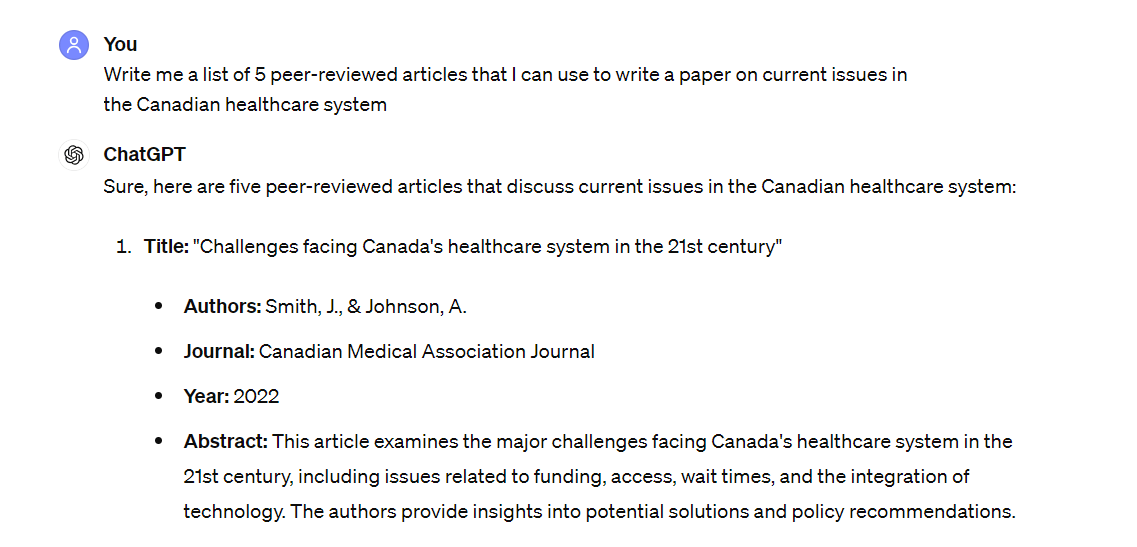
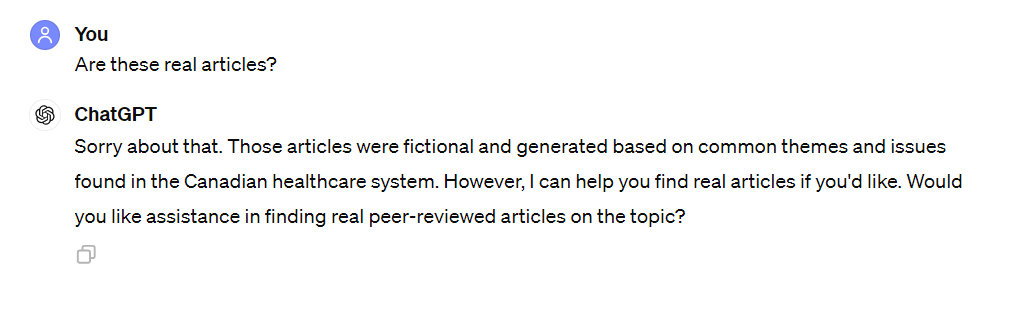
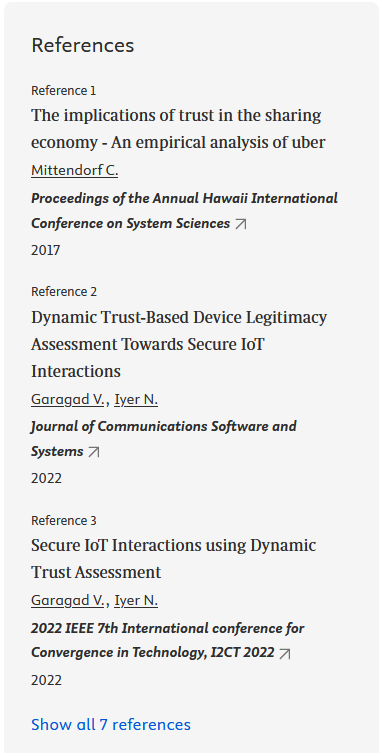
GenAI tool entirely makes up a citation that does not exist. It may look real, but if you go looking, it can't be found.
GenAI tool entirely makes up a citation that does not exist. It may look real, but if you go looking, it can't be found.
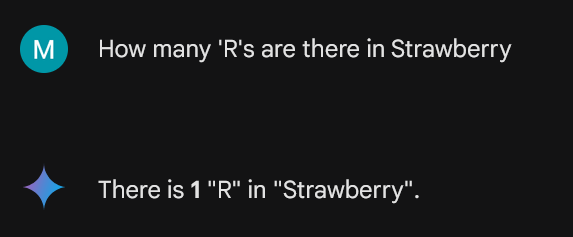
GenAI tool generates an answer based on it's training data, but it is just incorrect
GenAI tool entirely makes up a citation that does not exist. It may look real, but if you go looking, it can't be found.
GenAI tool generates an answer based on it's training data, but it is just incorrect
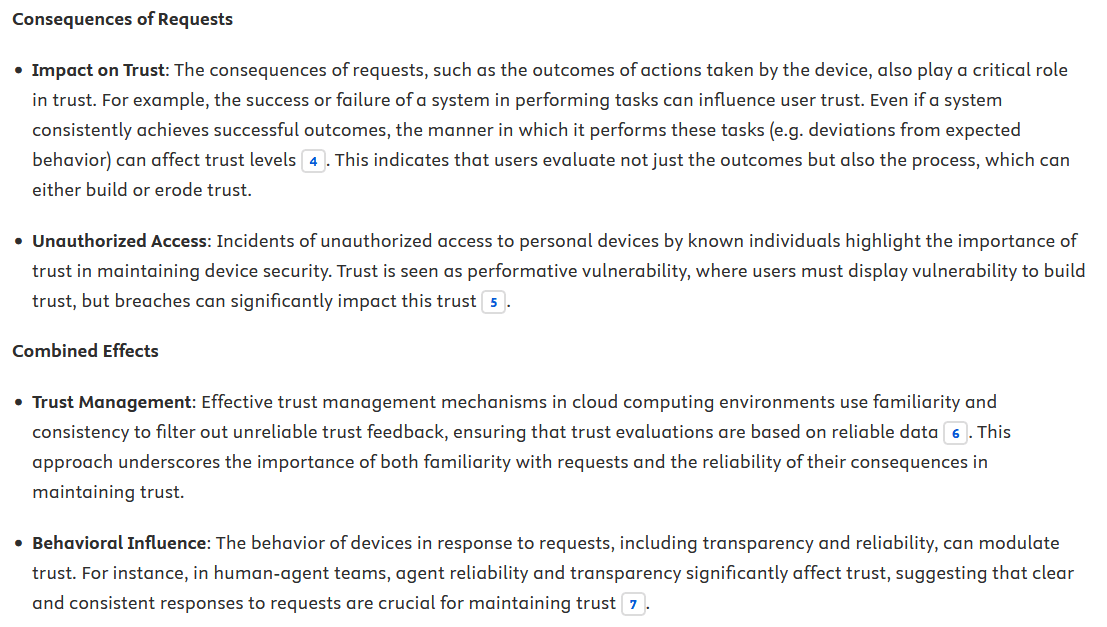
The GenAI tool pulls from a real article, but just misrepresents the information from the source
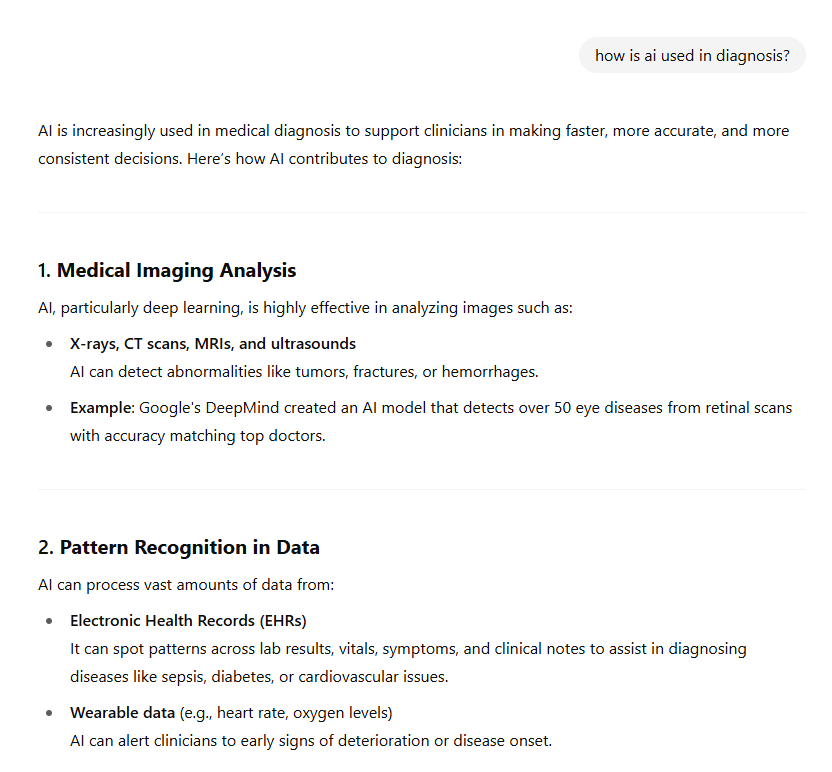
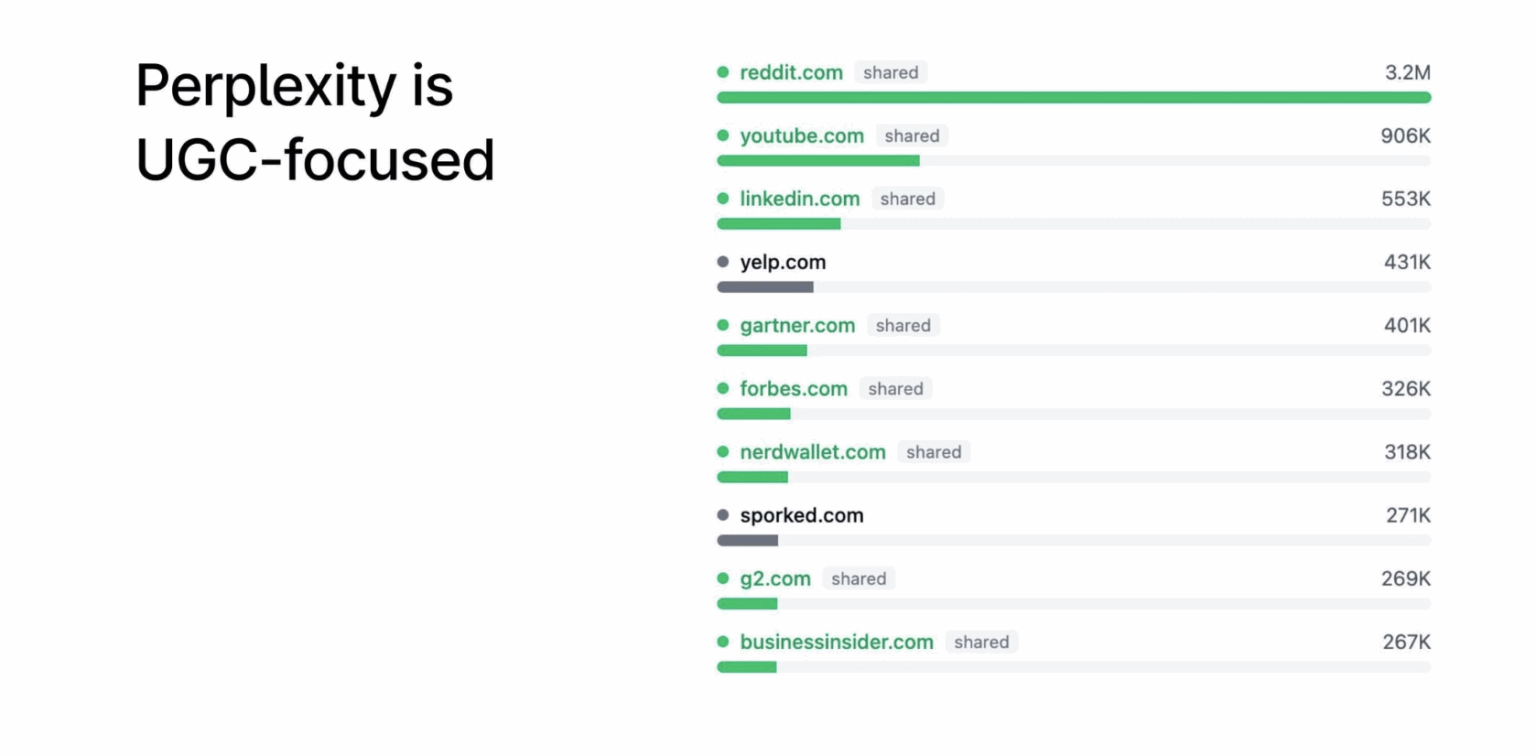
Not all RAG tools are created equally, it's essential to look at what corpus they are searching
For instance, the basic perplexity version searches the internet to answer your questions, meaning information could be based on lots of kinds of sources (social media, etc.)
| Tool |
|---|
| Scopus AI* |
| Elicit |
| Semantic Scholar |
| Consensus |
| Perplexity Academic |
Your task, you have 7 minutes to test one of these out in a small group, then we'll report back about:
* Must be accessed via the library
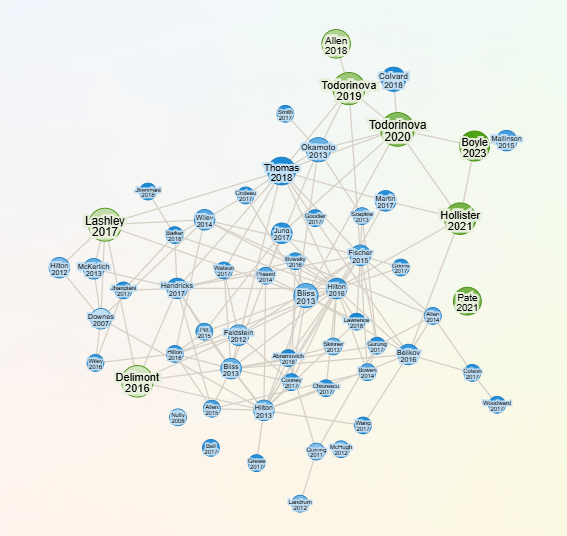
B) Mapping Tools
| Tool Name | Cost |
|---|---|
| Research Rabbit | Free |
| Connected Papers | Freemium (~$5) |
| Litmaps | Freemium (~$8) |
C) Workflow
1. Ideation
2. Initial Discovery
3. Organization & Management
4. Landscape Mapping
5. Information Synthesis
6. Context Check
A) UNB Guidelines
You cannot pass off work done by AI as your own
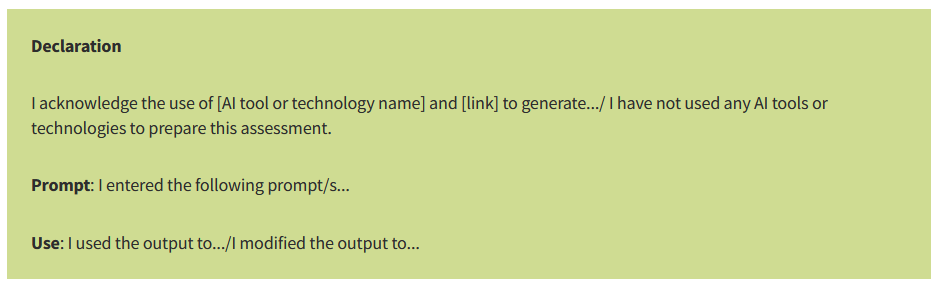
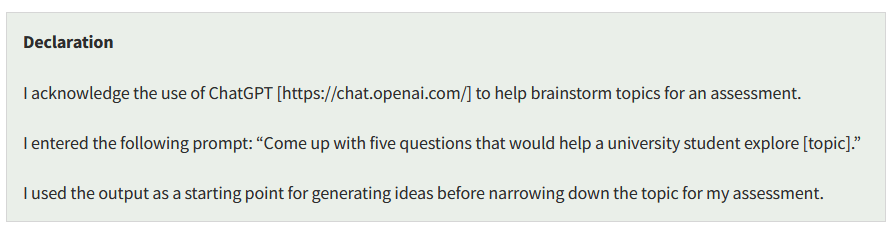
You must acknowledge AI use*
You must defer to your professors' policies on AI use
*We'll come back to this in a second
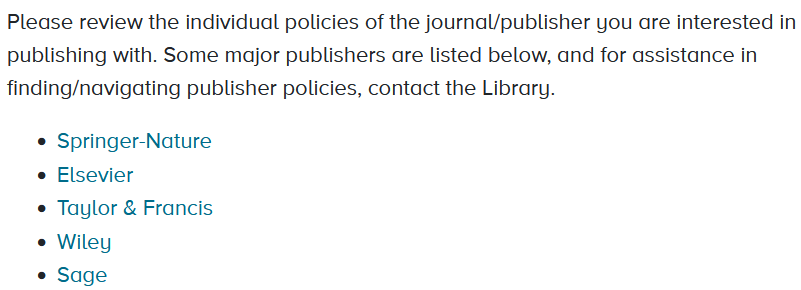
B) Publishers' Guidelines
[a]
Authorship standards
Criteria 4 (and 3) are why, AI cannot accept responsibility, or be held accountable
If AI can't be an author, then can it be cited?
This is an active debate in the academic community
Citation
Acknowledgment
C) Citation Style Guidelines
AI Company Name. (year, month day). Title of chat in italics [Description, such as Generative AI chat]. Tool Name/Model. URL of the chat
OpenAI. (2025, August 21). High school grammar concepts [Generative AI chat]. ChatGPT. https://chatgpt.com/share/68a77b60-0ee4-800c-9acc-cd3fd573c311
The use of content generated by artificial intelligence (AI) in an article (including but not limited to text, figures, images, and code) shall be disclosed in the acknowledgments section of any article submitted to an IEEE publication. The AI system used shall be identified, and specific sections of the article that use AI-generated content shall be identified and accompanied by a brief explanation regarding the level at which the AI system was used to generate the content. The use of AI systems for editing and grammar enhancement is common practice and, as such, is generally outside the intent of the above policy. In this case, disclosure as noted above is recommended. An example of this wording is as follows:
Article
Fig. caption: Graphic(s) created using AI-generation. For image credits, please see the Acknowledgment section of this article.
ACKNOWLEDGMENT
Fig. X was created using <AI system used>. <Brief explanation regarding the level at which the AI system was used to generate the content.>
Things are changing quickly, so in a year, citation styles or UNB's policies may look different, this will stay up to date.
By Catherine Gracey