q1. IN WHAT WAYS DOES YOUR MEDIA PRODUCT USE, DEVELOP OR CHALLENGE FORMS AND CONVENTIONS OF REAL MEDIA PRODUCTS?
CONVENTION 1- INTRODUCE THE SETTING
One convention is that the opening sequence has to begin to introduce the setting of the film which therefore allows the audience to be provided with a bit of an understanding of where the film is taking place. This may also mean the audience are more intrigued about what’s to come and want to continue watching. Even though each film uses similar conventions they all use it in their own way. For example some tend to small sections of the setting to keep the audience guessing about where it is based whereas others display the whole setting straight away.
EXAMPLE
An example of this convention is in a well-known film called “the conjuring”. This portrays very minimalistic lighting and only reveals particular parts of the setting. This means an atmosphere is created and a spooky, unwelcoming feeling is created because no one is sure about what/who is about to come. However this is effective because it persuades the audience to keep watching to find out the answers of what is happening.

my sequence
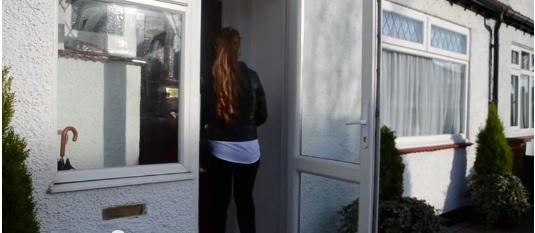
An example of when we began to introduce the setting is at the beginning of our sequence. We use a variety of shots such as wide shots and close ups of the female character unlocking the door beginning to reveal the setting. This begins to create a tense atmosphere and draws the audience in because they are intrigued to discover what's going to happen. Additionally it provides a base to the sequence and begins to explain the story. Our sequence went slightly against the typical thriller setting because we used a normal house instead of somewhere physically scary such as a warehouse. This reinforces the tension and surprises the audience as they believe the character couldn't be bad.
EXAMPLES FROM THE SEQUENCE
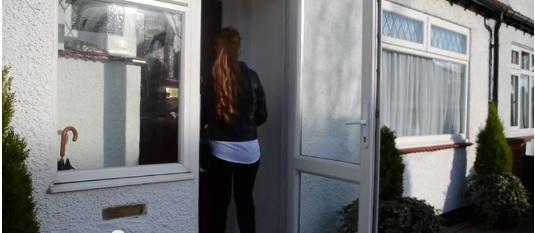
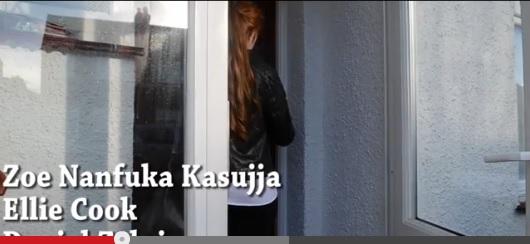
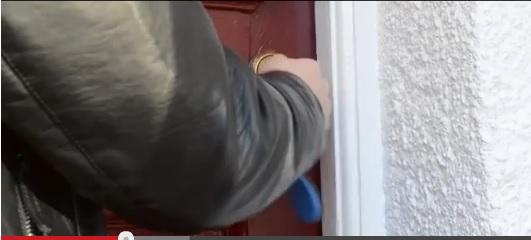
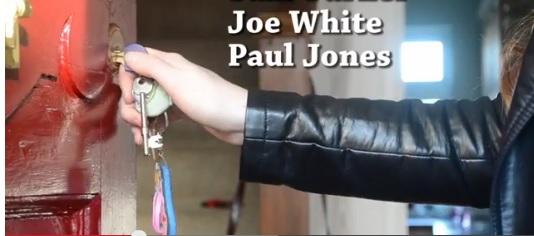
These screenshots are the first shots the audience see and highlight the setting in which the character is in. It slowly draws the audience in and gets them interested in what's about to happen.
CONVENTION 2- USE OF TITLES
Another convention used is the use of titles. At the beginning of any film titles are essential to present that it is the opening of the film. Titles includes the distribution company, the production company, main actors as well as the casting, producer etc. These are vital because they introduce the film as well as begin to create that tension or atmosphere in the sequence. Titles are gradually brought on screen and the pace they are revealed as to the tension and suggests to the audience that something bad is about to happen. Additionally the font and style of the titles is suited to the genre of the film.
example
An example of a thriller opening sequence that follows the exact conventions of using titles is “The Sixth Sense”. The film begins with a black and the titles slowly appear in blue. At first glance this wouldn’t seem to mean much however it actually creates a lot of meaning. The blackness helps create the feeling of darkness and reinforces that tense atmosphere which is therefore then contrasted with the blue titles which is displaying a calmer setting.

my sequence
We also used titles at the beginning of our sequence to follow the typical conventions. Our titles appear throughout the sequence indicating who the producer was, the casting, main actors etc. We decided to do this because it follows the conventions but also helps to create the tension and atmosphere in the piece. We chose quite plain titles because we didn’t want them to over power the sequence and lose the idea of the story.
examples from the sequence
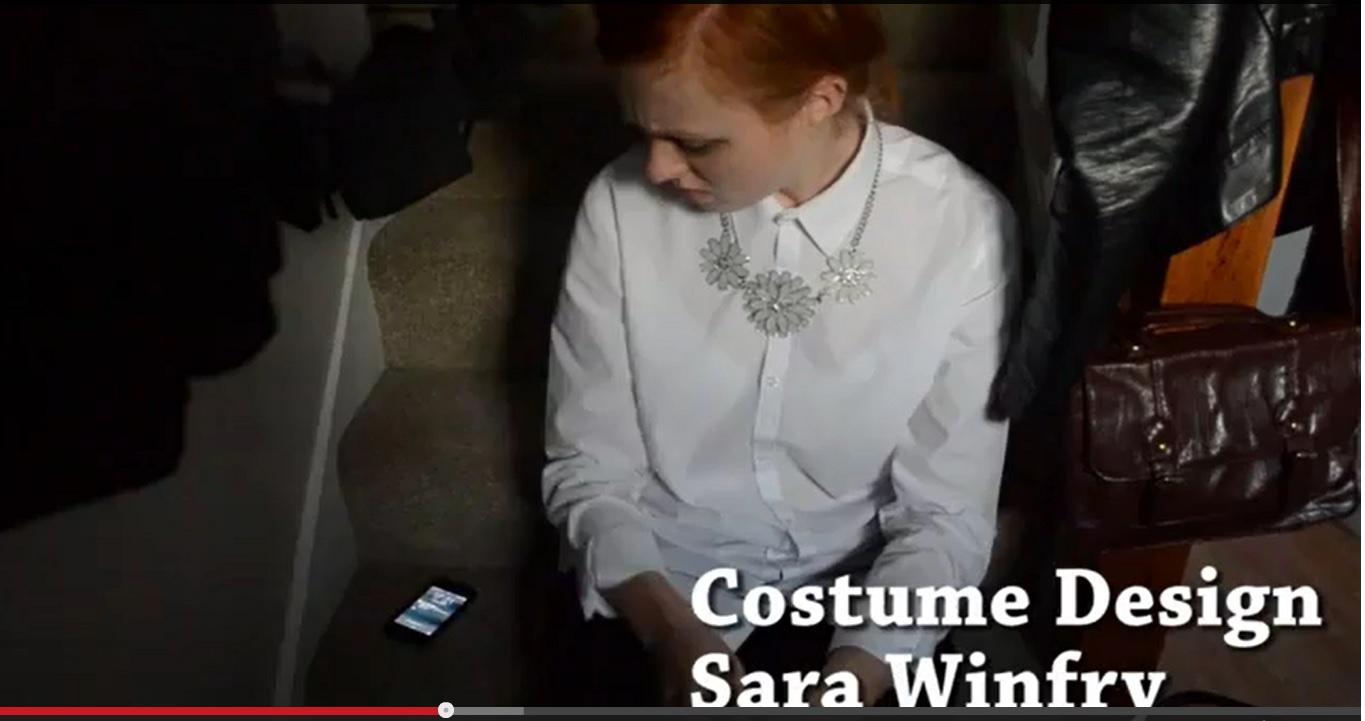
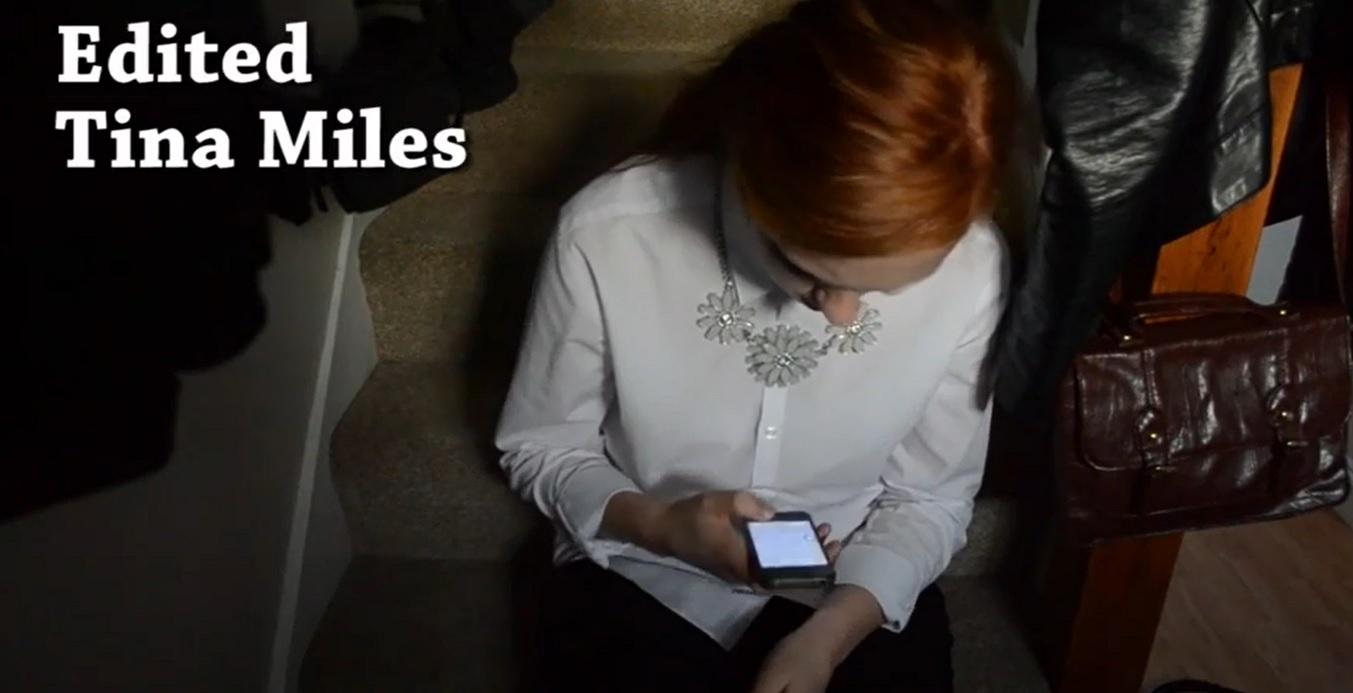
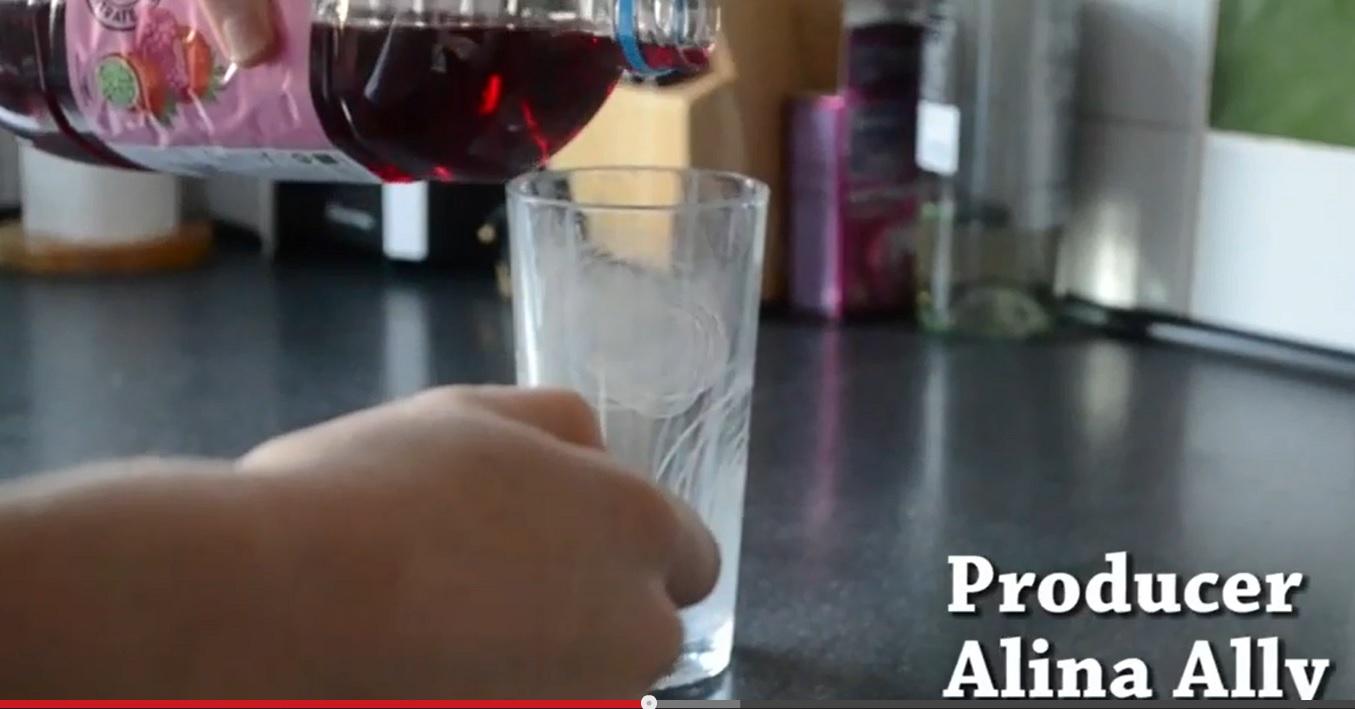
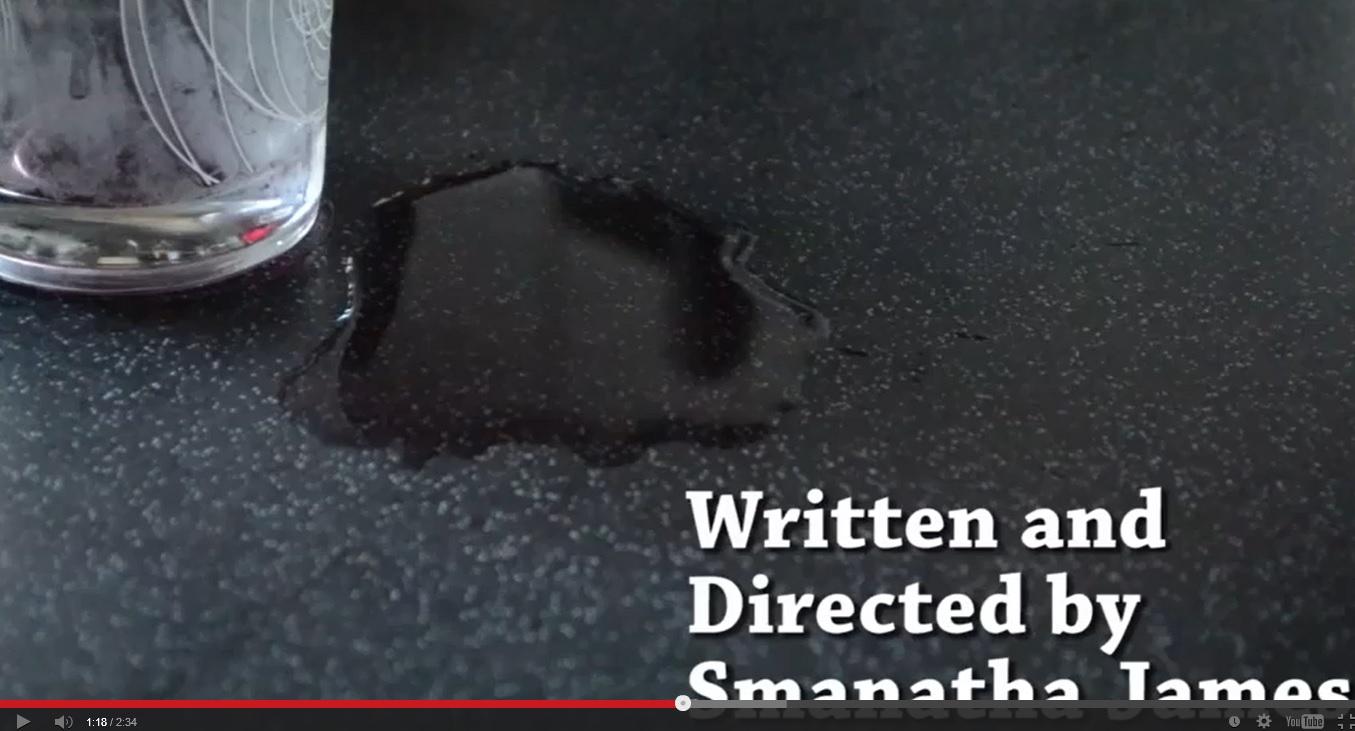
These are shots from my opening sequence displaying some of the titles we have used. We had to make sure we including all the appropriate titles as well as putting them in the correct order of importance.
convention 3- low key lighting
Low key lighting is also a convention used in thriller films. The reason for this is because low key lighting usually intensifies the situation and makes the audience seem worried and scared about what’s to follow. It allows certain parts of the setting to be revealed and makes particular characters more visible than others which is important to indicate who the audience should be paying attention to. Additionally darkness is something people associate with bad situations so it makes the audience feel worried about what they are seeing.
EXAMPLE
“The Sixth Sense” is an example that uses lots of low key lighting especially when the woman is in the basement. The reason this has been used it to make the audience nervous and uncomfortable and scared about what’s to come. Furthermore it makes them ask questions for example, what’s going to happen? Who is she? What is happening? Etc. This also starts to provide the audience with some answers to the questions such as that it isn’t the place where someone wants to be left alone. The shot scene in the clip is particularly effective because it conveys how she is looking at something but nobody else can see it.

MY SEQUENCE
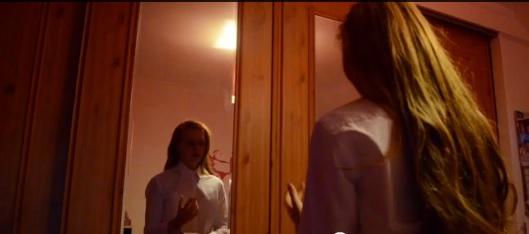
Our opening sequence uses this convention to help create an atmosphere in the piece. In order to create this when filming the shots of the female in her bedroom putting on make up we shut the curtains and make the room darker. To add to this the colour appeared quite red which expresses another sense of worry because red is something that people associate with danger. This provided the audience with the clue that something bad is about to be revealed and that not all is what it seems in the shot.
examples from the sequence
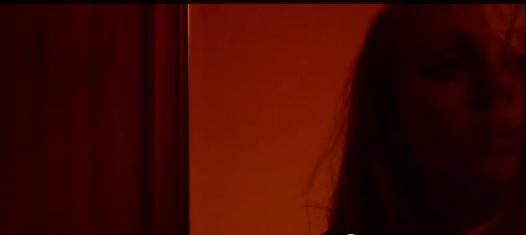
This is the low key lighting shot highlighting the girl putting on her mascara. The lighting also hides her identity linking to the idea that she has done something wrong and doesn't want anyone to find out.
CONVENTION 4- CLOSE UPS
A convention that is also used in thrillers is close ups. Close ups reinforce the emotion of a character or display a particular object. This is important to get the feelings of characters across to the audience so they can understand the story in depth and feel involved with what is happening. This also means the viewer feels a connection with the characters and makes a judgement on whether they believe the character is the protagonist or the antagonist.
EXAMPLE
In the film “Inception” there is a close up of the male characters face when he is lying in the sea. This demonstrates how he is feeling slightly confused and doesn’t know exactly what is happening. It focuses on the character facial expressions and portrays how he may be hurt and begins to reveal clues about what is going to happen next.

MY SEQUENCE and example
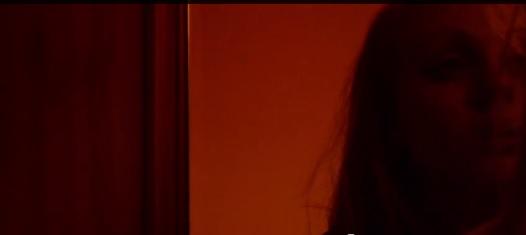
In our sequence we used close ups to display the emotions of the female character. We felt this would be effective because it would provide the audience with an insight into what the character is feeling. The example below is when the character is putting on her make up and it highlights how she has just seen a flashback and is trying to get it out her mind. It displays her emotion and her worried and confused she is and how she wants to forget about it.
convention 5- Body Language
Body language is also a convention. Body language is the way the characters present themselves and it is able to give an indication to how they are feeling and create an atmosphere. This is a realistic way of creating emotions because the audience can connect with the characters and think of particular times when their body language has project how they are feeling such as bad days people have when they want to disappear.
EXAMPLE
This is also seen in “The Conjuring” when the three characters are all sitting on the sofa looking rather frightened and anxious. This is seen because the characters have their arms tucked in and are leaning forward as if they are trying to curl up and hide away from their fears.

MY SEQUENCE and example
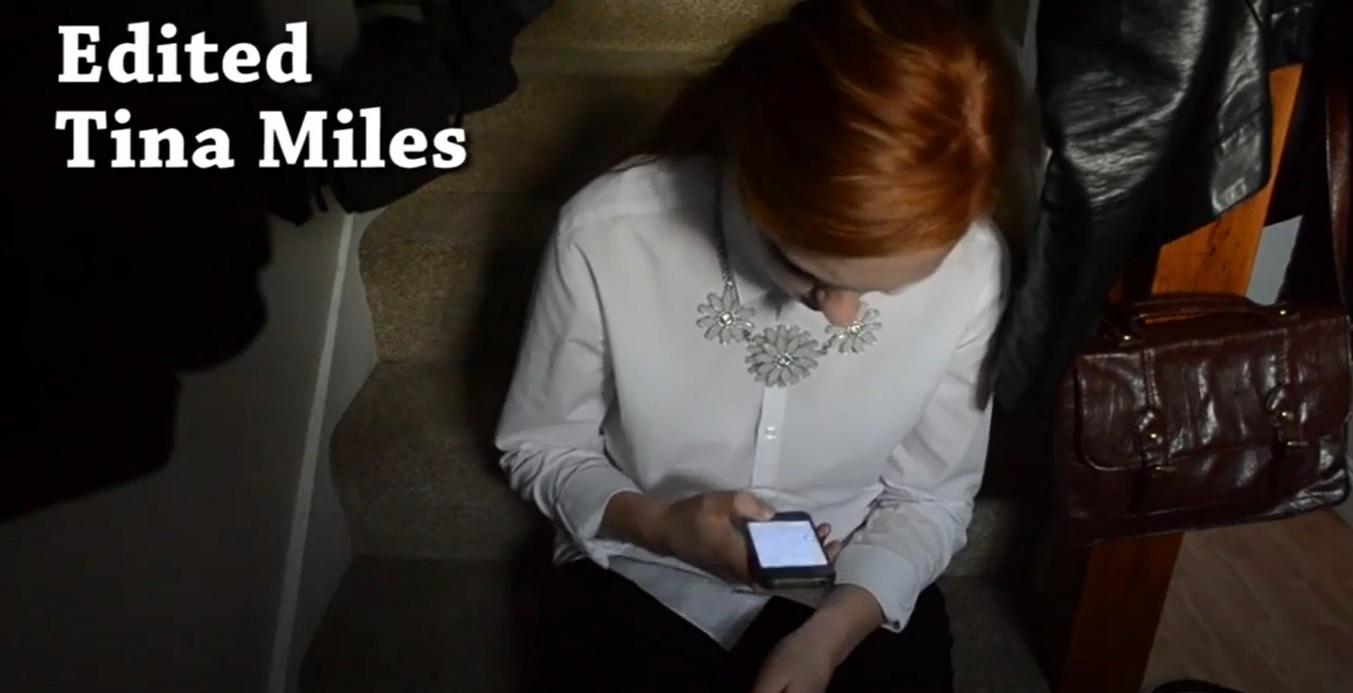
In our opening sequence the characters body language expresses how she is feeling and how comfortable she is feeling in her environment around her. In the shot below the female is very hunched over highlighting how she is trying to make herself small and hide away from what she has just done. It demonstrates how she doesn't want anyone to know and just wants to disappear after seeing the text she has been sent.
CONVENTION 6-witholding information
Withholding information is another convention. This is probably the most effective because it keeps the audience engaged and wanting to discover more about what is happening. It makes the audience ask questions about what is happening and keeps them intrigued. By withholding information it means the story isn't completely displayed and the audience are provided with clues as to what is happening but it tests their imagination to understand the story.
EXAMPLE
In the film “Brick” this convention is used as the clip is filled with clues as to what is happening but none of them every completely reveal the full answer. For example there is a shot of the girls arm with the bands in water which therefore indicates that she isn’t alive however we do not know the answer as to why, e.g. if someone killed her, is she killed herself etc.

MY SEQUENCE
We have also tried to withhold some information by displaying what the girl is doing and giving clues but not revealing exactly what she has done until the very end. For example we use shots highlighting how she has just got home and is doing the usual day to day things and then she goes off to get ready. Whilst she is doing this little clues and flashbacks of the boy are used which indicates to the audience that she has been involved in some sort of incident with him. Then finally at the end of the sequence it is revealed that she has hurt him but the audience still don't know why making them continue watching to find out.
EXAMPLE from the sequence
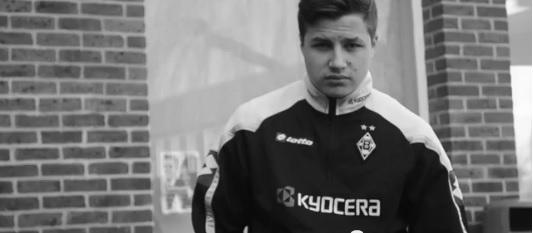
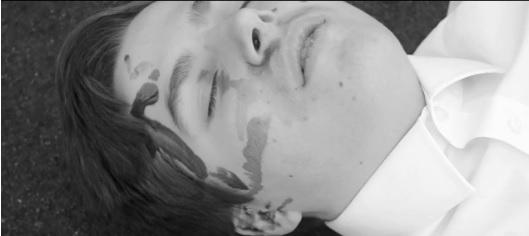
These shots are what we used as flashbacks. These were used to give clues to the audience that he was involved and that he has been hurt. We used this as flashbacks to withhold information from the audience so had to try and work out what was happening and keep them on edge.
convention 7- Logo
In every opening sequence a distribution and production logo are used. This is essential to include firstly because the distribution is responsible for the marketing of the film and then the production company are to do with the creation of the film and the different aspects such as casting. They are important in order for the film to come together and be completed. Each company uses a different one to make sure it specific to their film.
EXAMPLE
Lionsgate is an example of a distributor and is the one we have chosen. In order to know this would be appropriate for our sequence we searched into the films it has distributed and a variety of thrillers were seen. Examples of the films are Reasonable Doubt, The Frozen Ground and Escape Plan. We believed this would be the best distributor for use because it is a successful company and would capture the audience we wanted.

MY SEQUENCE
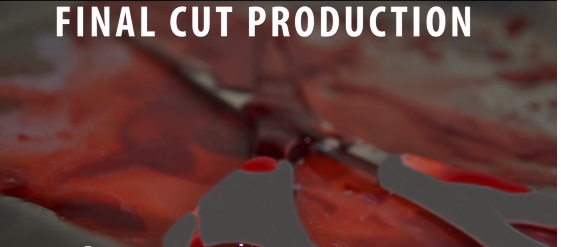
In our opening sequence we included the Lionsgate distributor but we also had to create a production logo. This was quite difficult to do because we needed to think of a suitable name and eventually came up with Final Cut Productions. We chose this because we felt it suited our genre of a thriller and gets straight to the point. Additionally it is quite a sharp title that people would remember and associate with thriller films.
EXAMPLE FROM THE SEQUENCE
Here is the image of production logo we created. In order to create this we took a photo of a pair of scissors covered in blood and then edited it on photo shop. Originally the scissors were white however we wanted a dark colour to represent the darkness of the film so enforced a darker colour onto it. We then added the title on top is a sharp white to make it clear to the audience.
Convention 8- the antagonist
In a typical thriller film the male is seen as the antagonist. This is the bad character that commits the crime and causes trouble for everyone else. Stereotypically this is the male because he is the stronger character and is generally seen as the one who would hurt people more. This is generally what people would expect to see in the film and would always believe the female would be the protagonist who is the person who does the right thing or perhaps the victim of the incident.
EXAMPLE FROM OUR SEQUENCE
We have gone against the convention that the male is also the stronger character and most likely the antagonist. In our piece the female character is in fact the one who has carried out the incident however the male is still not the protagonist. This is because he has been hassling her but because the girl has done something about it which is unusual and shocks the audience. Stereotypically the audience expect the male to be the character who is stronger and the one who has hurts someone and that the female would be the inferior one. However because the roles are reversed it shocks the audience and makes them want to continue watching.
CONVENTION 10-SLOWLY INTRODUCING THE CHARACTERS
Another convention of thriller films is to slowly introduce the characters. This is used because it brings the audience in and makes them interested to discover who and what the character has done. By slowly introducing the characters it means we don't instantly know everything about them so it leaves the audience guessing into their identity. It makes us ask why are they there, what are they doing, are they causing trouble etc. Therefore this keeps the audience on the edge of their seats wanting to know more.
EXAMPLE
This image highlights a shot from "The Inception" of the males face. This doesn't display his whole body because he doesn't want to be revealed too quickly however it highlights his face and displays his emotions. This is effective because it conveys to the audience that a male is in involved in what is happening and provides them with the understanding that he is going to be a key character in the sequence.
my sequence
In our opening sequence we also decided to slowly introduce the female character. At the beginning of the sequence her identity was hidden and no shots of her face were used. It wasn't until later on in the sequence that we started to use more close ups of the characters face revealing her emotions. We felt this would create tension and make the audience wonder what she has done. We also didn't reveal the male until later on. This is because even though he is a part of the sequence the female is the most important character so we wanted the audiences attention to be fully on her.
EXAMPLE FROM THE SEQUENCE
These shots below highlight how even though she is introduced at the beginning of the sequence we cant see her face and her identity is hidden. This provides a connection for the audience because they feel as though they are entering the house with the character and get a sense of belonging in the sequence. It is not until later on when more of the female is revealed do we get a sense of how worried she is and anxious about what she has done. It explains how she is thinking about what has happened and doesn't know what to do. This also links to the convention of withholding information because not all of the character is instantly revealed.
EXAMPLE FROM THE SEQUENCE
These are the shots I previously talked about. The first one displaying how she is only slightly revealed and the second one where her face is starting to be seen and her qualities as a person. It conveys how she is a female that likes to make herself look presentable and wants her hair and make up to look nice so takes time to do so.
q1.
By Class AMS
q1.
null