PANEL Composition
How-to

for comics
Hey AND WELCOME! 👻
I'm also learning, just like you
I studied film, storytelling and animation and I will be speaking about panelling with a slight focus on those things.
💬 🔇
Interaction is welcome!
Use the chat function to ask each other questions and suggest ideas during the presentation. Mute your microphone to avoid disruption.
QUICK Exercise
⏱ 8 mins
Think of a small story that you would like to tell in comics format and write it down in a few sentences
It can be a complete story or part of a bigger story
Share it with your group
Out of ideas? 😖💡
Magic realism bot on Twitter: @MagicRealismBot
Squibler plot generator:
https://www.squibler.io/plot-generator
AI story writer:
How do I choose a format?
🤔
Your panel layout will depend on where and how you want to publish your comic
📚 Long format print
📖 Short format print
📰 Zine
🌎 Webcomic
💬 Social media
🤹♀️ Multiple formats
👀
Look at examples
✍️
Check requirements
Printing 🖨
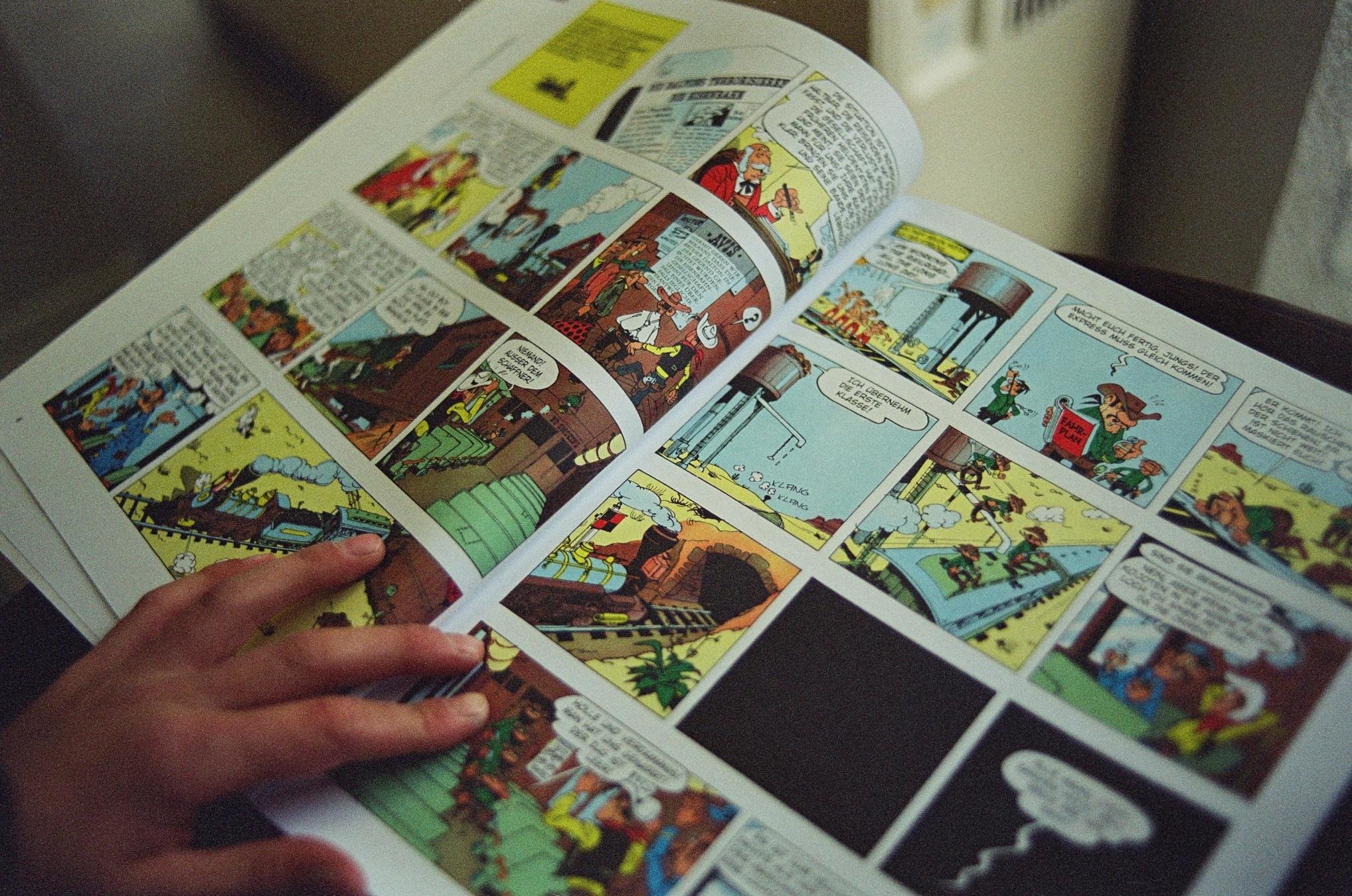
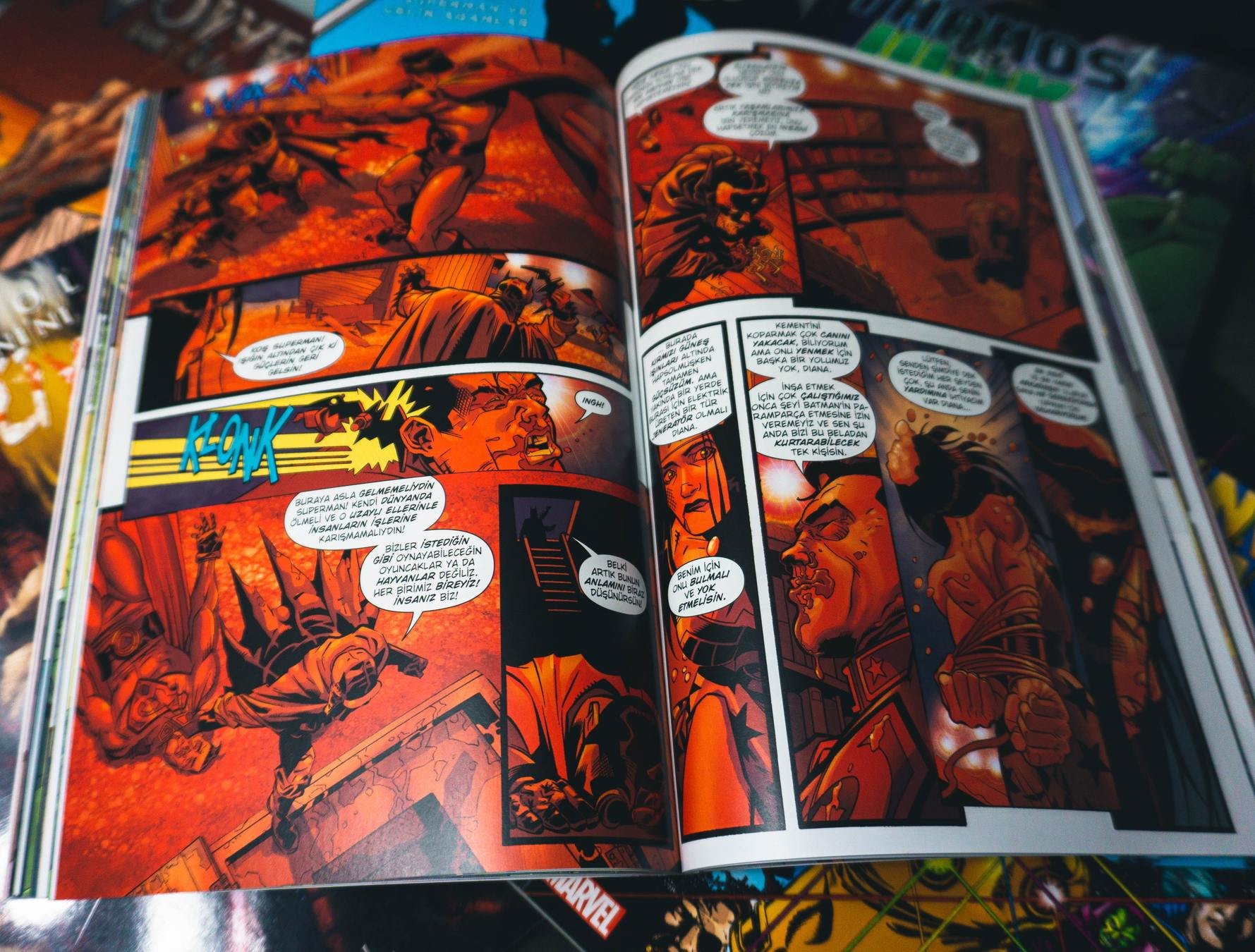
Your readers experience your content via page-flipping and there's generally more room to make your panels interact with each other
Printing Templates
(Mixam)
Graphic novel:
https://mixam.co.uk/graphicnovels
Comic books:
A few grids! 🎛
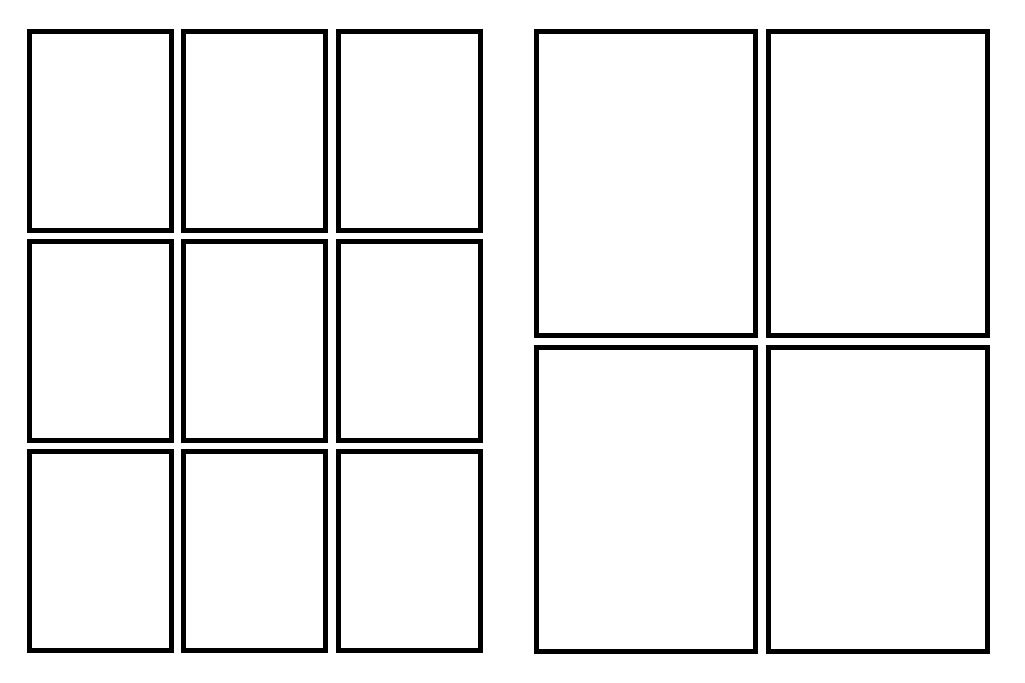
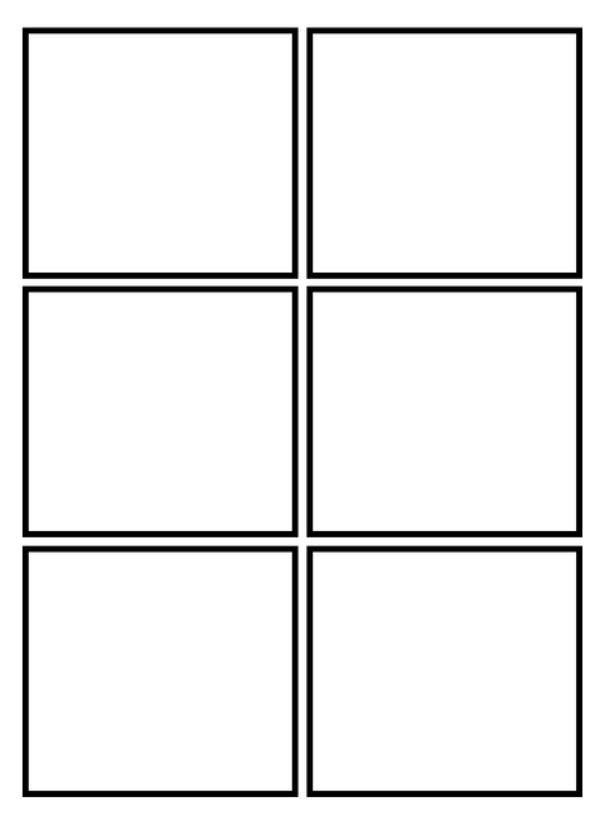
Source: https://blog.nocturnalmonkey.com/comic-grid/
More examples: https://forums.tapas.io/t/comic-book-layouts/19207/2
Web comic 🌎
The world is mobile now; most readers of web comics will look at them on their phone. This means that you have less room to put panels side-by-side.
Nomads - Webtoon
Webcomic Sizing
Clip Studio Paint:
Social Media 👯♂️
Another format of webcomic is social media, that you can use to make tiny short comics. You'll typically create four to ten panels to be shared in a slideshow.
@sarahgraley
Social media Size guide
Always google before starting a new project, as social media keeps evolving!
And you can mix PLATFORMS!
Once you're aware of how all the formats work, you can prepare a base that will allow you to print AND split in squares to share on social media, for example.
🤹♀️
Activity ✍️
⏱ 10 mins
Think about what you just learned and decide which type of media your story will be made for.
Create a file / open your notebook and draw a rough grid, whether side-by-side panels for print or panels on top of each other for a webcomic.
This is just an exercise, don’t worry about getting it perfect!
Into the Panel!
How can you best position and display your characters, backgrounds and action?
🎑
Film as an example 🎞
Inception - 2010 - Trailer
Look at all the different shots!
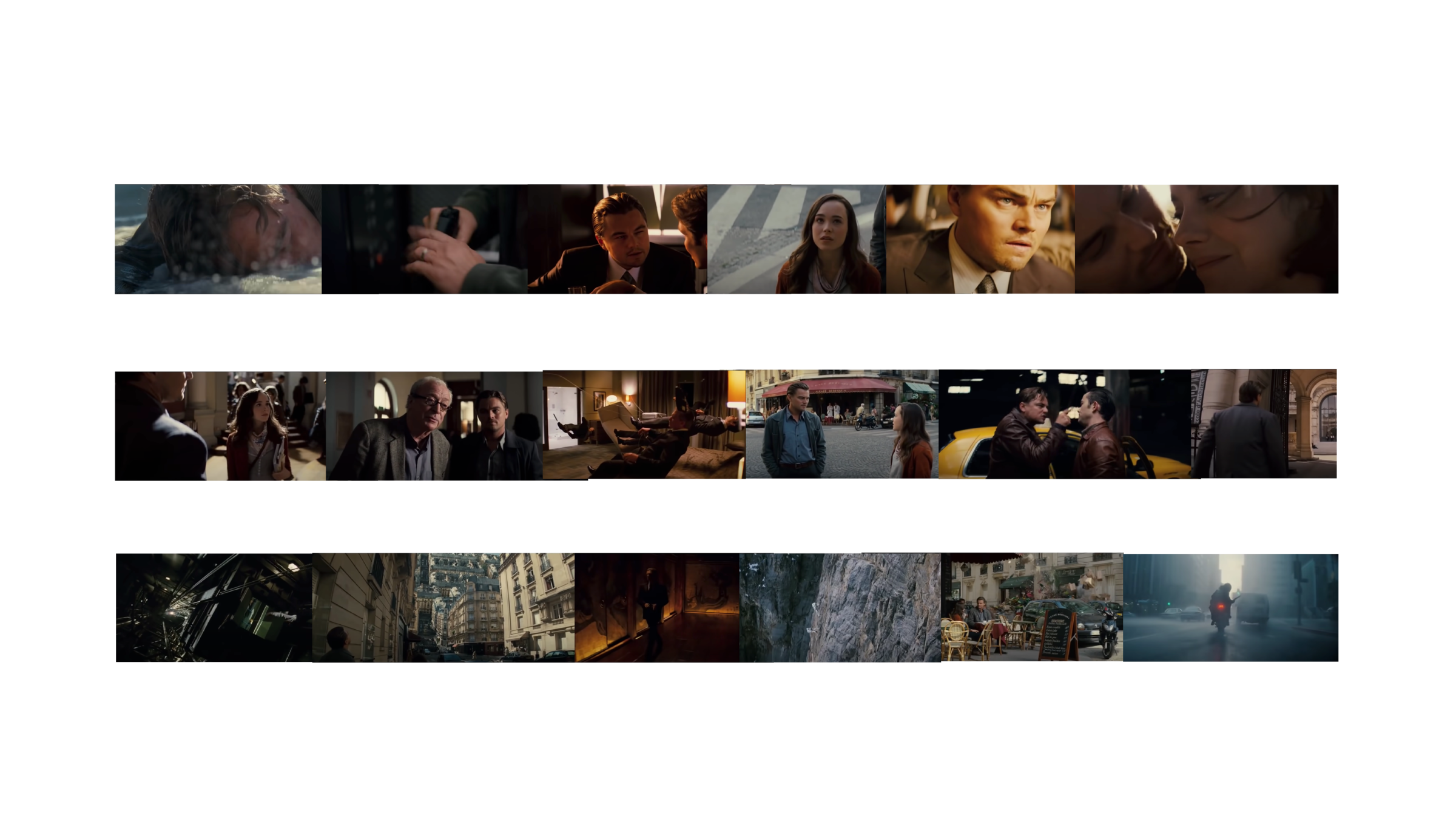
Close-ups
Action
Long shots and wide angles
In films and comics, you have to choose where your camera is in relation to the subject! Closer, further away, up, down...
🎥 🧍🏾♀️
This is what we call a shot or camera angle
🎨 Comics VS Films 🎬
Limited space on the page! 🪐 📄
So multiple things can happen on the same panel 🏃🏻♀️
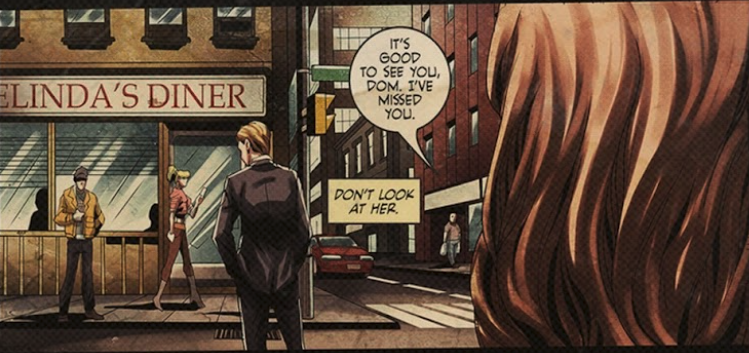
Inception - The Cobol Job
No sound or movement! 🔇
So we use speech bubbles 💬, sound and visual effects 💥
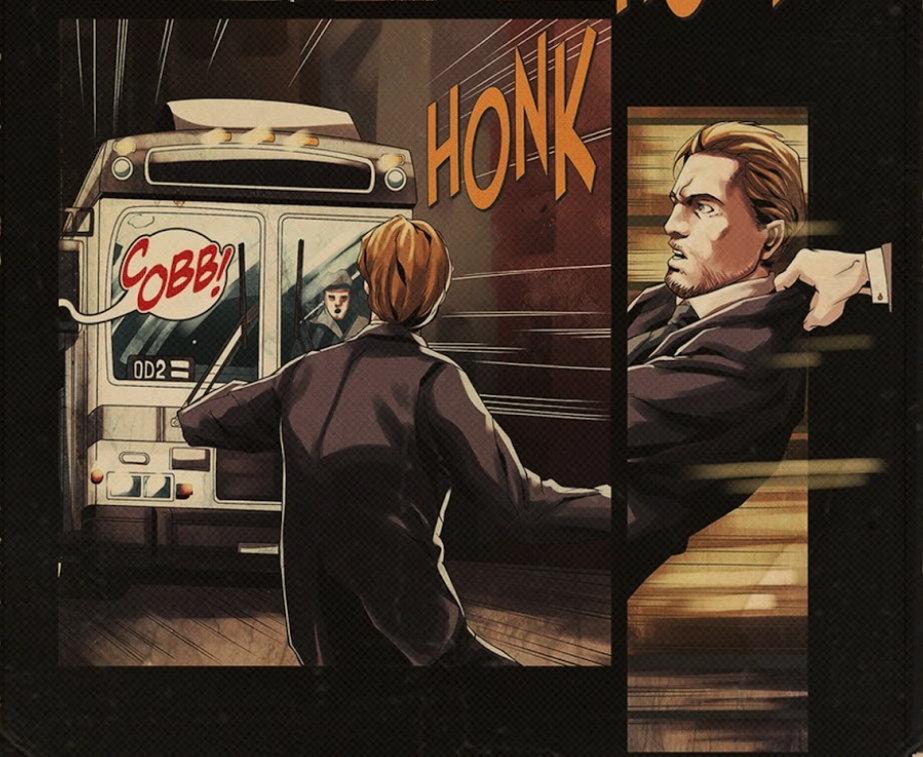
Inception - The Cobol Job
Different consumer expectations 👩🏻🏫
People get bored with a film more quickly, so it needs a lot of different angles that last for only a few seconds ⏱
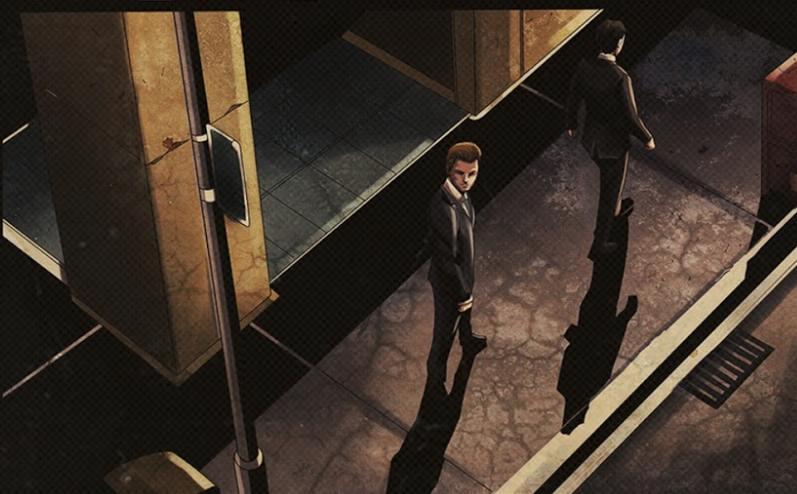
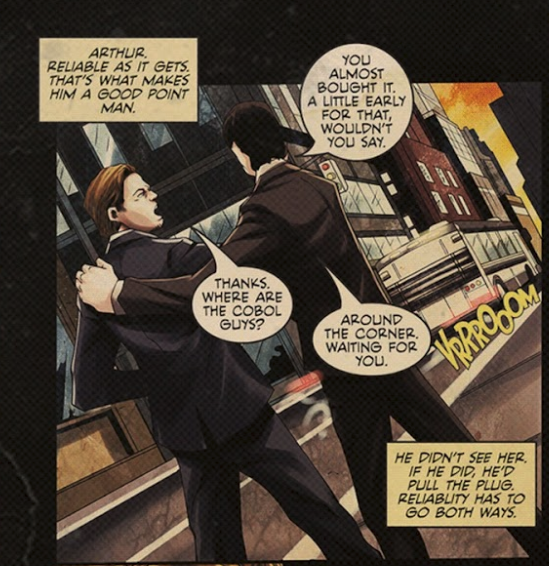
Inception - The Cobol Job
A few commoN
Shots and effects
📸 🤡
Establishing shots

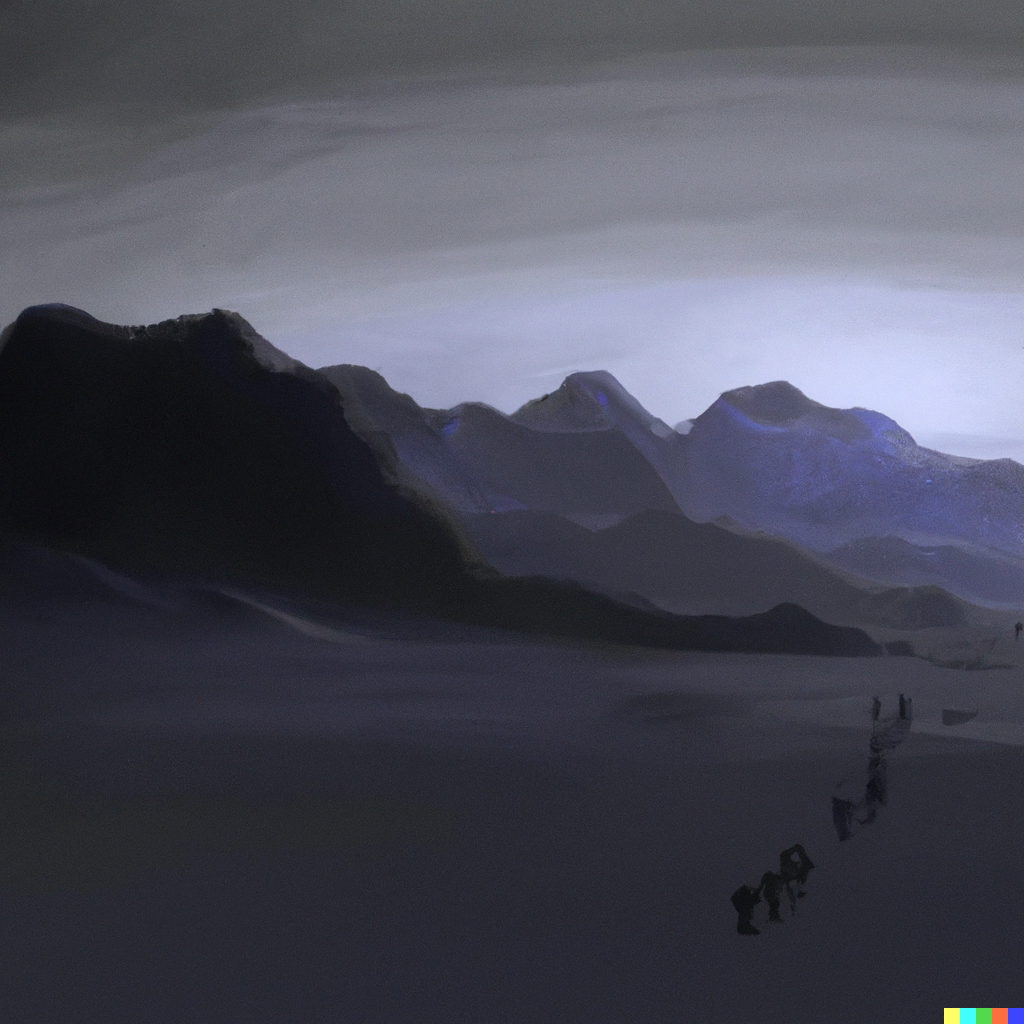
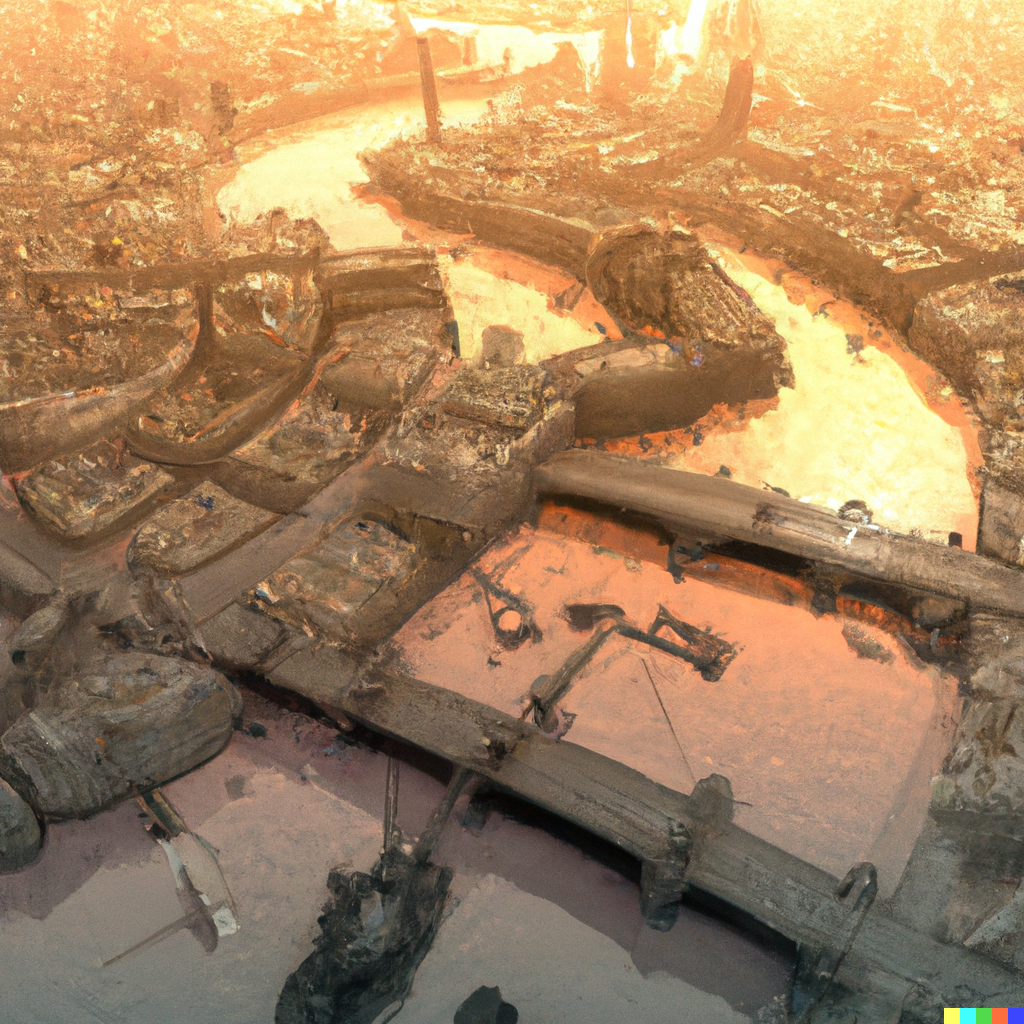
Extreme wide
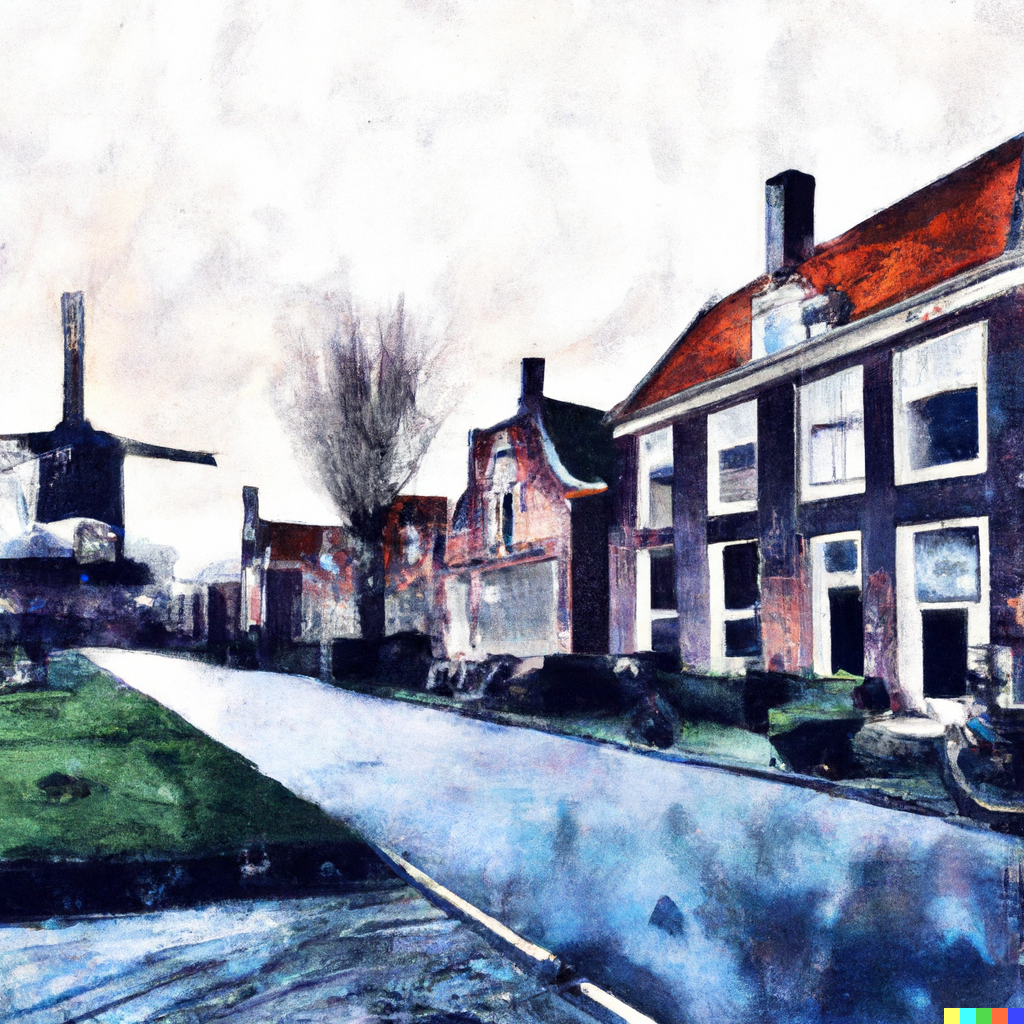
Wide/long
Buildings
Aerial view
Action shots


Full
Medium
Over the shoulder
Walking away
Close-up shots


Medium close-up
Close-up
Extreme close-up
Low depth-of-field
Creative Shots
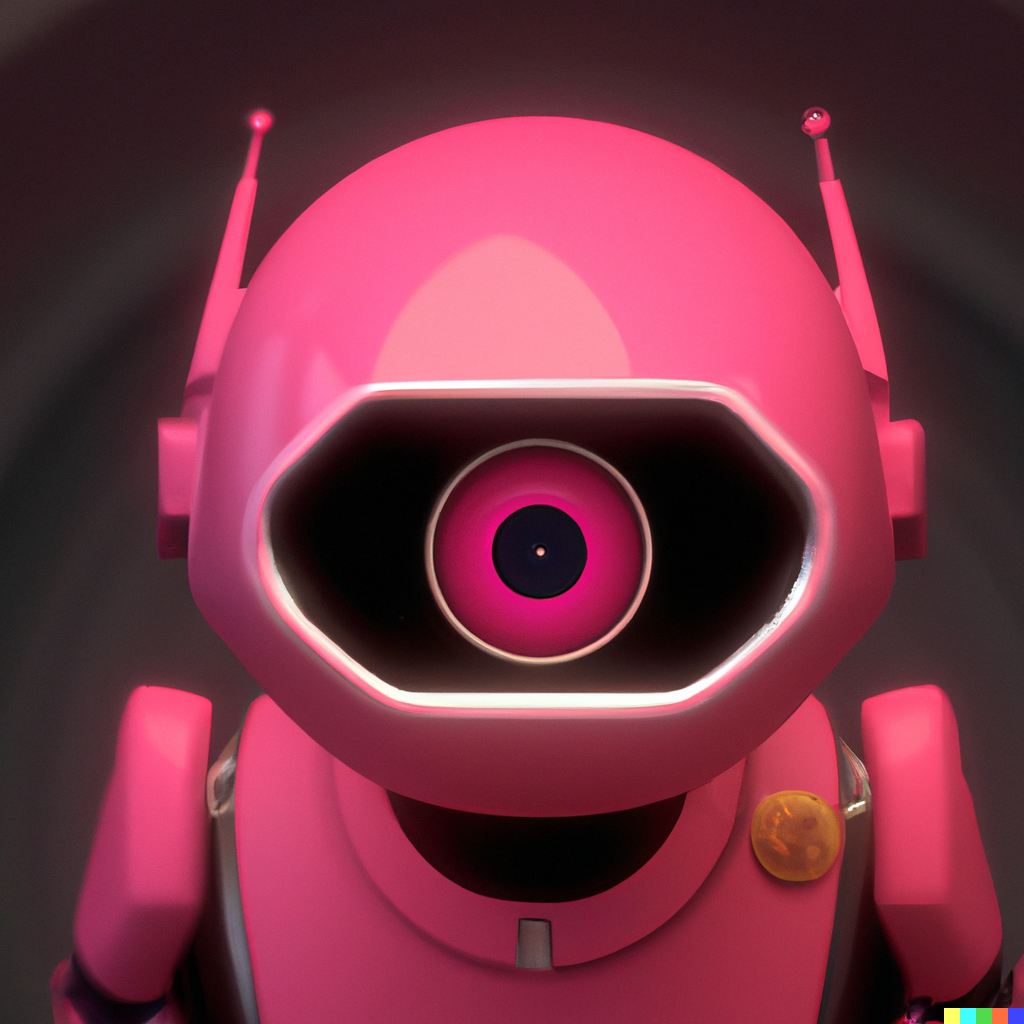
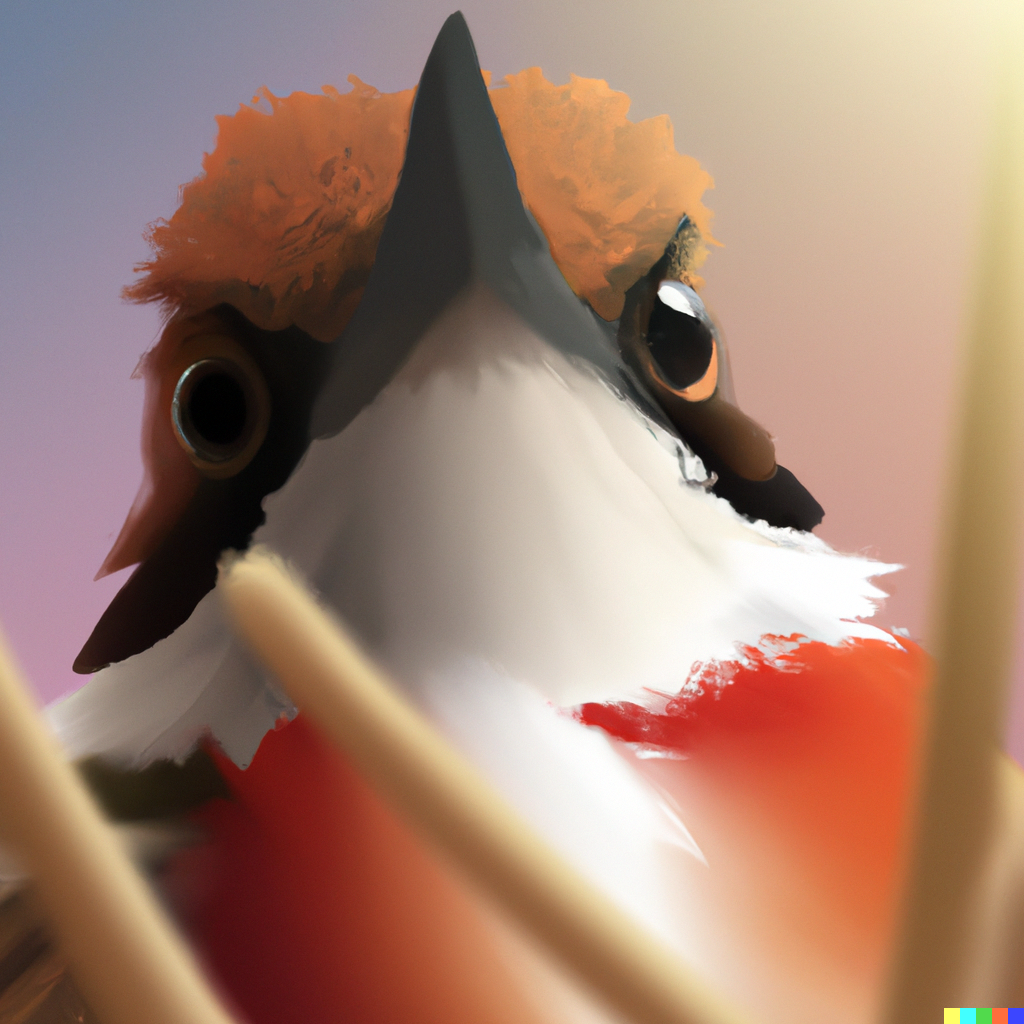

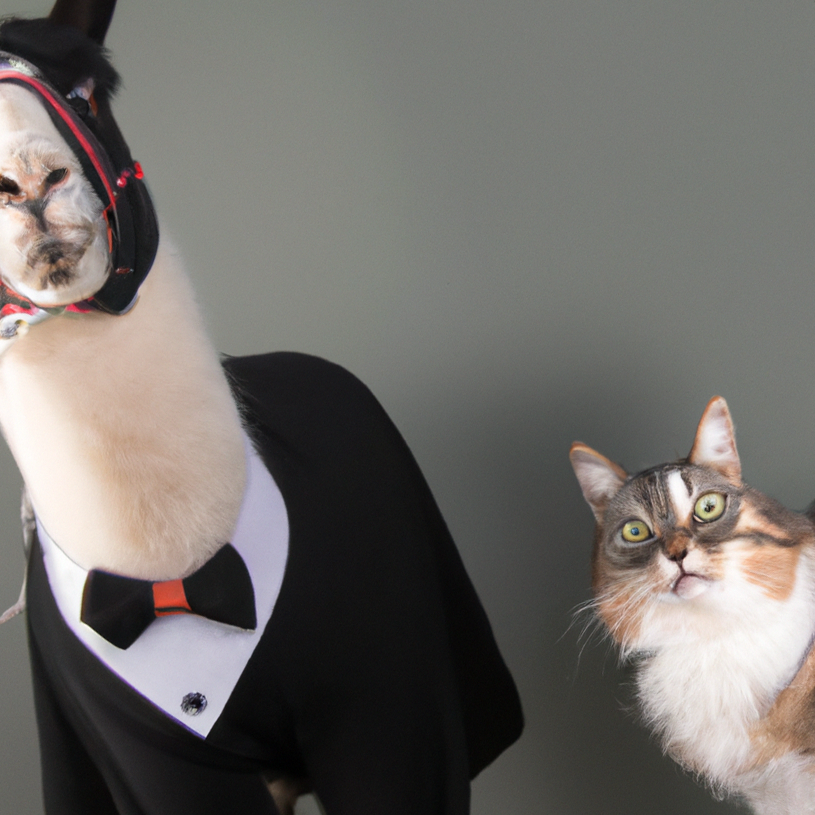
High angle
Low angle
Tilted (dutch angle)
Silhouettes
Alison - Lizzy Stewart
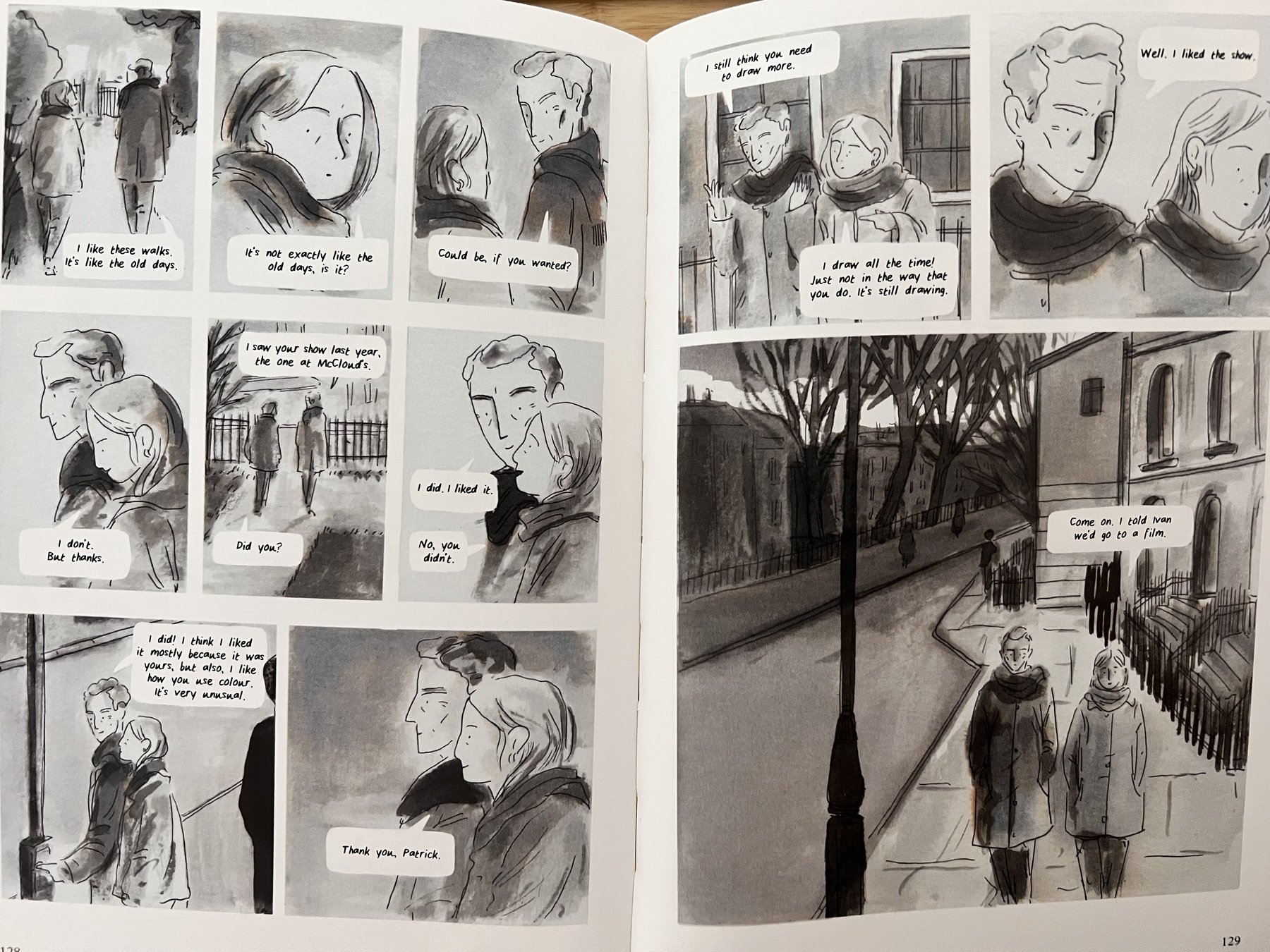
All together now!
🪩
Help me choose!
Camera conventions in graphic novels:
https://www.rivkah.com/lets-make-magic/camera-conventions-in-graphic-novels/
Types of Film Shots:
Wally Wood's 22 panels that always work:
https://cloudfour.com/thinks/22-panels-that-always-work-wally-woods-legendary-productivity-hack/
https://inked-dreams.com/2021/09/14/wally-woods-22-panels-with-examples/
Guiding the eye
How to help your reader see what you want them to see?
👁
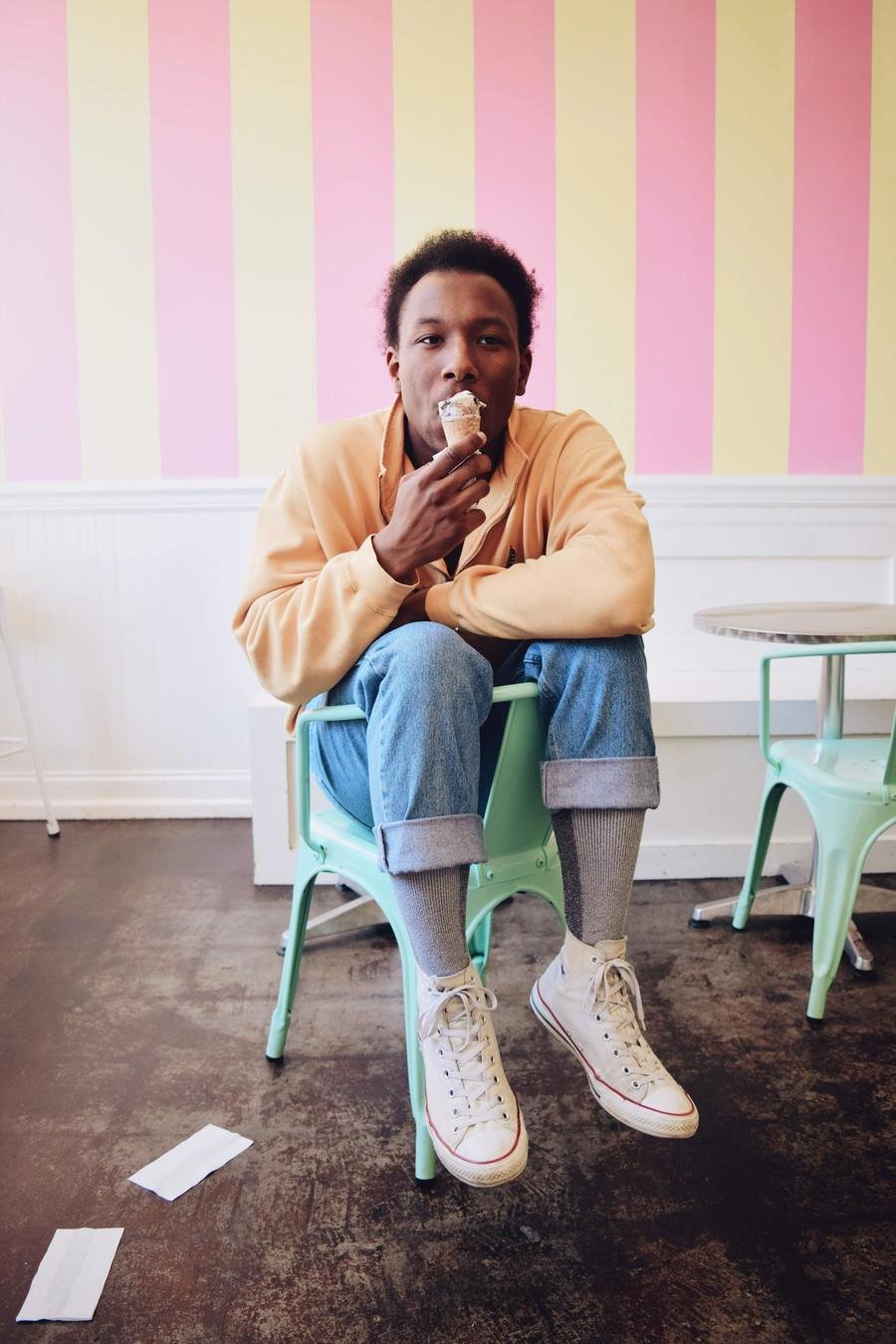
Rule of thirds 🎶
@foksia - Unsplash


|
|
||
|---|---|---|
|
|
||
|
|
|
|
||
|---|---|---|
|
|
||
|
|
@emilyotwell - Unsplash
@whynotnatali - Unsplash
Speech and effects 🗯
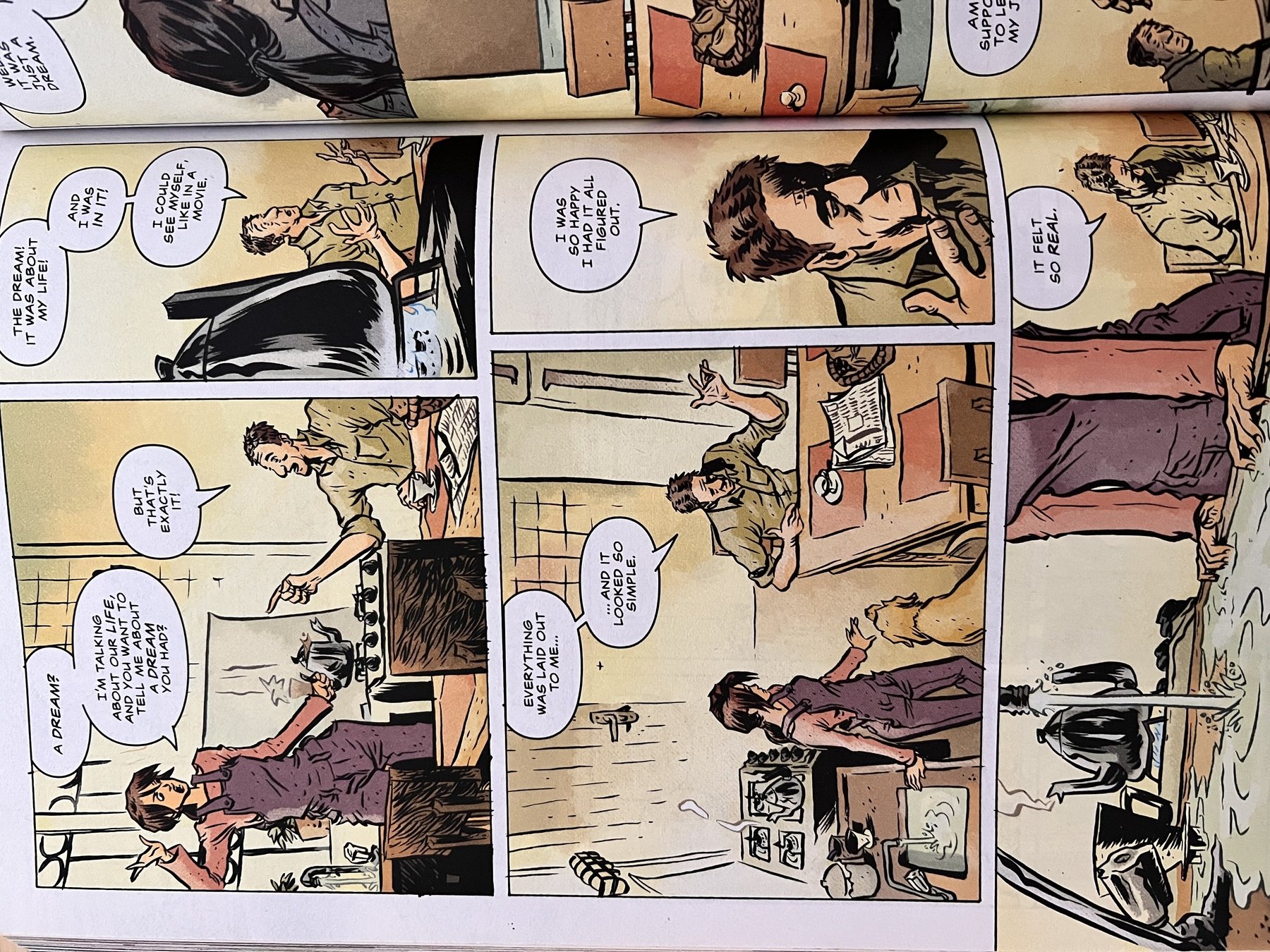
Daytripper - Fábio Moon & Gabriel Bá
Nice to Meet You - Wishroomness - Webtoon
escape the panel 🔨
Sinavore - Spiller, Waugh, Shafi and Racicot
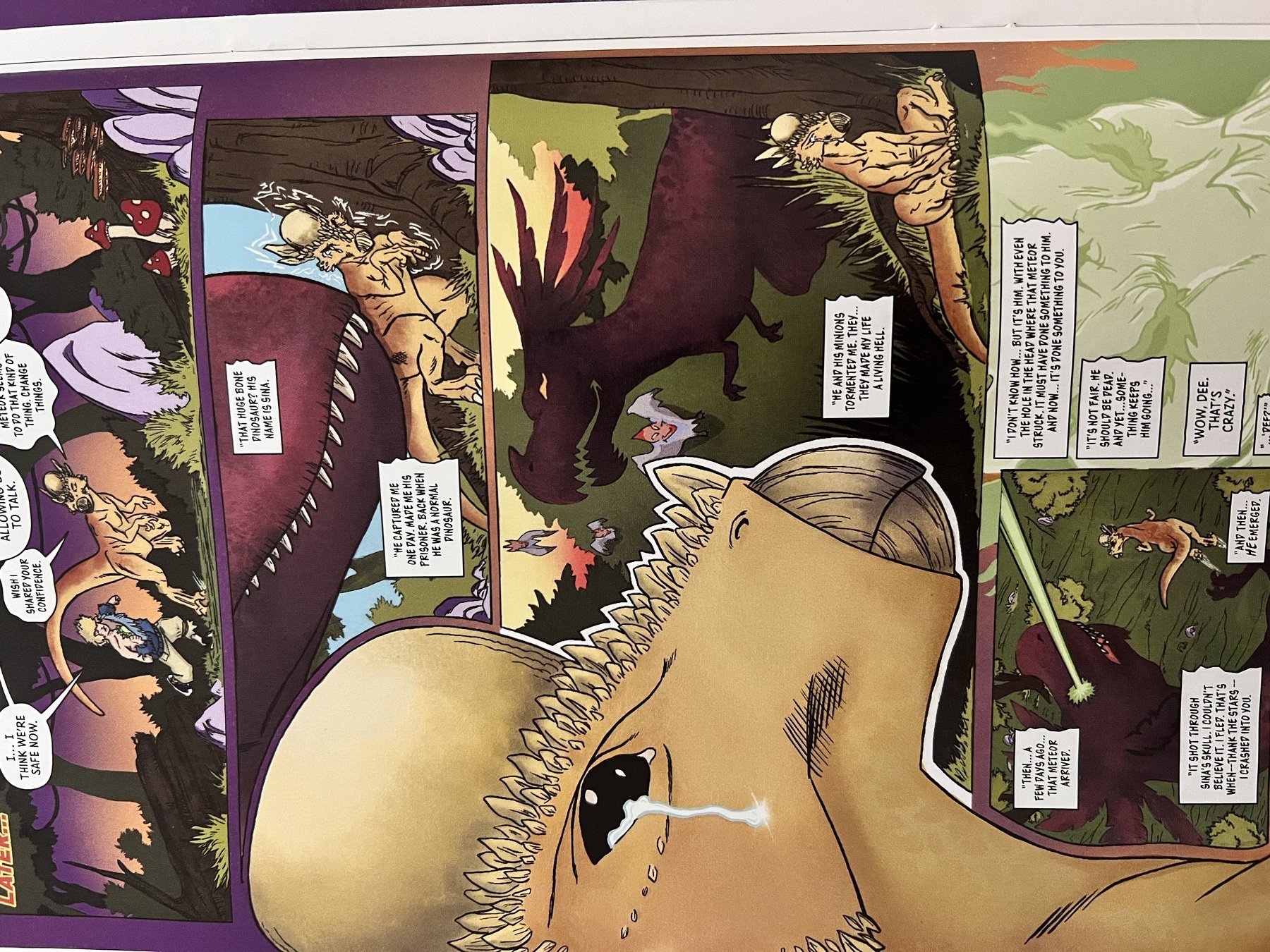
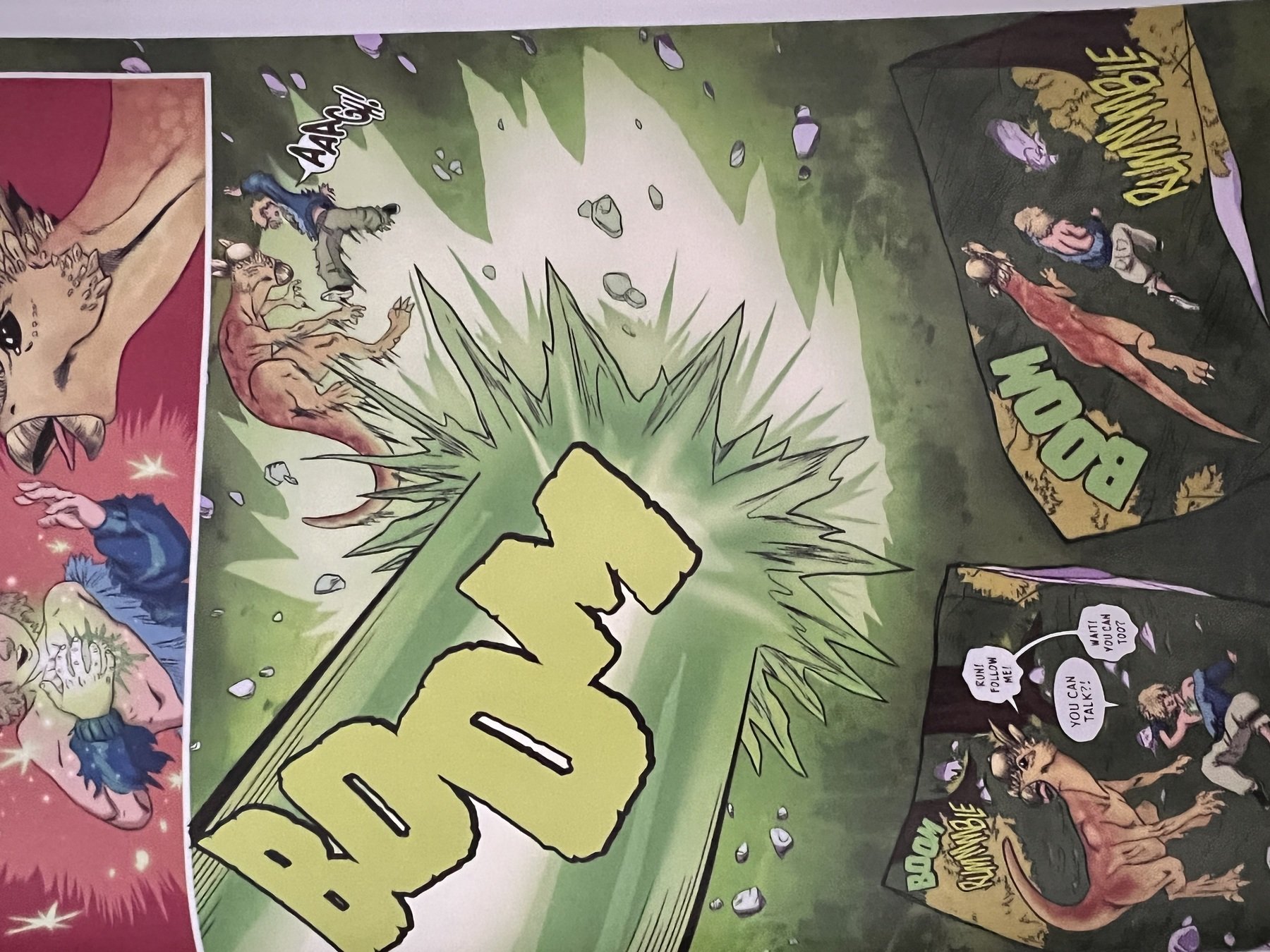
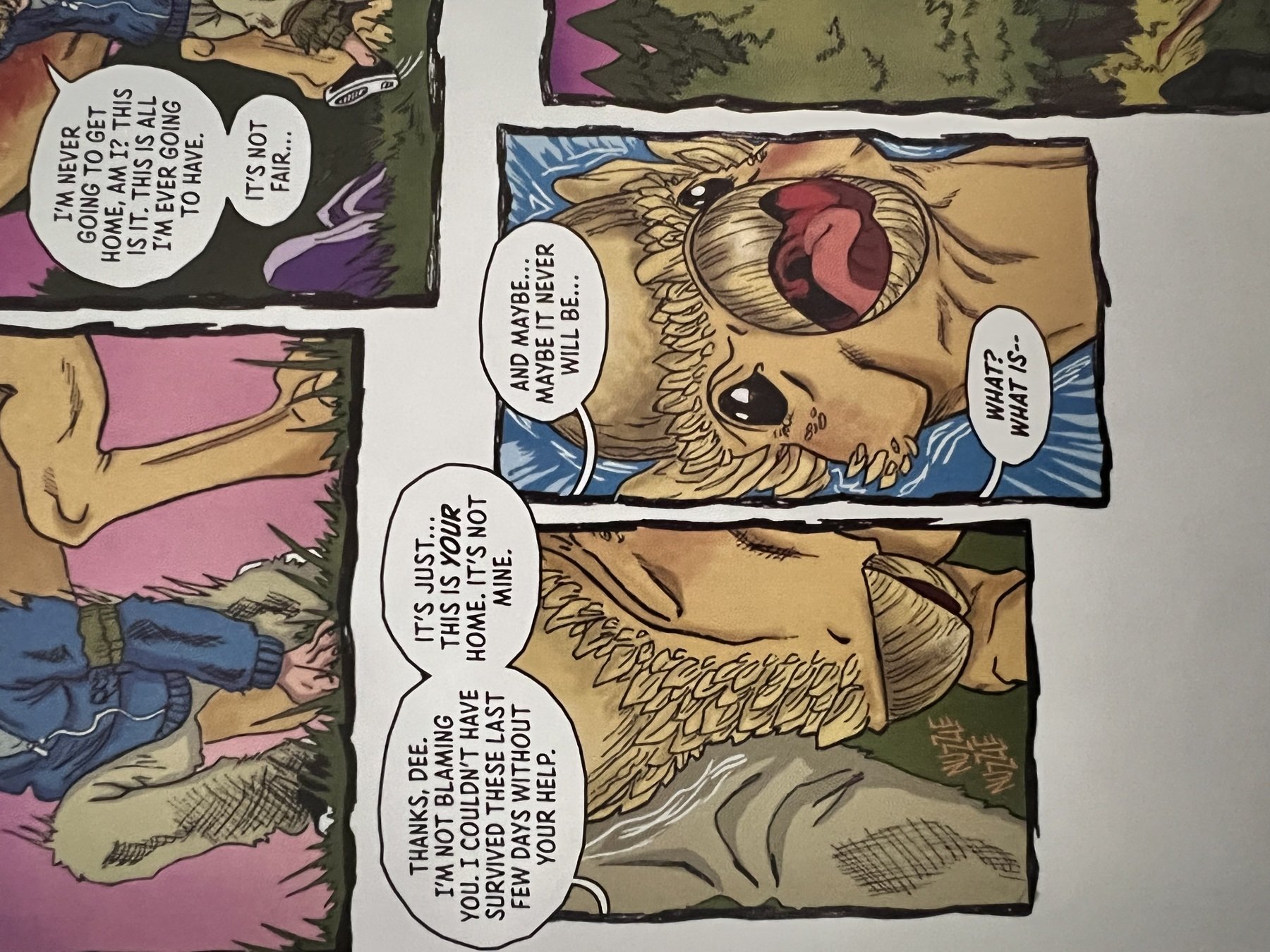
Page spreads 📖
Joy Operations - Brian Michael Bendis & Stephen Byrne
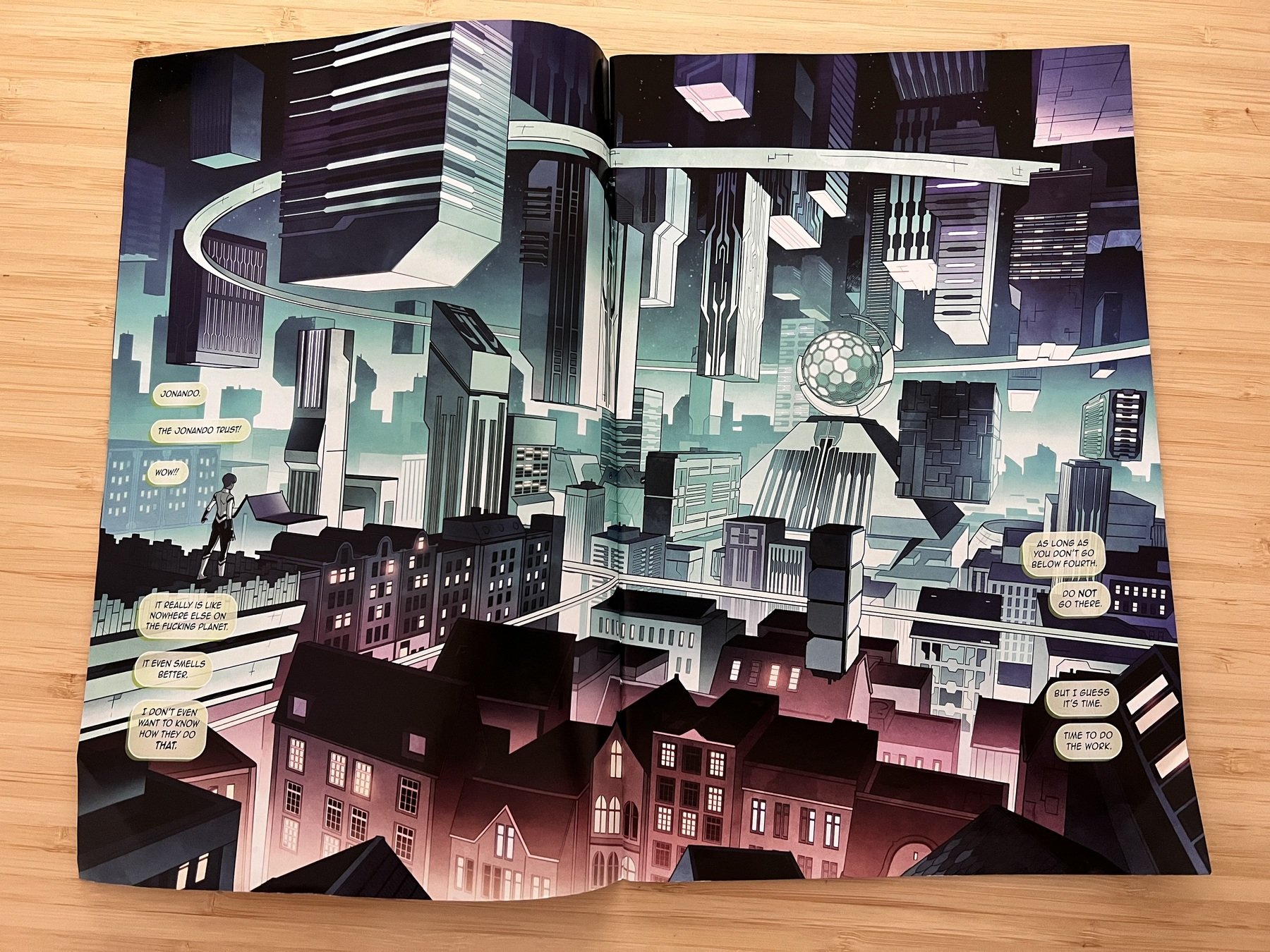
pile of Books 📚
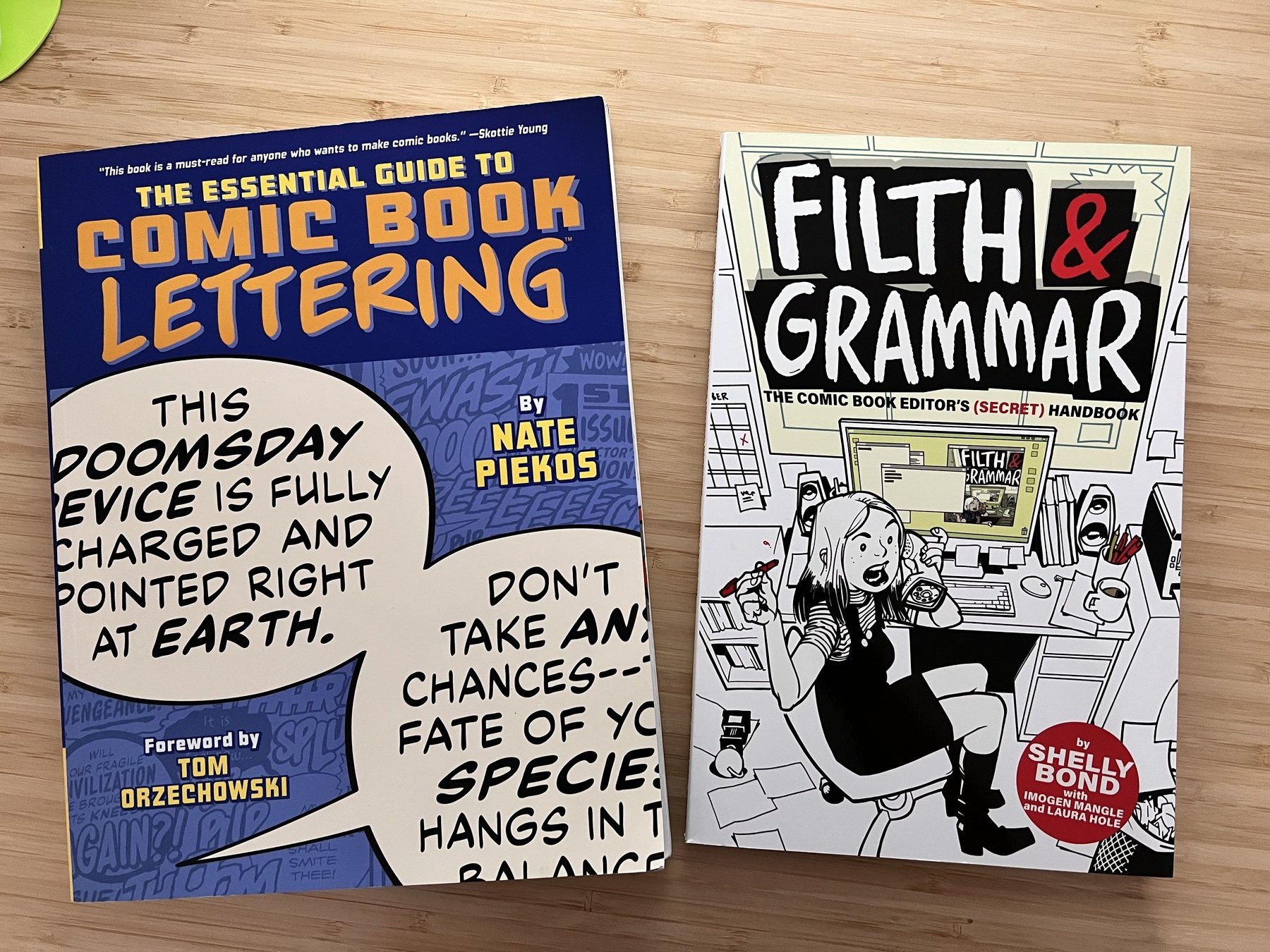
Not many today, go read comics instead
Activity
⏱ 20 mins
Use the grid you have created in the previous activity.
Start sketching your story (or a part of it) using a mix of different shots. Experiment with adapting or breaking free of the grid. Think about guiding the reader from panel to panel.
Once you’ve got something to show, use the breakout room to share what you have created with the others.
There
are
no
ugly
drawings
(unless you want them to be ugly!)
And remember... 🧐
WIP Slack @claudiamatosa
Call for
speakers!
🔊🗣
WIP Comics - Composing Panels
By Claudia M
WIP Comics - Composing Panels
Creating Comics is a monthly meetup, where we study the craft of drawn narratives with the goal of helping people create their own comics. In this session, we will be looking at multiple ways of composing panels, depending on where your comic is meant to be presented (print, online, social media...). We will also be talking about different ways of framing shots and how to make the action flow from one panel to the next.