Analysis of
'The Final Hours of Karen Carpenter'
By Connor Johnson
Types, Themes and Narrative Structure
-
‘Final Hours’ is both a mixed documentary as it uses interview, narration, observation and archive, however it contains elements of docu-drama as it reconstructs the events of Karen’s death as they are reported to have happened. -
Thematically the documentary covers the death of Karen Carpenter, Post-Death, Family, Star Power, Mental Illness such as Anorexia Nervosa, and Raising Awareness. -
The narrative structure of the programme is closed, as it ends without asking questions of the audience. It is single-strand as it focuses on the death of Karen Carpenter and the factors involved. It is nonlinear as it often looks back on Karen’s life and career for references.
Camerawork
- Long-shot - used to show the scale of something to the audience, an example of this is the establishing shot of Karen’s house.
- Zoom in - used to draw focus to a particular part of a photo.
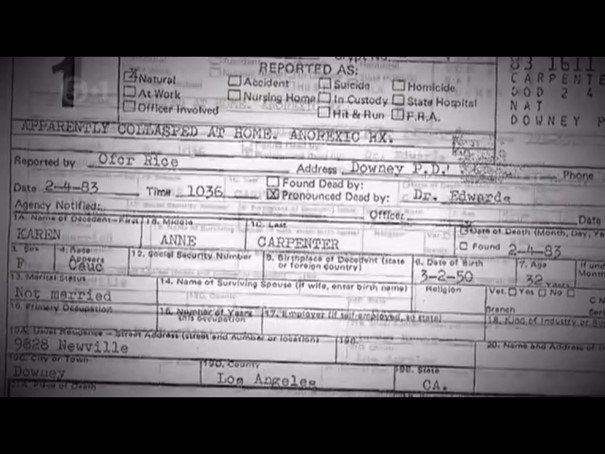
- Extreme Close Up - used to show emotion, e.g. an ECU of Karen’s eyes. also used to show writing on Karen’s autopsy report
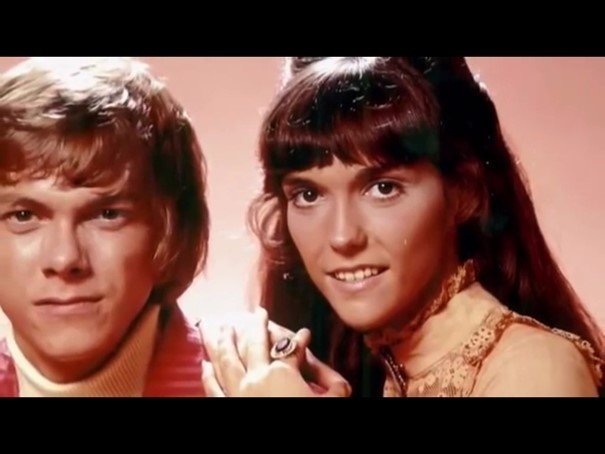
- Medium close up - Shows most of Karen and Richard and draws attention to them.
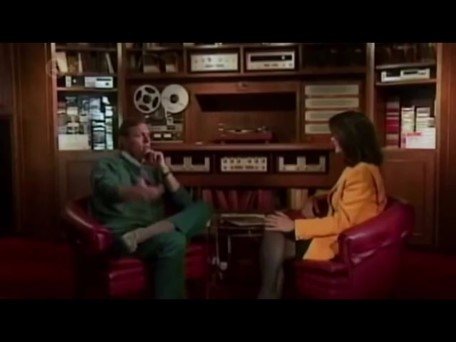
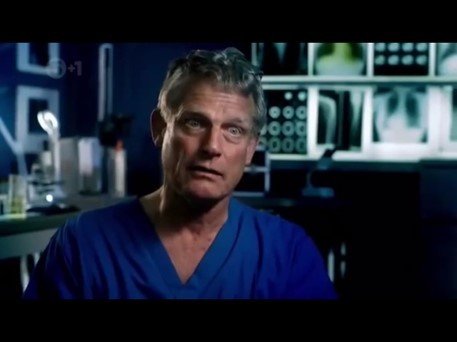
- During interviews the interviewee was right or left of centre of the screen as this is where human eyes are unconsciously drawn.
- Two shot
Mise en Scene
- Karen Carpenter’s family home - used to show Karen’s early life and eventual death in the home.
- Musical instruments and Recording studios - helps the audience to remember the Carpenter’s as being a musical duo originally and talks about their rising stardom.
- Promotional Photo’s and Family photo’s - used to show the audience Karen’s public and private image.
- 70s and Early 80’s clothing - Helps establish period of time in narrative.
- Autopsy Report - Used to help the exposition which centres around what caused Karen to die.
- Medical drugs - Shows Karen’s history of medical drug abuse.
- Surgical Equipment and Mortuary - Used as the narrative centres around Karen’s death and her autopsy.
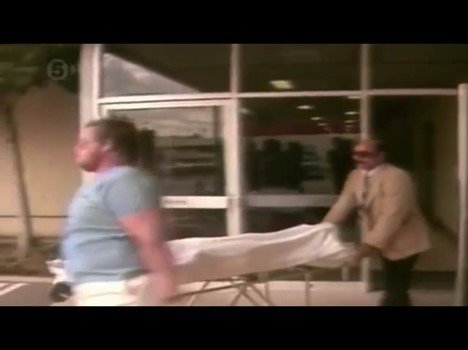
- Hospital - Shows Karen Carpenter's rocky history with being administered to hospitals with emaciation.

Sound
- Type writer - used to accompany the graphics that appear on screen as the narrative is set in a time when typewriters were used.
- ‘The Carpenters’ discography is played as it is relevant to Karen’s career.
- Male voiceover - Holds narrative together, uses standard english and gives a calm, clear delivery so that the audience can understand.
- Ominous sombre incidental music - Used to indicate the grave content of the documentary and build tension.
- Melancholic music - Used in scenes where family members are discussing the aftermath of Karen’s death and her funeral to convey sadness to the audience.
- Diegetic sounds - added over the reconstructed scenes whilst the rest of the scene is silent to draw attention to it, e.g. Karen vomiting after eating.
Editing
- Cutting is the most common editing technique used as it helps the exposition flow.
- Montage - Showing Karen’s career quickly to show the audience her stature as a public figure and musician and show her relevance to the programme.
- Pulling of focus is used to draw audience attention from the background to a specific object, e.g. Karen’s house to a bottle of Ipecac Syrup.
Archive Material
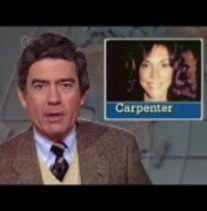
- News Footage - opens the programme, shows reports of Karen Carpenter’s sudden death and introduces the main topic of the documentary.
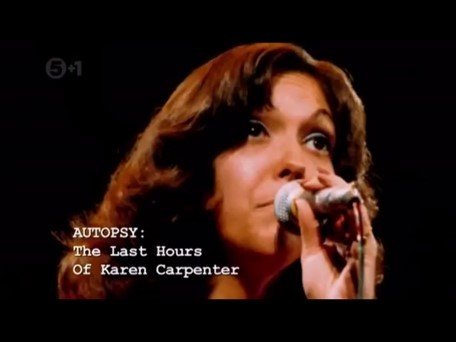
- Footage of Karen singing - Anchors her relevance to the topic and also shows her significant weight loss to the audience.
- Autopsy Report - Used to show factual information about why she died and is the main document featured in the programme.
- Still Images - Shows The Carpenters throughout their career and shows the audience the extent of their star power during the 70s and early 80s.
Graphics
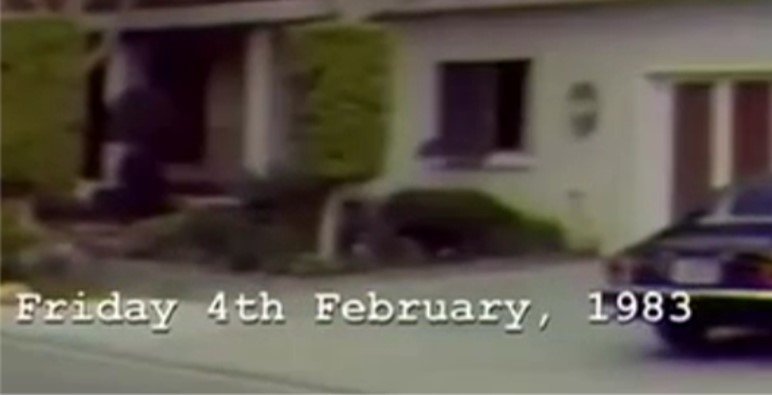
- The text is white.
- It uses a serif font.
- Uses upper and lower case letters.
- Superimposed onto the screen.
- Accompanied by the sound of a typewriter to show time period.
deck
By Connor Johnson