




















federica bianco PRO
astro | data science | data for good
University of Delaware
Department of Physics and Astronomy
Biden School of Public Policy and Administration
Data Science Institute
federica b. bianco
she/her
Why do we study stellar explosions?
Why do we study stellar explosions?
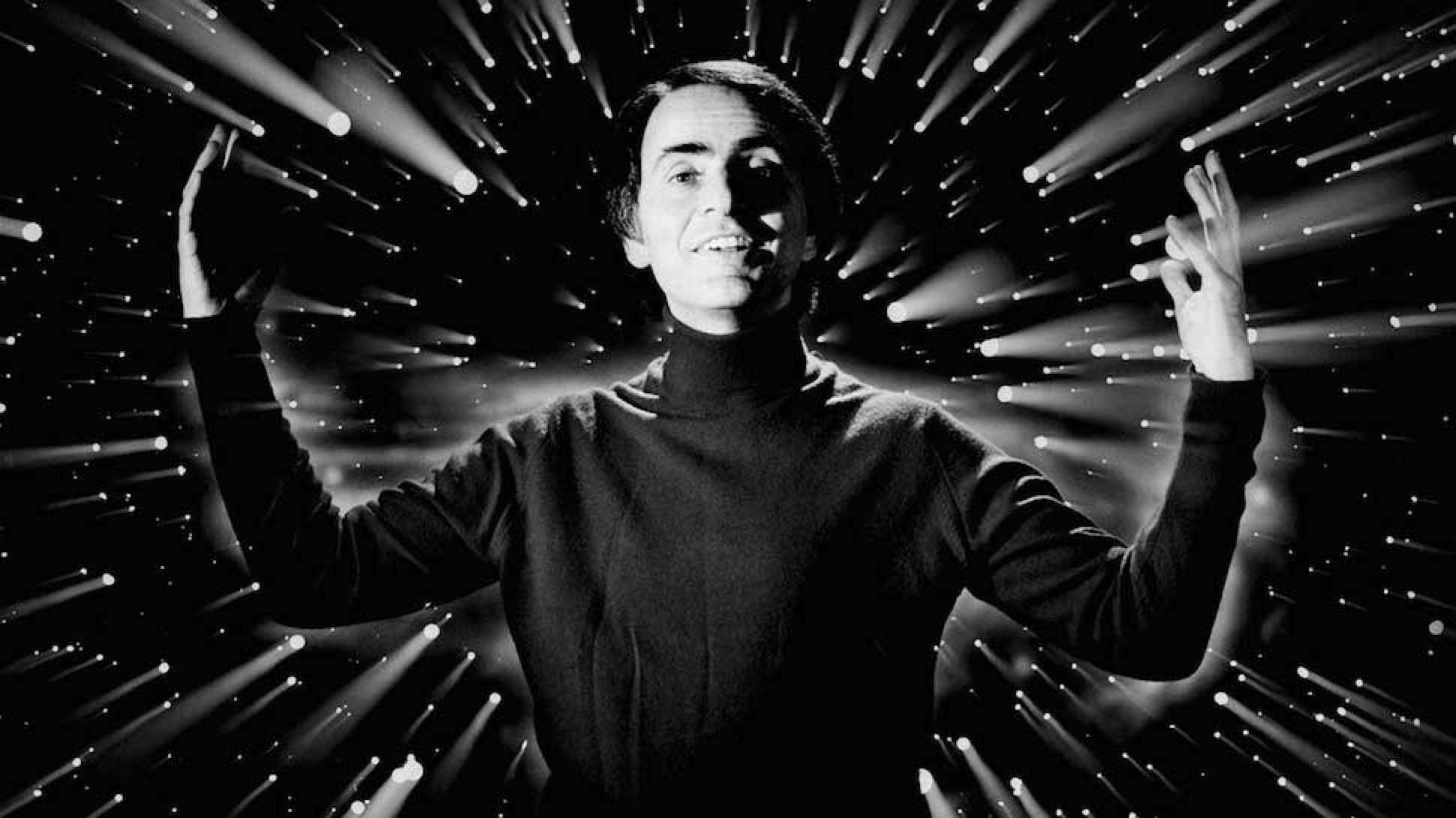
we are made of stars
The nitrogen in our DNA, the calcium in our teeth, the iron in our blood, the carbon in our apple pies were made in the interiors of collapsing stars.
We are made of starstuff.
― Carl Sagan, Cosmos
largest explosion on earth 10,000,000 erg
typical supernova....
Why do we study stellar explosions?
a unique opportunity to study extreme energy events
10 stars explode in the universe every second
Until the 1900s we would see 1 in a century
Until the 1980s we would see 1 in a decade
Until the 2010s we would see 1 in a month
Starting in 2026, we will see 1,000 every night !
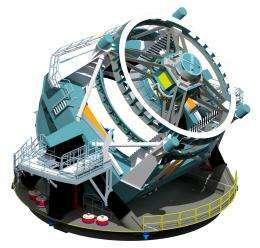
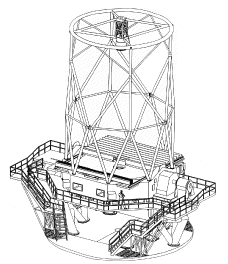
Building a legacy:The Vera C. Rubin Observatory LSST
the Vera C. Rubin observatory will collect 20Tb of data every night. That is equivalent to |
8,000 high definition movies
4,000 hours of tiktok videos
every night for 10 years
Building a legacy:The Vera C. Rubin Observatory LSST
the Vera C. Rubin observatory will collect 20Tb of data every night. That is equivalent to |
8,000 high definition movies
4,000 hours of tiktok videos
every night for 10 years
Building a legacy:The Vera C. Rubin Observatory LSST
the Vera C. Rubin observatory will collect 20Tb of data every night.
|
|
A legacy dataset that belongs to all people in the USA giving access to never before seen corners of the Universe to all |
We developed new technology
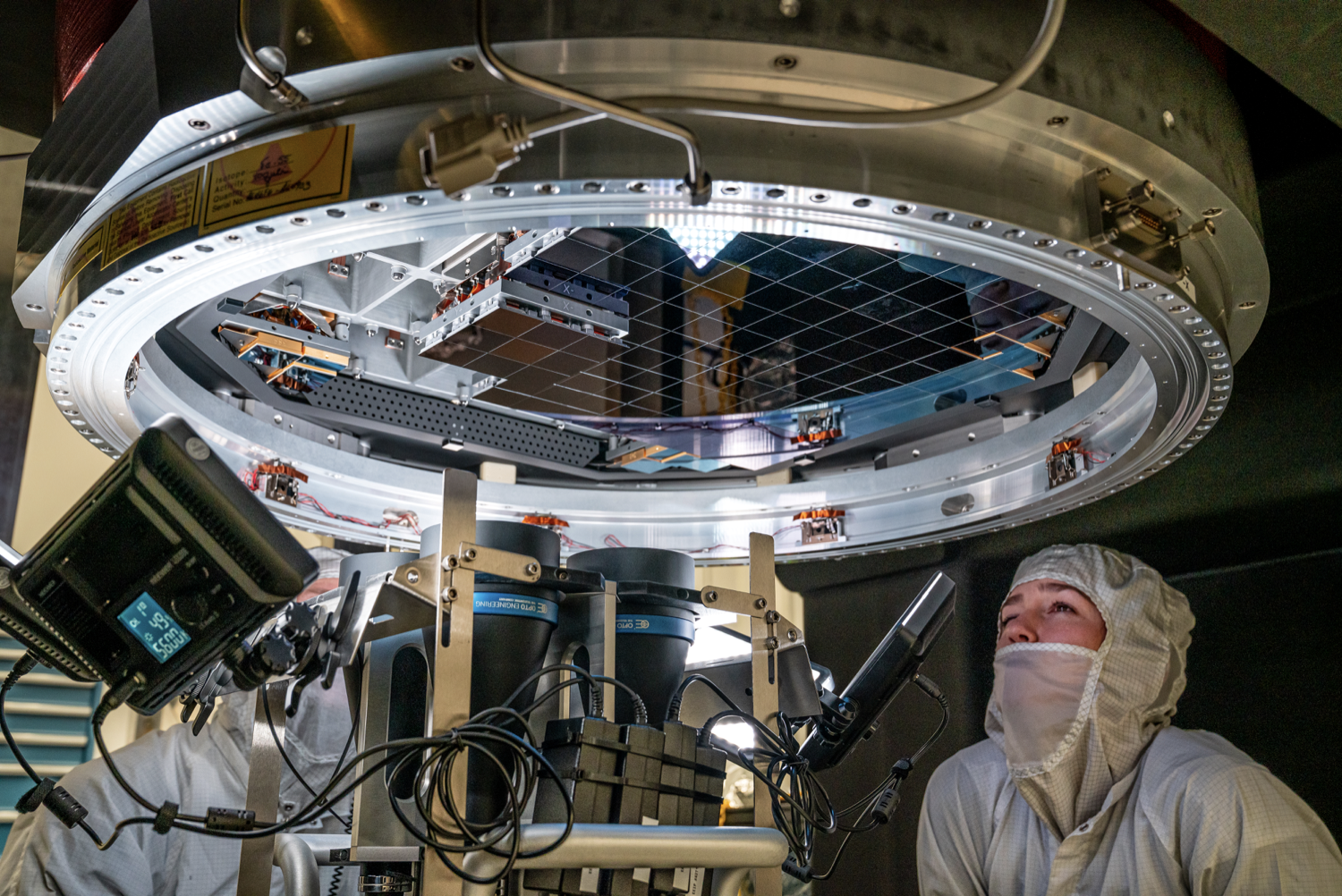
We built the largest camera ever built for the
Vear C. Rubin Observatory
to look farther and wider into the sky than ever before
skyviewer.app
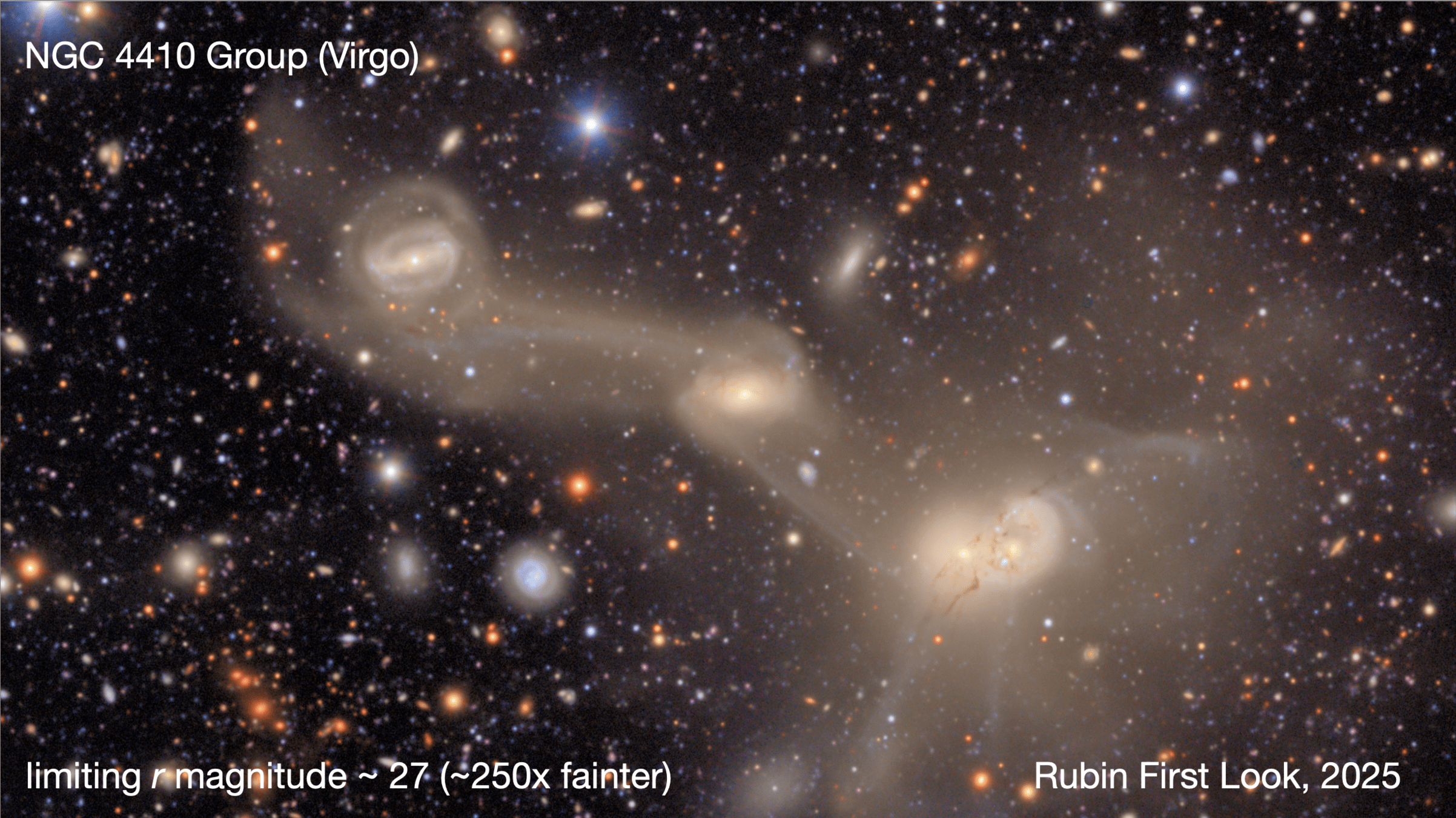
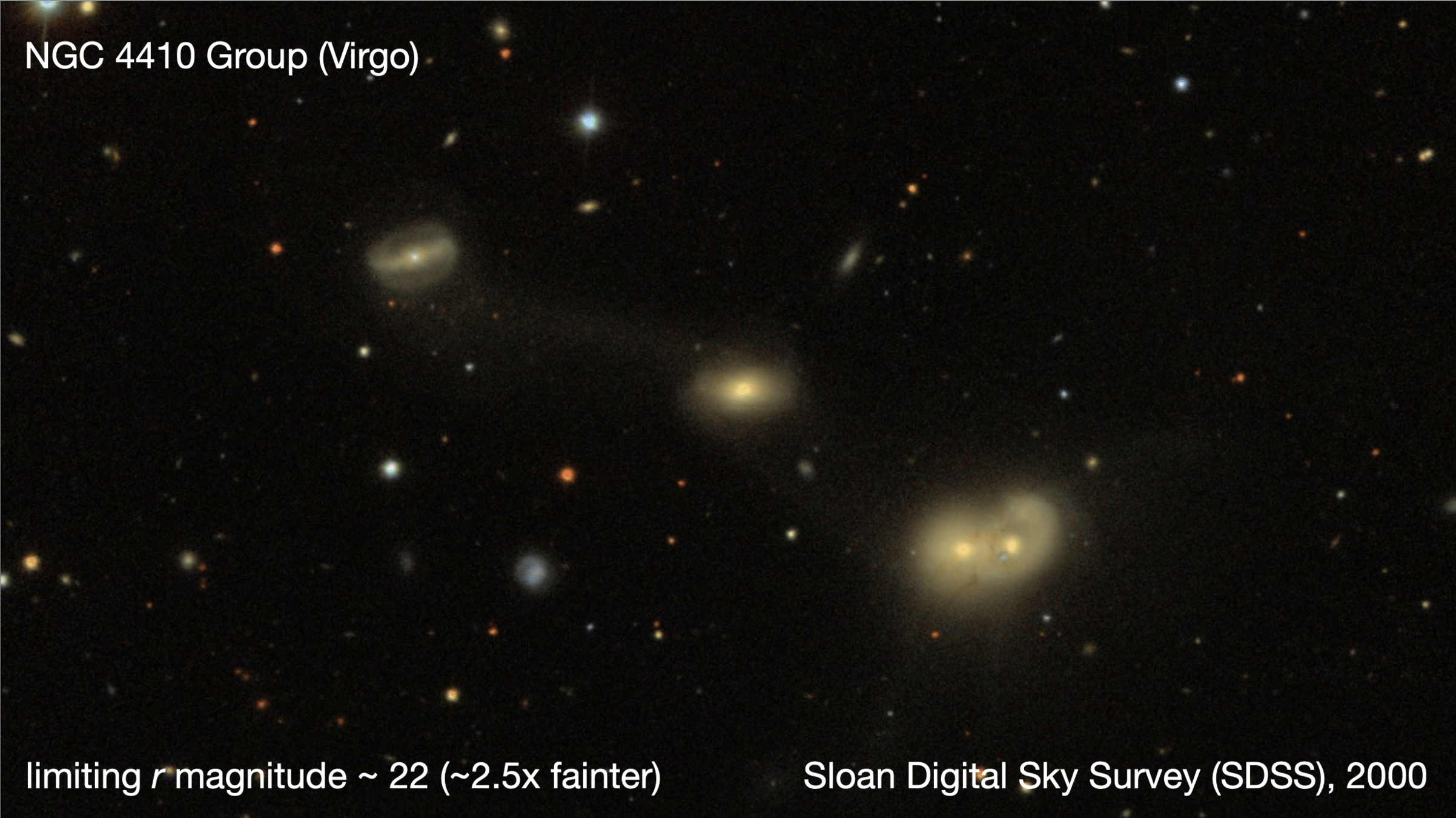
In its first year of operation LSST will collect more data than the entire collection of astrophysical data that exists today....
cataloging more objects than there are people on earth
there are not enough people in the world to inspect each image that LSST would collect at full resolution!
How do we study stellar explosions?
with this much data we need Artificial Intelligence
Telescope scheduling is automated
1,000 images per night
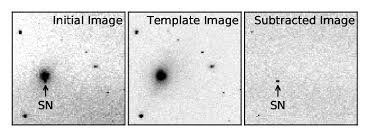
processed in 60 seconds to detect all changing and moving objects
image processing is automated
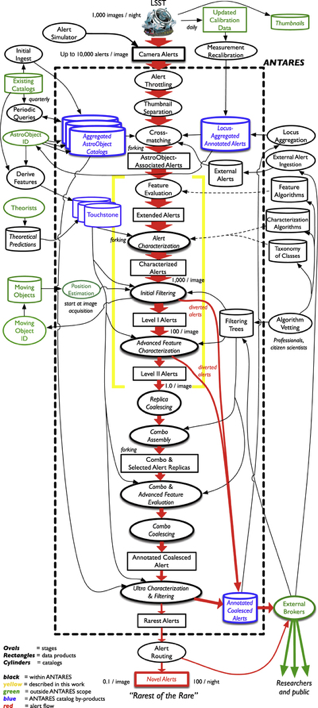
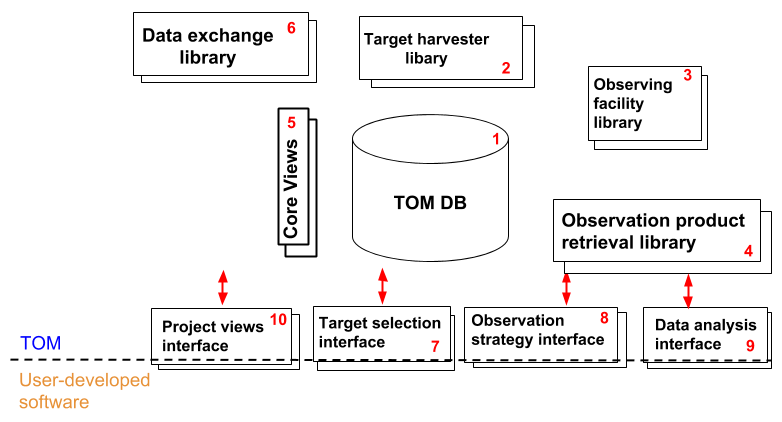
Discovery Engine
10M alerts/night
Community Brokers
target observation managers
BABAMUL
x
y
physics
Input (observables)
Output
(observable)
Input
x
y
b
m
m: slope
b: intercept
Machine Learning
Prediction
Input
x
y
b
m
m: slope
b: intercept
parameters
x
y
learn
goal: find the right m and b that turn x into y
goal: find the right m and b that turn x into y
Machine Learning
Prediction
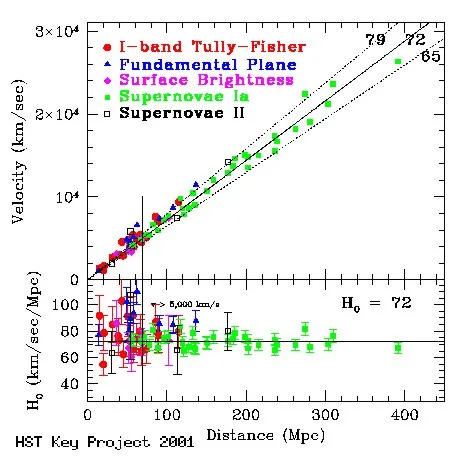
https://symposia.obs.carnegiescience.edu/series/symposium2/ms/freedman.ps.gz
Input
x
y
prediction
physics
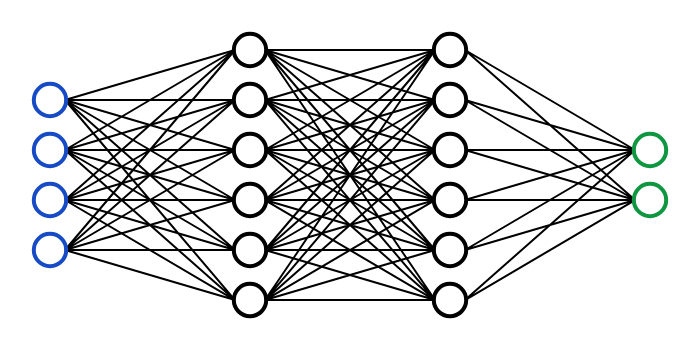
non-linear modification to a linear function
p(class)
pixel values tensor
Plan survey → Get data → Scientific Idea → build AI → process → Interpret results
Science has always been a sociotechnical proces
We need examples to train the AI
NASA - Hubble Legacy Field Zoom-Out
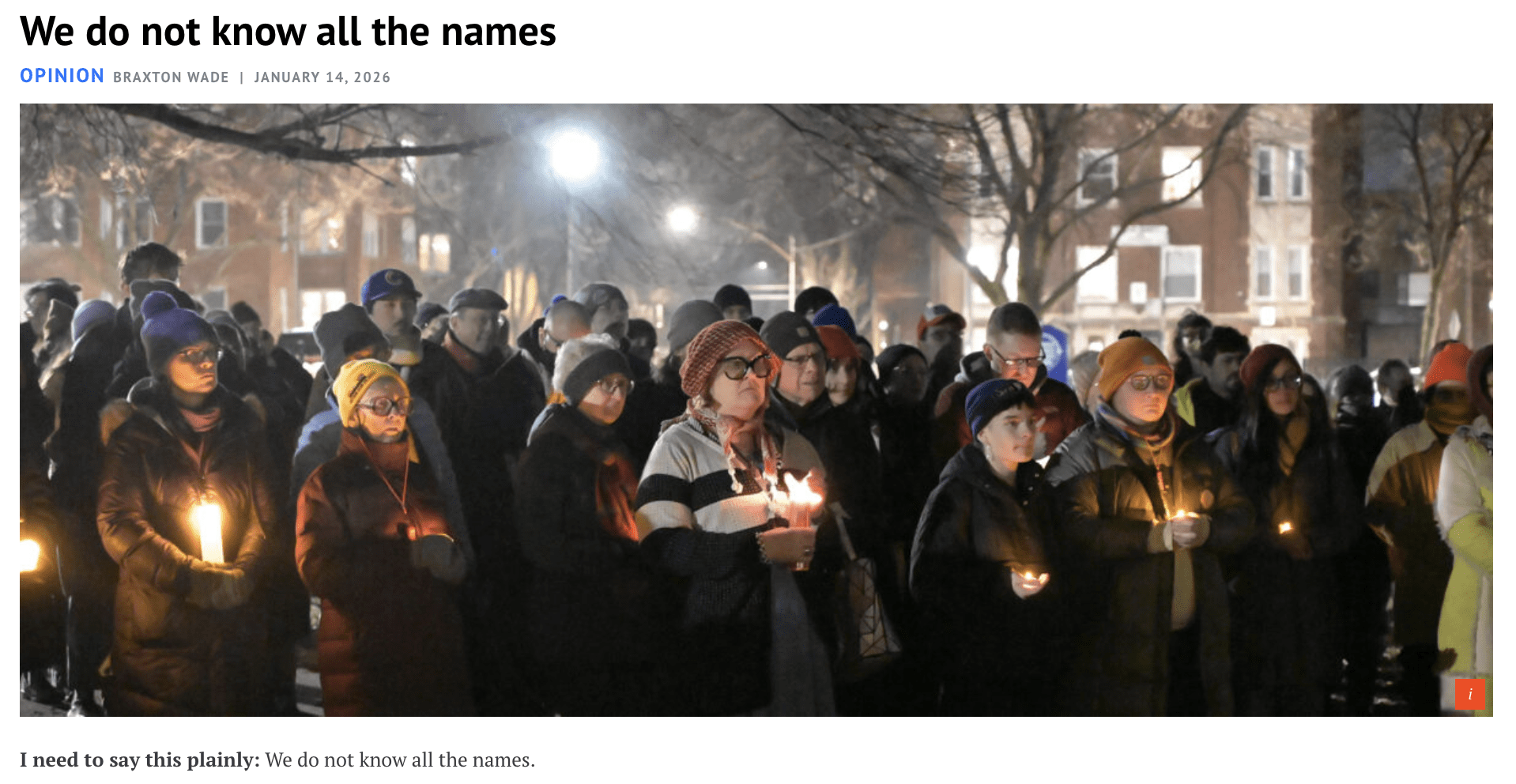
https://baptistnews.com/article/we-do-not-know-all-the-names/
Training a single large model like a ResNet-50 on a standard GPU (e.g., NVIDIA V100) for a few epochs on ImageNet (1.2M images) can emit roughly ~100-150 kg CO₂or the CO₂ equivalent of a short flight.
But how many models are you training in development?
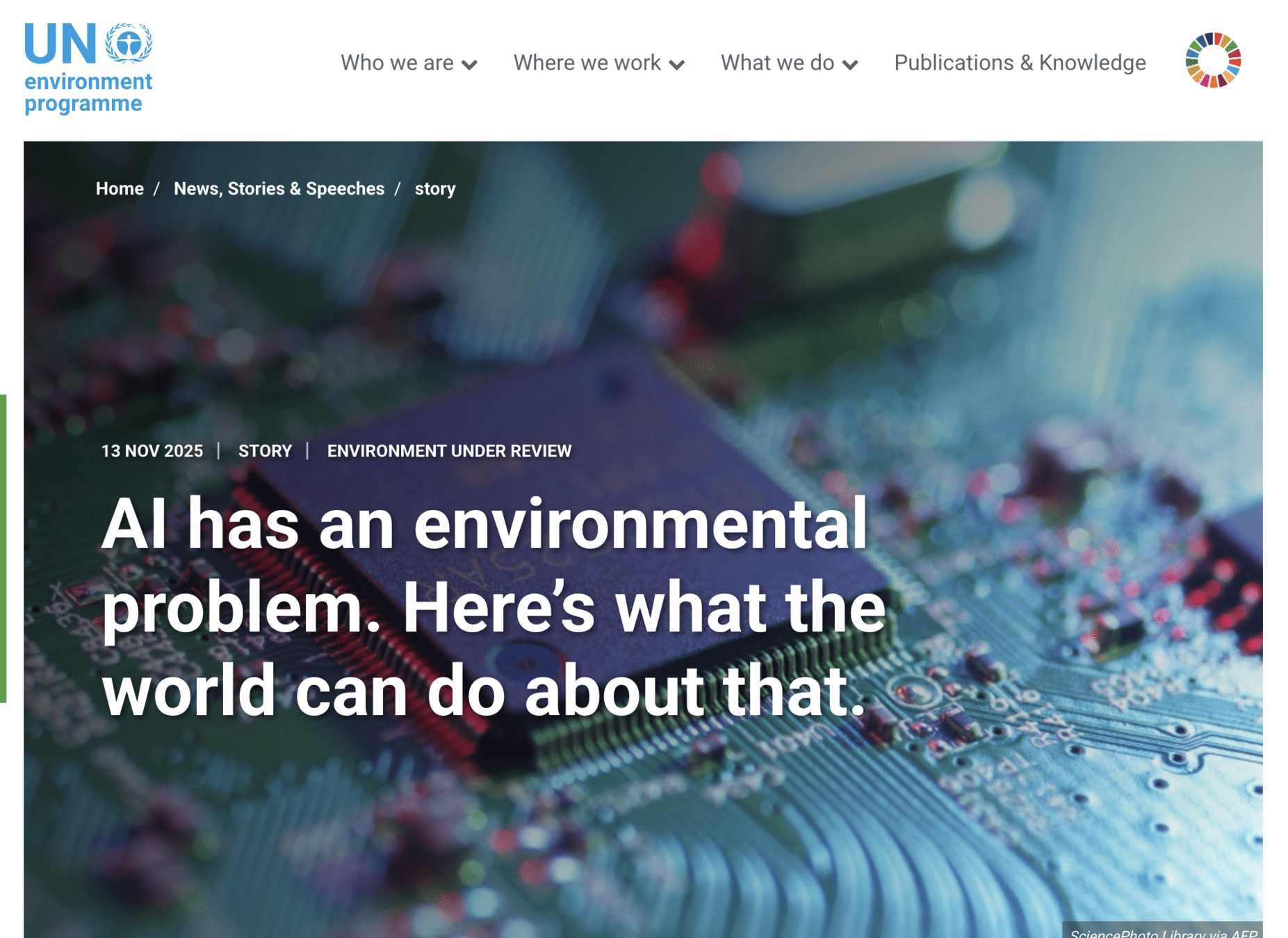
AI
ISN'T FREE
a 2 kg computer requires 800 kg of raw materials. As well, the microchips that power AI need rare earth elements, which are often mined in environmentally destructive ways.
data centres produce electronic waste, which often contains hazardous substances, like mercury and lead.
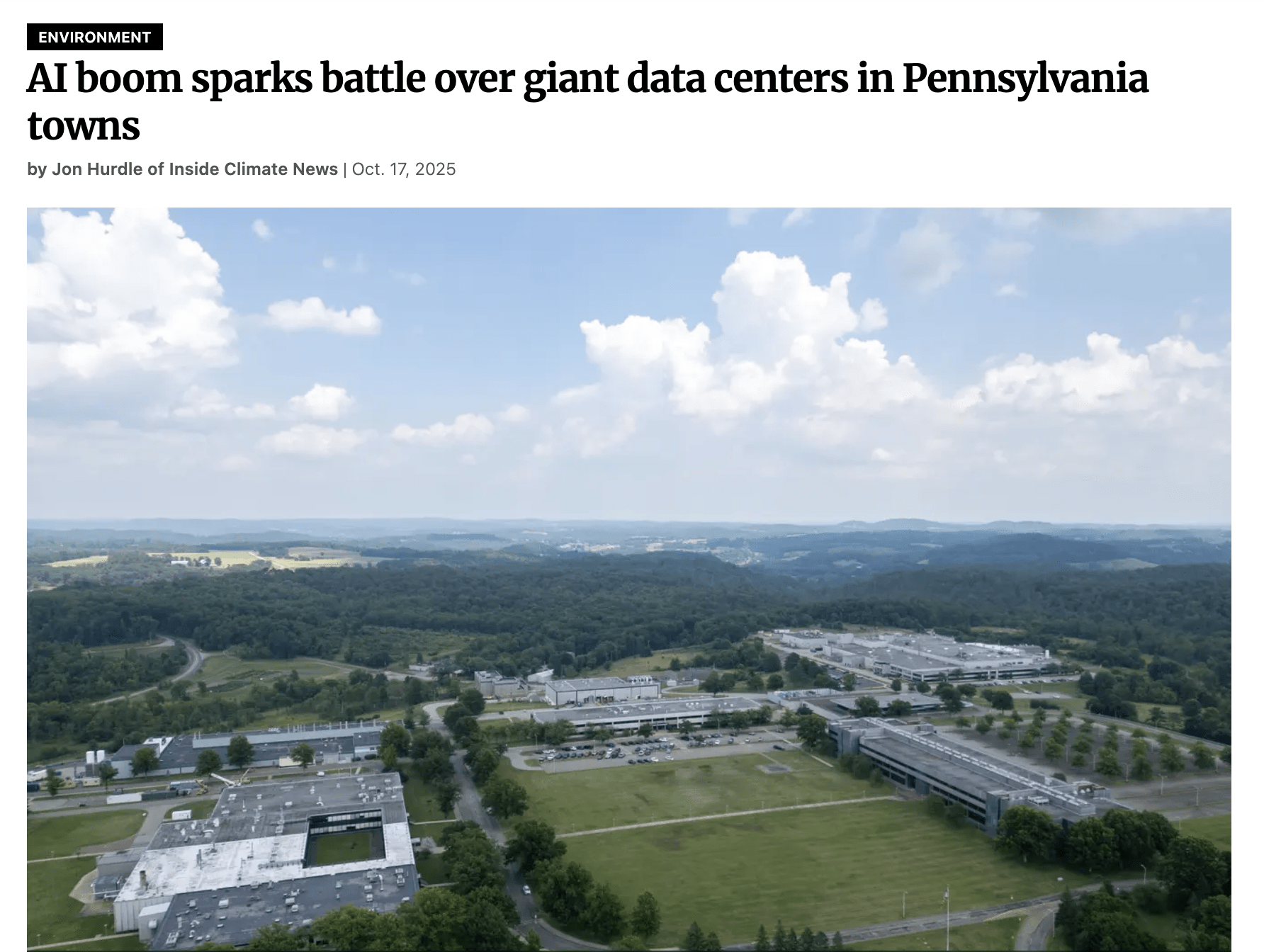
data centres use water during construction and, once operational, to cool electrical components. Globally, AI-related infrastructure may soon consume six times more water than Denmark, a country of 6 million when a quarter of humanity already lacks access to clean water and sanitation.
to power their complex electronics, data centres that host AI technology need a lot of energy, which in most places still comes from the burning of fossil fuels, producing planet-warming greenhouse gases.
Renee Good, 1/7/26, Minneapolis, MN
https://baptistnews.com/article/we-do-not-know-all-the-names/
Renee Good, 1/7/26, Minneapolis, MN
Parady La, 46, a Cambodian national, died on January 9 at the Federal Detention Center in Philadelphia
Luis Beltran Yanez-Cruz, 68, from Honduras, died on January 6 in Indio, Ca\
Luis Gustavo Nunez Caceres, 42, from Honduras, died on January 5 in Houston
Geraldo Lunas Campos, 55, a Cuban national, died on January 3 at Camp East Montana in Texas, where he was placed in isolation after becoming disruptive; his death is under investigation.
https://baptistnews.com/article/we-do-not-know-all-the-names/
832 days of Palestine genocide since October 7, 2023
1,418 days since the start of Russia’s full-scale invasion of Ukraine on February 24, 2022
over 100 days of FRC confirmed famine sincein August 2024. The crisis has since spread, with famine declared in Zamzam IDP camp (North Darfur), El Fasher (North Darfur) and Kadugli (South Kordofan), and at least 20 additional areas at risk.
more shopping options
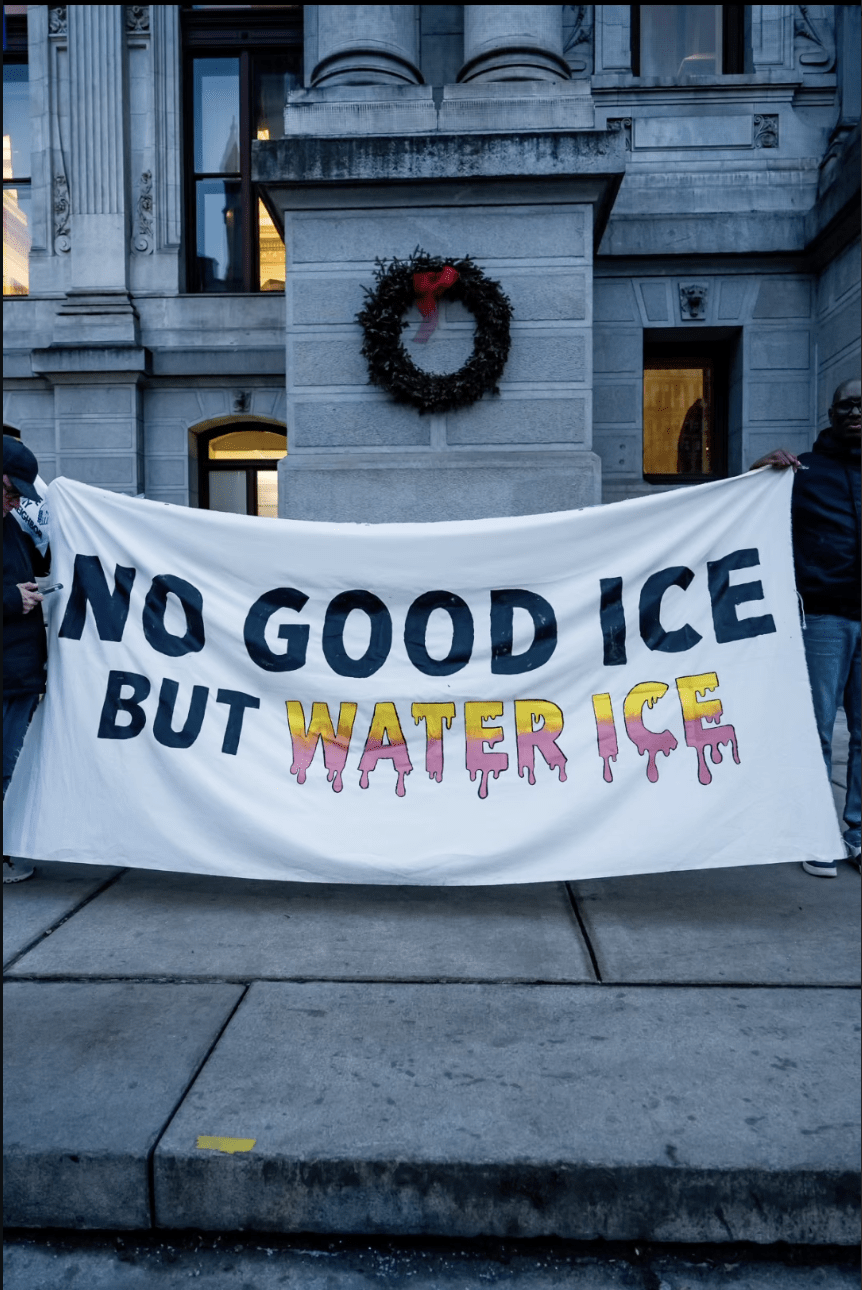
indivisiblephiladelphia.com
is a word I am borrowing from Margaret Atwood to describe the fact that the future is us.
However loathsome or loving we are, so will we be.
Whereas utopias are the stuff of dream dystopias are the stuff of nightmares, ustopias are what we create together when we are wide awake
US-TOPIA
thank you!
University of Delaware
Department of Physics and Astronomy
Biden School of Public Policy and Administration
Data Science Institute
federica bianco
By federica bianco