









federica bianco PRO
astro | data science | data for good
Vera C. Rubin Observatory |
University of Delaware
Department of Physics and Astronomy
Biden School of Public Policy and Administration
Data Science Institute
Rubin Legacy Survey of Space and Time
Deputy Project Scientist, Construction
Acting Head of Science, Operation
federica b. bianco
she/her
Site: Cerro Pachon, Chile
Funding: US NSF + DOE
Building an unprecedented catalog of Solar System Objects
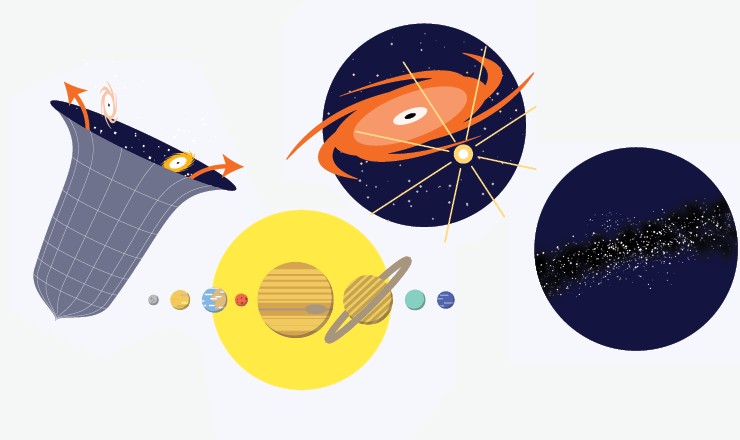
LSST Science Drivers
Building an unprecedented catalog of Solar System Objects
LSST Science Drivers
Mapping the Milky Way and Local Volume
Building an unprecedented catalog of Solar System Objects
LSST Science Drivers
Mapping the Milky Way and Local Volume
Probing Dark Energy and Dark Matter
Building an unprecedented catalog of Solar System Objects
LSST Science Drivers
Mapping the Milky Way and Local Volume
Probing Dark Energy and Dark Matter
Exploring the Transient Optical Sky
To accomplish this, we need:
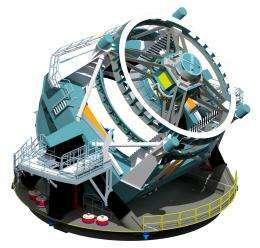
1) a large telescope mirror to be sensitive - 8m (6.7m)
2) a large field-of-view for sky-scanning speed - 10 deg2
3) high spatial resolution, high quality images - 0.2''/pixels
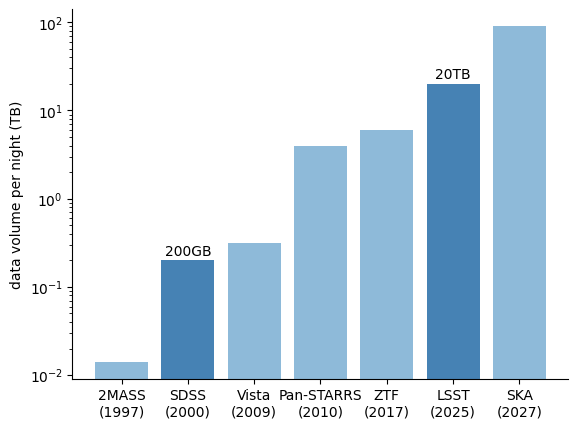
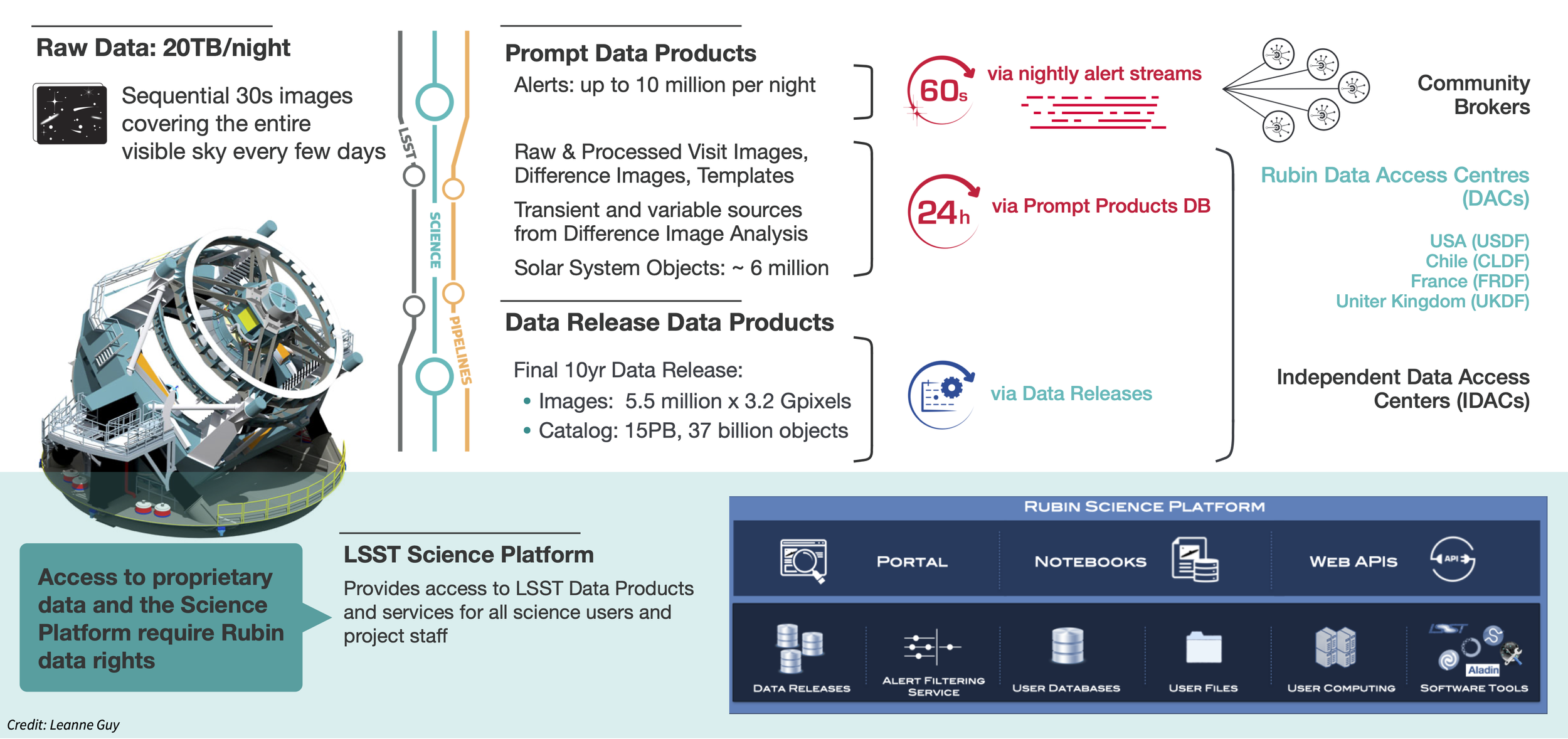
4) process images in realtime and offline to produce 20TB data every night, 70PB in 10 years
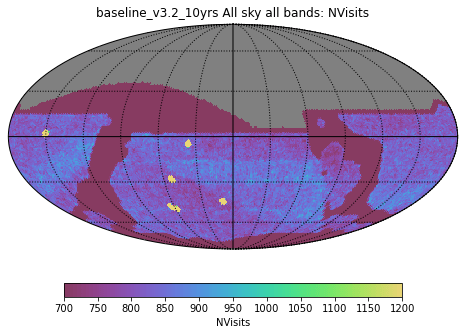
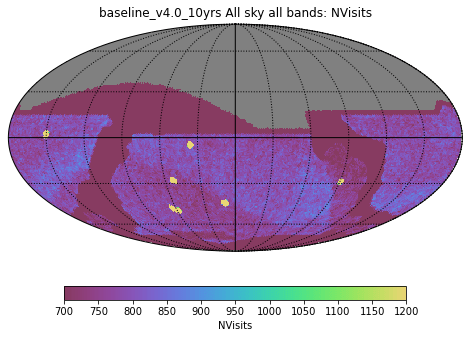
>=18000 sq degrees
~800 visits per field
2 visits per night (within ~30 min for asteroids)
+ 5x10sq deg Deep Drilling Fields with ~8000 visits
Objective: to provide a science-ready dataset to transform the 4 key science area
Rubin has involved the community to an unprecedented level in survey design this is a uniquely "democratic" process!
2024
2024
80,000
Current plan: rolling 8 out of the 10 years
3024 science raft amplifier channels
Camera and Cryostat integration completed at SLAC in May 2022,
Shutter and filter auto-changer integrated into camera body
LSSTCam undergoing final stages of testing at SLAC
678 separate images taken in just over seven hours of observing time. Trifid nebula (top right) and the Lagoon nebula, which are several thousand light-years away from Earth. | NSF-DOE Vera C. Rubin Observatory
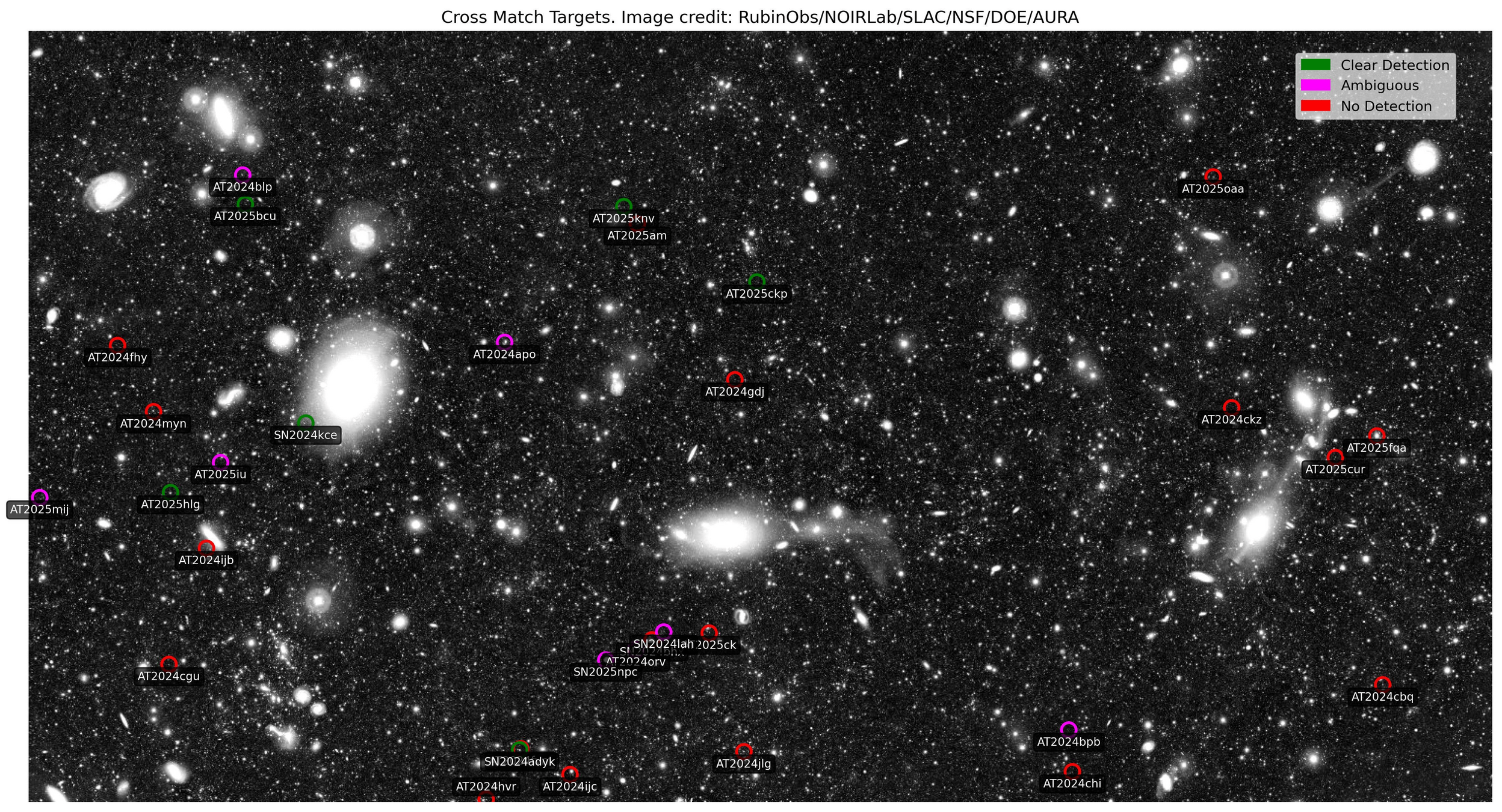
Virgo cluster. Visible are two prominent spiral galaxies (lower right), three merging galaxies (upper right), several groups of distant galaxies, many stars in the Milky Way galaxy and more.
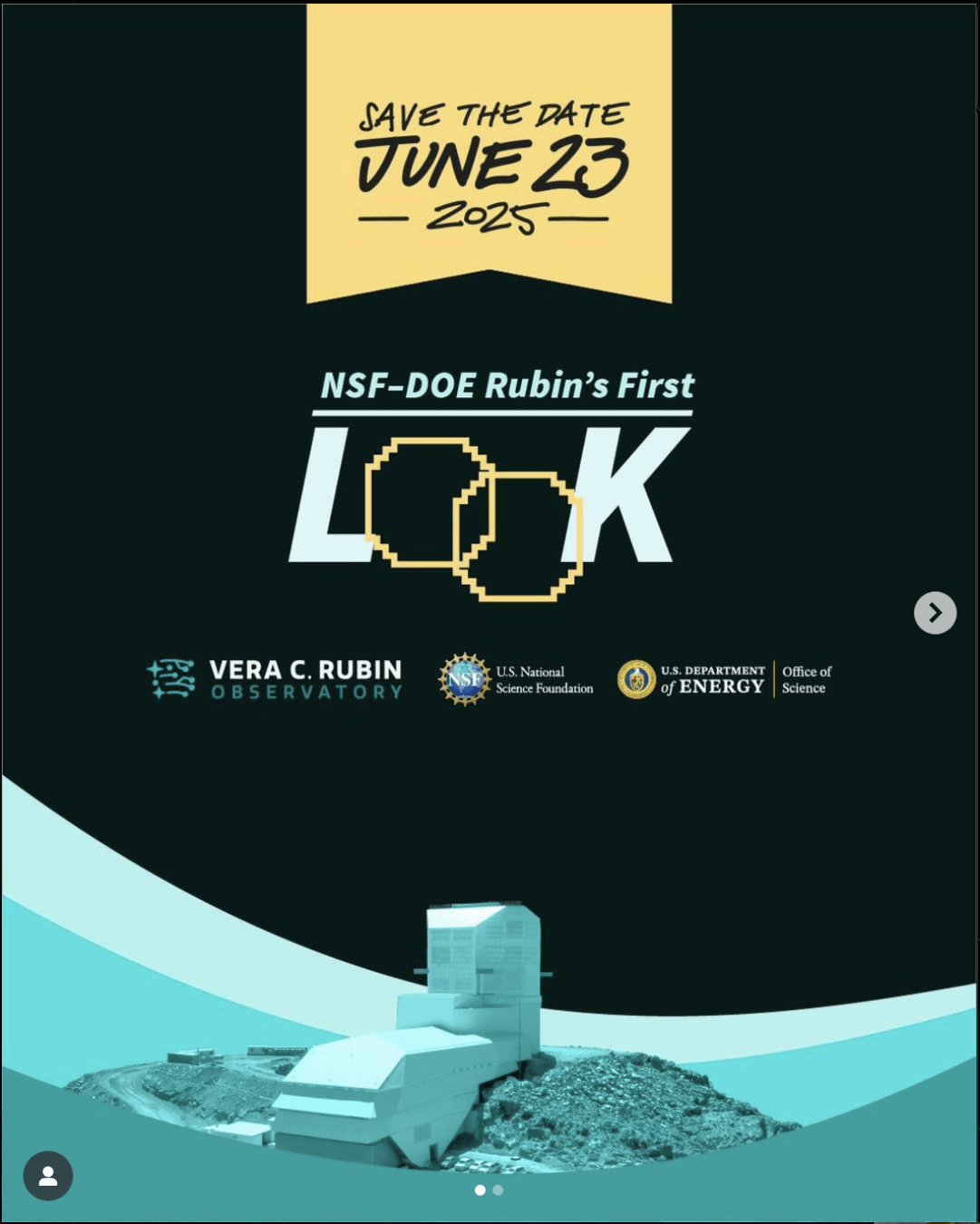
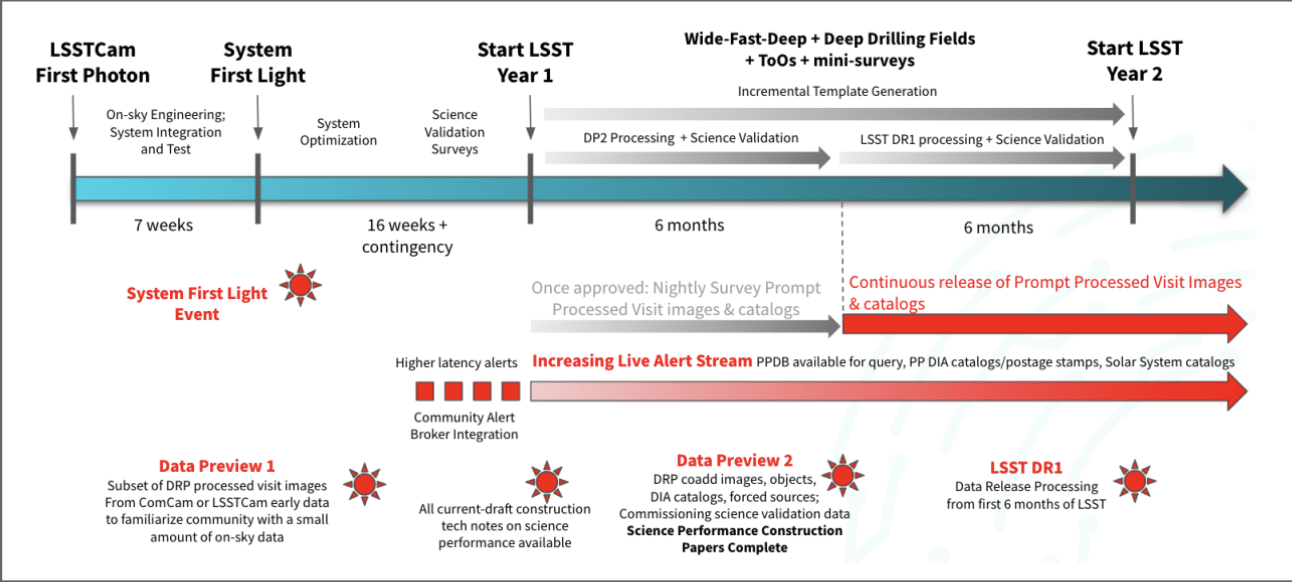
June 30, 2025
DP1 release!
First Look
Event
mid 2026
2025
edge computing
Will we get more data???
17B stars
20 B galaxies
more celestial objects than people on this ever increasingly overpopulated earth
Text
Proprietary data accessible through the Science Platform
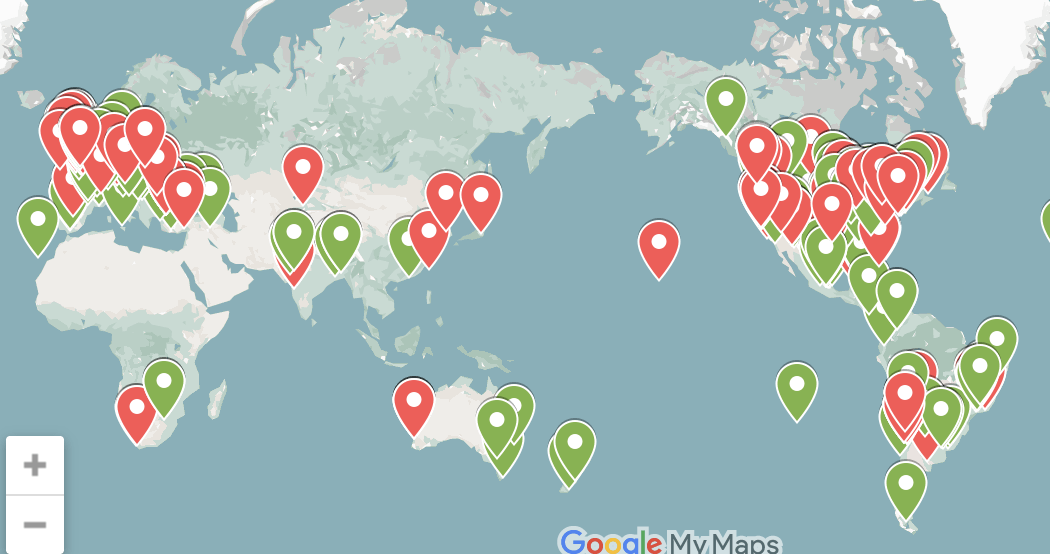
Data right holders: US scientists, Chilean scientists, selected scientists in UK and France
International communities that acquired data right throuhg "in kinds": software, telescope time (N-PIs + 4 team members)
described in ls.st/LDM-612
world public!
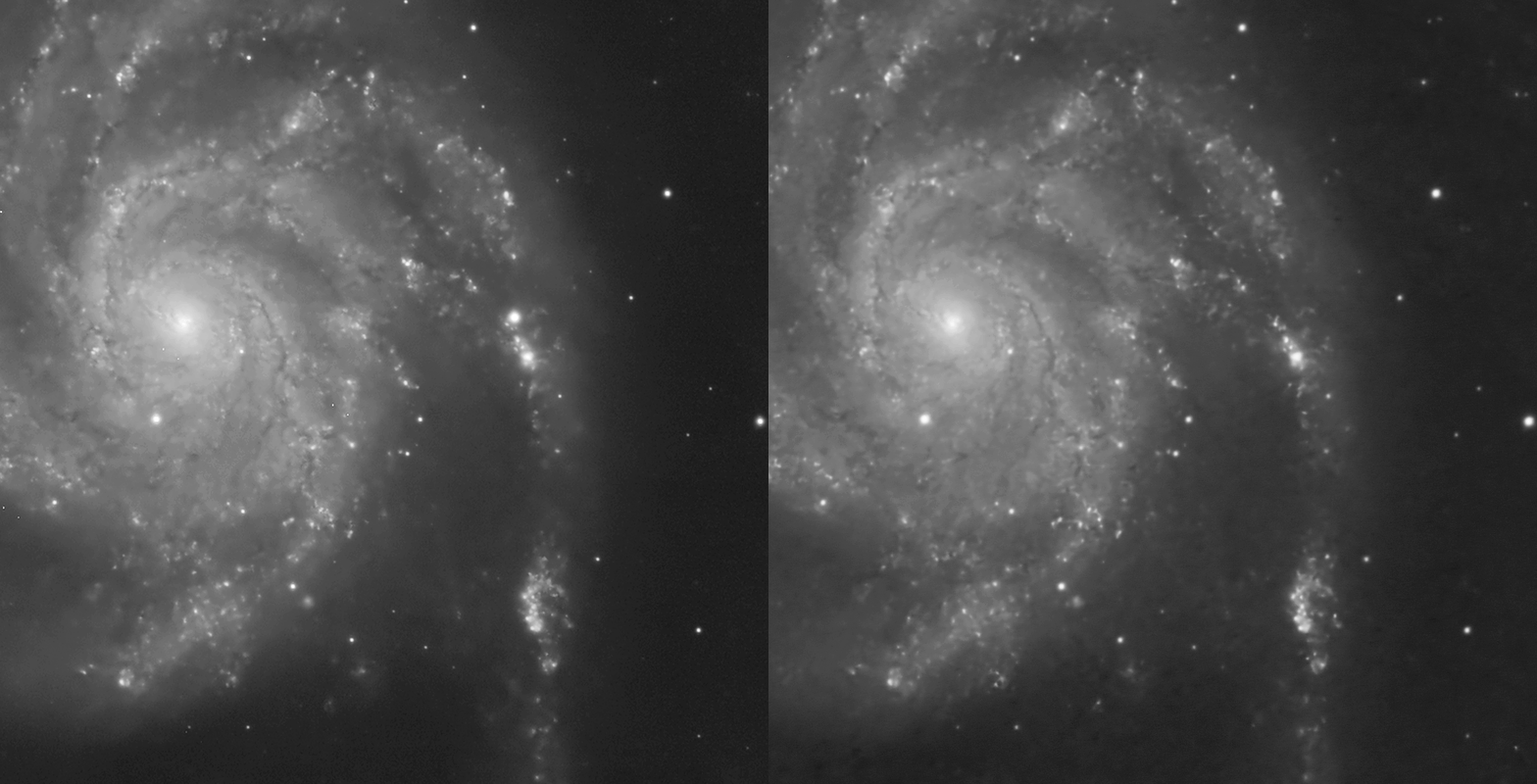
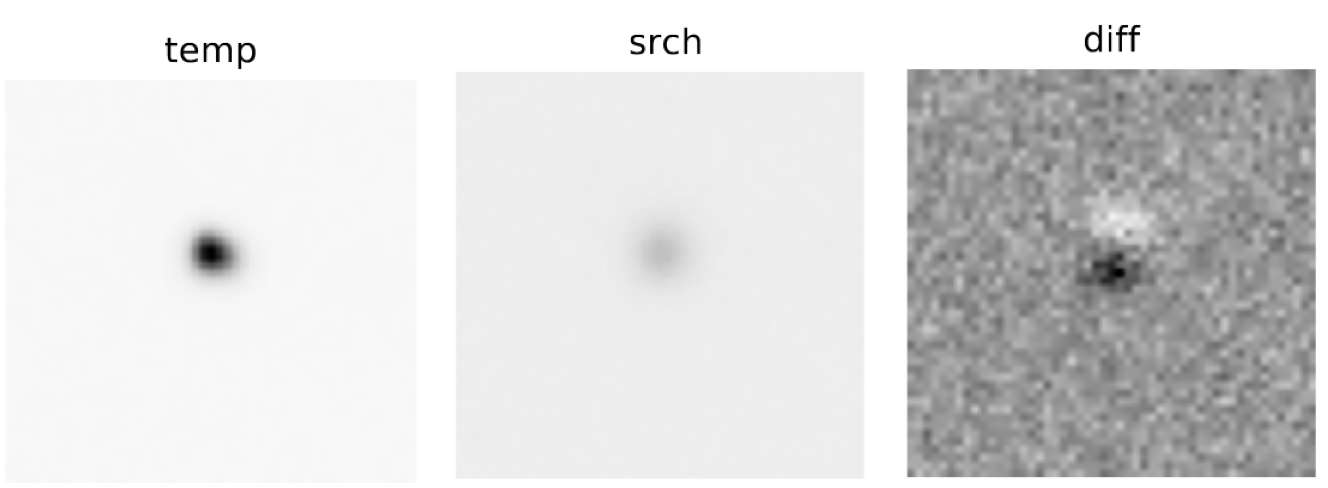
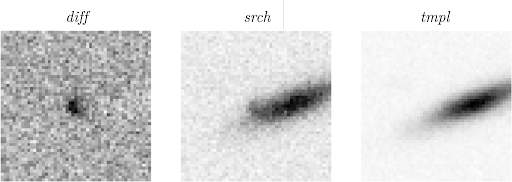
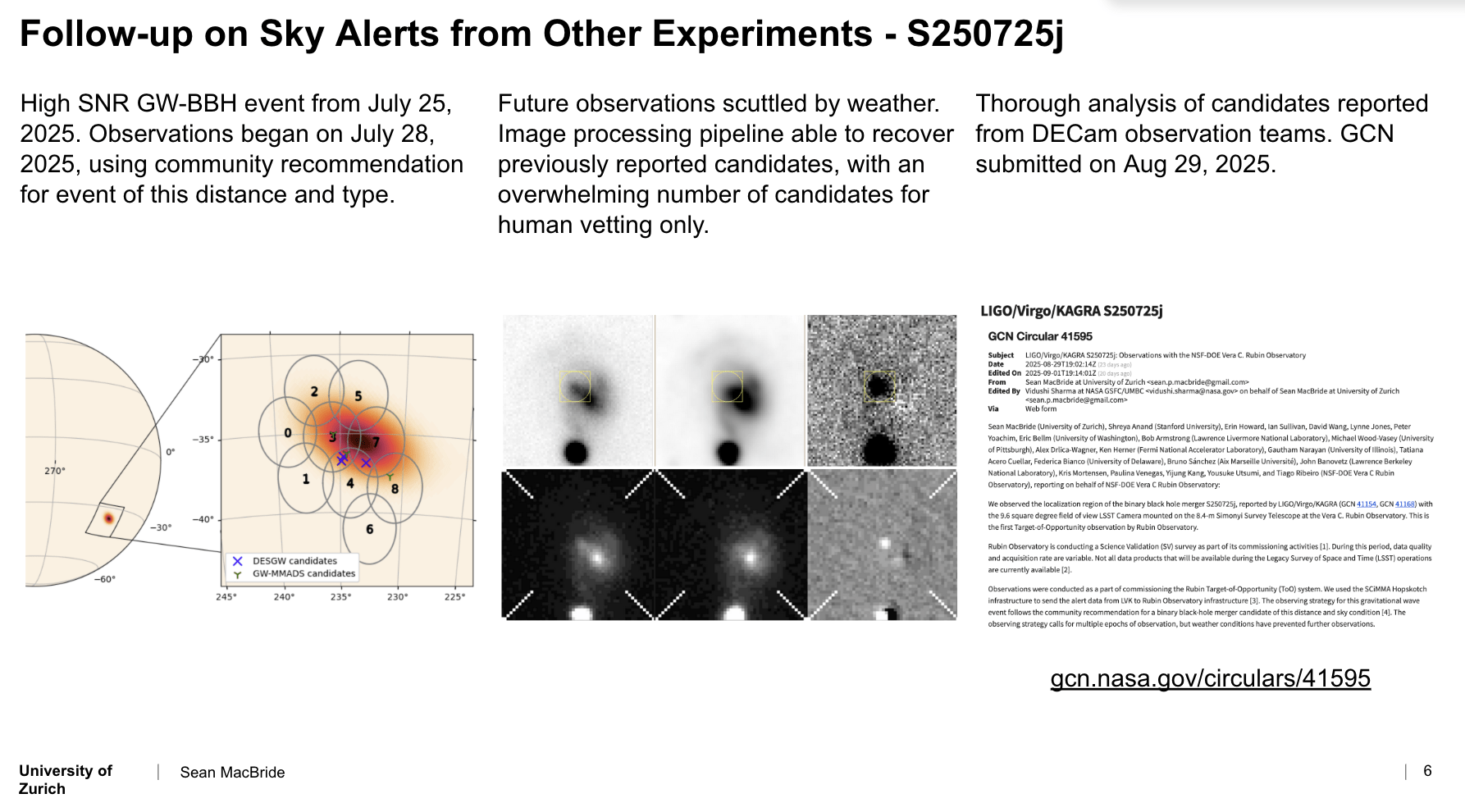
10M alerts per night!! anything that changed by >5σ from "how the sky usually looks"
in 60 seconds:
Difference Image Analysis
in 60 seconds:
Difference Image Analysis
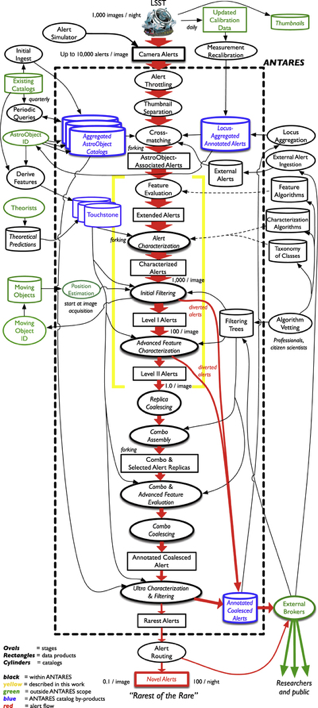
Discovery Engine
10M alerts/night
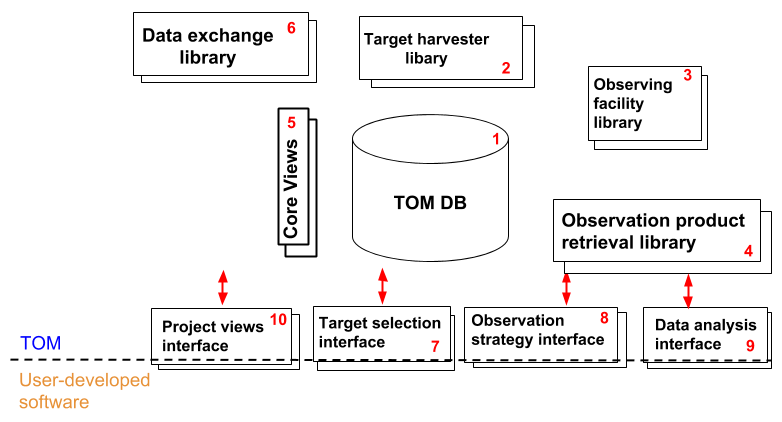
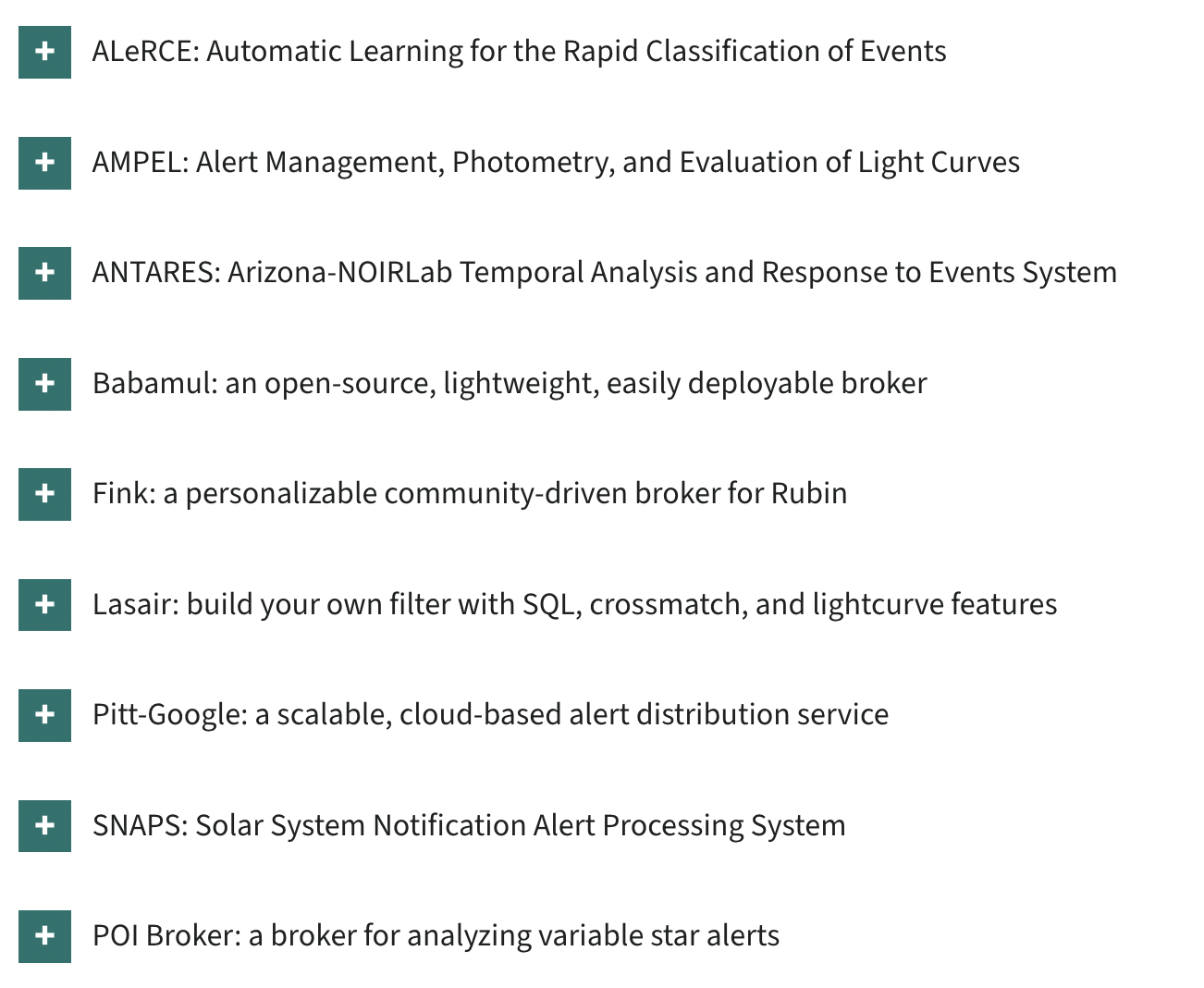
Community Brokers
target observation managers
BABAMUL
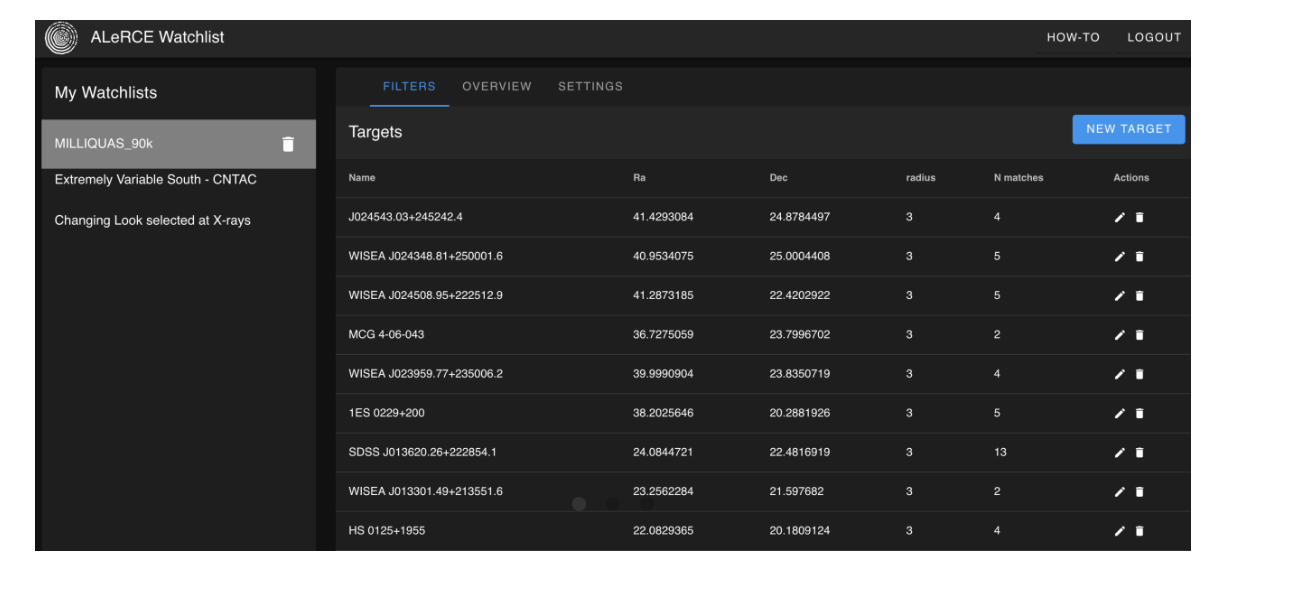
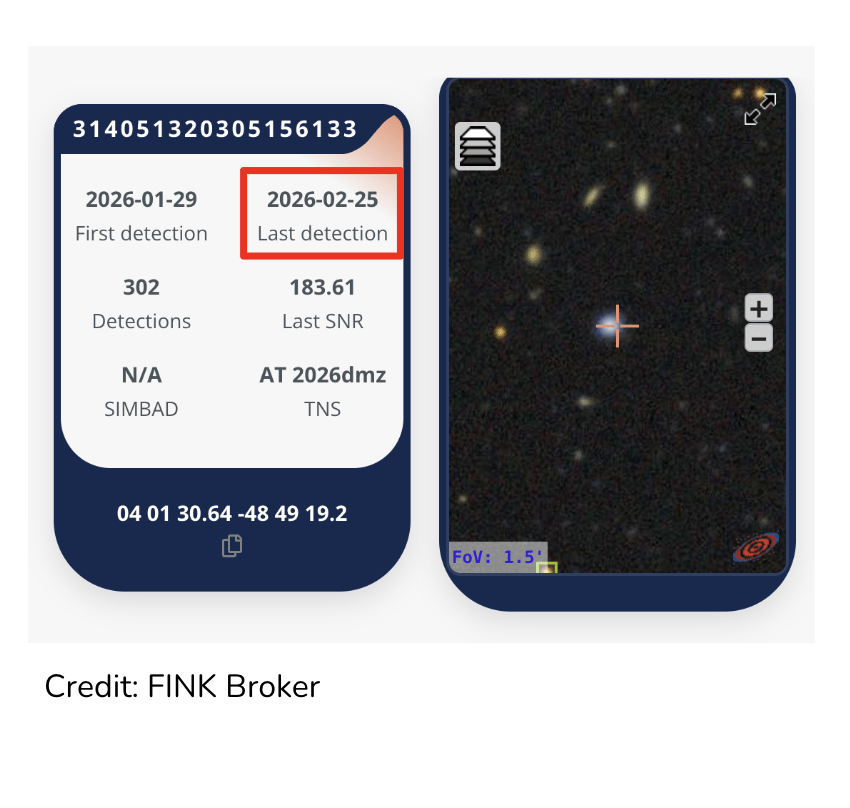
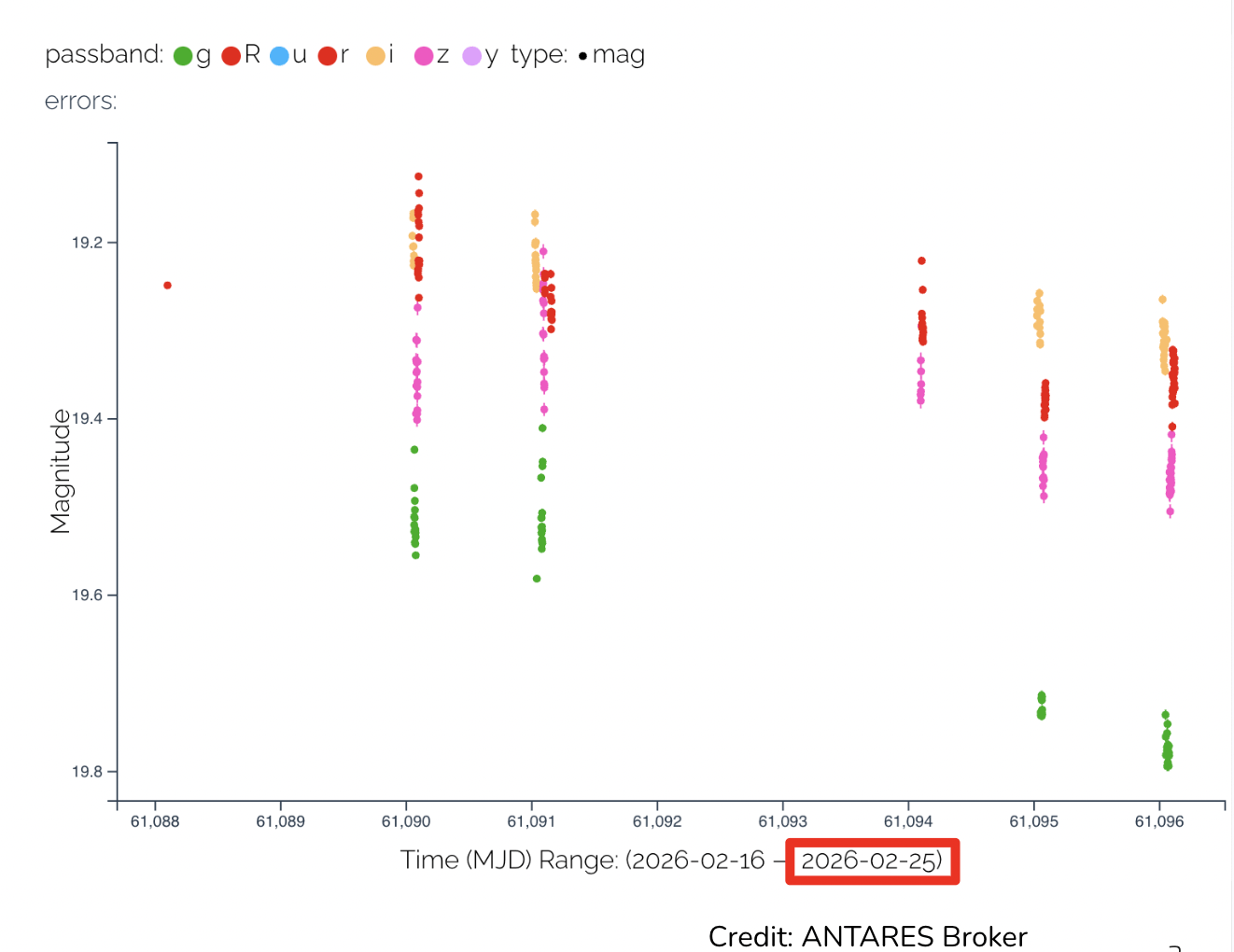
https://rubinobservatory.org/for-scientists/data-products/alerts-and-brokers
https://rubinobservatory.org/for-scientists/data-products/alerts-and-brokers
https://rubinobservatory.org/for-scientists/data-products/alerts-and-brokers
https://rubinobservatory.org/for-scientists/data-products/alerts-and-brokers
edge computing
17B stars (x10) Ivezic+19
~10 million QSO (x10) Mary Loli+21
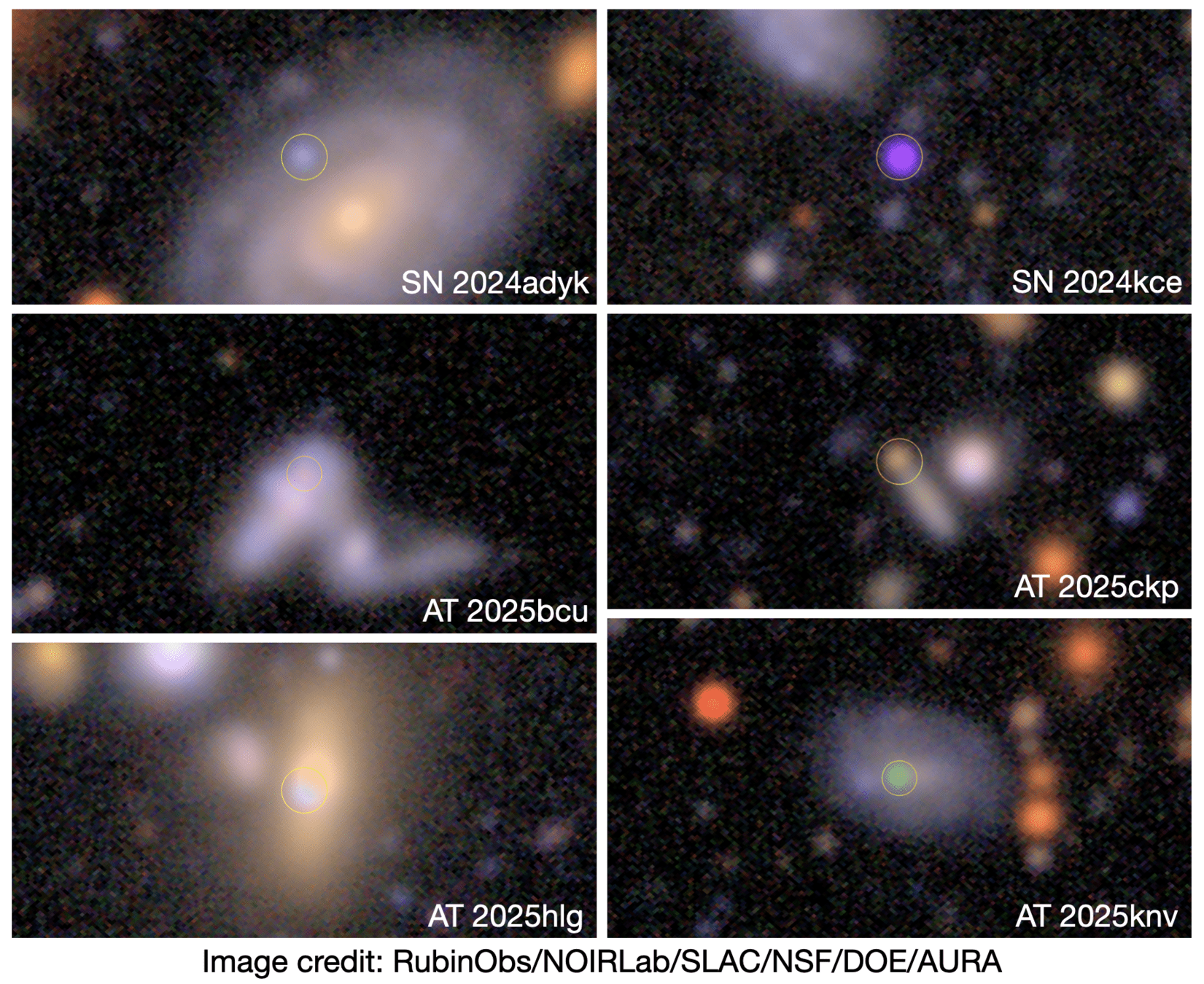
~50k Tidal Disruption Events (from ~150) Brickman+ 2020
~10k SuperLuminous Supernovae (from ~200)
~400 strongly lensed SN Ia (from 10) Ardense+24
~50 kilonovae (from 2) Setzer+19, Andreoni+19 (+ ToO)
> 10 Interstellar Objects fom 2.... ?)
17B stars (x10) Ivezic+19
~10 million QSO (x10) Mary Loli+21
~50k Tidal Disruption Events (from ~150) Brickman+ 2020
~10k SuperLuminous Supernovae (from ~200)
~400 strongly lensed SN Ia (from 10) Ardense+24
~50 kilonovae (from 2) Setzer+19, Andreoni+19 (+ ToO)
> 10 Interstellar Objects fom 2.... ?)
17B stars (x10) Ivezic+19
~10 million QSO (x10) Mary Loli+21
~50k Tidal Disruption Events (from ~150) Brickman+ 2020
~10k SuperLuminous Supernovae (from ~200) Villar+ 2018
~400 strongly lensed SN Ia (from 10) Ardense+24
~50 kilonovae (from 2) Setzer+19, Andreoni+19 (+ ToO)
> 10 Interstellar Objects fom 2.... ?)
17B stars (x10) Ivezic+19
~10 million QSO (x10) Mary Loli+21
~50k Tidal Disruption Events (from ~150) Brickman+ 2020
~10k SuperLuminous Supernovae (from ~200) Villar+ 2018
~400 strongly lensed SN Ia (from 10) Ardense+24
~50 kilonovae (from 2) Setzer+19, Andreoni+19 (+ ToO)
> 10 Interstellar Objects fom 2.... ?)
17B stars (x10) Ivezic+19
~10 million QSO (x10) Mary Loli+21
~50k Tidal Disruption Events (from ~150) Brickman+ 2020
~10k SuperLuminous Supernovae (from ~200) Villar+ 2018
~400 strongly lensed SN Ia (from 10) Ardense+24
~50 kilonovae (from 2) Setzer+19, Andreoni+19 (+ ToO)
> 10 Interstellar Objects fom 2.... ?)
SKA
(2025)
17B stars (x10) Ivezic+19
~10 million QSO (x10) Mary Loli+21
~50k Tidal Disruption Events (from ~150) Brickman+ 2020
~10k SuperLuminous Supernovae (from ~200) Villar+ 2018
~400 strongly lensed SN Ia (from 10) Ardense+24
~50 kilonovae (from 2) Setzer+19, Andreoni+19 (+ ToO)
> 10 Interstellar Objects fom 2.... ?)
True Novelties!
The LSST
Science Collaborations
The LSST
Science Collaborations
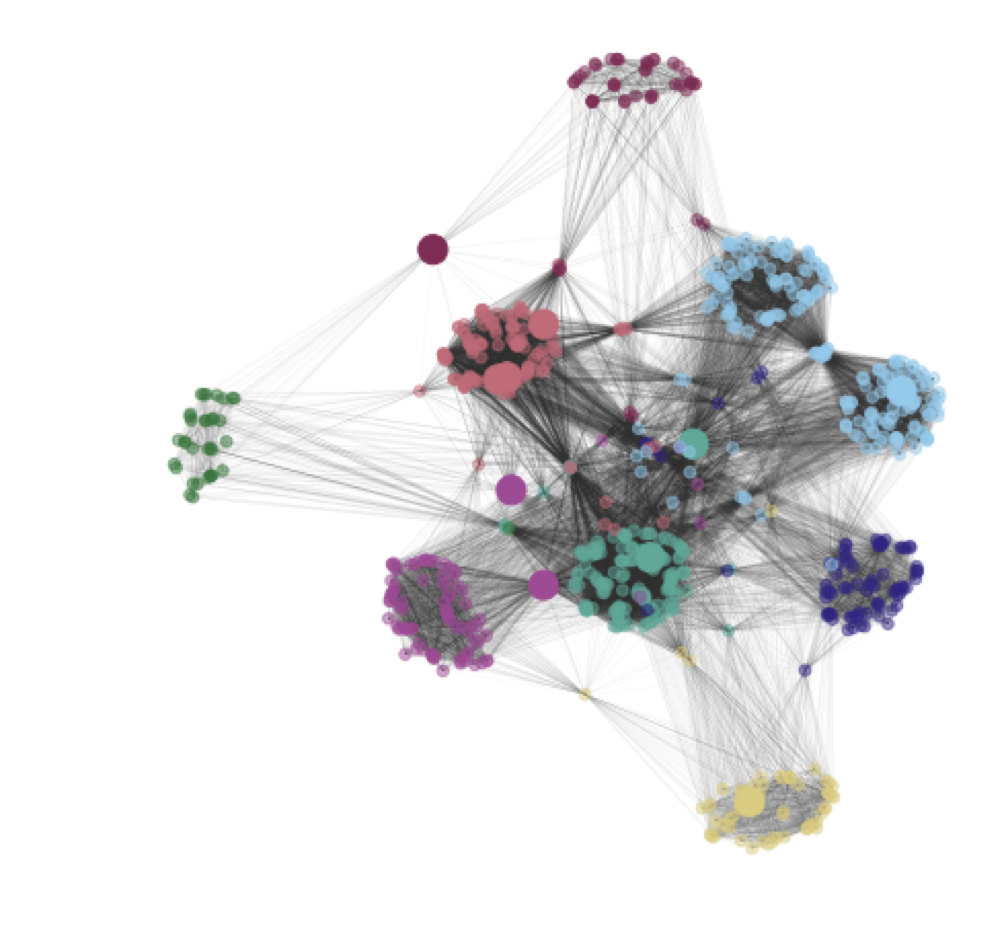
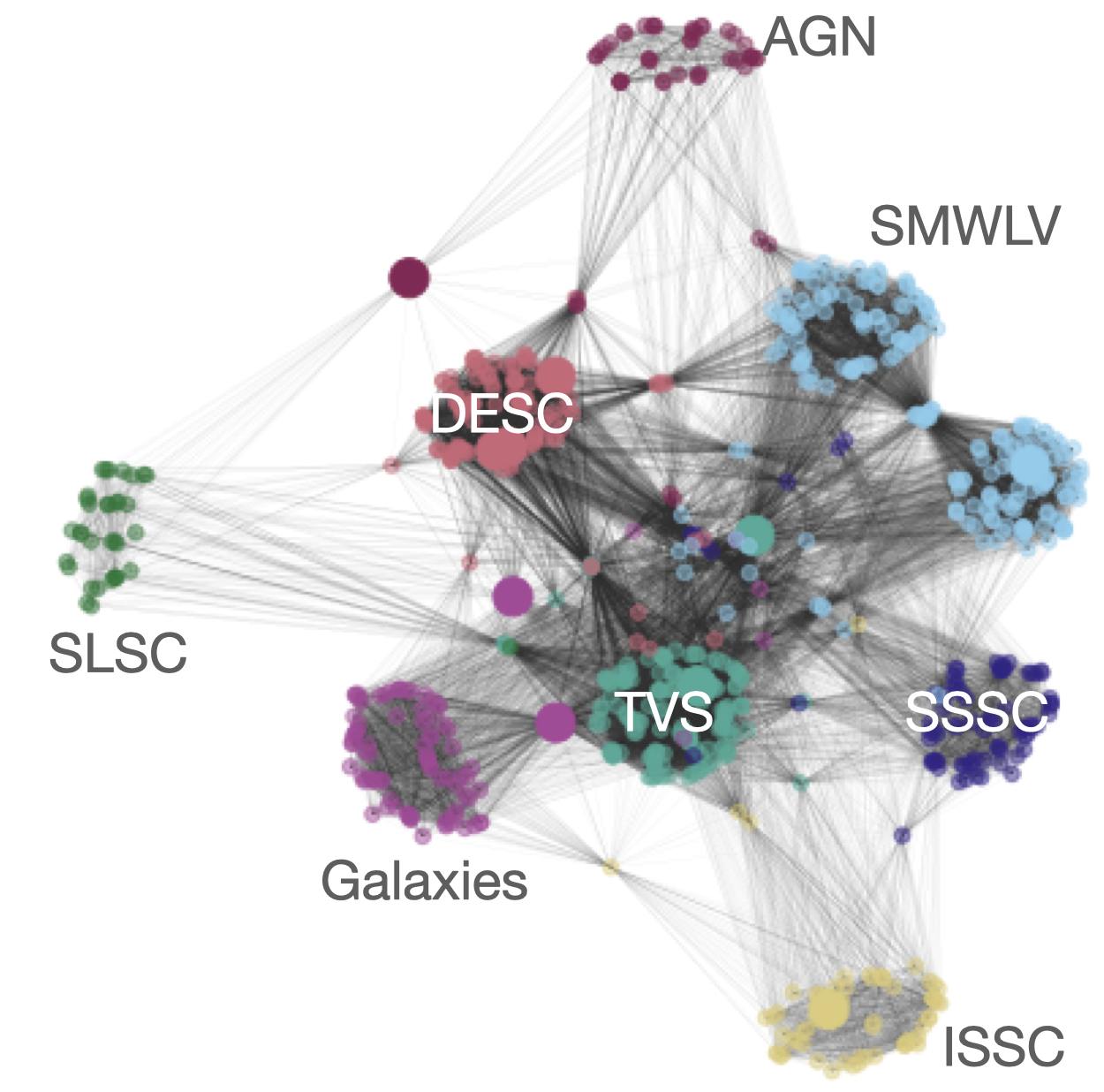
A community of practice funded on principles of Equity, Inclusivity, Cooperation
8 teams
>2000 members
>2500 affiliations
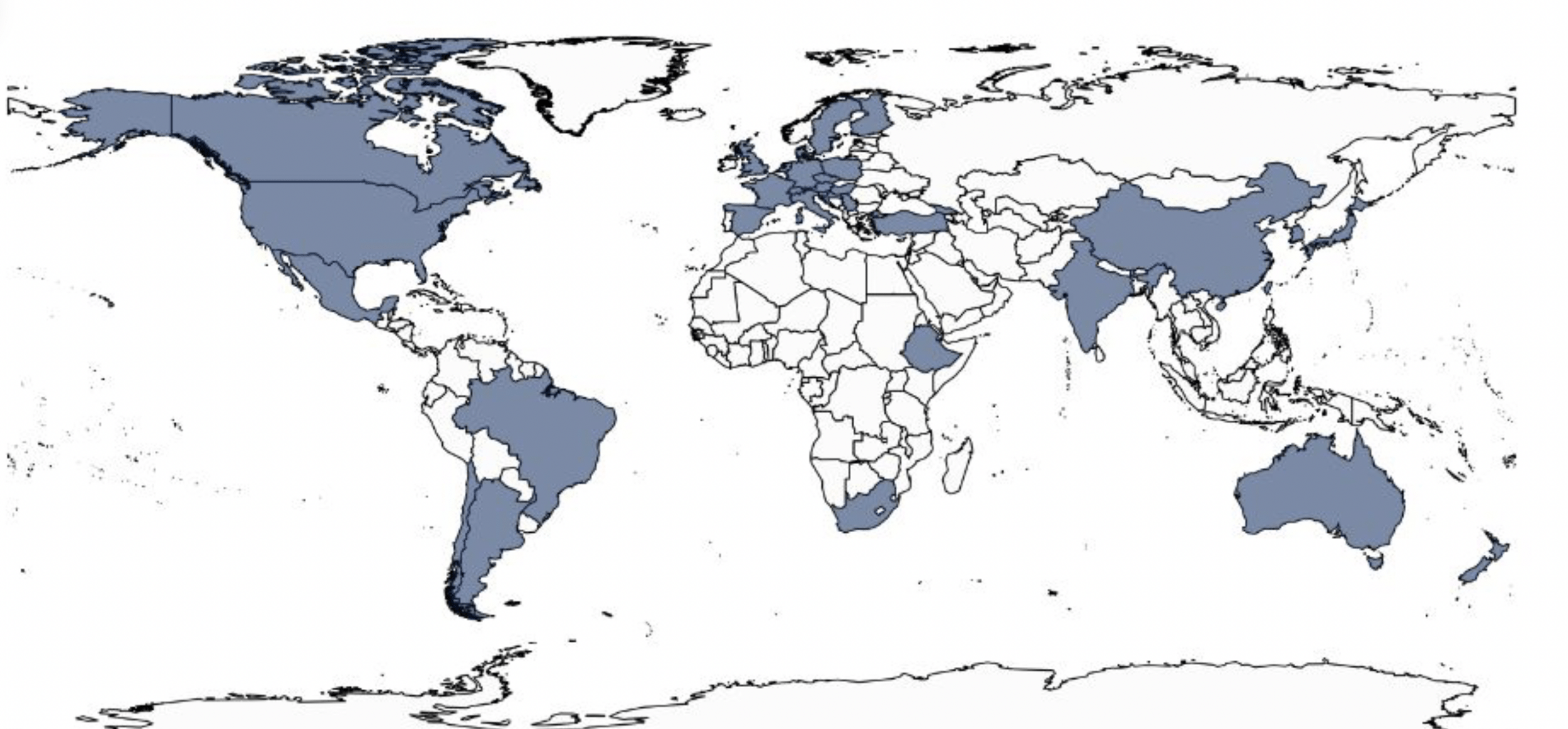
5 continents
An international community of practice built on principles of cooperation, equity, and solidarity
Text
https://lsst-tvssc.github.io/
Shar Daniels
NSF Graduate Student Fellow
University of Delaware
TVS Science Collaboration
Fast Transient Subgroup
University of Delaware
Department of Physics and Astronomy
Biden School of Public Policy and Administration
Data Science Institute
federica bianco
By federica bianco
Rubin LSST building a legacy