
Dynamic Resource Allocaton with Osh
Feruzjon Muyassarov
Software Engineer @Ericsson Software Technology
Dynamic Resource Allocation (DRA)
- DRA introduced a new way to request, allocate, and share accelerators (GPUs, FPGAs, NICs) across Pods declaratively.
- The Device Plugin model only counted devices. DRA lets workloads describe what they need, not just how many.
| K8S Version | DRA Status |
|---|---|
| v1.26 | Alpha |
| v1.31 | Major redesign |
| v1.32 | Beta |
| v1.34 | GA |
| v1.36 | New features |
But before DRA
Let's order some osh...
- You order osh, and you get a fixed combination: rice, meat, carrots, oil, spices.
- Maybe you can choose portion (0.7/1), but not fine-grained preferences.
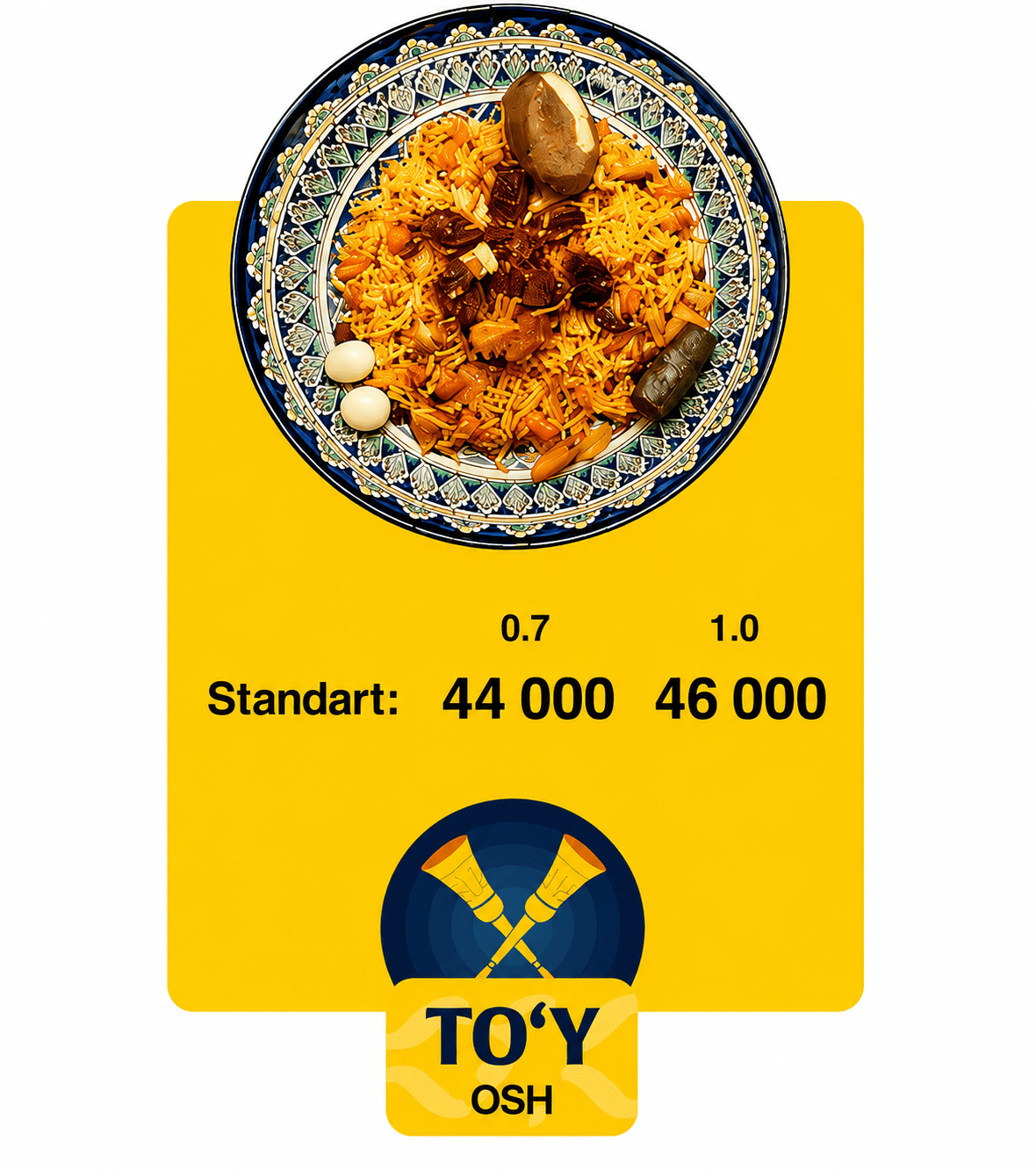
- You order osh, and you get a fixed combination: rice, meat, carrots, oil, spices.
- Maybe you can choose portion (0.7/1), but not fine-grained preferences.
Can we improvise?
- You order osh, and you get a fixed combination: rice, meat, carrots, oil, spices.
- Maybe you can choose portion (0.7/1), but not fine-grained preferences.
You still order osh, but now you can specify extras:
- Add eggs
- Include qazi
- More meat, less oil, etc.
Apart from ordering osh, you can now select the type of the osh that matches your preference
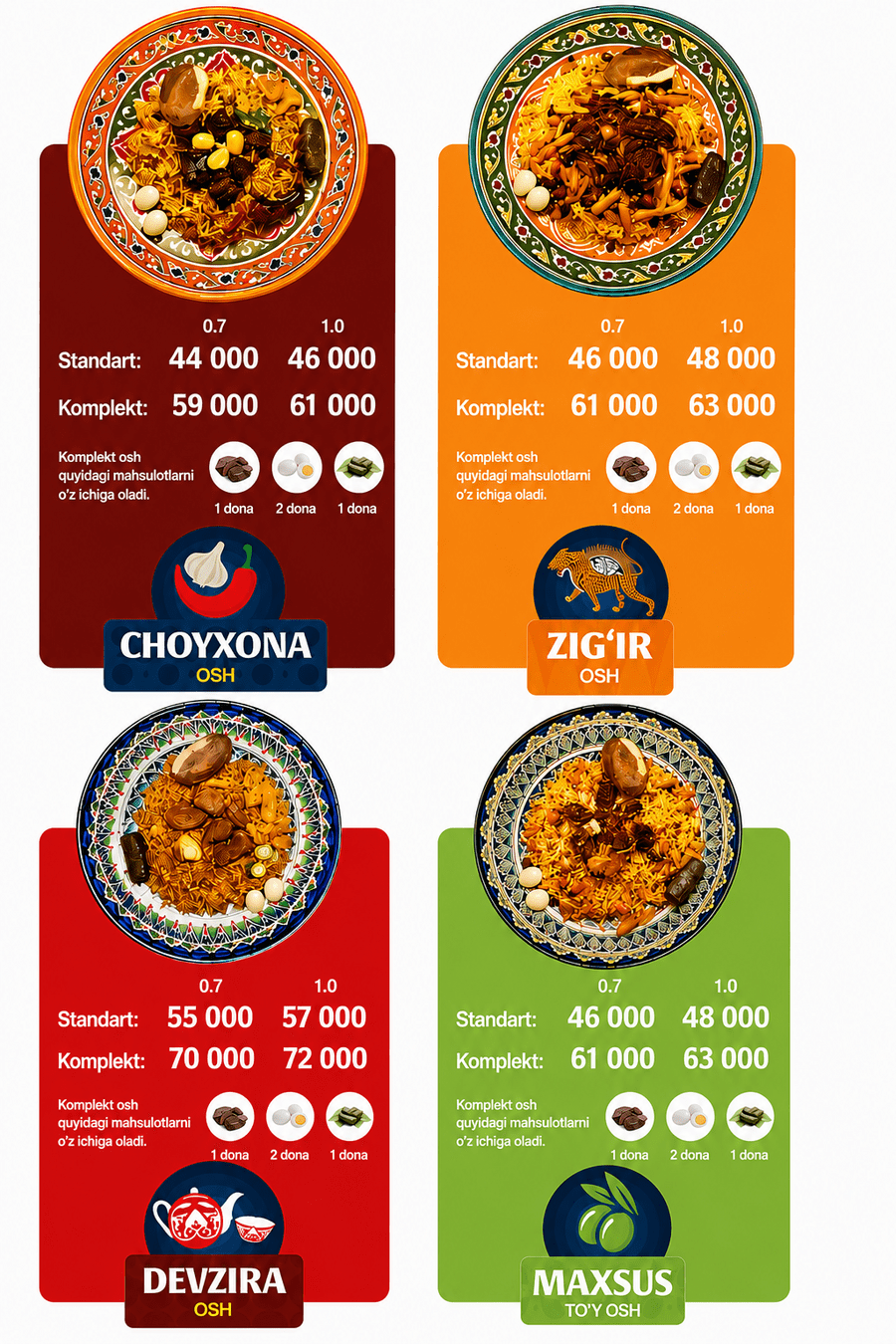
Let's order some accelerators...
Before
resources:
  limits:
    nvidia.com/gpu: 1
  requests:
    nvidia.com/gpu: 1
Device plugins model ...
You ask for: nvidia.com/gpu: 1
You could not say:
- with xyz capabilities
- prepared in this way
Before
resources:
  limits:
    nvidia.com/gpu: 1
  requests:
    nvidia.com/gpu: 1
Device plugins model ...
You ask for: nvidia.com/gpu: 1
You could not say:
- with xyz capabilities
- prepared in this way
requests:
  - name: gpu
    deviceClassName: gpu
    selectors:
      - cel:
          expression: |
            device.model == "A100" &&
            device.memory >= quantity("40Gi")
After
DRA model...
Describe what you actually need...
You can ask for:
- nvidia.com/gpu: 1
- product ID: A100-SXM4-40GB
- memory: 40 GB
Driver developer
Cluster admin
Application Developer/DevOps
Roles
Driver developer
Cluster admin
Application Developer/DevOps
Roles
.. is someone who understands how a piece of hardware works, basically knows writing the software that lets to control and allocate that hardware.
Driver developer
Cluster admin
Application Developer/DevOps
Roles
.. is someone who understands how a piece of hardware works, basically knows writing the software that lets to control and allocate that hardware.
Decides:
- what attributes of the hardware to expose to DRA
- what interfaces to implement to configure the node resources on the fly
Driver developer
Cluster admin
App developer/DevOps
Roles
.. is someone who understands how a piece of hardware works, basically knows writing the software that lets to control and allocate that hardware.
Driver developer
Cluster admin
App developer/DevOps
Roles
.. is someone who knows the application needs and defines resource requirements for the their application
Let's play those roles.
Let's play those roles.
We’re not writing the driver today :)
- Install a driver
Cluster admin
helm install dra-driver-cpu...helm install dra-driver-cpu...kubectl get resourceSlices
NAME NODE DRIVER POOL AGE
kind-control-plane-dra.cpu-9q2ls kind-control-plane dra.cpu kind-control-plane 20hCluster admin
- Install a driver
- Analyze the resource(s)
- Install a driver
kubectl get resourceSlices
NAME                                         NODE                 DRIVER              POOL                 AGE
kind-control-plane-dra.cpu-9q2ls             kind-control-plane   dra.cpu             kind-control-plane   20h
Cluster admin
helm install dra-driver-cpu...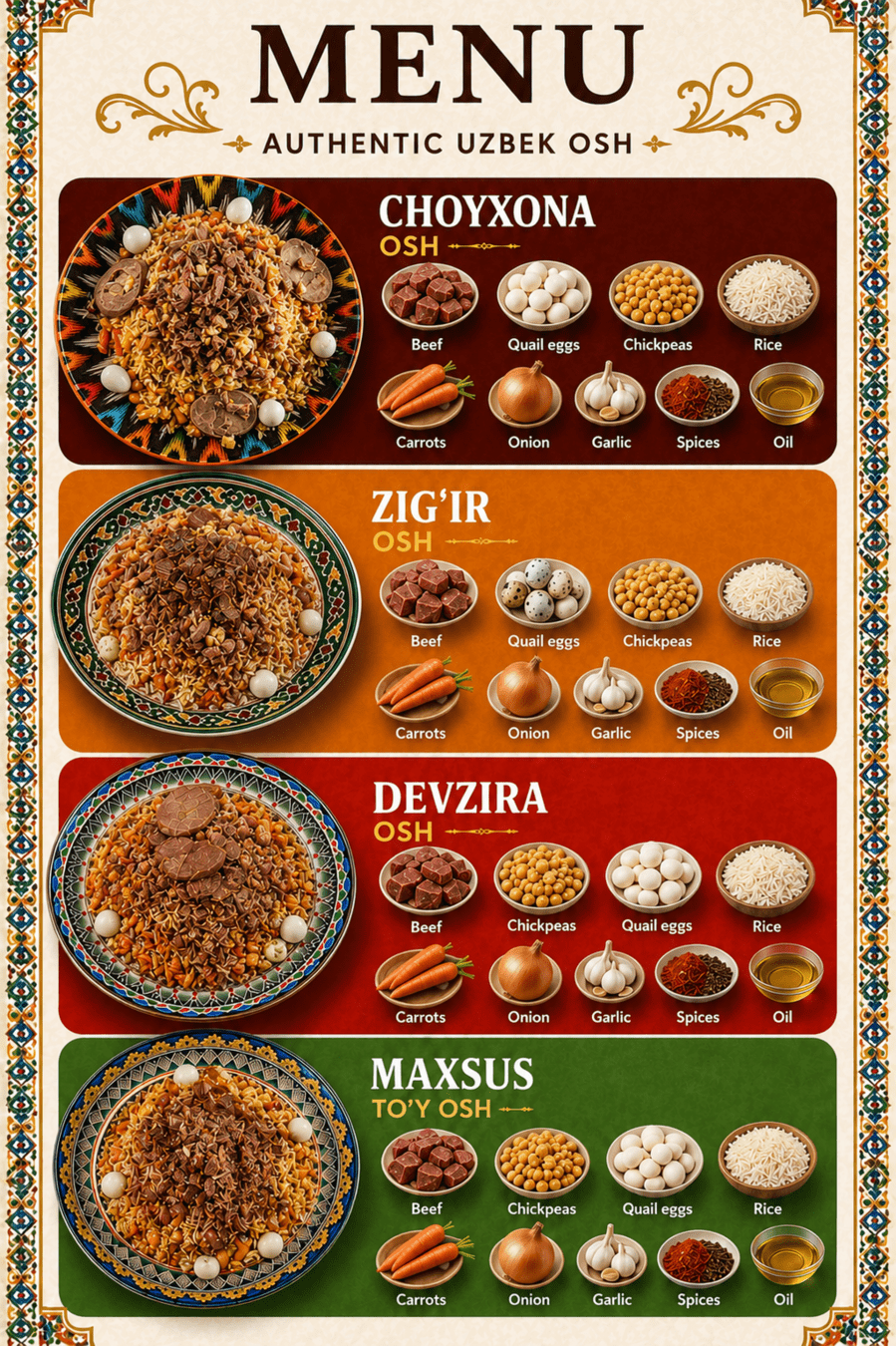
- Install a driver
- Analyze the resource(s)
kubectl get resourceSlices
NAME                                         NODE                 DRIVER              POOL                 AGE
kind-control-plane-dra.cpu-9q2ls             kind-control-plane   dra.cpu             kind-control-plane   20h
Cluster admin
helm install dra-driver-cpu...ingredients == attributes
- GPU xyz
- 40 Gb mem
- 3024 cores
- Beef 1 kg
- Rice 2 kg
- Carrot 1 kg
- Analyze the resource(s)
- Install a driver


ResourceSlices (menu)

attributes:
cpuId: 0
socketID: 0
numaNodeID: 1
smtEnabled: false
FreqMHz: 3200
threadCount: 8
attributes:
cpuId: 1
socketID: 0
numaNodeID: 0
smtEnabled: true
FreqMHz: 2800
threadCount: 8
attributes:
cpuId: 1
socketID: 0
numaNodeID: 1
smtEnabled: false
FreqMHz: 3500
threadCount: 8
admin
reads
ResourceSlices (menu)
attributes:
cpuId: 0
socketID: 0
numaNodeID: 1
smtEnabled: false
FreqMHz: 3200
threadCount: 8
attributes:
cpuId: 1
socketID: 0
numaNodeID: 0
smtEnabled: true
FreqMHz: 2800
threadCount: 8
attributes:
cpuId: 1
socketID: 0
numaNodeID: 1
smtEnabled: false
FreqMHz: 3500
threadCount: 8
high
performance
- server a
- server b
- server c
general
purpose
- server g
- server f
ARM
- server a
- server b
- server f
Intel
- server g
- server h
- server c
DeviceClasses (categorization)
admin
reads
creates
high
performance
- server a
- server b
- server c
general
purpose
- server g
- server f
ARM
- server a
- server b
- server f
Intel
- server g
- server h
- server c
DeviceClasses (categorization)
 apiVersion: resource.k8s.io/v1
 kind: DeviceClass
 metadata:
   name: high-performance
 spec:
   selectors:
     - cel:
         expression: >
           device.driver == 'intel.com' &&
           device.attributes["intel.com/family"].string == "Xeon" &&
           device.attributes["intel.com/cores"].int >= 32 &&
           device.attributes["intel.com/memoryGB"].int >= 256 &&
           device.attributes["intel.com/turboBoost"].bool == true
1. Devices are attached to the Nodes
2. Device driver is installed
3. ResourceSlices and DeviceClasses are created
Recap
...it is time for the DevOps to claim
resources
- creates ResourceClaims (resources that a workload needs) and attaches to the workload (Pod)
DevOps/app dev
ResourceClaim == Can I have a choyxona osh with double meet and less oil
- creates ResourceClaims (resources that a workload needs) and attaches to the workload (Pod)
DevOps/app dev
apiVersion: resource.k8s.io/v1
kind: ResourceClaim
metadata:
  name: xeon-prioritized-claim
  namespace: default
spec:
  devices:
    requests:
      - name: cpu
        firstAvailable:
          # First choice: 5th gen Xeon, 64+ cores, AMX, high memory
          - name: xeon-gen5-large
            deviceClassName: high-performance
            count: 4
            selectors:
              - cel:
                  expression: |-
                    device.attributes["cpu.intel.com"].family == "Xeon" &&
                    device.attributes["cpu.intel.com"].generation >= 5 &&
                    device.attributes["cpu.intel.com"].cores >= 64 &&
                    device.attributes["cpu.intel.com"].memoryGB >= 512
          # Second choice: 4th gen Xeon, relaxed core/memory requirements
          - name: xeon-gen4-medium
            deviceClassName: high-performance
            count: 6
            selectors:
              - cel:
                  expression: |-
                    device.attributes["cpu.intel.com"].family == "Xeon" &&
                    device.attributes["cpu.intel.com"].generation >= 4 &&
                    device.attributes["cpu.intel.com"].cores >= 32 &&
                    device.attributes["cpu.intel.com"].memoryGB >= 256
ResourceClaim == Can I have a choyxona osh with double meet and less oil
- creates ResourceClaims (resources that a workload needs) and attaches to the workload (Pod)
DevOps/app dev
apiVersion: resource.k8s.io/v1
kind: ResourceClaimTemplate
metadata:
  name: xeon-prioritized-claim-template
  namespace: default
spec:
  spec:
    devices:
      requests:
        - name: cpu
          firstAvailable:
            # First choice: 5th gen Xeon, 64+ cores, AMX, high memory
            - name: xeon-gen5-large
              deviceClassName: high-performance
              count: 1
              selectors:
                - cel:
                    expression: |-
                      device.attributes["cpu.intel.com"].family == "Xeon" &&
                      device.attributes["cpu.intel.com"].generation >= 5 &&
                      device.attributes["cpu.intel.com"].cores >= 64 &&
                      device.attributes["cpu.intel.com"].memoryGB >= 512
            # Second choice: 4th gen Xeon, relaxed core/memory requirements
            - name: xeon-gen4-medium
              deviceClassName: high-performance
              count: 1
              selectors:
                - cel:
                    expression: |-
                      device.attributes["cpu.intel.com"].family == "Xeon" &&
                      device.attributes["cpu.intel.com"].generation >= 4 &&
                      device.attributes["cpu.intel.com"].cores >= 32 &&
                      device.attributes["cpu.intel.com"].memoryGB >= 256
ResourceClaim == Can I have a choyxona osh with double meet and less oil
DevOps/app dev
apiVersion: resource.k8s.io/v1
kind: ResourceClaim
metadata:
  name: xeon-prioritized-claim
  namespace: default
spec:
  devices:
    requests:
      - name: cpu
        firstAvailable:
          # First choice: 5th gen Xeon, 64+ cores, AMX, high memory
          - name: xeon-gen5-large
            deviceClassName: high-performance
            count: 4
            selectors:
              - cel:
                  expression: |-
                    device.attributes["cpu.intel.com"].family == "Xeon" &&
                    device.attributes["cpu.intel.com"].generation >= 5 &&
                    device.attributes["cpu.intel.com"].cores >= 64 &&
                    device.attributes["cpu.intel.com"].memoryGB >= 512
          # Second choice: 4th gen Xeon, relaxed core/memory requirements
          - name: xeon-gen4-medium
            deviceClassName: high-performance
            count: 6
            selectors:
              - cel:
                  expression: |-
                    device.attributes["cpu.intel.com"].family == "Xeon" &&
                    device.attributes["cpu.intel.com"].generation >= 4 &&
                    device.attributes["cpu.intel.com"].cores >= 32 &&
device.attributes["cpu.intel.com"].memoryGB >= 256- creates ResourceClaims (resources that a workload needs) and attaches to the workload (Pod)
ResourceClaim == Can I have a choyxona osh with double meet and less oil
DevOps/app dev
apiVersion: resource.k8s.io/v1
kind: ResourceClaimTemplate
metadata:
  name: xeon-prioritized-claim-template
  namespace: default
spec:
  spec:
    devices:
      requests:
        - name: cpu
          firstAvailable:
            # First choice: 5th gen Xeon, 64+ cores, AMX, high memory
            - name: xeon-gen5-large
              deviceClassName: high-performance
              count: 1
              selectors:
                - cel:
                    expression: |-
                      device.attributes["cpu.intel.com"].family == "Xeon" &&
                      device.attributes["cpu.intel.com"].generation >= 5 &&
                      device.attributes["cpu.intel.com"].cores >= 64 &&
                      device.attributes["cpu.intel.com"].memoryGB >= 512
            # Second choice: 4th gen Xeon, relaxed core/memory requirements
            - name: xeon-gen4-medium
              deviceClassName: high-performance
              count: 1
              selectors:
                - cel:
                    expression: |-
                      device.attributes["cpu.intel.com"].family == "Xeon" &&
                      device.attributes["cpu.intel.com"].generation >= 4 &&
                      device.attributes["cpu.intel.com"].cores >= 32 &&
device.attributes["cpu.intel.com"].memoryGB >= 256- creates ResourceClaims (resources that a workload needs) and attaches to the workload (Pod)
ResourceClaim == Can I have a choyxona osh with double meet and less oil
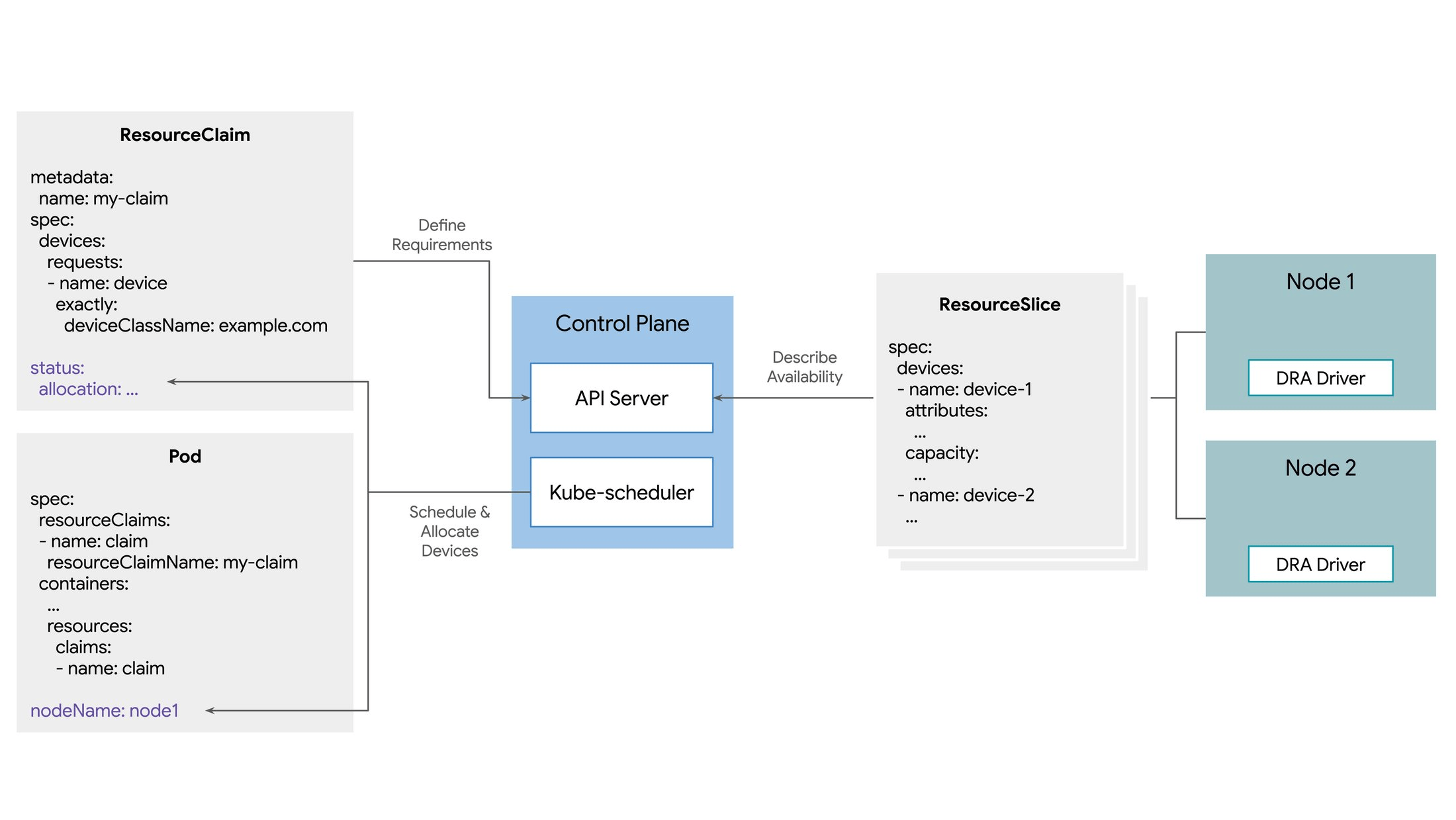
DRA isn't only about GPU
DRA isn't only about GPU
- Native resources (CPU, memory, hugepages)
- NIC
- RDMA net devices etc
Let's see it in
practise ...

- CPU driver: https://github.com/kubernetes-sigs/dra-driver-cpu
- DRANET: https://github.com/kubernetes-sigs/dranet
- List of public DRA drivers: https://github.com/kubernetes-sigs/wg-device-management/tree/main/device-ecosystem
- Contact me: @fmuyassarov on #kubernetes slack
References:
Dynamic Resource Allocation with Osh.
By Feruzjon Muyassarov