Question 2:
How does your media product represent particular social groups?
Representation inSlasher-horror films:
Age representation:
Typically, slasher-horror films have teenagers as their main characters or the victims. For example, 'The Cabin in the Woods' involves a group of teenagers who all get brutally murdered, this is also the case with many other slasher-horror films. This is done because teenagers are usually the primary target audience for this genre of film. Therefore by including people their age who are similar to them will appeal to them meaning they will come and watch the film.

Gender representation:
Slasher-horror films tend to include both men and women and also in a variety of ways. There tends to be the typical male 'jock' with his young, pretty, blonde 'bimbo' girlfriend. As well as this, there is usually other characters that represent different kinds of people. For example there may be a 'nerdy' boy and a 'tom-boy', this is done to appeal to people that aren't the stereotypical masculine man or feminine woman. For example as can be seen below, in 'The Cabin in the Woods' there is the 'jock' and 'bimbo' couple and there is also another 'jock' then there is the 'geeky' boy and girl to represent other people.
Representation in 'Who's There?':
Age:
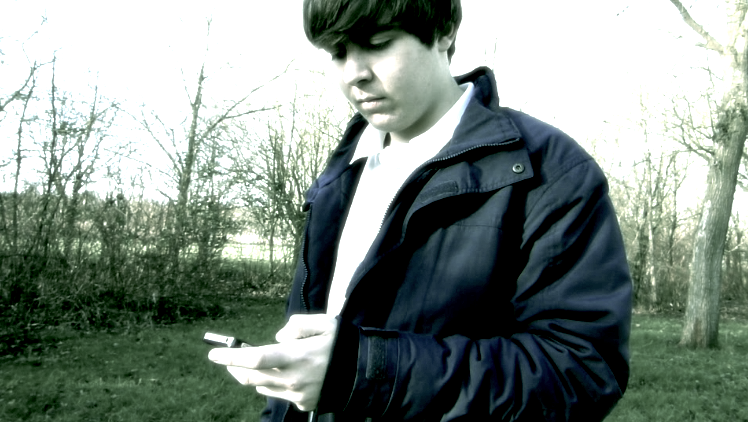
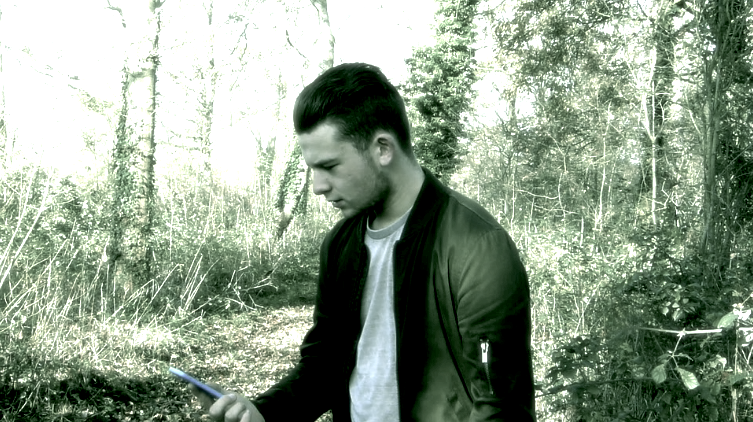
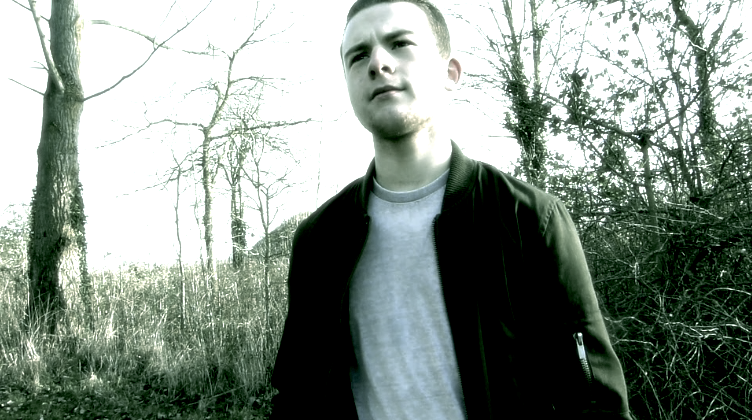
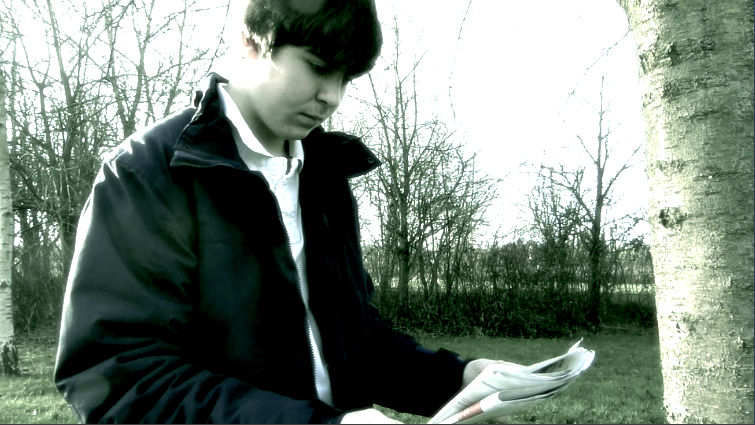
In our film 'Who's There?' we have followed the convention of using teenagers. The characters in the our film are both aged 16 which is a direct parallel to the age of our target audience which is 16-19. This then allows the audience to identify and associate with the characters featured in the film. This also means that the audience becomes fully engaged with the film and feel the emotions expressed from the characters in the film such as the fear expressed from Ben and the agitation from Sam.
Stereotypically, people of this age, especially boys are seen to be involved in violence and conflict, therefore, due to the violence included in the opening we have conformed to this stereotype.
Gender:
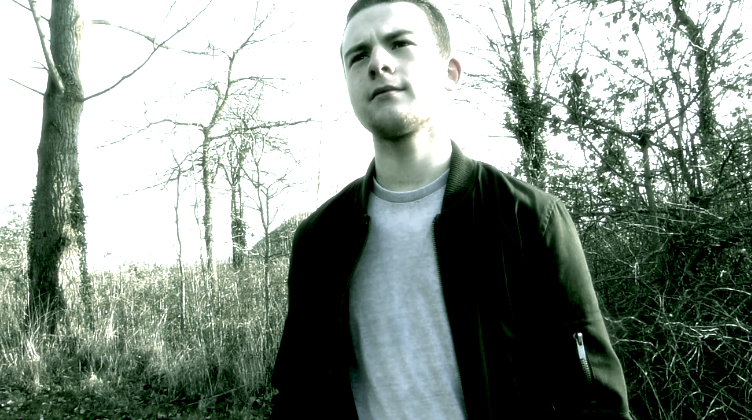
Our film, Who's There?, both conforms and challenges the stereotypical image of men commonly created in the horror genre; men are usually seen to be very strong, powerful, dominant and masculine. The 'jock' character, Ben, in our film conforms to these stereotypes at the begging of the opening when he still decides to walk through the forest even though he has just found out there is a masked killer in the area which conforms to stereotypes. However, once he is alone in the forest he becomes scared and fearful about being alone, this challenges typical stereotypes.
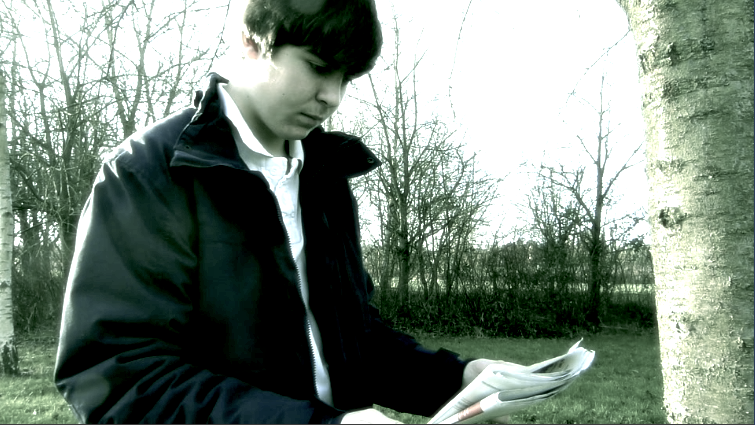
Sam, on the other hand completely goes against the typical male stereotype. He is scared after he finds out about the masked killer and decides to go a different way home. He could also be seen as being less masculine and strong and instead being seen as vulnerable. Whilst this challenges stereotypes, it could be argued that it provides better representation of social groups by portraying a male in a different way, therefore appealing to a different male group.
deck
By gcoates2805