Death Already: D.A. Powell's "Chronic"

"...the profession of absence, of being absented, a lifting skyward..."
Thesis
D.A. Powell's "Chronic" showcases the horror of orientation toward declining objects through elegiac references to chronic illness, the fractured sense of self in the speaker, and the broken line of interrogation of the "I" throughout the poem.
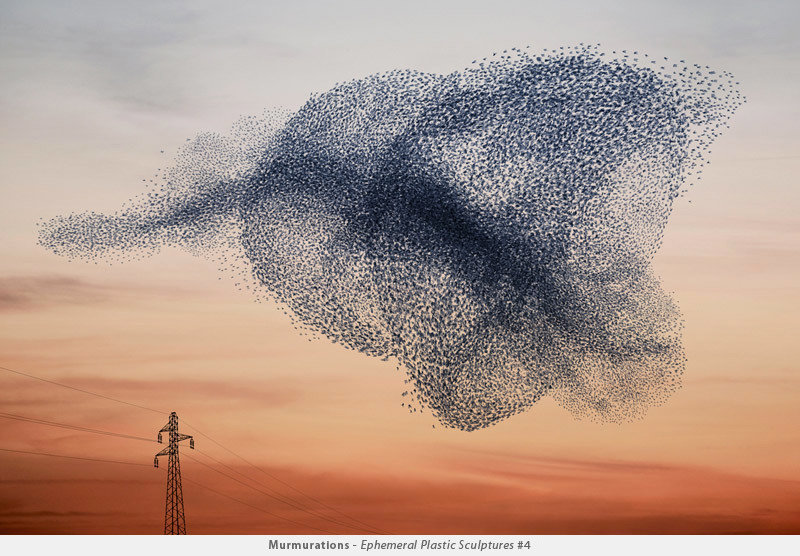
Chronic illness
- Title elicits elegiac effect before poem's beginning
- Dual meaning of "chronic"
- "...clock that never gained time?"
- speaker's sense of loss in advance
- displaced temporality
- "...the treacherous body...", "...last stab at wellness...", "...the body's burden, its resolute campaign..."
Chronic Illness
As the body—and, all bodies—are always-already in decline, the speaker in the poem expresses understanding that life is an expression of the dead: even as we live, or fly, or sing, the act is a dual image of its opposite: silence, inertia, darkness.

Objects in Illness
- Violent/violenced: "...a bit more battered...a bit less joy...", "its flesh / growing softer, less attainable...", "...desire as deadly force..."
- Line 7: "refuge" as an unspecific place: place as loss
- Stanza 11: line break b/w 2 & 3 separates the nocturnal animals and also elicits the speaker/spoken to
Object Horror
Images of illness resound through the poem, and those images encounter a sense of loss in the speaker, who is already mourning something unseen and in the future. The futurity of loss, here, is horrific: unattainable, yet present at all times.
Fractured Self
- Opening line
- Speaker absent while speaking, present while silent
- "resilient" as "which holds"
- loss of a thing that will persist
- Stanza 8: single line, uncertain referrant
- single line stanzas are broken off, untethered
The "I"
The "I" in the poem is confused and disoriented by what is seen—indeed, by what is already lost, but to the "I," rather than the objects losing—and recognizes not a loss but a distance of the thing desired.

Morton
McSweeney
Cronon
Horror and the mirror
- Horror of decline is a calling to
- both confesion and elegy
- the declining object is already in the subject
- Loss felt as futurity—the thing is already dead
Conclusion
The images of the already-lost object wound up in the viewer elicit both awe and horror, lending the speaker with a sense of disorientation, as the hyperobject of climate change and the Anthropocene loom and fracture.
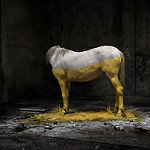
Death & Decline Already: D.A. Powell's "Chronic"
By Justin Daugherty