Break the itch-scratch cycle. This part explains other things you can do when you notice your itchy skin instead of scratching.
Part 3 - Breaking the itch scratch cycle

Did you write down the times and places you were most itchy?
How did noticing and recording your scratching go last week?
This week we will look at things you can do instead of scratching.
Recap of part 2
Breaking the itch-scratch cycle

Feeling itchy

Breaking the itch-scratch cycle
Feeling itchy


Scratching
Breaking the itch-scratch cycle
Feeling itchy
Scratching

Damage to your skin

Breaking the itch-scratch cycle
Feeling itchy
Scratching
Damage to your skin
In order to break the cycle of scratching, we need to do something else. This next part will give you some ideas about other things you can do.
Breaking the itch-scratch cycle
Activities to help you change your behaviour...
Breaking the itch-scratch cycle
Scratching is a natural response because it helps us cope with the itch. So it is hard to stop unless we replace it with something else that relieves itching.
The activities included in this programme are designed to replicate some of the benefits of scratching. The activities can help by:
-
Redirecting your attention
-
Providing a new sensation
-
Keeping your hands busy
-
Releasing ‘feel good’ chemicals in your brain
-
Put your body into a calm state
Why have these activities been chosen?
Breaking the itch-scratch cycle
Six activities for you to try
Squeezing the sponge
Deep Breathing
Trace your hand
Distract your hands
5,4,3,2,1
Boost your mood
Breaking the itch-scratch cycle
Squeezing the sponge activity
Breaking the itch-scratch cycle
1) Make a fist for 15 seconds
(imagine you are squeezing a sponge and the water is running through your fingers).

Breaking the itch-scratch cycle
2) Think about a happy memory or do some deep breathing while 'squeezing the sponge'.


Breaking the itch-scratch cycle
3) When you're done - are you still feeling itchy?


Breaking the itch-scratch cycle
4) If you are, repeat the squeezing the sponge activity.
Breaking the itch-scratch cycle
5) Keep going until the itchy feeling goes away or improves.

Breaking the itch-scratch cycle
Deep breathing activity
To help you relax:
Breaking the itch-scratch cycle



Breaking the itch-scratch cycle
Take a deep breath in through your nose and push it down into your tummy.
Then hold it for 3 seconds.



Slowwwwwllllyyyy
Breaking the itch-scratch cycle
Then breathe out of your mouth slowly.
Slowwlllyyy

Breaking the itch-scratch cycle
Trace your hand activity
Breaking the itch-scratch cycle
You can use your hand to focus your breathing.


Breaking the itch-scratch cycle
Put one hand up in front of you.
Breaking the itch-scratch cycle
Use a finger on your other hand to trace around it.
Breaking the itch-scratch cycle
As you go up each finger breathe in slowly...
Breaking the itch-scratch cycle
As you go up each finger breathe in slowly...
and as you go down the finger breathe out slowly.
Breaking the itch-scratch cycle
As you go up each finger breathe in slowly...
and as you go down the finger breathe out slowly.
Breaking the itch-scratch cycle
As you go up each finger breathe in slowly...
and as you go down the finger breathe out slowly.
Breaking the itch-scratch cycle
As you go up each finger breathe in slowly...
and as you go down the finger breathe out slowly.
Breaking the itch-scratch cycle
As you go up each finger breathe in slowly...
and as you go down the finger breathe out slowly.
Breaking the itch-scratch cycle
As you go up each finger breathe in slowly...
and as you go down the finger breathe out slowly.
Breaking the itch-scratch cycle
As you go up each finger breathe in slowly...
and as you go down the finger breathe out slowly.
Breaking the itch-scratch cycle
Boost your mood Activity
To help when you feel down...
Breaking the itch-scratch cycle
Think about a happy memory or a place that makes you feel good - like the beach.


Breaking the itch-scratch cycle
Sing a song or listen to some music.
You could try tapping along to the beat.


Breaking the itch-scratch cycle
Dance...
Run...
or move your body in a way that feels good.
Stretch...

Breaking the itch-scratch cycle
Distract your hands
Breaking the itch-scratch cycle
Breaking the itch-scratch cycle
If you feel bored or need to do something with your hands use a fidget device such as a...

Stress ball

Blue tack
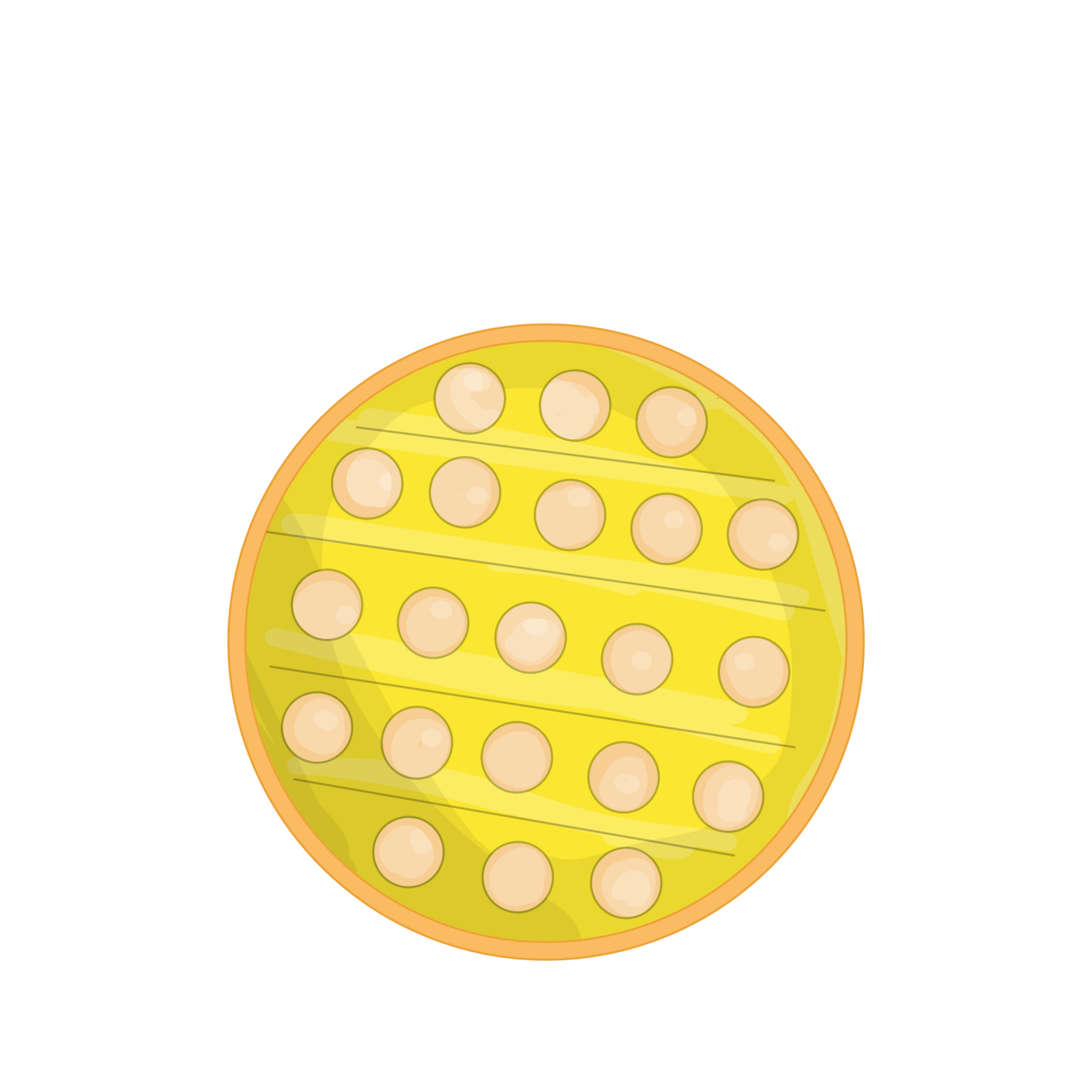
Fidget popper
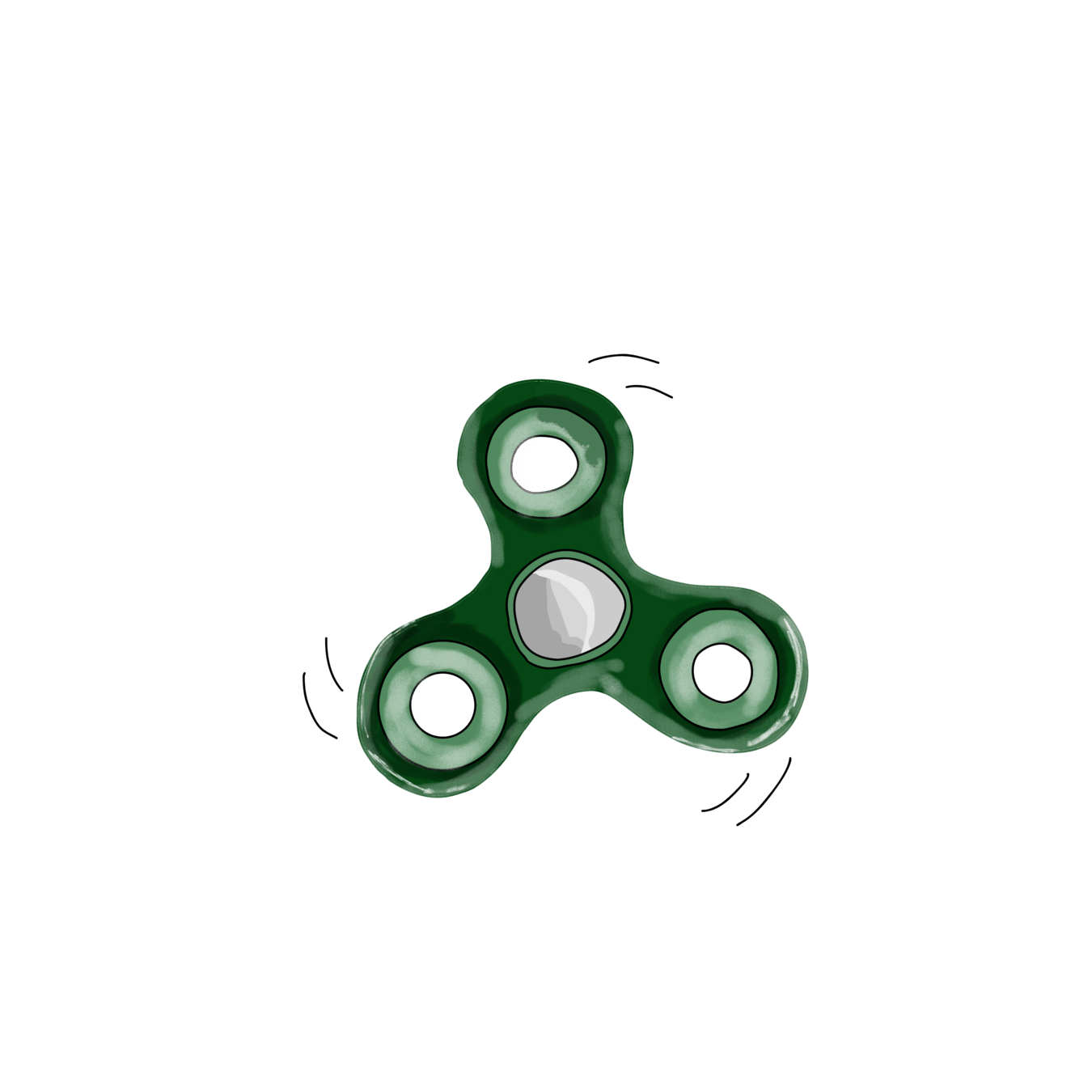
Fidget device
Keep doing this until the scratchy feeling goes away.
Fidget device
Stress ball
Blue tack
Fidget popper
Breaking the itch-scratch cycle
This video shows you a range of commonly used fidget devices. But you can use anything you have around the house already.
Click to start watching
Breaking the itch-scratch cycle
5,4,3,2,1 activity
Breaking the itch-scratch cycle
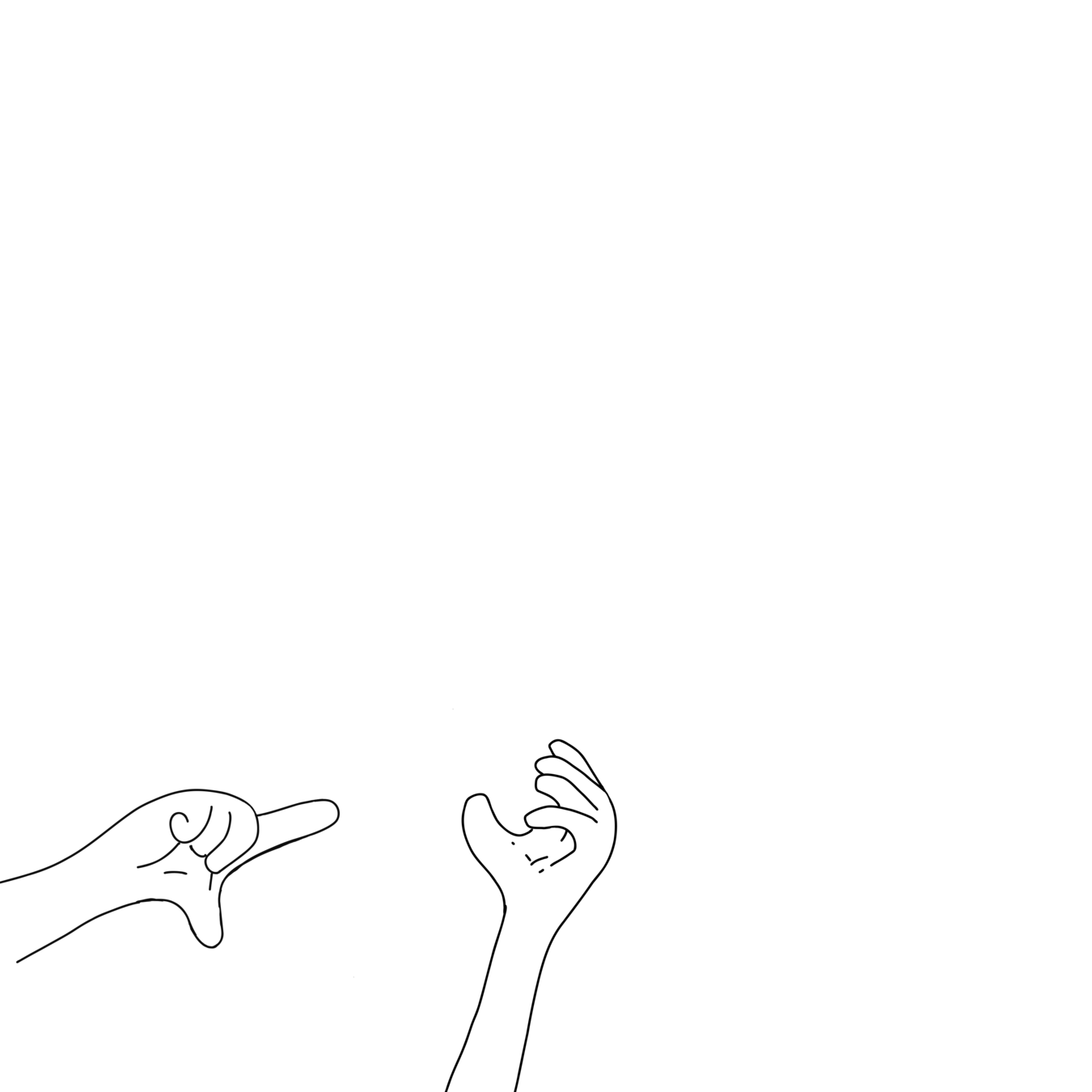
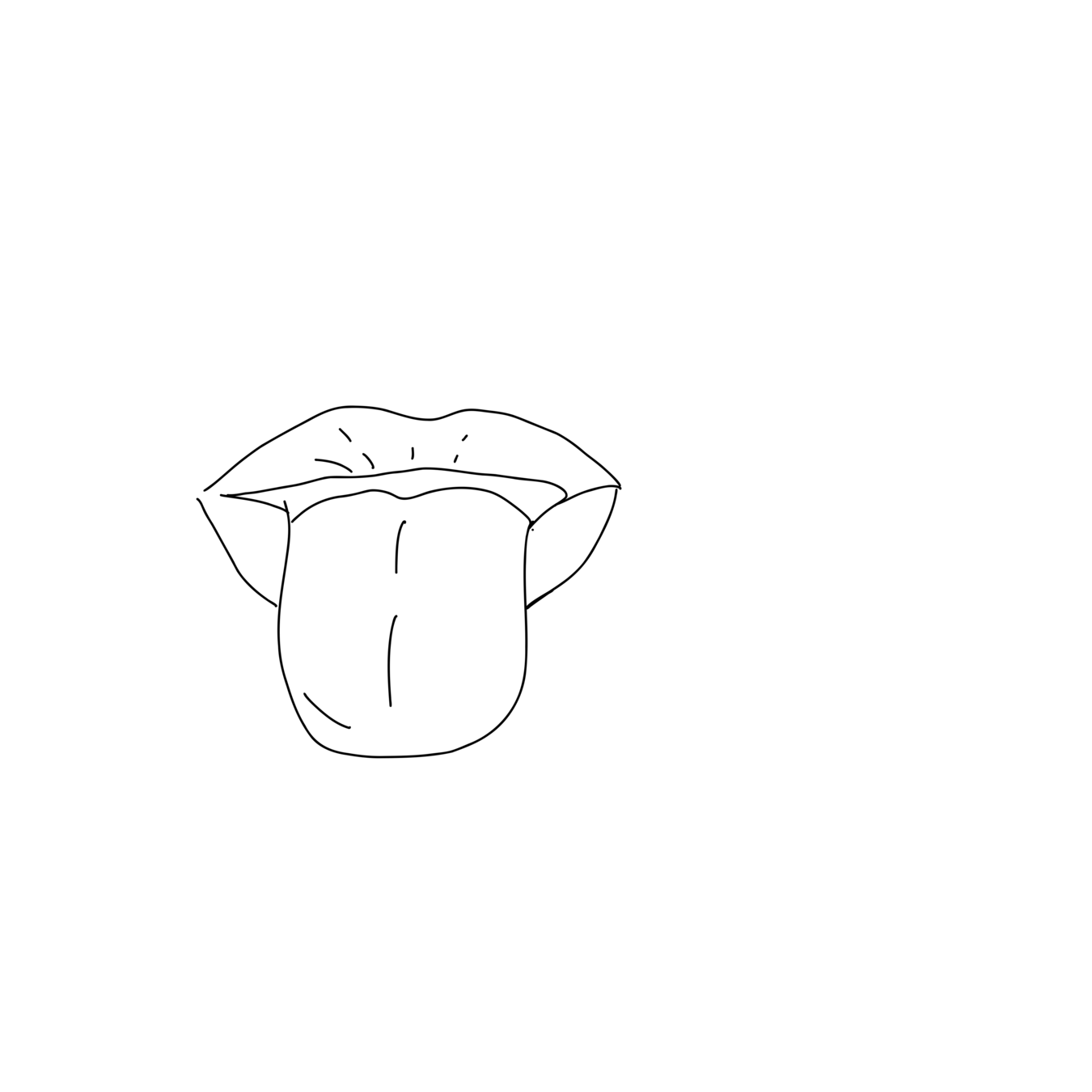
Thinking about each of your 5 senses can help you to stop thinking about your itch.
Lets see what you can see, touch, hear, smell, and taste.
Breaking the itch-scratch cycle

4 things you can touch.
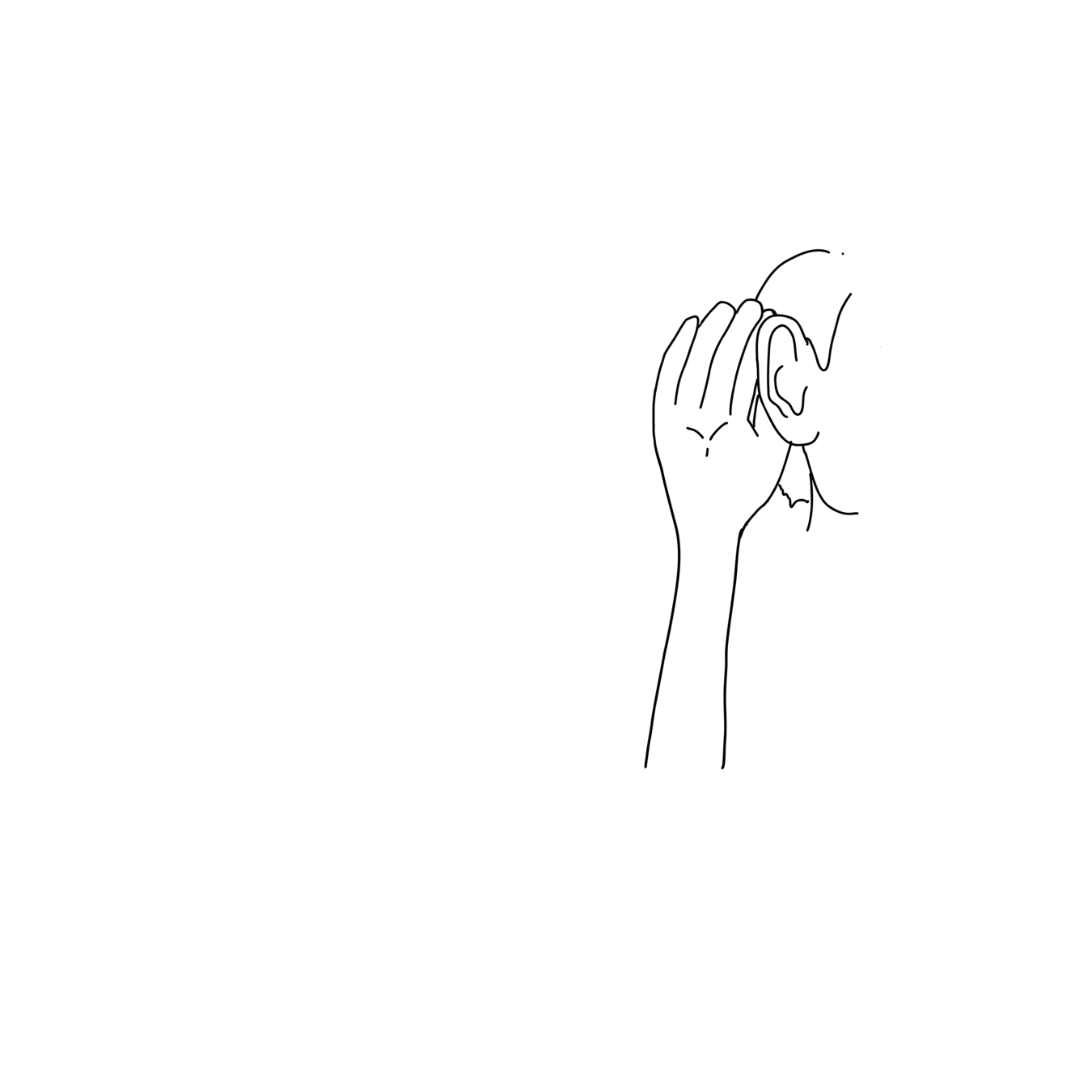
3 things you can hear.
2 things you can smell.
1 thing you can taste.

Breaking the itch-scratch cycle
5 Things you can see.
Maybe you can see the ceiling, some trees, your bed. What colour are they?
3 things you can hear.
2 things you can smell.
1 thing you can taste.
4 Things you can touch.
Maybe you can touch your clothes, your hands, a chair. What texture are they?
5 Things you can see.
Breaking the itch-scratch cycle
2 things you can smell.
1 thing you can taste.
5 Things you can see.
4 Things you can touch.
3 Things you can hear.
Maybe you can hear a bird, a ticking clock, or the traffic outside. Are they loud or quiet sounds?
Breaking the itch-scratch cycle
1 thing you can taste.
2 Things you can smell.
Maybe you can smell your clothes, soap, or scents in the air. Is there something nearby you can smell?
5 Things you can see.
4 Things you can touch.
3 Things you can hear.
Breaking the itch-scratch cycle
1 Thing you can taste.
What does the inside of your mouth taste like? Can you taste something you have eaten today?
2 Things you can smell.
5 Things you can see.
4 Things you can touch.
3 Things you can hear.
Breaking the itch-scratch cycle
"I find it helpful to wear a little bracelet with beads. That way I can easily use my fidget during meetings at work!"
Georgia's story

Georgia
Breaking the itch-scratch cycle
Now think about when you scratch.
Situations that make us scratch
Look at your scratching diary to understand what situations are making you scratch.
What can you do to stop yourself scratching?
Will you try out the activities you have just learnt?
Do you have ideas of your own you can try?
Breaking the itch-scratch cycle
If you scratch when you are stressed...
try doing something to relax for example the deep breathing activity.

Situations that make us scratch
Breaking the itch-scratch cycle
If you scratch when you are watching television, this may be a sign that you are bored...
try doing something else with your hands for example the trace your hand activity.

Situations that make us scratch
Breaking the itch-scratch cycle
If you scratch when you are feeling angry...
try doing something that makes you calm for example the 54321 activity.

Situations that make us scratch
Breaking the itch-scratch cycle
If you scratch when you feel sad...
try doing something that makes you feel happy for example the boost your mood activity.

Situations that make us scratch
Breaking the itch-scratch cycle
Once you know the times and reasons you scratch you can change what you do.
Look back at your scratching diary to see if you can figure out some particular times and reasons that you scratch.
Situations that make us scratch
Breaking the itch-scratch cycle
When trying out these ideas to stop you from scratching, it is important to still notice how often you are actually scratching.

Your scratching diary can help you do this.
Continue to notice
Breaking the itch-scratch cycle

If you have a bad day and find yourself scratching a lot, don’t worry, try again the next day.
Continue to notice
Breaking the itch-scratch cycle
Follow the same steps as Part 2 to track how many times you scratch, but this time try using out some of the ideas we have discussed to reduce your scratching.
Step 1: Decide a time you will record your scratching and how long you will record for.
Step 2: Use a clicker counter (or a clicker counter app) to record how many times you scratch while you try some of the ideas we have discussed.
Step 3: At the end of your time recording, use your scratching diary to record how many times you scratch and the situation you were in.
Continue to notice
Breaking the itch-scratch cycle
Why?...
-
Helps you to check how well you are doing.
-
Help you to see what works and what doesn't work.
-
Motivates you to keep going.
Continue to notice
Breaking the itch-scratch cycle
Reminders
Don’t worry if sometimes you still scratch.
Notice the times you don't scratch instead.
Let others know how you are doing.
What to do next?
Try out a new activity or strategy to replace your scratching.
You can use the ‘Part 3 Tracker’ in your scratching diary on the dashboard.
Or you can record it in another way that works for you.
If things don’t work out, you can try a different activity to find what works best for you.
You can come back to Part 3 to remind yourself of the different options at any time.
Keep noticing and recording your scratching at times that work for you.
Thanks for completing part 3
Rapid trial 13+ Scratch Less - Part 3
By KidsInControl