Transforming the Itch-Scratch Cycle


13+
Before we get started let me show you around.
How to use the presentation
This menu will let you travel back to the dashboard.
How to use the presentation
These tell you what part of the presentation you're in, red part 1, yellow part 2 and green part 3.
How to use the presentation
Welcome!
Scratch Less is a programme to help people with eczema take control and manage their scratching.
You'll find out more about...
Eczema and eczema treatments.
How scratching makes eczema worse.
Tips to help with itchy skin.
Other people's stories about how they've coped with itchy skin.
Help to take control of your scratching.
Does the programme work?
"It’s really hard to ignore the itch, even though I know it will be worse if I scratch it. I also know that if I start scratching I will break my skin and it will take longer to heal. The progamme helped me figure out what I can do to stop breaking the skin and control that itch."

Daya's story
Back to basics: facts about eczema

Eczema is a condition that makes skin dry and itchy.
Back to basics: facts about eczema
The skin can be dry and sometimes flaky.
Eczema is a condition that makes skin dry and itchy.

Back to basics: facts about eczema
The skin can be dry and sometimes flaky.
Eczema is a condition that makes skin dry and itchy.
Eczema can be different colours in different people.





Back to basics: facts about eczema
The skin can be dry and sometimes flaky.
Eczema is a condition that makes skin dry and itchy.
Eczema can be different colours in different people.
1 in every 5 children have eczema!
Back to basics: facts about eczema





The skin can be dry and sometimes flaky.
Eczema is a condition that makes skin dry and itchy.
Eczema can be different colours in different people.
1 in every 10 adults have eczema!
1 in every 5 children have eczema!
Back to basics: facts about eczema
The skin can be dry and sometimes flaky.
Eczema is a condition that makes skin dry and itchy.
Eczema can be different colours in different people.
5 million people in the UK have eczema
1 in every 5 children have eczema!
1 in every 10 adults have eczema!
"My eczema really annoyed me and I used to scratch all the time but now I know what I'm doing I scratch much less than I used to."

Polly's story
What happens in your skin when you have eczema
This short video tells you more about eczema.
Click to start watching
Back to basics: treating eczema

Many people can feel confused about how to treat eczema. It can be hard to know what treatments to use and when, as eczema can change over time. It can sometimes take a while to find the ones that work best for you.
Remember you are not alone. Your doctor or nurse can help if your creams are not working.
Back to basics: treating eczema
This section focuses on moisturisers and flare control creams as this is what most people with eczema are given by their doctor.
Back to basics: treating eczema
Lets look at the 2 main treatments for eczema...
If you also have tablets, injections, creams, or other treatments for your eczema, keep using them. Follow the advice of your healthcare professional.
Even if the information in Part 1 about eczema treatments is not as relevant to you, you can still use this programme (Parts 2 & 3) to help with your itching and scratching.
First lets look at moisturising creams.
Back to basics: treating eczema
Flare control creams
usually steroid creams
The 2 main treatments for eczema work in different ways but both are needed.
Moisturising creams
Emollients
Keep control of eczema
You can keep control with
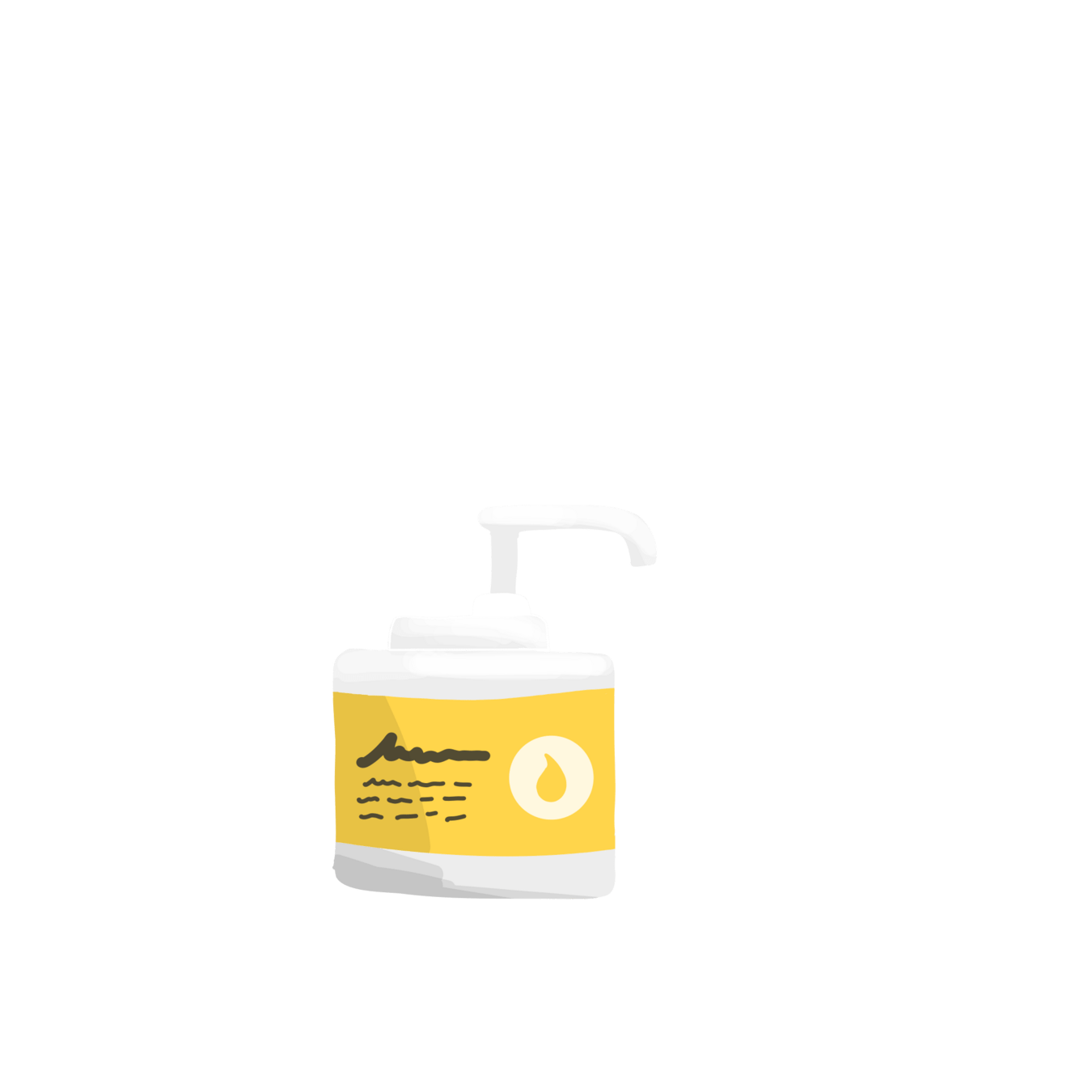
moisturising creams.
Some people call these emollients.
moisturising


Keep control of eczema
About moisturising creams
They stop eczema flare-ups by keeping out things that may irritate the skin.
They make the skin soft by locking water in the skin.
They reduce dryness and soreness.
Most people with eczema will need to use moisturising creams every day.
Keep control of eczema
About moisturising creams continued
Lotion
Cream
Gel
Ointment
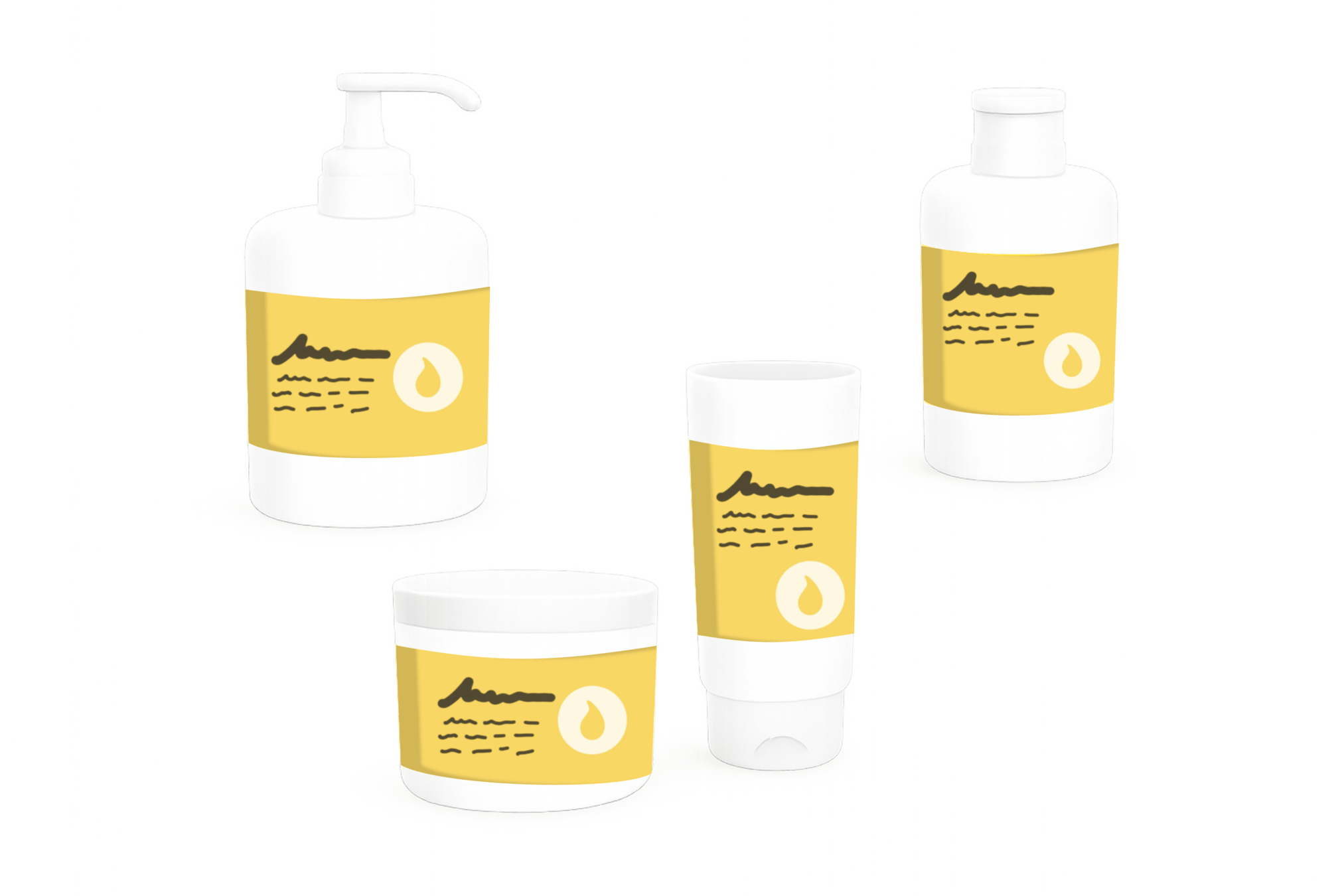
There are lots of types of moisturisers.
Some are oily and others are not so oily.
You can choose the ones you like.
Moisturisers should be applied all over.
They can help with itching.
Golden rules of moisturising creams (emollients)
When?
Usually they need to be used at least once a day.
How often?
The drier your skin is, the more often you should use a moisturising cream.
How much to apply?
Use as much and as often as needed.
How long for?
Using moisturising creams even when your skin is clear can prevent future flare-ups of eczema.
Golden rules of moisturising creams (emollients)
Are they safe?
Yes. Moisturising creams are very safe. They are used by millions of people with eczema across the world. Sometimes people find they irritate or sting. You may need to find one that works for you.
Golden rules of moisturising creams (emollients)
Although the risk is low, moisturising creams can catch fire if they soak into clothes, bedding, or bandages and then meet a flame, especially if you use large amounts or anyone in the home smokes.
Is there a fire risk?
Next lets look at flare control creams.
Back to basics: treating eczema
Flare control creams
usually steroid creams
The 2 main treatments for eczema work in different ways but both are needed.
Moisturising creams
Emollients
Get control of eczema
You can get control with
flare control creams,
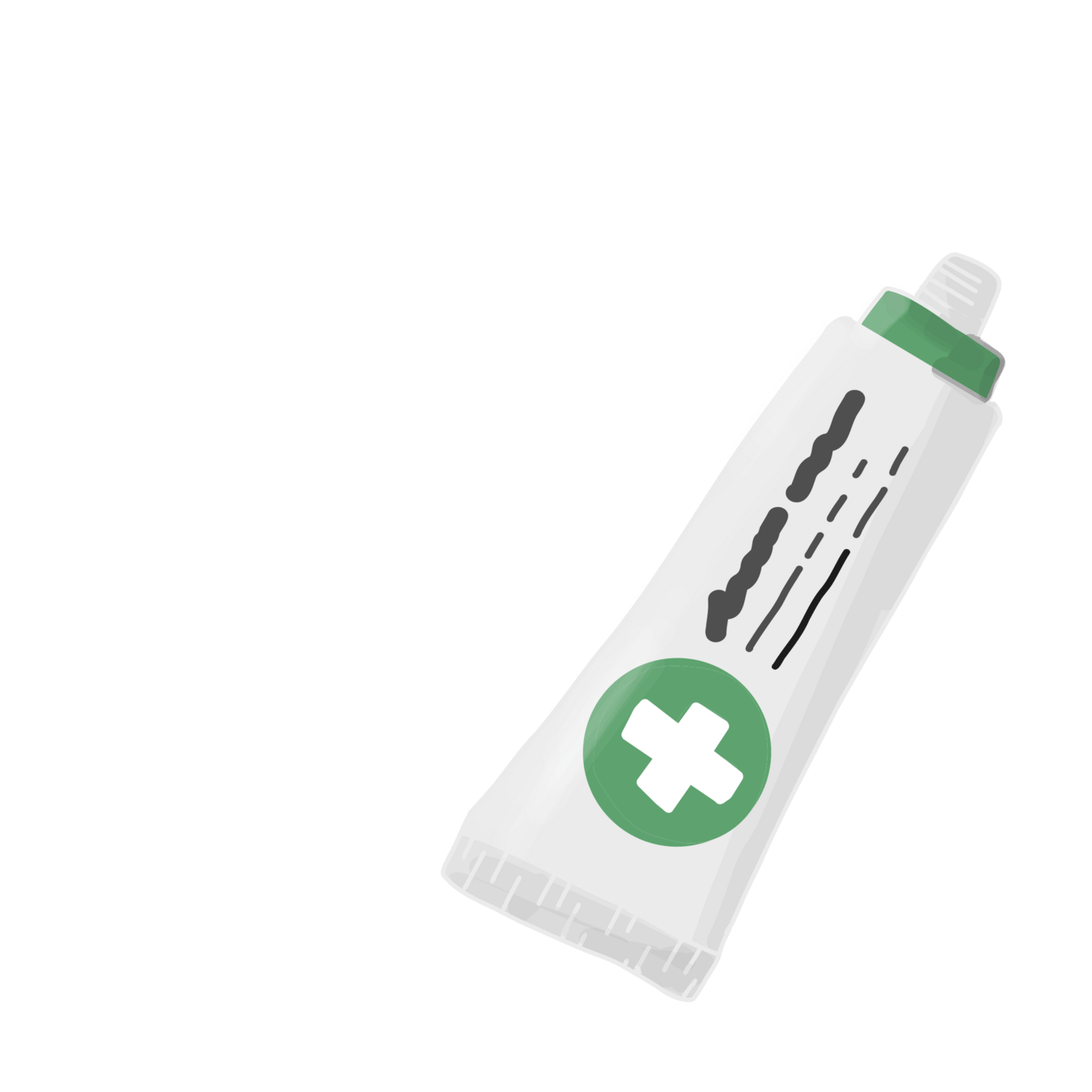
Usually these are steroid creams.
About steroid creams
Most people with eczema will need to use flare control creams at some point.
They help with sore, itchy and bumpy areas of skin.
Flare control creams are normally prescribed by a doctor or healthcare professional.
Get control of eczema
When?
Use them as soon as there is a flare-up.
How often?
During a flare-up, apply a thin layer once a day.
Golden rules of using flare control creams (usually steroid creams)
How much to apply?
As a rough guide, put on a thin layer, just enough to cover the eczema flare area.
How long for?
Use them for two days after the eczema is under control.
If you need to use flare control creams for longer than 3 or 4 weeks, then it would be helpful to discuss this with a health professional.
Golden rules of using flare control creams (usually steroid creams)
Are they safe?
Yes. Studies show that flare control creams are safe when used following the instructions above. They should be applied to the affected skin only. They are usually used for just a few days or weeks at a time.
Golden rules of using flare control creams (usually steroid creams)
What to do next?
When you finish this part you will be able to access Part 2 from the dashboard.
Option 1:
-
Over the next week, try using your eczema treatments using what you have learnt today.
-
You might like to label which are your flare control creams (topical corticosteroids) and which are your moisturisers (emollients).
-
Next week, complete part 2.
Option 2:
-
If you feel you already know how to use your eczema treatments, feel free to start Part 2 whenever you are ready.
In the next part you will learn more about how to start to notice your scratching behaviour.
Thanks for completing Part 1
Rapid trial 13+ Scratch Less - Part 1
By KidsInControl