Noticing your scratching. This part explains the itch-scratch cycle and helps you learn to notice and record your scratching.
Part 2 - Noticing your scratching
What does scratching do to your skin?
Noticing your behaviour
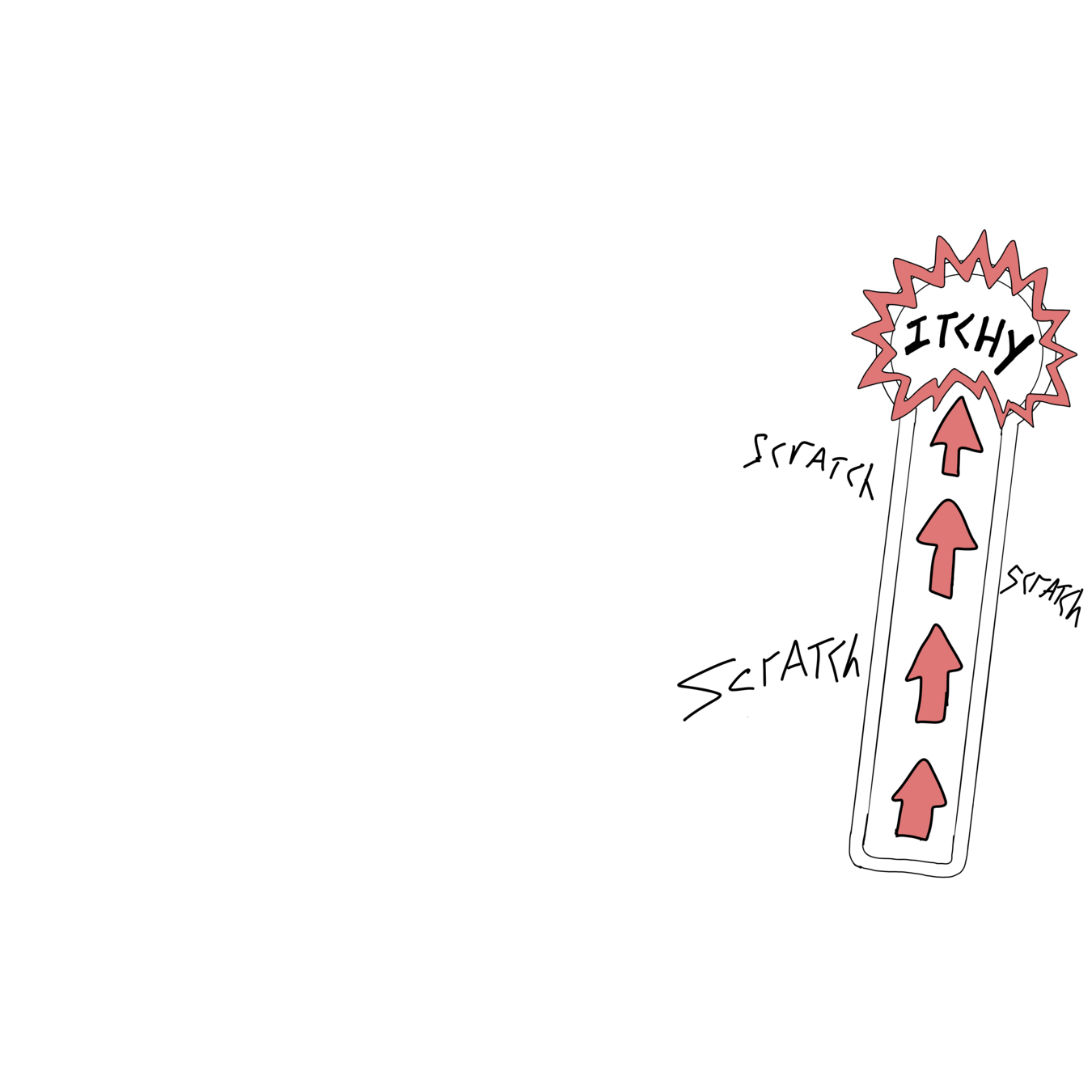
This is because scratching makes your skin release chemicals. This makes you feel even more itchy, which makes you want to scratch more!
This is called the itch-scratch cycle.
Scratching and rubbing can worsen the itch.
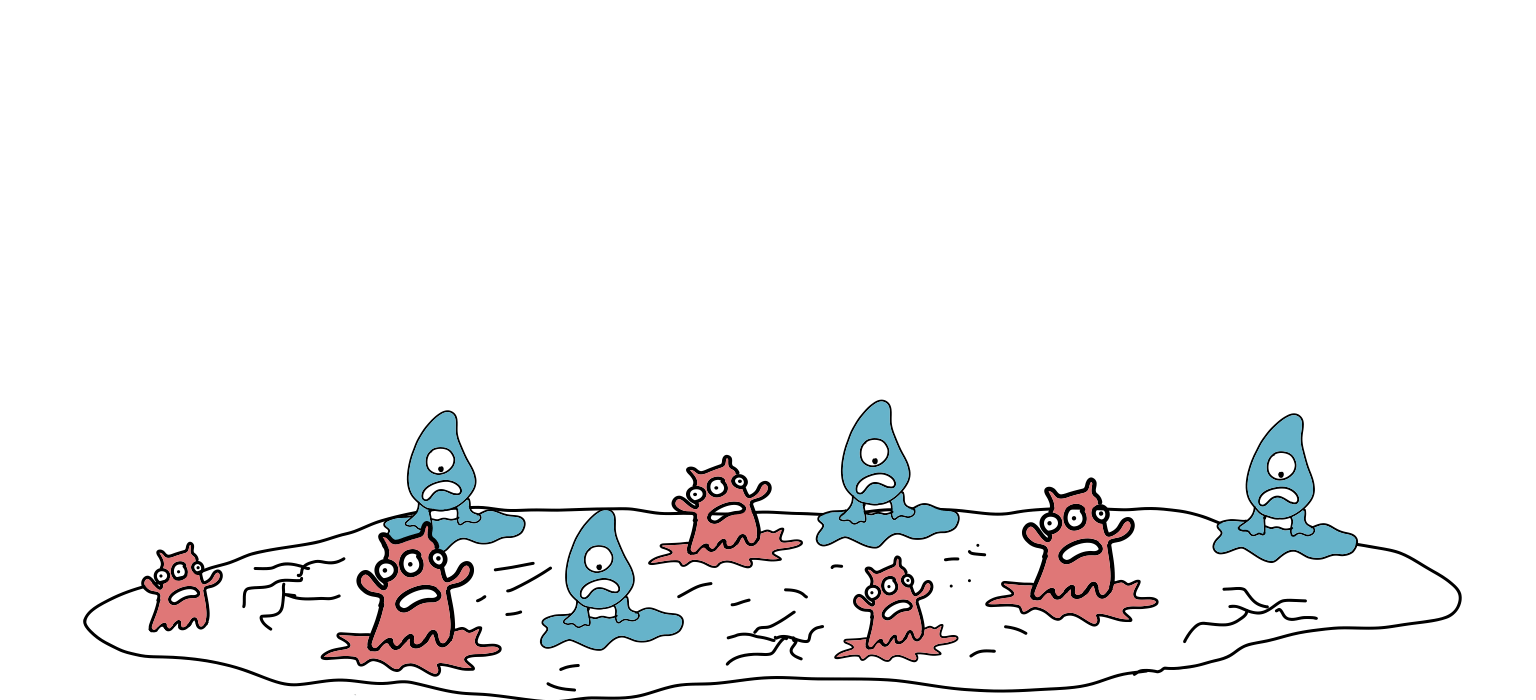
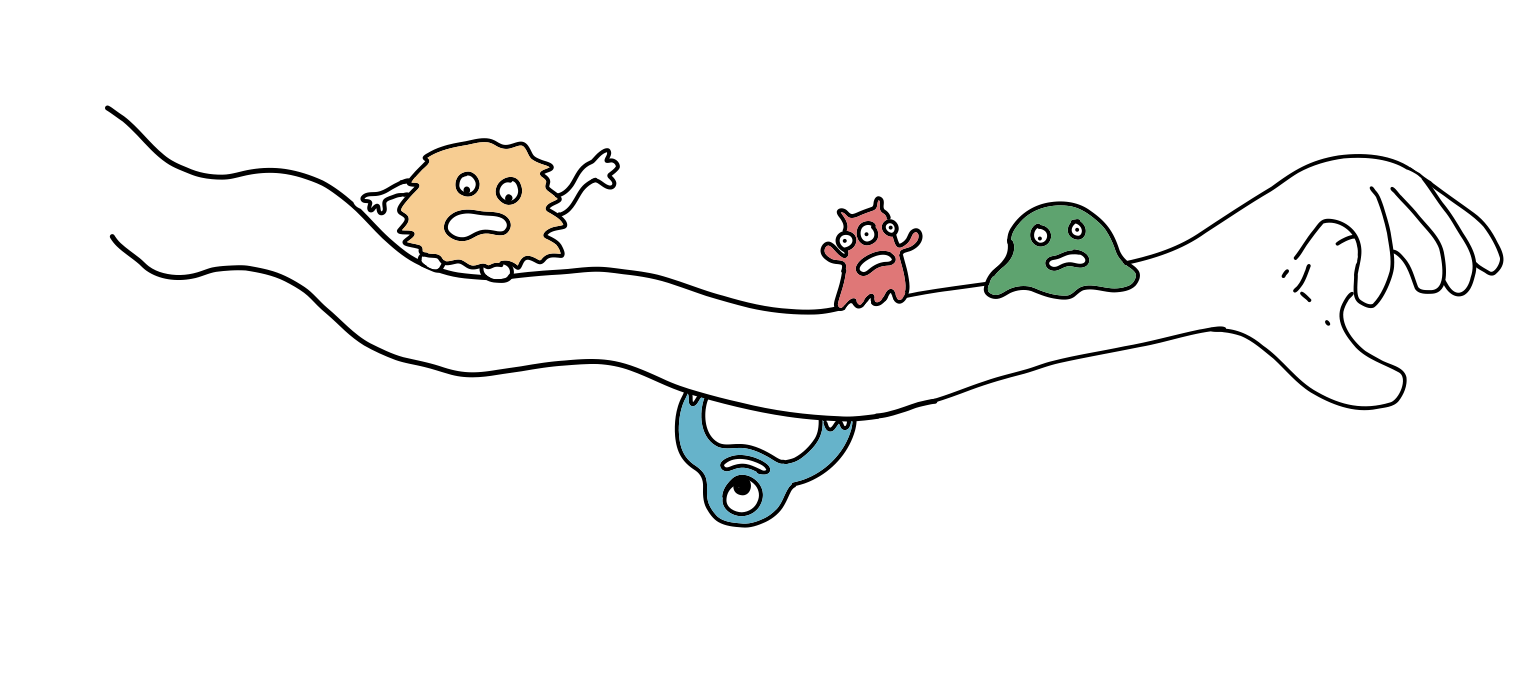
Scratching can also damage your skin. This can make it bleed or let bugs in so it can get infected. Damaged skin also lets water escape more easily which can cause dryness.
Damaged skin can feel itchy while it is healing. This can add to the itch-scratch cycle.
What does scratching do to your skin?
Noticing your behaviour


What does scratching do to your skin?
Noticing your behaviour
Itch is the sensation,
What we feel
This makes you want to scratch.
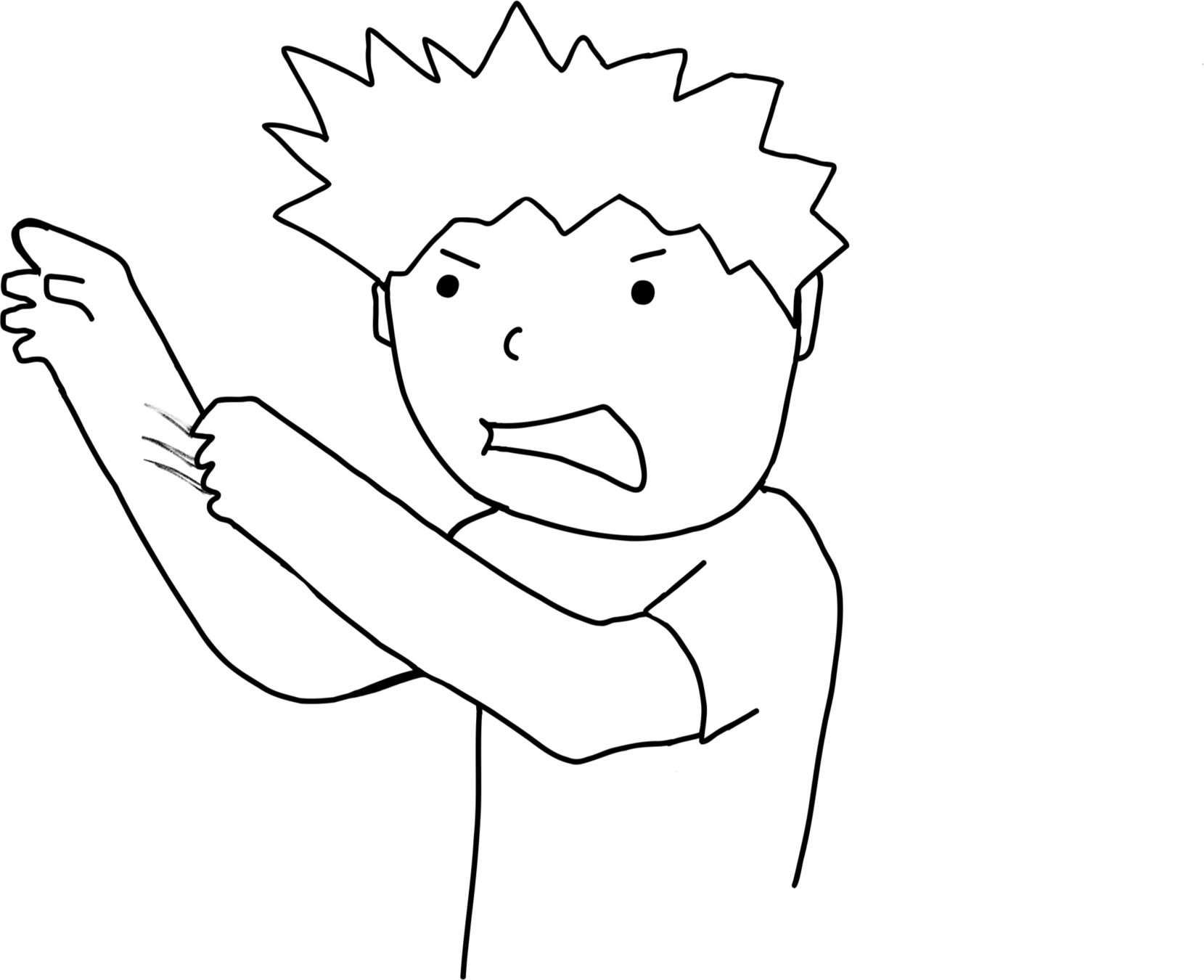
Scratching is the behaviour,
What we do
It is any touching of our skin that we do again and again, rubbing and picking also cause damage.
Noticing your behaviour


Worsens eczema.
Adds long-lasting eczema to a flare-up: the skin gets thicker and more inflamed. The face, neck and hands are the easiest to scratch. So they have the highest chance of getting long-lasting eczema.
What does scratching do?
Prevents healing.
Can introduce infection.
Noticing your behaviour
The itch scratch cycle
An itch-scratch cycle can form. Itch and scratching do not always need to go together! For your skin to heal we need to treat all parts of the cycle.

Damaged
skin barrier

Noticing your behaviour

Damaged
skin barrier
Noticing your behaviour
Irritants /
Allergens

Damaged
skin barrier
Noticing your behaviour
Irritants /
Inflammation
Allergens

Itch
Damaged
skin barrier
Noticing your behaviour
Irritants /
Inflammation
Allergens
Damaged
skin barrier

Scratching
Itch
Allergens
Noticing your behaviour
Irritants /
Inflammation





Breaking the cycle
Scratching can become a habit so we need to work on learning new ways to manage the itch instead of scratching.
This will help break the cycle of itching and scratching.
habit
The first step to stop scratching is to start noticing when you scratch.
Learn why, when and where you scratch.
Interrupt your scratching.
Refocus.
Notice your scratching Breaking the cycle

This helps you to:
Noticing when we scratch may take a bit of time to get used to but it is an important first step.
If you think you might not be able to notice, you might need an adult or someone else, to help you know when you have scratched. Over time, this can help you notice too.
You may be scratching now as you read this, just notice how many times you do it!
Notice your scratching Breaking the cycle

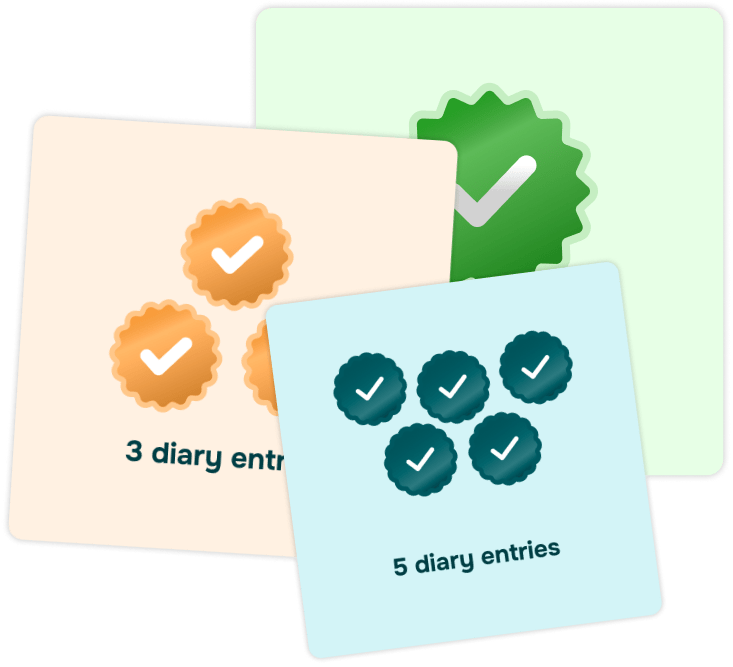
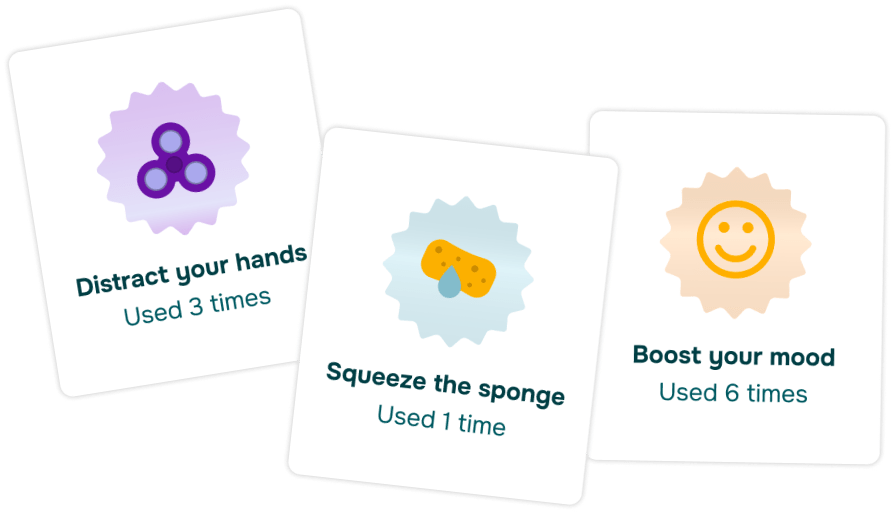
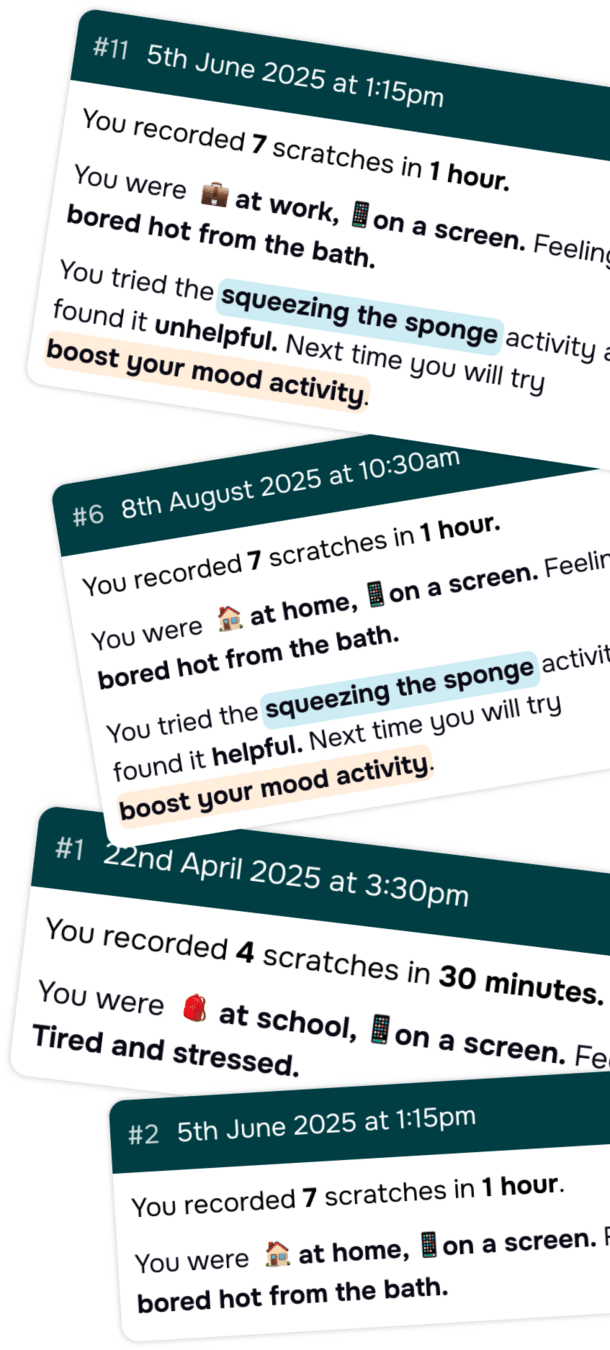
Follow our step by step guide to record your scratching...
Record your scratching Breaking the cycle
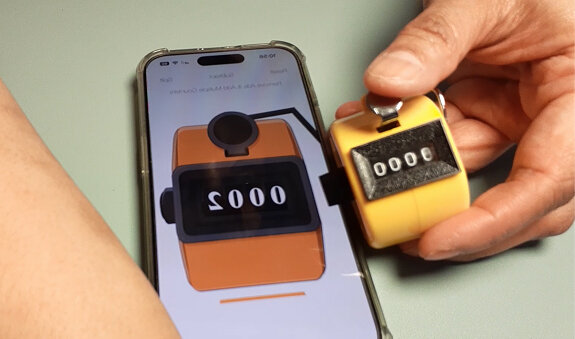
Before you start recording, you will need to have either:
A handheld clicker counter. (Can be purchased online at a low cost).
A clicker counter app on your phone. (Free apps are available if you type ‘clicker counter’ into the search bar on your app store).
Record your scratching Breaking the cycle
A fixed time after school (for example, from 4pm to 6pm).
Twice a week and for one hour at the weekend.
Are there any other times or places you scratch more? Keep a record of your scratching there.
Step 1: Decide a time you will record your scratching and how long you will record for. It helps you stick to it if you pick regular times and days to record.
Here are some ideas of times and places where you can notice and record your scratching:
Twice a week for an hour at school or work.
Record your scratching Breaking the cycle

Make sure during the times you choose to record scratching that you have your clicker counter (or clicker counter app) to hand. As soon as you notice you feel itchy and start scratching you should record it as a scratch.
A scratch can involve actually scratching with your nails, rubbing against something else or using something against your skin to scratch it (e.g. a hairbrush or comb).
Step 2: Use a clicker counter or a clicker counter app to record each scratch during the time you have chosen to notice scratching.
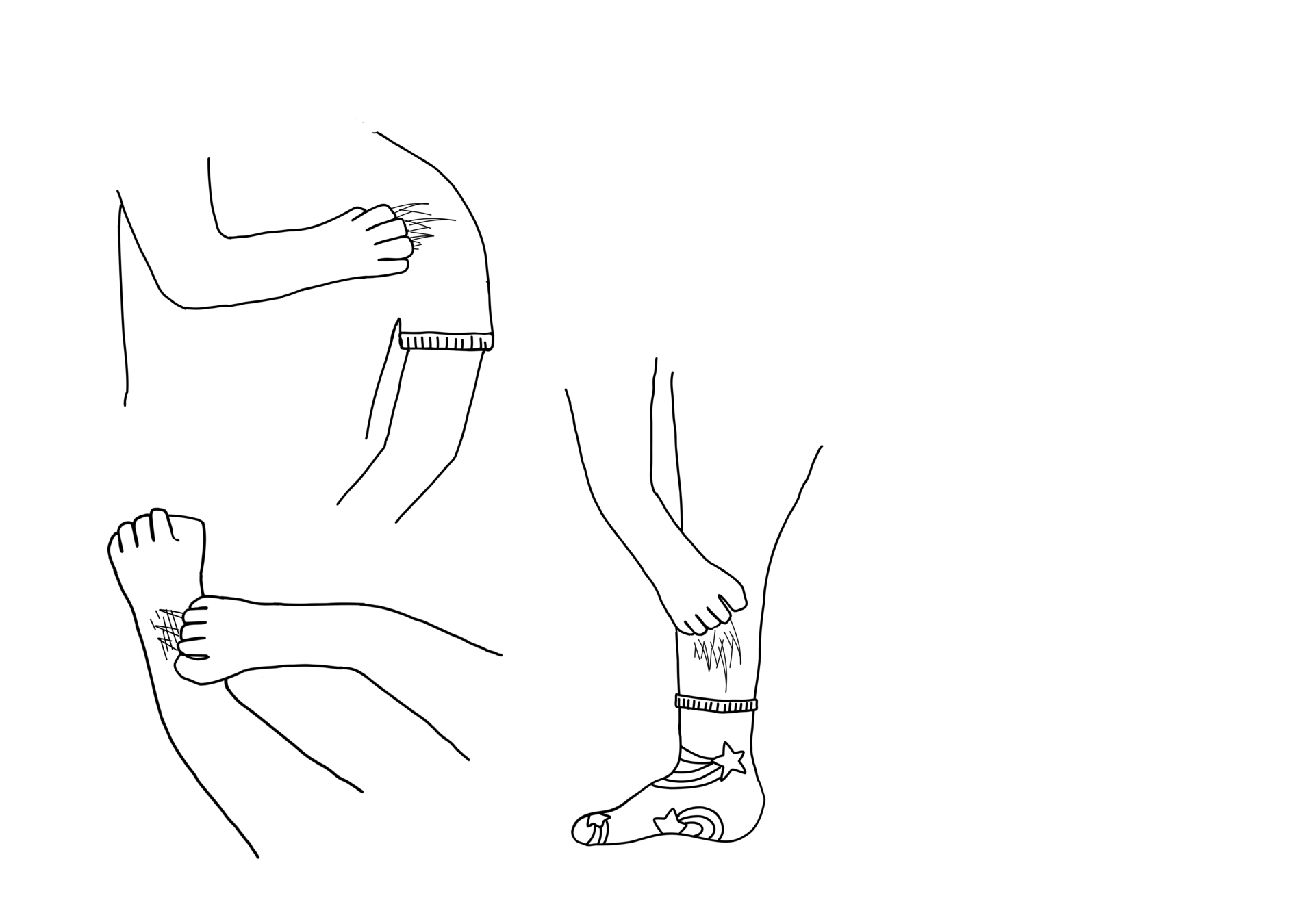
If you scratch one part of your body once, this is one scratch.
If you scratch another part of your body this is a second scratch.
Whilst your fingers remain on your skin, you can count this as one scratch.
Record your scratching Breaking the cycle
Scratch arm = 1 scratch.
Scratch arm + leg = 2 scratches.
Scratch arm + leg + chest = 3 scratches.
Don’t worry too much about what you count as a ‘scratch’. As long as you count your scratching the same way each time.
Record your scratching Breaking the cycle
As the video shows for each scratch as shown record this on the counter.
Click to start watching
Record your scratching Breaking the cycle

Record your scratching Breaking the cycle
Step 3: At the end of your time recording, use your scratching diary to record how many times you scratched and the situation you were in.
You can fill in your Scratching Diary online, download it to print, or use it on your phone or in a notes app. Just click on Scratching Diary in the menu to see these options.
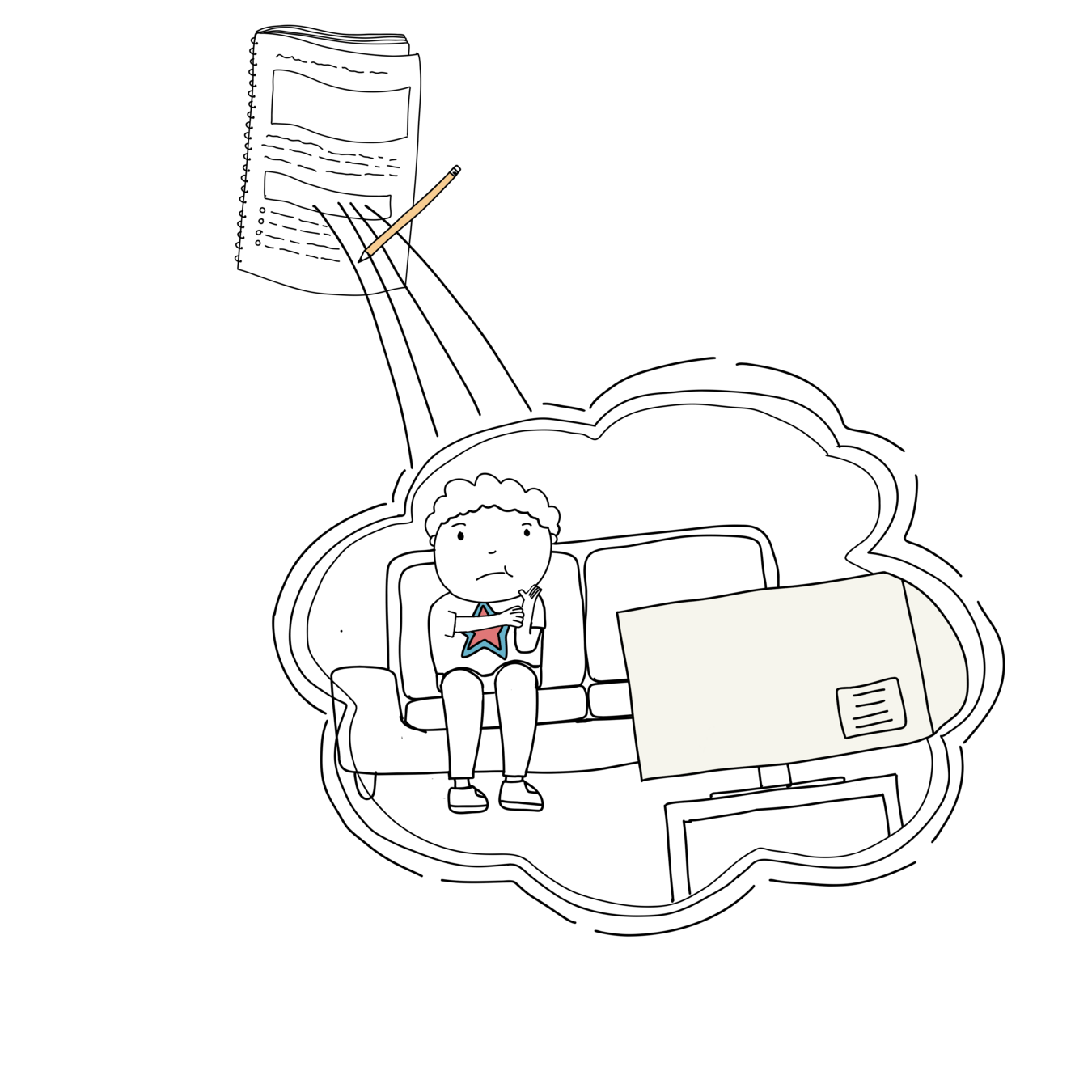
This diary helps you understand why you might scratch. For example…
Some people scratch more when they feel stressed and are doing homework.


Record your scratching Breaking the cycle
Some people scratch more when they watch television because they may be bored.
Record your scratching Breaking the cycle
Some people scratch more when in bed because they are tired or are worrying about things.
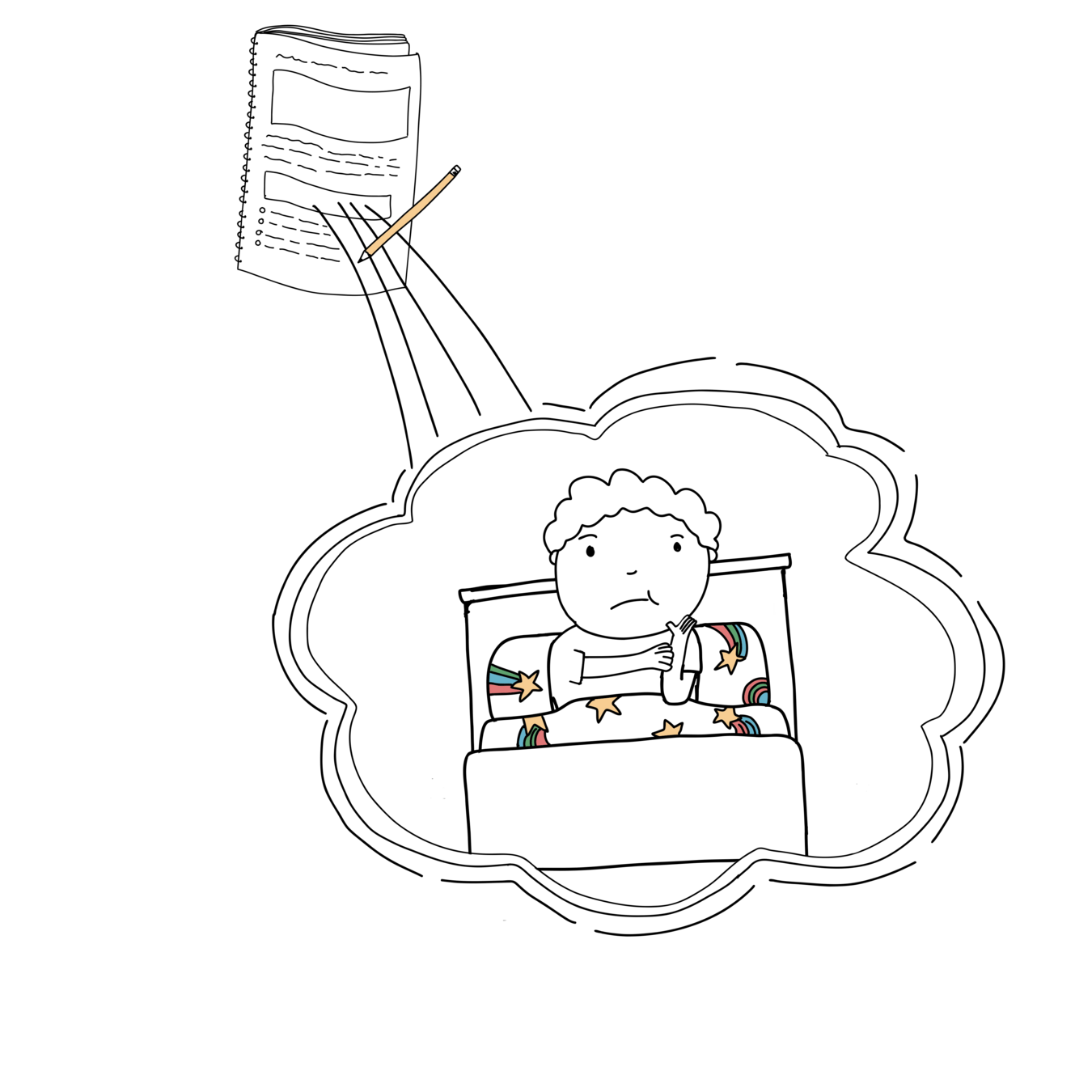
Record your scratching Breaking the cycle
When you figure out why you scratch, this programme can help you to reduce the scratching in these times.
Everyone scratches in different places, for different reasons. Can you think of other times you may scratch?
Record your scratching Breaking the cycle
What to do next?
Over the next week, try to record your scratching.
It might feel difficult to think about your scratching, but try and stick with it as noticing your scratching is an important first step to reducing scratching.
Or you can record your scratching in another way that works for you.
You can come back to part 2 to remind yourself how to record scratching at any time.
Next week, complete part 3.
You can access your scratching diary on the dashboard.
In the next part, we will find out more about things you can do to stop you from scratching.
Thanks for completing part 2
Rapid trial 8-12 Scratch Less - Part 2
By KidsInControl