


Katya Malinova PRO
I am an Associate Professor, Mackenzie Investments Chair in Evidence-Based Investment Management at the DeGroote School of Business, McMaster University, Canada.
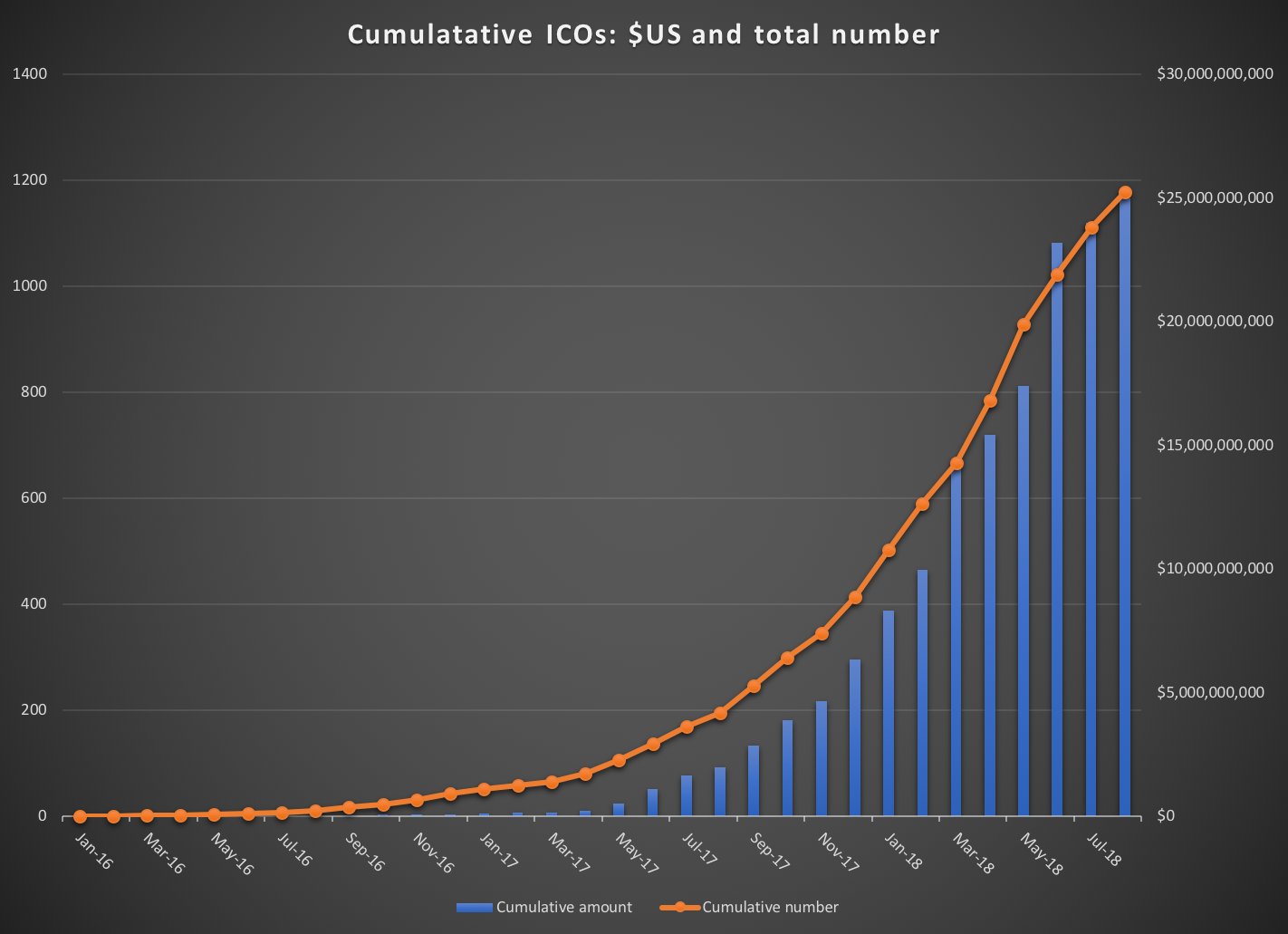
source: coinschedule (data from Sept 5, 2018)
current world peer-to-peer -- through intermediaries
a dealer/market maker is on one side of trade
parties know who they are trading with
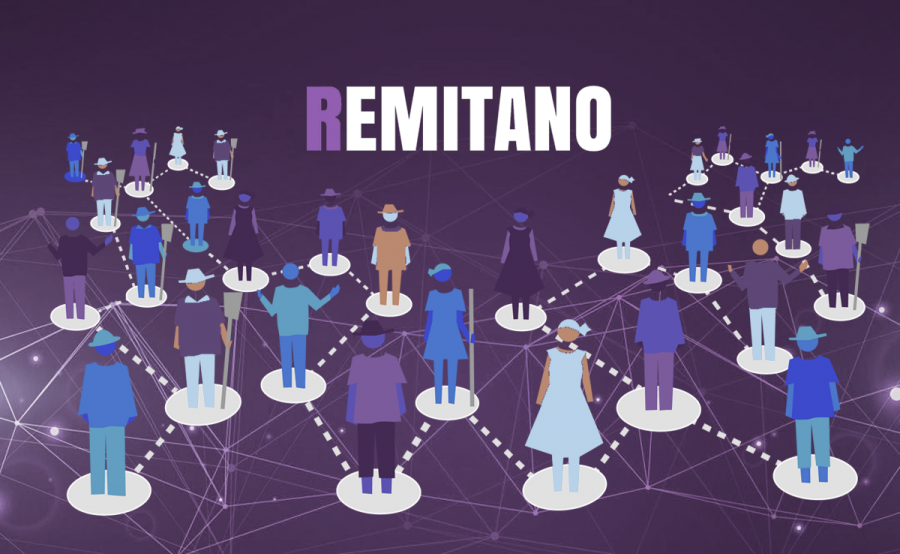
technology enables frictionless value transfer
1. Multiple Trading Protocols are possible
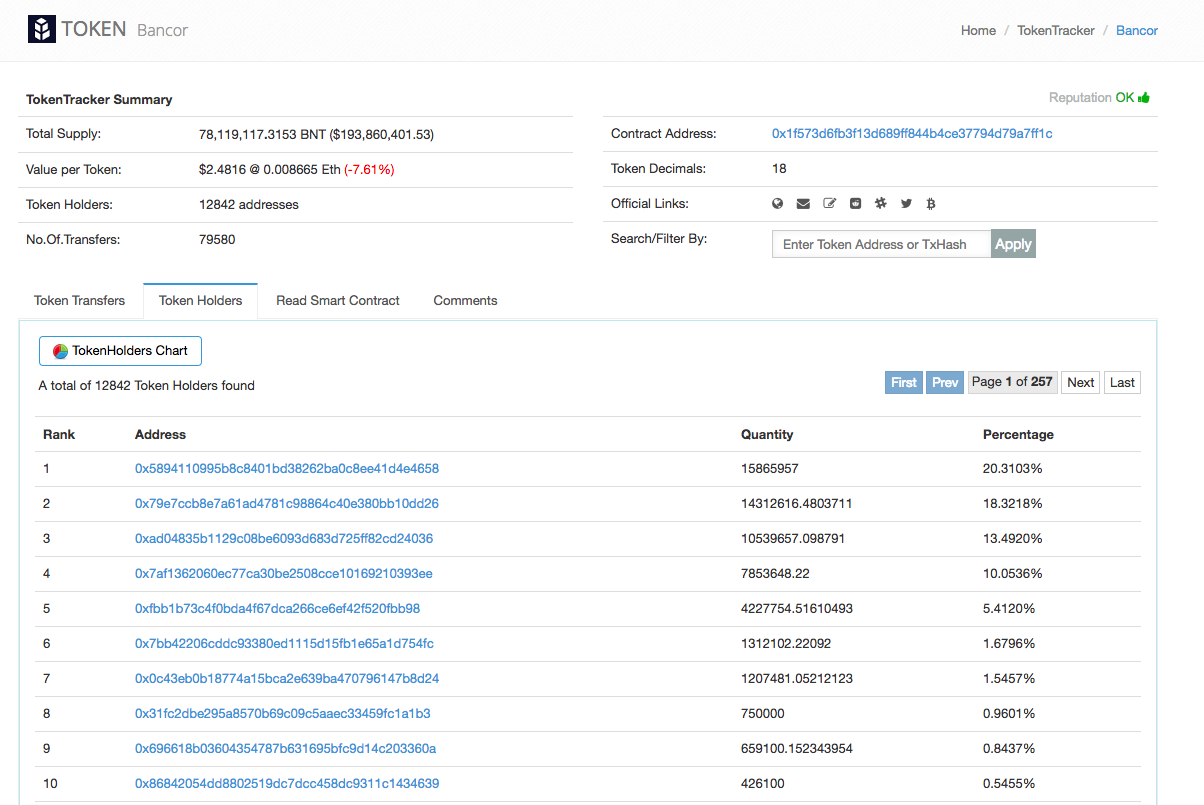
See transactions between "addresses" (="IDs")
may be able to see frequent "traders"
2. High Level of Transparency
you can tell if someone owns a lot
3. You can tell who owns what
Key: wallets/addresses = IDs but NOT = traders
Informational environment changes drastically
Frictionless peer-to-peer trading
How does the design of ledger transparency and identifier-usage with possible P2P interactions affect trading behavior and economic outcomes?
Economics of blockchain protocols and transaction costs
there is a large literature in computer science, e.g., Eyal and Sirer (2014)
Gans and Halaburda (2015); and Halaburda and Gandel (2016)
Budish (2018), Saleh (2017), Biais, Bidiere, Bouvard, Casamatta (2018)
Huberman, Leshno, and Moallemi (2017), Easley, O'Hara, Basu (2018)
Smart contracts and other uses of blockchain
Cong and He [2017], Yermack (2017)
Blockchain and financial securities/markets
Boehm et al [2015]; Harvey [2016], Raskin and Yermack [2016; 2017]; Aune, Krellenstein, O’Hara, and Slama [2017]
inefficient risk transfer
Data processing to contact small
Linear mining/validation cost
Risky asset, normally distributed
Two large investors, one hit by liquidity shock, repeated interactions
Continuum of small investors, half buys, half sells
Shocked "liquidity trader" (LT) may trade
peer-to-peer with other large
with many small
with risk-averse intermediary
Liquidity Providing peer may front-run Liquidity Trader
Requires a system design choice:
allow an entity (individual, investment fund) only a single ID per instrument
possible with private blockchain or ICO contracts.
costs:
complexity + validation
intermediation
costs
LT may get “front-run” by LP
Repeated setting:
Front-running is punished by “grim trigger”
Single shot:
LP extracts all surplus
"social norms" have bite: LT always trades with LP; share cost savings.
Price concession: none for frequent interactions (=large enough discount factor)
%IDs contacted independent of intermediary's inventories, but depends on:
probability of small accepting
(il-)liquidity of intermediated market
complexity/data processing costs.
For non-large validation cost, LT trades with small (and intermediary)
Closest and native to "public" blockchains:
anyone can participate anonymously
can create as many accounts as I want
described by Ethereum founder as simple solution to achieve privacy
private blockchains can choose to organize like this
small traders
large trader
small traders
large trader
small traders
large trader
filled
unfilled
Opaque Single ID
Opaque Multi-ID: LP accepts
Opaque Multi-ID: LP rejects
accept offer
"target" small investors only
price concession "wasted" on small
complexity costs: high
intermediary costs: low
no price concession
complexity costs: low
intermediary costs: high
"target" IDs of both: large and small
validation fees
front-run
Theorem: There exists an equilibrium with no front-running where:
LP accepts
price concession = 0
provided:
frequent interactions
or very liquid intermediated market (front running hard)
or high validation costs (front running expensive)
Result 2 (numerical): For infrequent interactions, the equilibrium with no front-running where LP accept does not exist. Then:
In equilibrium, LT offers p = 0 to the continuum, and
LP's IDs reject the offer.
=> "over-trading" with intermediary
Large traders do interact:
welfare single ID \(<\) welfare multi-ID
payoff to large multi-ID (assume price=0) \(>\) payoff large single ID
Large traders do not interact:
welfare single ID \(=\) welfare multi-ID.
payoff to large with single ID \(>\) payoff large multi-ID
(Numerical) \(\exists\) parametric configurations with
large interact in multi-ID & p > 0 s.t.
payoff to large with single ID > payoff large multi-ID
Observations
Intermediary involved \(\Rightarrow\) social inefficiency
Small with large traders \(\Rightarrow\) complexity costs
\(\Rightarrow\) Best if large interact
payoffs under the full transparency highest by construction.
Blockchain="Back office" tech with front office implications!
with peer-to-peer there are critical design choices
Who can see the ledger?
How are virtual identities managed?
Findings:
Transparent ledger with single IDs is welfare optimal and has lowest wealth redistribution (almost by construction)
Between (A) public blockchain solution with multiple IDs and (B) private, non-transparent ledger with single IDs:
public blockchain privacy solution has higher aggregate welfare
but does not necessarily lead to higher payoffs for large investors.
By Katya Malinova
This set of slides was created for the NYU Stern FinTech Conference in October 2018. The deck has been designed for a 15 minute presentation.


