-
CURRENT STATE OF OUR OCEANS
-
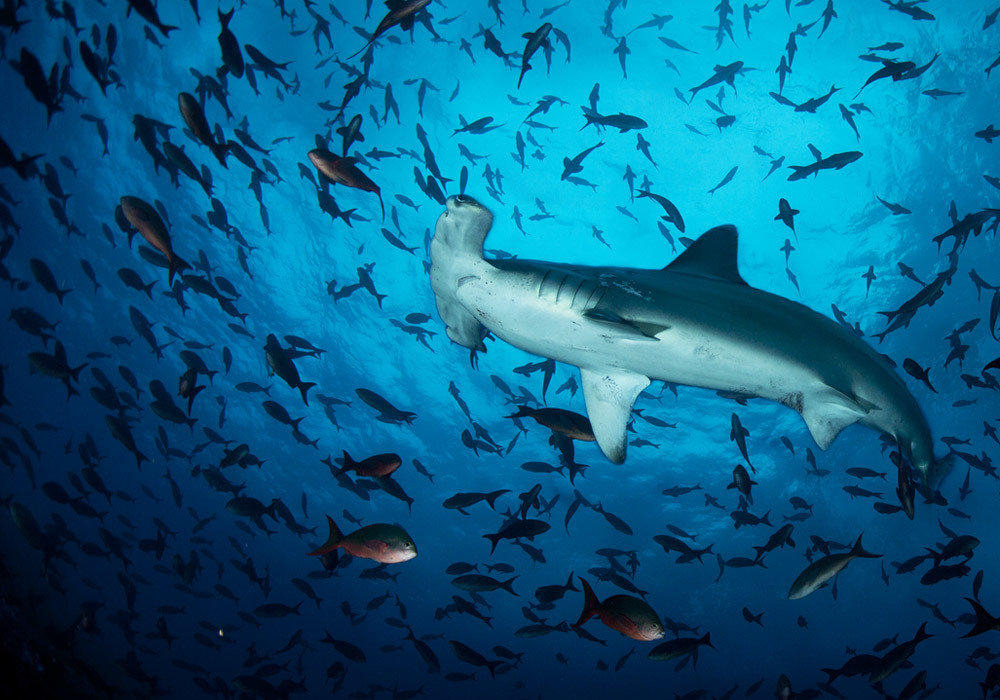

On a planet where 71 percent of the surface is covered by water, the oceans are critical for life itself. They feed us, regulate our weather patterns, provide over half the oxygen that we breathe, and contribute to our energy and economy.
An estimated 350 million jobs globally are linked to the oceans.
One billion people living in developing countries depend on fish as their primary source of protein.
There is five times more carbon stored in coastal habitats than in tropical forests.
Eighty-five percent of the world’s fisheries are categorized as either “fully exploited,” “overexploited,” or “depleted.”
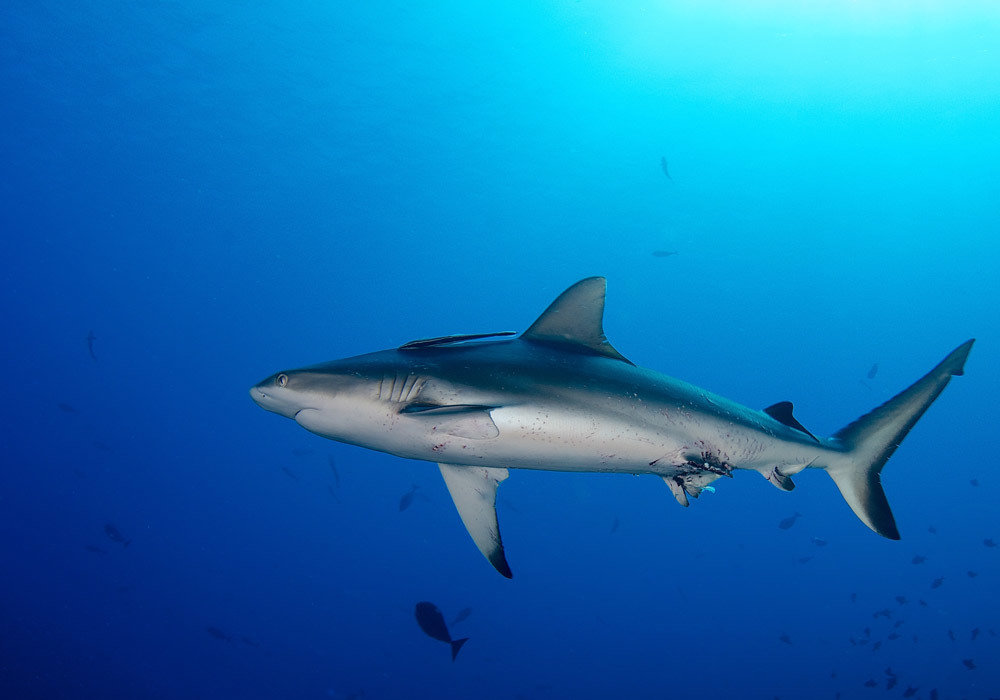
Ninety percent of sharks and big fish in the oceans are gone.
Climate change threatens coastal communities worldwide.
Less than 2 percent of the oceans is legally protected in parks and reserves, compared to 12 percent of land areas globally.
Less than 5 percent of the ocean floor and the waters beneath the surface have been explored and mapped in a level of detail similar to what already exists for the dark side of the moon, for Mars, and for Venus.

-
ENTER CITIZEN SCIENCE
-
-
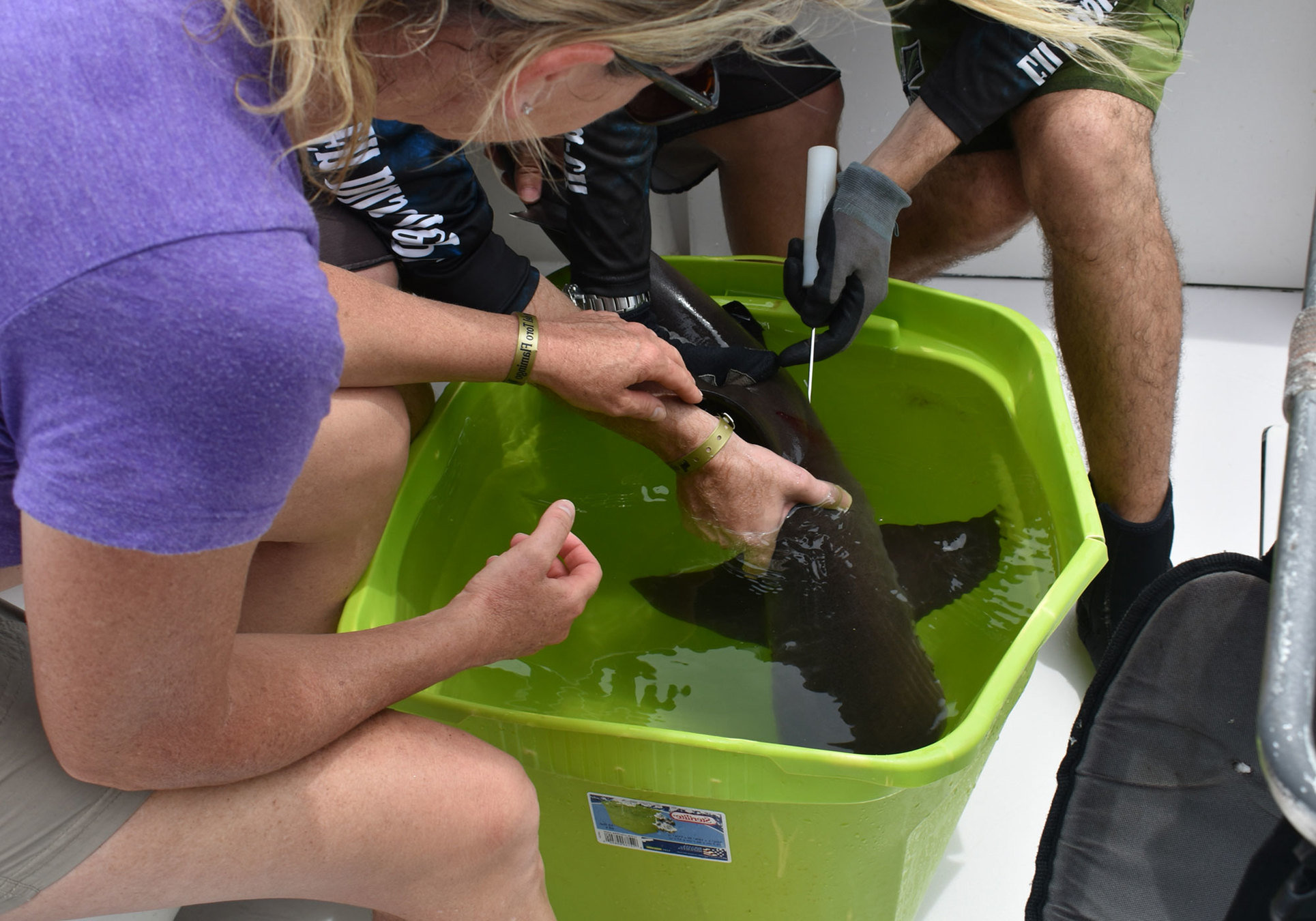
"Using the same technologies that separate us from nature to help us understand and enjoy it."
DAVID SUZUKI
-
-
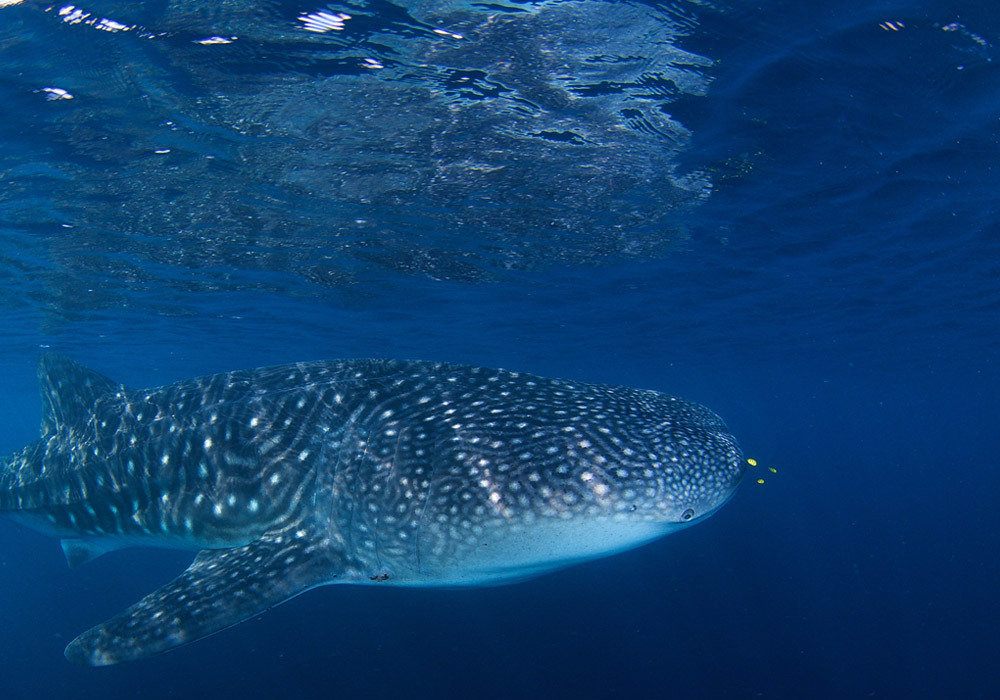
STEM EDUCATION:
HANDS ON,
MINDS ON
LEARNING
-
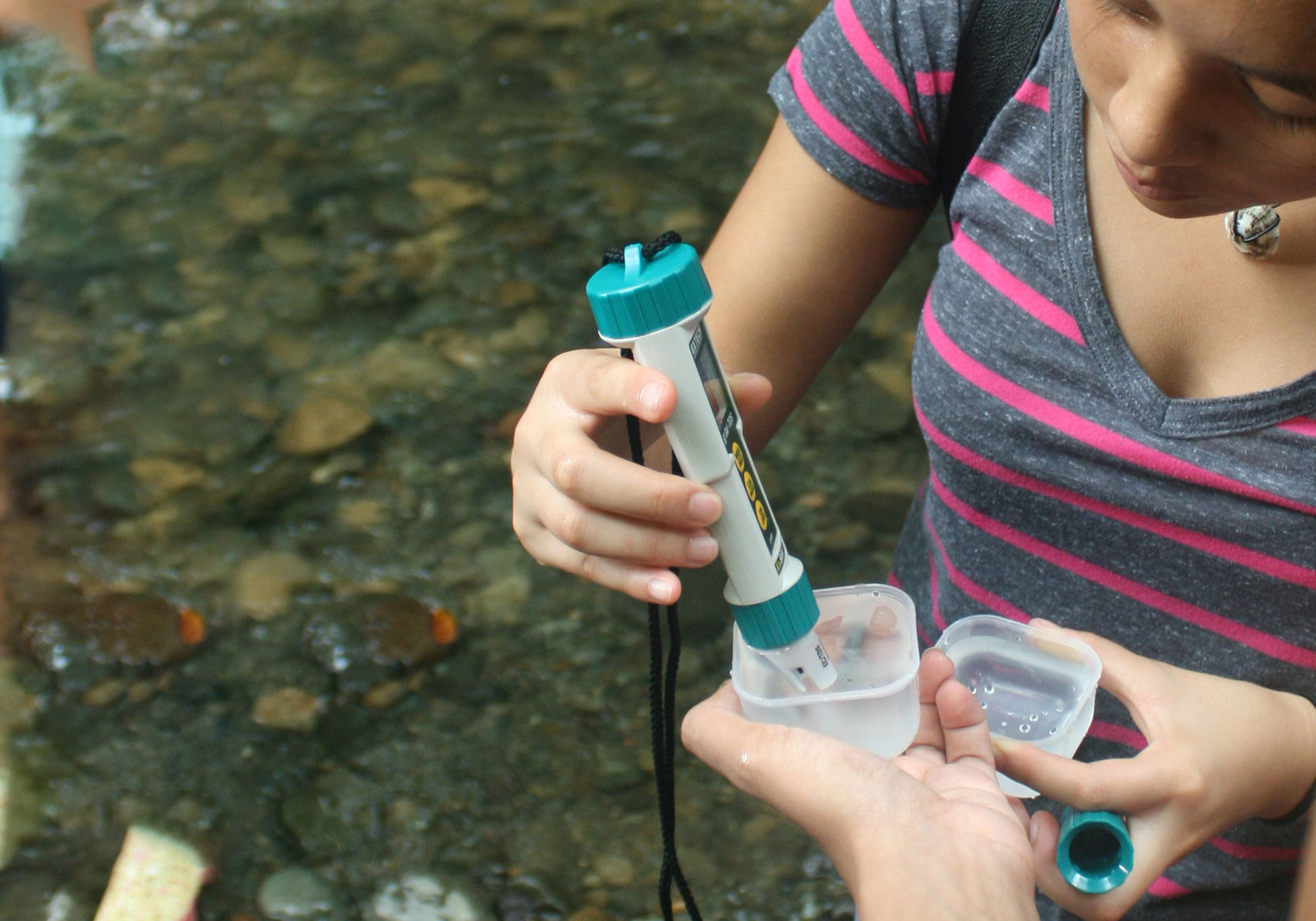

AWSOME FACTS ABOUT STEM EDUCATION:
The national average payout is 70% bigger
Unfilled STEM vacancies are higher than candidates

Between 2008 to 2018 STEM jobs grew twice than other jobs
8 out of 10 most wanted employees have STEM education
In the next 20 years, 80% of jobs will require technical skill.
STEM employees build communities and move the nation forward



-
WHY ARE WE DOING THIS?
-
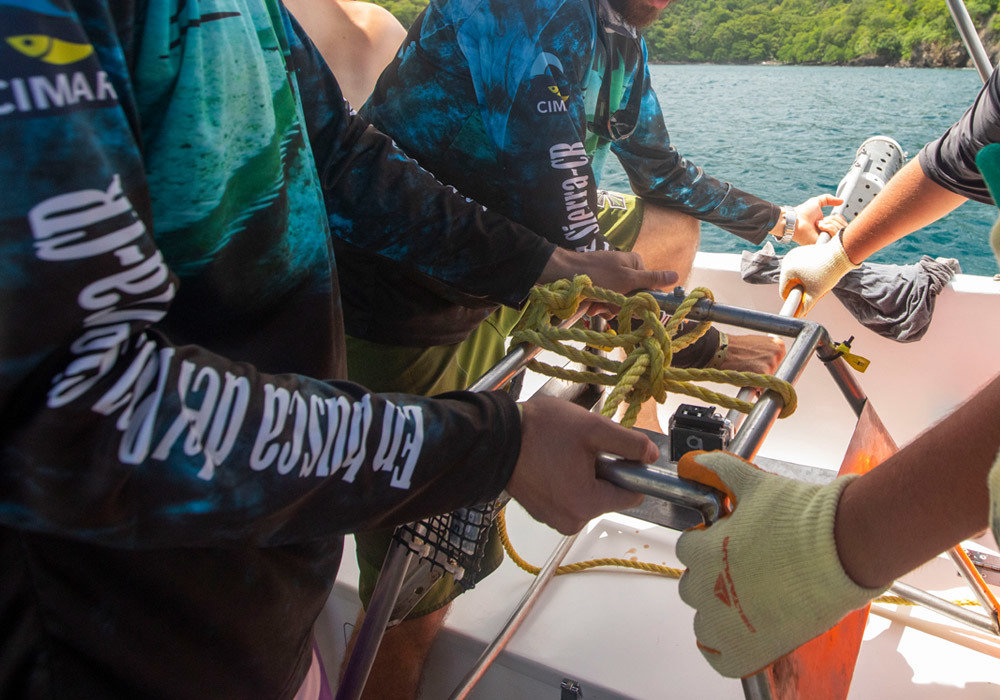
Why are we doing this?
To understand and conserve Marine Ecosystems worldwide through Citizen science, community engagement and government support.
CONNECTOCEAN CITIZEN SCIENCE EXPLORER MISSION:
-
WHAT DO WE WANT TO ACCOMPLISH?
-
CONNECTOCEAN CITIZEN SCIENCE EXPLORER GOALS:
The project will incorporate an integrated research approach through citizen science, examining the biological, ecological and behavioral trends of marine ecosystems with a focus on Mangroves, Intertidal zones, reefs,open ocean and watershed ecology.
1
The citizen science data gathered under this project will be used to advise policy changes and develop a long-term marine conservation management plan for Marine Conservation Areas around the world, including the designation and/or expansion of marine protected areas.
2
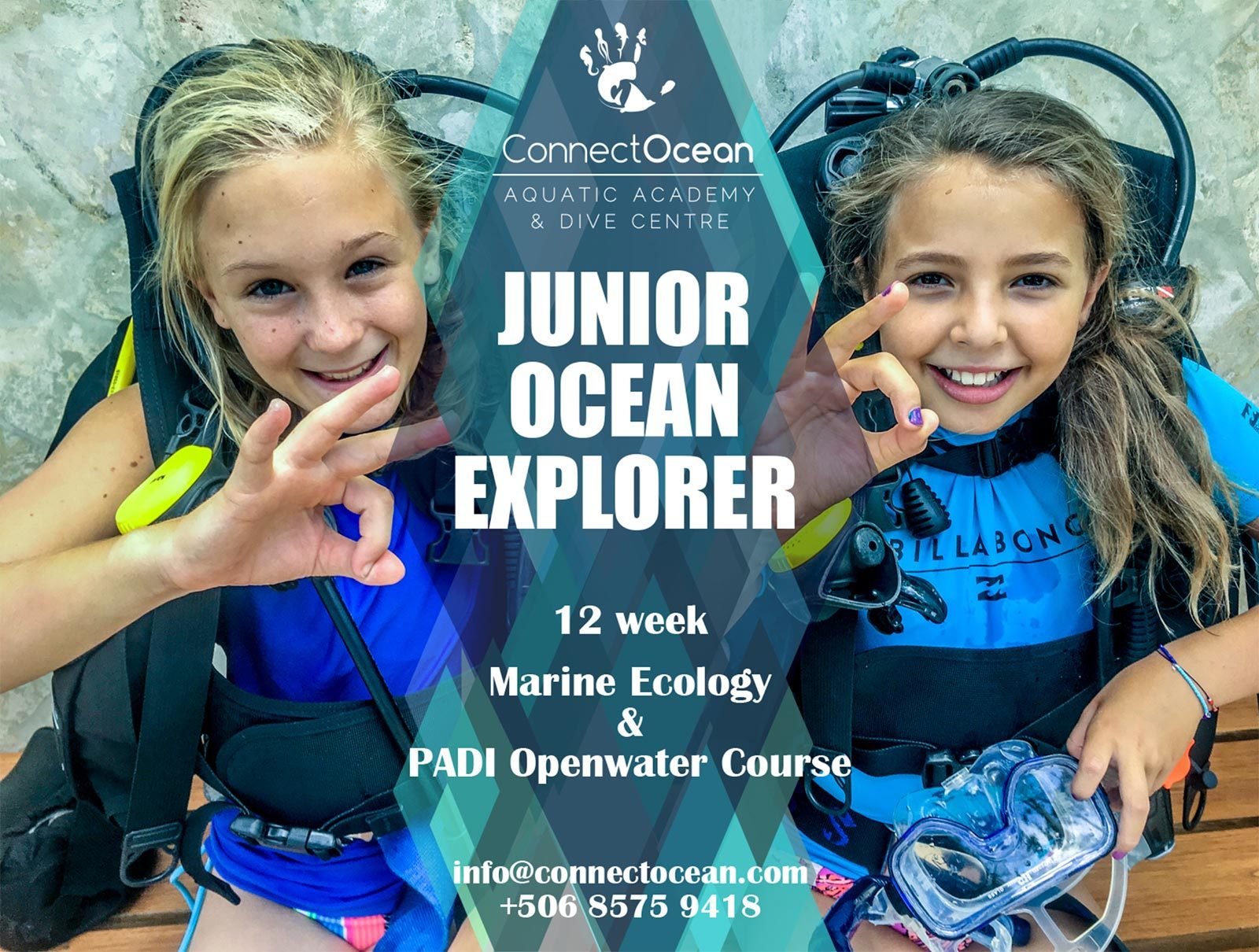
There will be a key educational element to this project focusing on divers and STEM school education.
3
Long Term and Short Term funding strategies for local projects and research.
4
-
HOW ARE
WE DOING
THIS?
-
CONNECTOCEAN CITIZEN SCIENCE EXPLORER TACTICS:
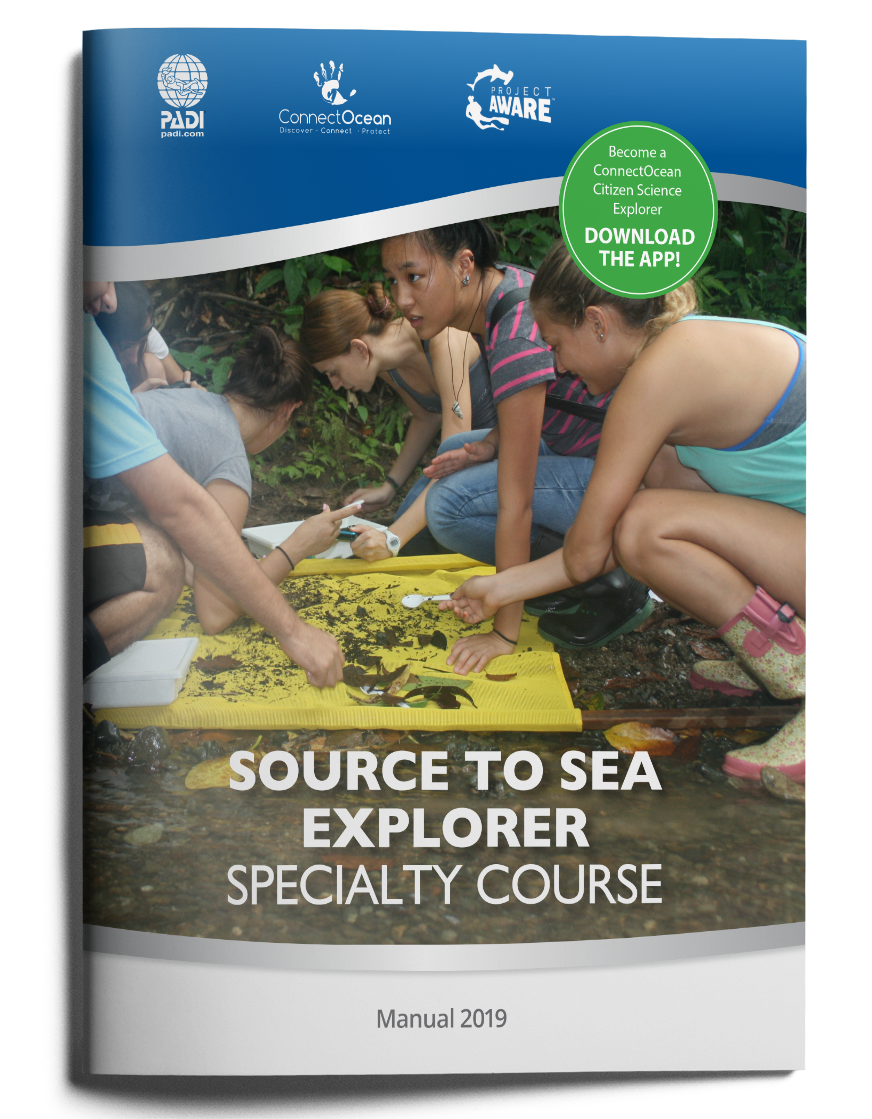
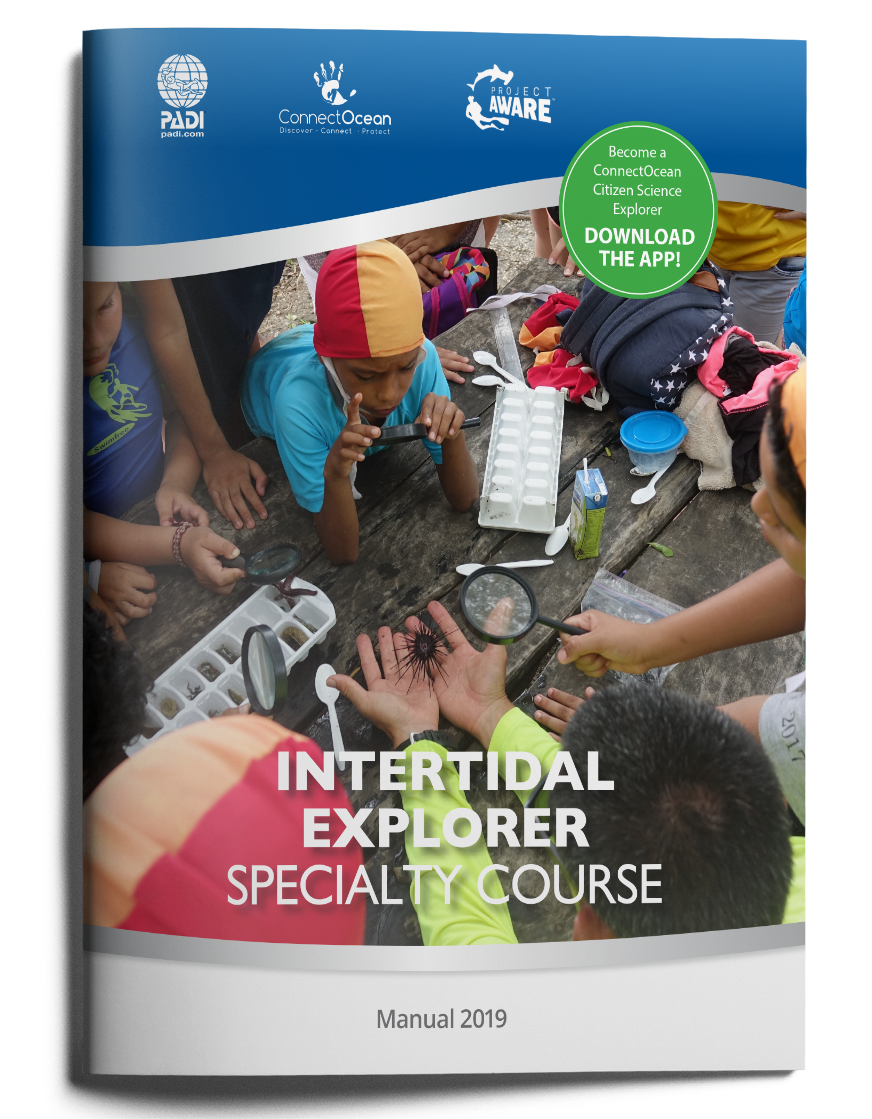
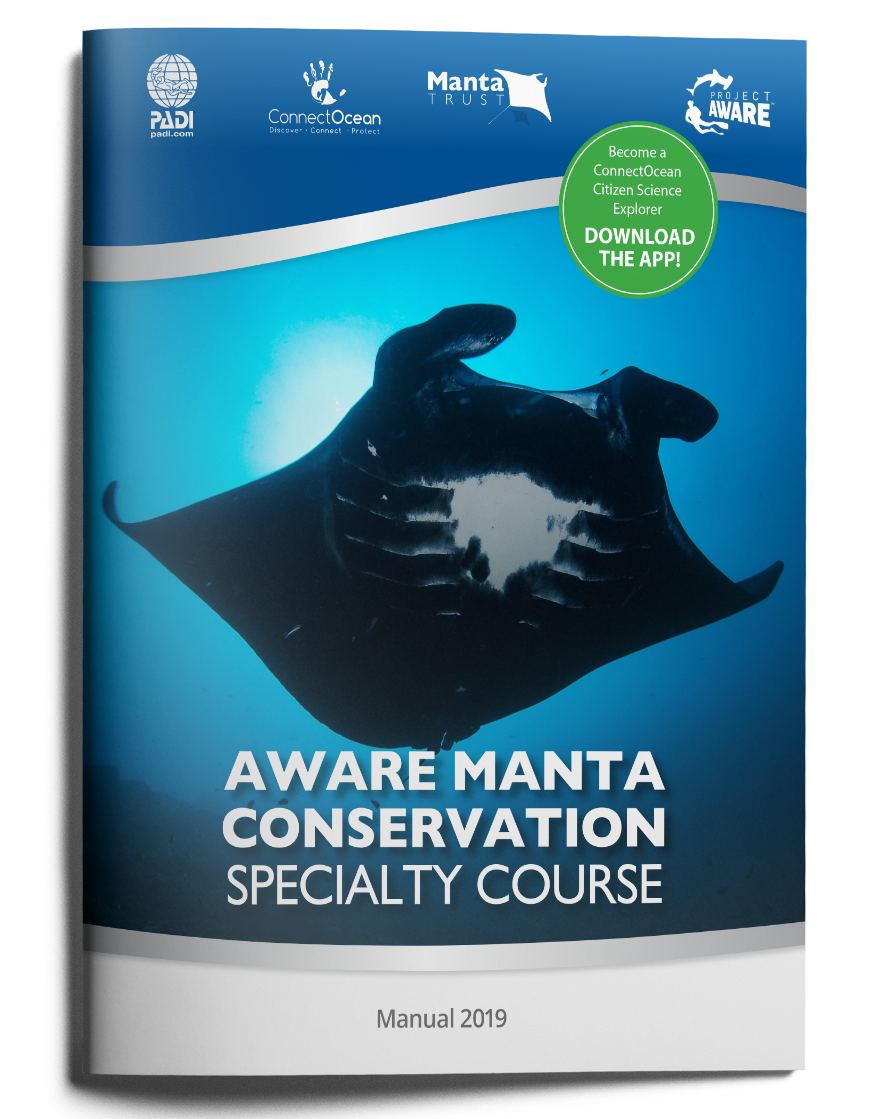
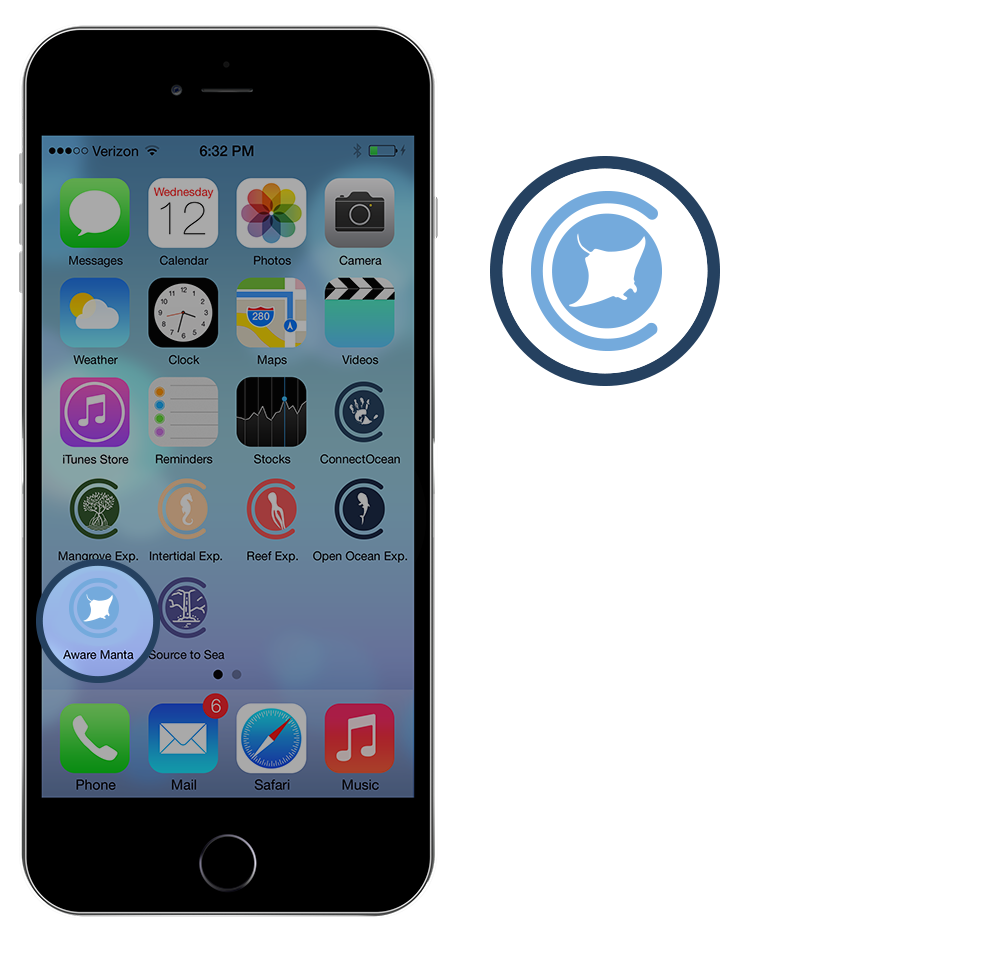
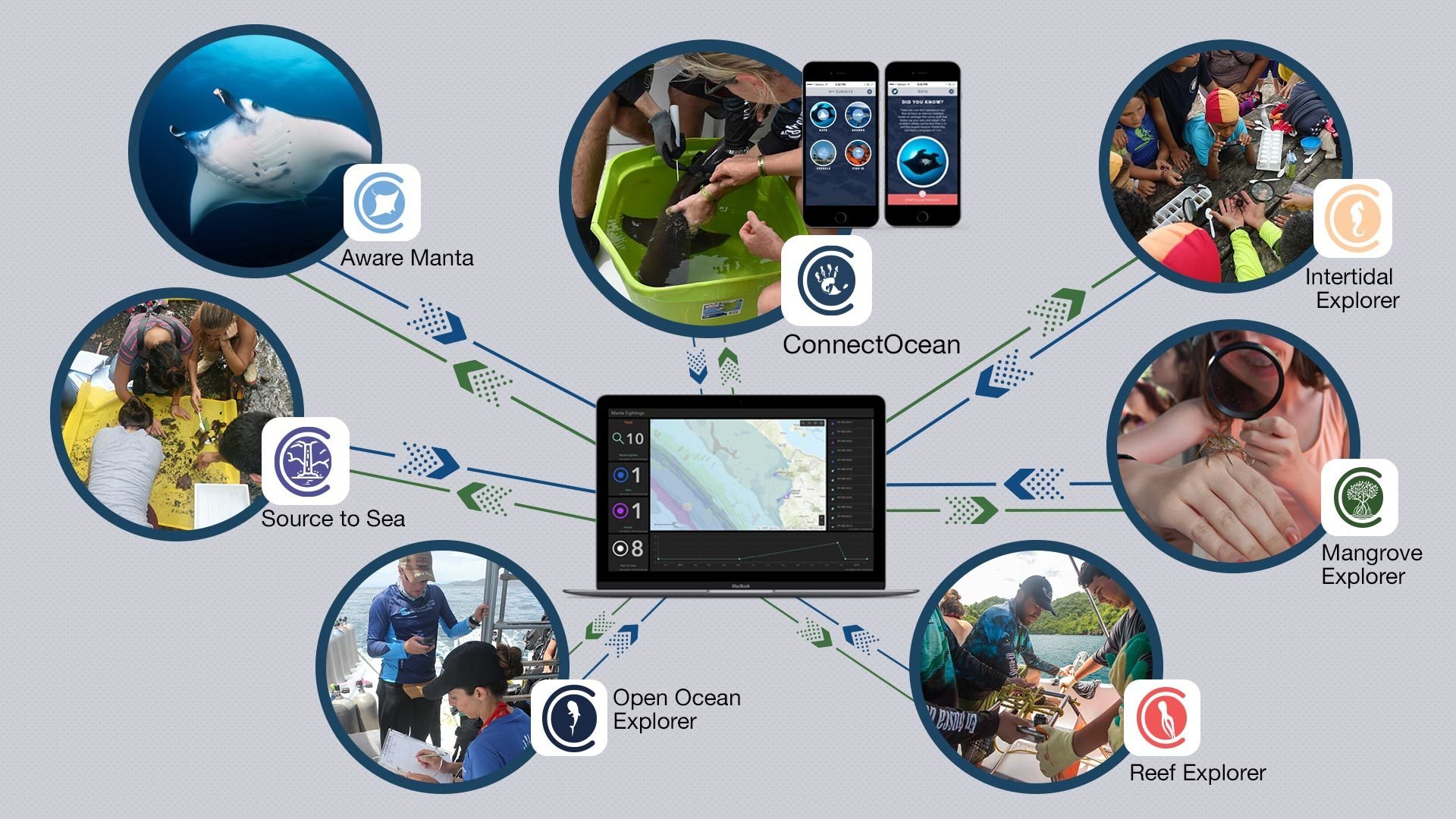
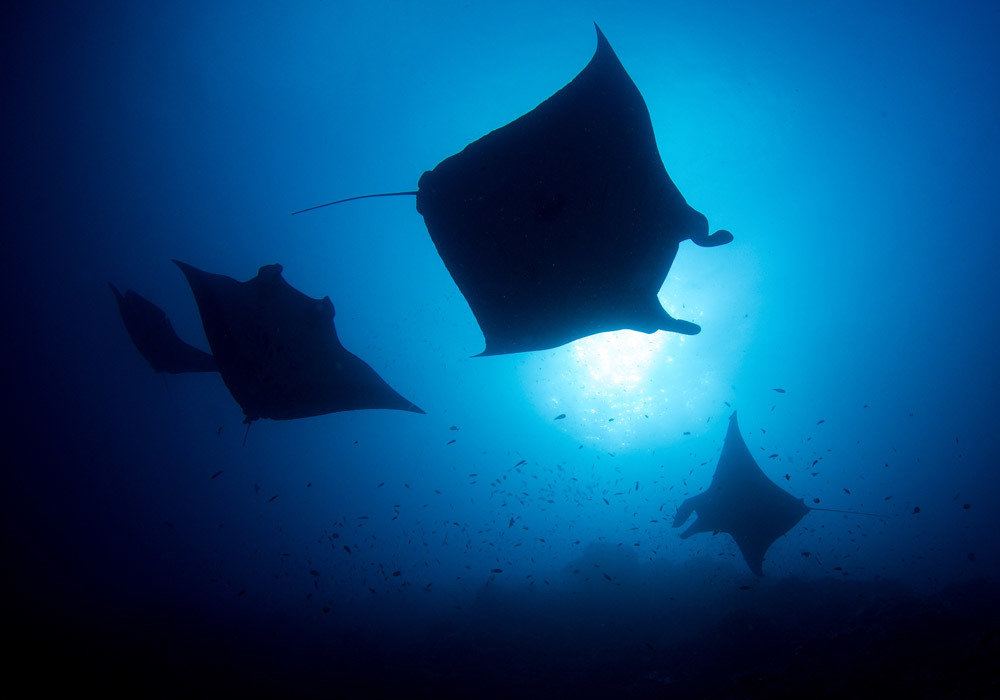
ConnectOcean has developed a Citizen Science curriculum covering 4 Marine Ecosystems, a watershed ecosystem and an AWARE Manta Conservation Speciality.
The Curriculum uses place based education techniques which requires hands on learning. The course can be taught on site in the respective ecosystems without having to be in a classroom setting. The courses are designed to teach participants the value and importance of each of the related ecosystems and engages participants in research through citizen science data collection.
STRATEGIC PLANNING STEPS:
1. SOURCE TO SEA EXPLORER
2. INTERTIDAL EXPLORER
3. MANGROVE EXPLORER
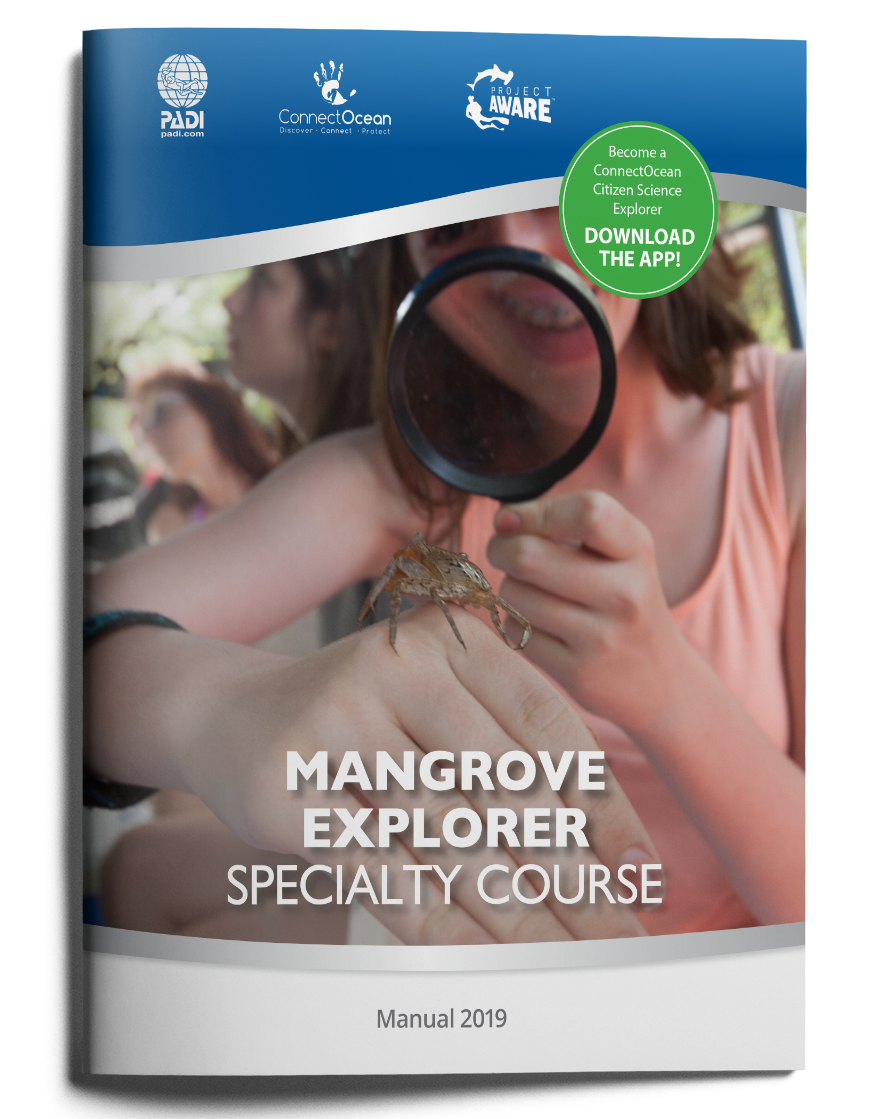
4. REEF EXPLORER
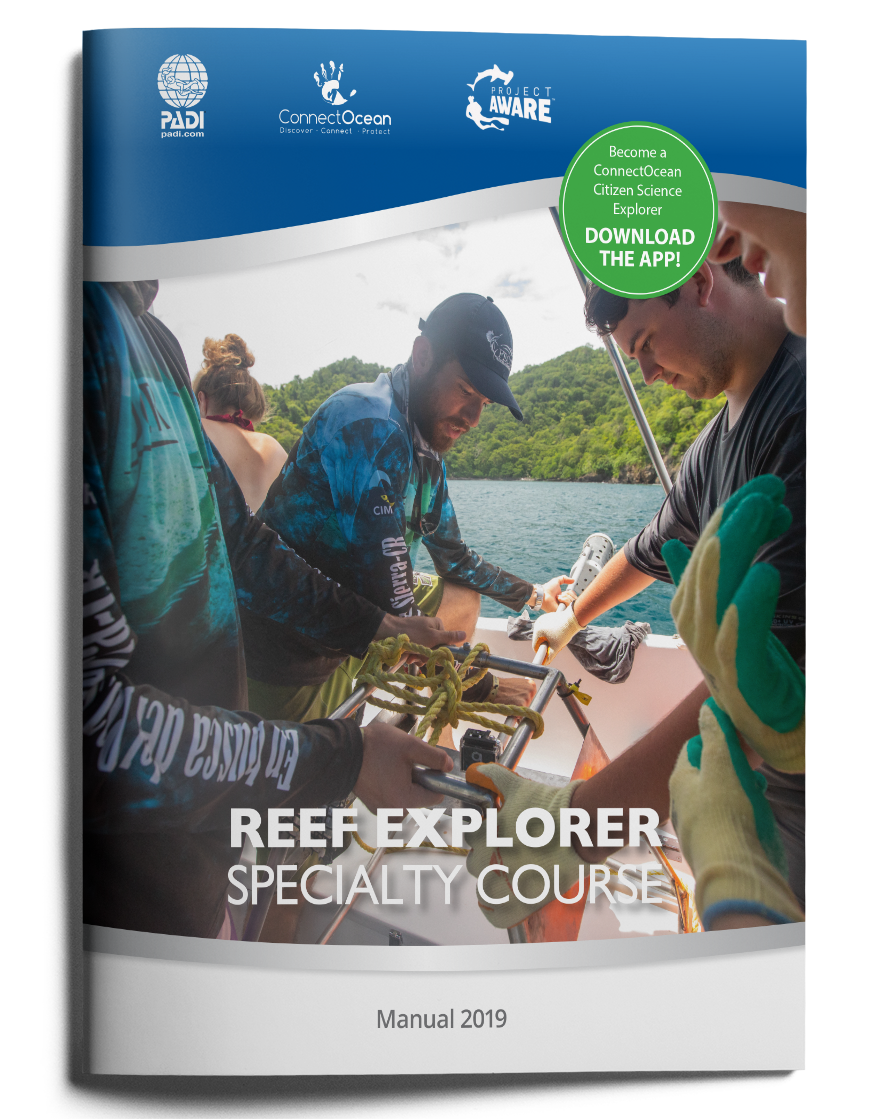
5. OPEN OCEAN EXPLORER
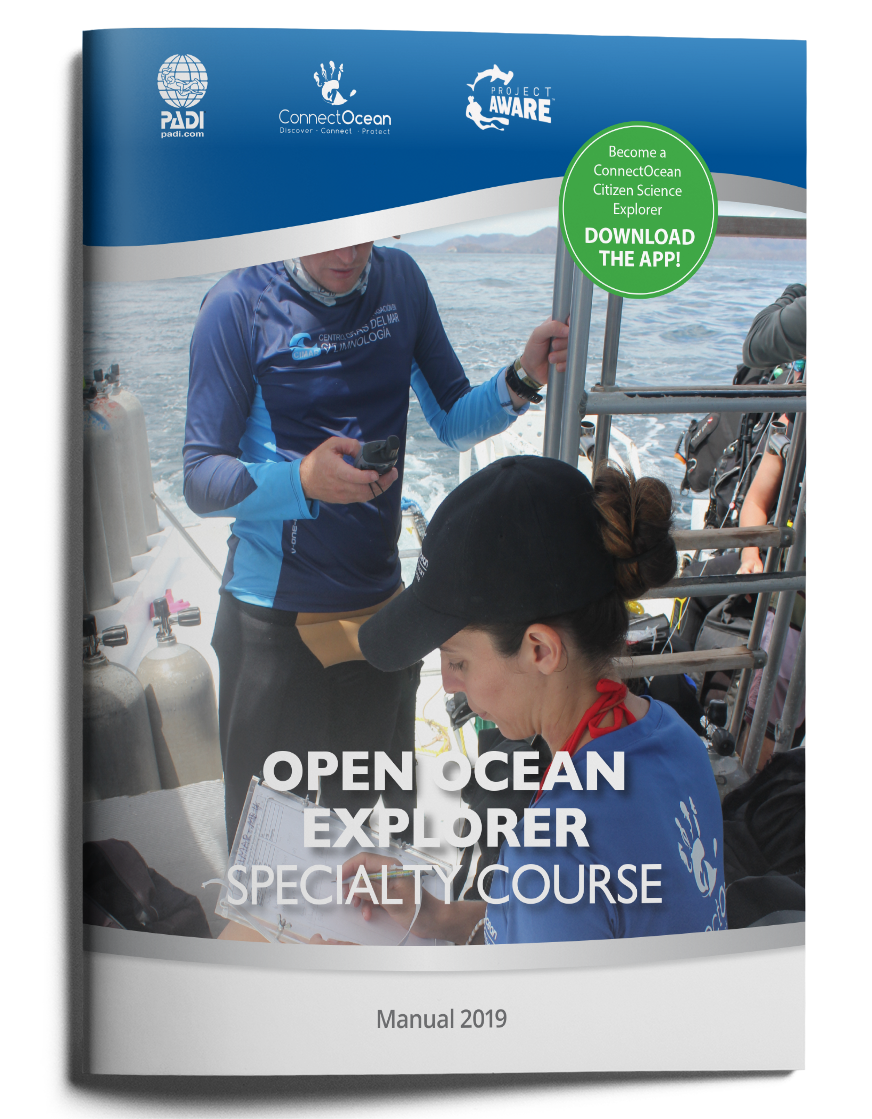
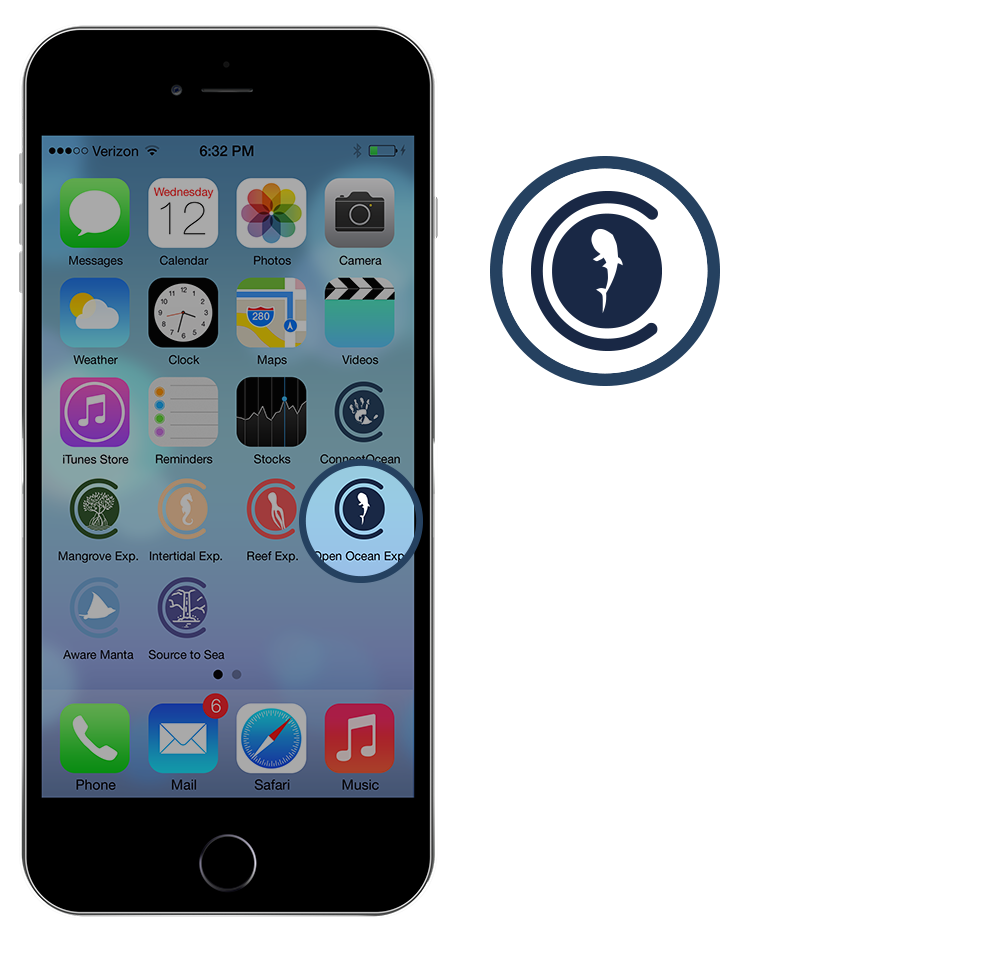
6. AWARE MANTA CONSERVATION SPECIALITY
A GOOD EXAMPLE...
-
WHERE DO WE START?
-
CONNECTOCEAN CITIZEN SCIENCE EXPLORER APP:
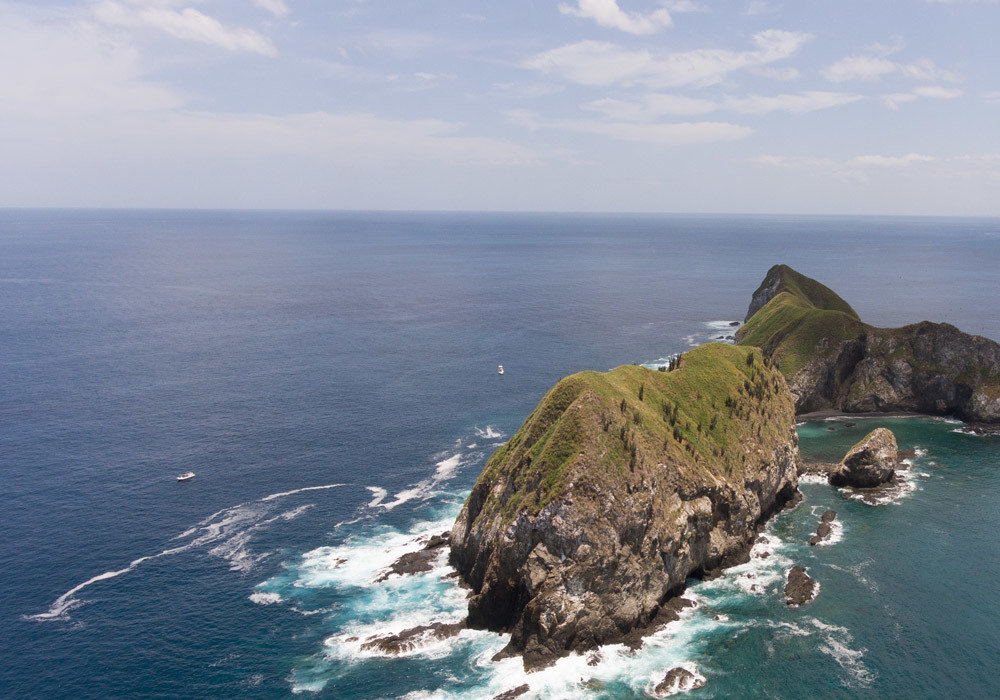
We are currently collaborating with local Researchers from the University of Costa Rica/CIMAR and The Ocean First Institute in Boulder Colorado to create a Marine Life Census around the Catalinas Islands here in Guanacaste, Costa Rica.
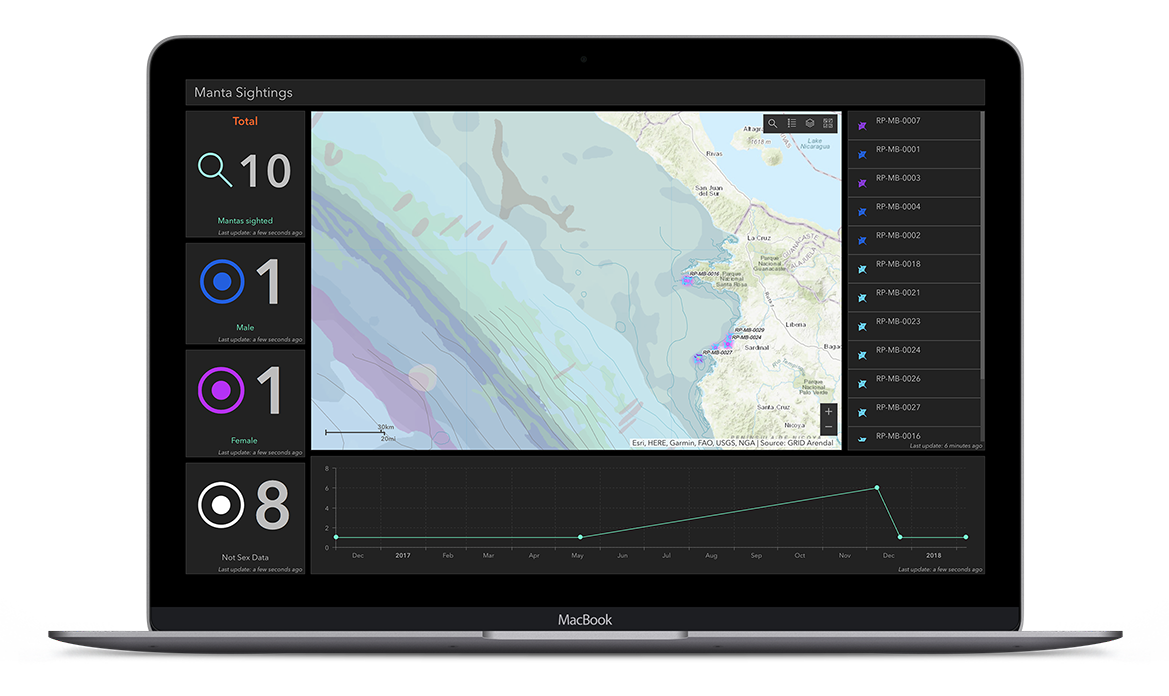
The data being collected from around the Catalina Islands is being uploaded onto this GIS platform by Citizen scientists through an app with the goal to build a baseline data base of species found and species absent.
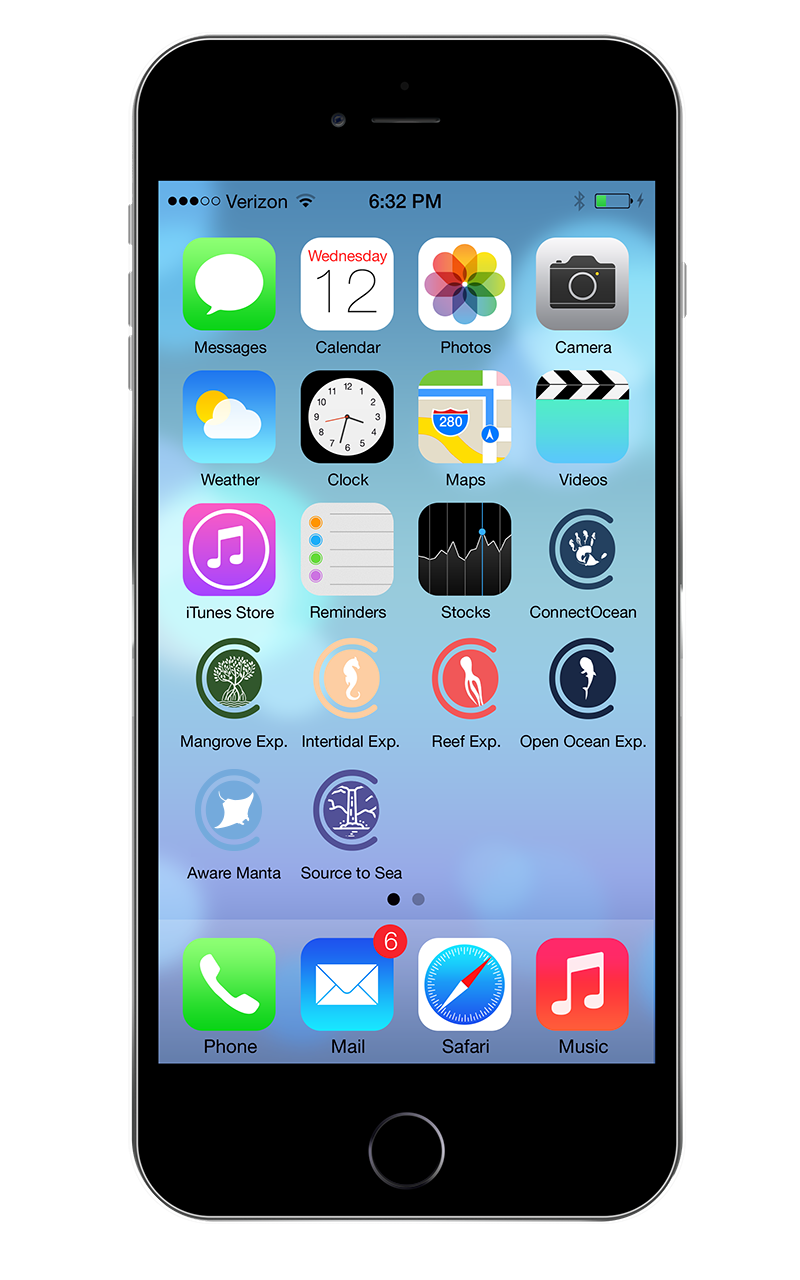
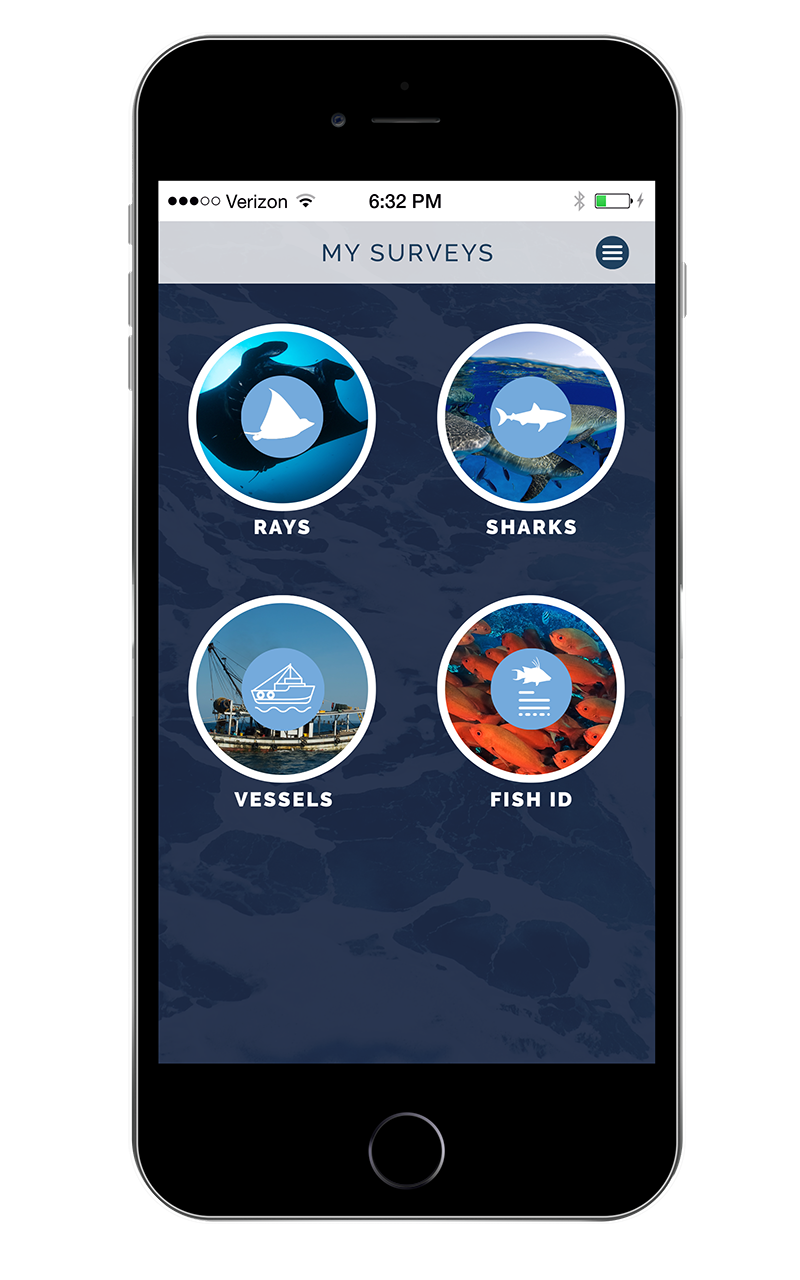
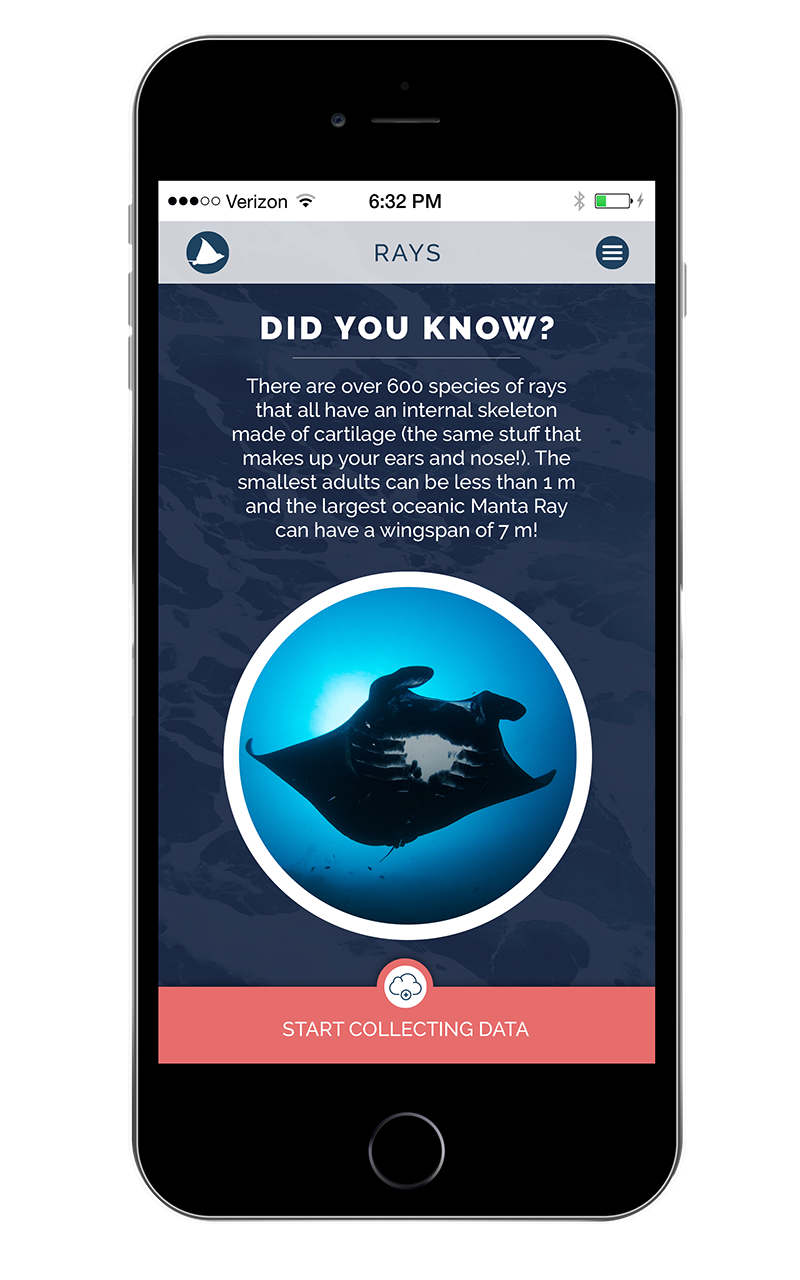
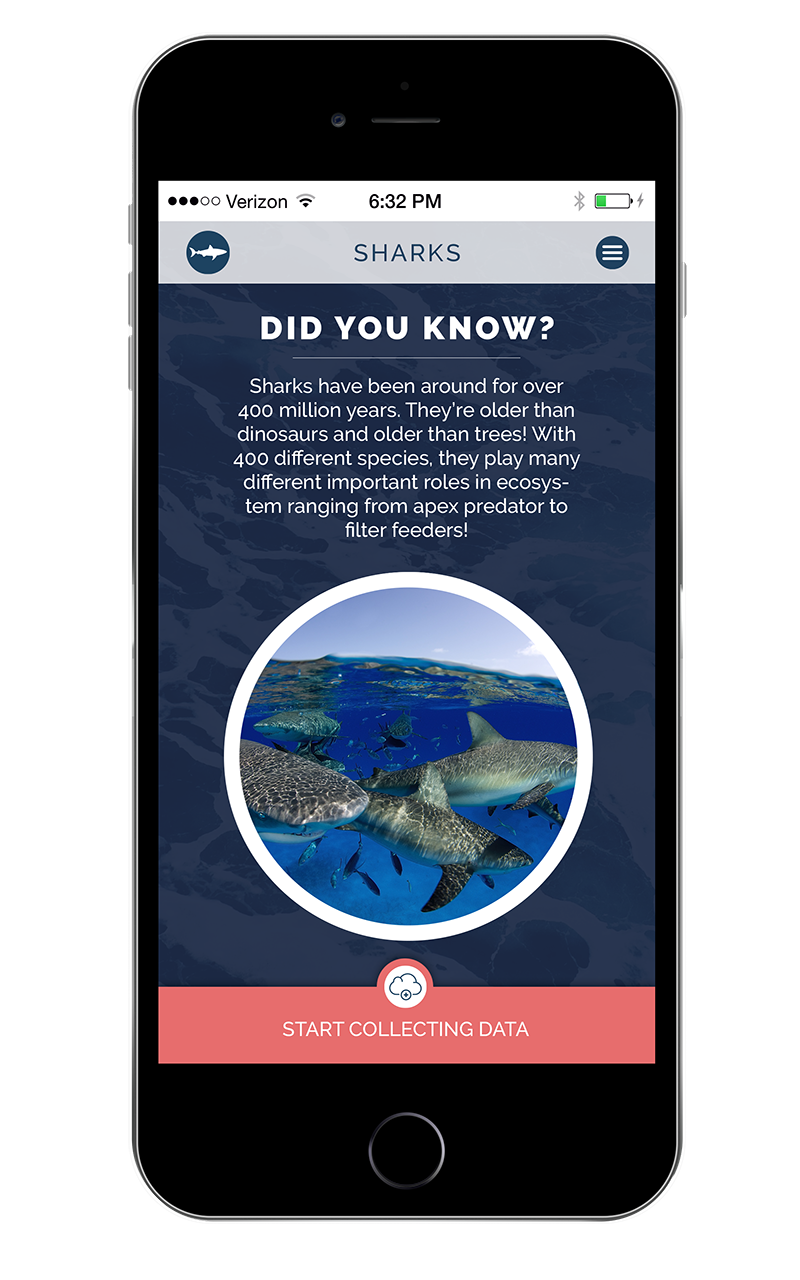
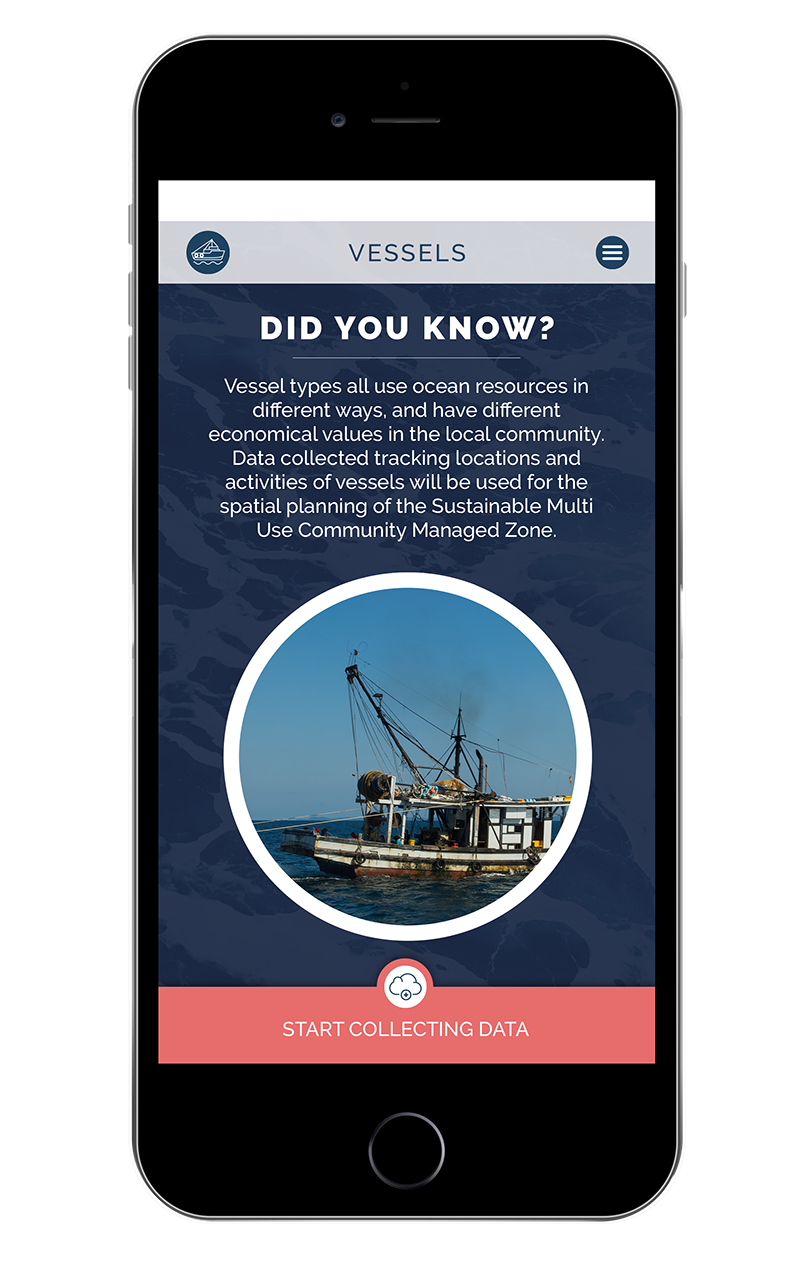
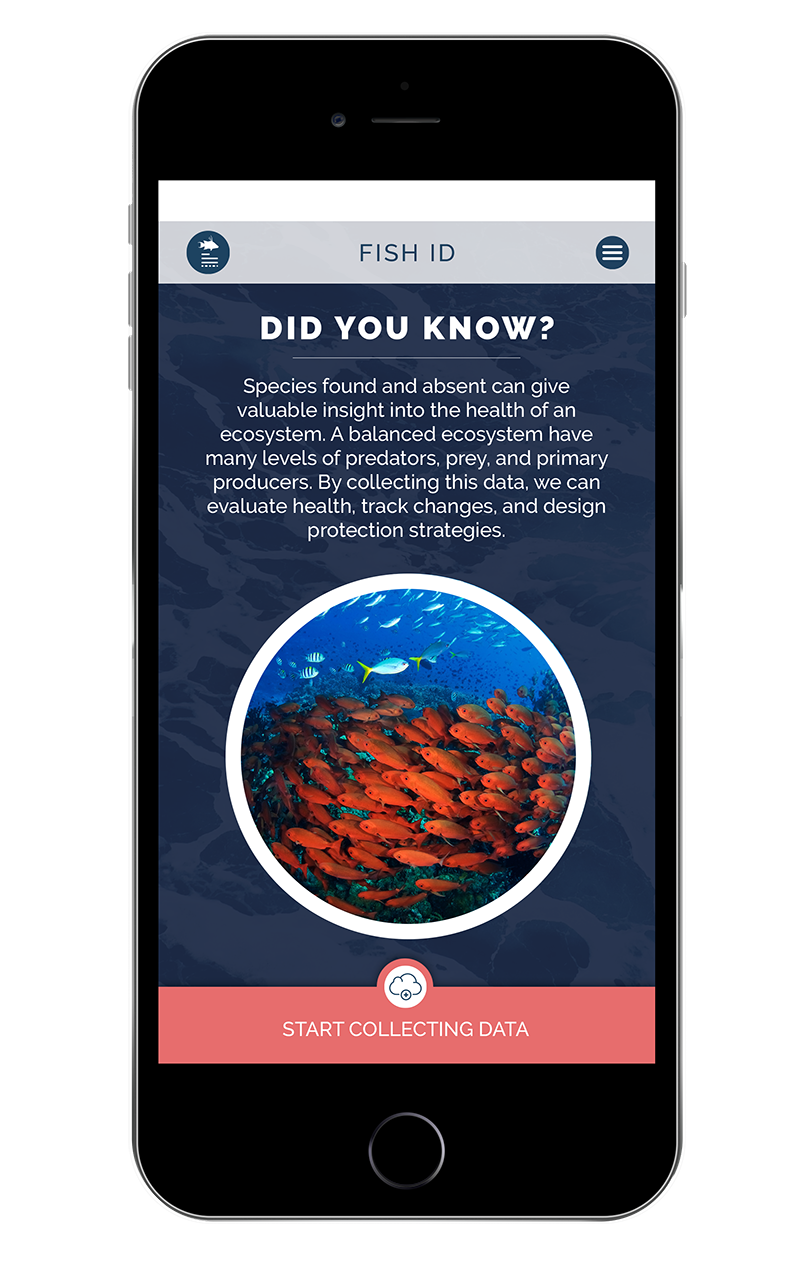
All of the above data is then uploaded on our GIS App either from a desktop version or on site, using the App from an android or IOS device with Geo location.
-
WHY IS THIS IMPORTANT?
-
THIS IS IMPORTANT BECAUSE...
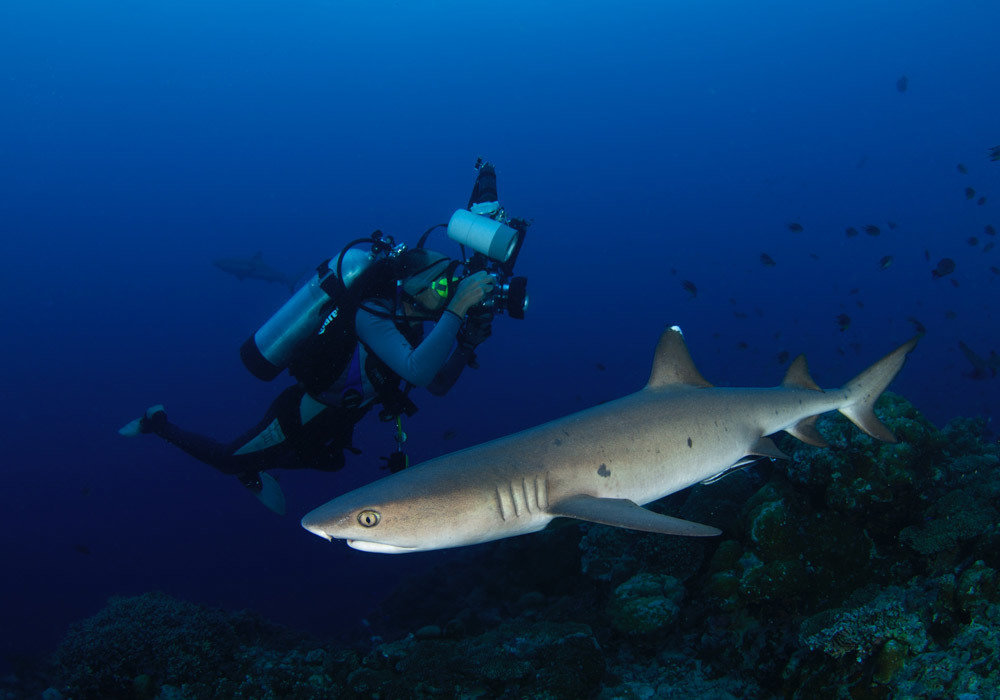
You now have a powerful tool to measure ecosystems, empower communities and bridge research through education! Can you imagine what you can achieve world-wide if you had a million PADI divers participating in this! You would potentially have the largest Marine Citizen Science Program in the World!
Combining it with the education element lends itself to the possibility to have it implemented as a STEM education program in schools which in turn creates a massive diver acquisition possibility for PADI.
-
IN SUMMARY
-
Citizen Science Explorer Program_Short
By Lapula Estudio
Citizen Science Explorer Program_Short
A Project of ConnnectOcean Conservation and Outreach. A division of the ConnectOcean Group. Las Catalinas, Playa Danta. Guanacaste, Costa Rica.