-
CURRENT STATE OF OUR OCEANS
-
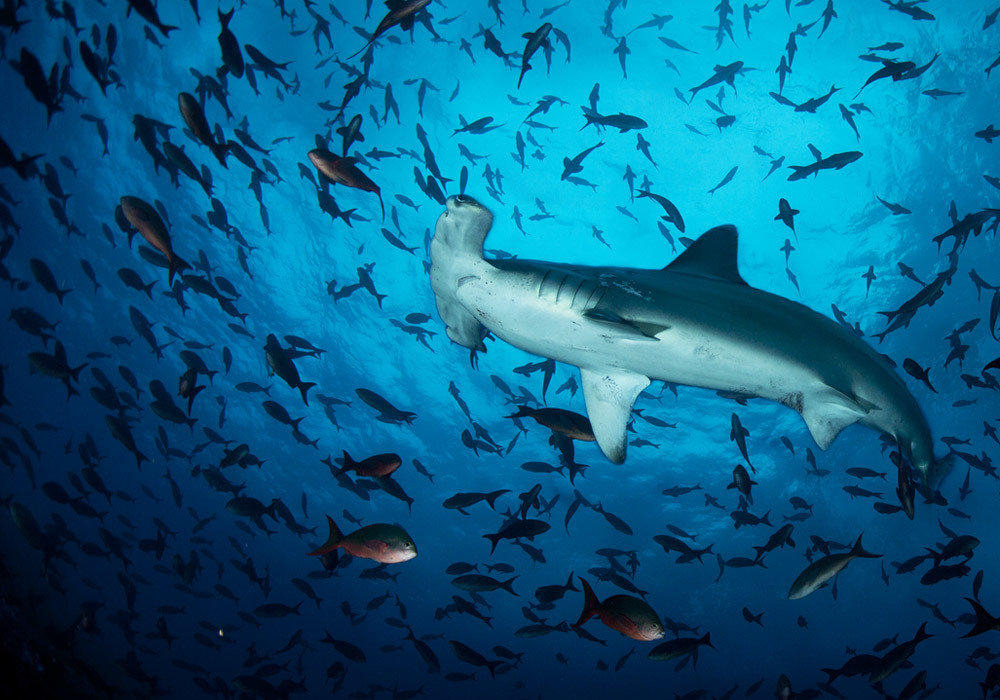

On a planet where 71 percent of the surface is covered by water, the oceans are critical for life itself. They feed us, regulate our weather patterns, provide over half the oxygen that we breathe, and contribute to our energy and economy.
An estimated 350 million jobs globally are linked to the oceans.
One billion people living in developing countries depend on fish as their primary source of protein.
There is five times more carbon stored in coastal habitats than in tropical forests.
Eighty-five percent of the world’s fisheries are categorized as either “fully exploited,” “overexploited,” or “depleted.”
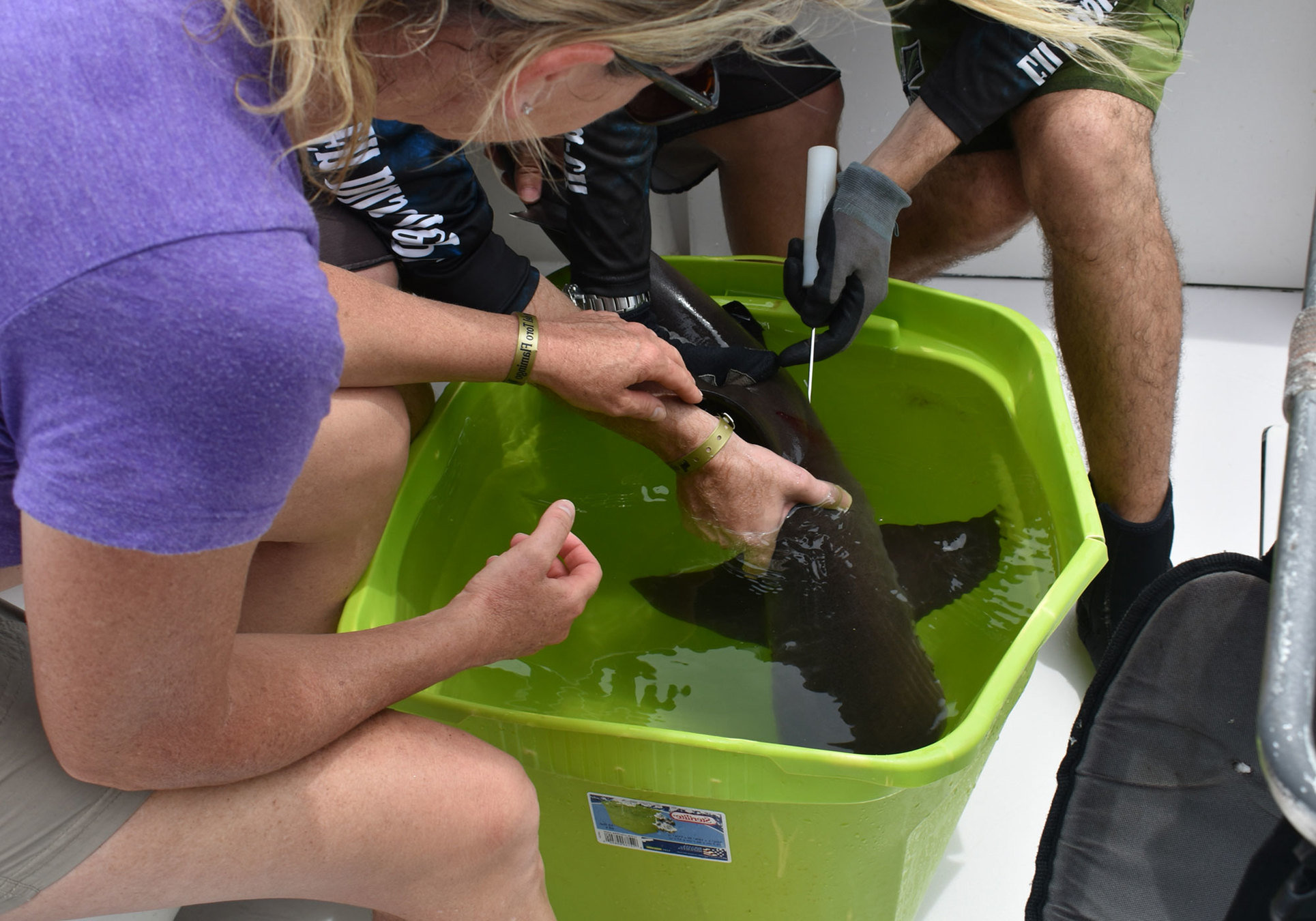
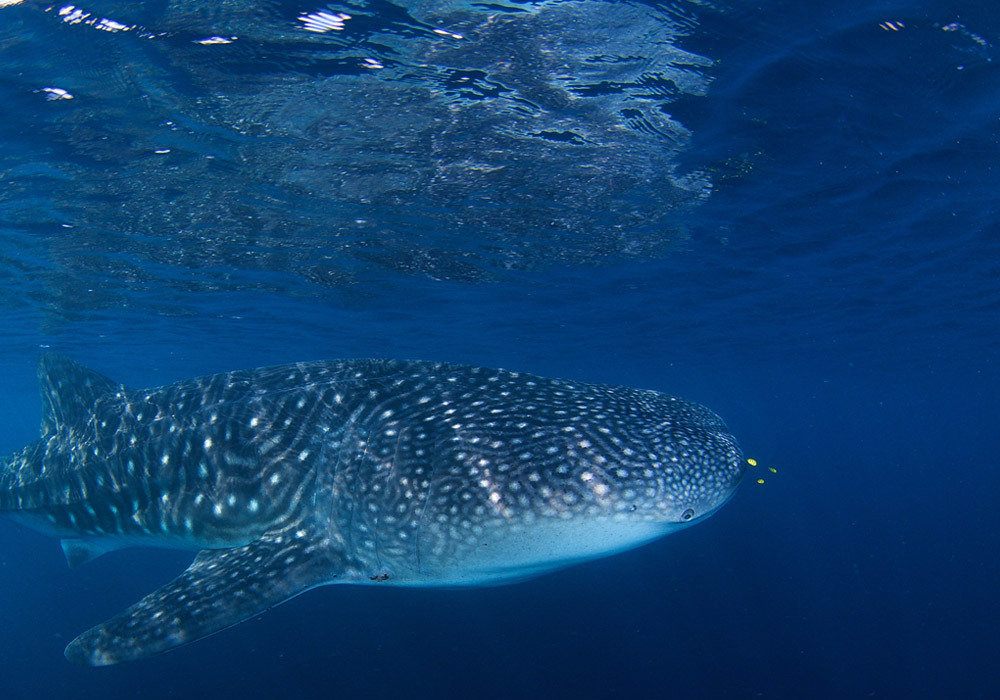
Ninety percent of sharks and big fish in the oceans are gone.
Climate change threatens coastal communities worldwide.
Less than 2 percent of the oceans is legally protected in parks and reserves, compared to 12 percent of land areas globally.
Less than 5 percent of the ocean floor and the waters beneath the surface have been explored and mapped in a level of detail similar to what already exists for the dark side of the moon, for Mars, and for Venus.

-
ENTER CITIZEN SCIENCE
-
-
"Using the same technologies that separate us from nature to help us understand and enjoy it."
DAVID SUZUKI
-
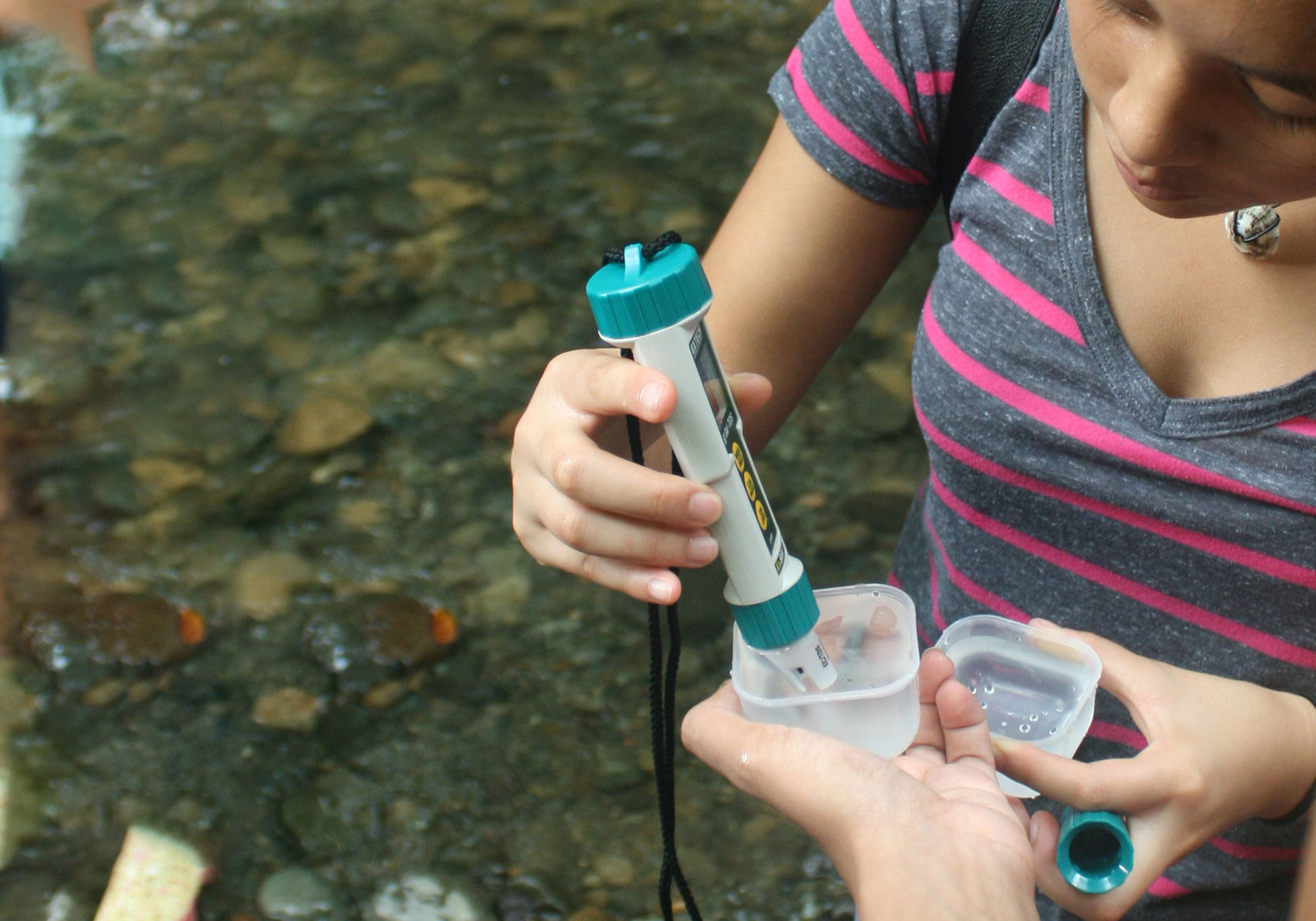
“Enter citizen science — using the same technologies that separate us from nature to help us understand and enjoy it. Smartphones, the Internet and accessible research technologies deinstitutionalize science and get the inner scientist in all of us outside to contribute to a broader understanding of a variety of topics, from backyard birds to flower-blooming times.
Science relies on observation. As more people examine natural phenomena and record and share information, we gain better understanding of the world. An increasing number of scientific inquiries now depend on contributions from ordinary people to help them answer important questions.”
- David Suzuki
-
STEM EDUCATION:
HANDS ON,
MINDS ON
LEARNING
-

AWSOME FACTS ABOUT STEM EDUCATION:
The national average payout is 70% bigger
Unfilled STEM vacancies are higher than candidates

Between 2008 to 2018 STEM jobs grew twice than other jobs
8 out of 10 most wanted employees have STEM education
In the next 20 years, 80% of jobs will require technical skill.
STEM employees build communities and move the nation forward



-
WHY ARE WE DOING THIS?
-
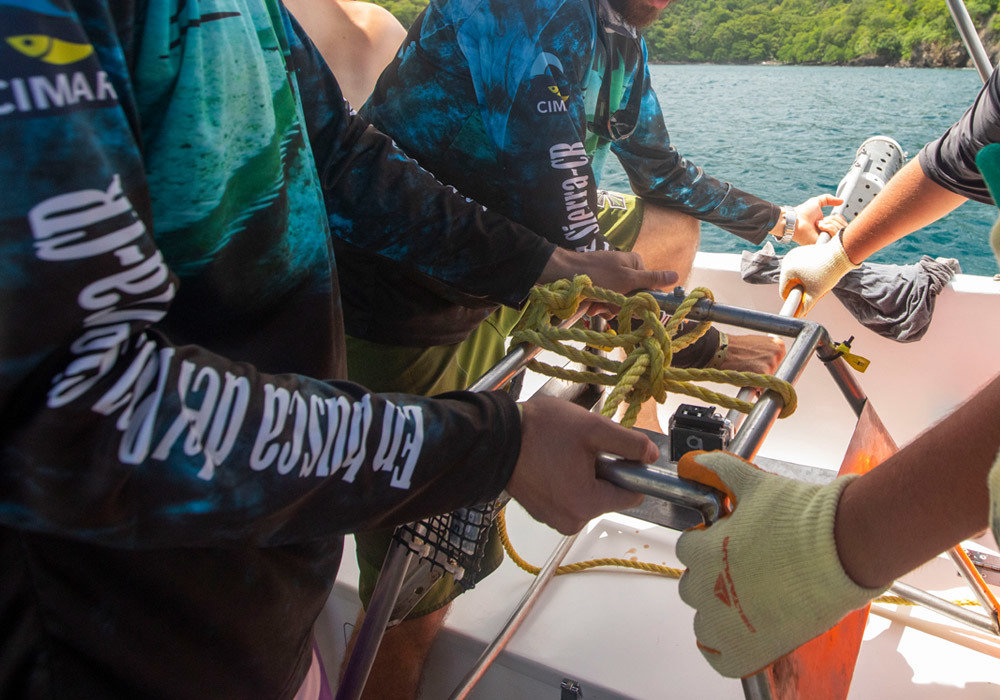
Why are we doing this?
To understand and conserve Marine Ecosystems worldwide through Citizen science, community engagement and government support.
CONNECTOCEAN CITIZEN SCIENCE EXPLORER MISSION:
-
WHAT DO WE WANT TO ACCOMPLISH?
-
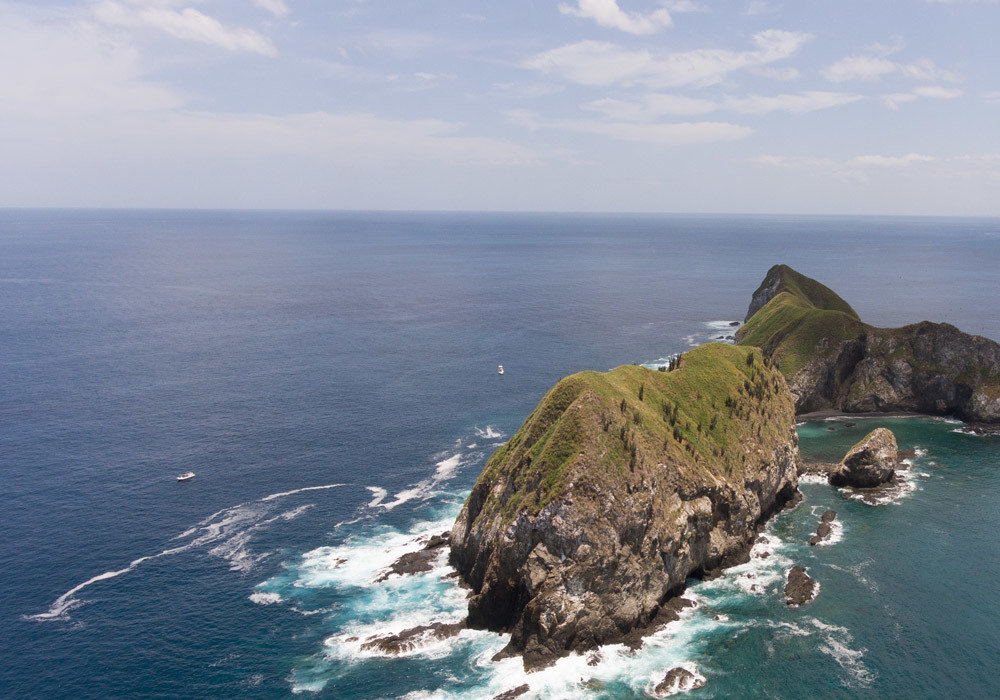
CONNECTOCEAN CITIZEN SCIENCE EXPLORER GOALS:
The project will incorporate an integrated research approach through citizen science, examining the biological, ecological and behavioral trends of marine ecosystems with a focus on Mangroves, Intertidal zones, reefs,open ocean and watershed ecology.
1
The citizen science data gathered under this project will be used to advise policy changes and develop a long-term marine conservation management plan for Marine Conservation Areas around the world, including the designation and/or expansion of marine protected areas.
2
There will be a key educational element to this project focusing on local communities, universities and STEM school education.
3
Long Term and Short Term funding strategies for local projects and research.
4
-
HOW ARE
WE DOING
THIS?
-
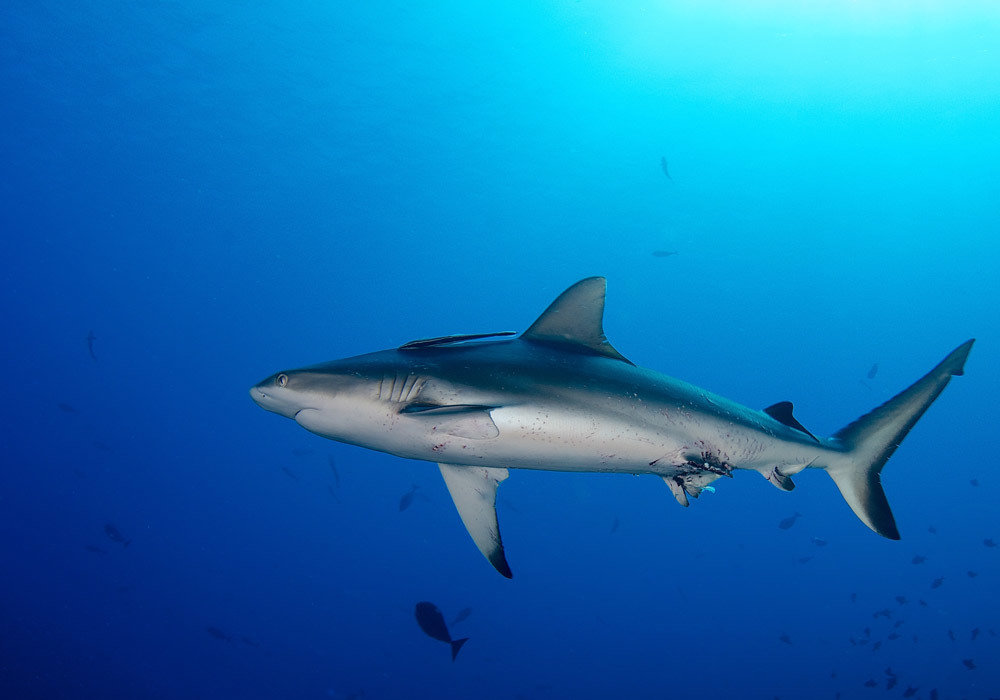
CONNECTOCEAN CITIZEN SCIENCE EXPLORER TACTICS:
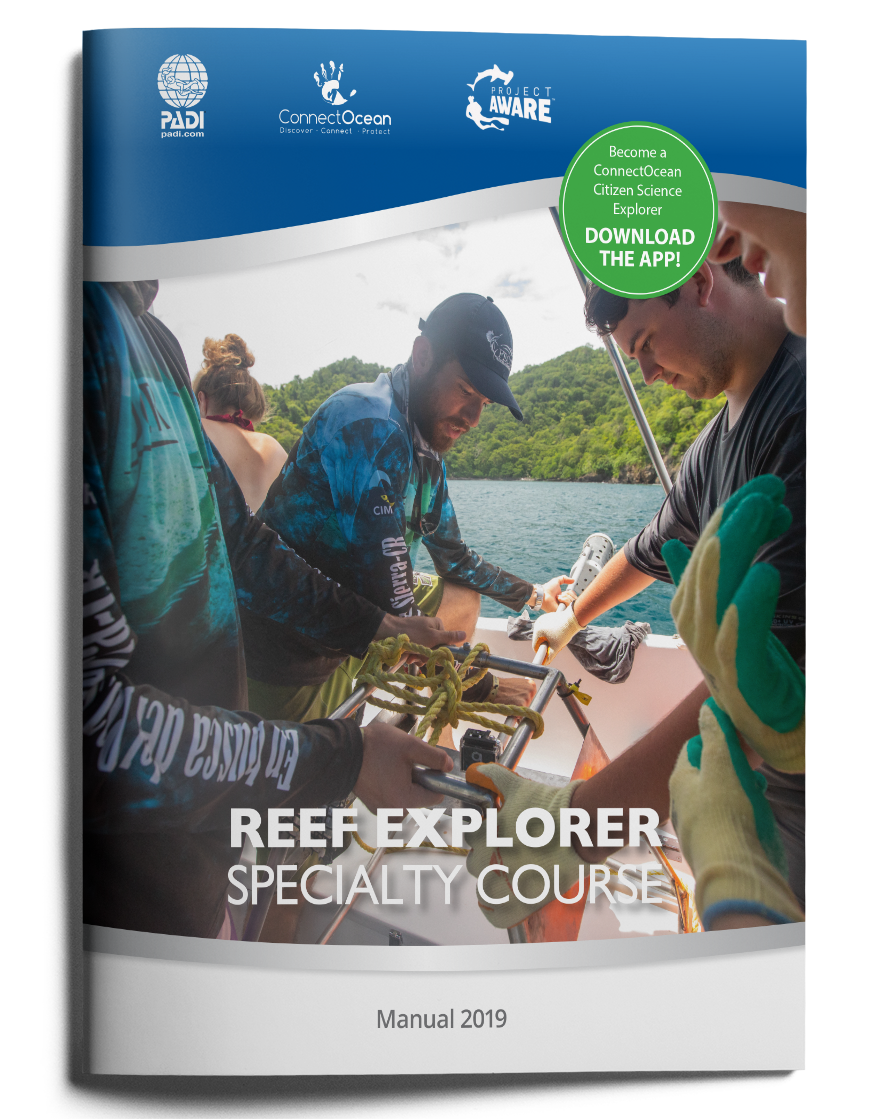
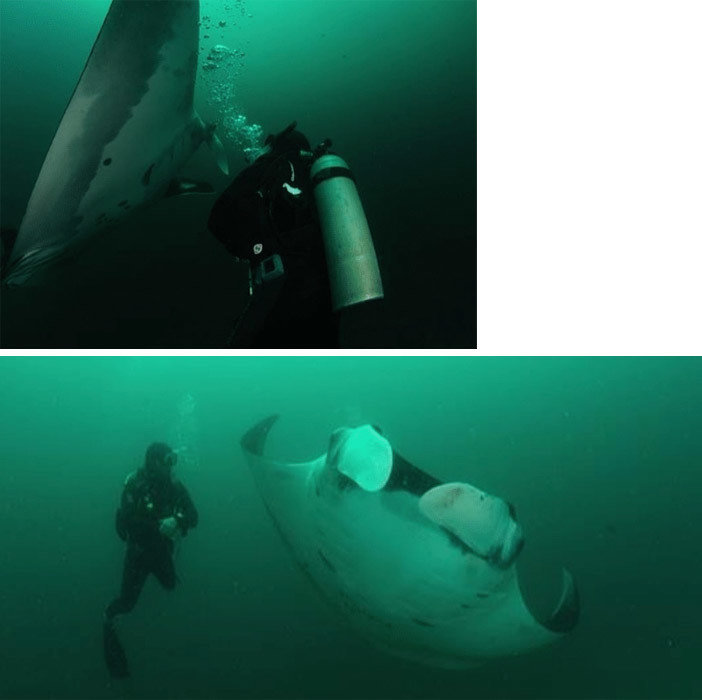
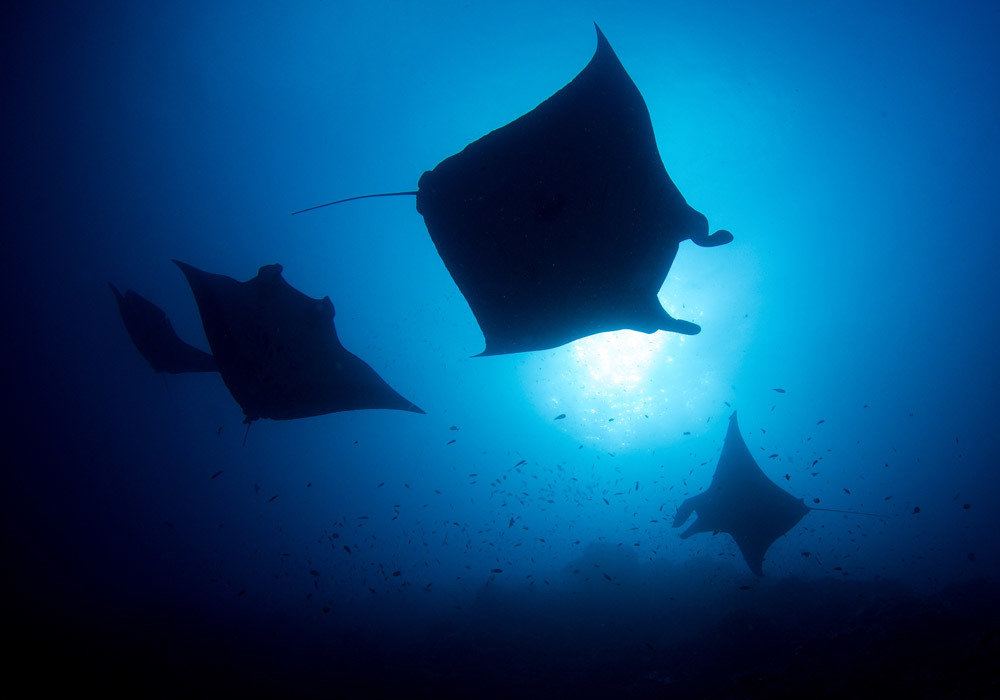
ConnectOcean has developed a Citizen Science curriculum covering 4 Marine Ecosystems, a watershed ecosystem and an AWARE Manta Conservation Speciality.
-
Source to Sea Explorer
-
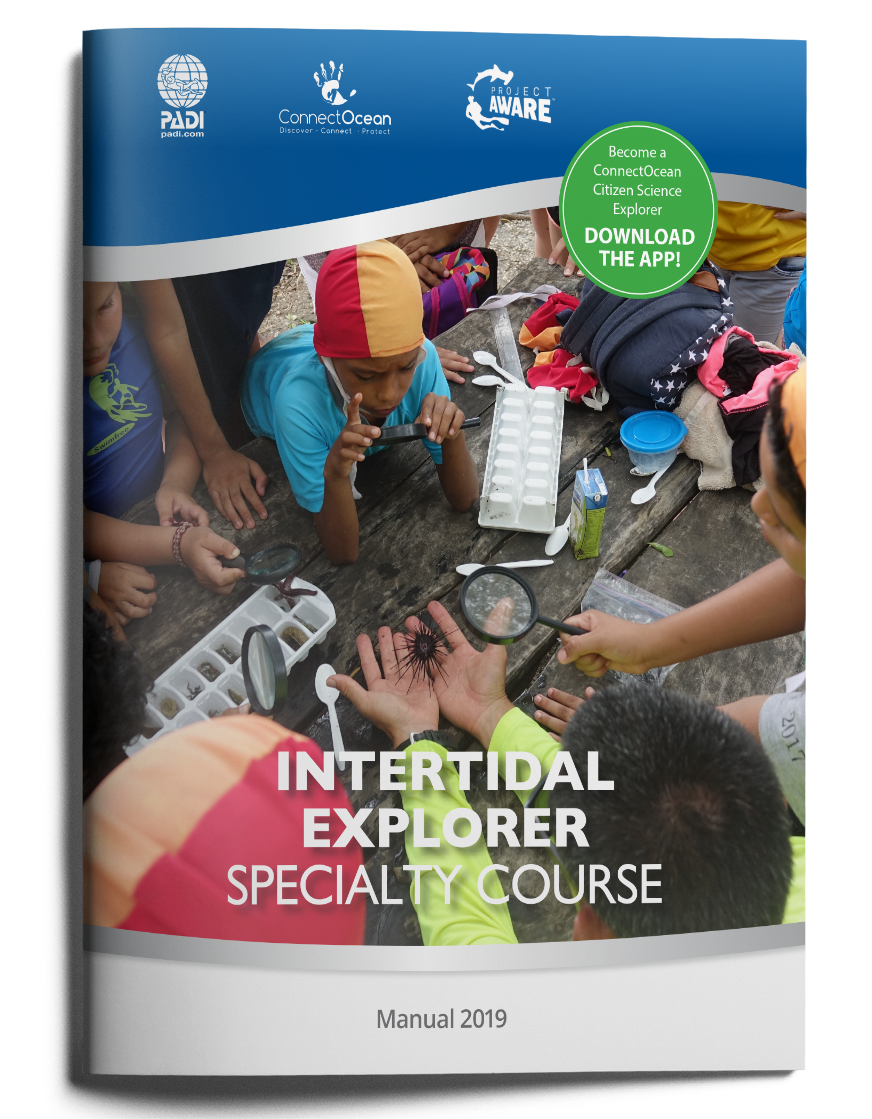
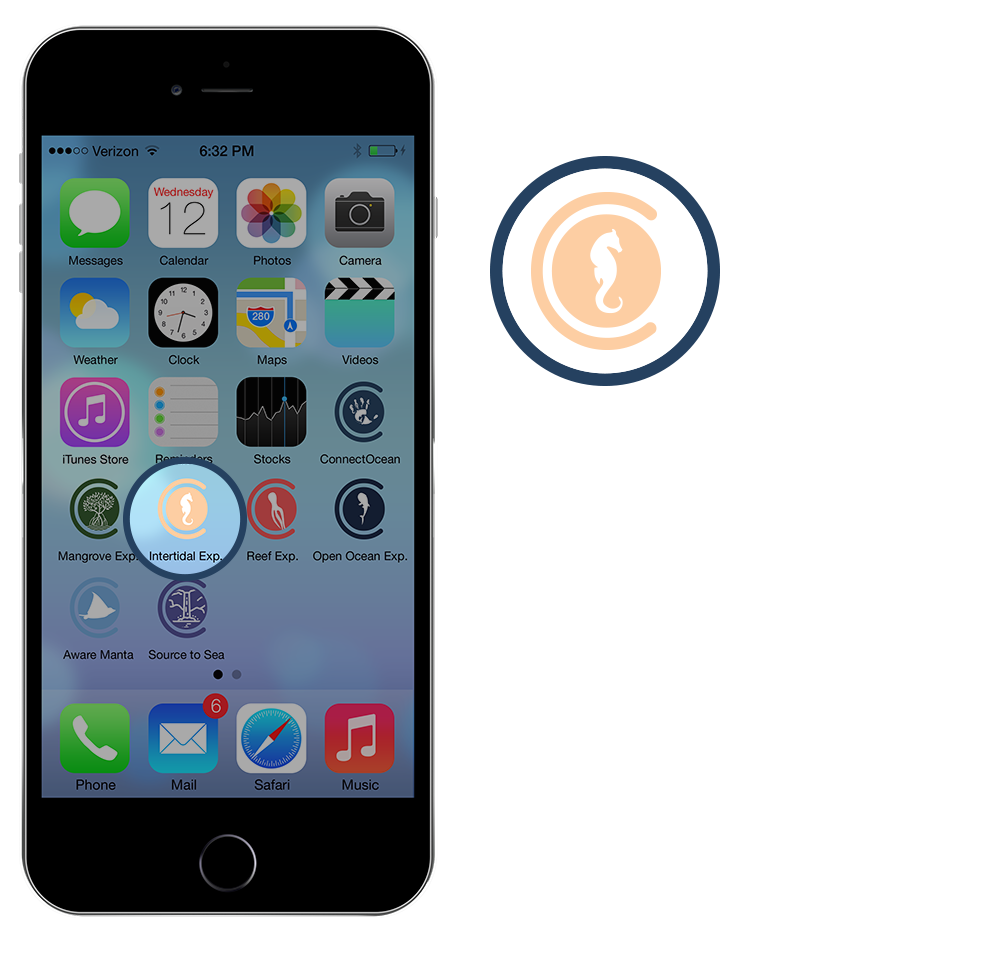
Intertidal Explorer
-
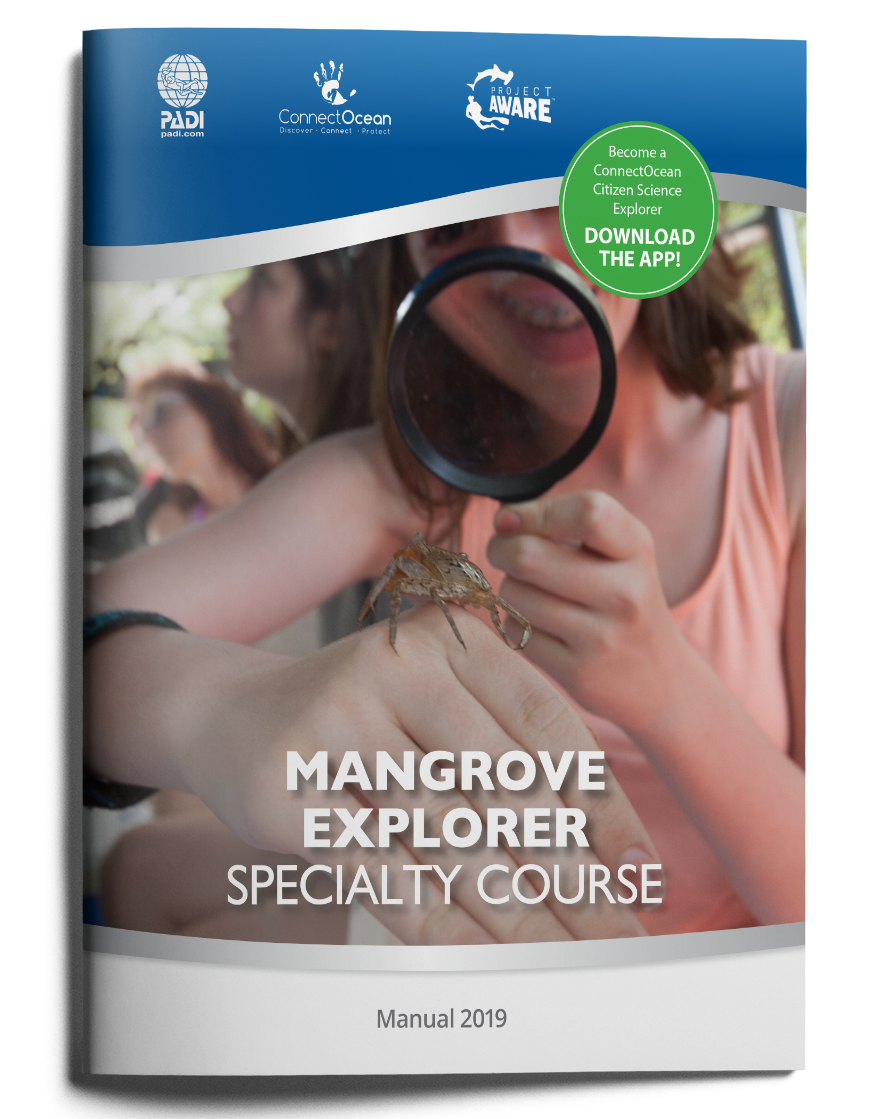
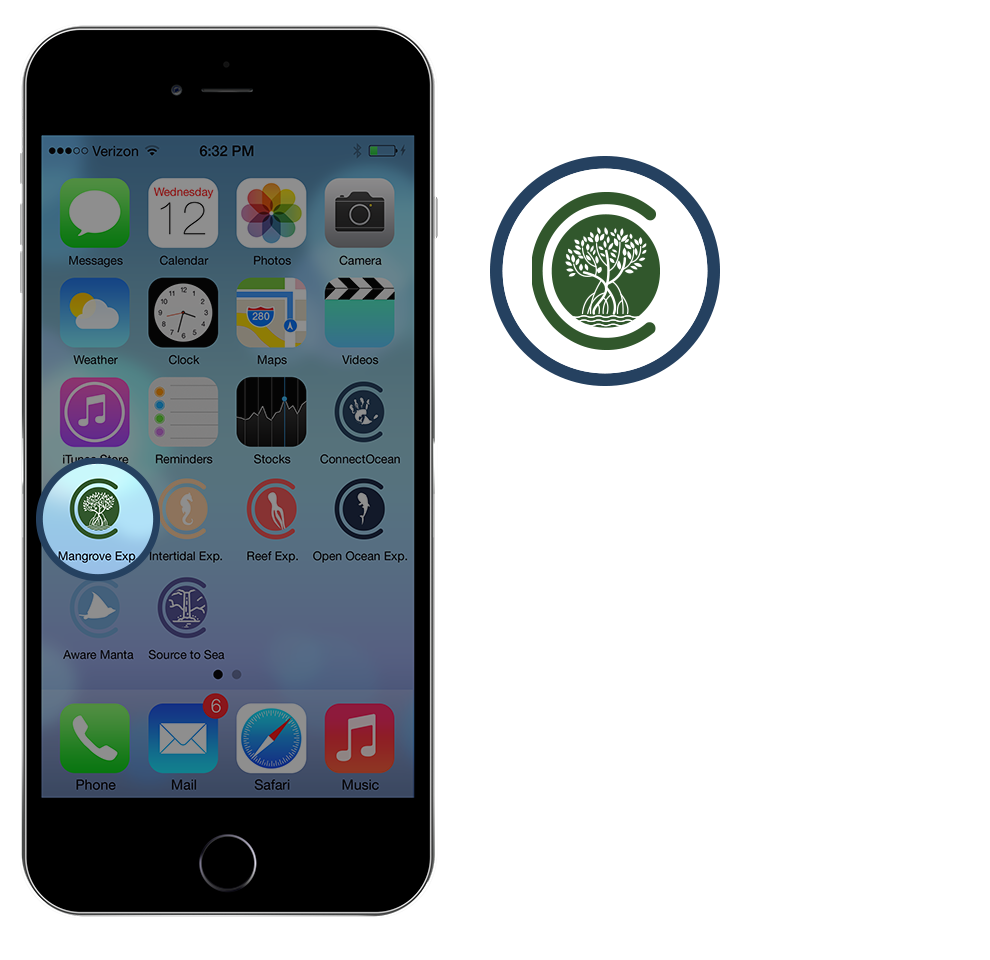
Mangrove Explorer
-
Reef Explorer
-
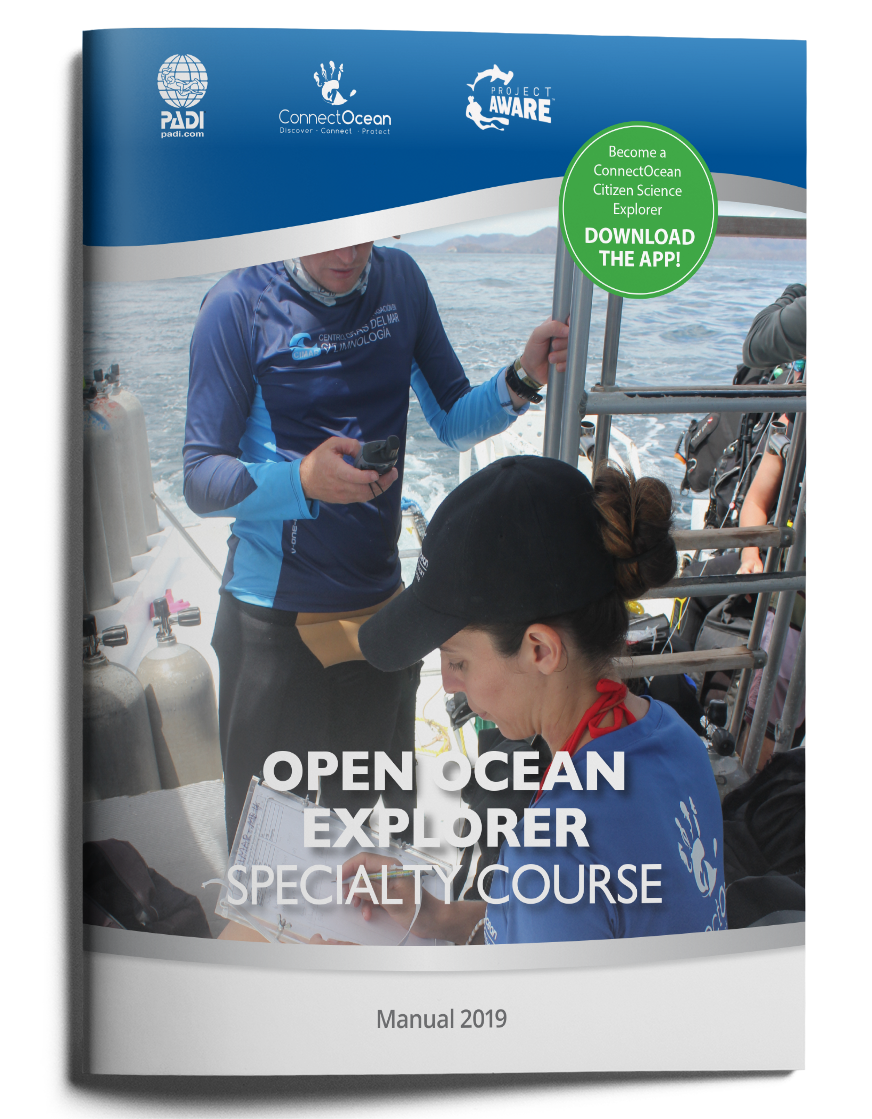
Open Ocean Explorer
-
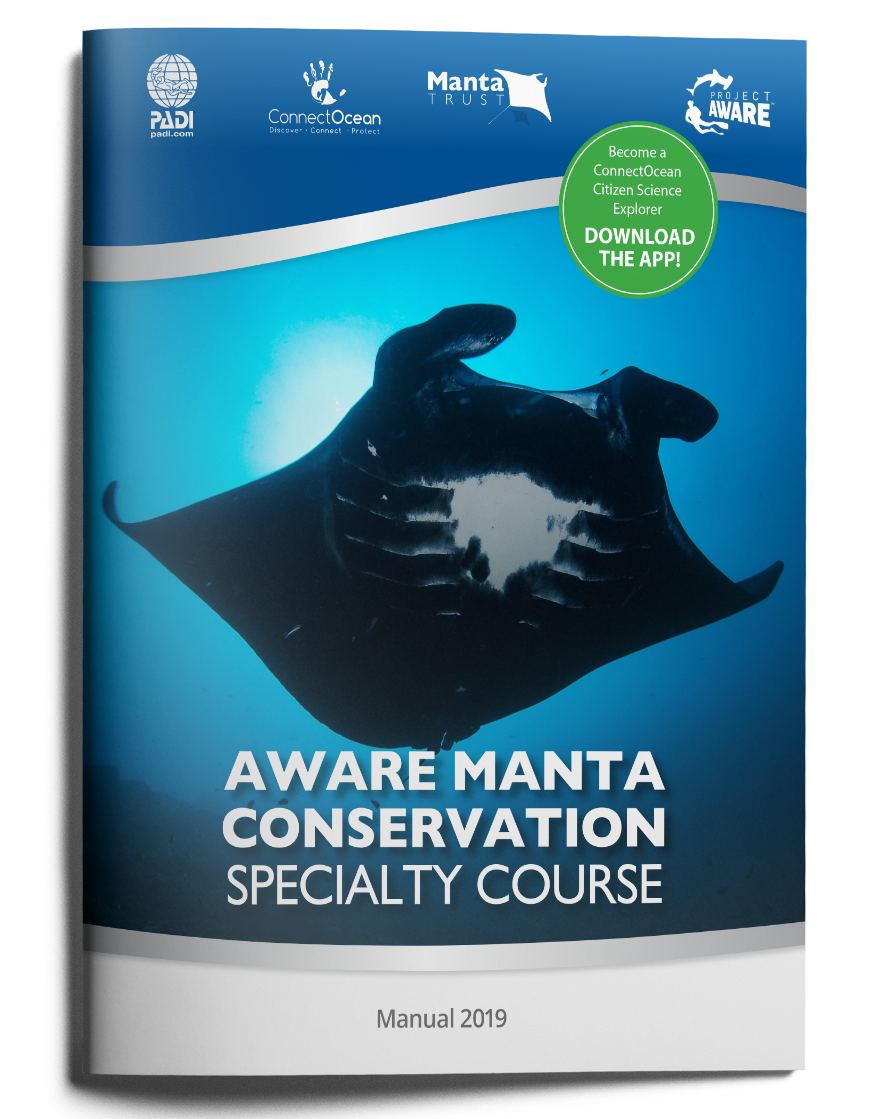
AWARE Manta Conservation Specialty
The Curriculum uses place based education techniques which requires hands on learning. The course can be taught on site in the respective ecosystems without having to be in a classroom setting. The courses are designed to teach participants the value and importance of each of the related ecosystems and engages participants in research through citizen science data collection.
STRATEGIC PLANNING STEPS:
CONNECTOCEAN CITIZEN SCIENCE EXPLORER PURPOSE AND MISSION
To define our Purpose and Mission the Curriculum and ArcGIS Platform engages participants to better understand:
-
The current state of our Oceans
-
Why research is important at global level
-
Why research is important at local level
-
What makes The ConnectOcean Explorer Program unique
-
What are the goals of our research
-
Who are the Stakeholders and Partners
-
What is our call to action. Create a how to guide or recipe for creating a Community Managed Regenerative Hope Spot
OUR TARGET AUDIENCE
Each one of the courses will have their own set of data collection protocols where participants will gather data from the respective ecosystems and upload it onto a central GIS data base platform which we created. The platform is an ArcGIS data portal. A Geographical information system (GIS) is a framework for gathering and analyzing data. Rooted in the science of geography, GIS integrates many types of data. It analyzes spatial location and organizes layers of information into visualizations using maps and 3D scenes. Combining this unique capability with our Explorer Curriculum will allow us deeper insight into the data, such as patterns and the interconnectivity between them. This empowers us with the baseline data to then make smarter decisions in protecting these ecosystems or lobby for the creation of Regenerative community managed hope spots.
- Tourist Operators
- Schools & Universities
- Local communities wanting to make a difference
-
WHERE DO WE START?
-
How does the Explorer Program work?
The ConnectOcean Explorer follows the 3 pillars of the ConnectOcean philosophy (Discover, Connect, Protect)
RECONNECTING TO PLACE
DISCOVER
CONNECT
PROTECT
Community Driven Conservation
DISCOVER
Adaptative E-learning
Introduction to UN's 7 Ocean Literacy Principles
Source to Sea
Mangrove
Intertidal
Coral Reef
Open Ocean
CONNECT
Local Community Guides
Dive Centres
Citizen Science
Conservation Groups
Researchers
Activists
PROTECT
How to guide/playbook:
Regenerative Community Managed Hope Spots
Adopted sites
Marine Debris tracker
GIS Data Collection
-
DISCOVER
-
The Discover Pillar is led through the Adaptive Learning Platform that is currently being designed to cover each of the 5 above mentioned Marine Ecosystems and a Manta Conservation Specialty.
Each Specialty also has a corresponding Instructor Specialty Outline with all the course prerequisites ,Course objectives, Course standards and recommended course flow for facilitation.
The Discover Pillar creates the need to know and the basic understanding of each Ecosystem, the importance it plays as part of a collective system that is connected to the ocean and current state and threats to these ecosystems.
Adaptive Learning can be done at the comfort of home or part of an organised course at a school or university.
It leads to 2 options:
A Discover Experience by a UCI/ ConnectOcean local guide to explore a watershed, mangrove, intertidal zone ,Coral Reef or Open Ocean ecosystem.
A Distinctive certification by completing all 3 Pillars and course prerequisites.
1
2
ConnectOcean Explorer Portal for the Connect phase
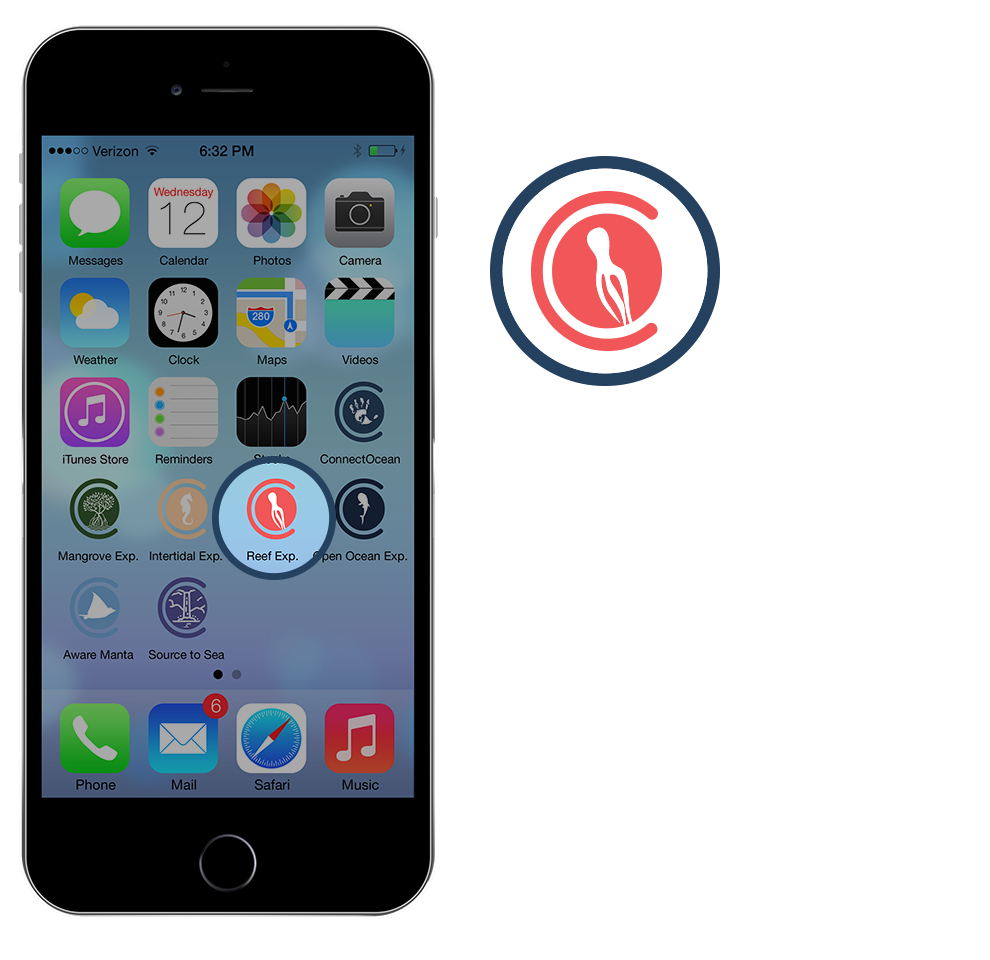
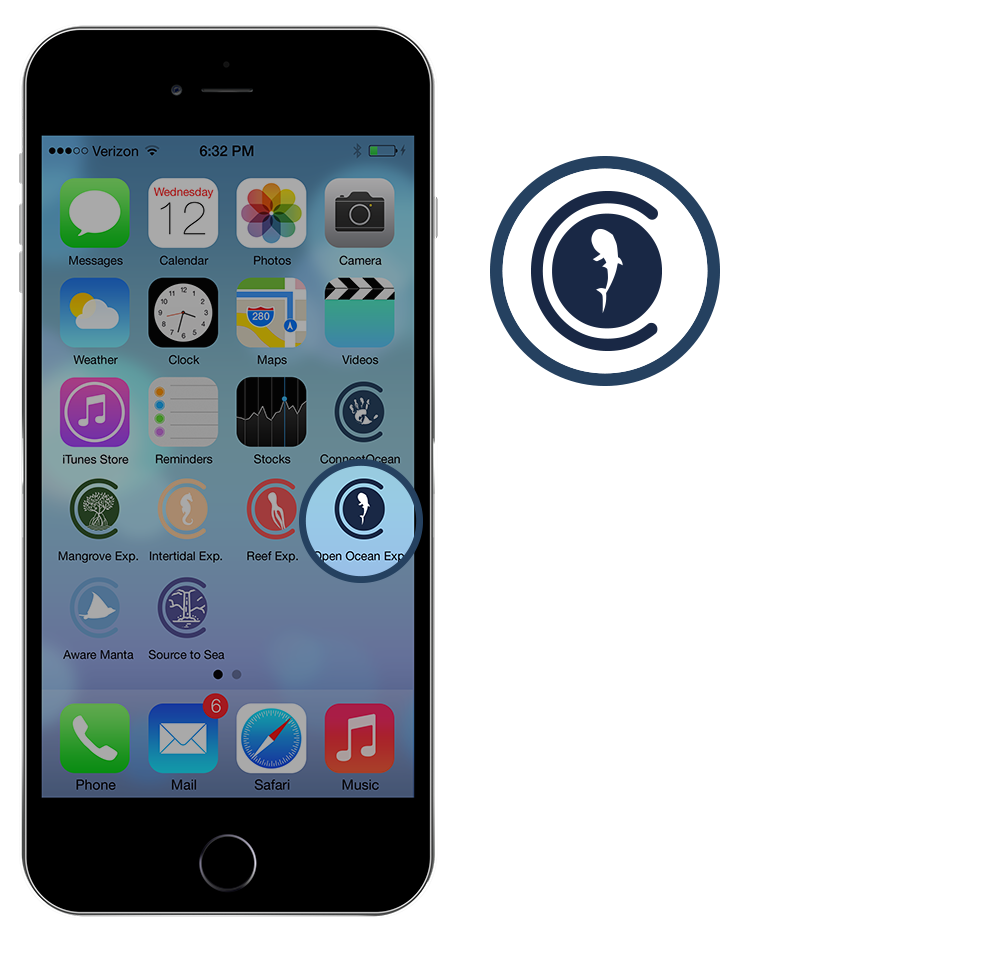
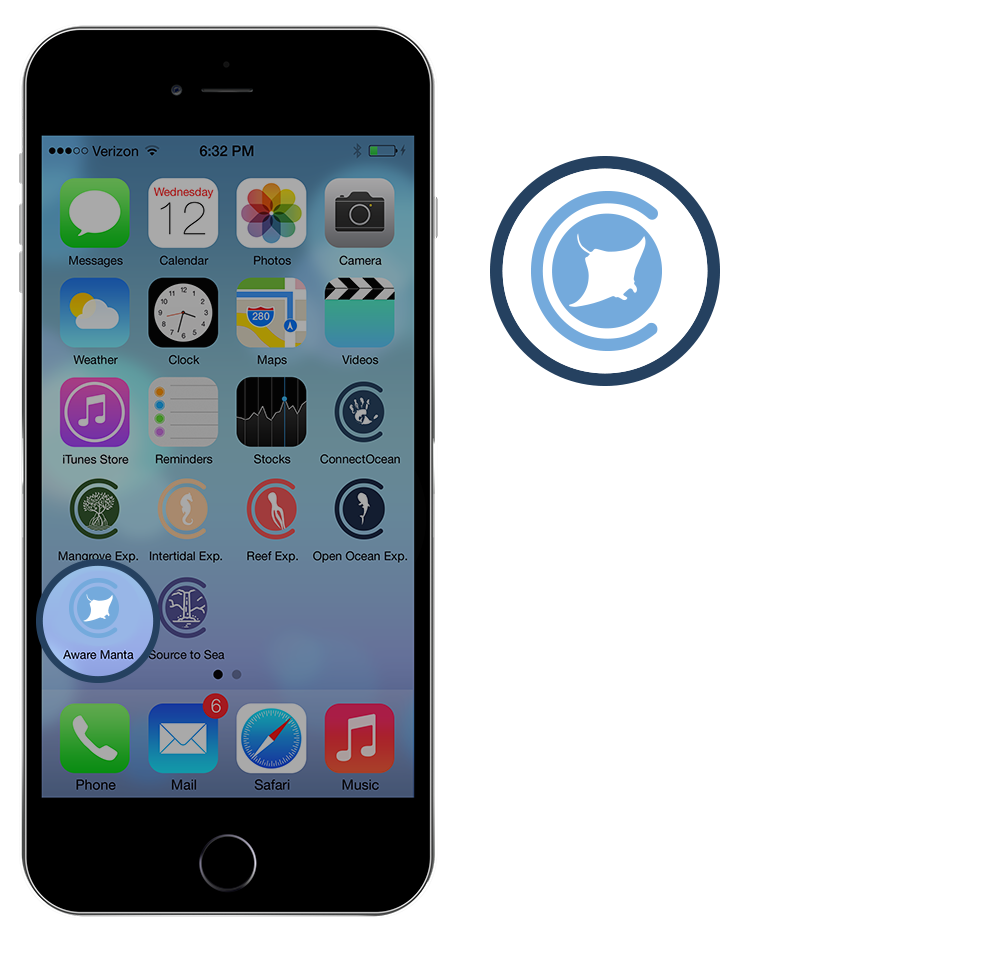
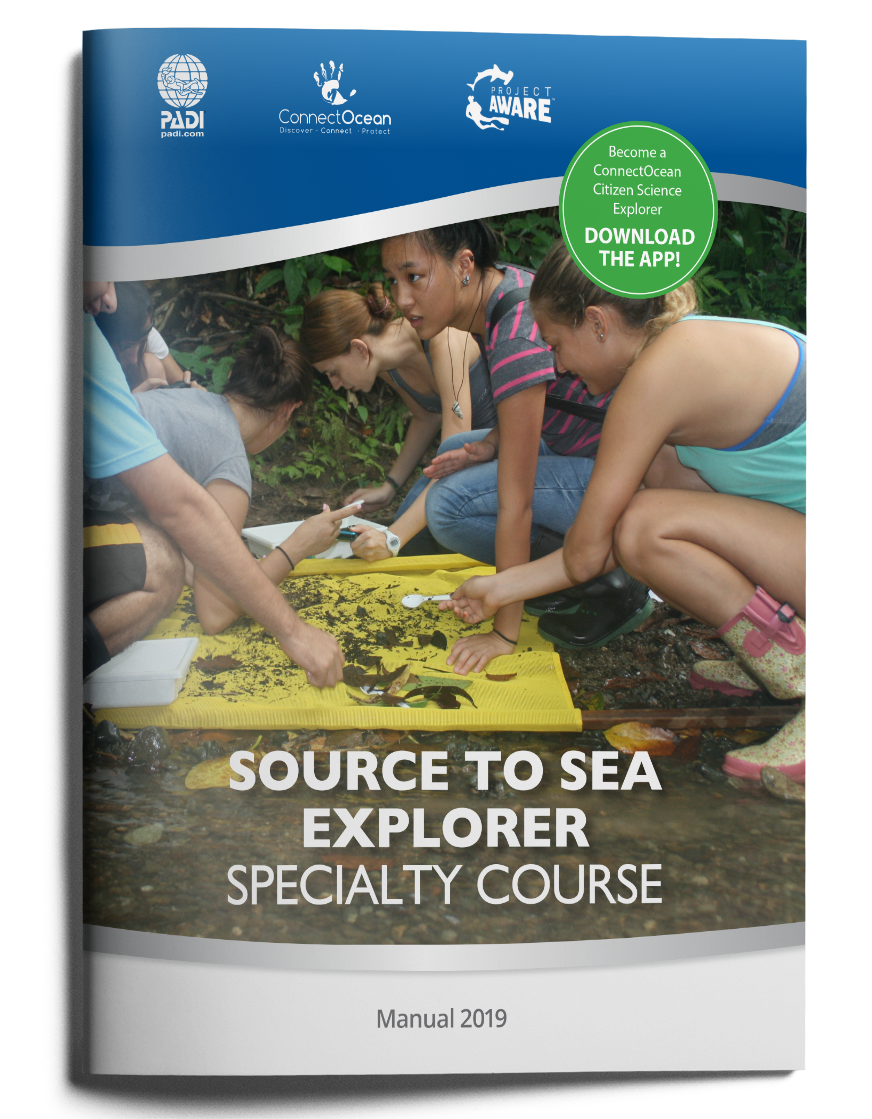
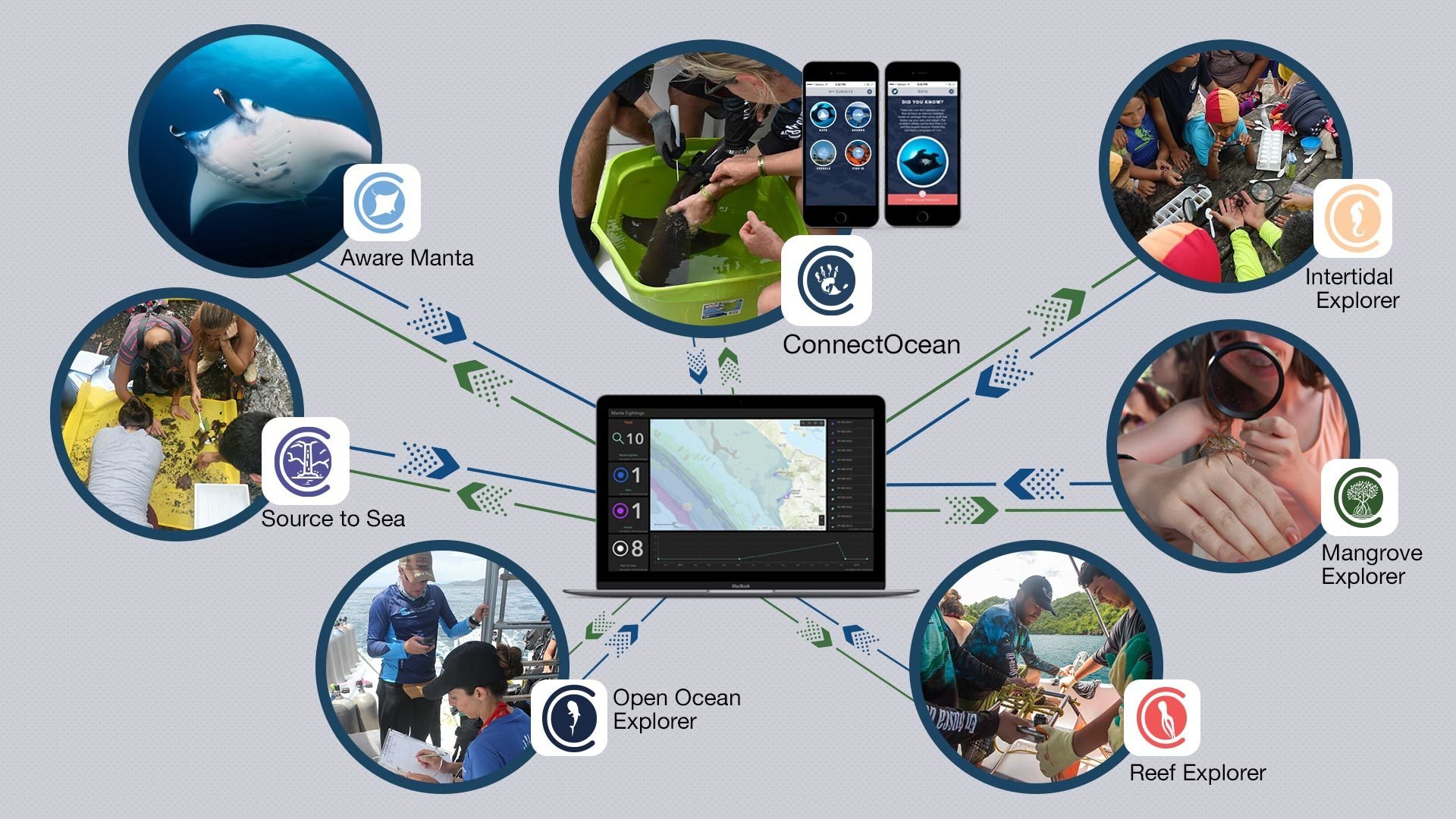
ConnectOcean Explorer Portal for the Connect phase
-
CONNECT
-
The Connect Pillar focuses on creating local relevance by connecting students to “place” in their local communities.
The Connect phase takes what was learnt during the Discovery phase from a global perspective of acting local by connecting students to real-time researchers, conservationists, and explorers through an in-person or online workshop.
The Connect Pillar is designed to be hands-on with community-based service learning that fosters stewardship by introducing participants to passionate mentors or local guides who are active in their direct community through research, data collection, conservation and exploration.
The workshop uses place-based education techniques combined with Citizen Science which require hands-on learning. The workshop can be taught via weblink or in person on-site in the respective ecosystems without having to be in a classroom setting. The Connect Workshops are designed to teach participants the value and importance of each of the related ecosystems in their local community through engaging participants in research through citizen science data collection during the Protect phase of the program.
-
PROTECT
-
DISCOVER:
Online learning
CONNECT:
Making a Connection to a NGO ,research or conservation group near you
PROTECT:
Complete the full speciality and Adopt a site
The Protect Pillar focuses on the call to action. Each participating school will be encouraged to start a ConnectOcean chapter as a conduit to take action in their local community. Each ConnectOcean chapter will receive an Ocean Literacy starter kit with a yearly global agenda with quarterly themes based on the 4 major threats to our Oceans:
-
Pollution
-
Habitat destruction and biodiversity loss
-
Overexploitation of fisheries
-
Climate change
The Global Agenda will take a “Think Global, Act Local” approach creating common chapter goals with quarterly objectives/themes/events which can include but not be limited to monthly documentary screenings, adopt-a-reef, beach clean ups, etc.
The chapters will be anchored and mentored by the mentors that the students connected with during the Connect phase. The ultimate goal is for the students to foster this connection with their mentors and get involved in their local NGOs and create research projects.
The ConnectOcean Chapters would function similar to a student-run environmental club run by a student-President, Vice President, and Treasurer at the school.
The Global Agenda and related events will support and be in line with the United Nations Sustainable Development Goals (click here) and within the framework of the United Nations Decade of Ocean Science and Sustainable Development ( Click here)
The Protect phase will incorporate an integrated research approach through citizen science, examining the biological, ecological and behavioural trends of marine ecosystems; focusing on mangroves, intertidal zones, reefs, open ocean and watershed ecology.
The citizen science data gathered under this project will be used to advise policy changes and conservation management plans for ecosystems found in their local community through community engagement and local government support.
Essentially a chapter will adopt an ecosystem which could be a watershed, an intertidal zone, a mangrove, or coral reef. Each adopted site will become a Regenerative Community Managed Hope Spot and a link in a chain of hope spots , all connected and cared for by the local community.
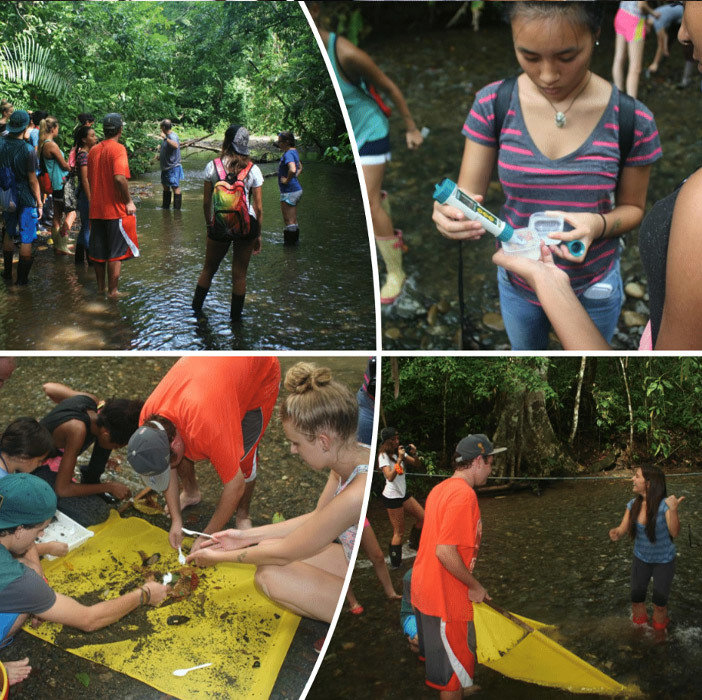
1. SOURCE TO SEA EXPLORER
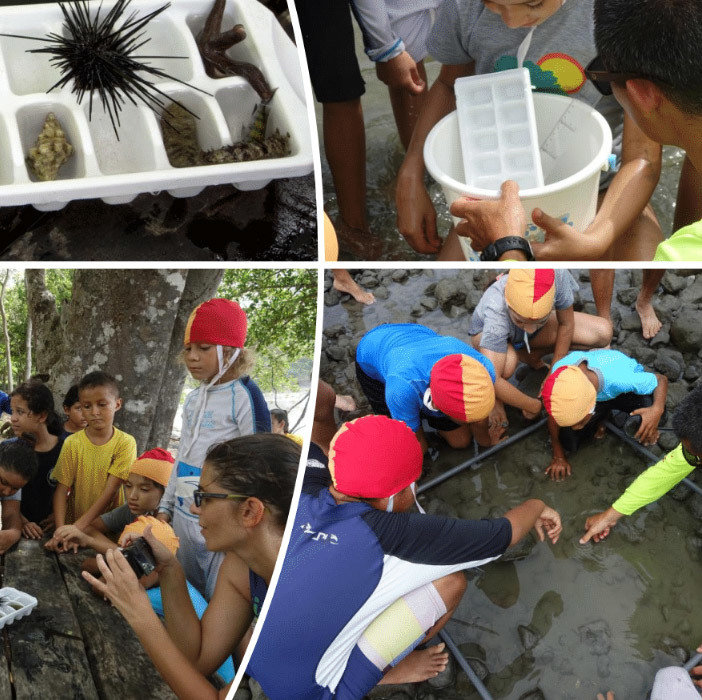
2. INTERTIDAL EXPLORER
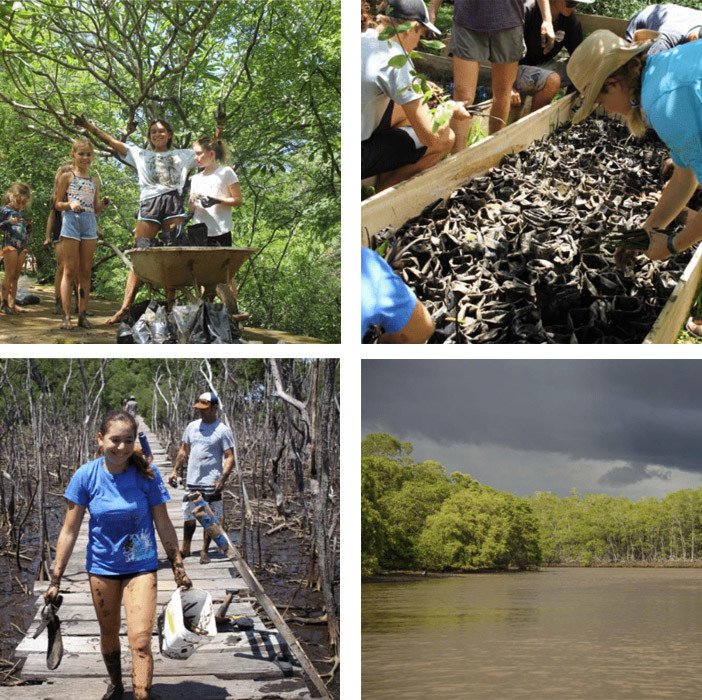
3. MANGROVE EXPLORER
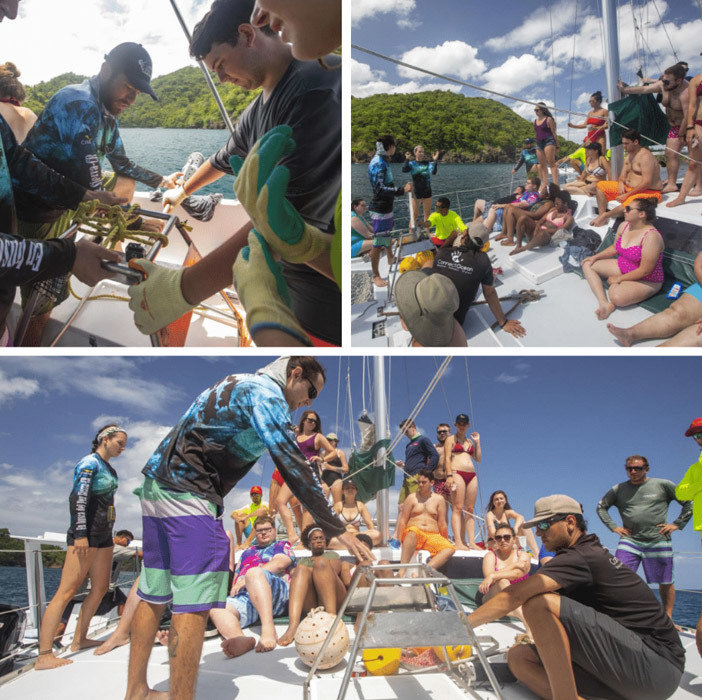
4. REEF
EXPLORER
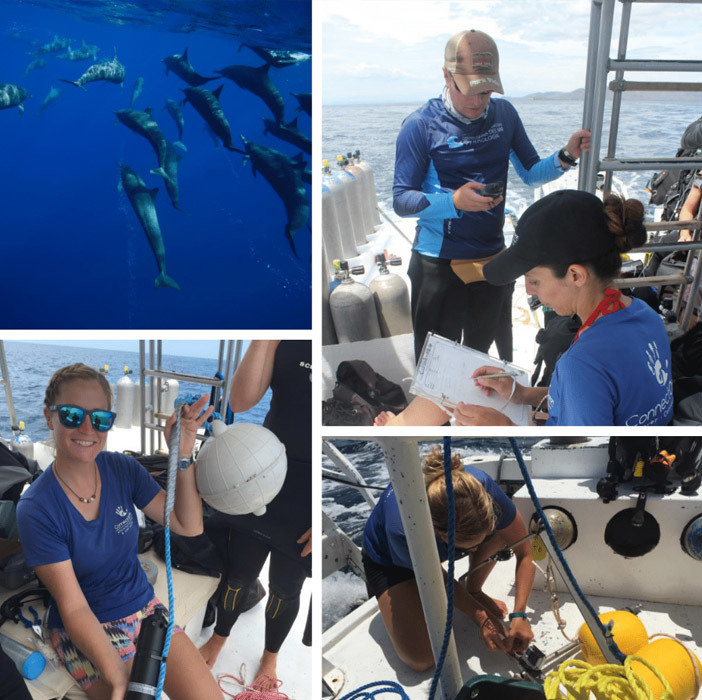
5. OPEN OCEAN
EXPLORER
6. AWARE MANTA
CONSERVATION
SPECIALITY
-
A GOOD EXAMPLE
OF HOW THIS WORKS
-
Regenerative Community Tourism Certification
REGENERATIVE TOURISM
DISCOVER
Adaptative Learning
BOOK
Explorer Portal: Book a Discover Experience
CONNECT
Connect with a local guide
CONNECT
Connect with a ConnectOcean Chapter
PROTECT
Create a Regenerative Community Managed Hope Spot
The unique aspect and opportunity that arises through this is that we are able to design a Regenerative Tourism certification program in partnership with UCI for local guides in communities to facilitate the Connect Experience by training locals and using their
first-hand knowledge to guide participants
to explore their local reefs, intertidal zones
or mangrove sanctuaries.
Regenerative Community Tourism Certification
We incentivize a stewardship program where local communities will have the capacity to take collective ownership of the health of marine ecosystems in their own backyards by linking it to regenerative tourism and citizen science.
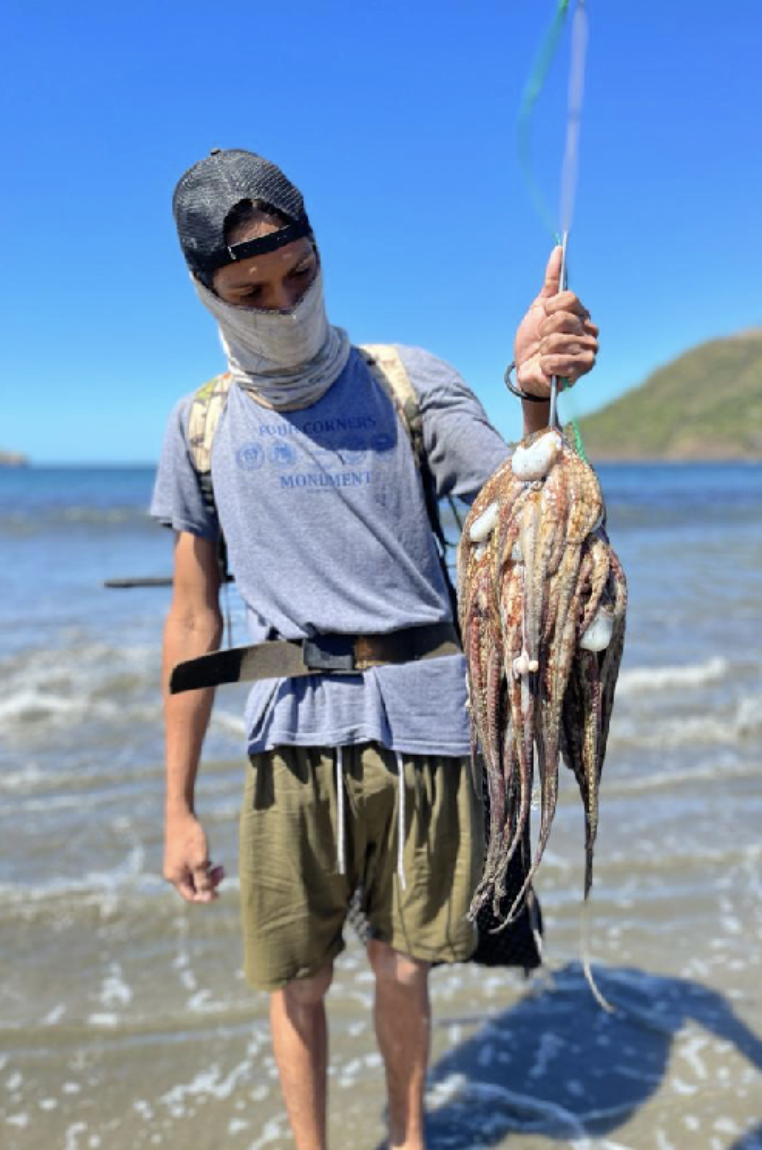
A Visitor from the USA can do the online Adaptive Learning before his vacation and once in Costa Rica be connected to a Discovery Experience to visit a local mangrove, snorkel a reef or explore rock pools in an intertidal zone.
The experience can be booked online through a ConnectOcean Explorer Portal which would connect tourists directly with a local certified guide with local knowledge of a corresponding ecosystem. Visitors can use the portal to research where to go, read online about the community initiatives and book and pay for their Discover Explorer Experience with money going directly to the guide or local communities. Local community
guides will learn first-hand the value of regenerating ecosystems, the healthier
their reefs, intertidal zones, mangroves and water sheds, the more visitors
they will get!
The UCI Certified ConnectOcean guides will be trained in the respective
Citizen Science Protocols to survey and gather data from their local
watersheds, Intertidal zones, mangroves and coral reefs.
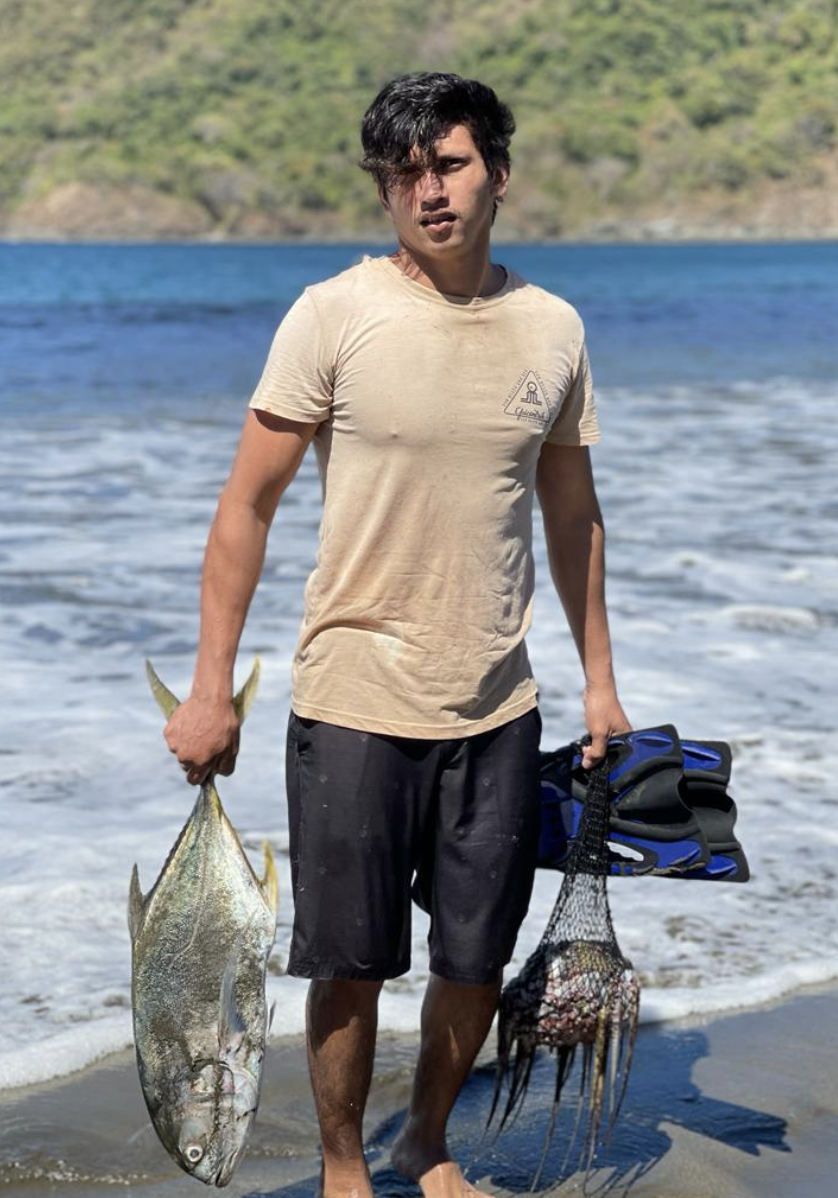
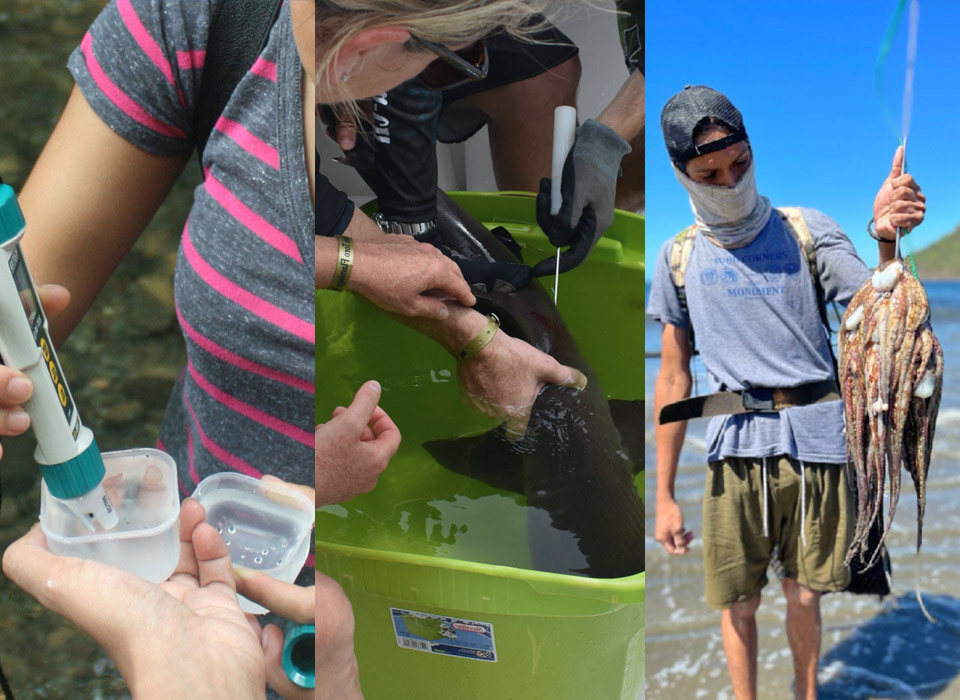
Currently there is a large number of compressor divers and young men or teenagers without jobs. They spend a lot of time diving for lobster , octopus and oysters in intertidal zones. In one instance we observed 2 of these young men with about 30 to 40 octopus all harvested from the intertidal area around Zapotal. To remove this amount of Octopus from this one intertidal ecosystem in one instance would greatly affect the species survival or returning to this one area.
The UCI/ConnectOcean Explorer Guide certification program could train local communities as Discovery guides which would guide visiting tourists and students booked through the ConnectOcean Explorer Portal allowing them to earn a sustainable income through guiding rather than a once off harvest for a minimum amount of income.
A practical case:
Train up
local guides
Local Guides
adopt site
Local guide offers Discover Experiences on his local site
Local guide uses citizen science protocols to survey and collect data from their adopted sites
These Discovery Guides will become the custodians of their intertidal zones, watersheds, mangroves and coral reefs. They will be trained to survey these ecosystems and continuously collect data through the ConnectOcean Citizen Science protocols that will be uploaded onto an ArcGIS Hub.
The citizen science data gathered under this project will be used to advise policy changes and conservation management plans for ecosystems found in these local communities through community engagement and local government support.
A practical case:
-
"While knowledge about nature is vital, passion is the long-distance fuel for the struggle to save our natural heritage. Passion does not get delivered through textbooks, the internet or the television, passion is personal... Passion gets lifted from earth and nature itself."
-
CONTACT US
ConnectOcean Citizen Science Explorer 2022 Final_12 May
By Lapula Estudio
ConnectOcean Citizen Science Explorer 2022 Final_12 May
A Project of ConnnectOcean Conservation and Outreach. A division of the ConnectOcean Group. Las Catalinas, Playa Danta. Guanacaste, Costa Rica.