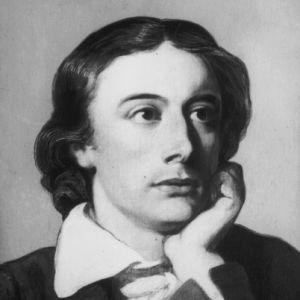
John Keats
By Matthew Gervasi
Biographical Info
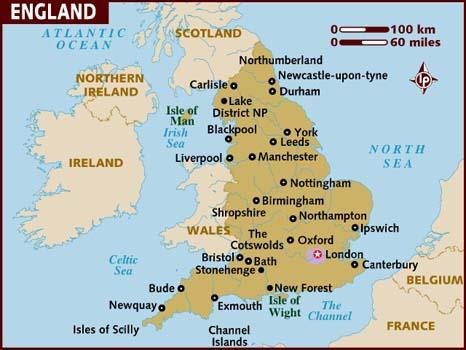
-born on October 31st, 1795 near London England
-Mother, Father, four siblings (one died in infancy)
-Father died when John was eight
-His mother remarried quickly, but she divorced
this new husband quickly
-John and his siblings ended up living with their grandparents, their mother died when John was fourteen
-Due to their mother's death, the children would be raised by two guardians chosen by the grandma.
-These new parents pushed John into practicing medicine, so he can get his apothecaries license.
-In 1814, John took a greater interest in literature, specifically sonnets and poems.
-Around this time he received his apothecary license, but chose to live a life of poetry.
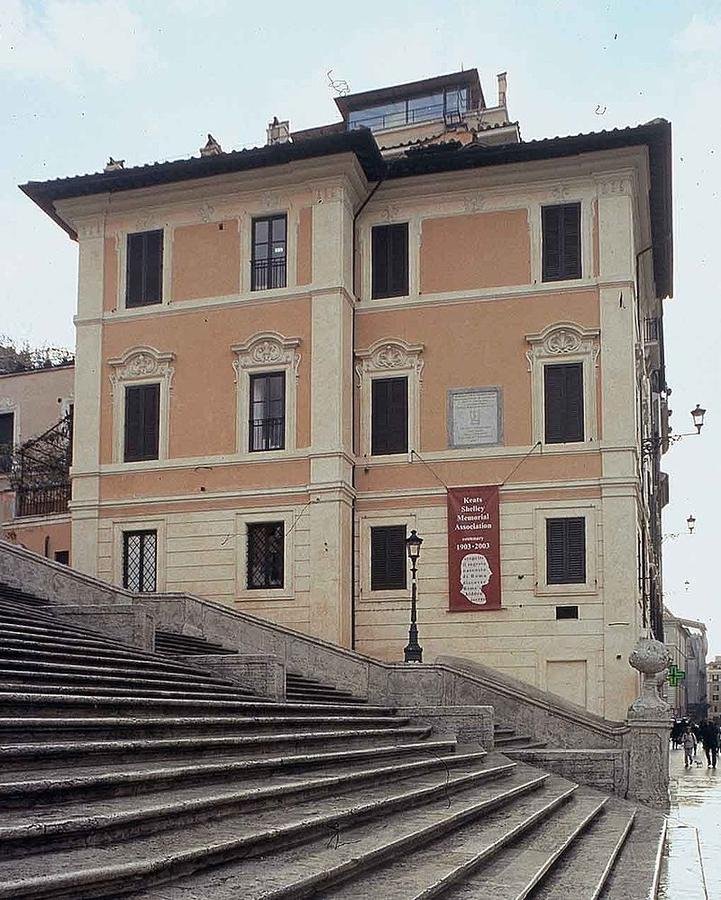
-John died in Rome on February 23rd, 1821 from tuberculosis. This same disease had killed his mother, and his brother.
Major Works and Themes
Works
Themes
Endymion (1818)
Ode on Indolence
Ode on Melancholy
Ode to a Nightingale
Romance
Reality and Imagination
Depression
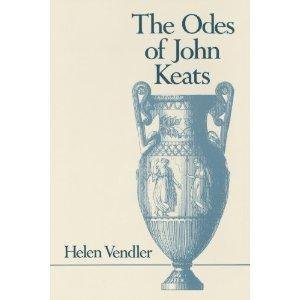
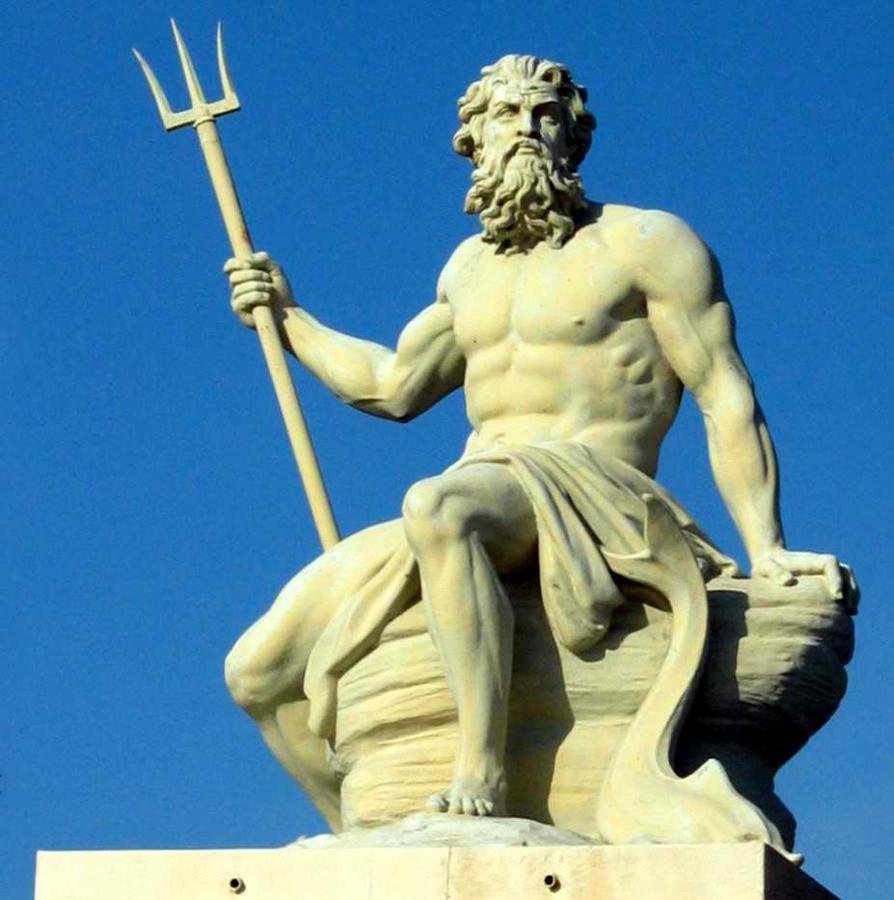
(Greek imagery is also used frequently in the Odes)
Critical Views of Work
Henry Morley (1822-94) was one of the first professors of English literature. He said, "The song of Endymion throbs throughout with a noble poet's sense of all that his art means for him. What mechanical defects there are in it may even serve to quicken our sense of the youth and freshness of this voice of aspiration."
A.E.Eruvbetine said that John’s poems are the "true voice of feeling," and noted how strongly he believes that beauty is truth.
In 1818, John Wilson Croker (1790 – 1857) wrote a review for Endymion in the Quarterly Review. He said” [Mr Keats] is a copyist of Mr Hunt; but he is more unintelligible, almost as rugged, twice as diffuse, and ten times more tiresome and absurd than his prototype, who, though he impudently presumed to seat himself in the chair of criticism, and to measure his own poetry by his own standard, yet generally had a meaning. But Mr Keats had advanced no dogmas which he was bound to support by examples: his nonsense therefore is quite gratuitous; he writes it for its own sake, and, being bitten by Mr Leigh Hunt's insane criticism, more than rivals the insanity of his poetry...”
John Gibson Lockhart (1794 – 1854) wrote for the Blackwood’s Edinburgh Magazine in the same year: 'It is a better and wiser thing to be a starved apothecary than a starved poet; so back to the shop Mr John, back to "plasters, pills, and ointment boxes," &c.'
Literary Period Identification
John Keats is a romanticist
He writes with themes of romance, and frequently discusses nature and natural settings


Historical Context of Library
John lived in a time where romantic poets were common.
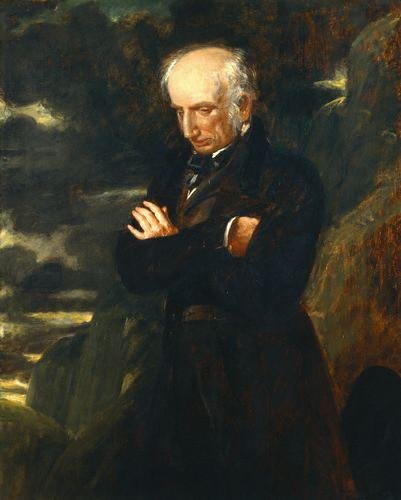
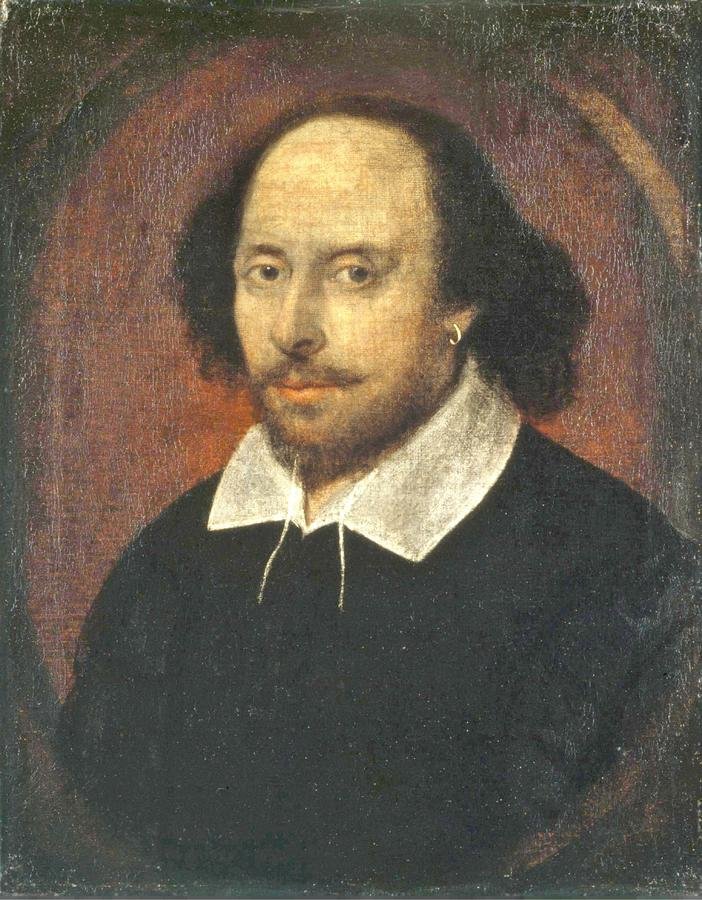
after hugely influential poets like Wordsworth and Shakespeare, it was hard for his work to get any attention.
Having a very experimental writing style didn't help him in this regard either.
Fin.
deck
By matthewgervasi