New ways to tell STORIES
Multi-person Participation
1. An interactive story develops differently depending on the interaction of the audience (user)
2. The audience experiences the world created by the interactive story (user)
Anytime Interaction Capabilities
Interactive media is unique in its ability to let viewers tell their own stories
Approaching Interactive Medias
1. Address different learning styles
2. Different attention levels
3. Different interest levels
4. Limited attention span to deep viewers/experts
5. Re-visits?
6. Stand test of time?
7. Are you satisfying a three minute visitor and/or the expert who is going to read every single little story?
Can it stand the test of time?
Create the space for a memorable personal connection with the content that you are serving.
Take all the varying components and put them together and come up with a scheme to accommodate a broad range of participation.
User Project Goal
You can be here for 30 sec and get something or you can be here for 10 mins and get something
conceptual thinking to concrete interactive?
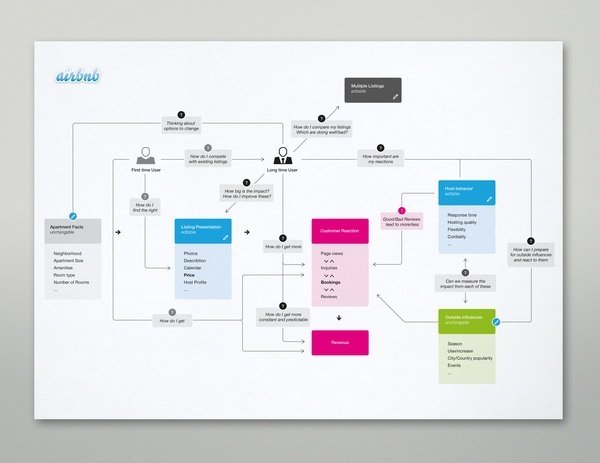
what is the goal?
what is the best way to tell the story?
what voices are you using?
interactive/visceral content
break the story down to an average level so
that an individual can wrap their head around it
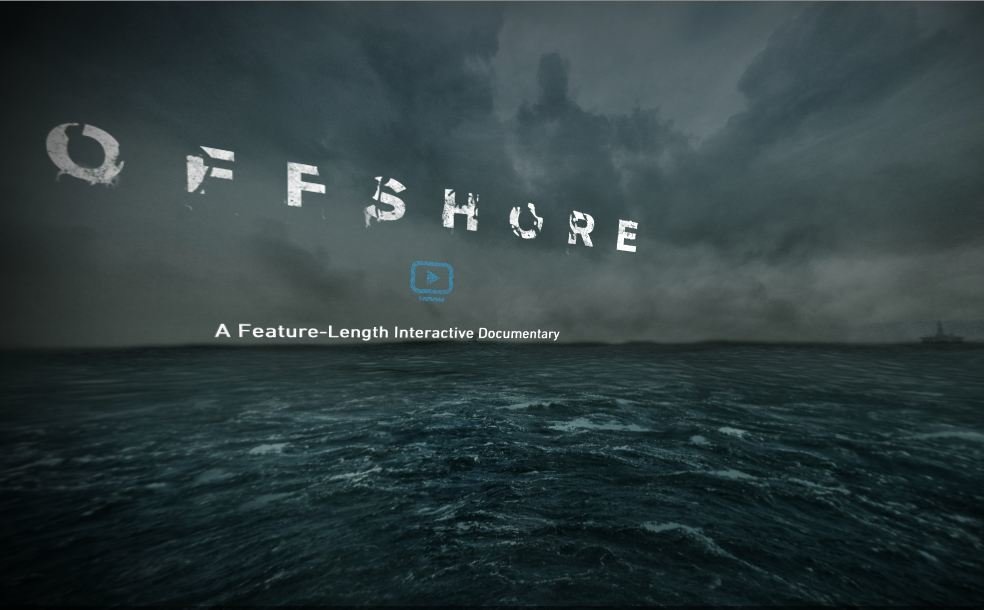
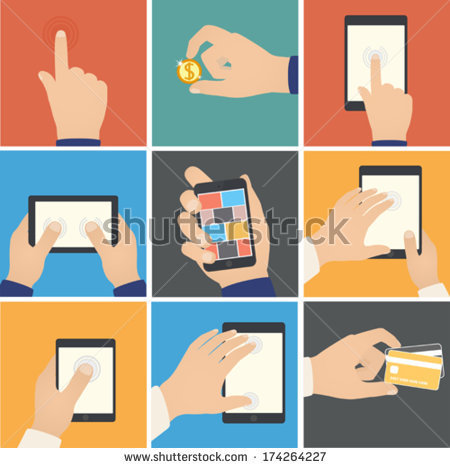
invite your user to touch. give them a wonderful
experience and they will do more
if you don’t get something right away people walk past projects
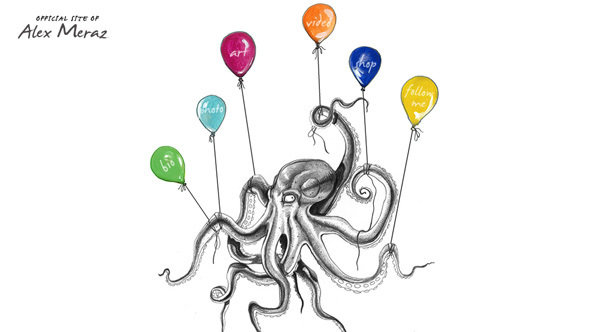
Concept Package
Holistic Approach
- First part of any process is content acquisition
- Understanding of your components from minutia to schematics that need to go into the presentation
- Brainstorming on how to make those stories come to life in an interactive
- Brainstorm conceptual phase
- Create the concept
- Aha moment! - understand what you are going for and idealize how you can get there
- We’ve got a concept and here's how the content fits into that concept
- Here's how the technology fits that content
The Concept
You want to make sure you have the total package you are not thinking of just the content or the design or the technology you need something that pulls it all together which is the concept
Phase One: Storytelling
Building an emotional connection
Begin
each project by immersing yourself in the
content and identifying the most effective and
compelling way to stage the story
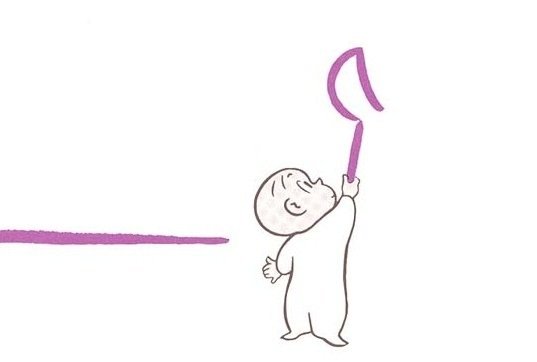
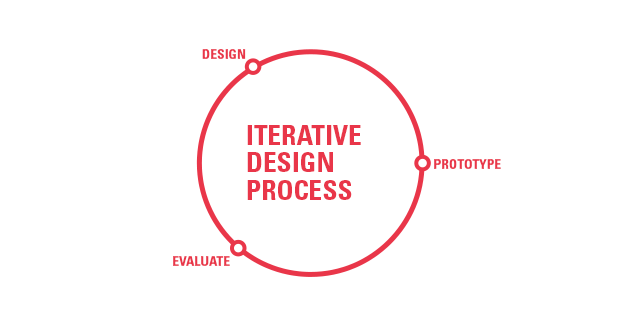
Phase Two: Prototyping
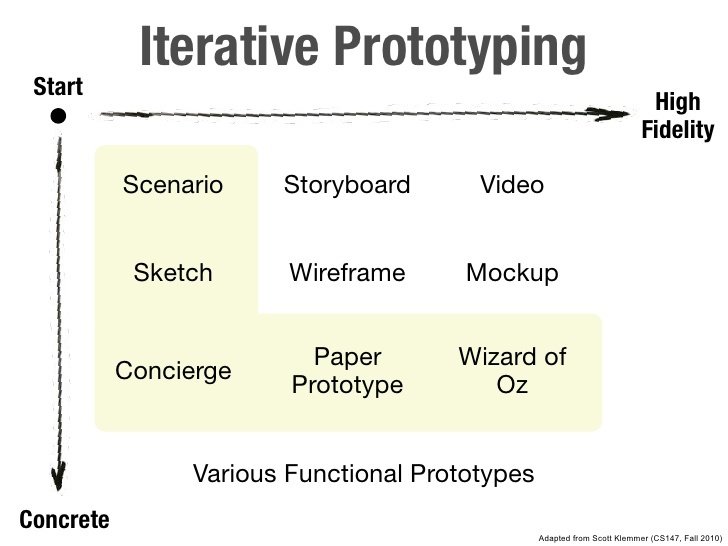
you are thinking about an experience in addition to visual design
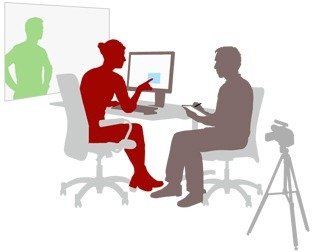
- how is the user going to use the interactive?
- identify functions
- does a screen have more than one function?
- does it work?
- is it a good experience?
- is it intuitive?
- how to get from a to b?

Phase Three: Design
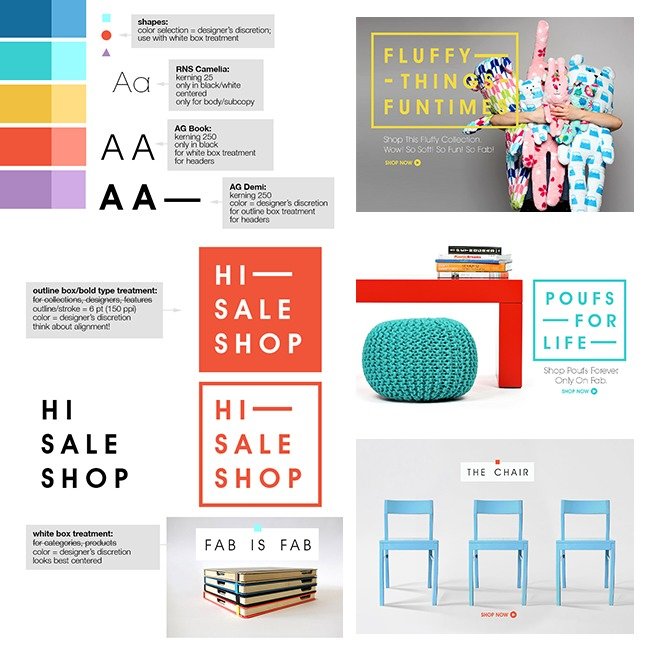
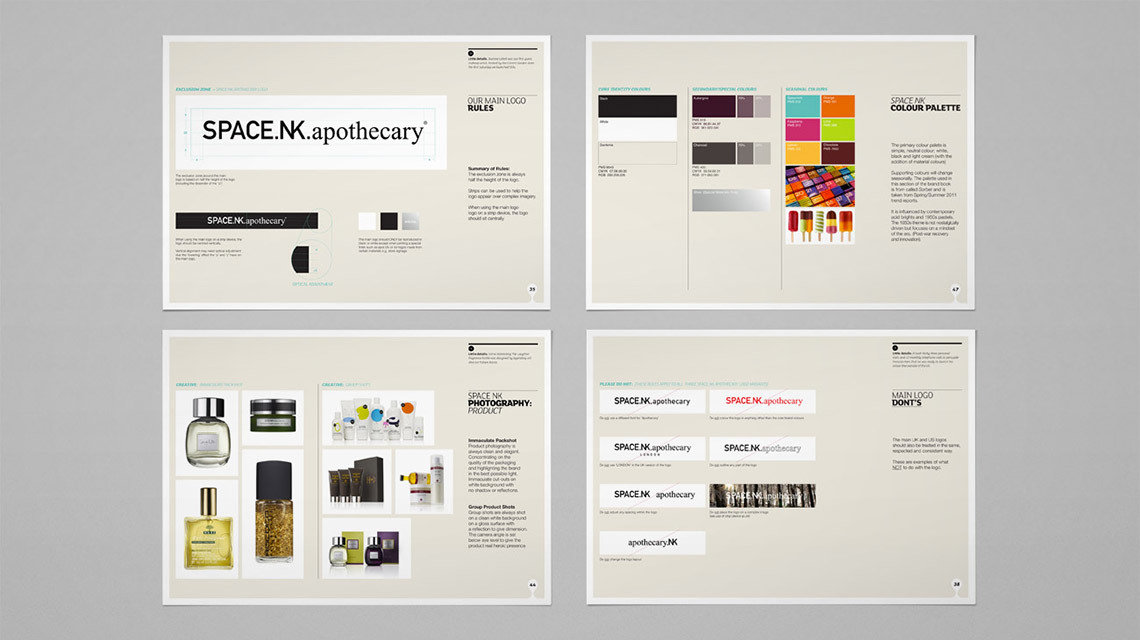
inspiration/mood board
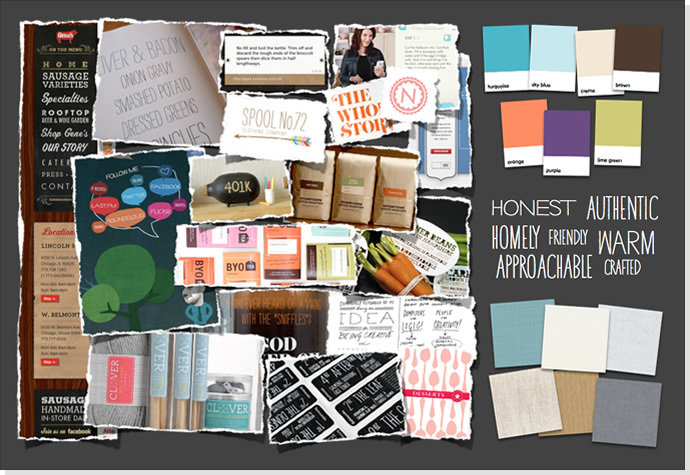
maquette
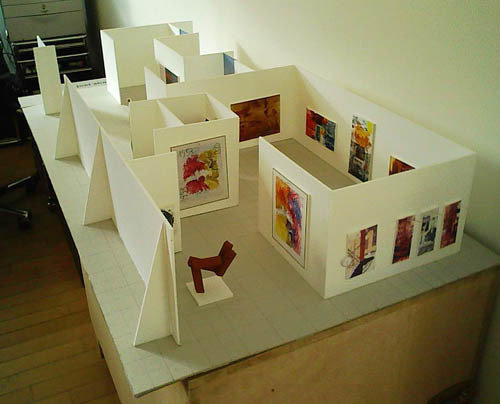
exhibtion/screen color palette
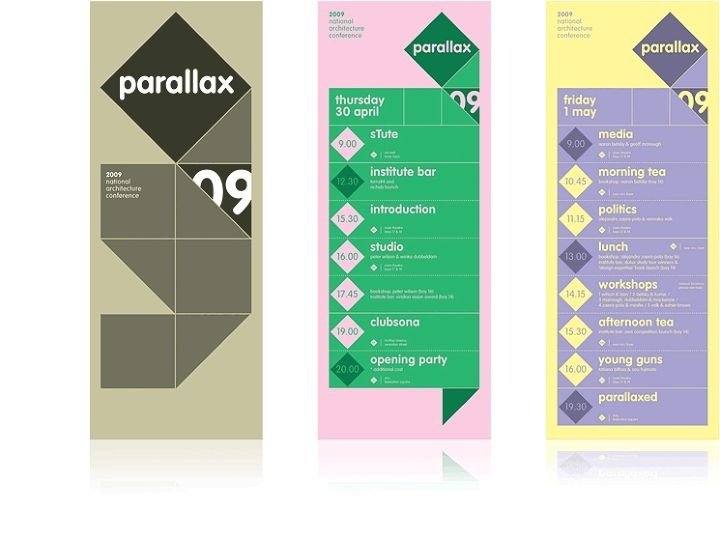
style

graphics
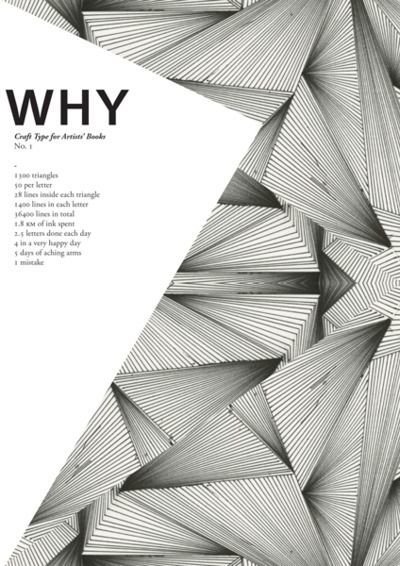
design direction
Phase Three: Beta Testing
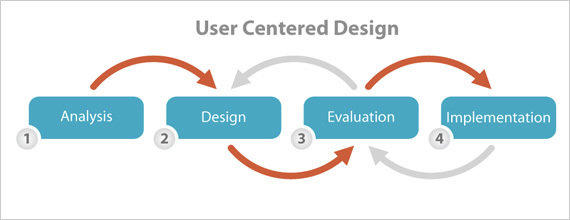
conceptual thinking to concrete interactive
wireframes
force designer/developer/producer/ to really think through the user experience
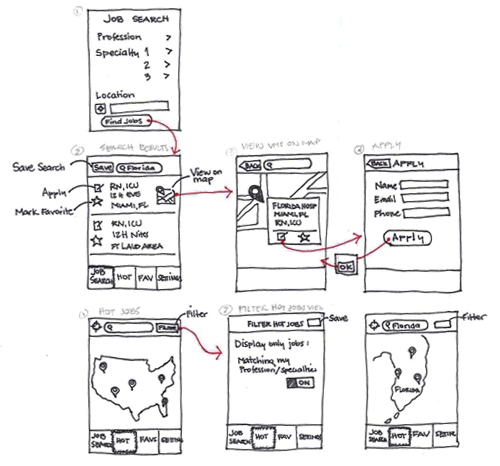
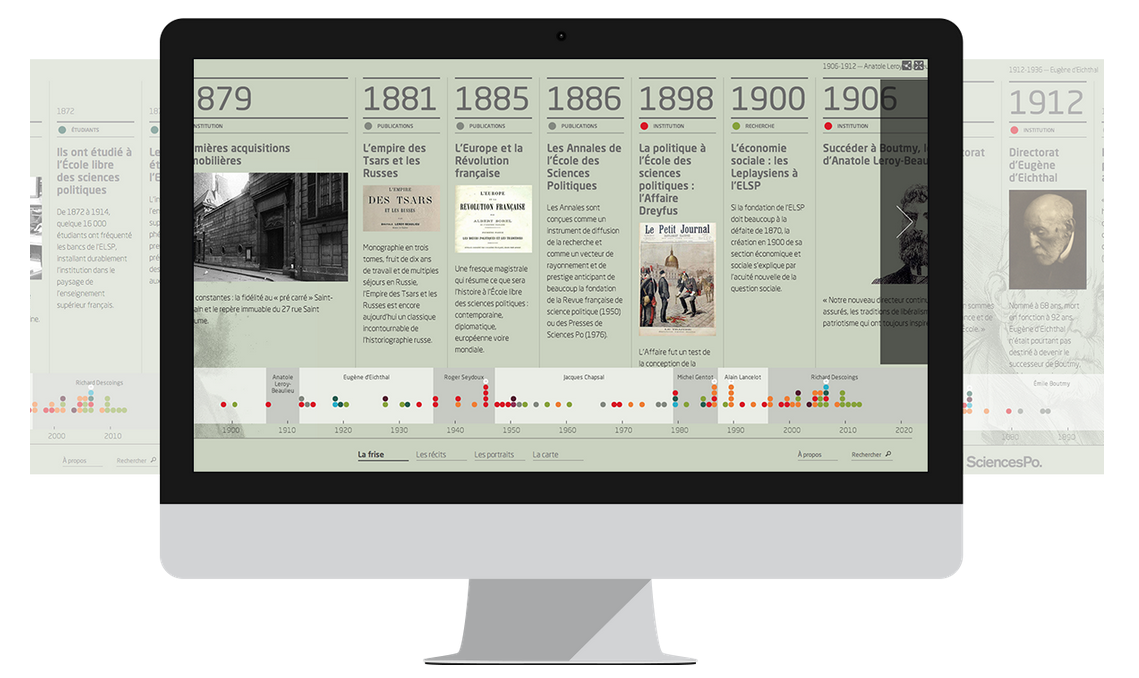
Think of all the elements of a screen as components you are advertising to a user and you have to make it clear to the visitor so they don’t miss the fact that they can do this or that
- example: user can zoom a timeline and they can explore something
- as they explore the map/screen changes and different stories come to life
- each story needs to be planned for
Can I go back?
up
down
next | previous
show
hide
slide
scroll
horizontal |vertical
deck
By nmn_slides
deck
New Ways to Tell Stories