Studying AI to Study How We Learn
Shayan Doroudi
School of Education
University of California, Irvine
Guest Lecture — Designing AI for Education
What is the nature of the relationship between AI and education?
Nearly five decades ago,
someone asked this same question.
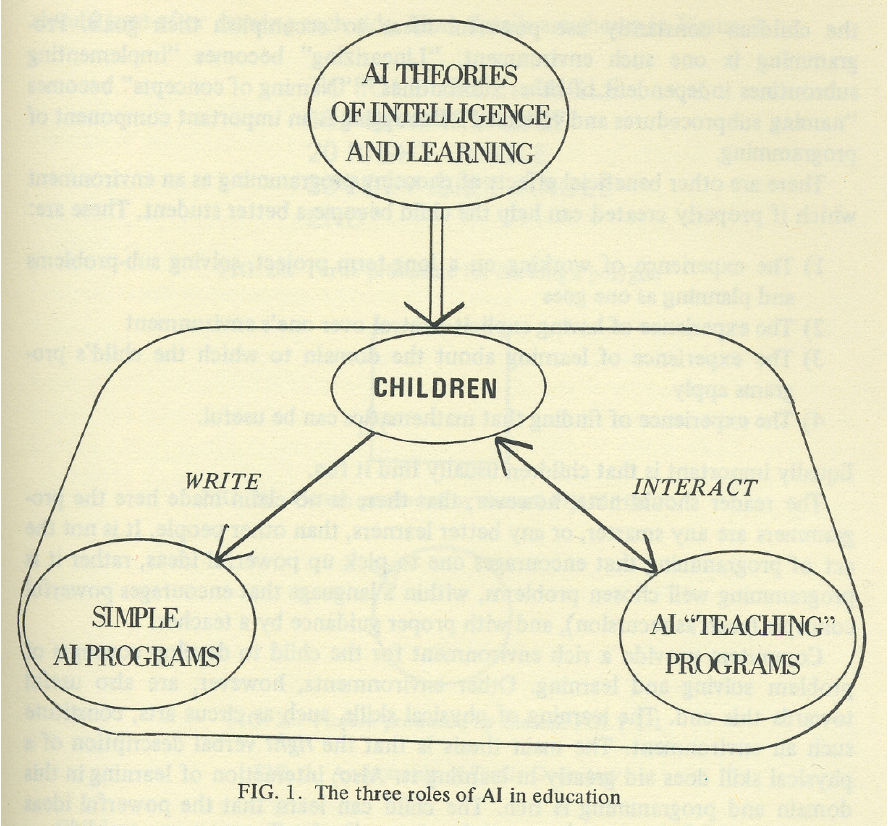
Kahn's (1977) Three Roles of AI in Education
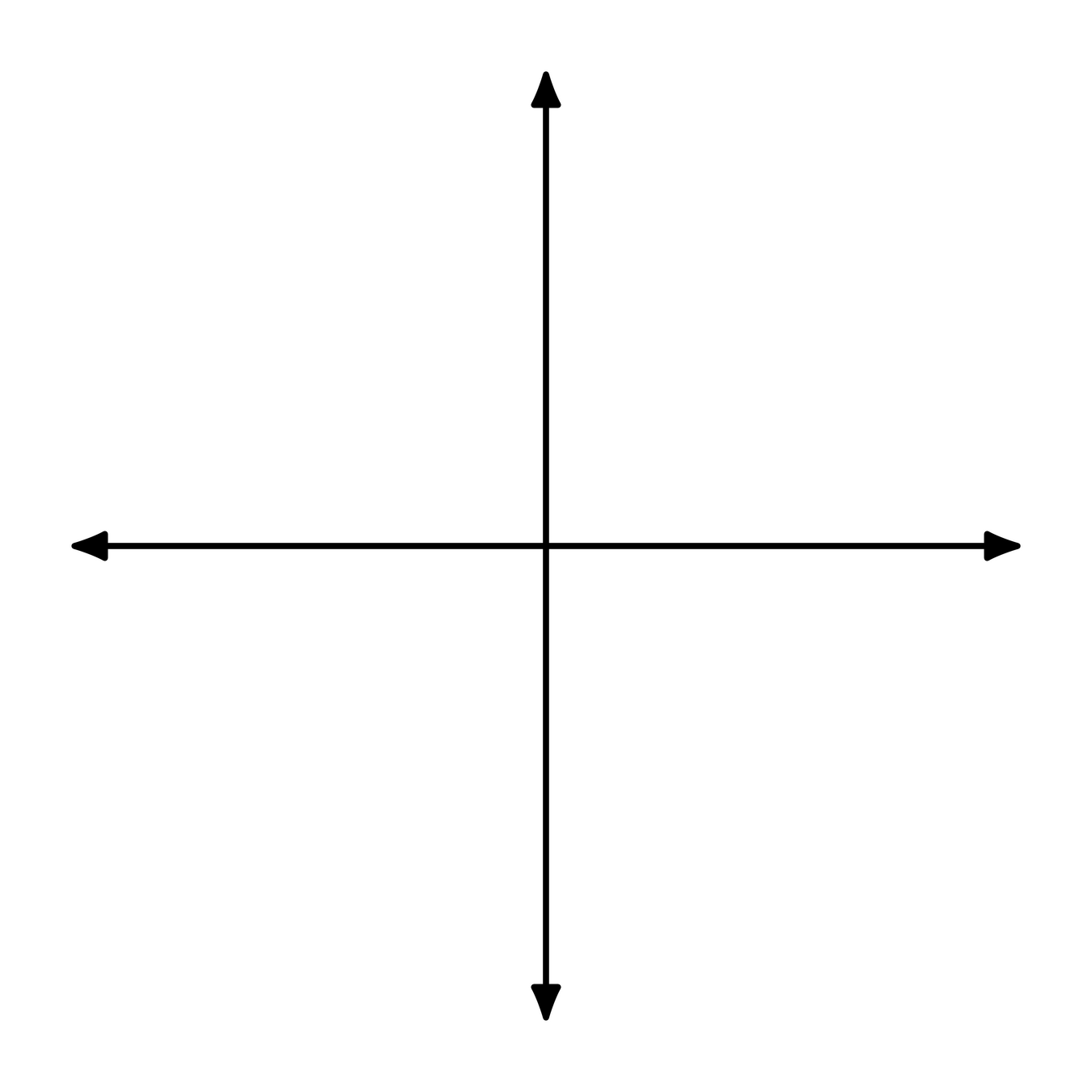
AI×Ed Framework
Researcher Interaction
Learner Interaction

Teacher/
Practitioner/
Parent Interaction
Educational Data Mining
Teacher Dashboards
Intelligent Tutoring Systems
End-User Axis
AI×Ed Framework
AI as an Applied Tool
AI as an Analogy to HI

Role of AI Axis
AI×Ed Framework
Researcher Interaction
Learner Interaction
AI as an Applied Tool
AI as an Analogy to HI
Educational Data Mining
Intelligent Tutoring Systems
Computational Cognitive Models
Children Learning About Learning
Researcher Interaction
Learner Interaction
AI as an Applied Tool
AI as an Analogy to HI
Educational Data Mining
Intelligent Tutoring Systems
Computational Cognitive Models
Children Learning About Learning
Where does your final project fit in AI×Ed?https://student.desmos.com/join/f92fyx

Is There Anything Missing?
Researcher Interaction
Learner Interaction
AI as an Applied Tool
AI as an Analogy to HI
Educational Data Mining
Intelligent Tutoring Systems
Computational Cognitive Models
Children Learning About Learning
IJAIED 2021
Researcher Interaction
Learner Interaction
AI as an Applied Tool
AI as an Analogy to HI
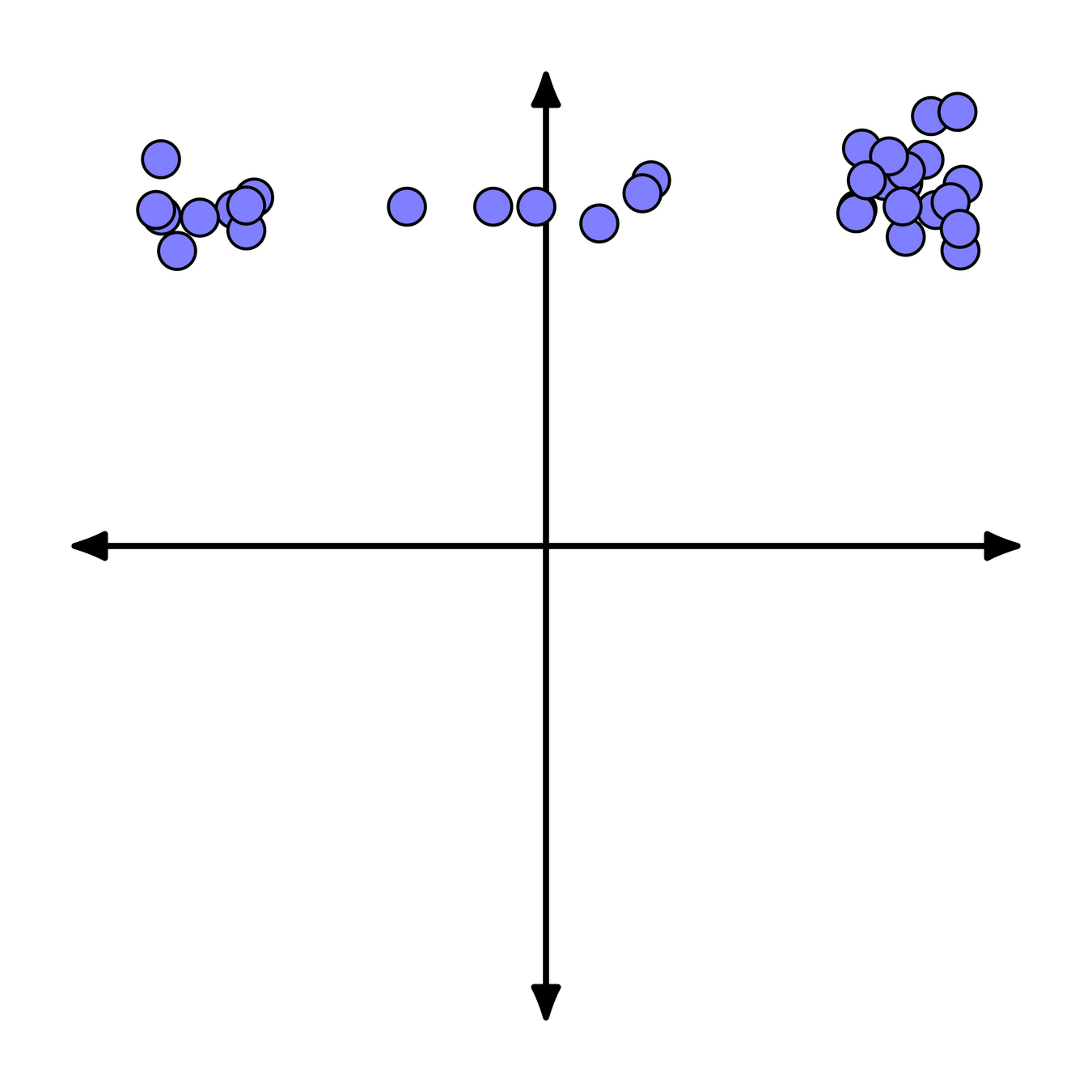
AIED 2021 Proceedings
Researcher Interaction
Learner Interaction
AI as an Applied Tool
AI as an Analogy to HI
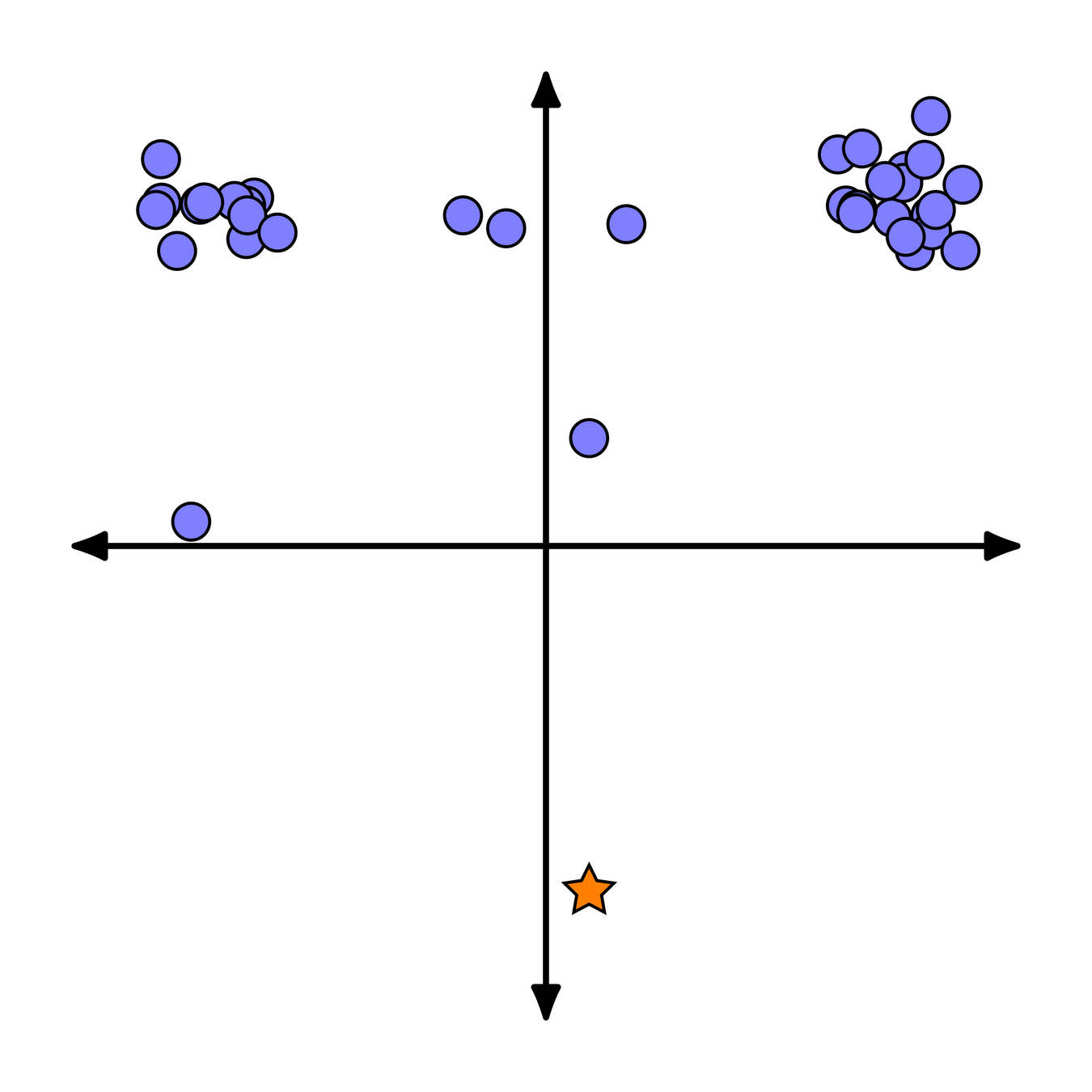
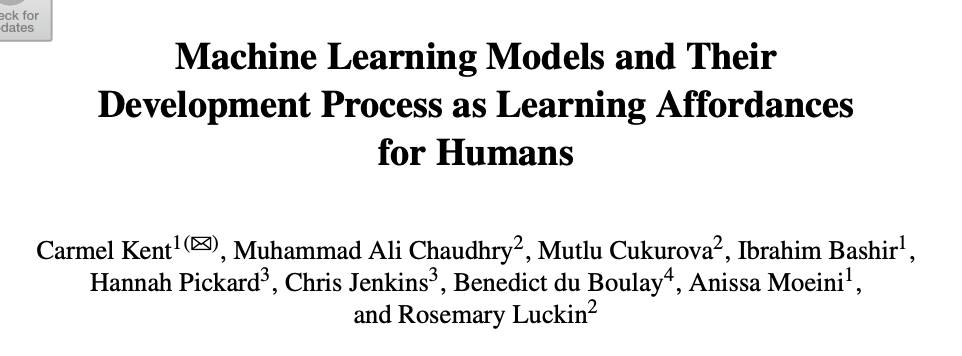
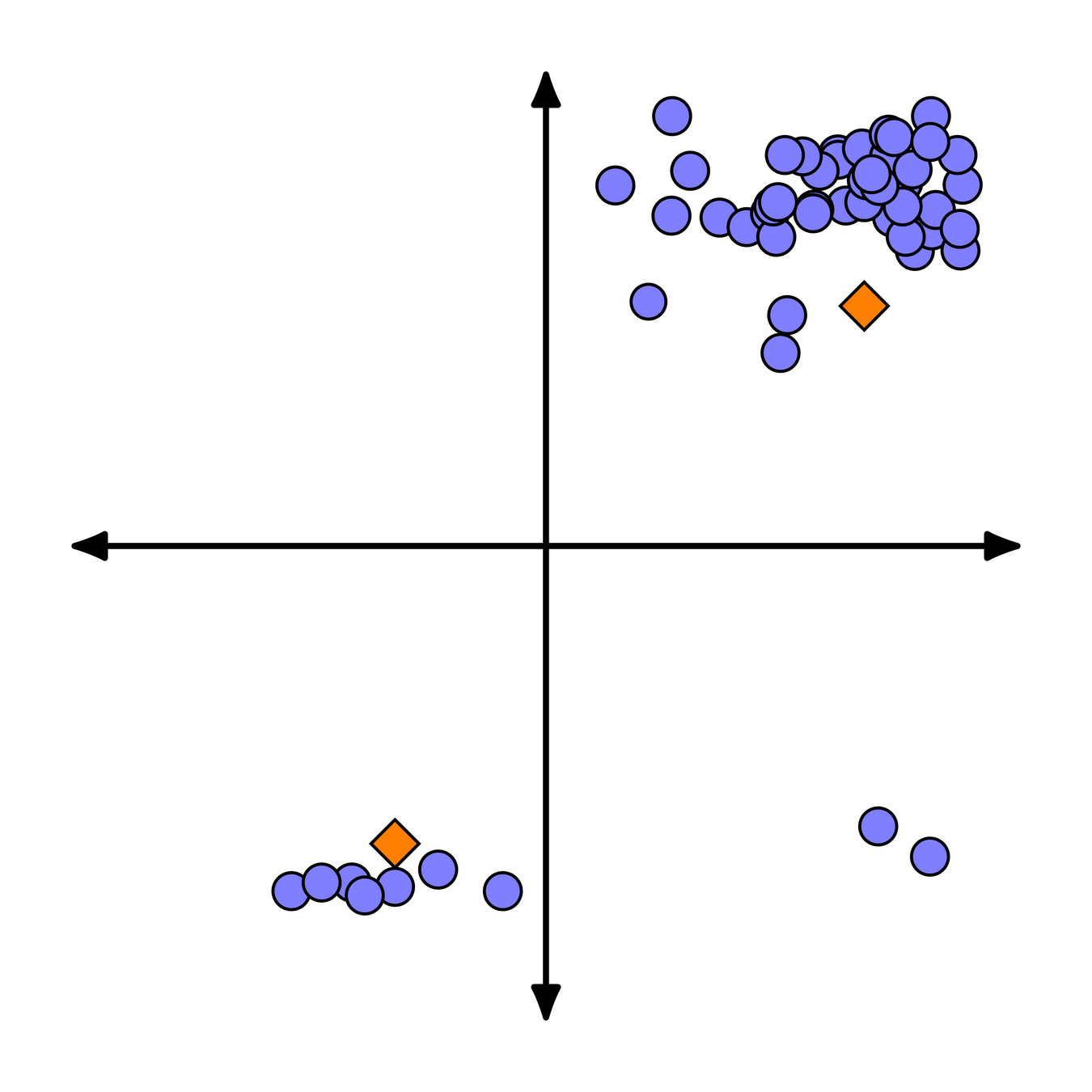
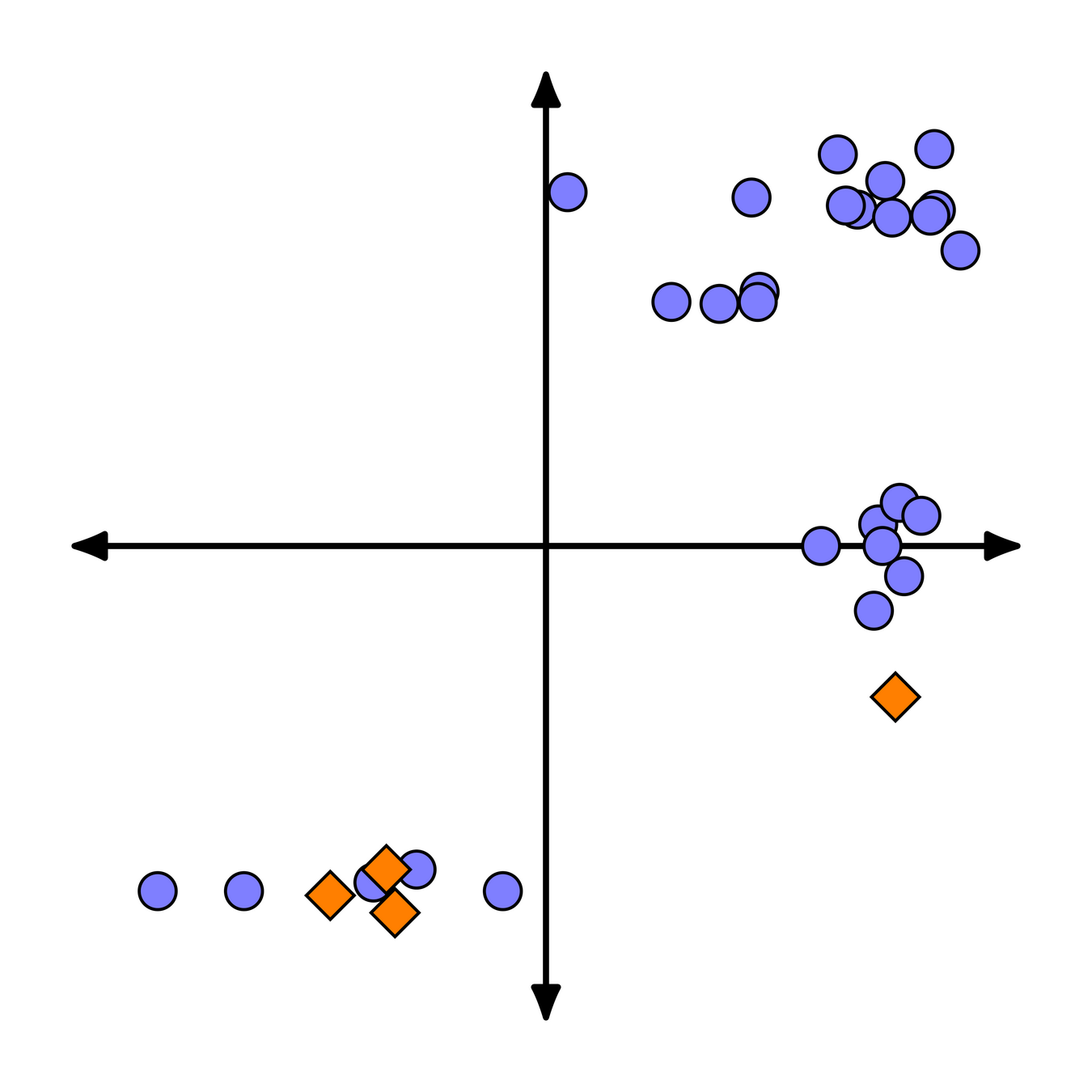
The AIED community is predominantly focused on AI as an applied tool
However…
This was not always the case.
AIED 1993 Proceedings
Researcher Interaction
Learner Interaction
AI as an Applied Tool
AI as an Analogy to HI
Cascade: A Simulation of Human Learning and Its Applications
Kurt VanLehn
OLAE. Progress Toward a Multi-Activity, Bayesian Student Modeler
Joel Martin & Kurt VanLehn
AIED 1985 Proceedings
Researcher Interaction
Learner Interaction
AI as an Applied Tool
AI as an Analogy to HI
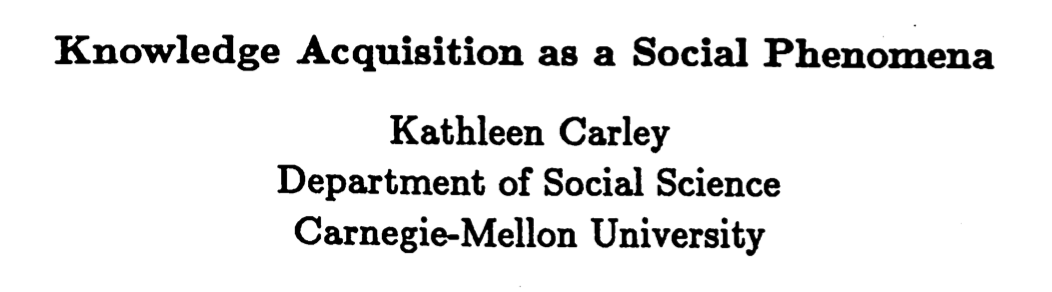
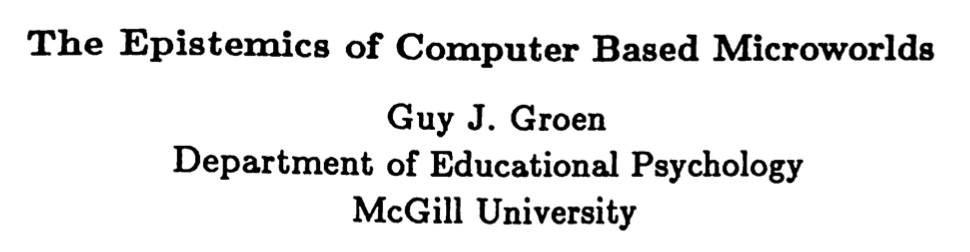
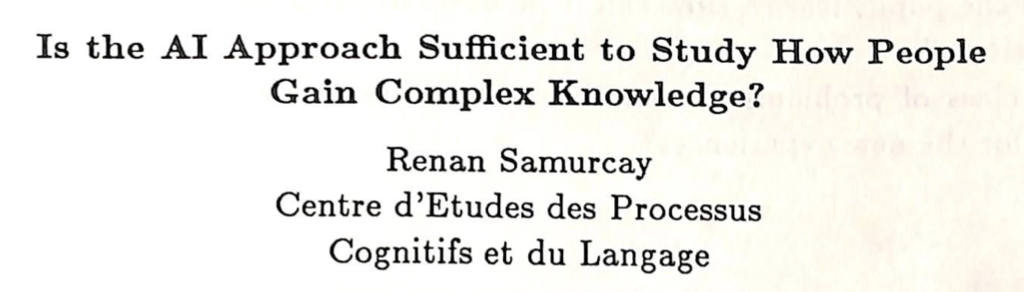
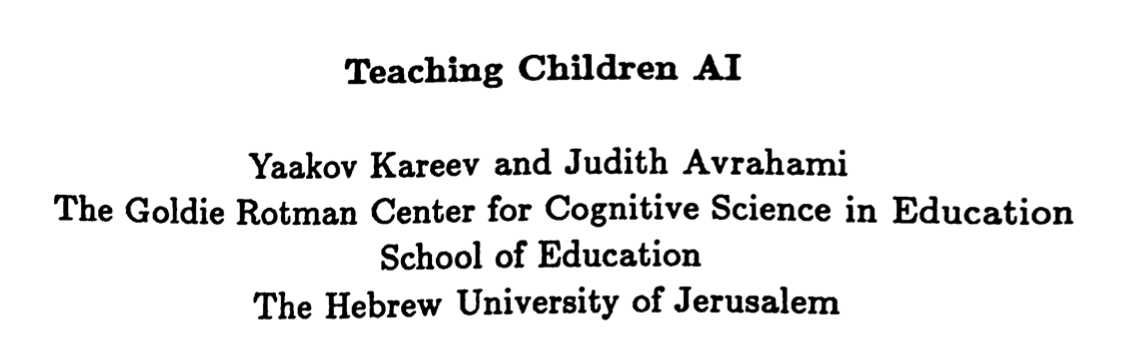
Early Days of AI
Historically many early AI researchers studied AI as an analogy to human intelligence—and connections to education:
Herbert Simon
Allen Newell
Marvin Minsky
Seymour Papert
Donald Michie
Roger Schank
Gordon Pask*
Heinz von Foerster*
We can study AI to study how we learn.
Who is we?
Researchers
Learners
Teachers/
Practitioners/
Parents
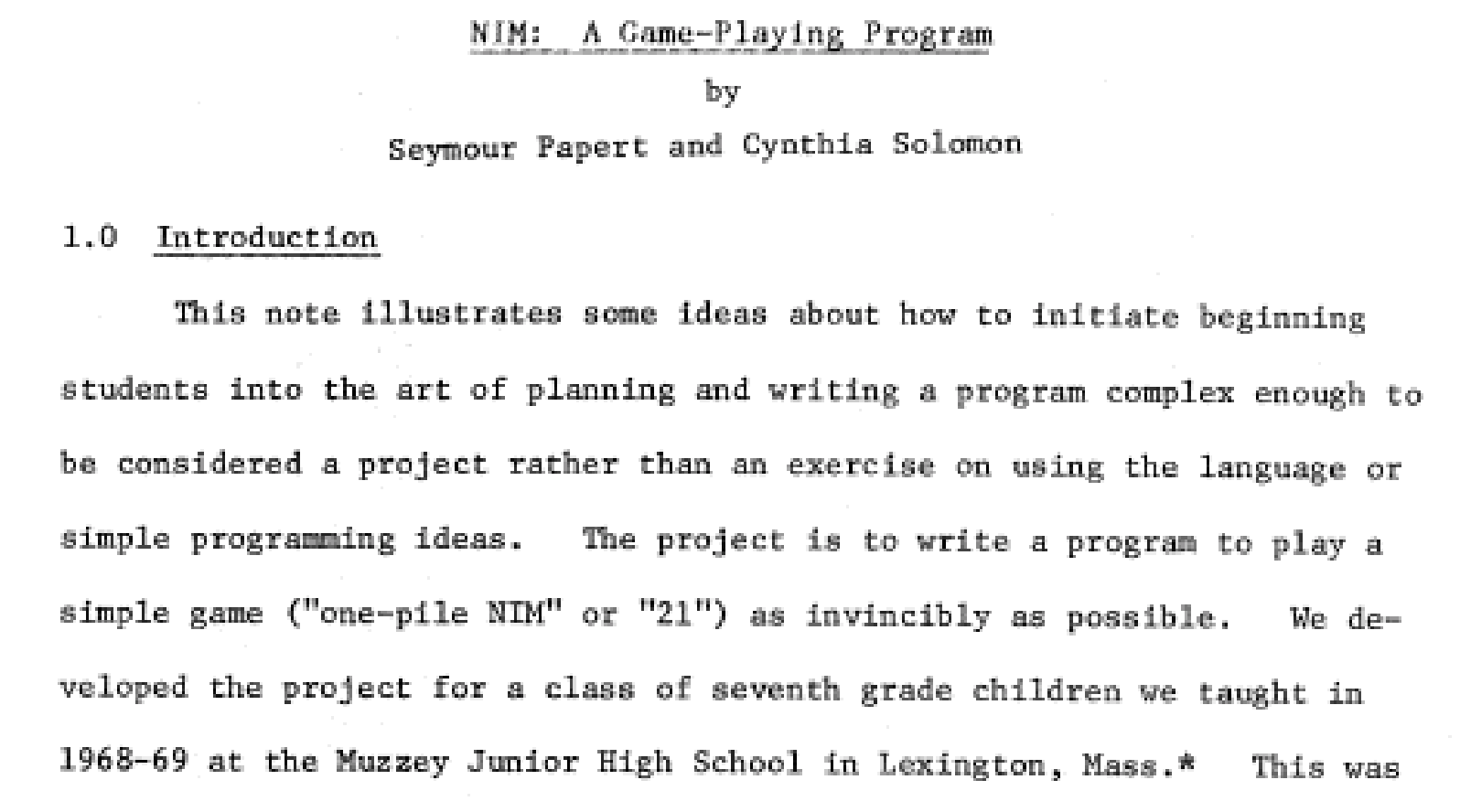
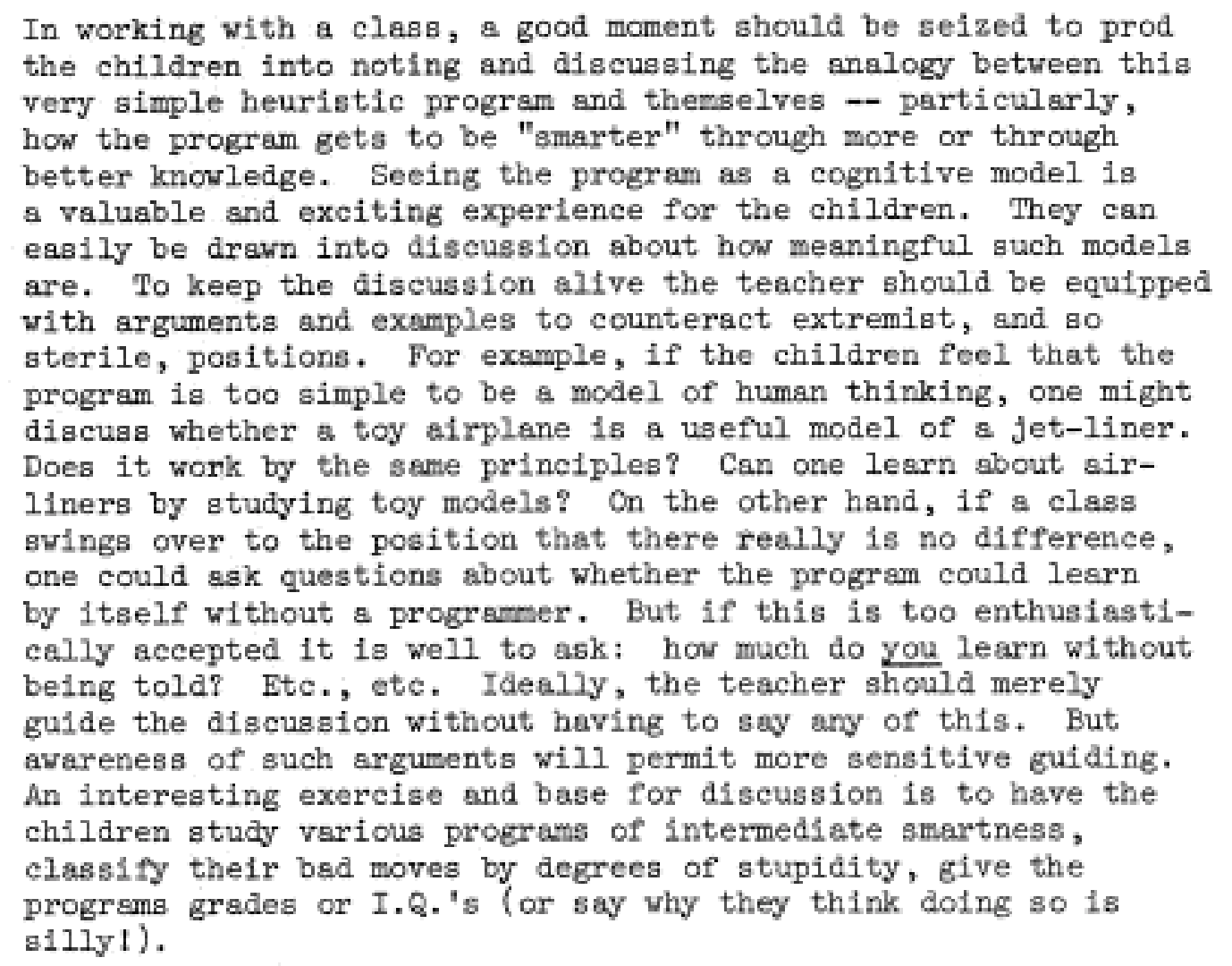
In the early 1960s, Seymour Papert and Jean Piaget apparently
”had engaged in playful speculation about what would happen if children could play at building little artificial minds. I [Papert] had been saying that the essence of AI was to make theoretical psychology concrete. So (since concreteness is supposedly what children thrive on) in principle perhaps some elementary form of it could become a children's construction set. If psychologists could benefit from making concrete models of the mind, why shouldn’t children, whose need was even greater, also benefit?” (Papert, 1993)
Learning About AI to
Learn About Learning
Papert, S. (1993). The children's machine: Rethinking school in the age of the computer. Basic Books.
Learning About AI to
Learn About Learning
Four Different Styles of AI
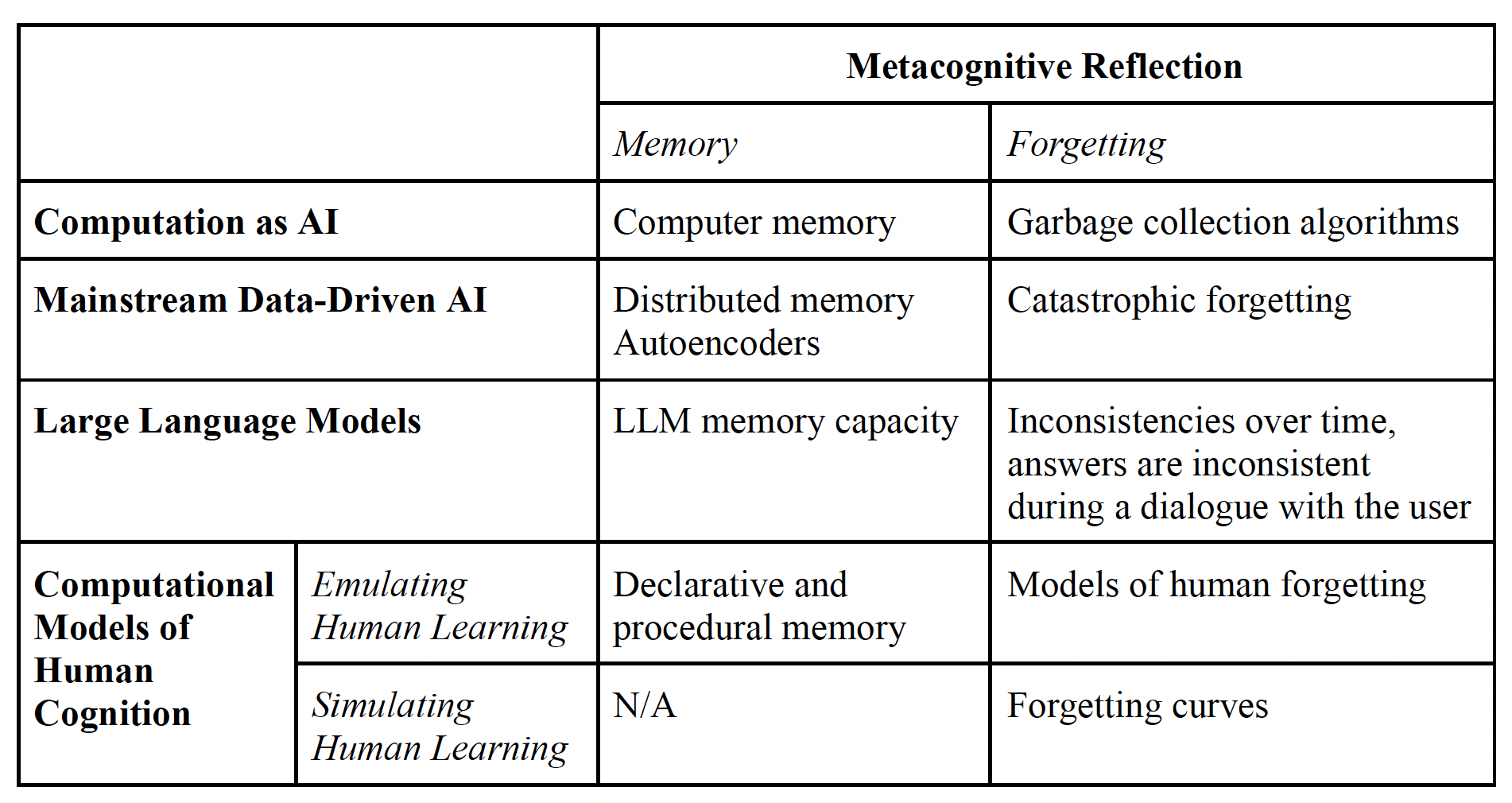
Four Different Styles of AI
Envisioning the Future
Researcher Interaction
Learner Interaction
AI as an Applied Tool
AI as an Analogy to HI
AI
Literacy
Envisioning the Future
Researcher Interaction
Learner Interaction
AI as an Applied Tool
AI as an Analogy to HI
Computational
Cognitive Models
&
Agent-Based Models
Envisioning the Future
Researcher Interaction
Learner Interaction
AI as an Applied Tool
AI as an Analogy to HI
LLM-Based Tutoring Systems
Writing Assistants
LLM-Based Teachable Agents
LLMs as Cognitive Models
LLMs as Tools for Mining Text Data
Conclusion
We present AI×Ed as a framework for conceptualizing the different kinds of possible relationships between AI and education
We found that there is a lack of recent research in the bottom half of our quadrant
(AI as an analogy to human intelligence).
To establish a research agenda for the future of AIED we can simultaneously
look backwards (to earlier approaches to AIED) and
look forwards (to new kinds of AI and new challenges in education).
Studying AI to Study How We Learn
By Shayan Doroudi
Studying AI to Study How We Learn
Guest Lecture for Designing AI for Education (Northeastern University)