Gordon Pask &
Alfred Bork
EDUC 131
Shayan Doroudi
University of California, Irvine
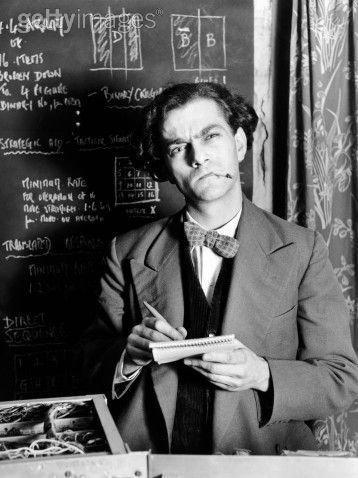
Cybernetics
c. 1940s
“the scientific study of control and communication in the animal and the machine.”
- Norbert Weiner
Latinized form of Greek kybernetes “steersman” (metaphorically “guide, governor”), from kybernan “to steer or pilot a ship, direct as a pilot,” figuratively “to guide, govern,” which is of uncertain origin.
Cybernetics
c. 1940s
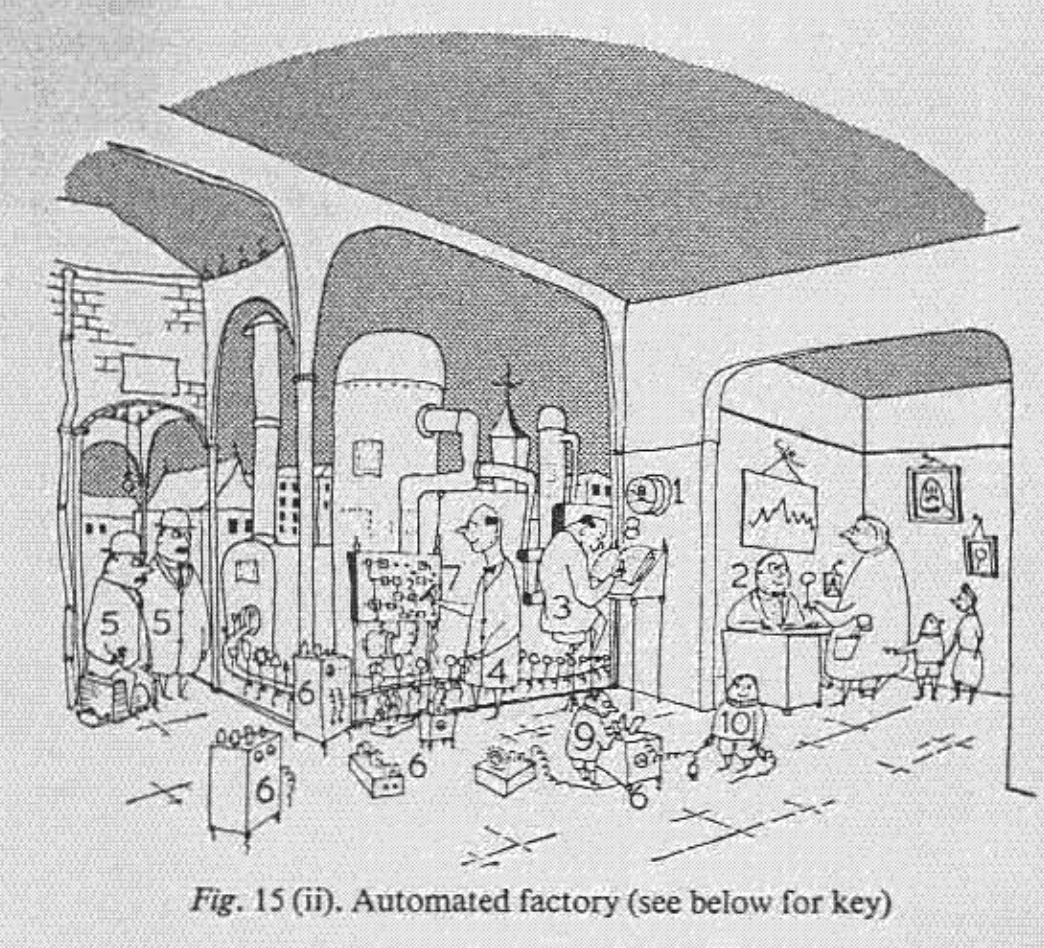
the study of goal-directed behavior
in any entity
Cybernetics
c. 1940s
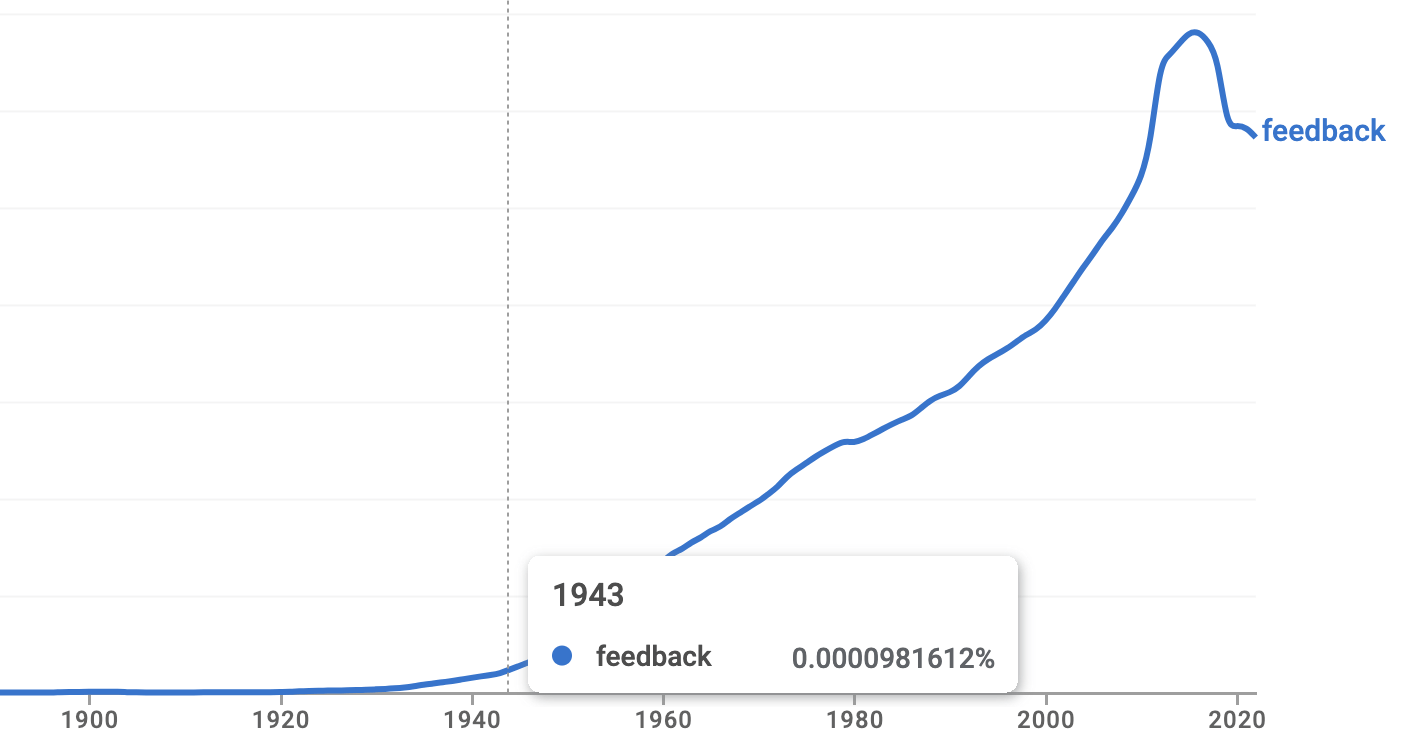
the term “feedback” was (probably) popularized by cybernetics
Second-Order Cybernetics
c. 1960s
Second-order cybernetics sees the study of cybernetics as a cybernetic process itself:
- Cyberneticians are not external objective observers, they are part of the system
- Cybernetic processes mutually reinforce each other.
- Two second-order cybernetics theories:
-
Radical Constructivism (von Glasersfeld)
-
Conversation Theory (Pask)
-
AKA New Cybernetics
AKA Cybernetics of Cybernetics
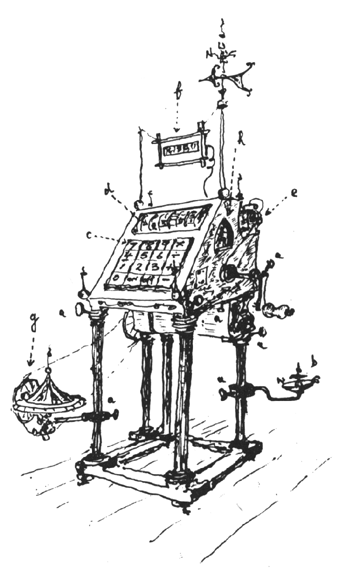
EUCRATES
1955
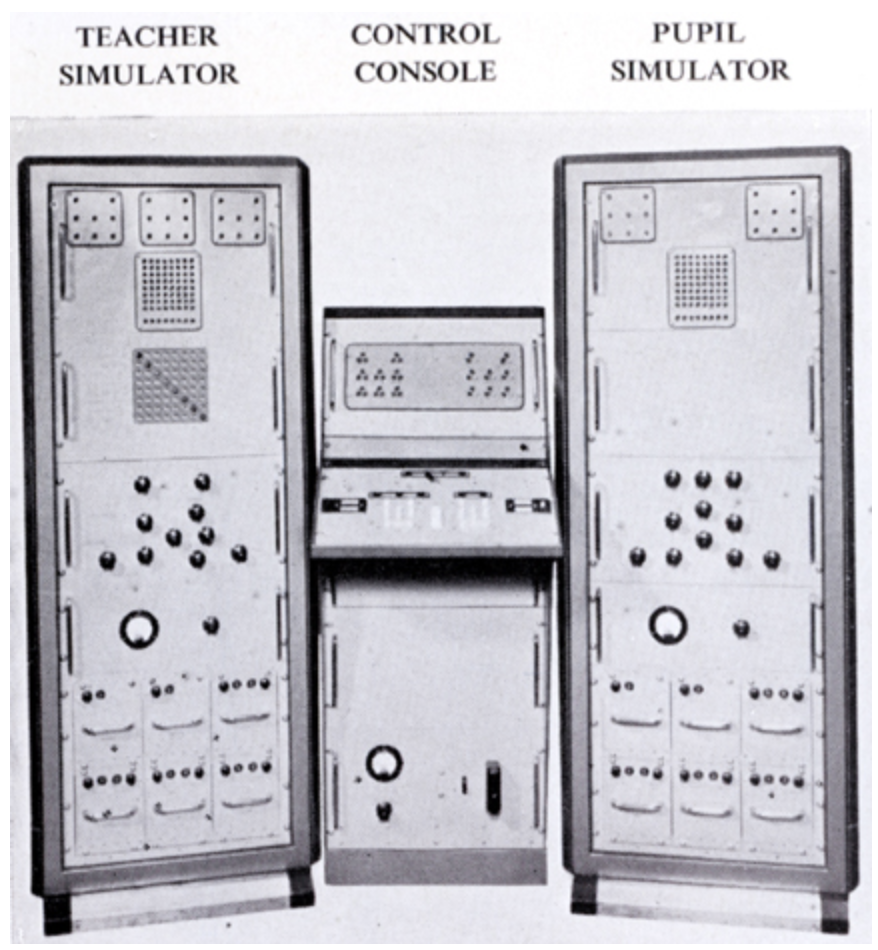
SAKI
1956
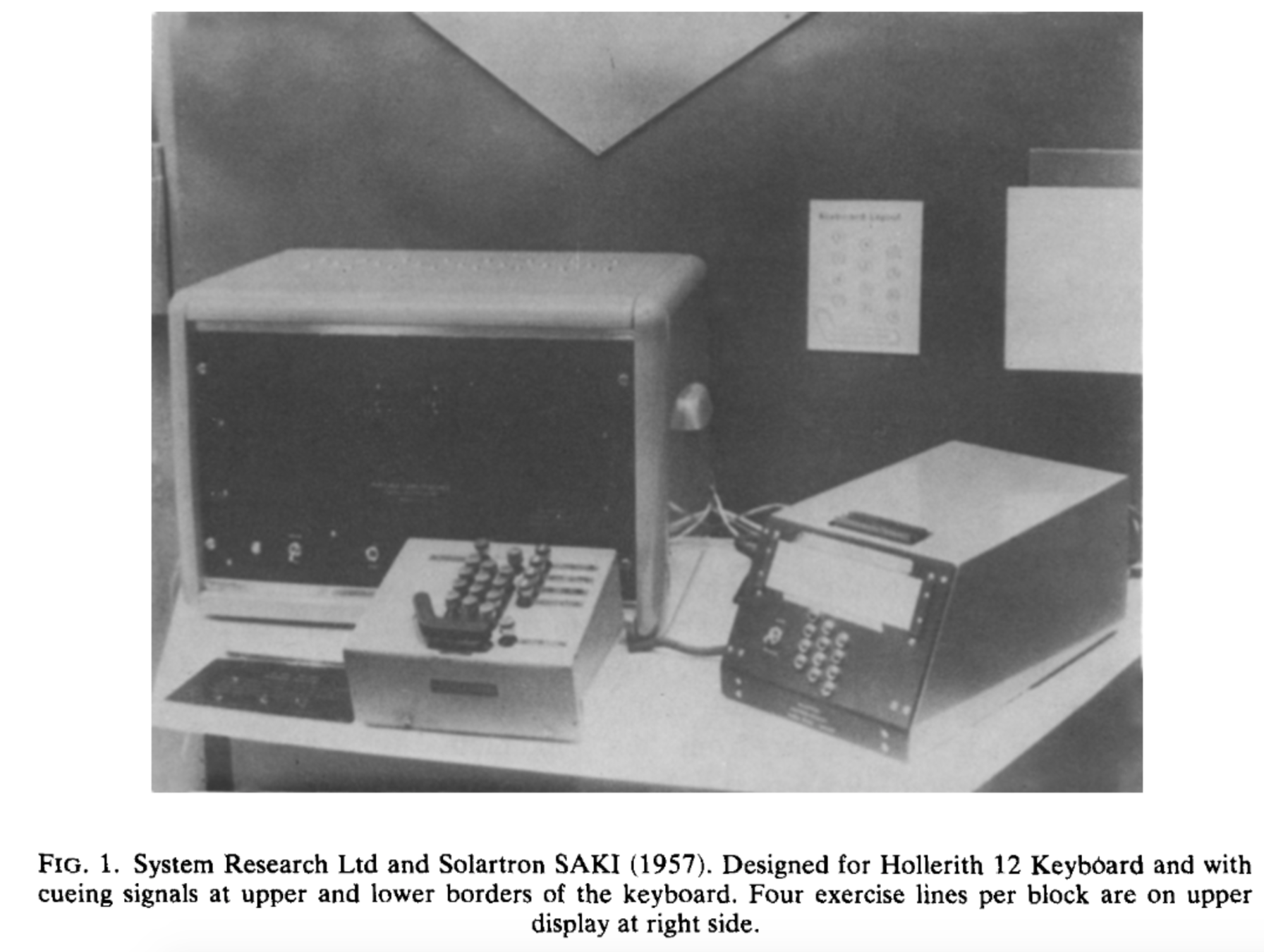
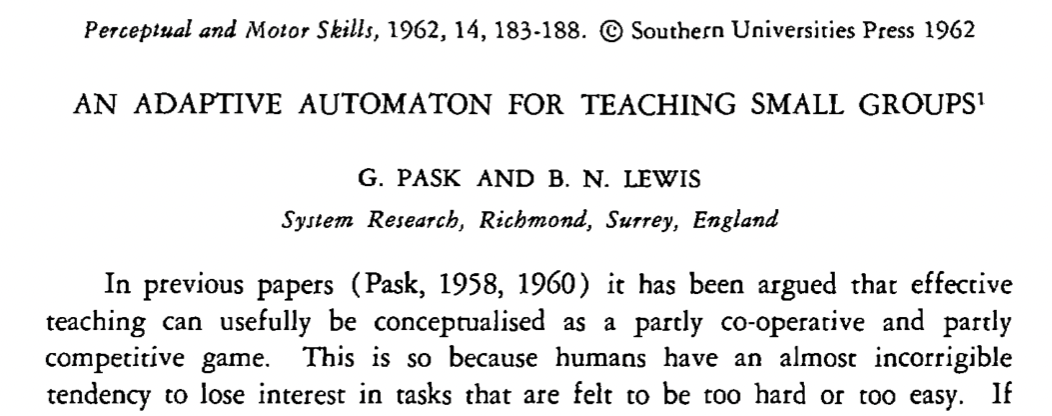
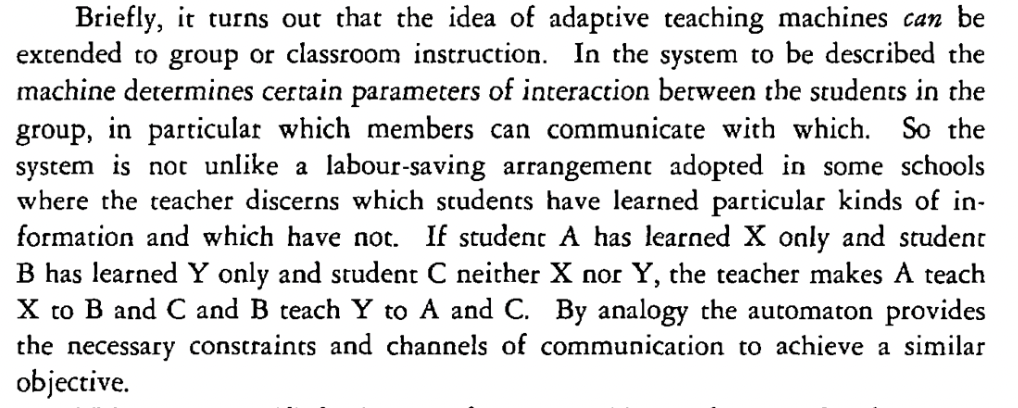
Group Instruction
1962
CASTE
Early 1970s
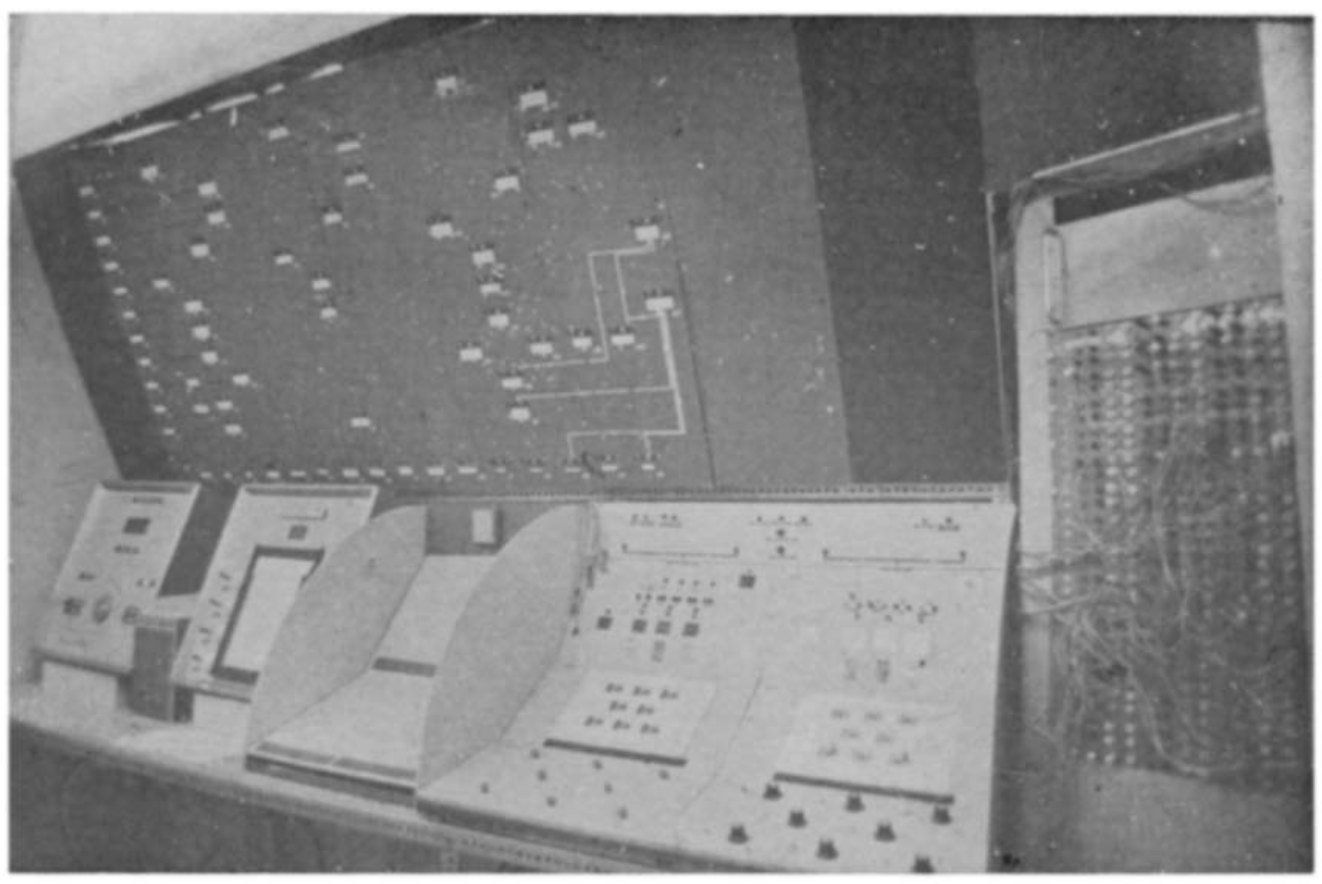
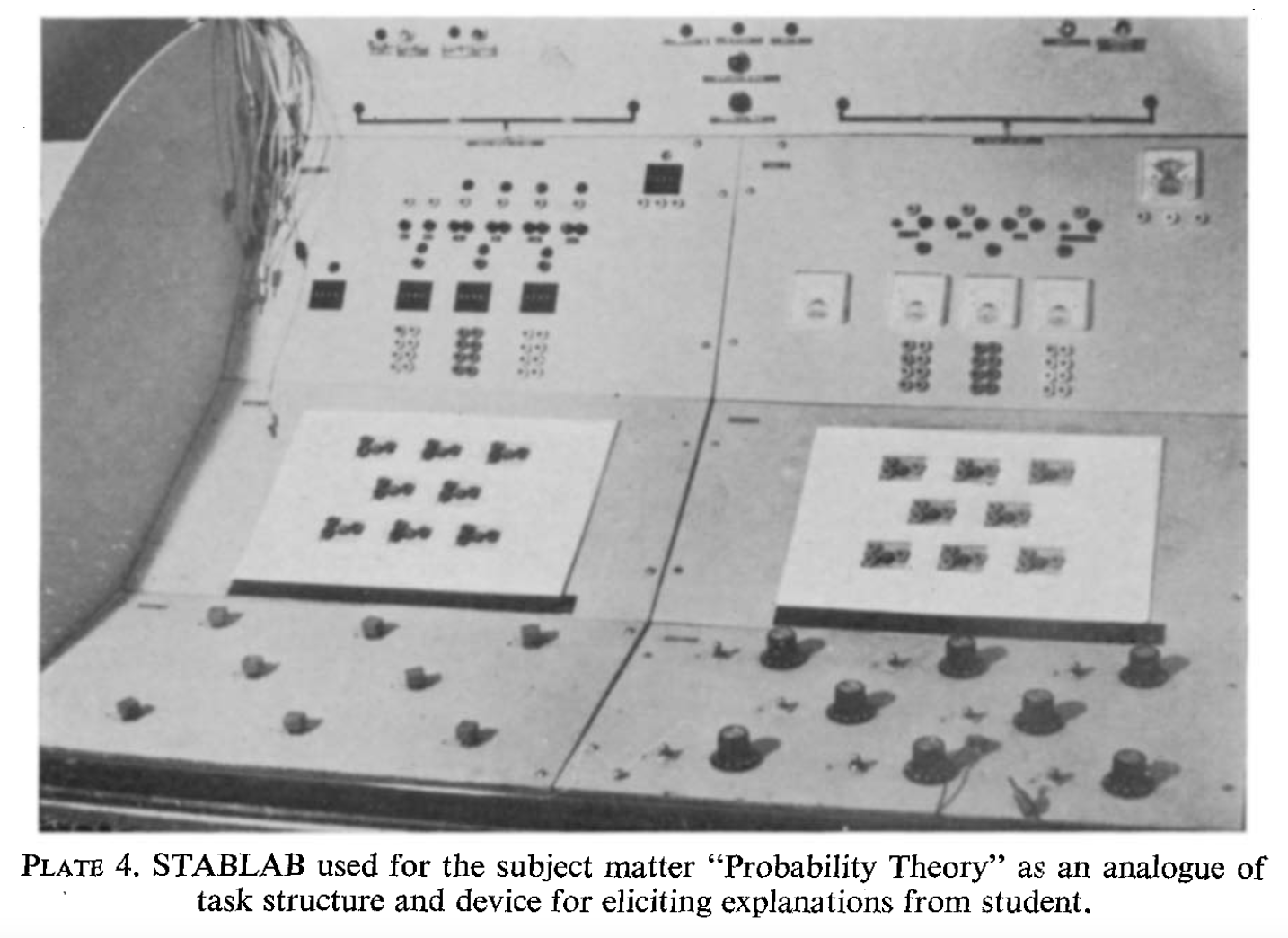
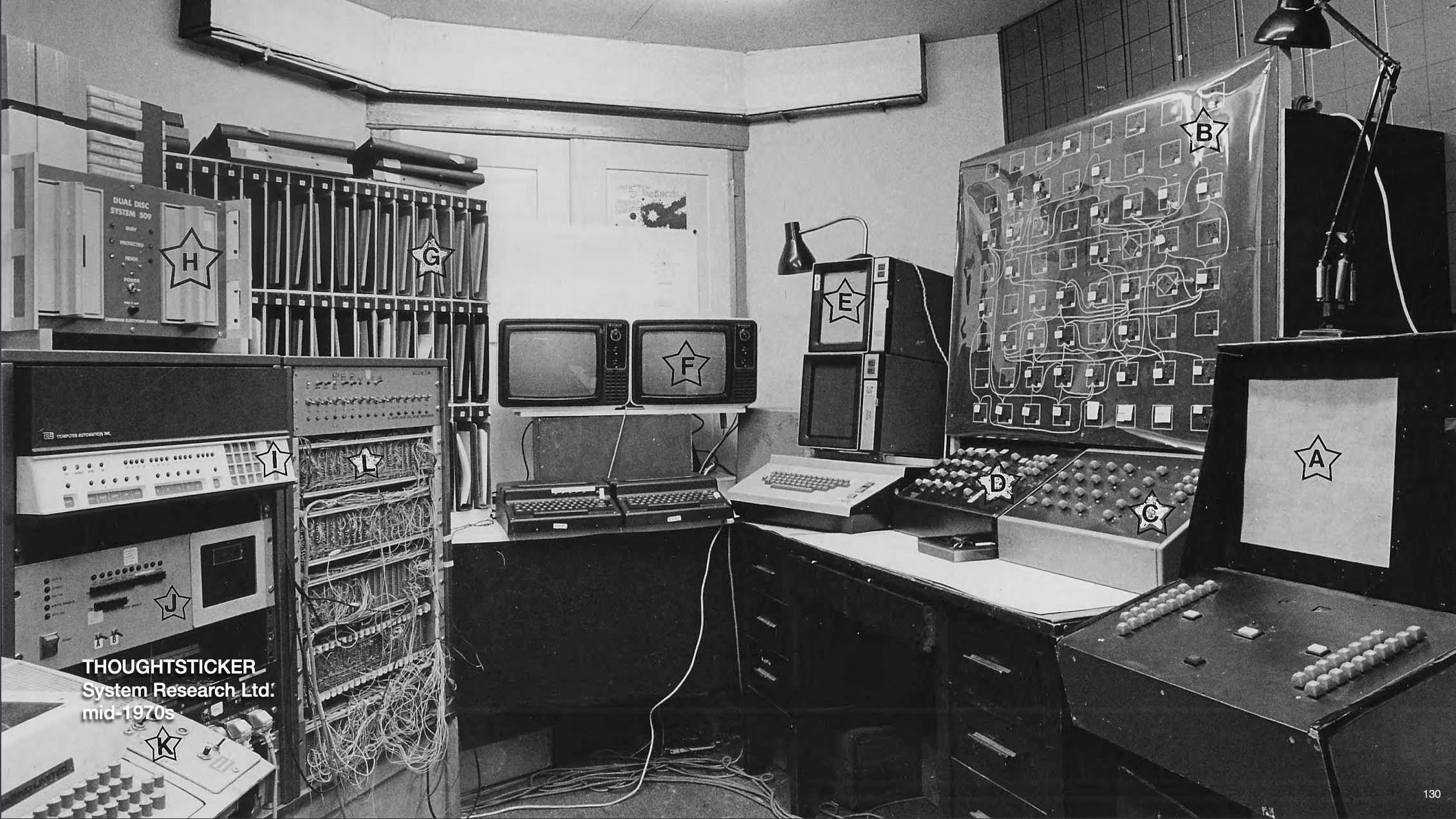
"There was insufficient storage...in the mini-computer to allow for electronic display of a subject matter, but this was no discouragement to the implementors. The processor simply controlled a row of lights above a row of cubbyholes, each one containing a clipboard with a piece of paper on which the content was printed. The user responded to a lighted cubbyhole by extracting the clipboard and reading the material."
- Paul Pangaro
Pask’s View of Learning
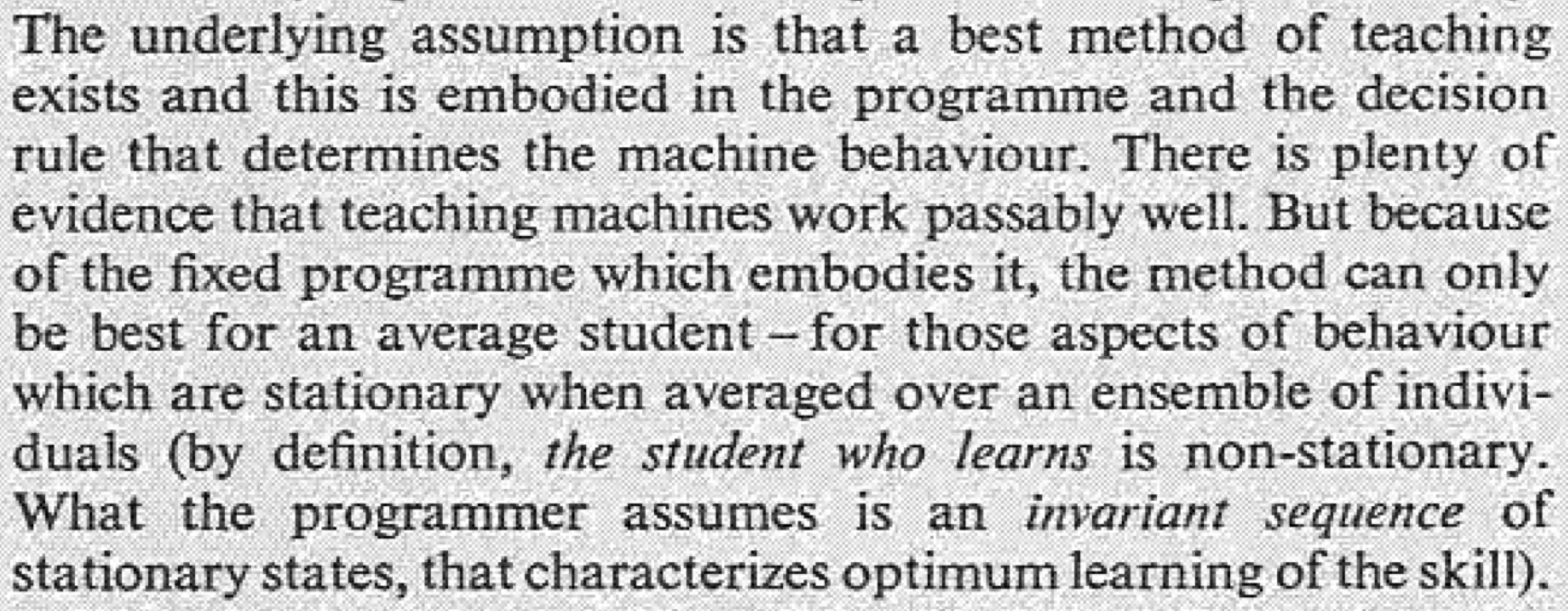
Pask on Skinner's Teaching Machines:
Pask, G. (1961). An approach to cybernetics. Hutchinson & Co.
Pask’s View of Learning
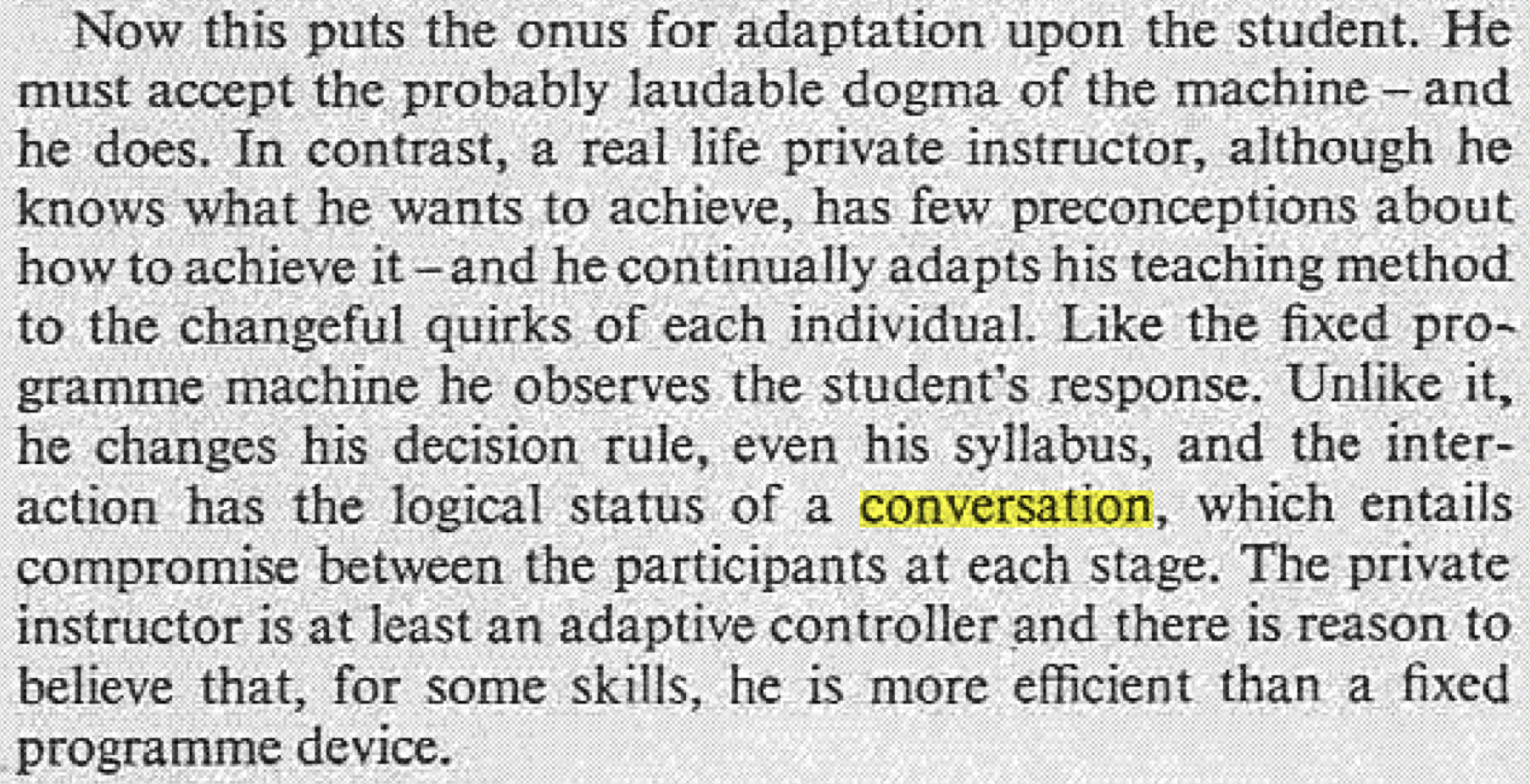
Pask, G. (1961). An approach to cybernetics. Hutchinson & Co.
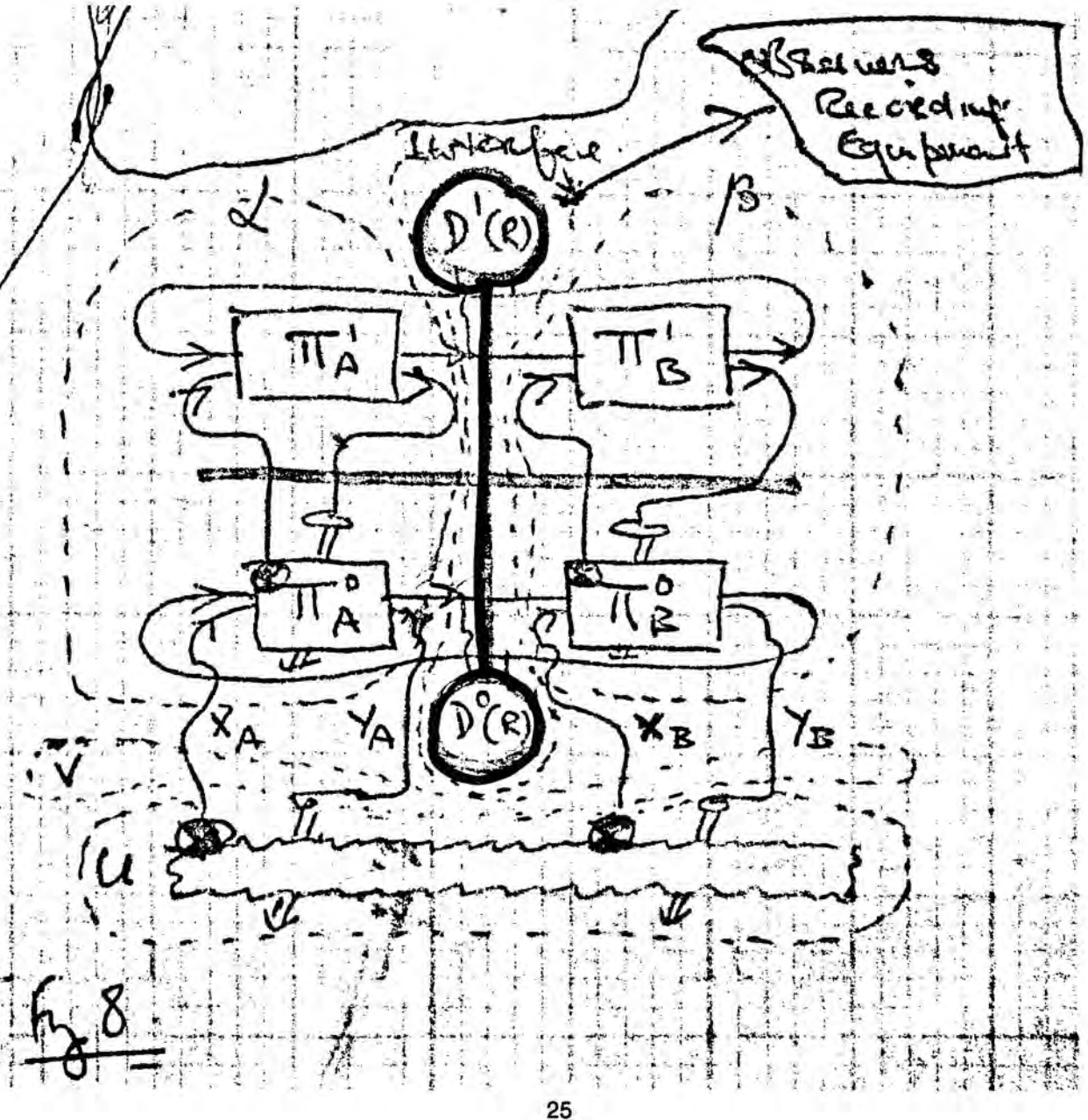
What is a Conversation?
Person 1
Person 2
Conversation
Person
Machine
Conversation
Machine 1
Machine 2
Conversation
Person
1
Person
1
Conversation
Society
1
Society
2
Conversation
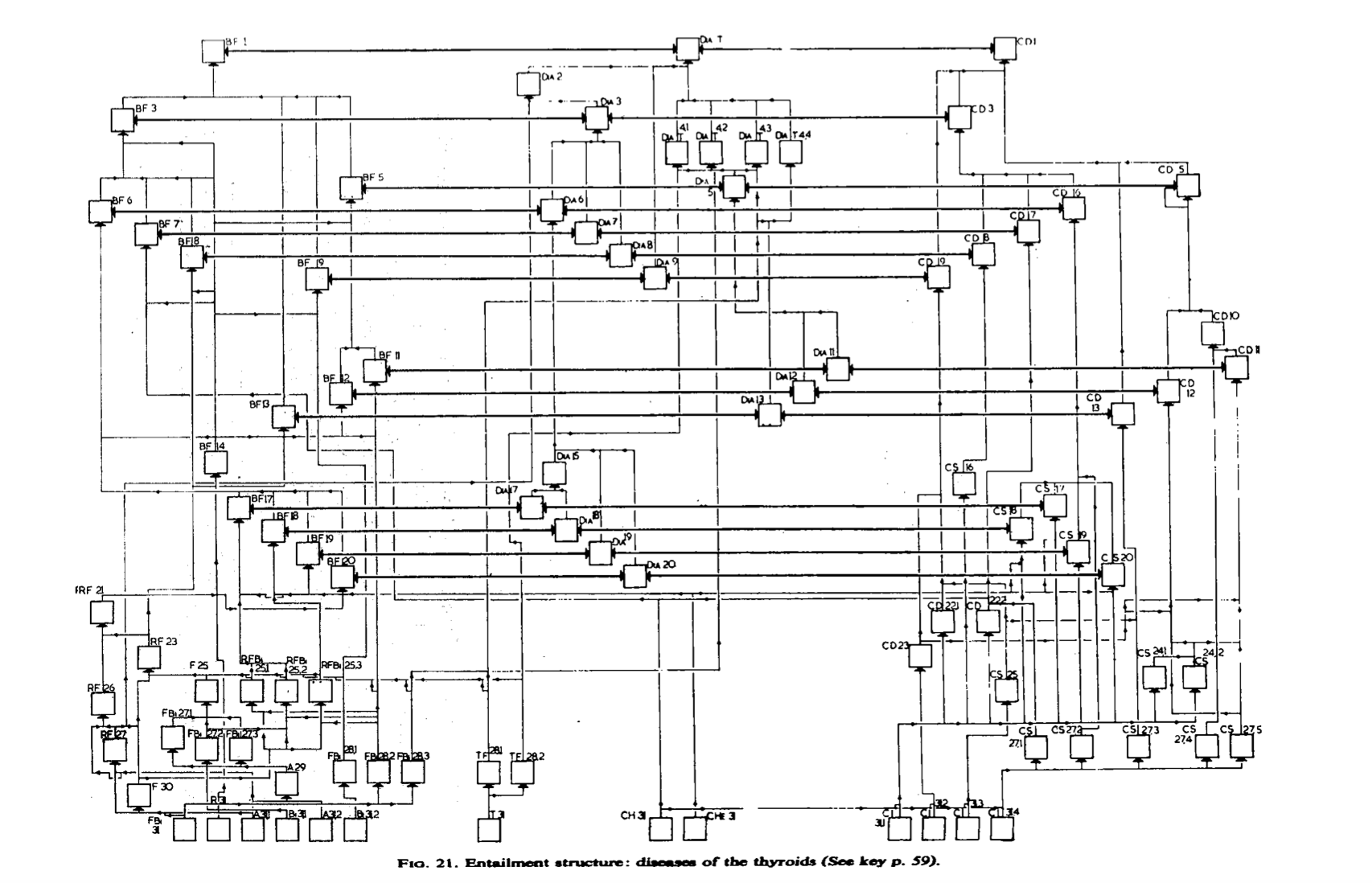
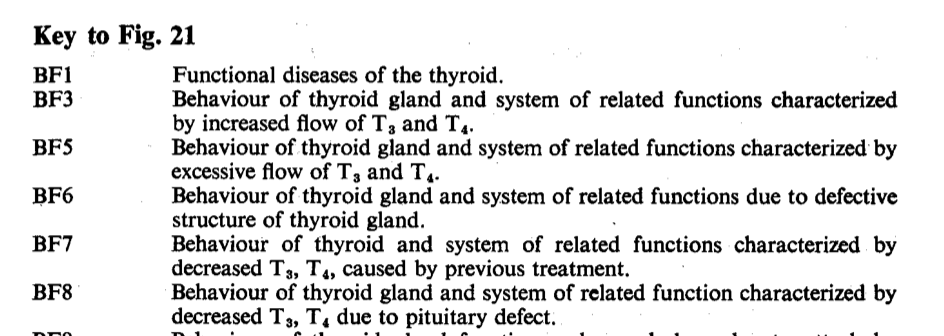
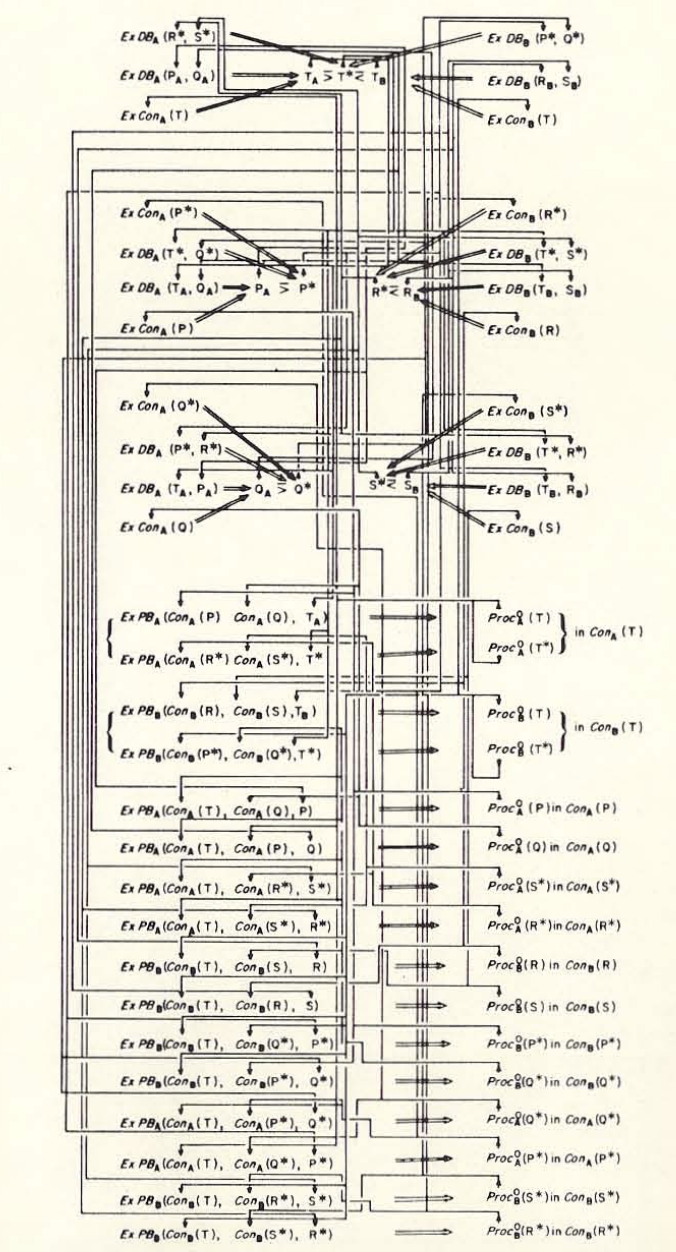
Entailment Structures
Learning Styles
A popular belief is that students have different learning styles (e.g., visual, auditory, reading/writing, and kinesthetic)
and presenting material to students according to their learning style will lead to better learning.
However, researchers have shown that there is little evidence that tailoring instruction to learning styles makes any difference.
For example, see https://youtu.be/rhgwIhB58PA
Learning Styles
Pask was studying learning strategies and styles in the 1970s.
Discovered that students generally use one of two strategies:
serialist - learning step-by-step, picking up individual rules
holist - processing multiple things at once, forming analogies
In several experiments, Pask and colleagues showed that tailoring instruction to a student’s learning style/strategy makes a big difference.
Also discovered two general learning styles:
comprehension learners - likely to use holist strategy, focus on the why
operation learners - likely to use serialist strategy, focus on the how
Alfred Bork
Professor at UCI in Physics and ICS from 1968
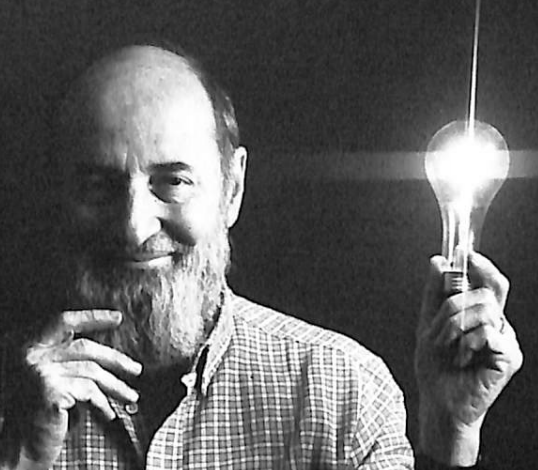
Professor in ICS from 1983
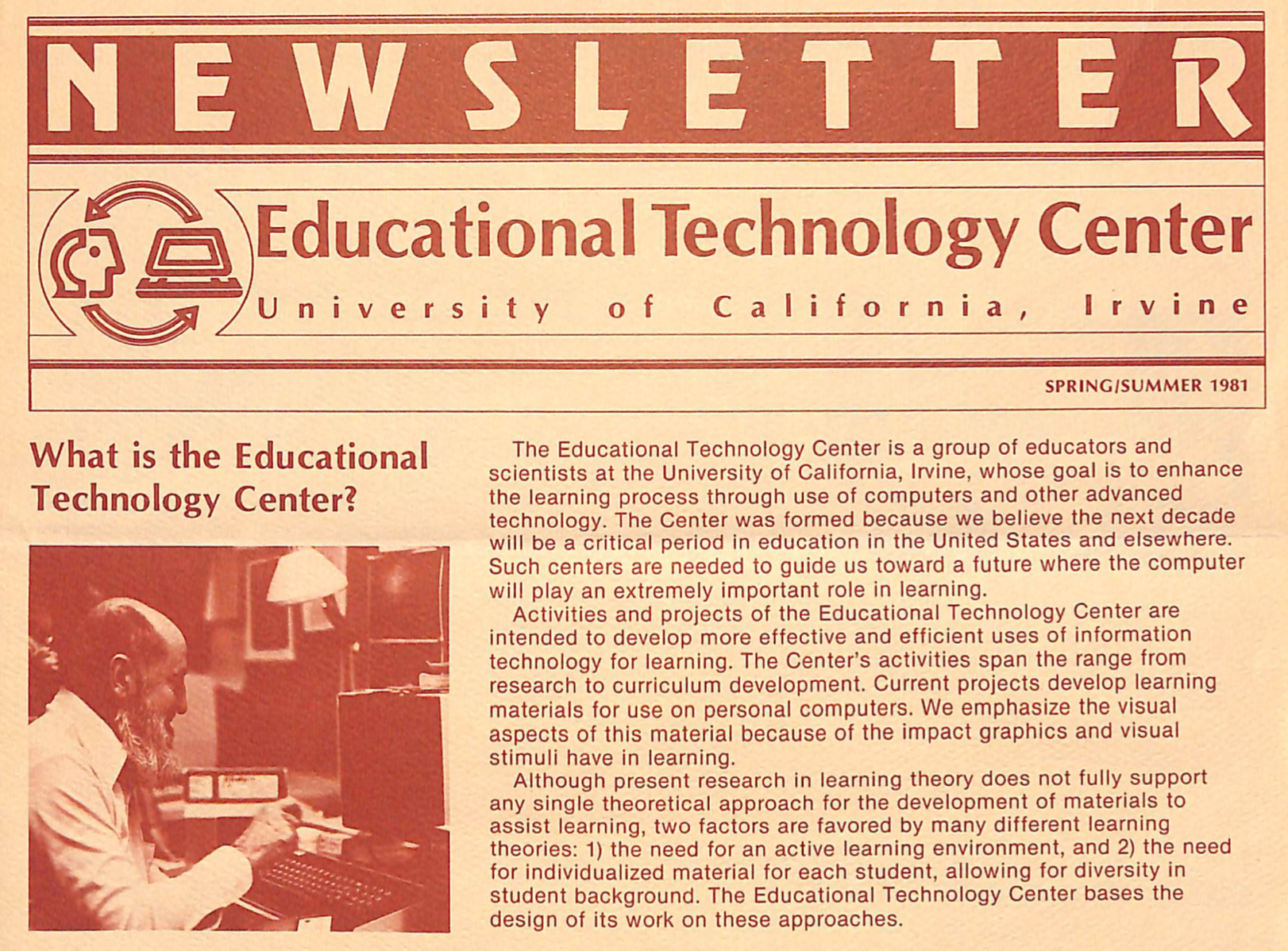
Founded the Educational Technology Center
Can access his papers, floppy disks, etc. in the UCI Libraries Archives and Special Collections
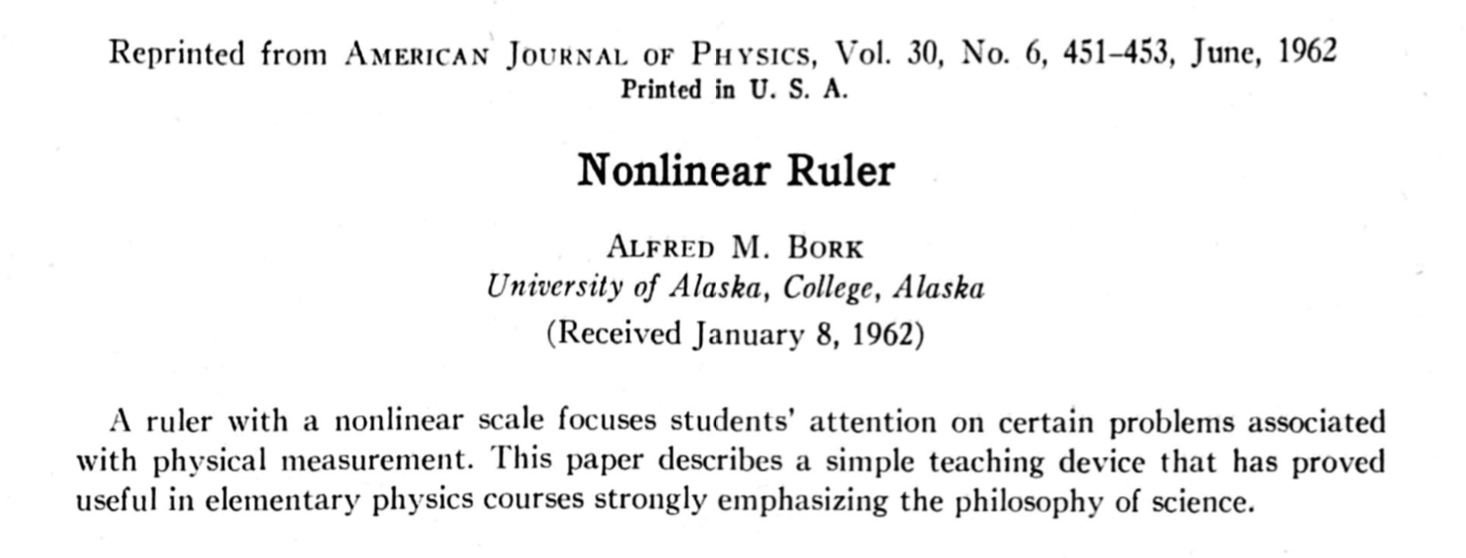
Nonlinear Ruler
1962
0
1
2
3
4
5
6
7
8
9
10
11
12
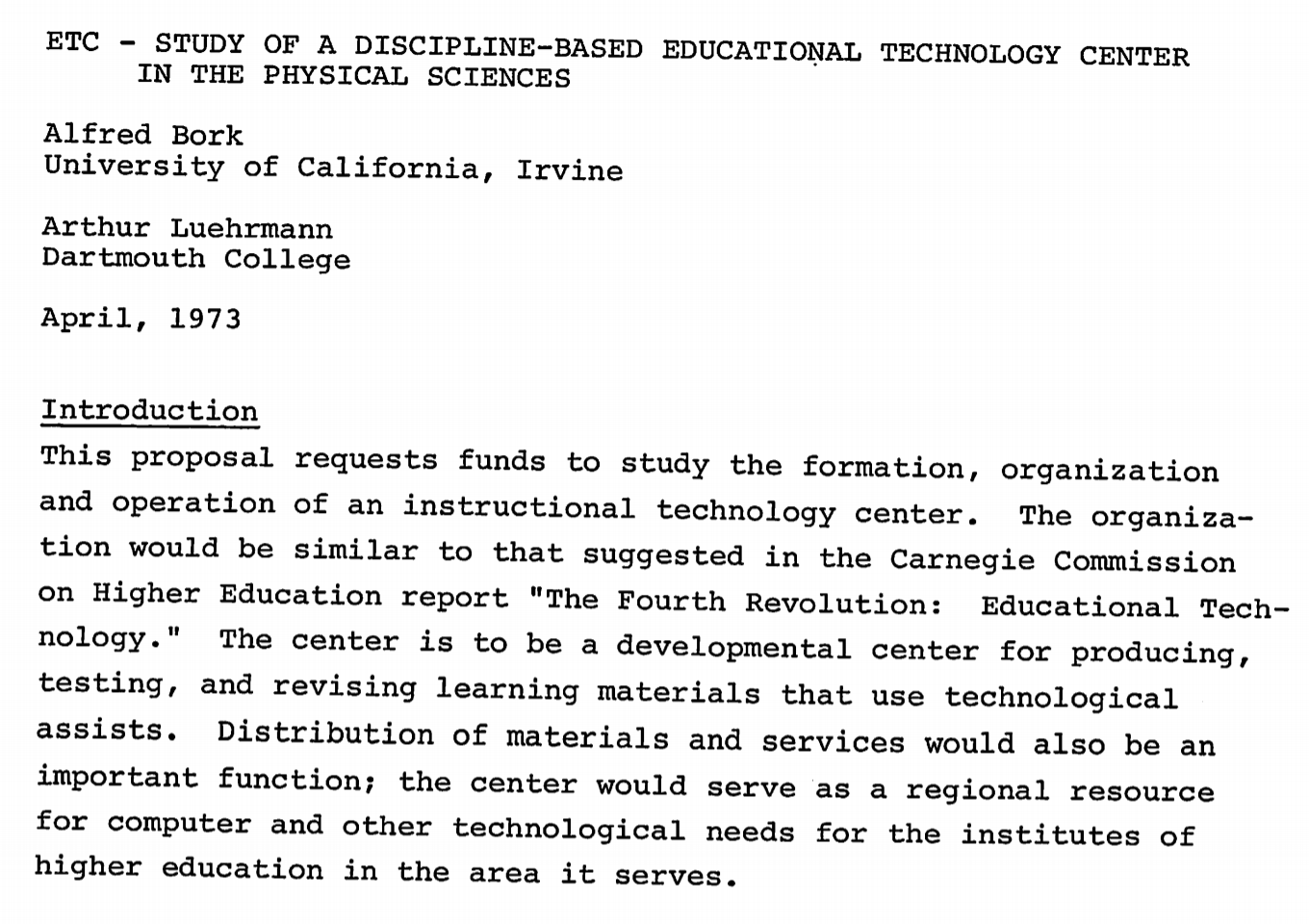
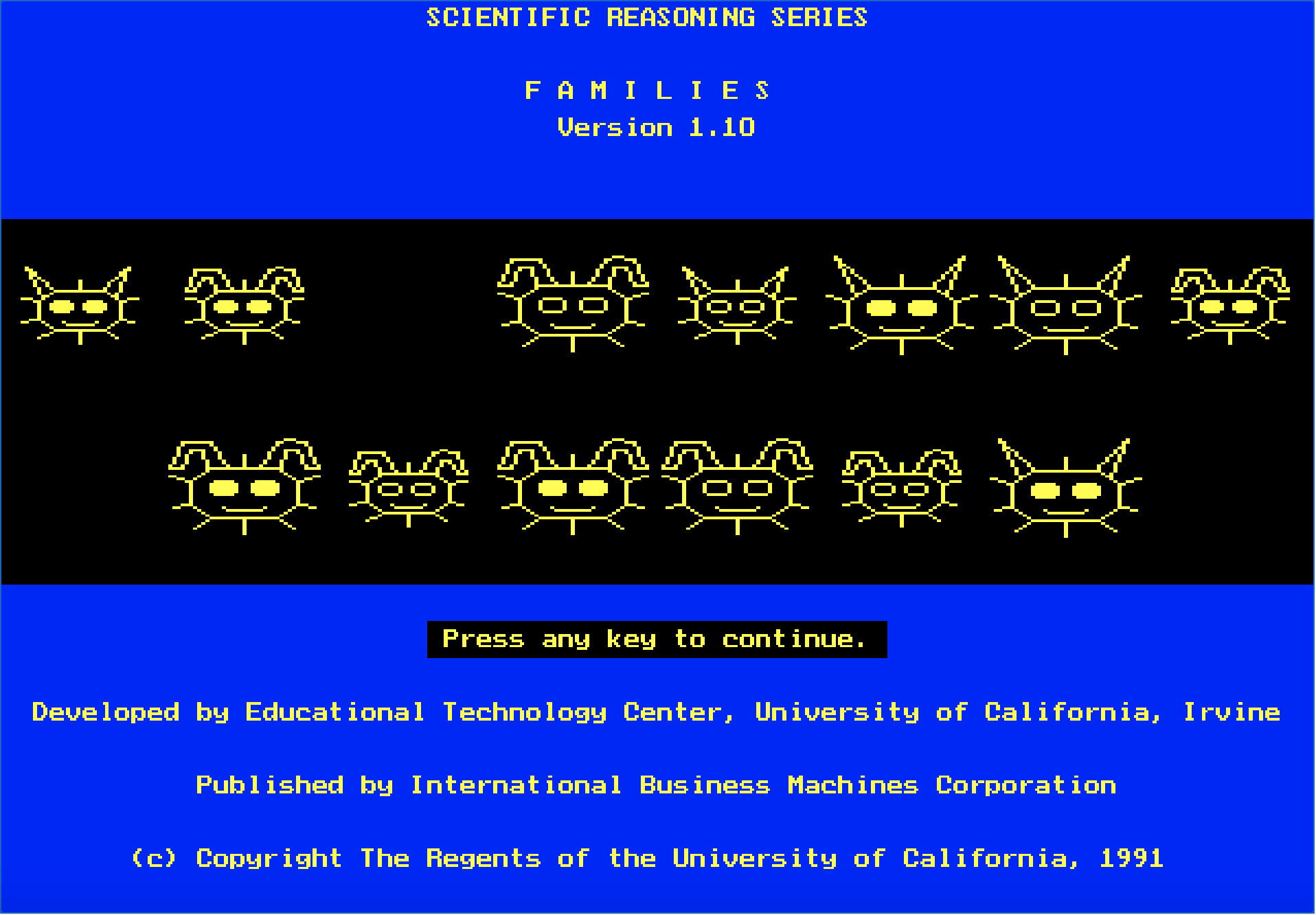
Educational Technology Center
Scientific Reasoning Series
1986
Distance Learning
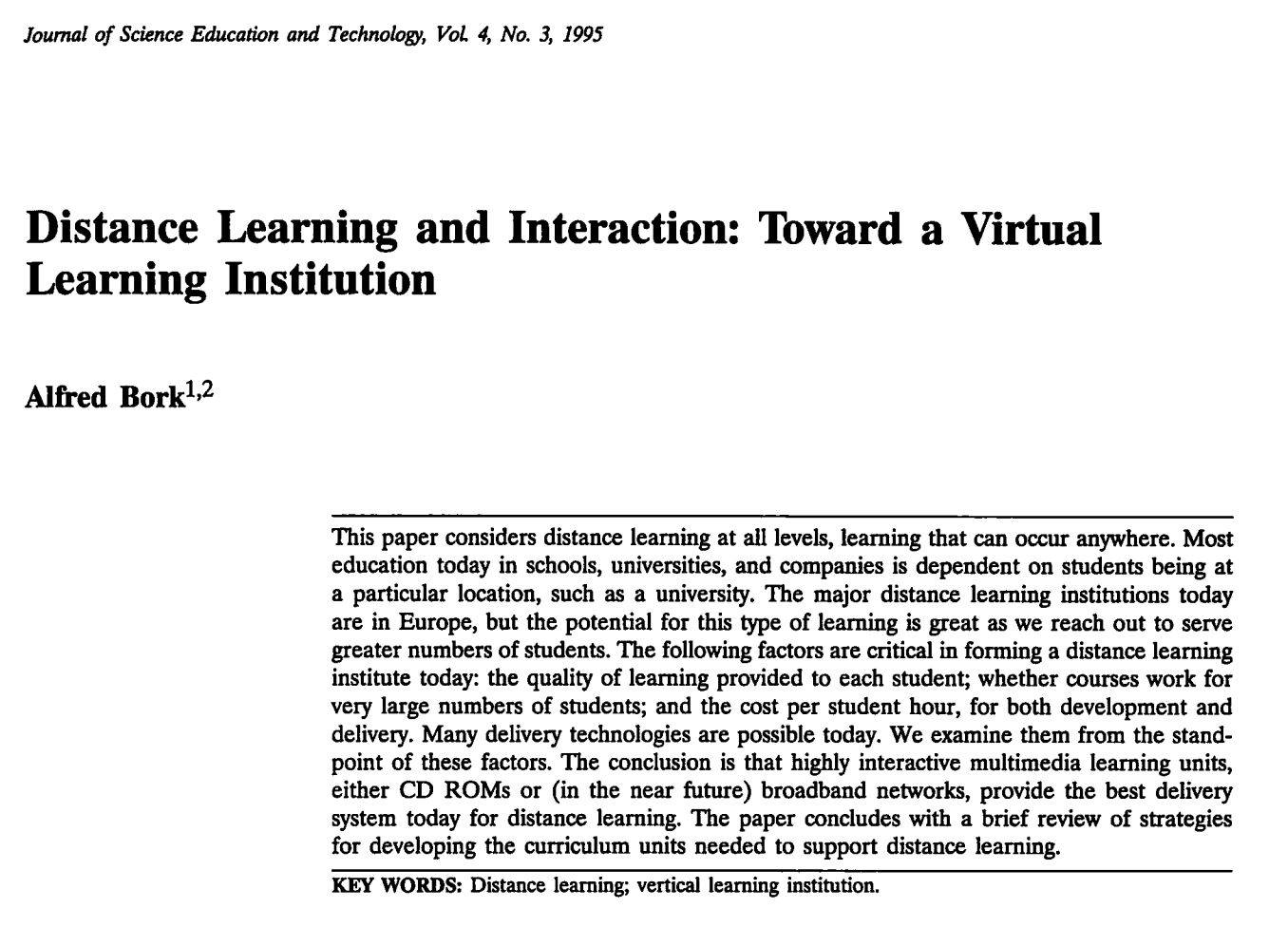
We are at a wonderful moment in human history. For the first time we have the possibility of educating everyone on earth to each person's full potential. We have an exciting period ahead of us for world education, at all levels. Great opportunities exist for greatly improved and affordable learning based on the tutorial learning paradigm. We must be bold!
- Alfred Bork, 2001
Pask and Bork
By Shayan Doroudi