Justice-Oriented Visions of AI and Education
Northwestern Symposium on AI, Education, and the Learning Sciences
Shayan Doroudi
May 8, 2025


Case Study 1: Microworlds
Photograph by L. Barry Hetherington
Microworlds in Artificial Intelligence
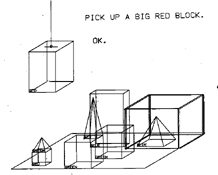
Microworlds in Artificial Intelligence
“We are dependent on having simple but highly developed models of many phenomena. Each model—or ‘micro-world’ as we shall call it—is very schematic...a fairyland in which things are so simplified that almost every statement about them would be literally false if asserted about the real world.”
Minsky, M., & Papert, S. (1972). Artificial intelligence progress report. MIT Artificial Intelligence Laboratory Memo, 252. https://dspace.mit.edu/handle/1721.1/6087
Microworlds in Artificial Intelligence
“Nevertheless, we feel they are so important that we plan to assign a large portion of our effort to developing a collection of these micro-worlds and finding how to embed their suggestive and predictive powers in larger systems without being misled by their incompatibility with literal truth. We see this problem—of using schematic heuristic knowledge—as a central problem in Artificial Intelligence.”
Minsky, M., & Papert, S. (1972). Artificial intelligence progress report. MIT Artificial Intelligence Laboratory Memo, 252. https://dspace.mit.edu/handle/1721.1/6087
Microworlds in Human Learning
“There are limits for each of these slices of reality. And I'm going to suggest that in a very general way, not only in the computer context but probably in all important learning, an essential and central mechanism is to confine yourself to a little piece of reality that is simple enough to understand. It's by looking at little slices of reality at a time that you learn to understand the greater complexities of the whole world, the macroworld.”
Papert, S. (1987). Microworlds: transforming education. In Artificial Intelligence and Education (Vol. 1, pp. 79–94).
Microworlds in Educational Technology
Microworlds in Educational Technology
“The microworld is created and designed as a safe place for exploring. You can try all sorts of things. You will never get into trouble. You will never feel ‘stupid.’ It will never say a rude thing to you; it will never embarrass you; it will never fall to pieces or bite you or give you a low grade. You are totally safe in this little world. And yet while being safe, it is also designed to be discovery-rich in the sense that little nuggets of knowledge have been scattered around in it for you to find.”
Papert, S. (1987). Microworlds: transforming education. In Artificial Intelligence and Education (Vol. 1, pp. 79–94).
Microworlds for Social Justice
It's by transforming little slices of reality at a time that you learn to transform the whole world, the macroworld.
Microworlds can:
- transform how a child learns
- transform the educational system
- transform the social setting (Shaw, 1995)
Shaw, A. C. (1995). Social construction and the inner city: design environments for social development and urban renewal (Doctoral dissertation, Massachusetts Institute of Technology).
Microworlds for Social Justice
“Constructionism offers an important bridge for the sociocultural and constructivist viewpoints by arguing that individual developmental cycles are enhanced by shared constructive activity in the social setting. Social constructionism adds further harmony to sociocultural and constructivist views by revealing that the social setting is also enhanced by the developmental activity of the individual.”
Shaw, A. C. (1995). Social construction and the inner city: design environments for social development and urban renewal (Doctoral dissertation, Massachusetts Institute of Technology).
Case Study 2: Heinz von Foerster
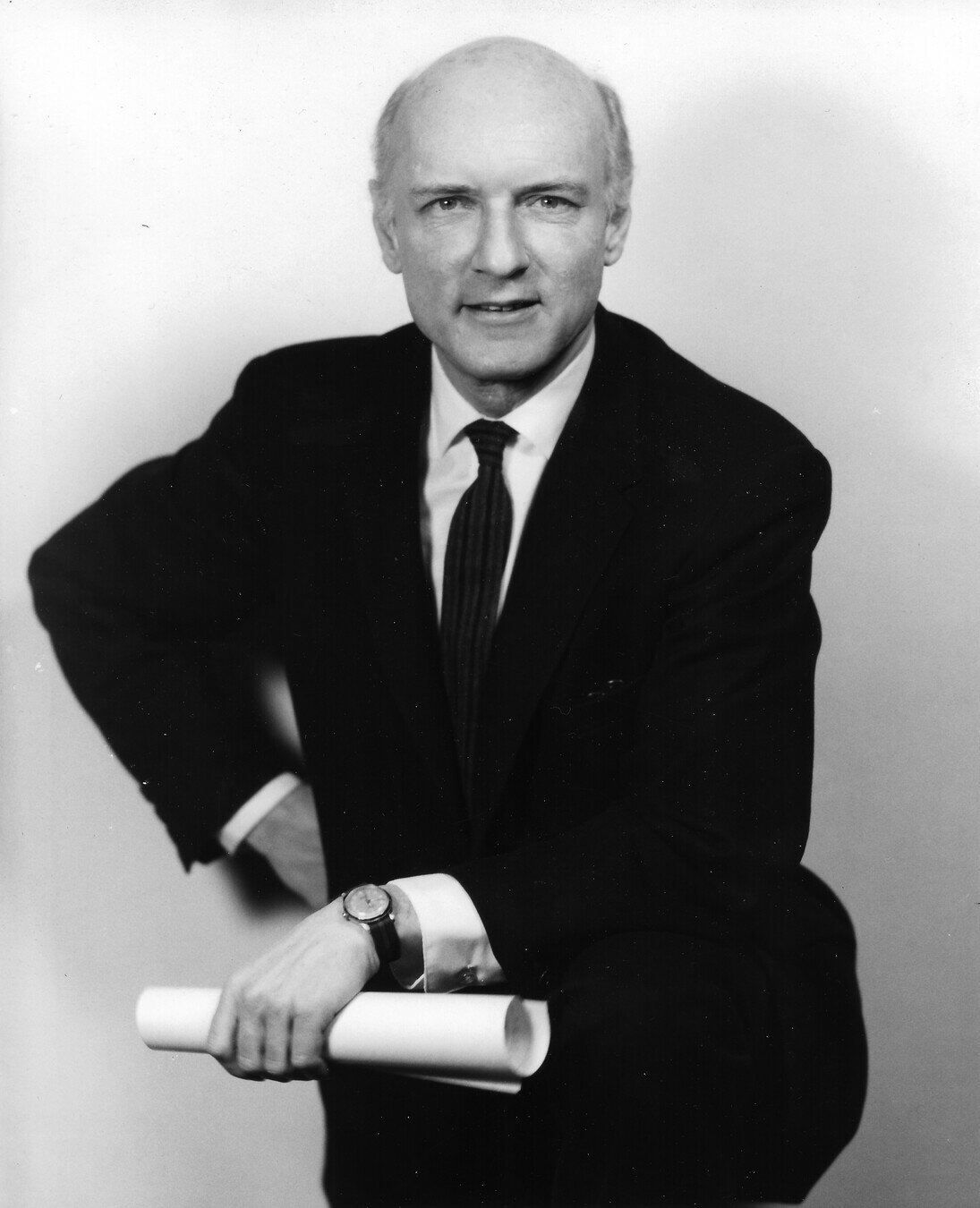
Photograph by University of Illinois Publicity Department - Heinz von Foerster personal file
Heuristics
(i) to help students learn how to think, solve problems, and learn,
(ii) to use research on cognition and learning to teach the course,
(iii) “to use the classroom as an extension of the research laboratory” to improve our understanding of cognition and learning
In 1968, Heinz von Foerster and Herbert Brün taught a course with three goals:
Von Foerster, H., & Brün, H. (1970). Heuristics: A report on a course on knowledge acquisition. BCL Report 13.1
Heuristics


von Foerster x Ivan Illich
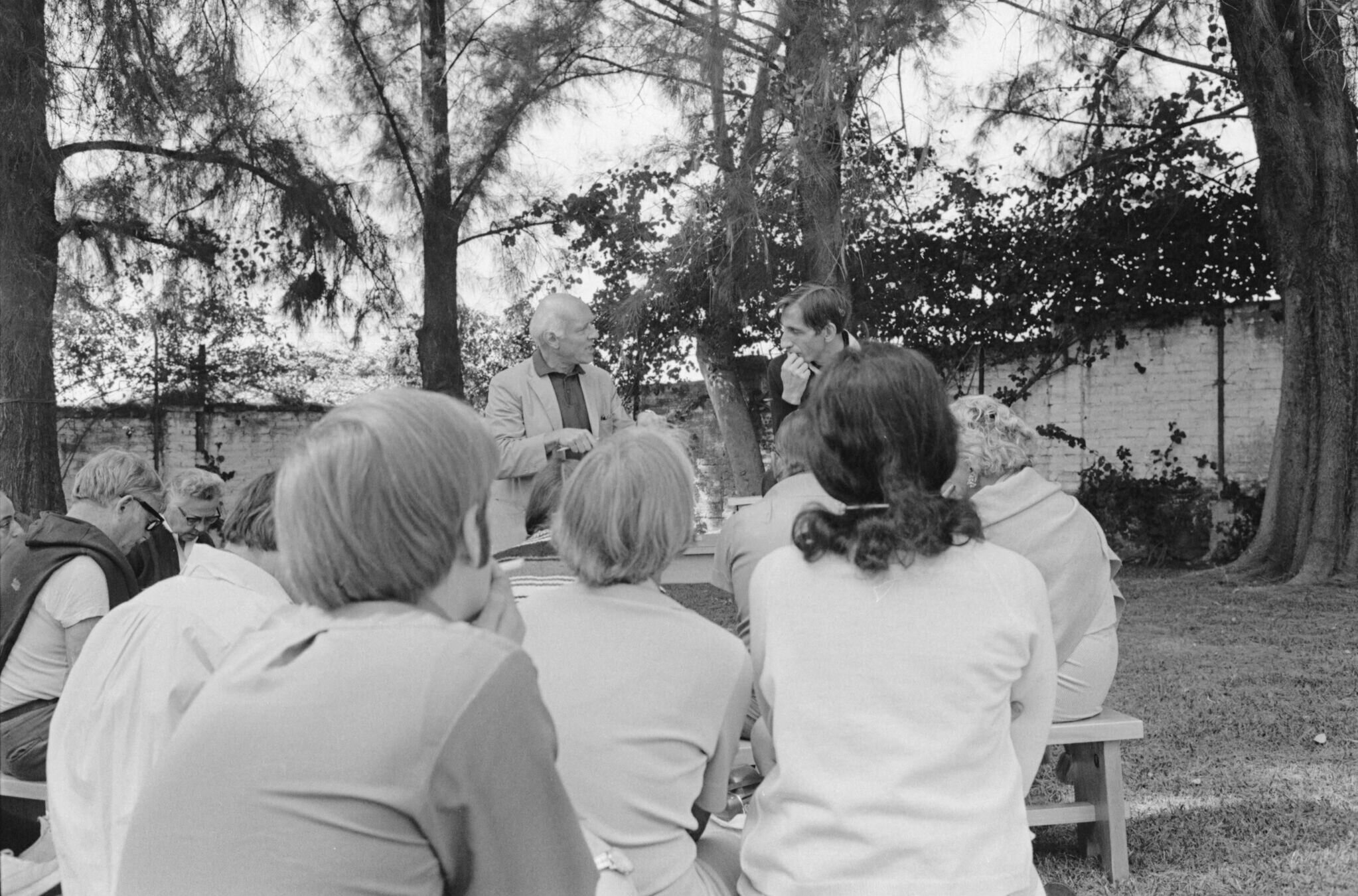
Photograph by James S. Roberts, Courtesy of Northwestern University Libraries

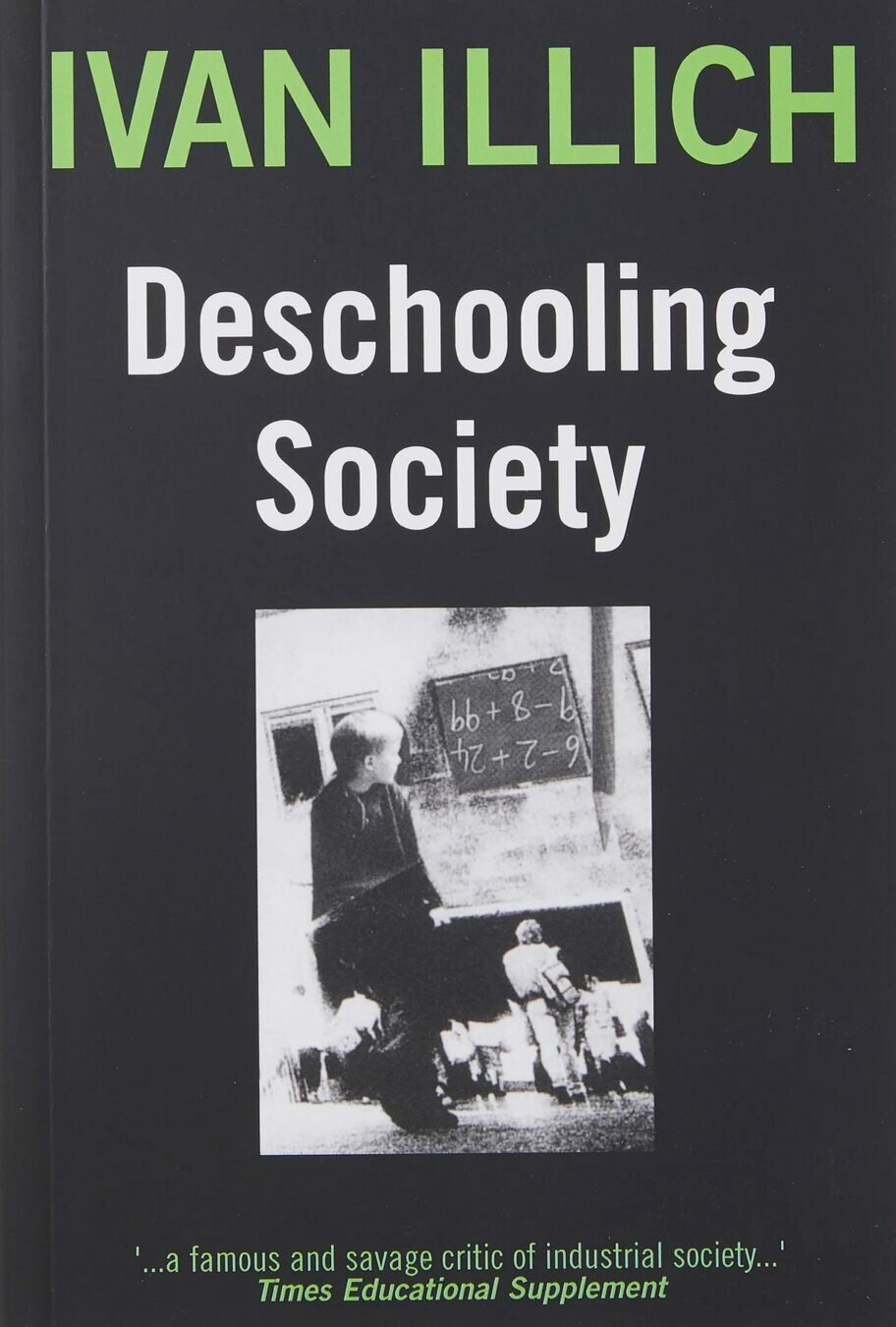
The Learning Exchange

Image from Cybernetics Thought Collective (Digital Surrogates), University of Illinois Archives
The Learning Exchange
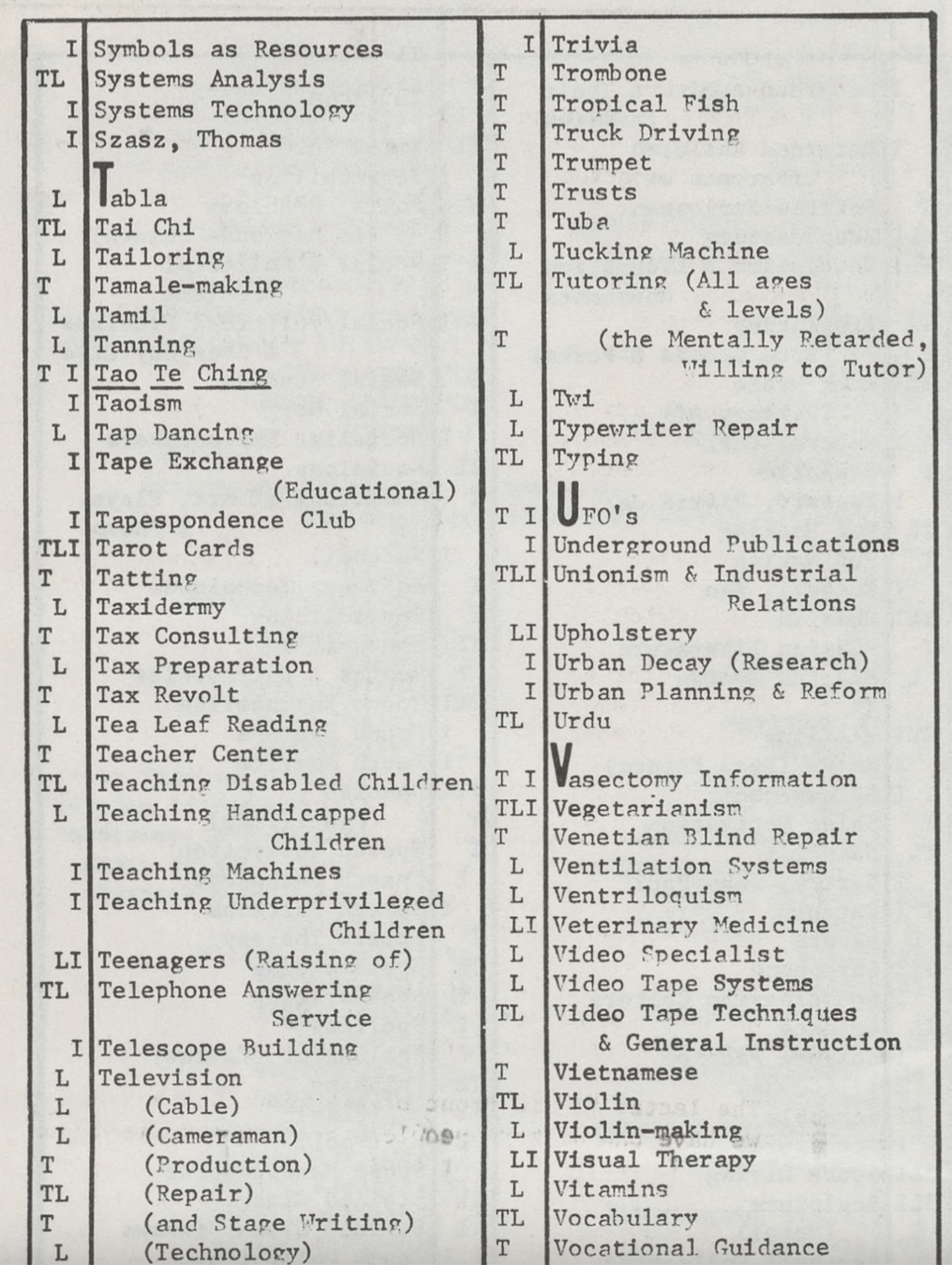
Image from Cybernetics Thought Collective (Digital Surrogates), University of Illinois Archives
Coda
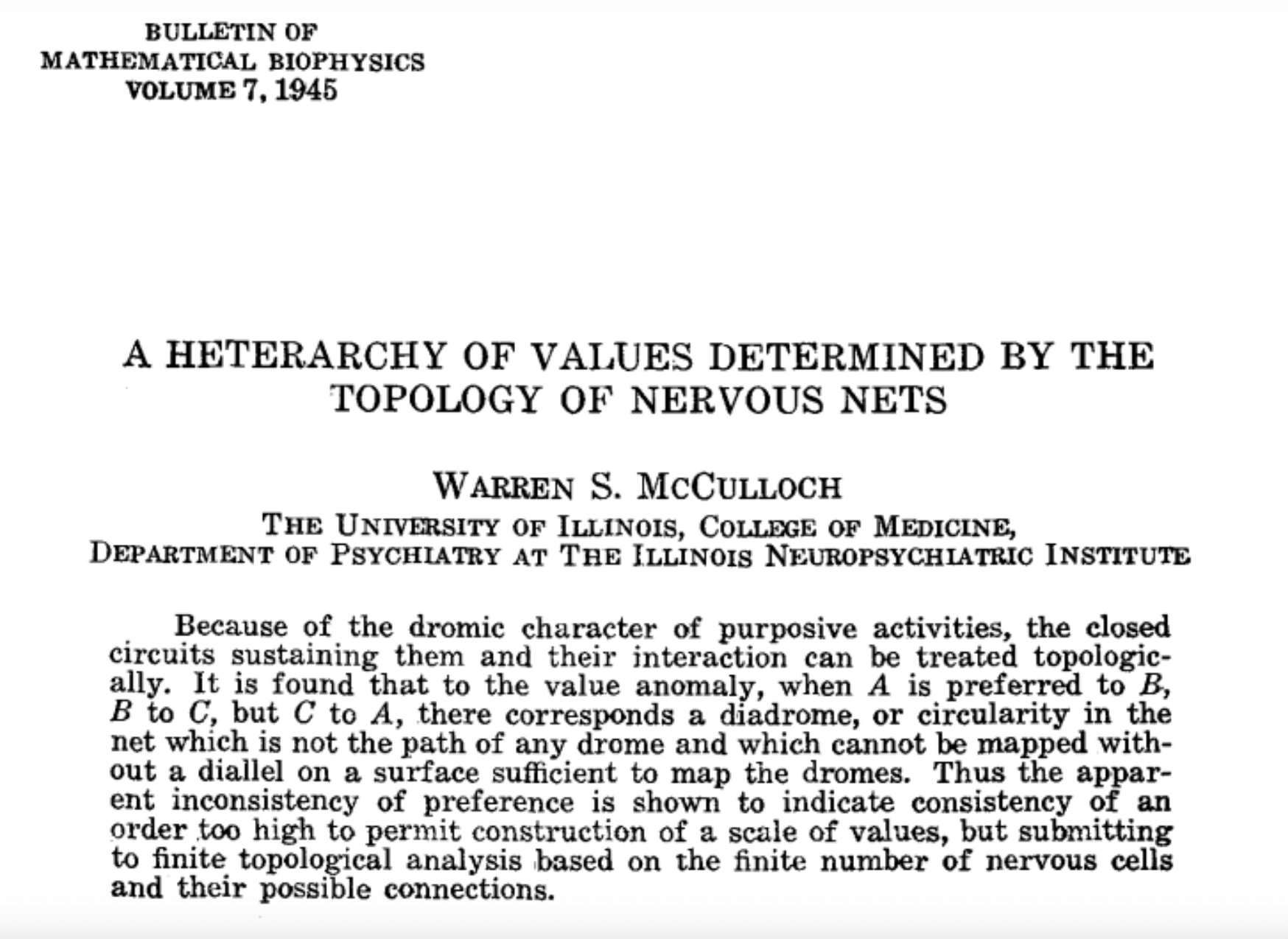
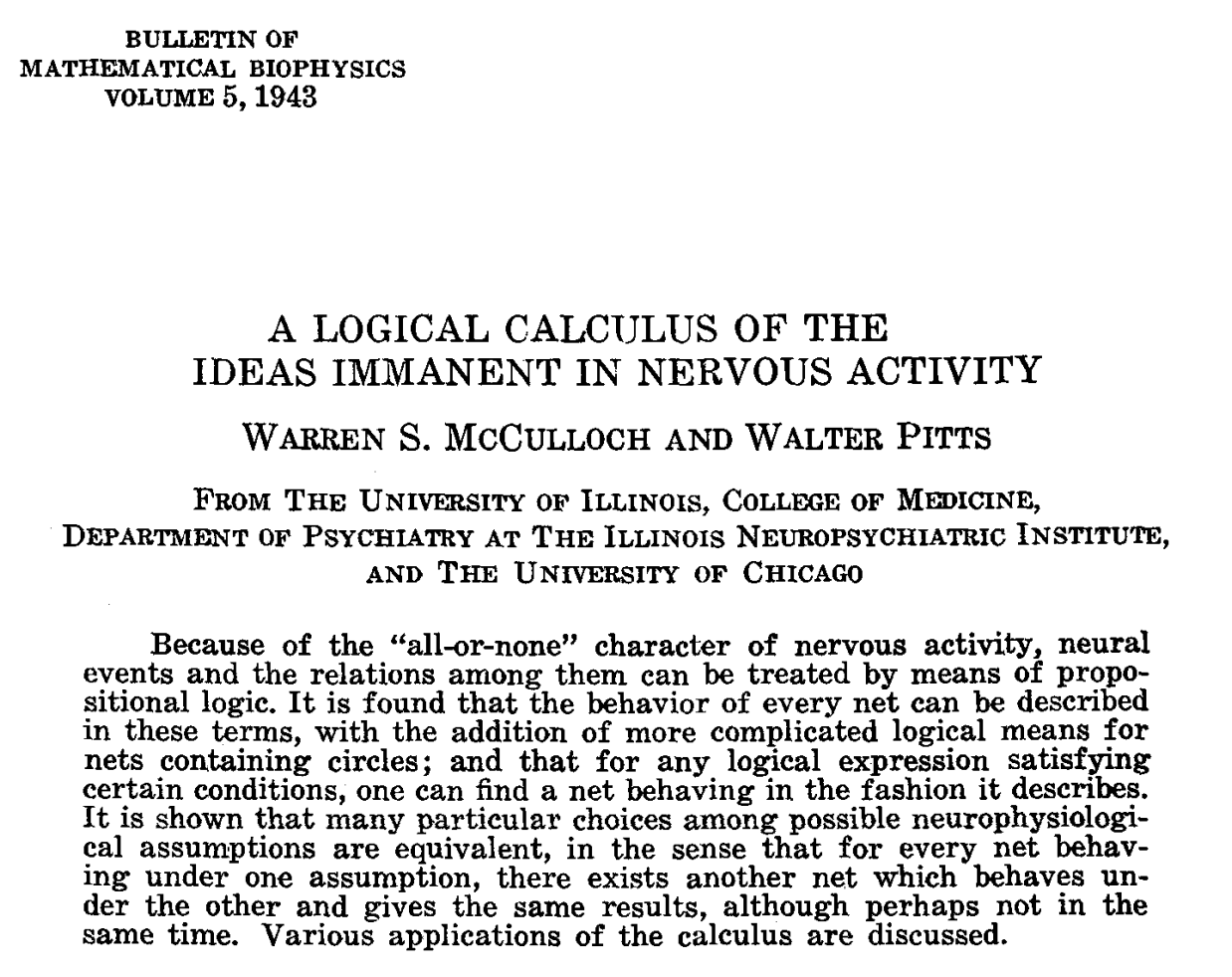
Heterarchy
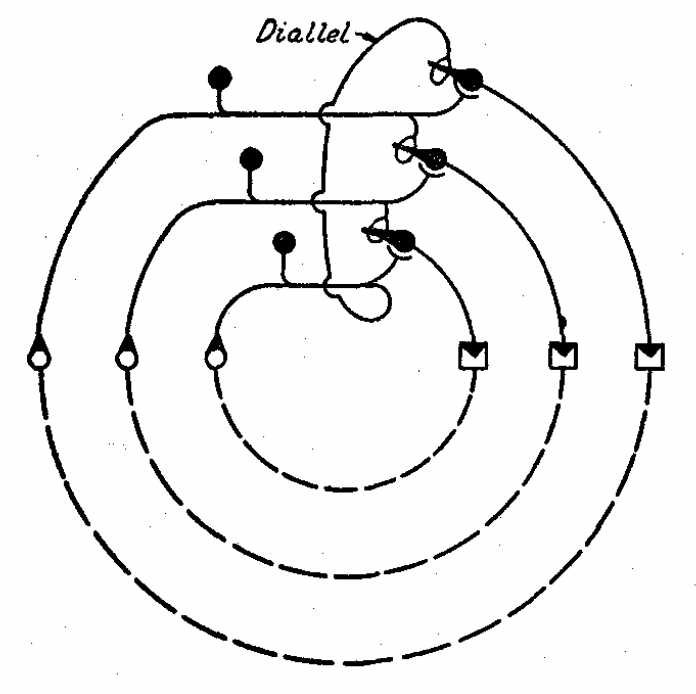
McCulloch, W. S. (1945). A heterarchy of values determined by the topology of nervous nets. The Bulletin of Mathematical Biophysics, 7, 89-93.
Heterarchy, Politics, and Education
“What has happened in the Soviet Union is the collapse of a political and economic structure that invites descriptions like hierarchical, centralized, depersonalized. The confrontation I see in epistemology invites similar description as hierarchical – centralized-distanced vs. heterarchical decentralized-personal conceptions of knowledge. The confrontation in education reflects both the political/social and the epistemological confrontations in the battle between curriculum-centered, teacher-driven forms of instruction, and student-centered developmental approaches to intellectual growth.”
Papert, S. (1990, July). Perestroika and epistemological politics. [Keynote presentation]. World Conference on Computers in Education, Darling Harbor, Australia.
Northwestern Symposium
By Shayan Doroudi