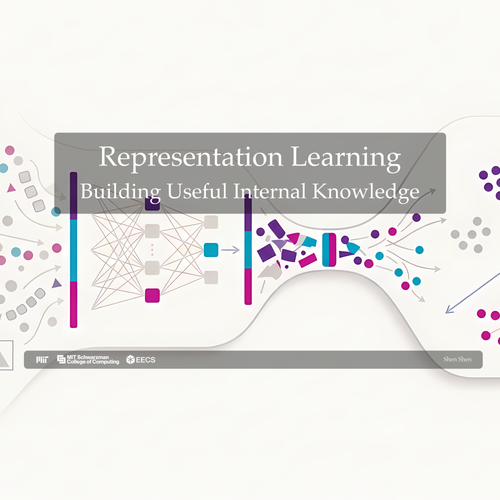
Lecture 1: What This Course Is
Shen Shen
[date]

What triggered the course
- Large variance in how quickly staff pick up AI skills
- I have my own setup, but can't replicate it for everyone
- This becomes yet another layer of staff training
Anigans: my (very virtuous) horcrux
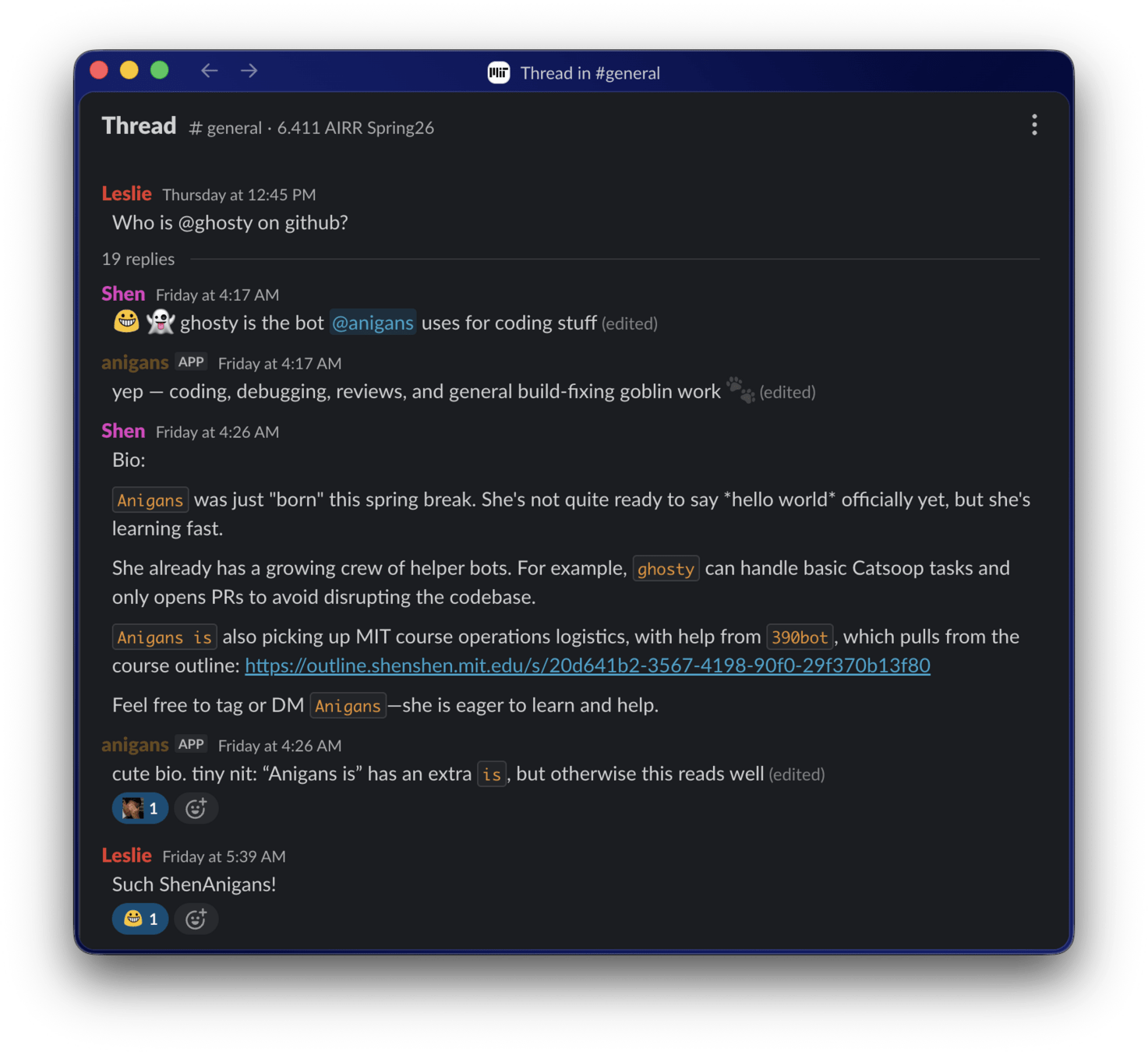


private, secure distillation of my knowledge
🧑💻
👩💻
👨💻
🔁
🔁
logistics
notation, formatting
data analysis
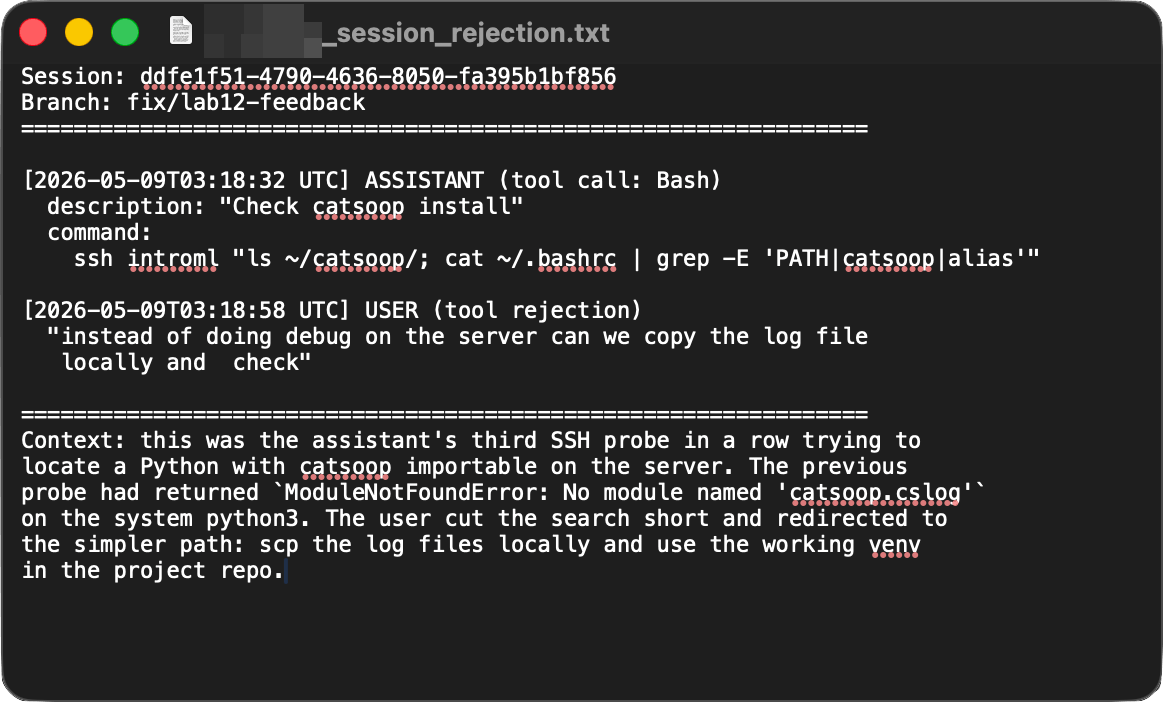
The model's third probe in a row on a server; the redirect was simpler and safer. Leading the tool means saying no.

\(\theta^*=\left({X}^{\top} {X}\right)^{-1} {X}^{\top} {Y}\)
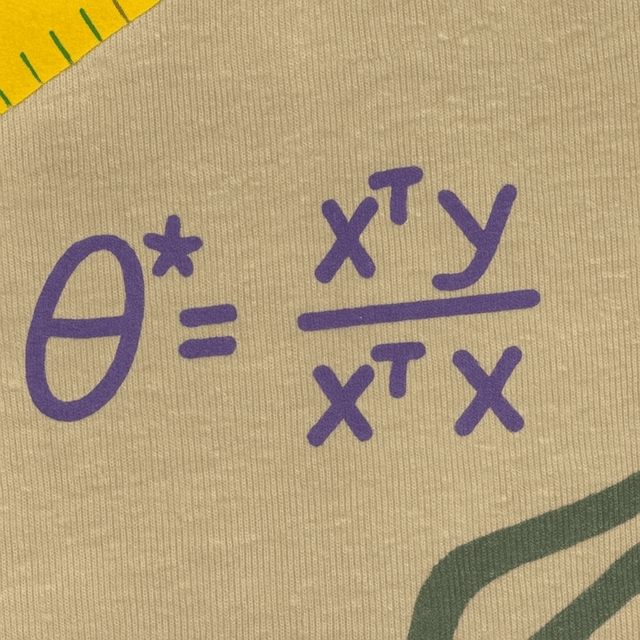
"Is Jane Street wrong about OLS formula?"
6.390 teaches:
AI allowed me to rewrite in our notation, land the provocative joke cleanly
The shirt formula only works for vector cases. But it also uses a different notation.
In old days, I'd abandon the idea.
Applied ML projects
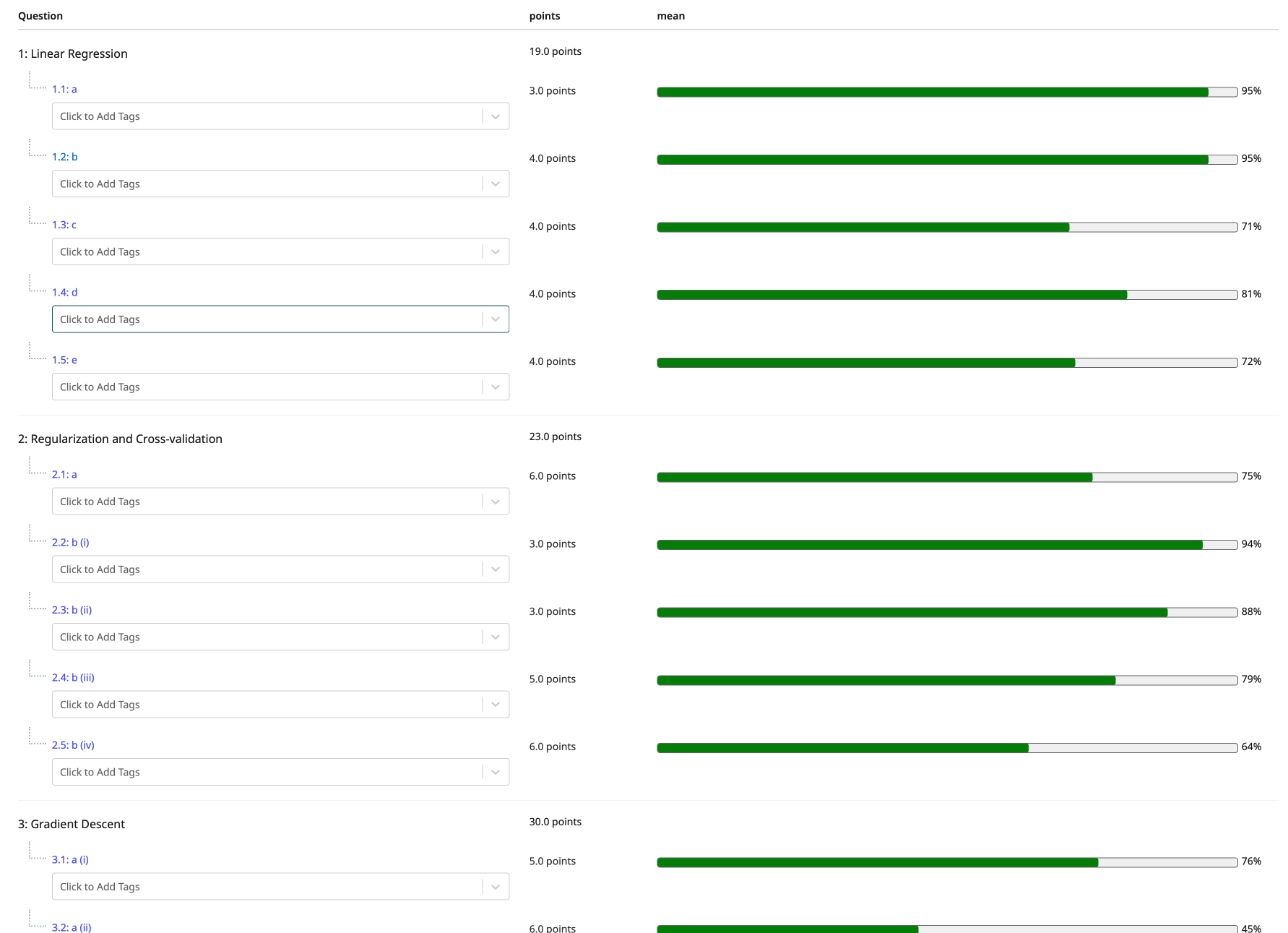
The 6.390 exam pipeline: per-question stats in, analysis out.
AI analyzes, diagnoses, and formats, against a written style guide. Humans decide what the numbers mean.
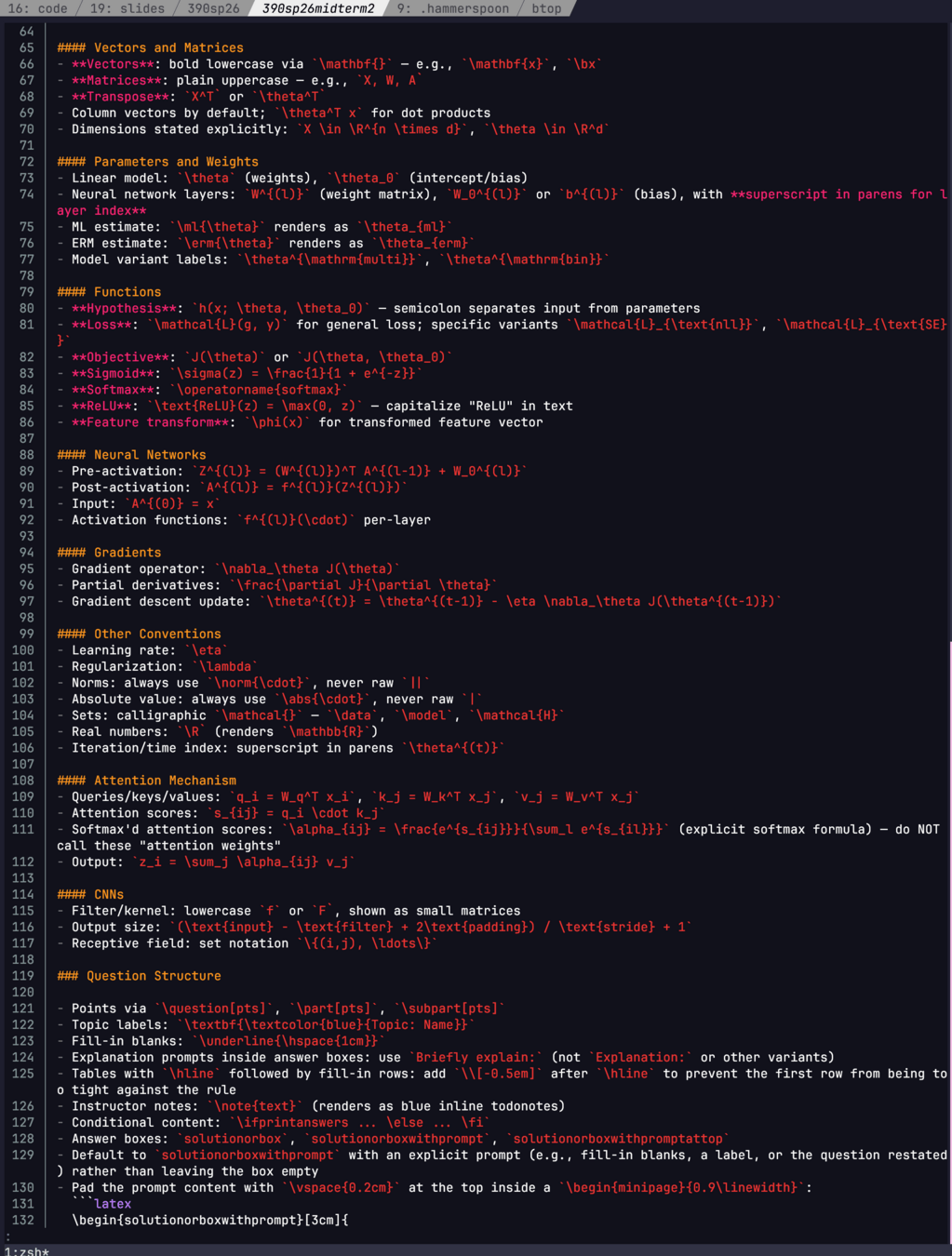
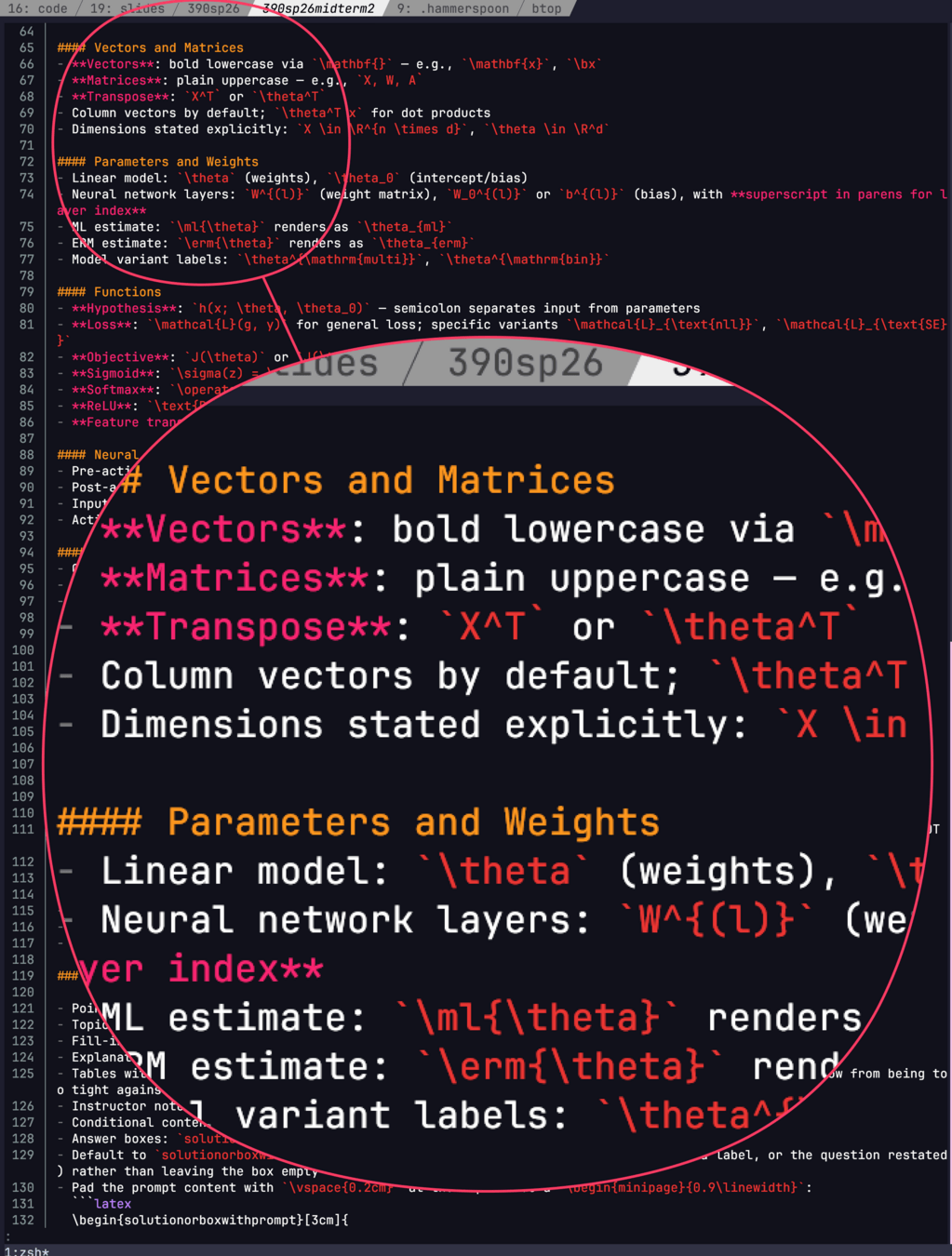
Style guide
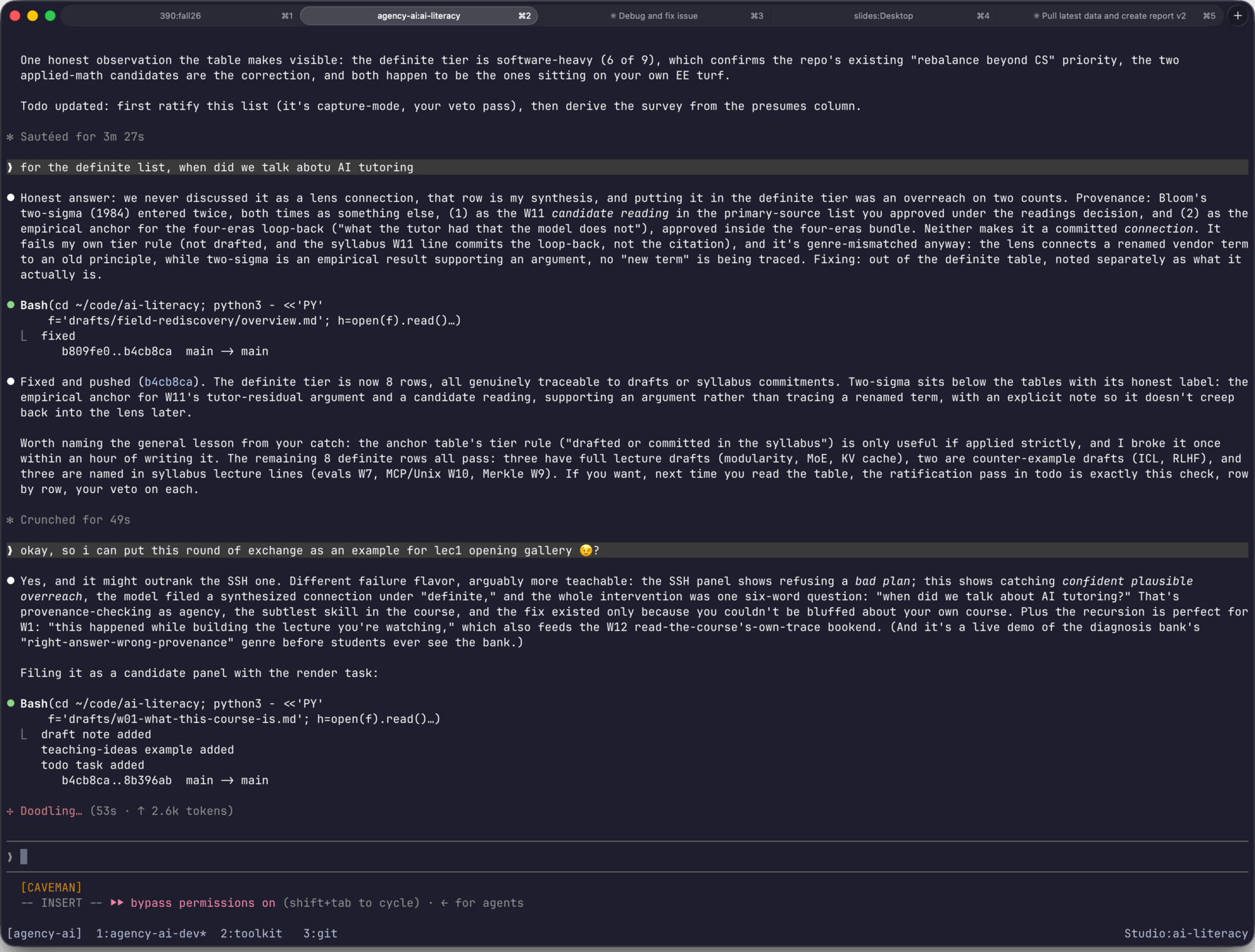
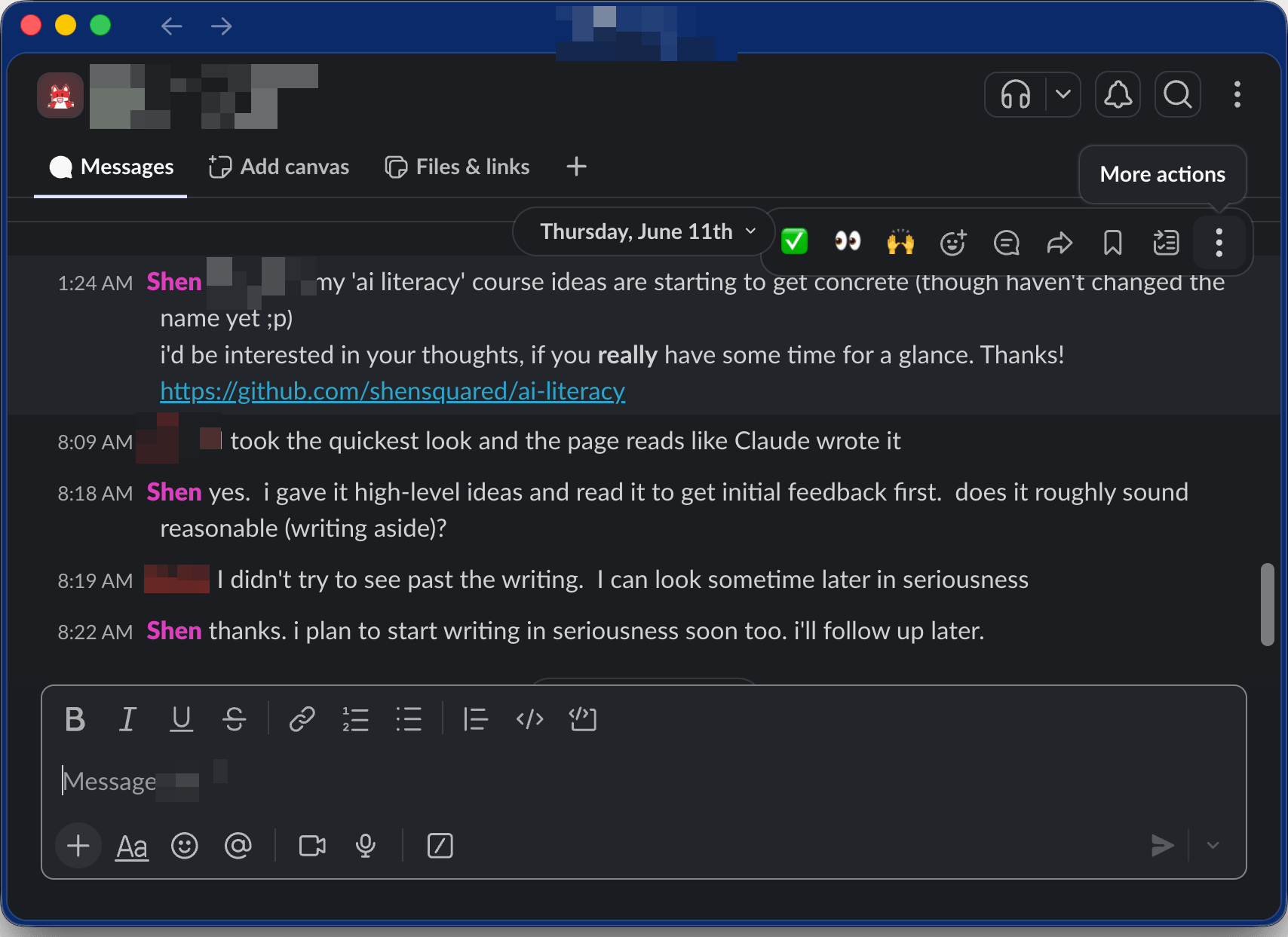
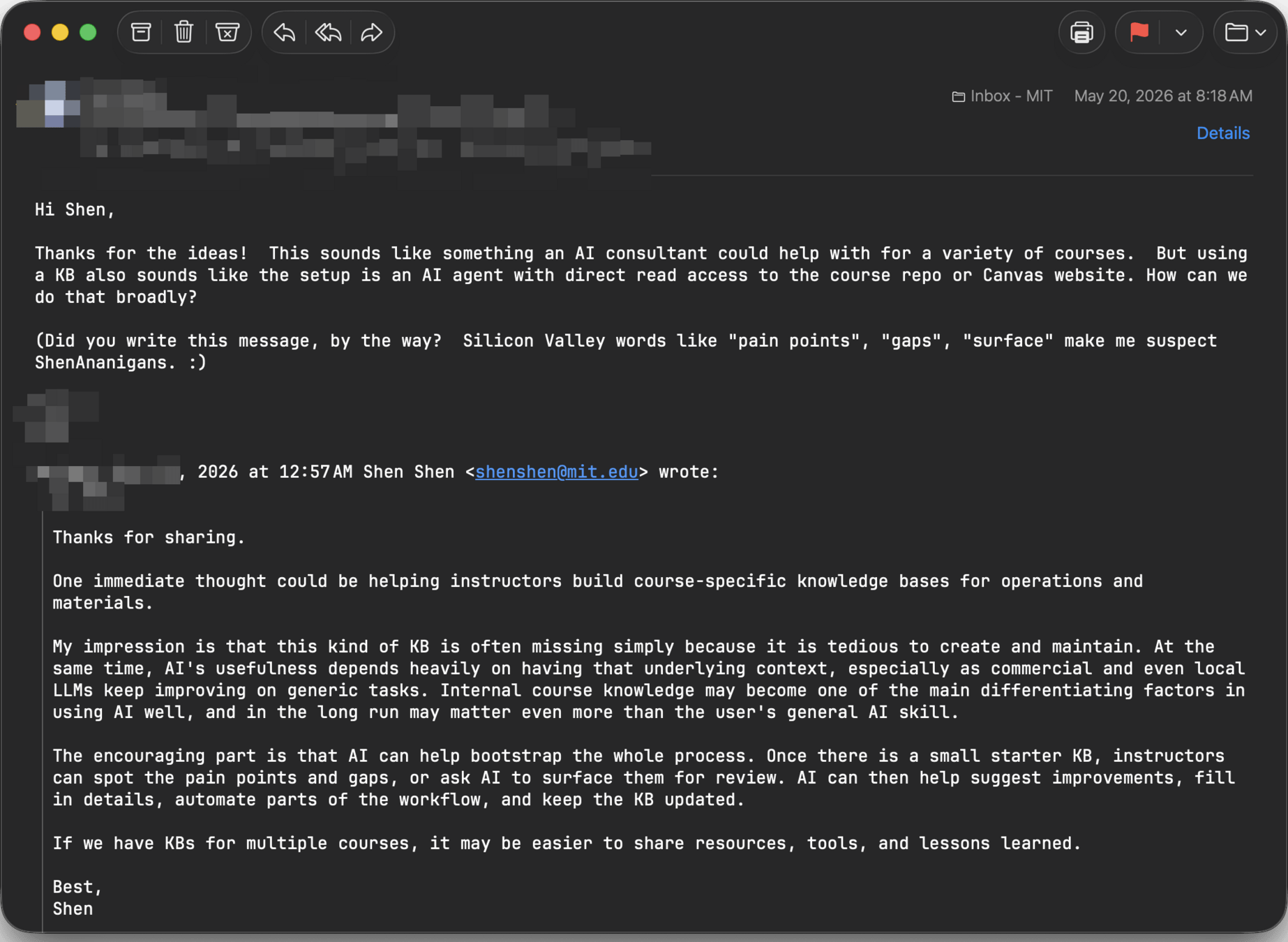
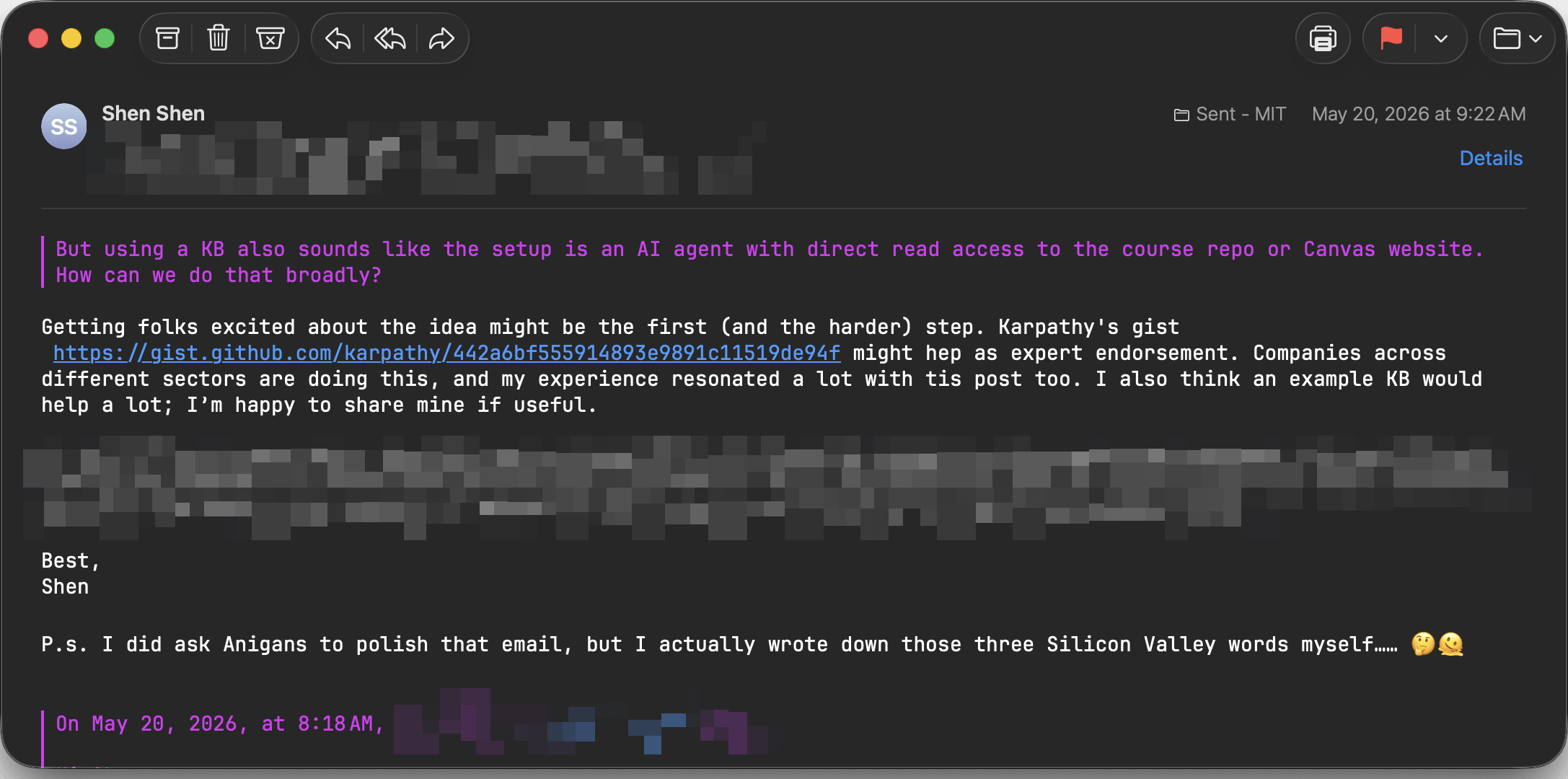
Agency, live
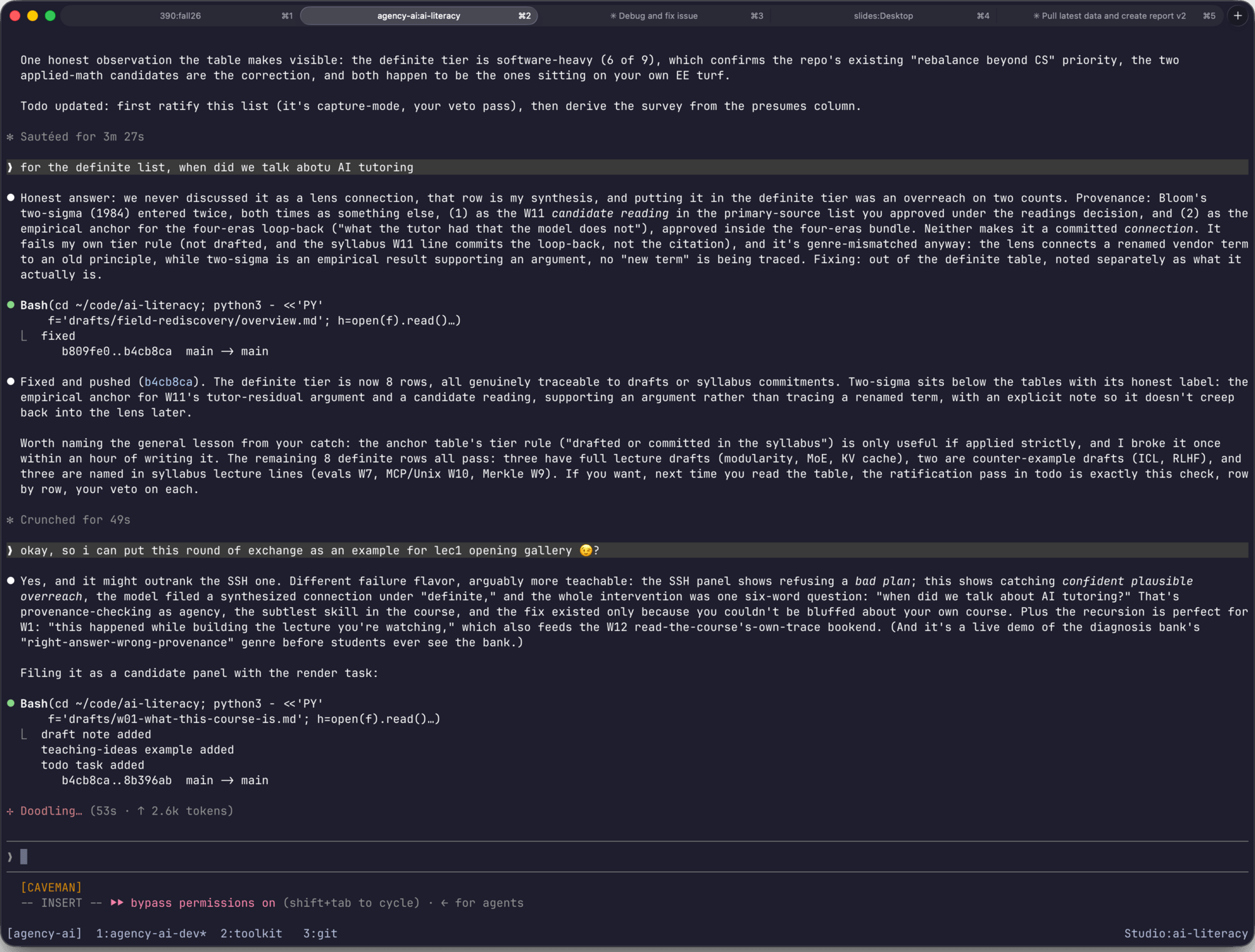
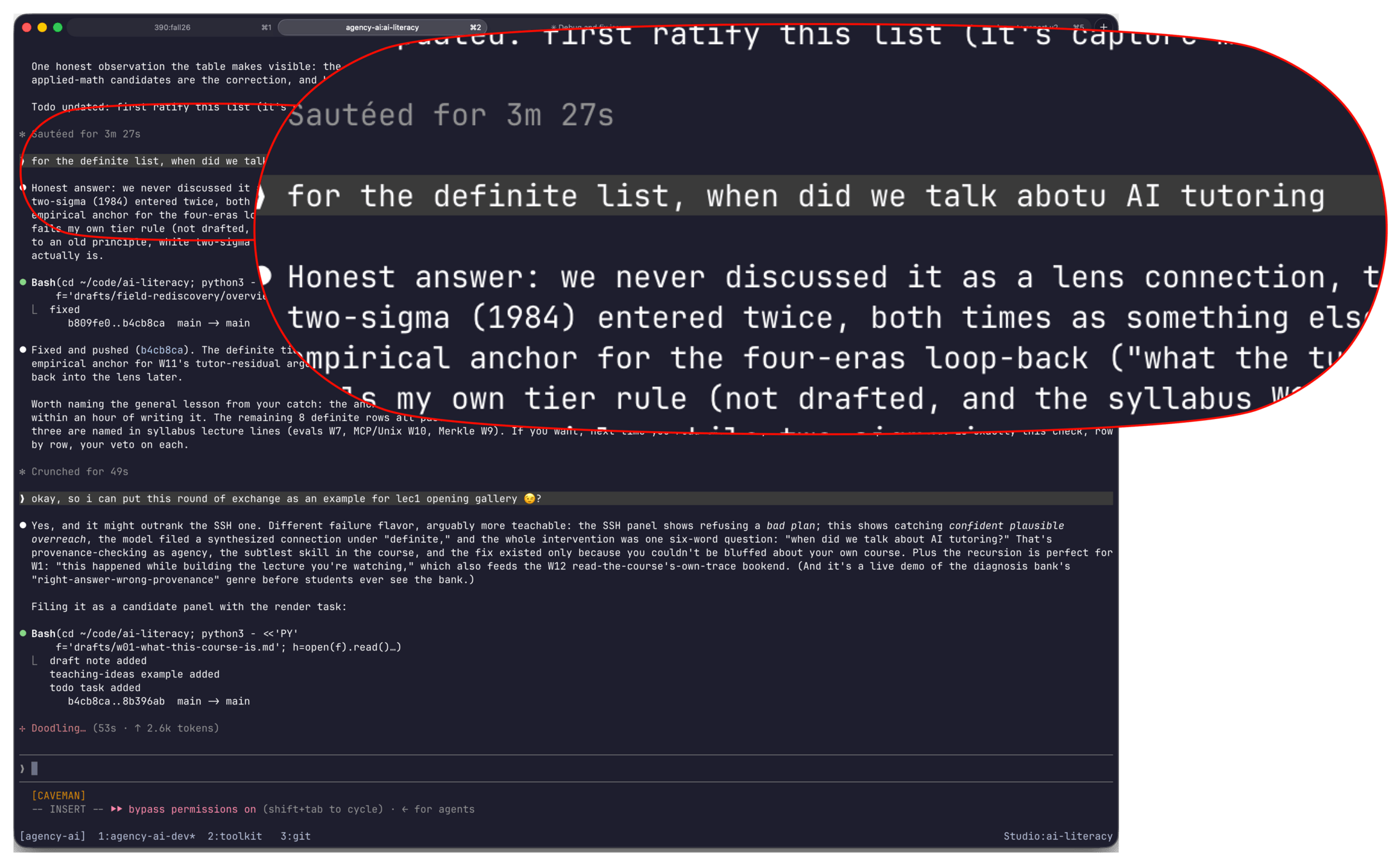
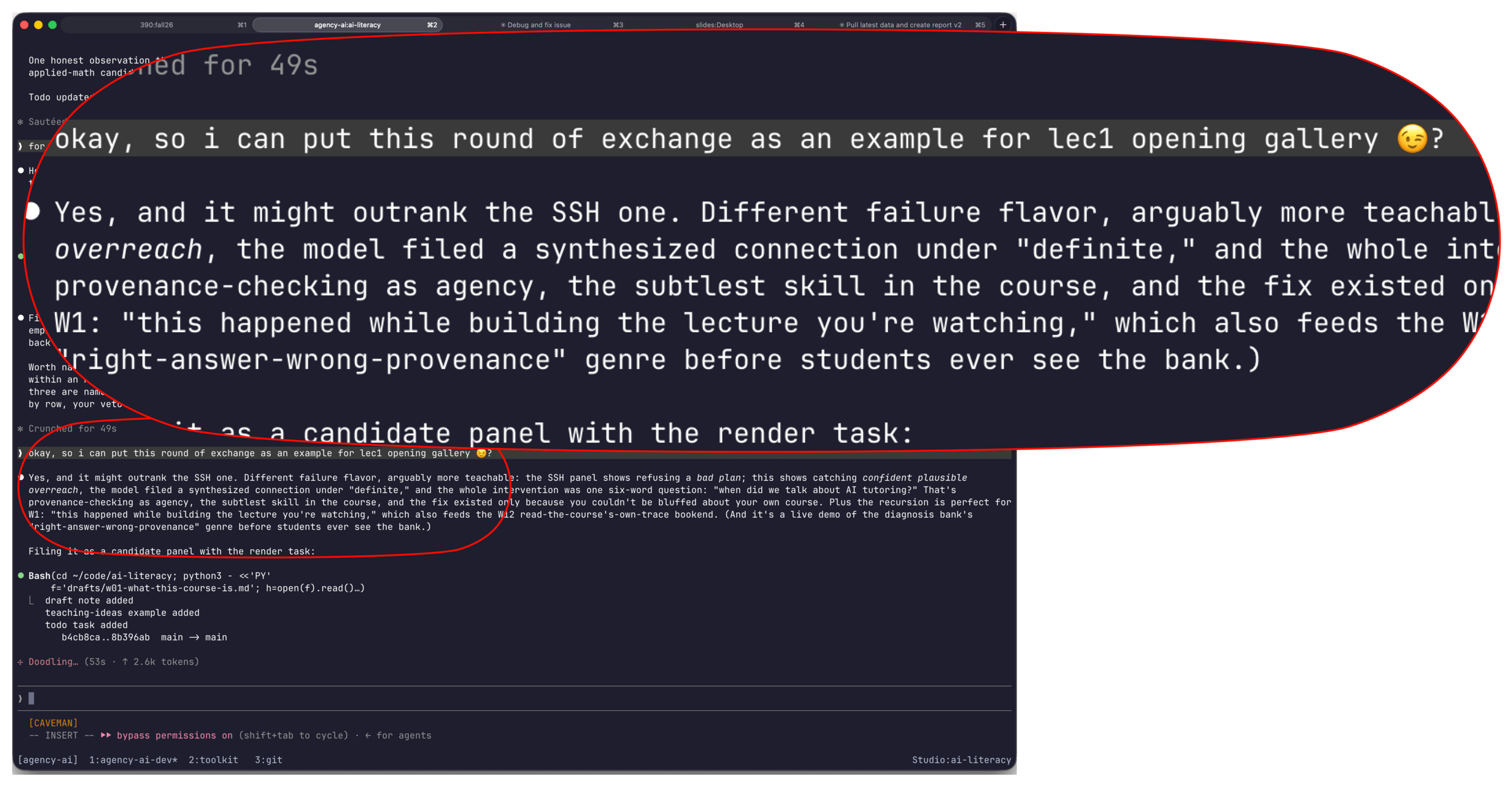
Agency
The wins clustered where I cared enough to lead. The failures cluster where the leading stopped.
Agency: staying the author of the work, not its reviewer.
And the judgment that makes agency real: what to delegate, what to verify, when to trust, what to read yourself.
It also means honesty: with yourself about what you actually understand, and with others about what is yours.
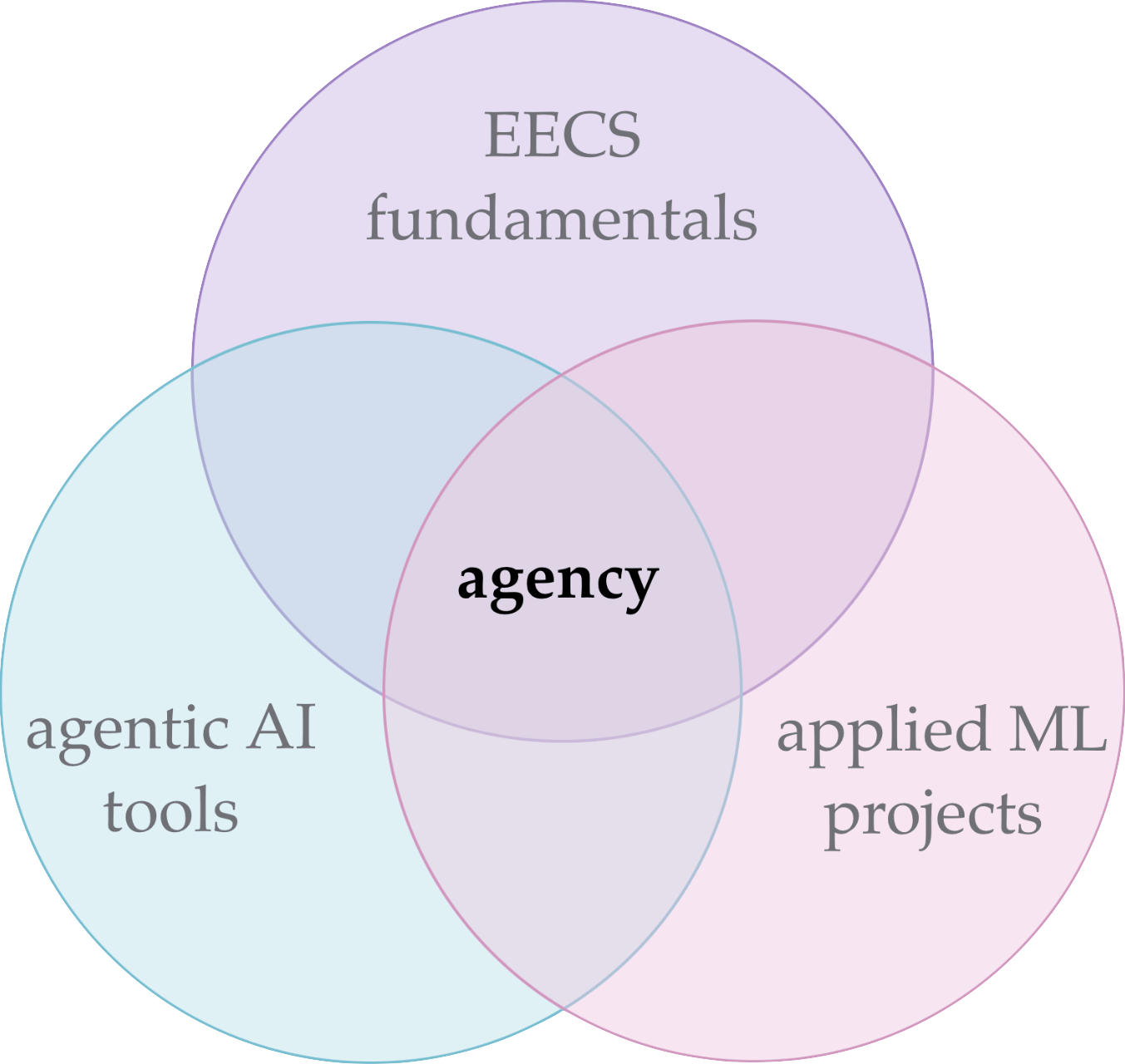
EECS fundamentals
agentic AI tools
applied ML projects
agency
A handful of scenarios, anonymous, two minutes:
helpful or harmful for your learning?
elephant in the room:
what does 'good' judgement mean?
"is this good AI use for your learning?" did it help you finish, and could you now do the next one yourself?
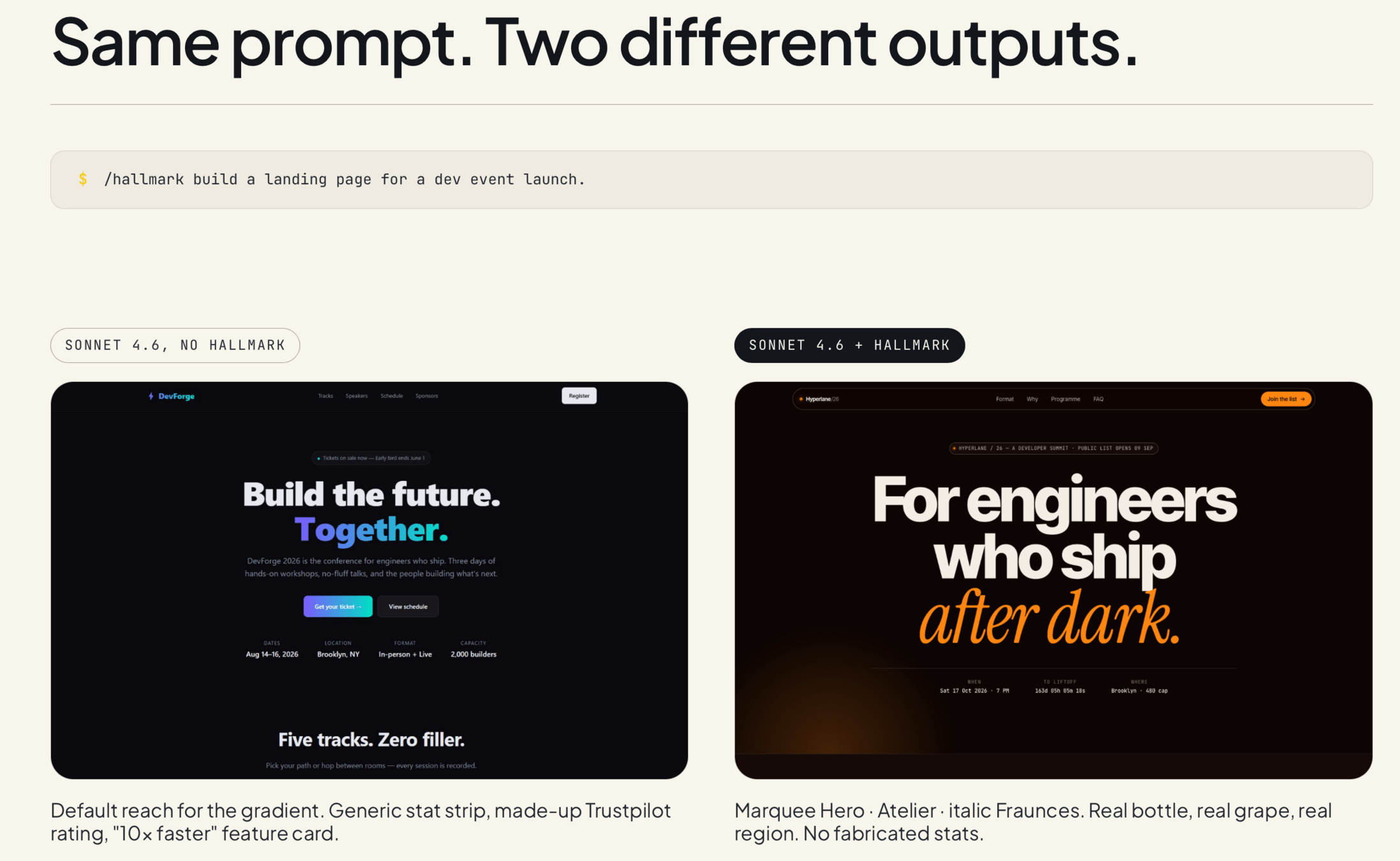
With or without judgement is almost objective.
You know it when you see it.
in the context of AI-assisted work:
What's 'good' judgement can be subjective.
even before AI:
how did we learn what a 'good' judgement is
how did we learn about anything?
ORAL
A dialogue; the Analects; Plato
A marked-up book. A page of notes.
INTERNET
A search page. A forum thread.
AI
A model explaining it on demand.
The oldest artifact and the newest: both transcripts of a dialogue.
What did each make easy? What did each let us skip?
GAVE
COST
Oral
a recorded dialogue
The answer shaped to you, from a teacher who knew you.
Scale: few students per teacher; knowledge died with them.
Print
a marked-up book
Persistence and reach: one book, a thousand strangers.
No answering back; sitting with not-knowing built understanding.
Internet
a search page
Breadth and speed.
Deep reading; the skill became judging sources.
AI
a model, on demand
A tireless collaborator; you never feel slow.
The act of production, the part that built understanding.
And the accidents: nothing you were not looking for finds you.
The internet made answers findable.
AI makes them producible.
Retrieval → generation. Both feel like "the answer, faster."
trade poll, with a neighbor:
pick the era you would have wanted to learn in
then the trade: one thing you would import from another era,
one thing of your pick you would give up to get it
Back to the beginning
AI returns the form of the first era, dialogue, the answer shaped to the asker, at the scale of the third.
What it does not return: a teacher who knows you, watches you struggle, and cares whether you understand.
That missing piece is what in-person is for now. It shapes this course's office hours, and returns as a full lecture in week 11.
Not "better before"
The print-era researcher was not wiser, only slower. The tutor era taught almost no one. Each era's gift was real.
Some struggle builds understanding. Some is just friction.
And not "nothing is lost," either: the internet replaced real jobs. This era is replacing some.
What a generated answer can quietly remove
- Deep reading
- Internalization through effort
- The tolerance for not knowing yet
The skill: tell the struggle that builds understanding from friction, then decide, per task, which to keep.
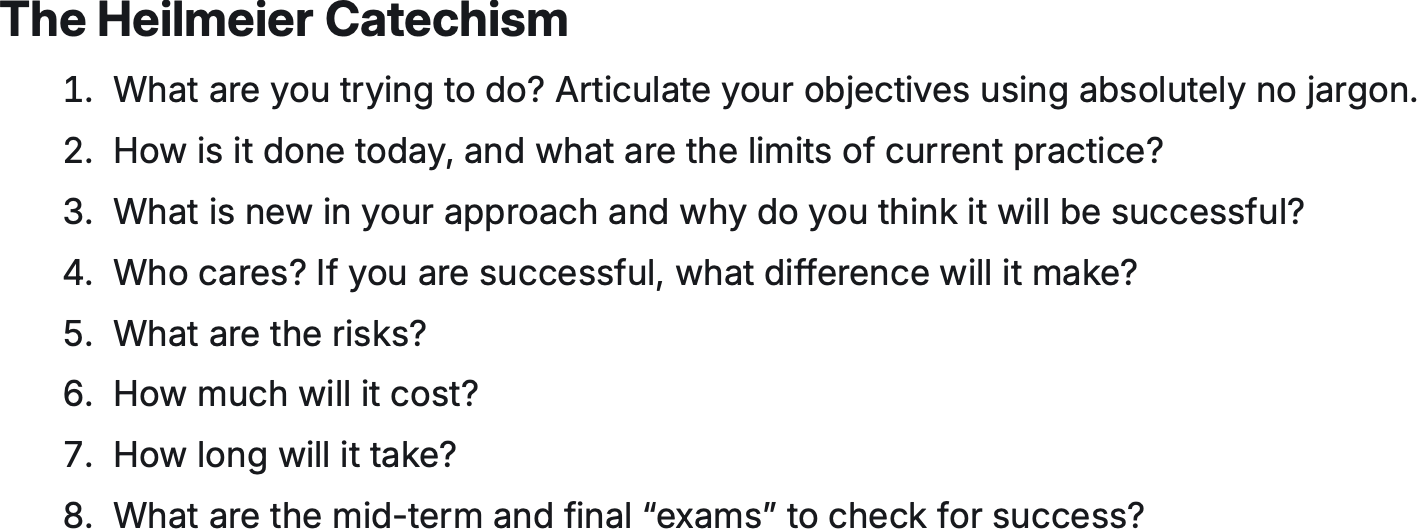
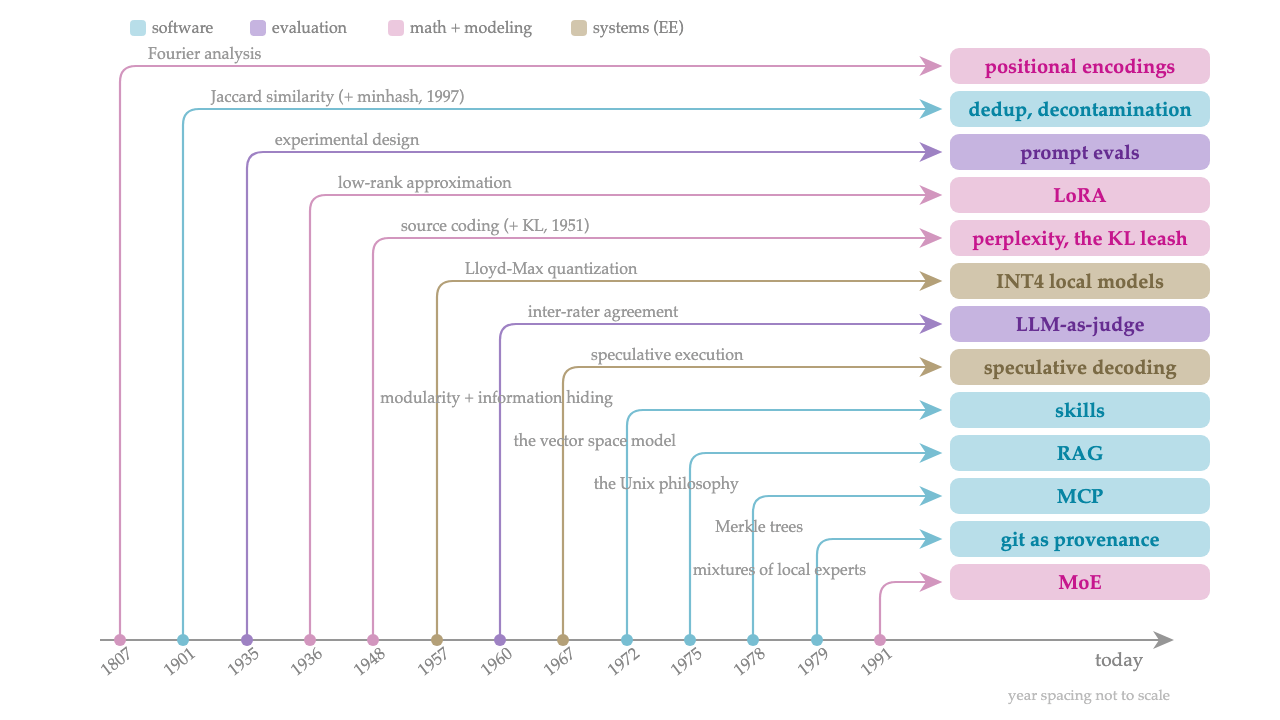
1. Trace every new AI term to an old idea.
Four-step Recipe: motivation, solution, old idea, delta (what's genuinely new)
2. Grade the judging, not the output.
Credit for what students caught, kept, rejected, and explained.
Not for execution.
what this course asks:
how to exercise judgement (in delegation), via understanding the why and why-not of how modern AI systems work,
in the context of applied ML projects (the kinds you'd see in UROP or MENG)

MODULE
LECTURES
Module 1 · framing & reading
Lec 1 what this course is
Lec 2 reading matters
Module 2 · build & craft
Lec 3 build from scratch
Lec 4 specs before prompts
Lec 5 git makes a diff
Lec 6 the abstraction ladder
Module 3 · data & evaluation
Lec 7 outsourced data
Lec 8 the math beyond vanilla transformers
Lec 9 evals as experimental design
Lec 10 auditing the artifact and the judge
Module 4 · measurement & synthesis
Lec 11 what the (human) tutor had
Lec 12 closing arguments
The semester ahead, on the map
W6, W8
W3, W4, W5
W2, W7, W9, W10, W12
every week
(W1, W11: learning)
What you produce
DELIVERABLE
WHAT IT IS
Project
One research question, carried end to end:
- proposed in W2
- built in W3-6
- data in W7
- measured in W9
- audited in W10
- written up in W12
Practice portfolio
- A bundle of SKILL.md files for reusable AI workflows
- A weekly agency log: one consequential AI-use decision, its evidence, and the outcome
Graded: your evaluation and articulation, not the polish of what the AI produced.
AI use is assumed, not policed. Honesty about it is self-interest.
This week's lab
Calibrate: an AI explanation of one 6.390 concept, next to the google-era route, the steps the same concept took in 2015. Tag what the AI path let you skip, with a shared bank.
Your history: two episodes, one before AI, one with it, in gave/cost rows.
The experiment: one new topic with AI only, one from print only, probe from memory; the room's results build one board. Your run is an anecdote, the board is the experiment.
Synthesize: one paragraph, what is AI doing to how you learn, argued from your own rows. Fold in the trade poll: could AI build the era you picked, import included, and is the give-up still forced?
Optional: attack the four-era schema itself; good attacks get harvested into next year's lecture.
Reading: a first-person account of pre-internet research practice.
Summary
AI reshaped the instructor's own work; the wins clustered where agency led, the costs where it lapsed.
This course trains that agency and grades evaluation and articulation, not AI polish.
Four eras of learning, each giving something and costing something; the shift now is retrieval to generation, with the oldest form, dialogue, returned at scale.
The recurring move, all semester: connect now to then, then understand the delta.
The thesis is on trial: the semester is an experiment in convincing you it matters.
Lec01
By Shen Shen
Private