Representation Learning
Building Useful Internal Knowledge



Today's Roadmap
Representations
Layer-by-layer geometry and transfer
Learning Without Labels
Autoencoders, bottlenecks, and masking
Word Embeddings
Prediction, similarity, and soft lookup
Recent Ideas
Masking, contrastive learning, multimodality
Some image credits for Parts 1–2: visionbook.mit.edu
\dots
layer
linear combo
activations
\dots
\dots
layer
\dots
x_1
x_2
x_d
input
\Sigma
f(\cdot)
\Sigma
f(\cdot)
\Sigma
f(\cdot)
\Sigma
f(\cdot)
\Sigma
f(\cdot)
\Sigma
f(\cdot)
\Sigma
f(\cdot)
neuron
learnable weights
hidden
output

asymptotically, can approximate any function!*
\Sigma
\dots
\dots
\dots
x
under some technical conditions (e.g. nonlinearity can't be polynomial)
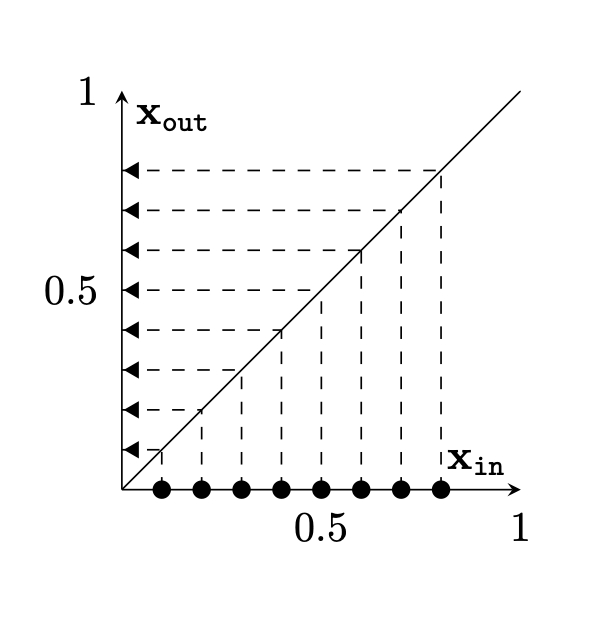
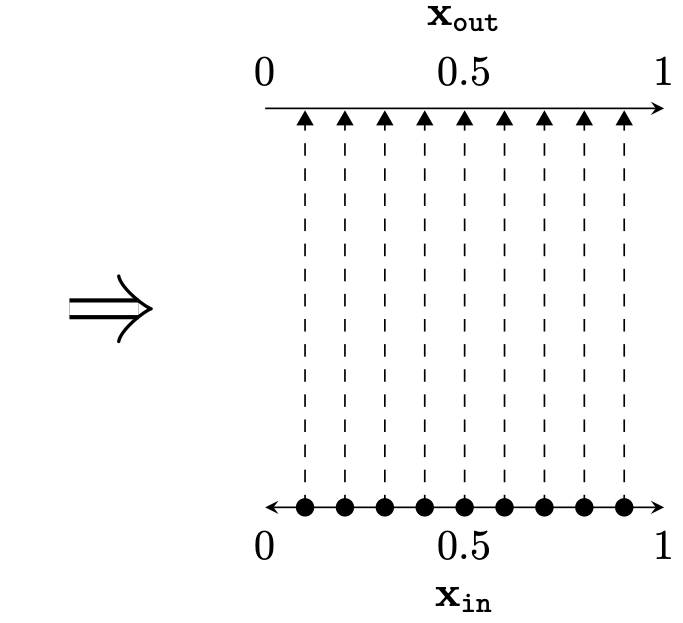
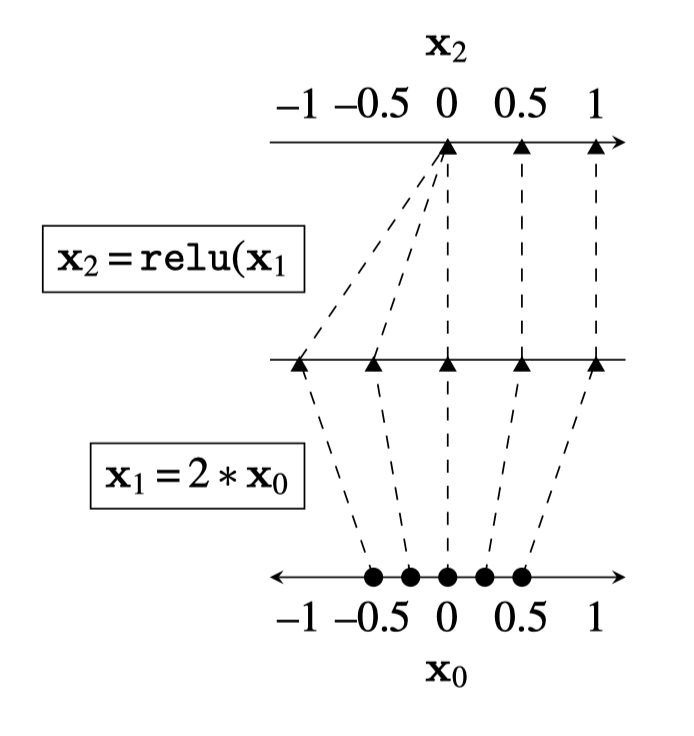
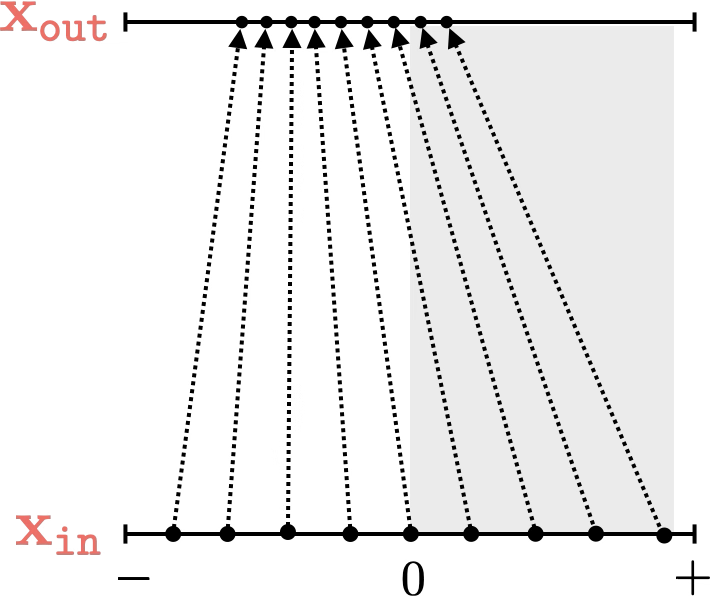
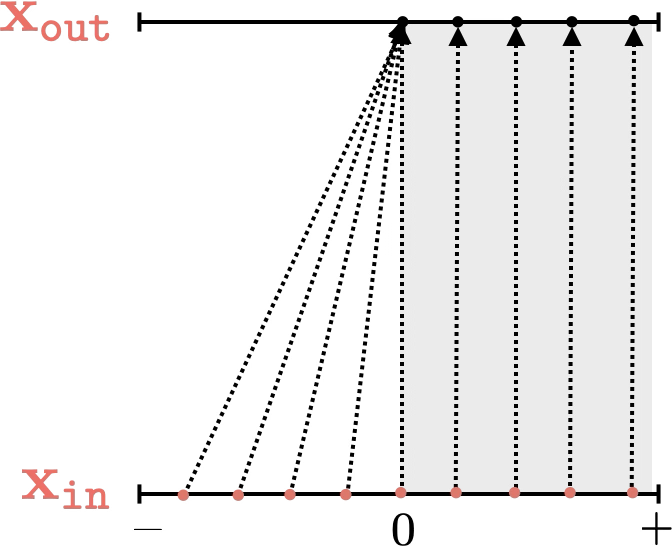
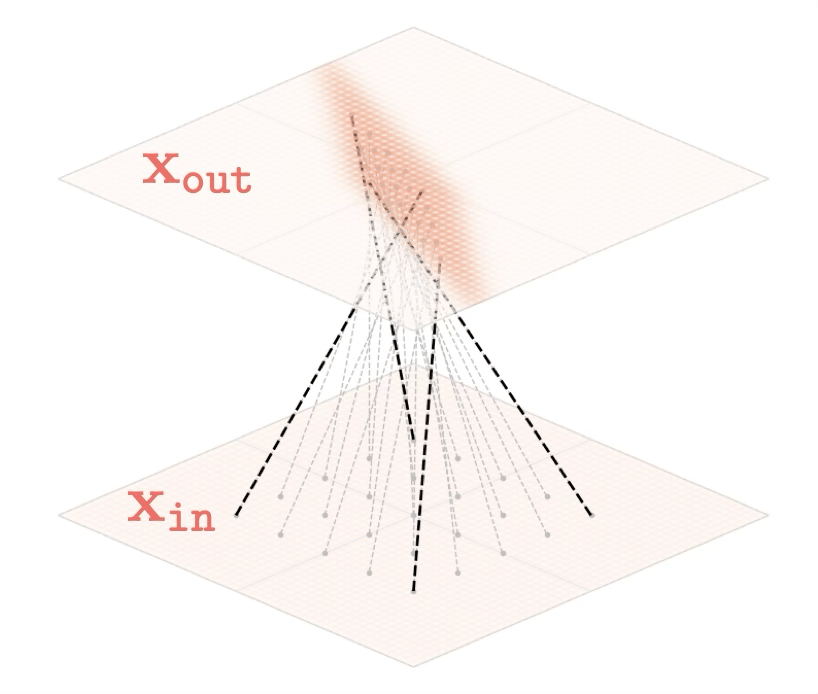
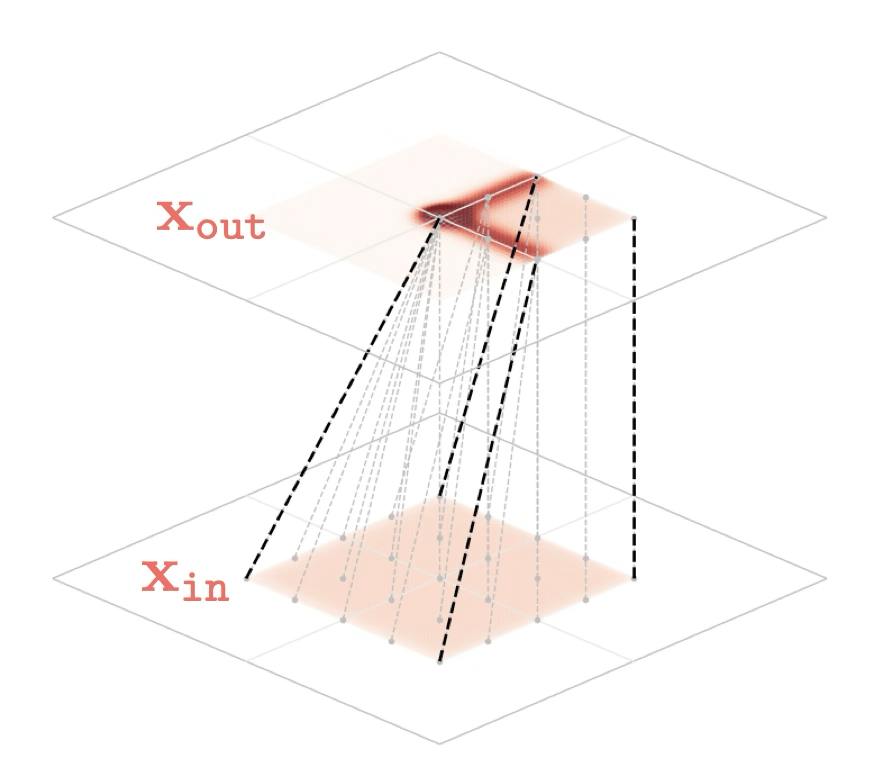
Two different ways to visualize a function
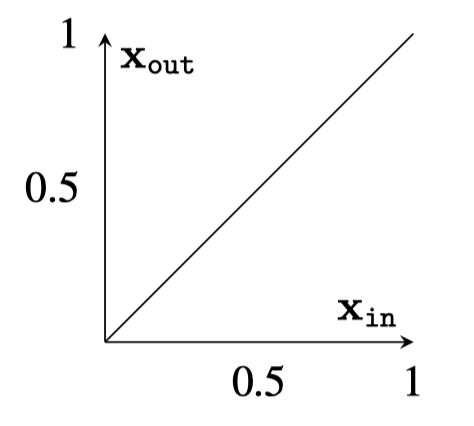
e.g. the identity function
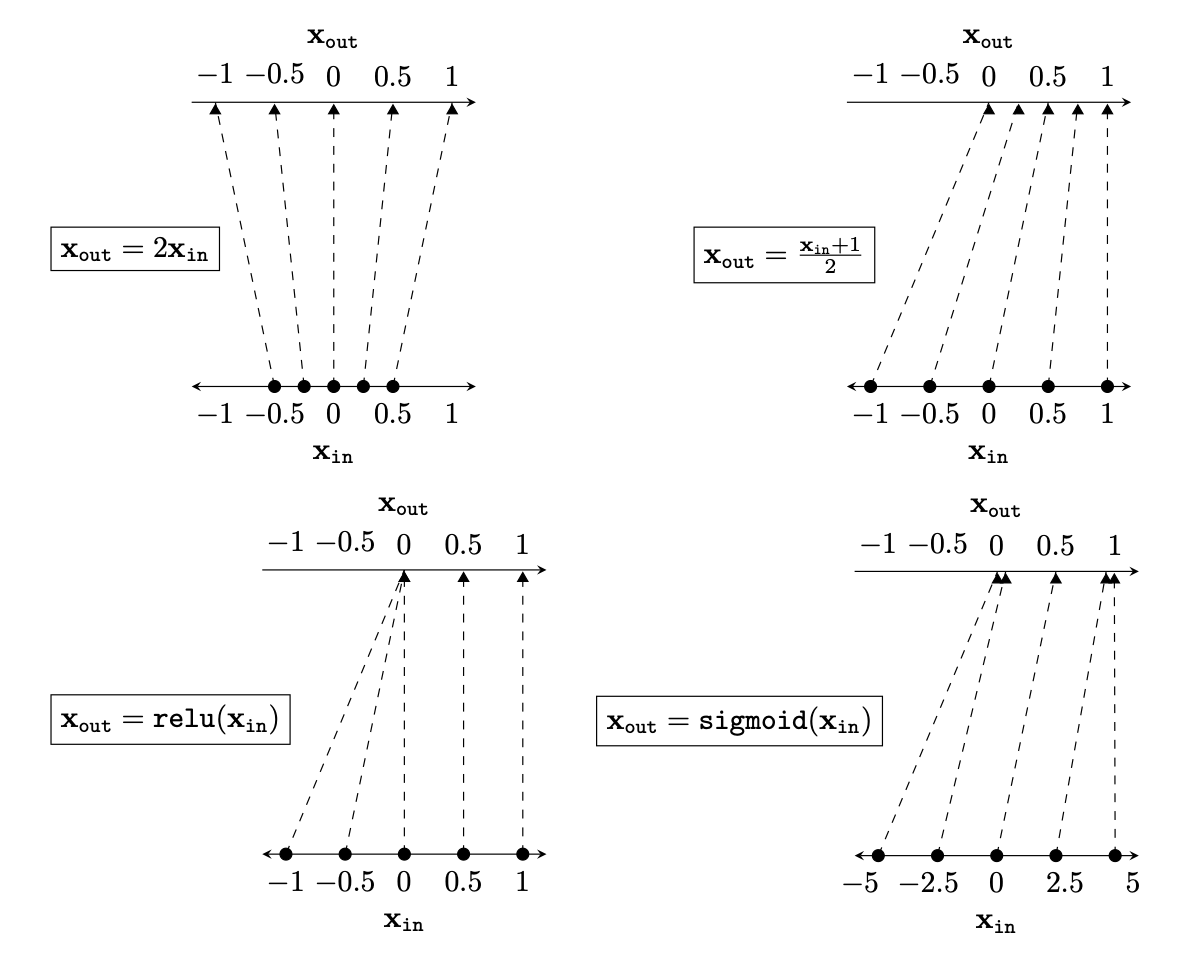
Representation transformations for a variety of neural net operations
and stack of neural net operations
)
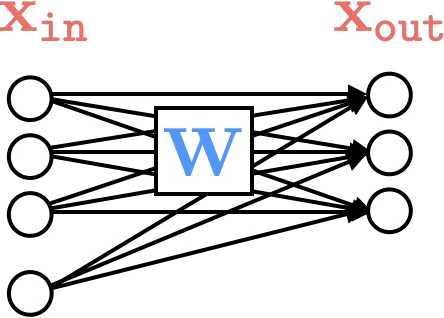
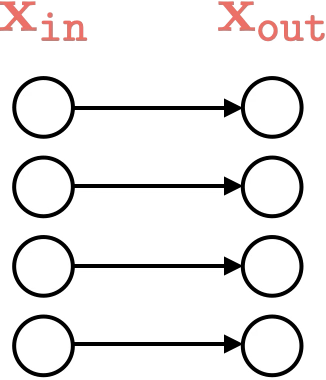
wiring graph
equation
mapping 1D
mapping 2D


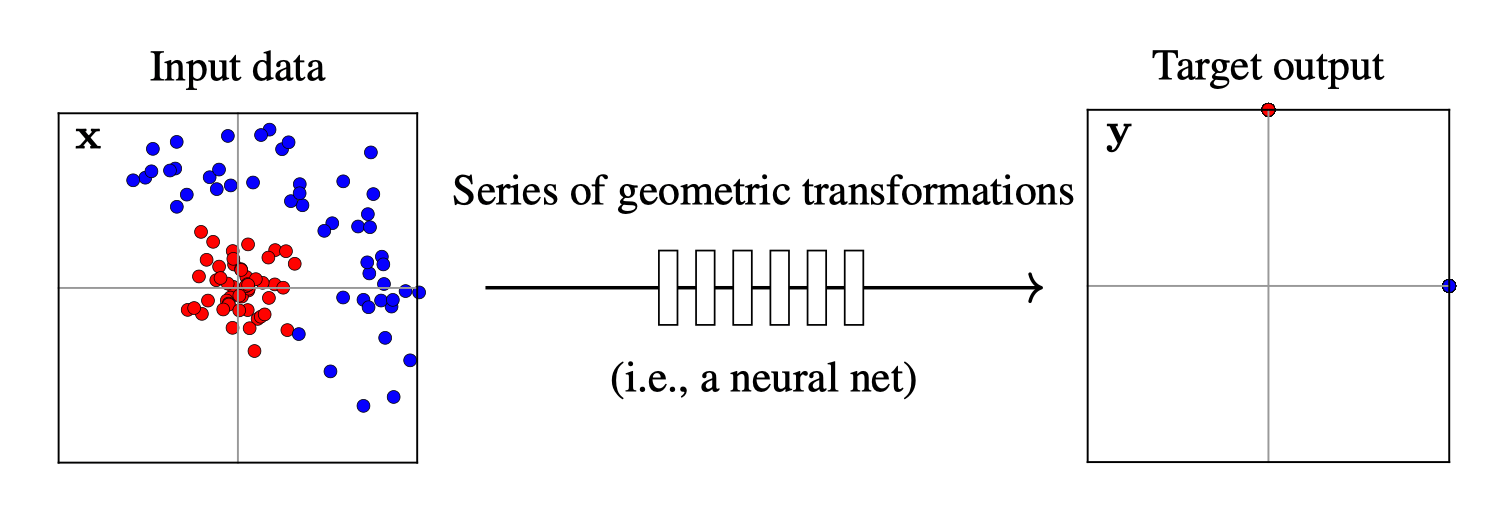
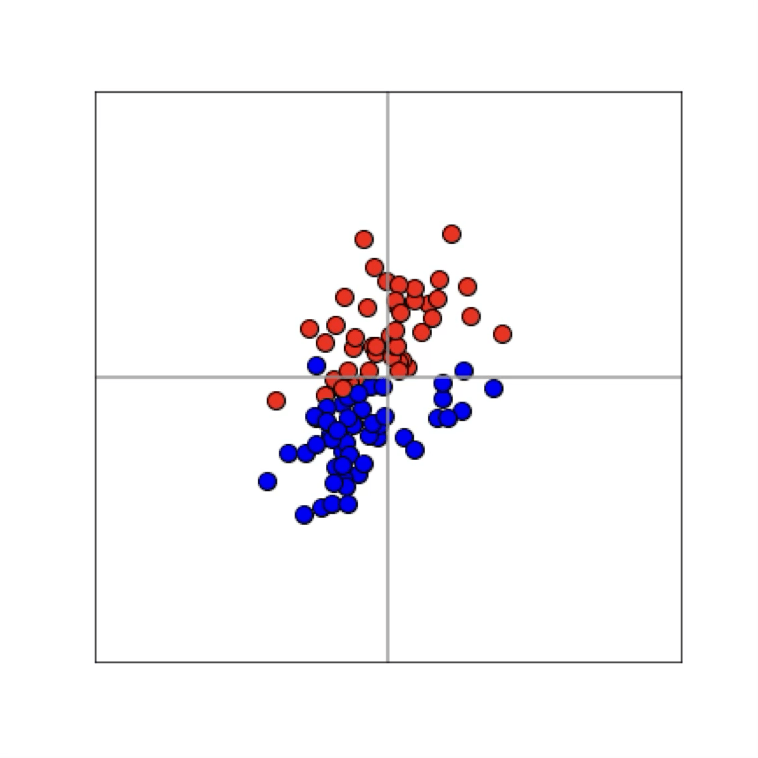
What does training a neural net classifier look like?
Training data
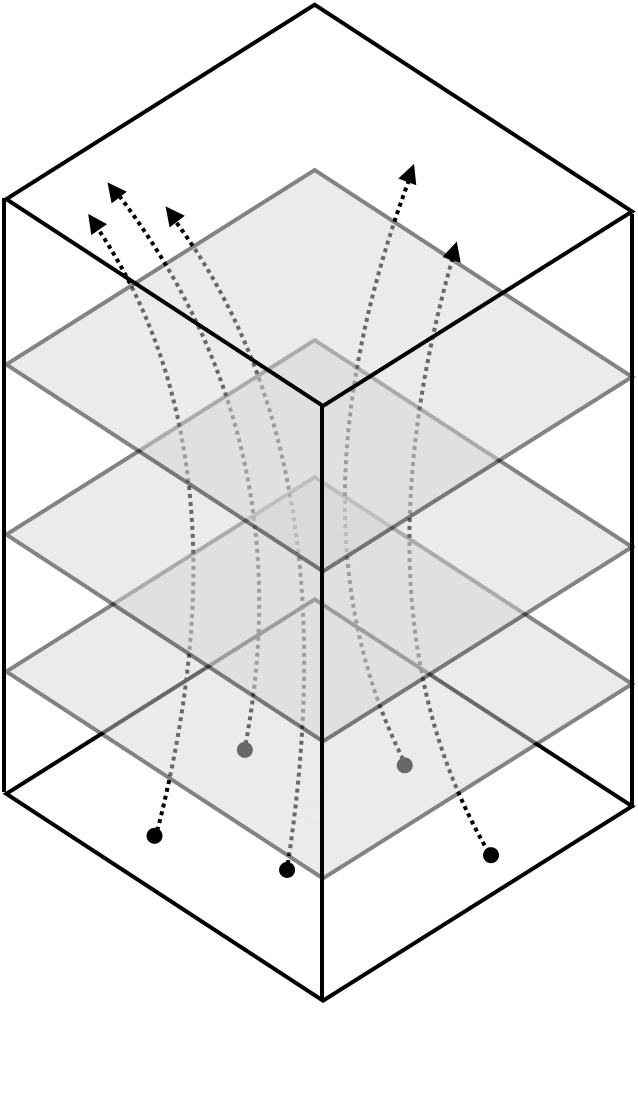
x
z_1
a_1
z_2
g
{z}_1=\text { linear }(x) \in \mathbb{R^2}
{a}_1=\text { ReLU}(z_1)
g=\text {softmax}(z_2)
{z}_2=\text { linear }(a_1) \in \mathbb{R^2}
x\in \mathbb{R^2}
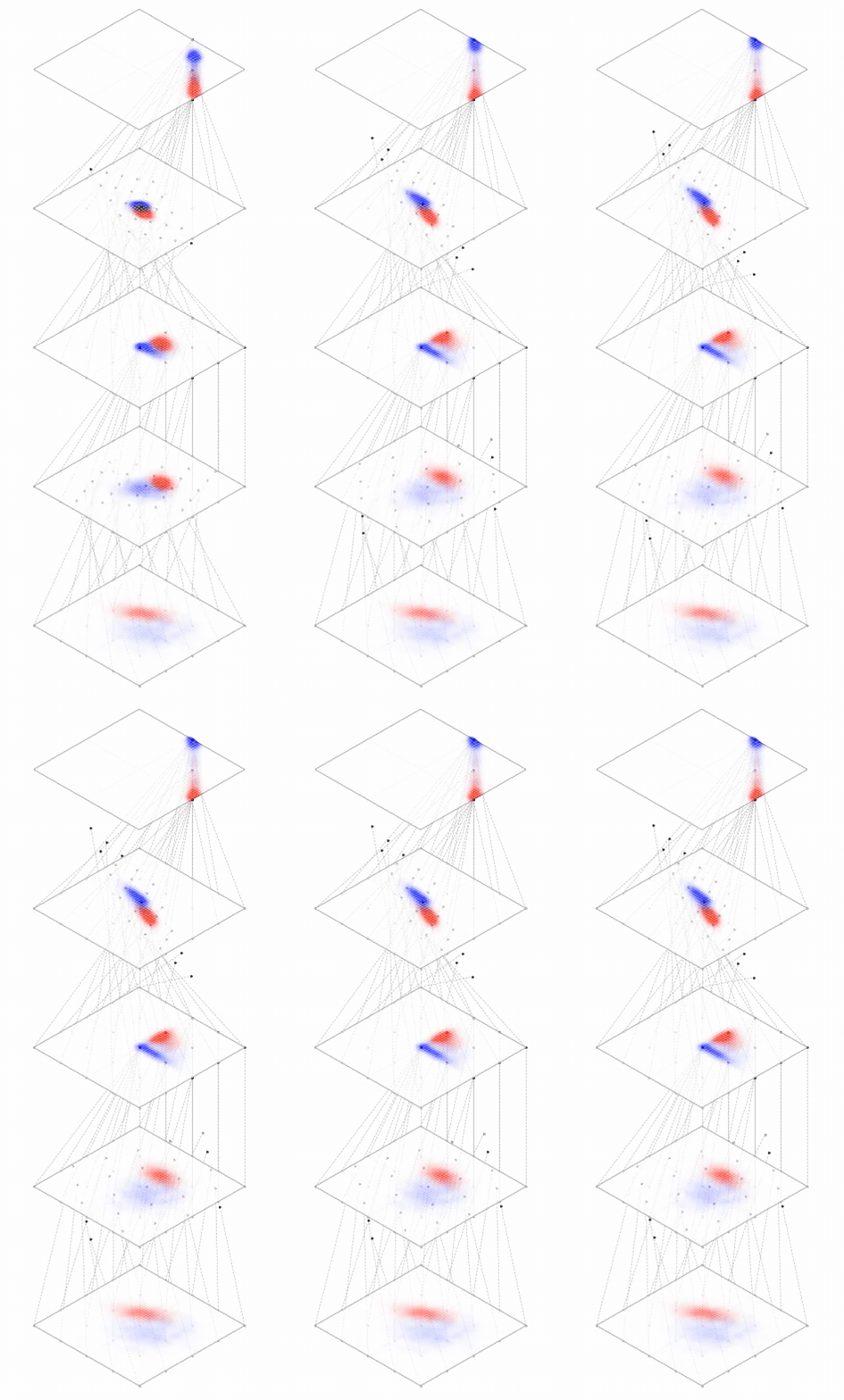
maps from complex data space to desired target space
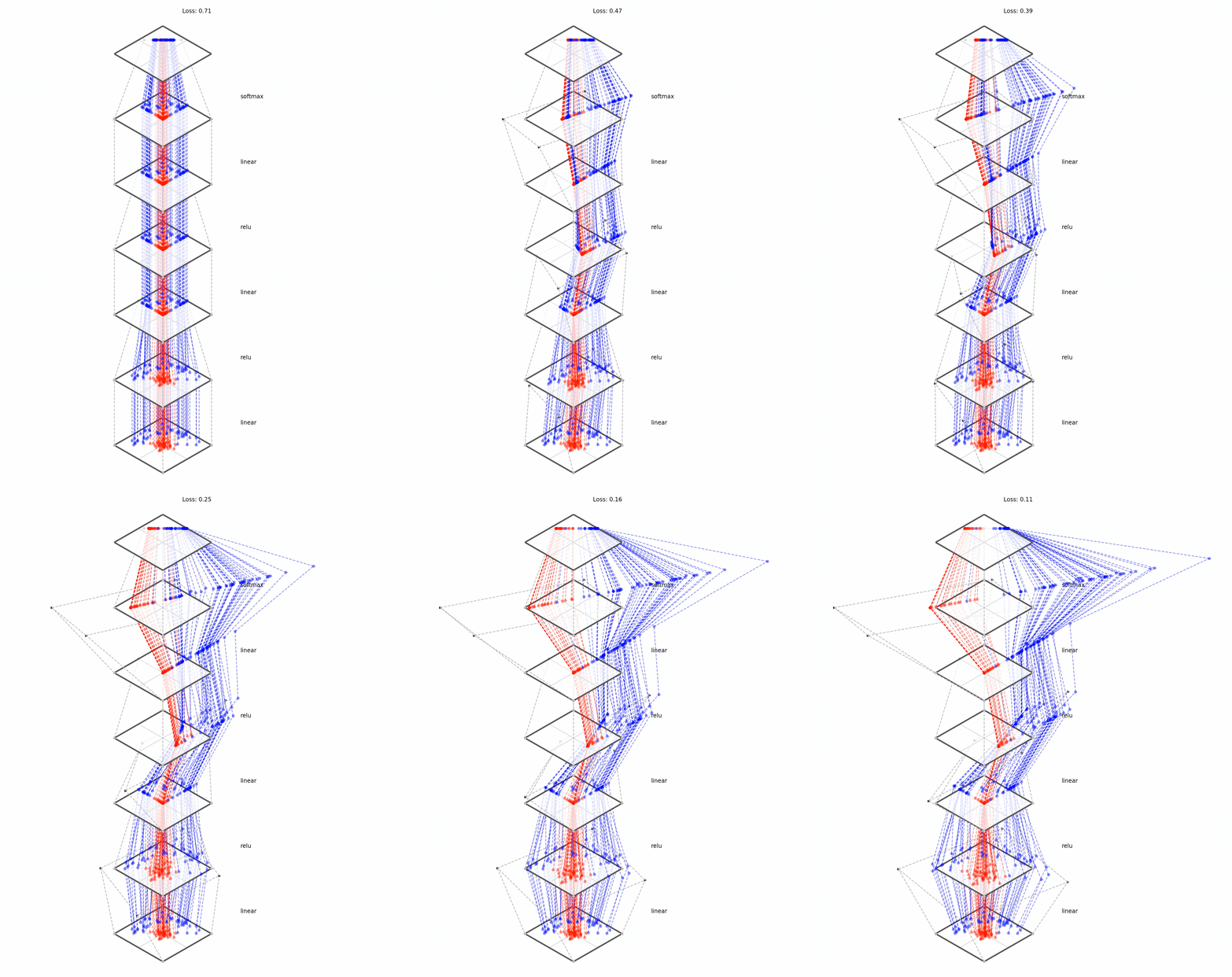
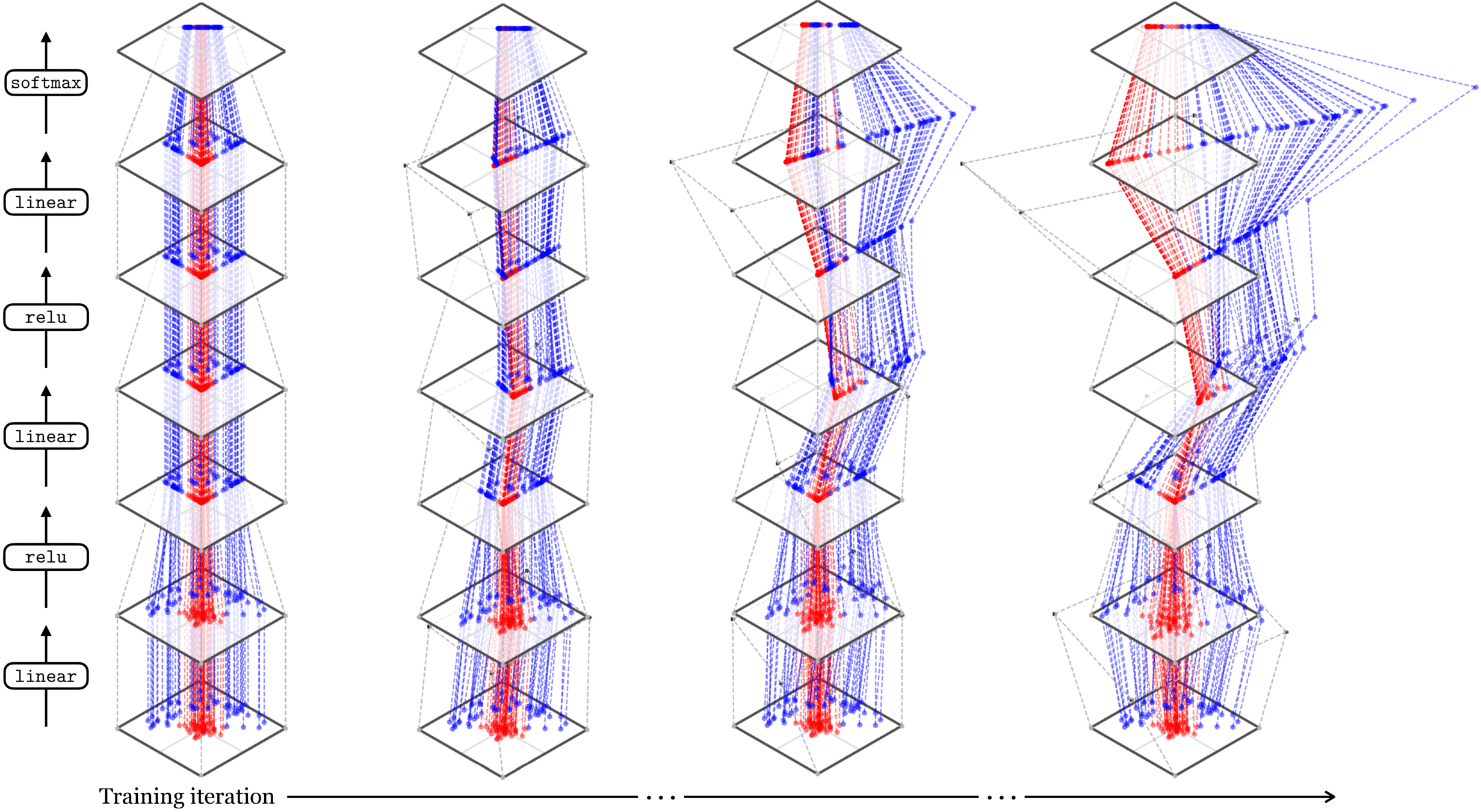
Deep neural nets transform datapoints, layer by layer
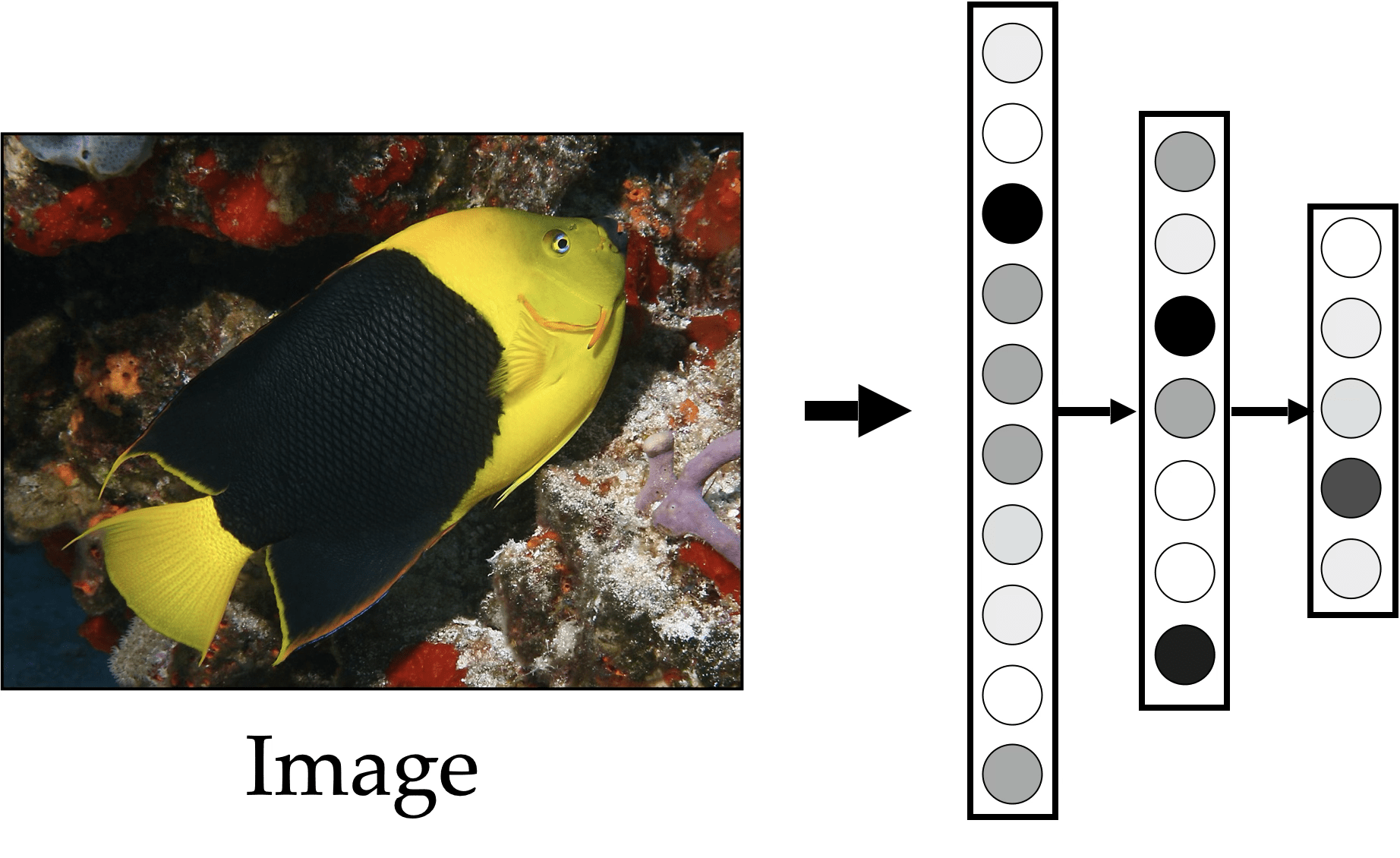
Each layer is a different representation, aka embedding, of the data
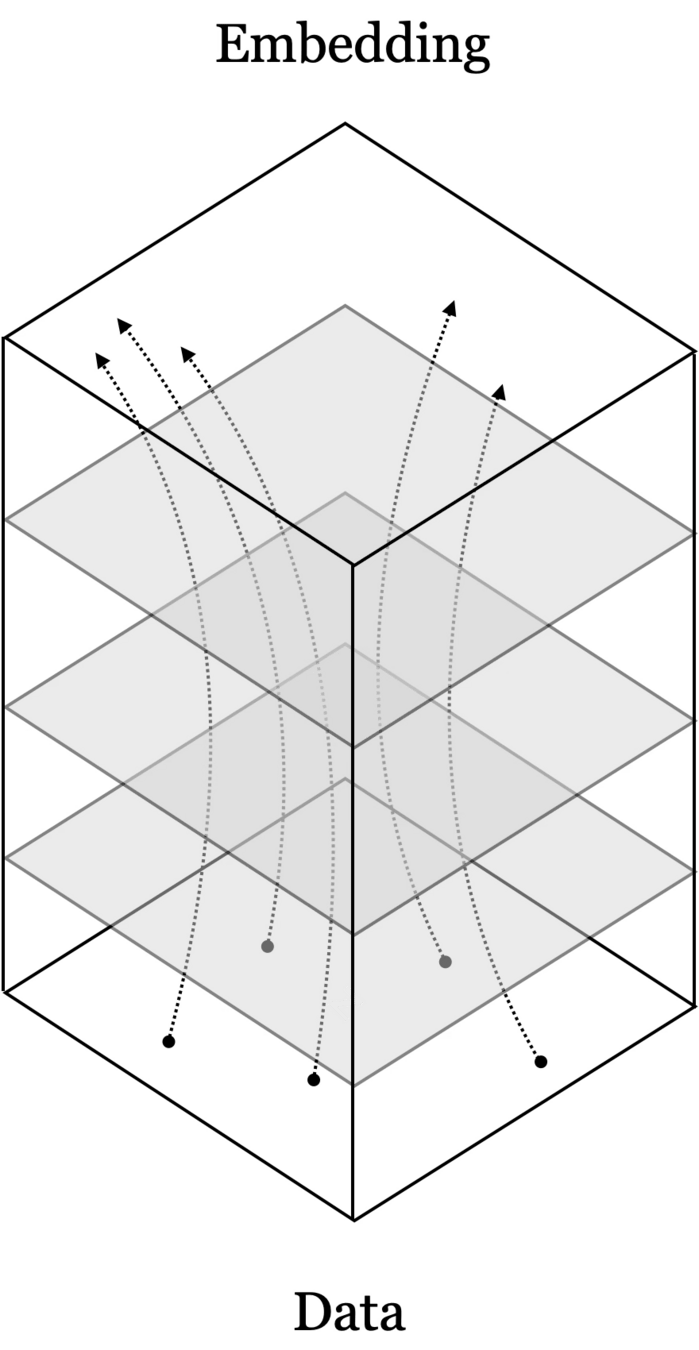
From data to latent embeddings: representation learning
(From latent embeddings to data: generative modeling)
Representation learning
Generative modeling
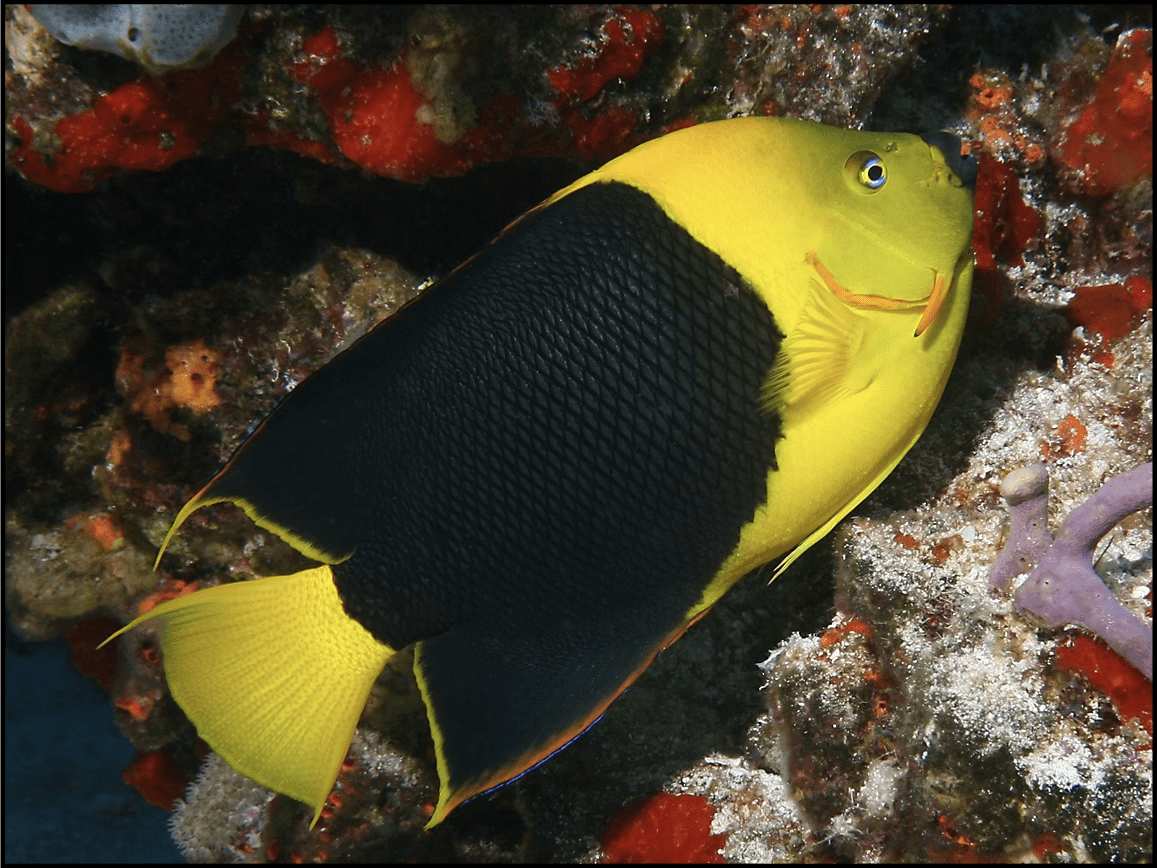
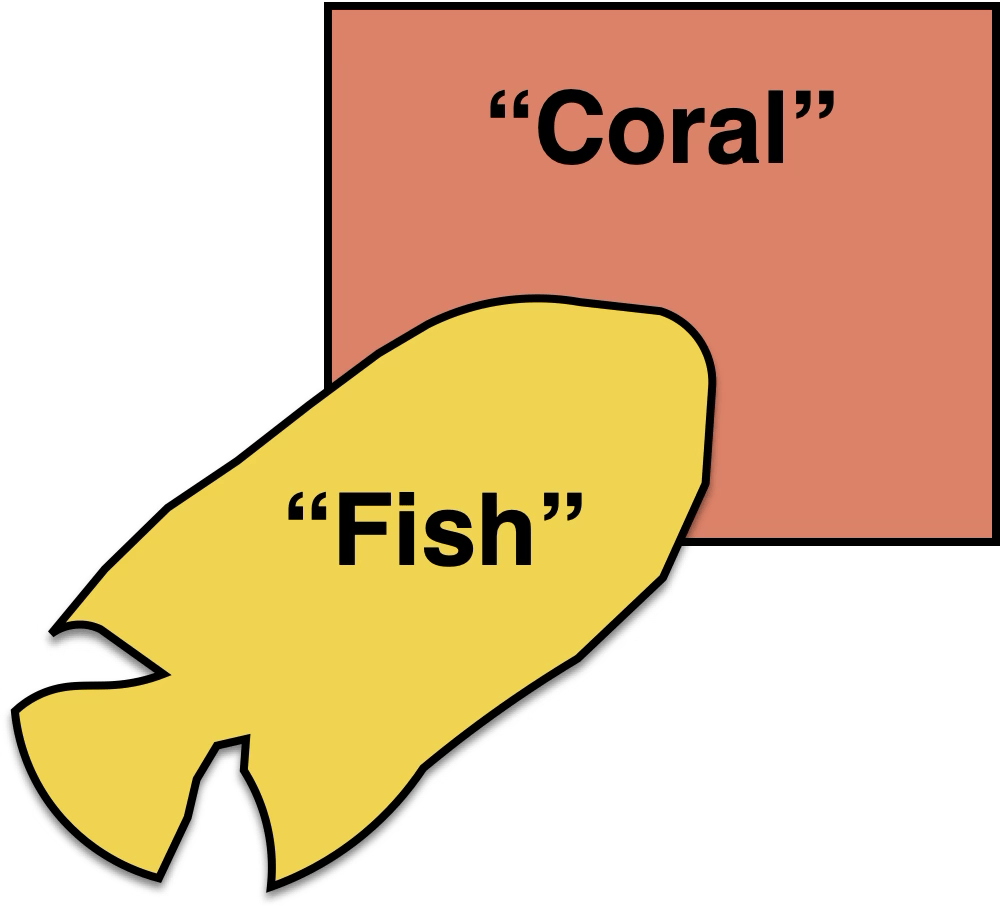
🧠
humans also learn representations
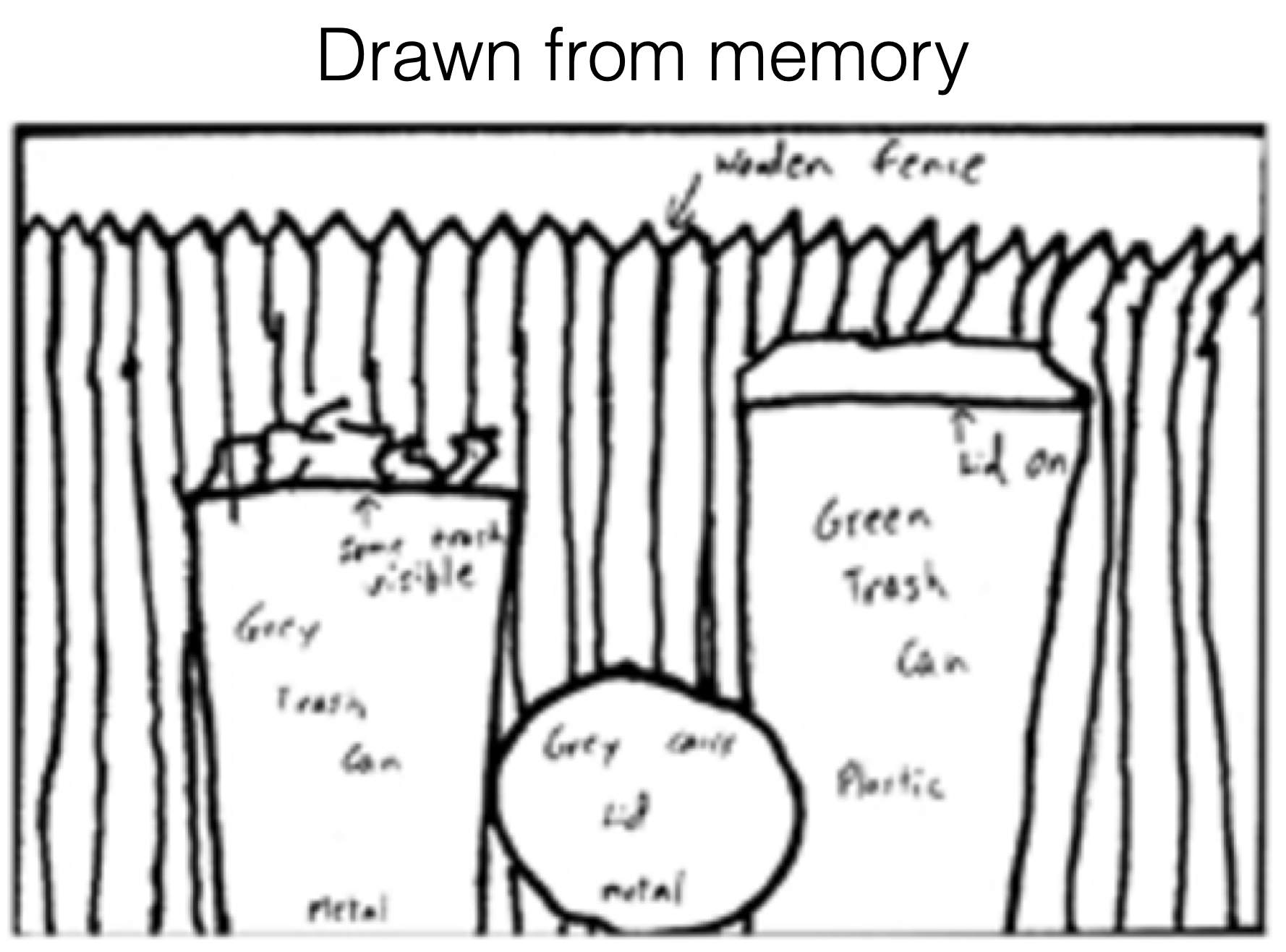
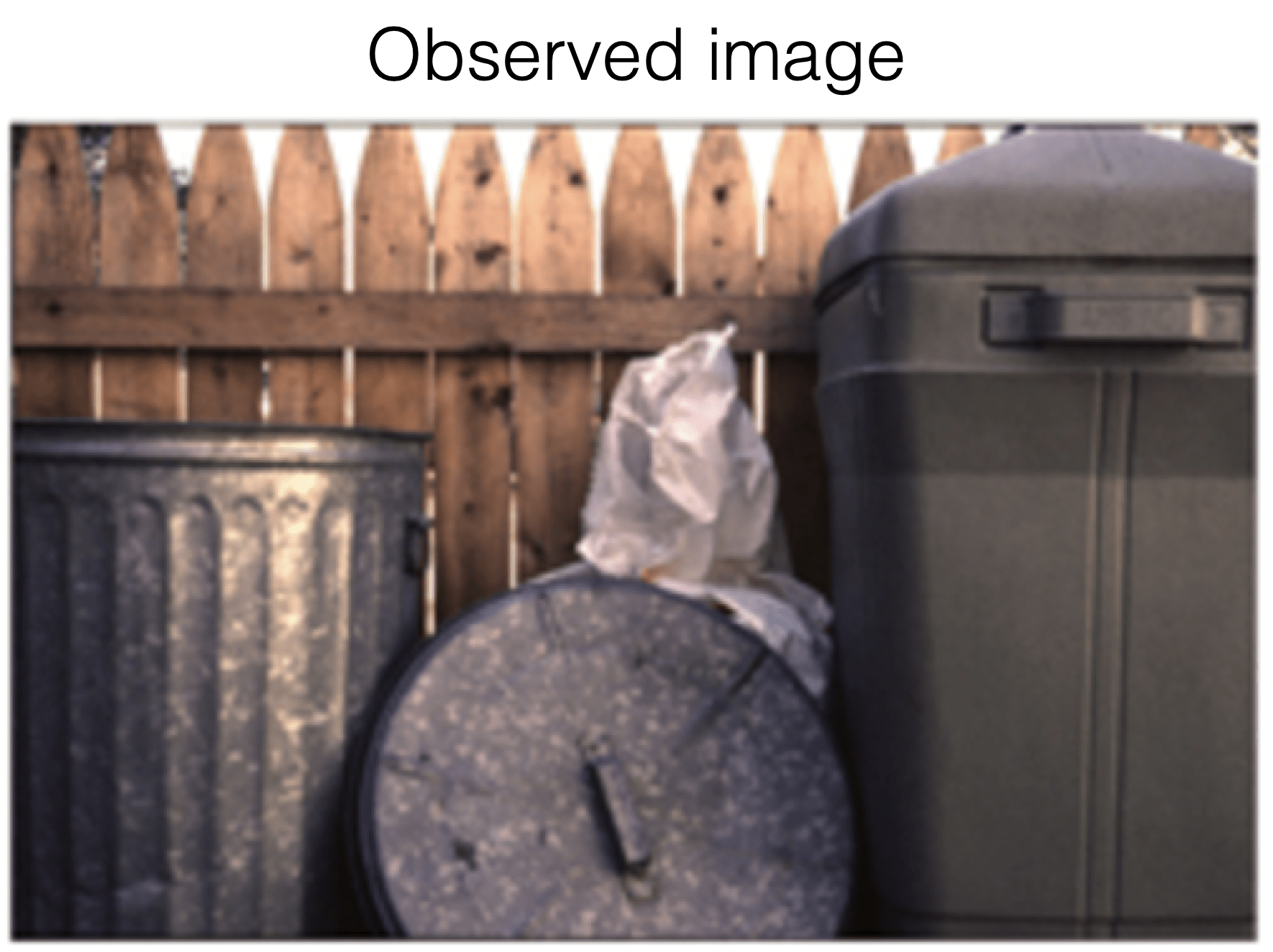
[Bartlett, 1932]
[Intraub & Richardson, 1989]
- Compact (minimal)
- Explanatory (roughly sufficient)
- Disentangled (independent factors)
- Interpretable (understandable by humans)
- Make subsequent problem solving easy
[See “Representation Learning”, Bengio 2013, for more commentary]
Good representations are:
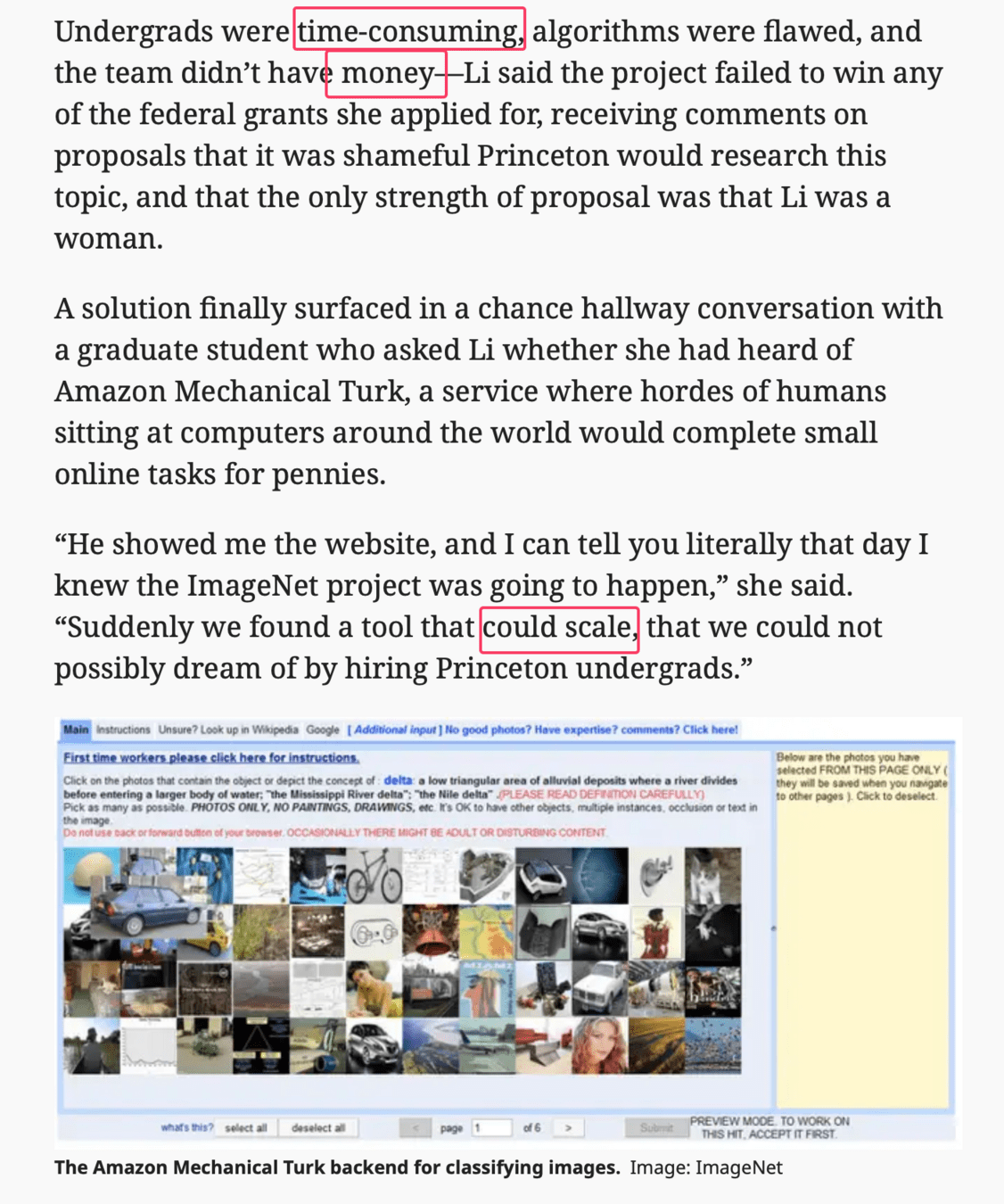
ImageNet also taught us that labeling 14 million images by hand is brutal.
Label prediction (supervised learning)
Label
$$x$$
$$y$$
Features
Labels \(y\) are expensive…
Unlabeled features \(x\) are abundant
Can we learn useful things with just \(x\)?
- Compact (minimal)
- Explanatory (roughly sufficient)
- Disentangled (independent factors)
- Interpretable (understandable by humans)
- Make subsequent problem solving easy
[See “Representation Learning”, Bengio 2013, for more commentary]
Auto-encoders explicitly aims
\left\{
\begin{array}{l}
\\
\\
\end{array}
\right.
\left\{
\begin{array}{l}
\\
\\
\\
\end{array}
\right.
these may just emerge as well
Good representations are:
Unsupervised Learning (feature reconstruction)
Features
Reconstructed Features
$$x$$
$$\hat{x}$$
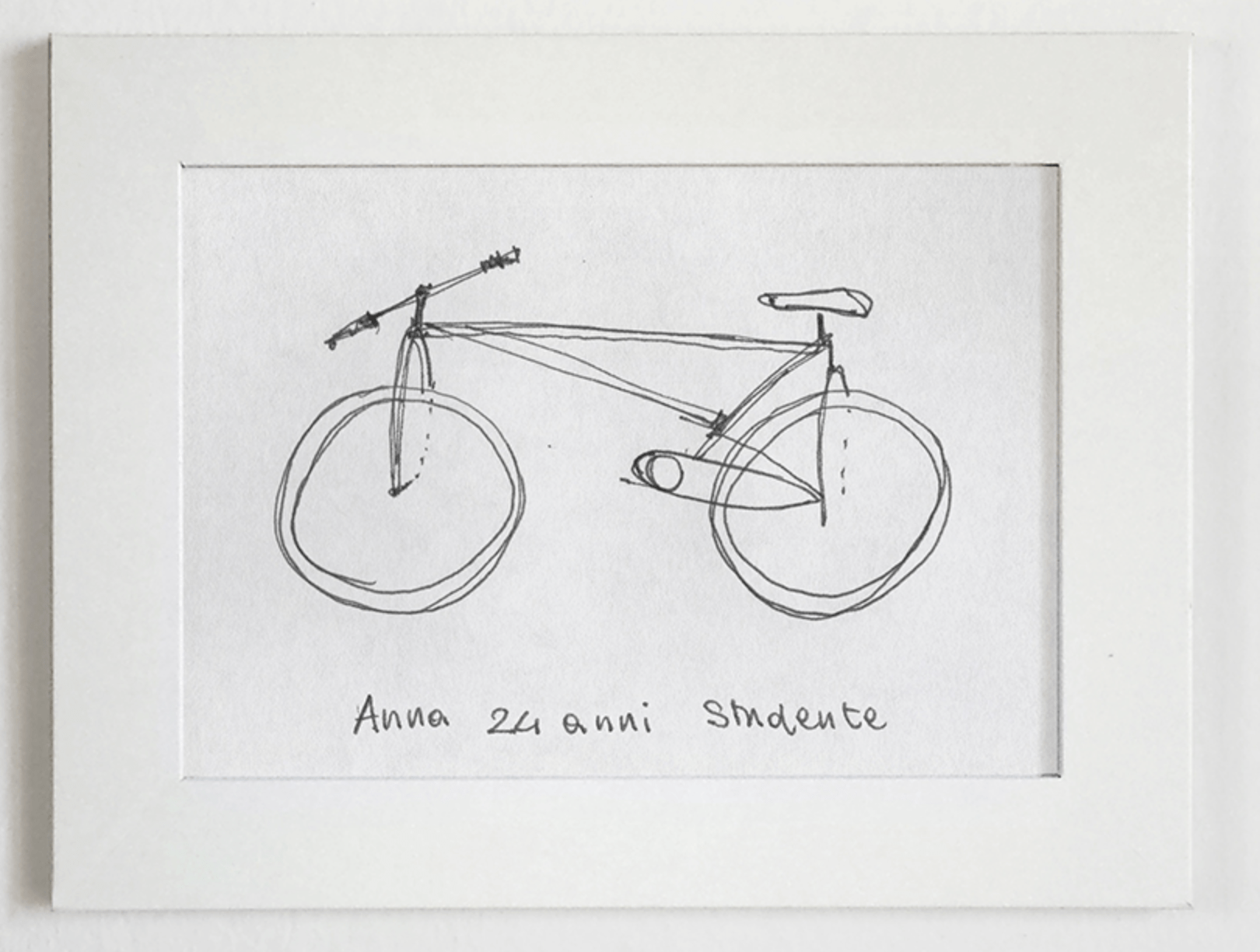
[https://www.behance.net/gallery/35437979/Velocipedia]
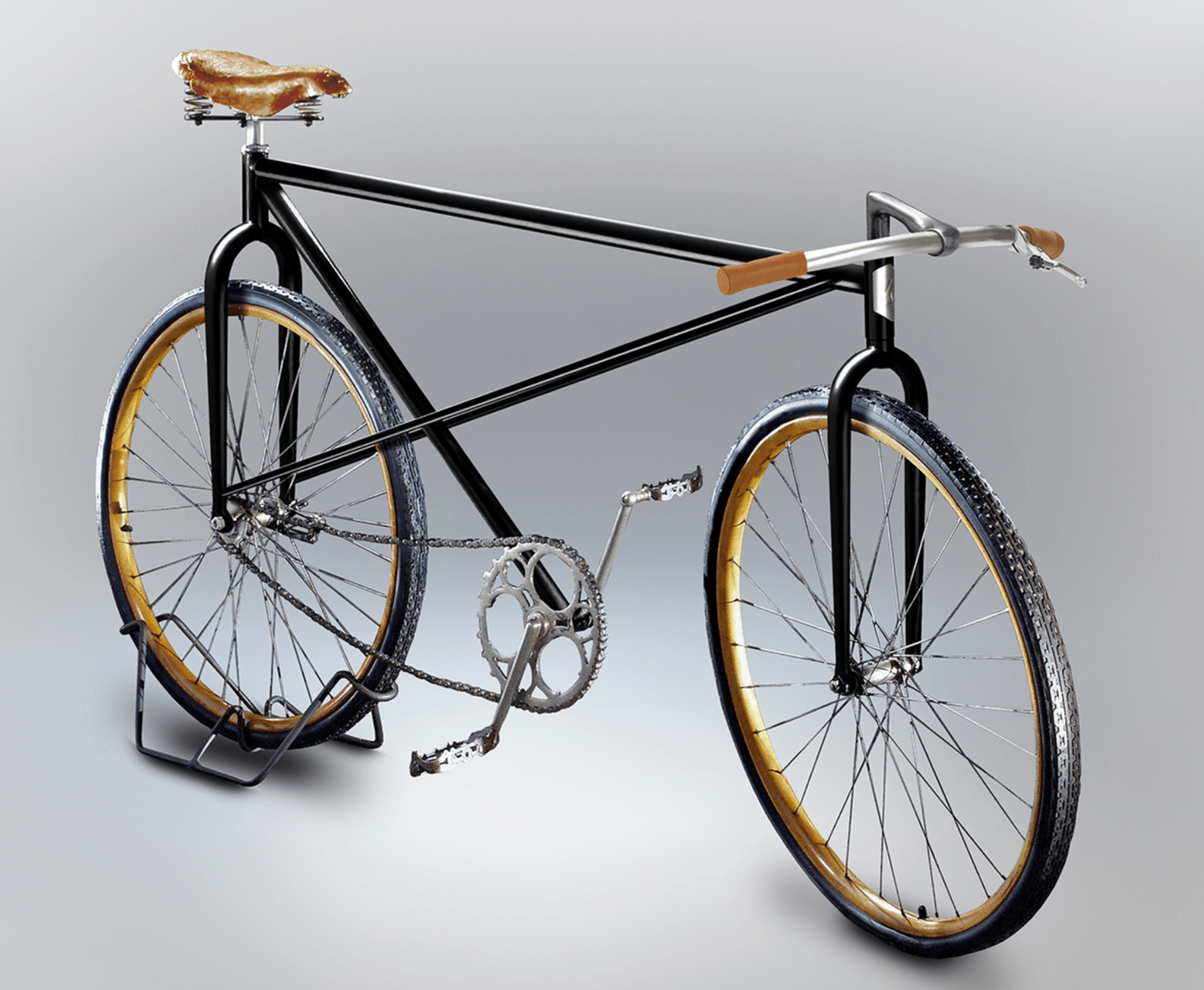
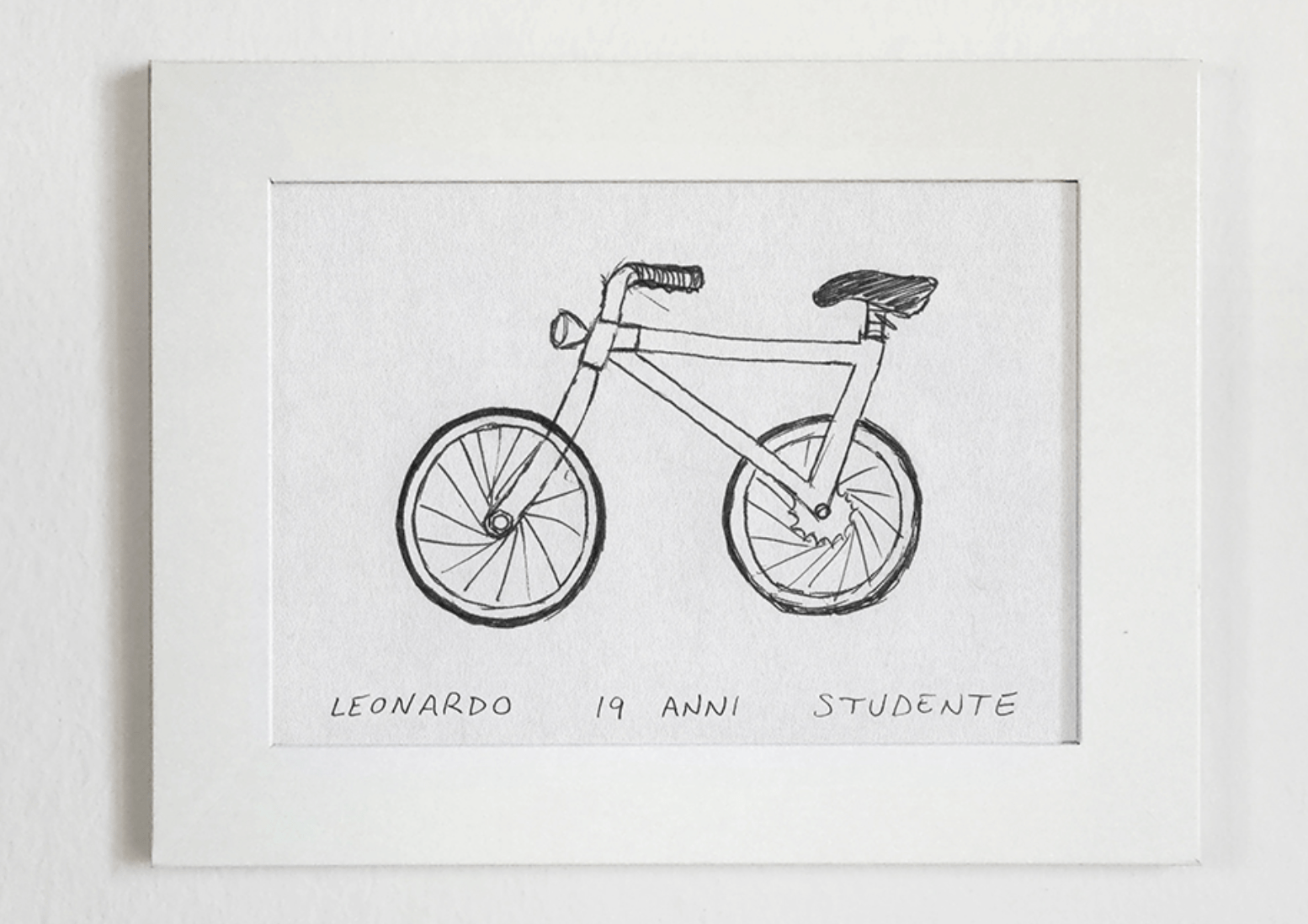
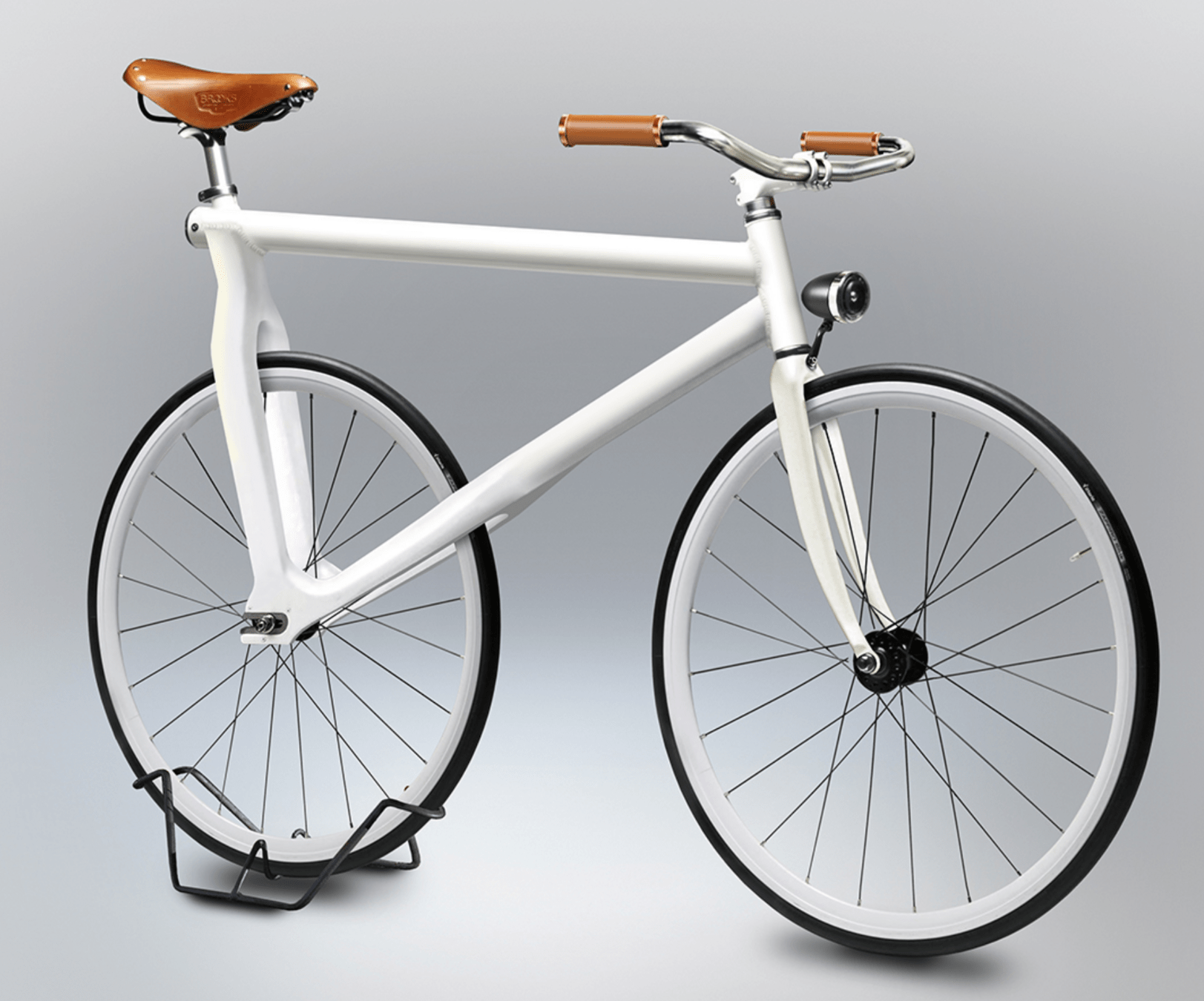
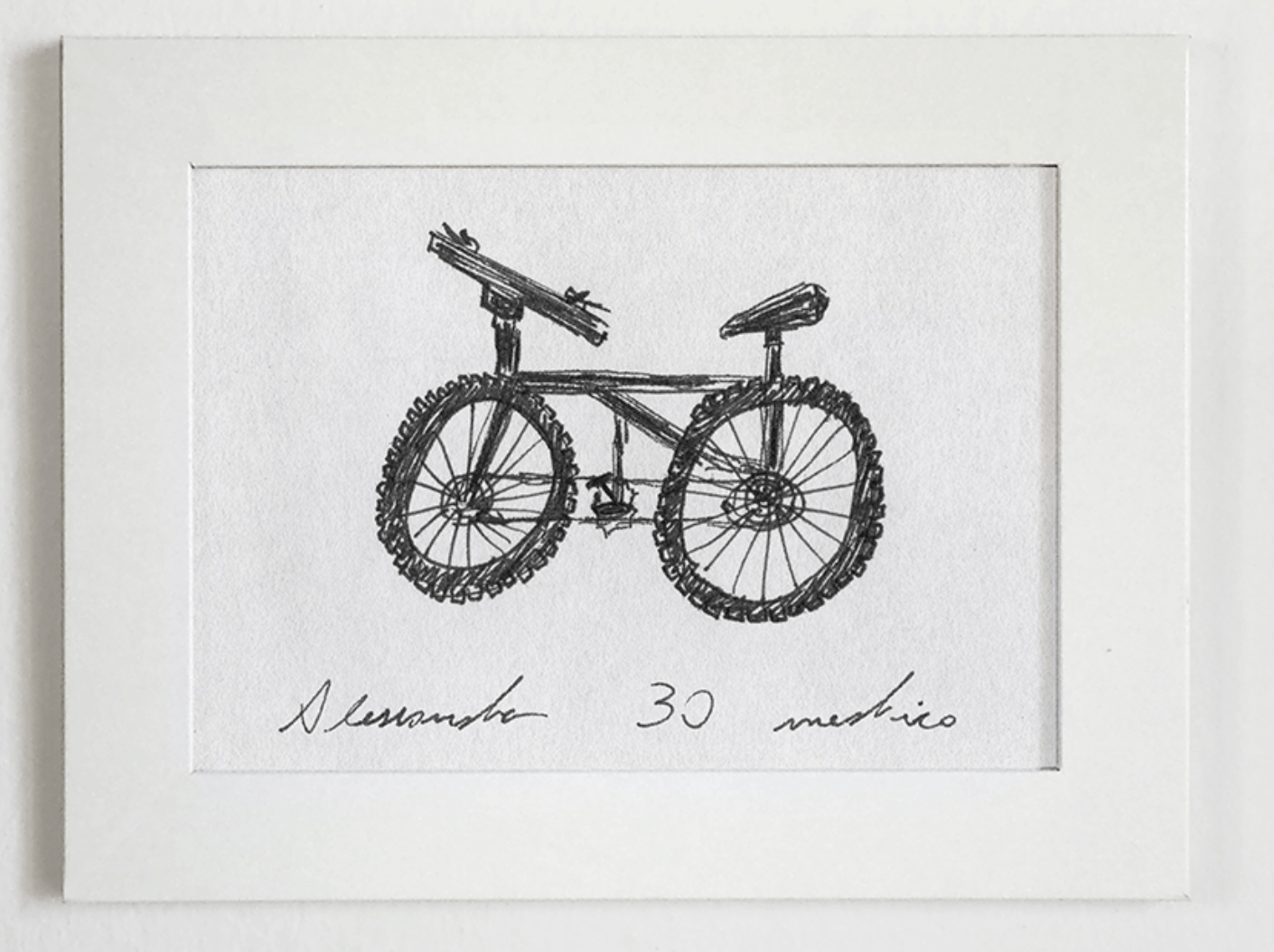
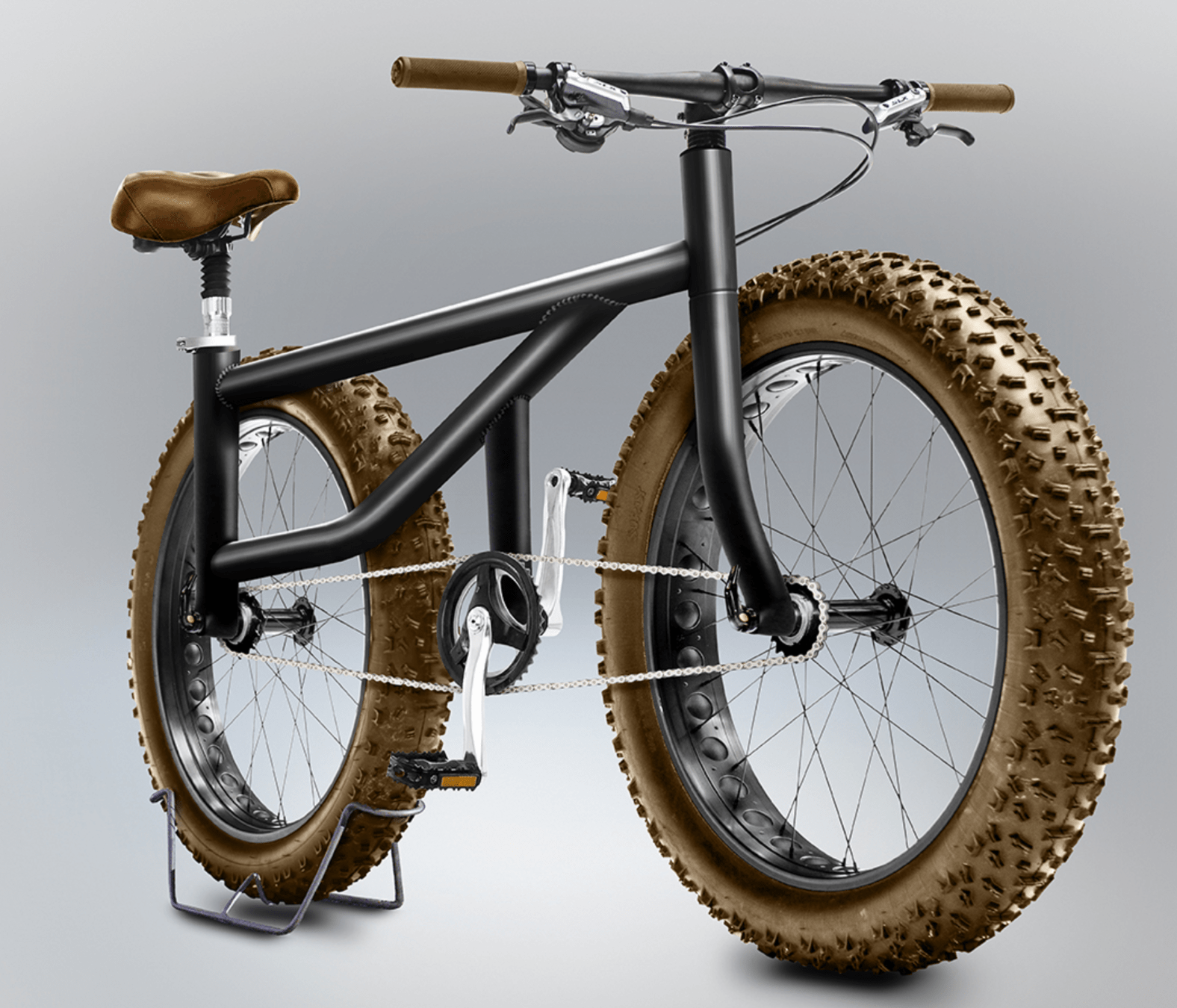
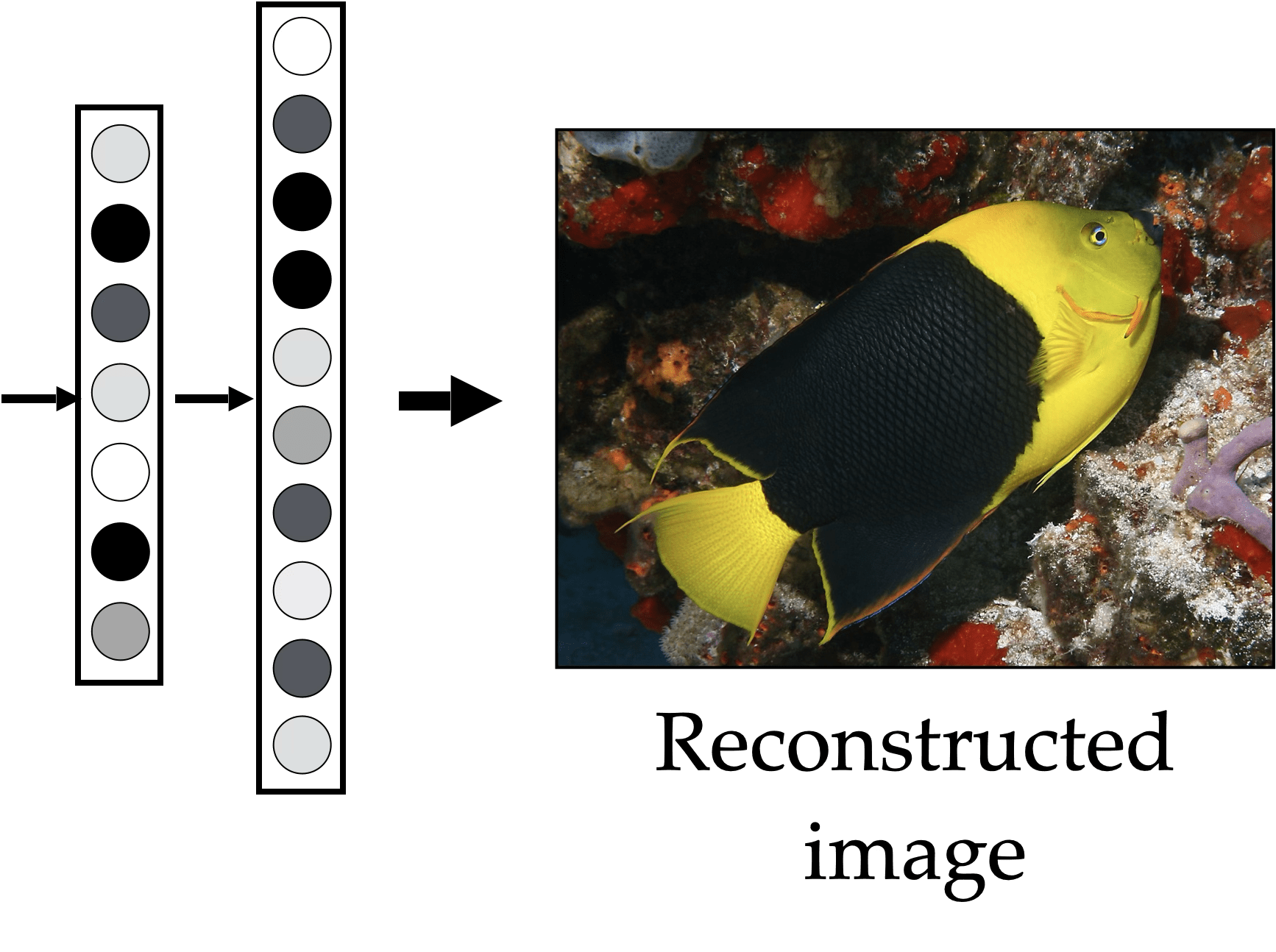
Auto-encoder
"What I cannot create, I do not understand." Feynman
compact representation/embedding
Auto-encoder
\underbrace{\hspace{1cm}}
\underbrace{\hspace{1cm}}
encoder
decoder
bottleneck
Auto-encoder
x
\tilde{x}=\text{NN}(x;W)
\min_{W} ||x - \tilde{x}||^2
Data space:
(high dimensional, irregular)
Encoder
Decoder
Representation space
(low dimensional, regular)
[Typically, encoders can serve as a translator to get "good representations", whereas decoders can serve as "generative models"]
But it's easy to "cheat" with auto-encoders
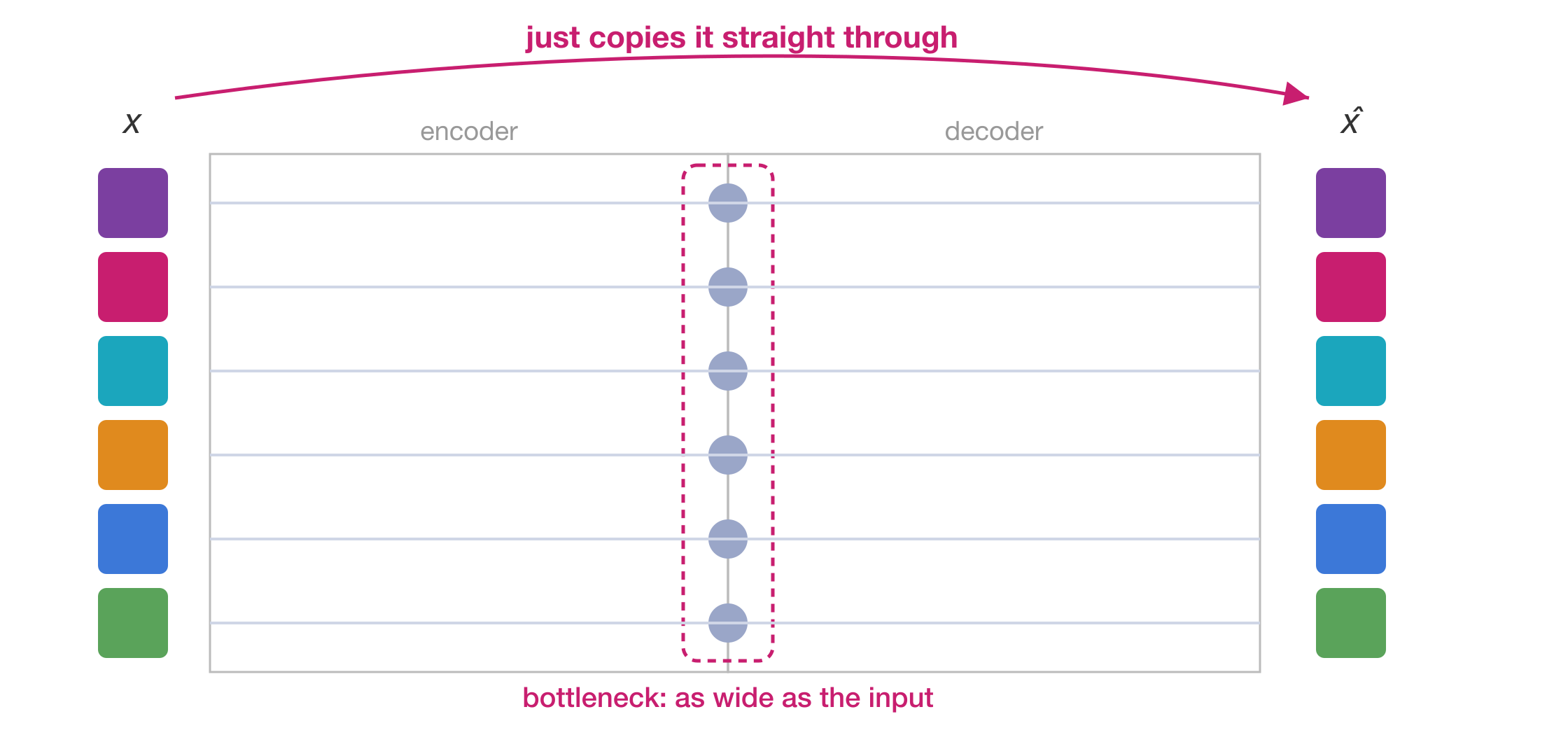
A bottleneck that's too wide
Perfect reconstruction, nothing learned. It just photocopies x.
[Vincent et al, Extracting and composing robust features with denoising autoencoders, ICML 08]
But it's easy to "cheat" with auto-encoders
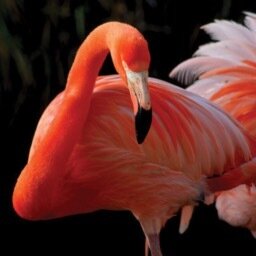
[Steck 20, Zhang et al 17]
the reconstruction error is fine
but not very useful

decoder

encoder
Unsupervised Learning (feature reconstruction)
Features
Reconstructed Features
$$x$$
$$\hat{x}$$
$$\hat{x}$$
$${x}$$
Self-supervised Learning (partial feature reconstruction)
Partial
Features
Other Partial Features
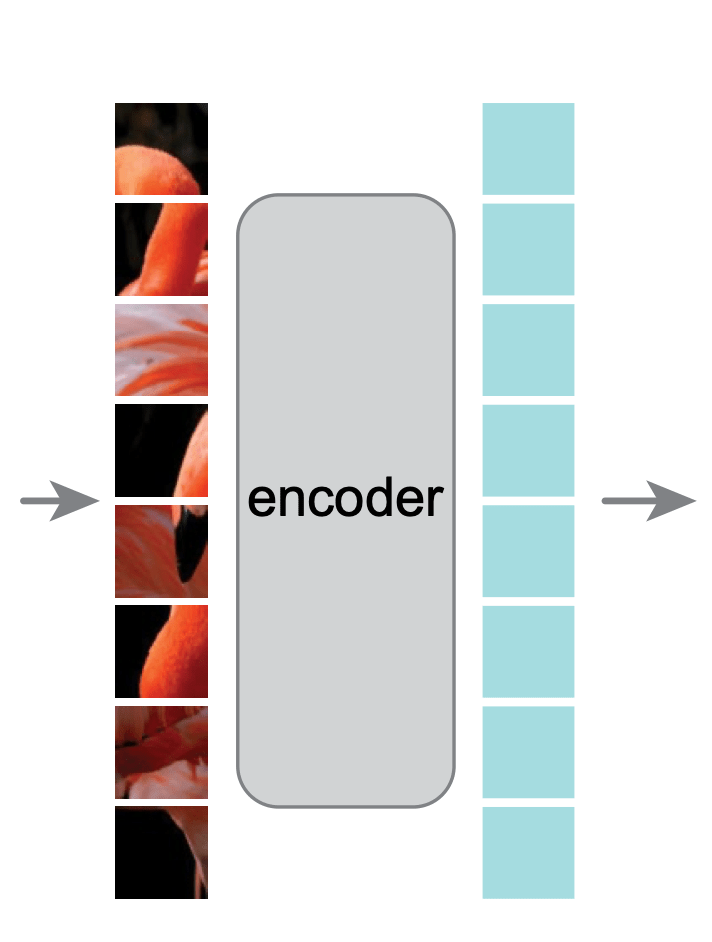
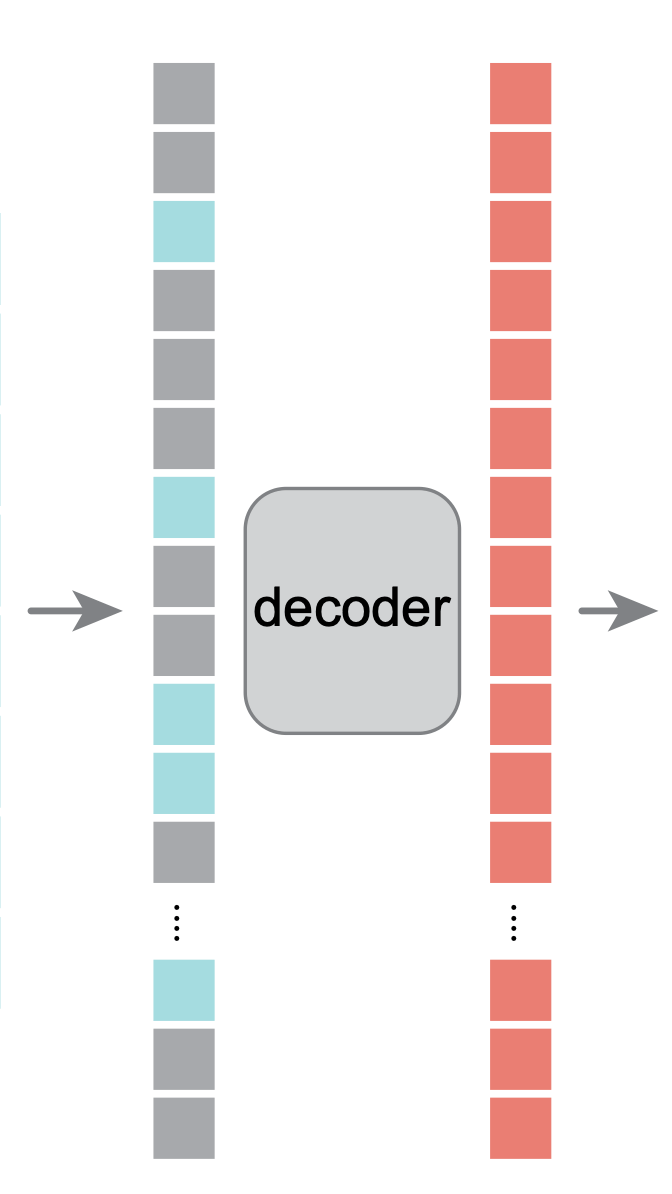
Hard reconstruction, forces understanding.
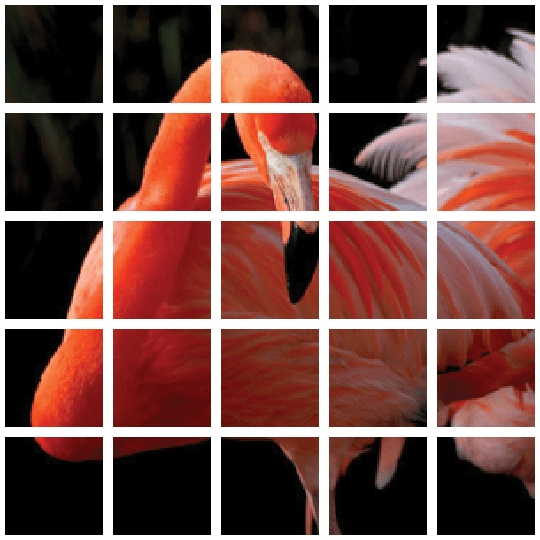
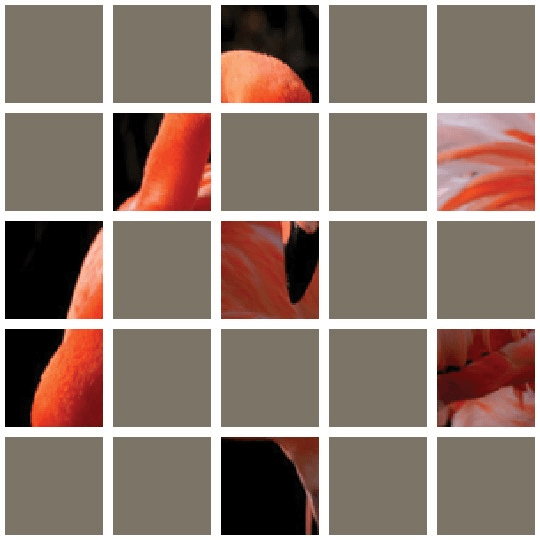
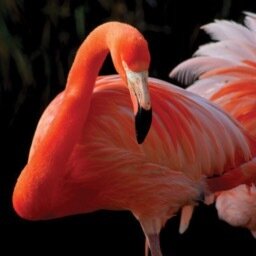
Masked Auto-Encoder (Vision)
[He, et al. Masked Autoencoders Are Scalable Vision Learners, 2021]
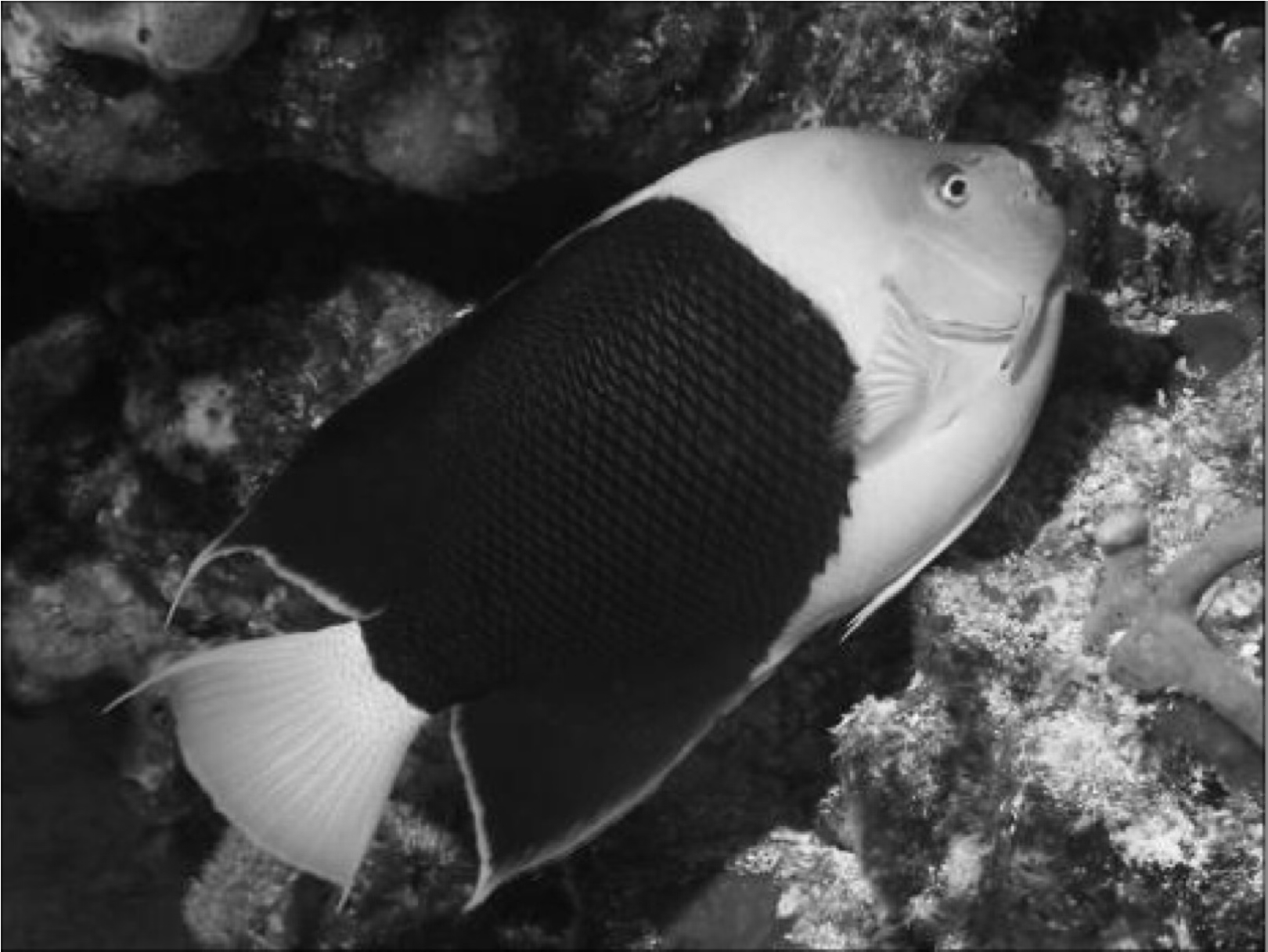
[Zhang, Isola, Efros, ECCV 2016]
e.g. masking channels
1. Masking
predict color from gray-scale
[Zhang, Isola, Efros, ECCV 2016]
1. Masking
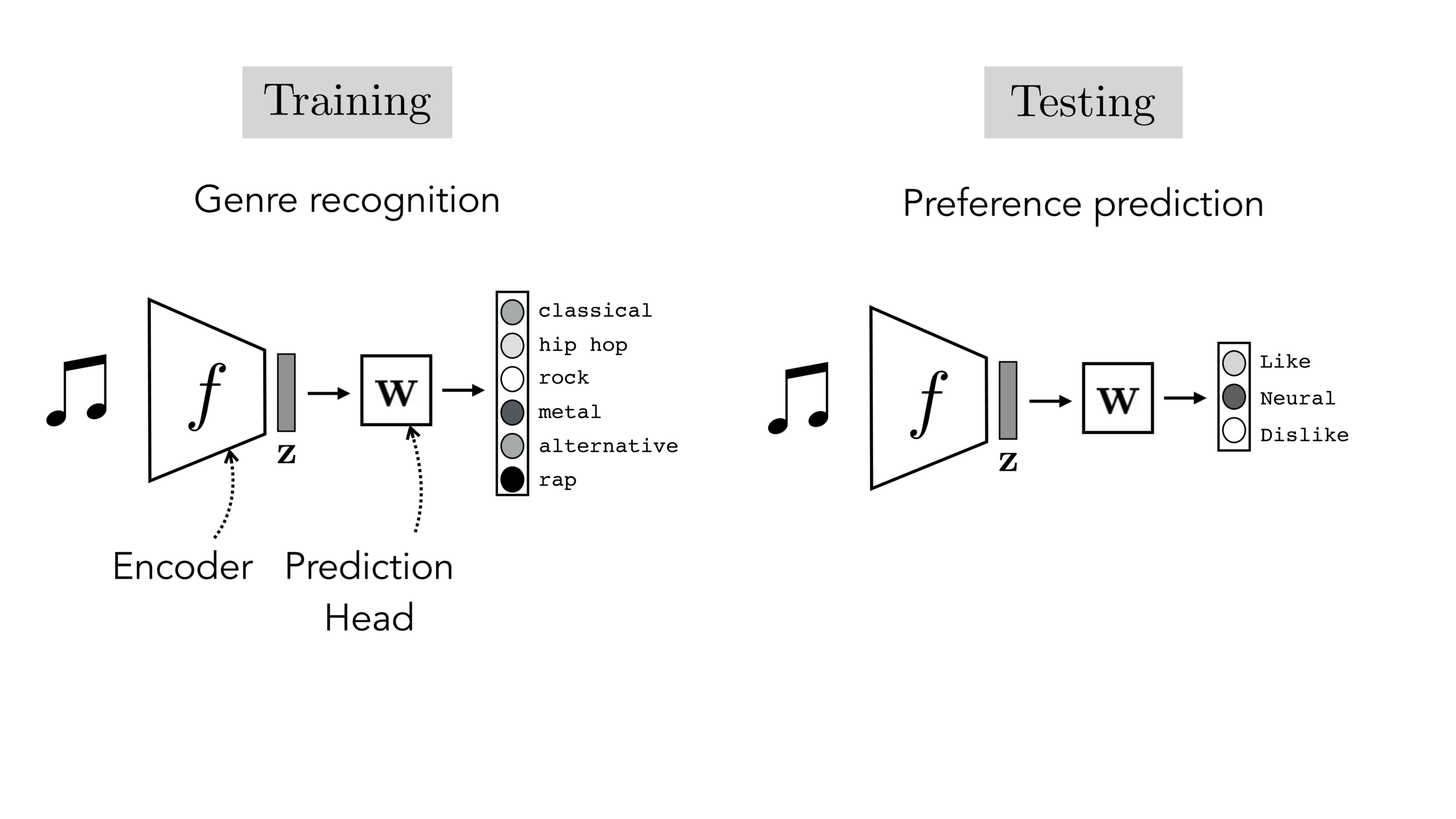
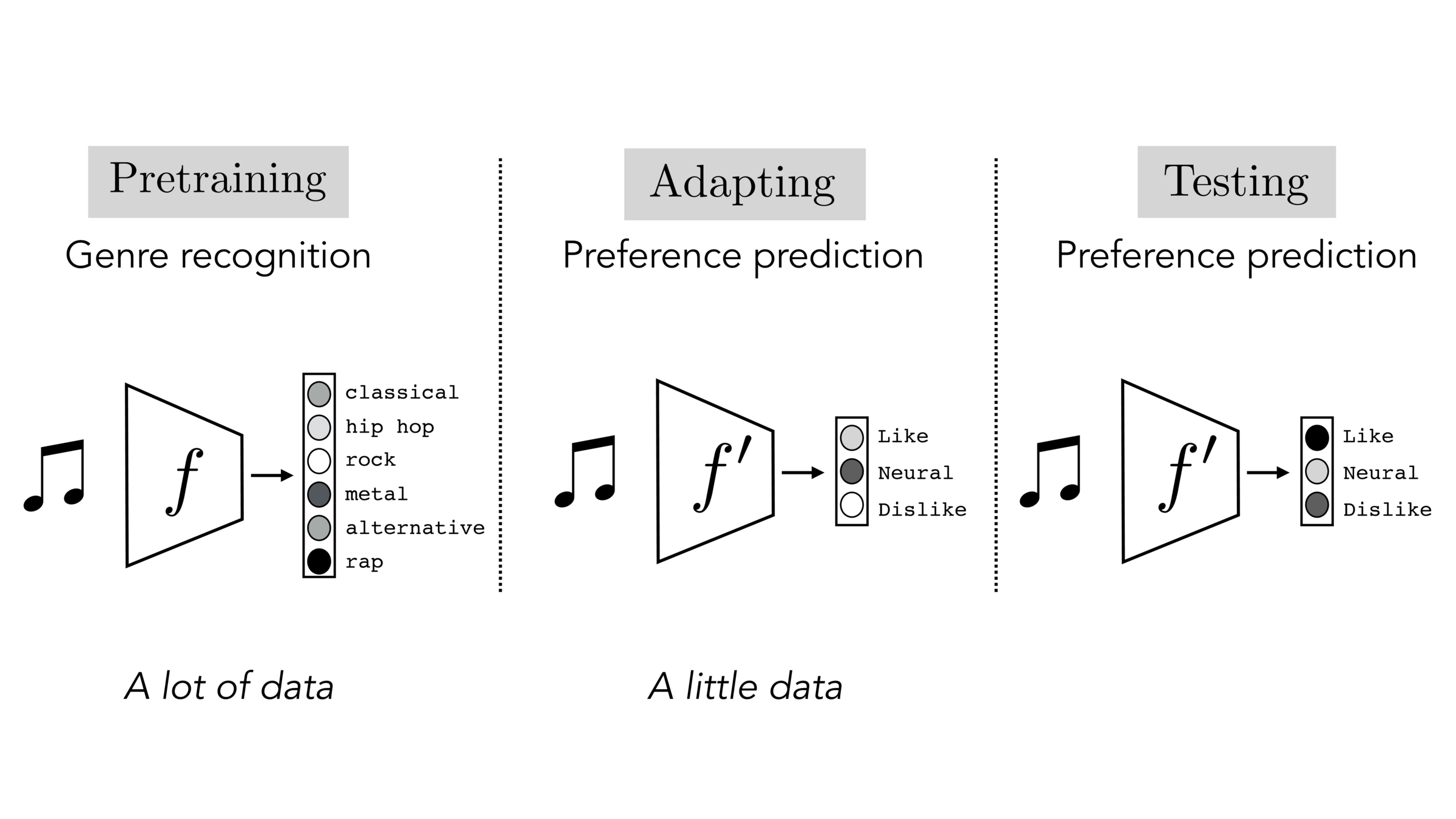
Often, what we will be “tested” on is not what we were trained on.
"common"-sense representation
task-specific prediction
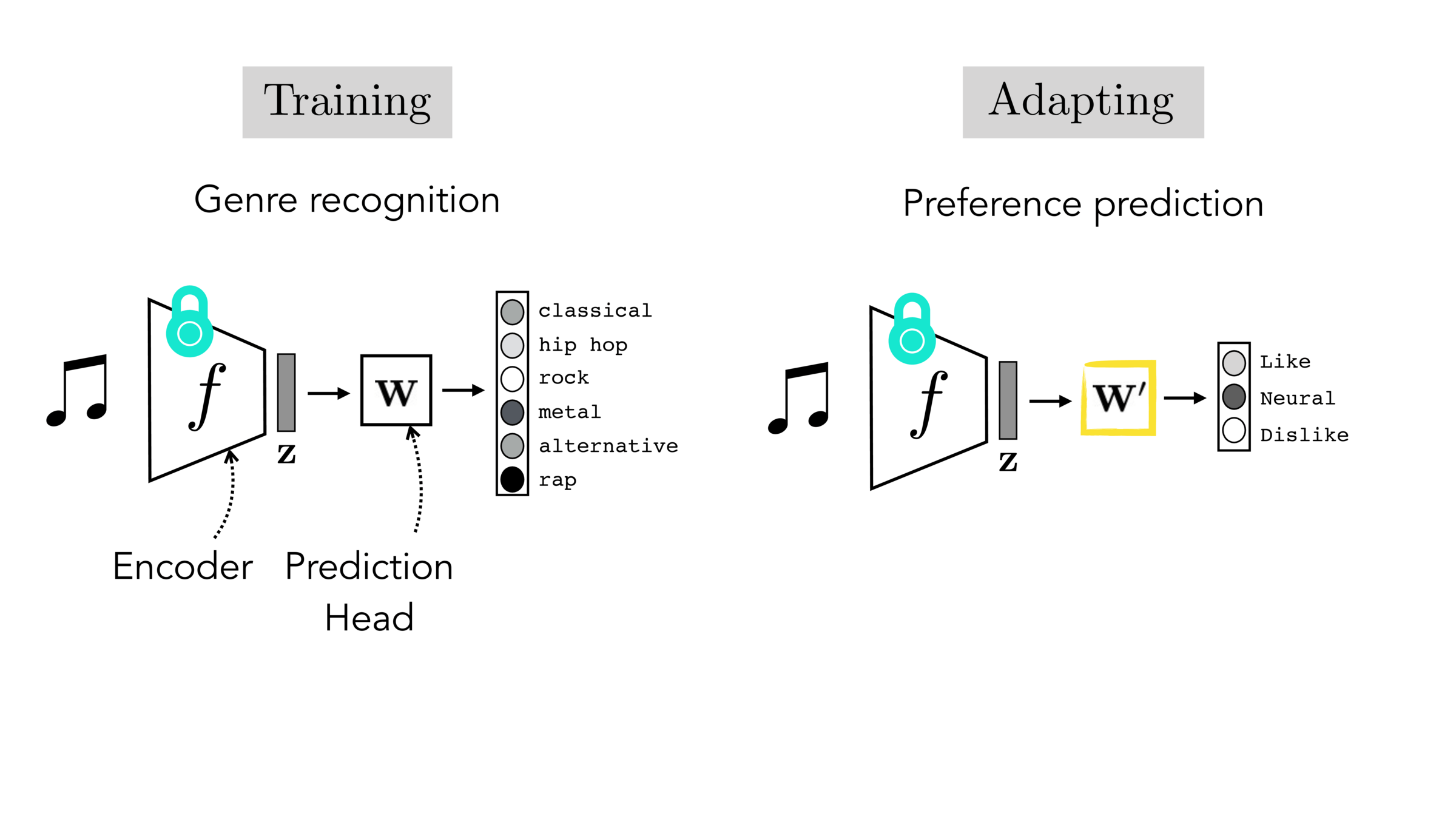
Final-layer adaptation: freeze \(f\), train a new final layer to new target data
"common"-sense representation
task-specific prediction
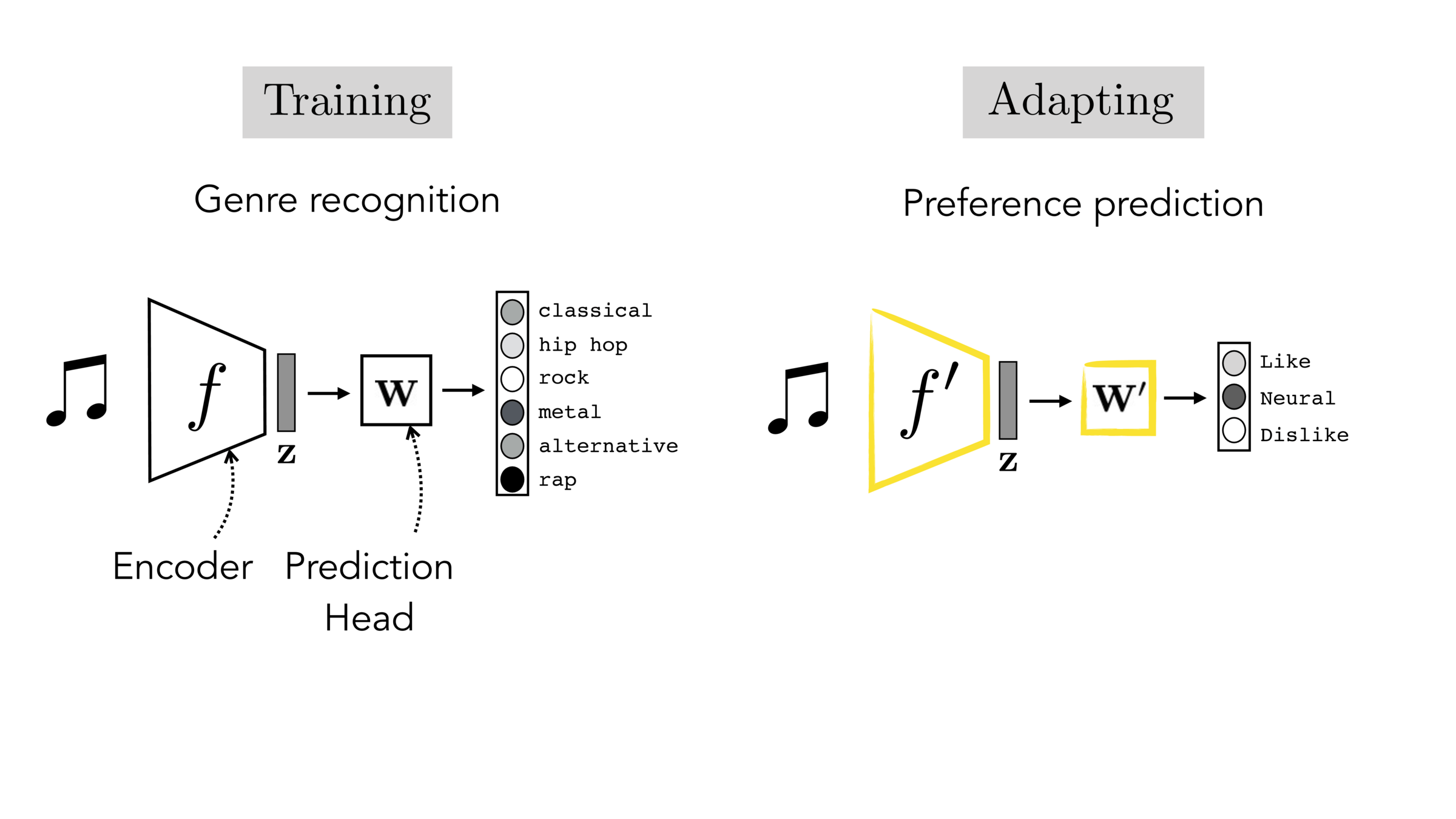
Finetuning: initialize \(f’\) as \(f\), then continue training for \(f'\) as well, on new target data
"common"-sense representation
task-specific prediction
Large Language Models (LLMs) are trained in this self-supervised way
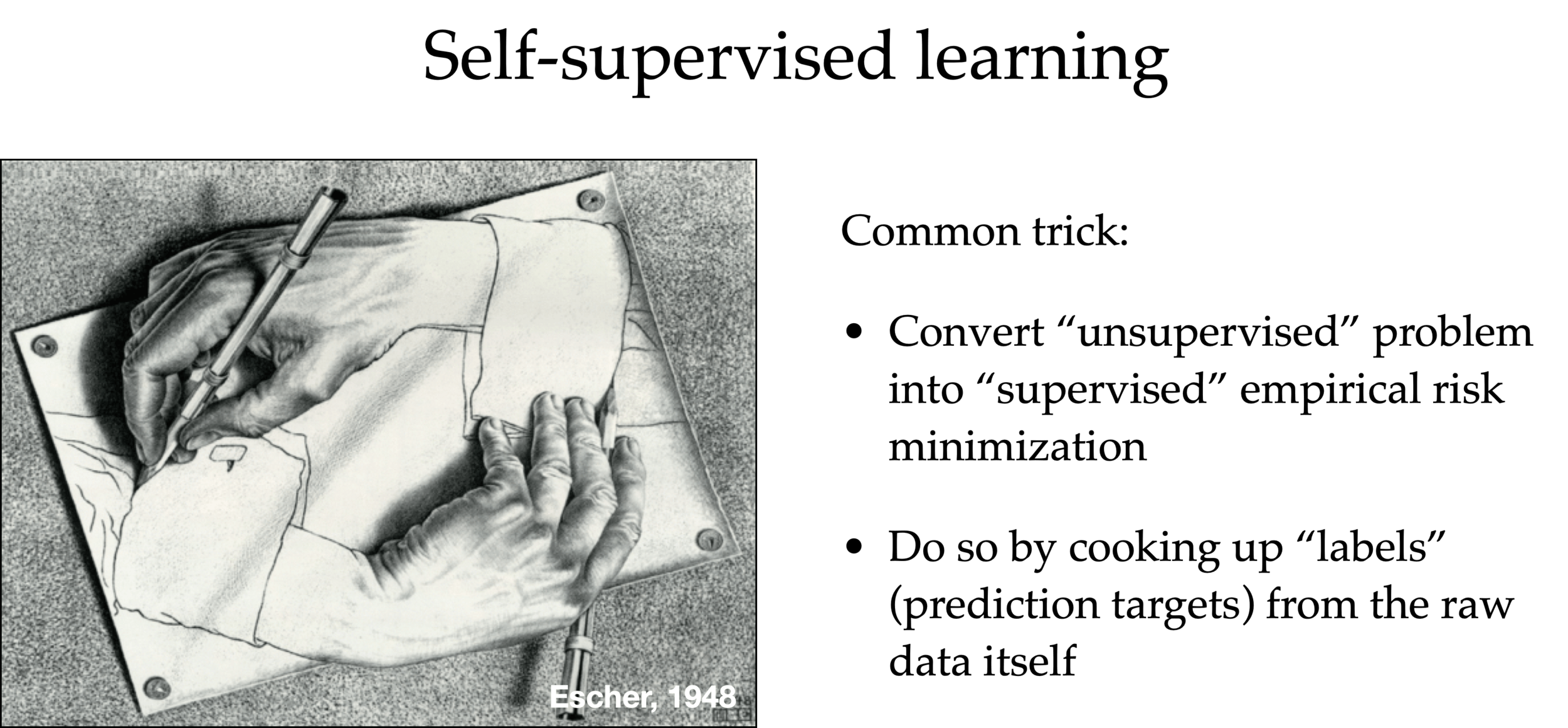
- Scrape the internet for plain texts.
- Cook up “labels” (prediction targets) from these texts.
- Convert “unsupervised” problem into “supervised” setup.
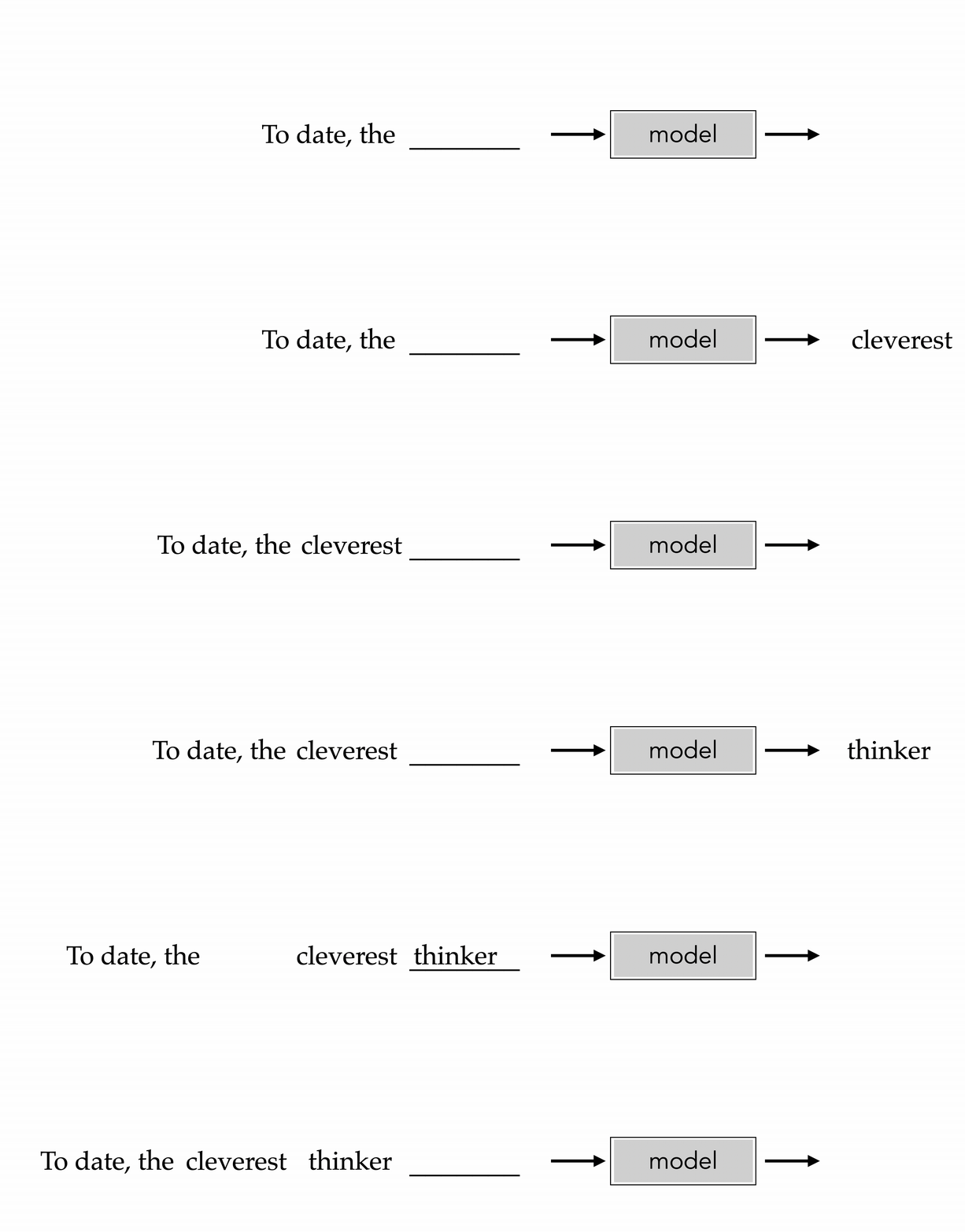
"To date, the cleverest thinker of all time was Issac. "
feature
label
To date, the
cleverest
\dots
To date, the cleverest
thinker
To date, the cleverest thinker
was
\dots
\dots
\dots
To date, the cleverest thinker of all time was
Issac
[video edited from 3b1b]
Word embedding
dot-product similarity
[video edited from 3b1b]
dot-product similarity
For now, let's look at how good embeddings enable "soft" dictionary look-up:
dict_en2fr = {
  "apple" : "pomme",
  "banana": "banane",
  "lemon" : "citron"}
Good word embeddings space is equipped with sensible dot-product similarity
Key
Value
apple
pomme
\(:\)
banane
banana
\(:\)
citron
lemon
\(:\)
dict_en2fr = {
  "apple" : "pomme",
  "banana": "banane",
  "lemon" : "citron"}

query = "lemon"
output = dict_en2fr[query]
apple
pomme
banane
citron
banana
lemon
Key
Value
lemon
\(:\)
\(:\)
\(:\)
Query
Output
citron
dict_en2fr = {
  "apple" : "pomme",
  "banana": "banane",
  "lemon" : "citron"}

query = "orange"
output = dict_en2fr[query]
Python would complain. 🤯
orange
apple
pomme
banane
citron
banana
lemon
Key
Value
\(:\)
\(:\)
\(:\)
Query
Output
???
What if we run
What if we run
But we can probably see the rationale behind this:
Query
Key
Value
Output
orange
apple
\(:\)
pomme
banana
\(:\)
banane
lemon
\(:\)
citron
dict_en2fr = {
  "apple" : "pomme",
  "banana": "banane",
  "lemon" : "citron"}

query = "orange"
output = dict_en2fr[query]
0.1
pomme
0.1
banane
0.8
citron
+
+
0.1
pomme
0.1
banane
0.8
citron
+
+
via these merging percentages [0.1 0.1 0.8] made sense
We put (query, key, value) in "good" embeddings in our human brain
such that "merging" the values
Query
Key
Value
Output
orange
apple
\(:\)
pomme
0.1
pomme
0.1
banane
0.8
citron
banana
\(:\)
banane
lemon
\(:\)
citron
+
+
orange
orange
0.1
pomme
0.1
banane
0.8
citron
+
+
apple
banana
lemon
orange
0.8
0.1
0.1
pomme
banane
citron
+
+
very roughly, the attention mechanism in transformers automates this process.
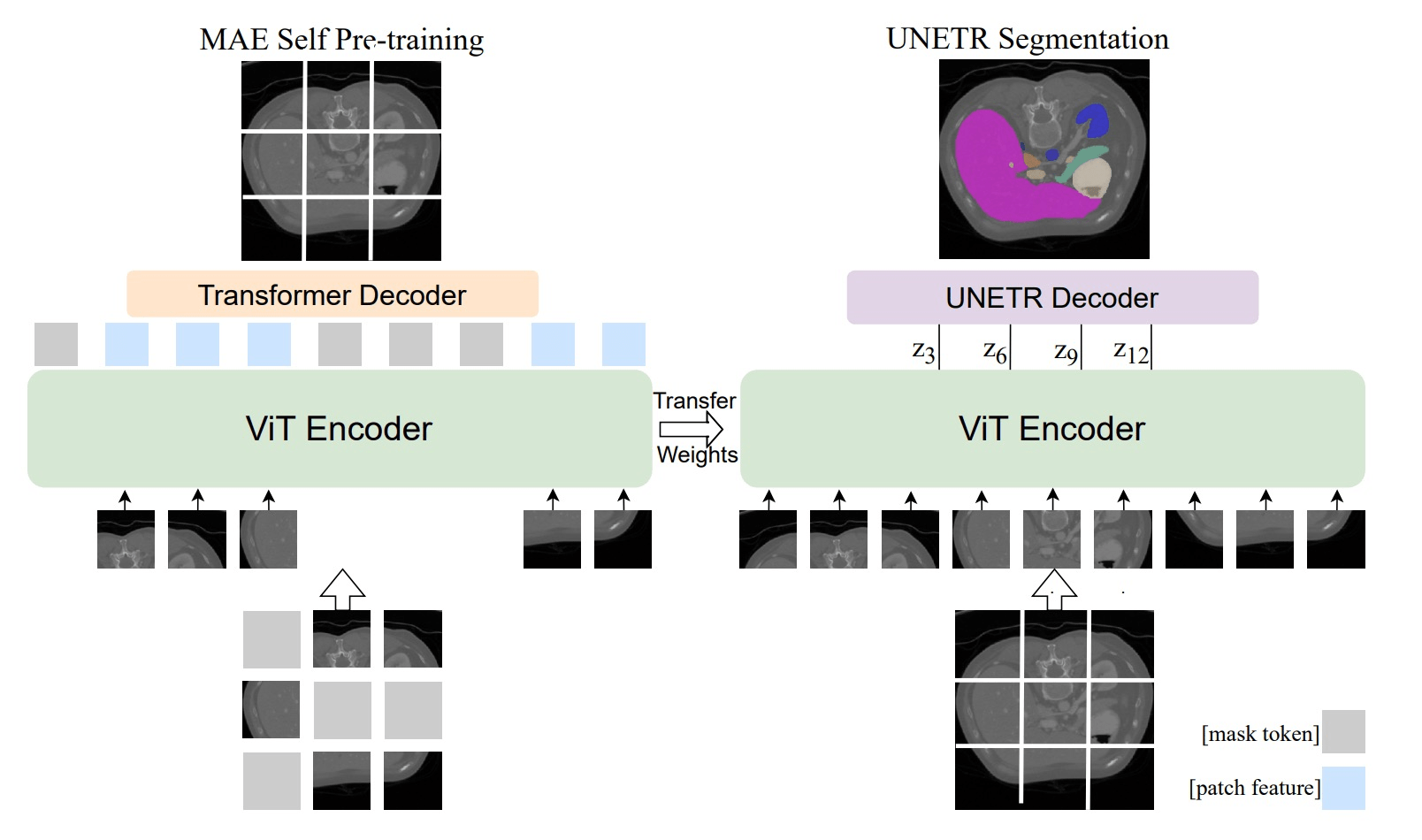
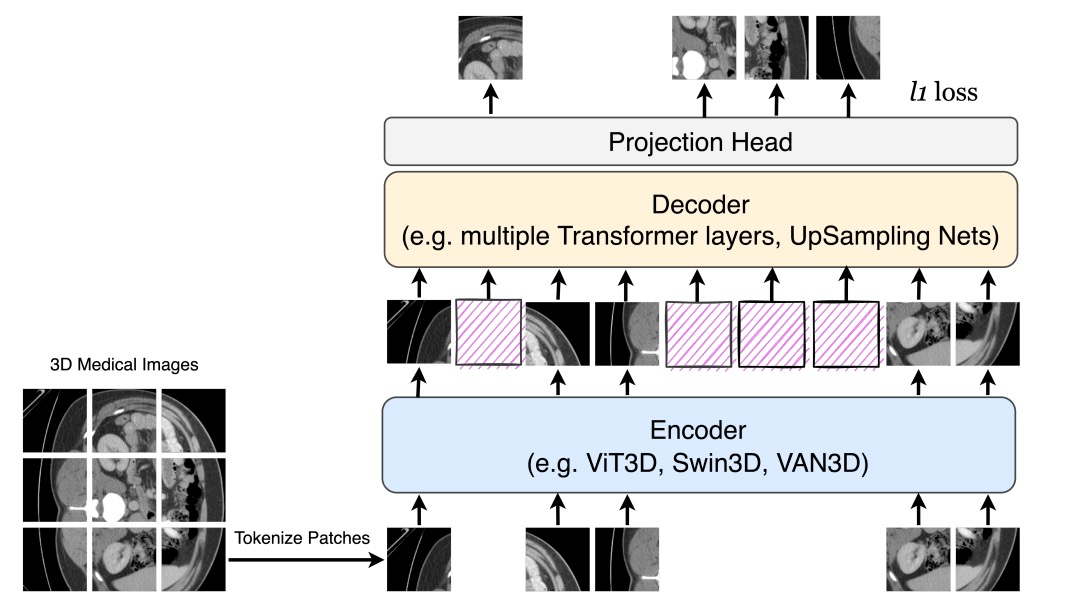
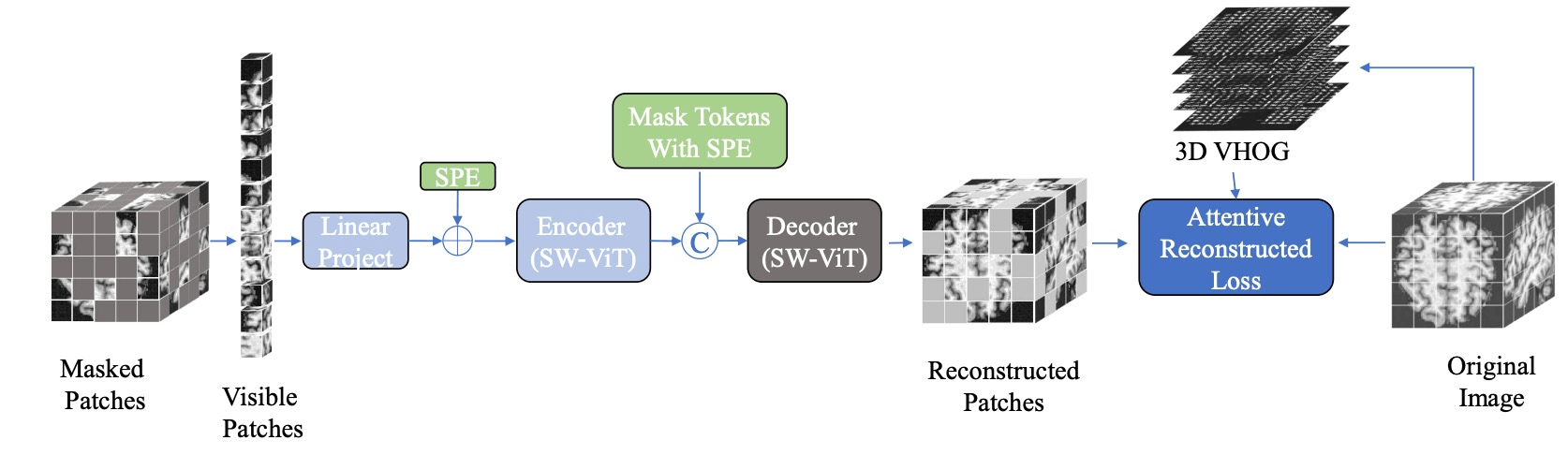
e.g. medical imaging
[Zhou+,'22; Chen+,'22; Huang+,'22; An+,'22]
1. Masking
e.g. 3d geometry
[Pang+, '22; Liang+, '22; Min+, '22; Krispel+, '22]
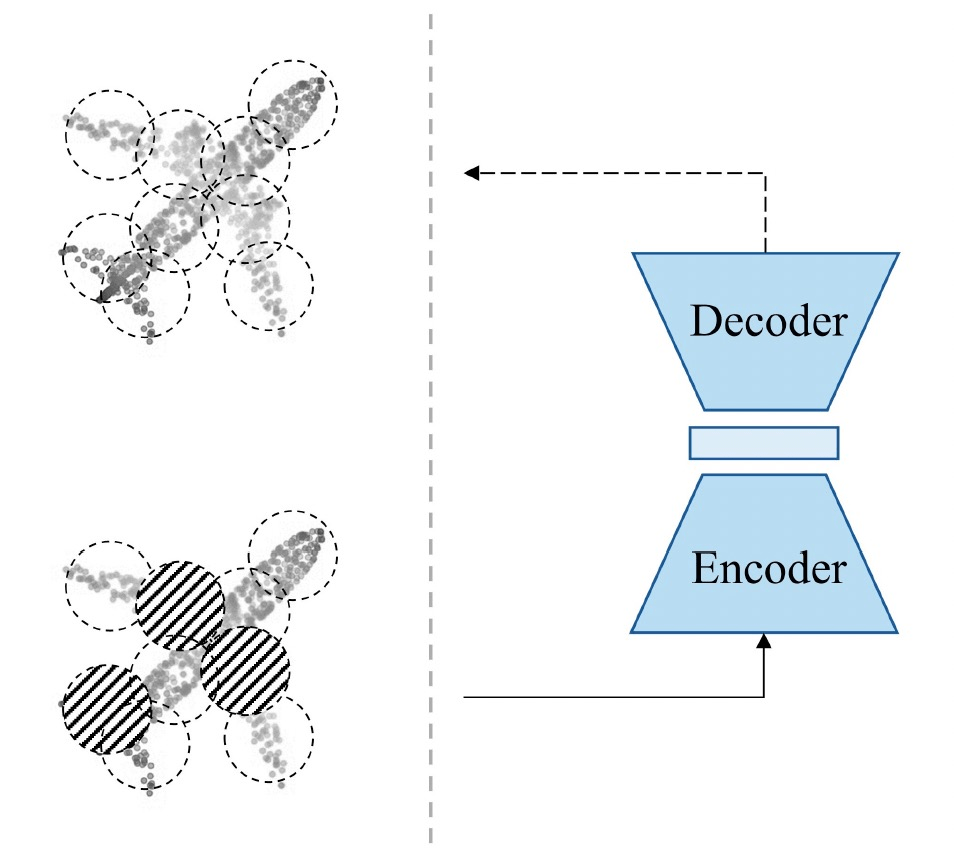
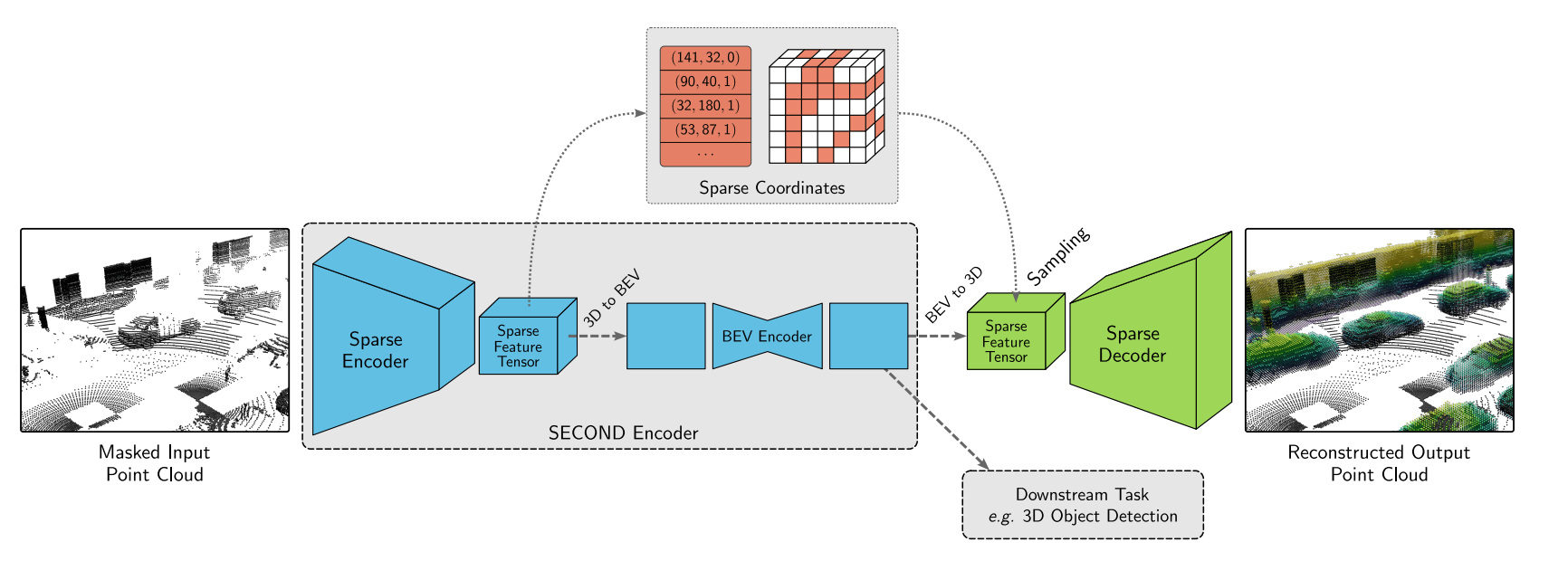
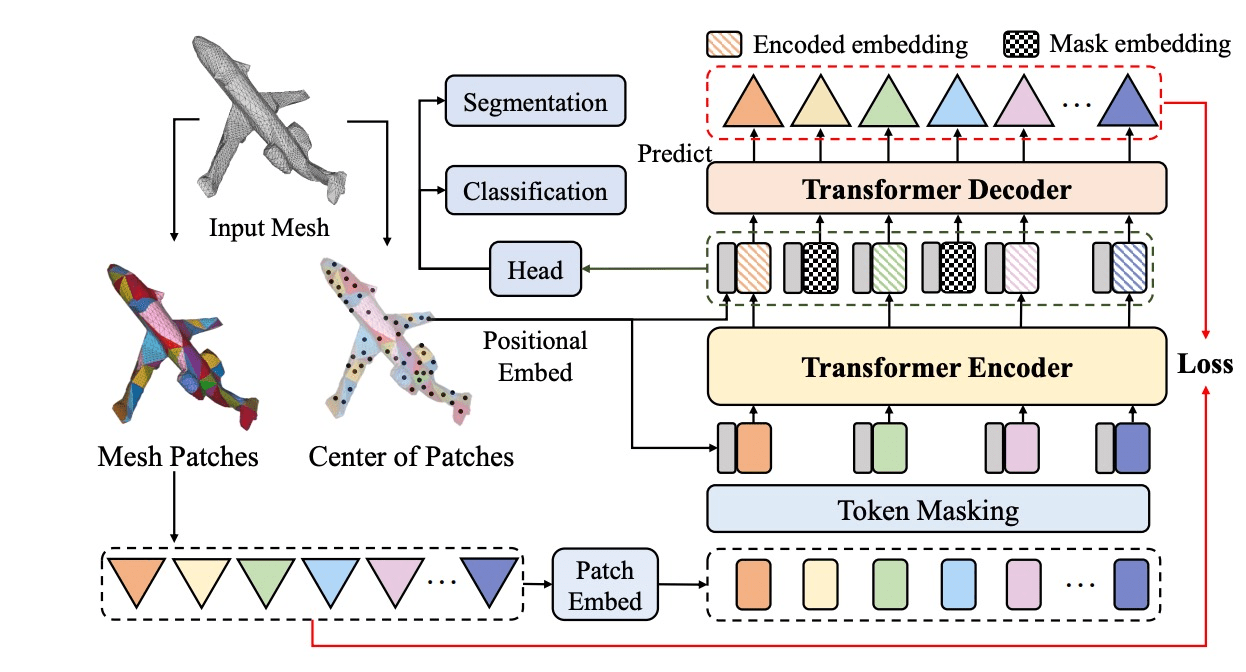
1. Masking
e.g. audio
[Baade+, '22; Chong+, '22; Niizumi, '22; Huang+, '22]
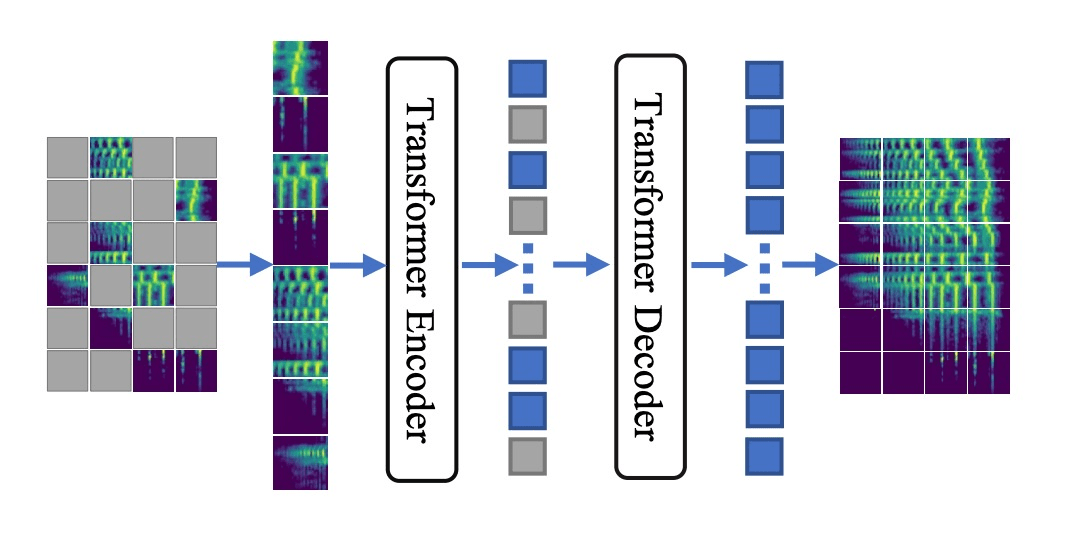
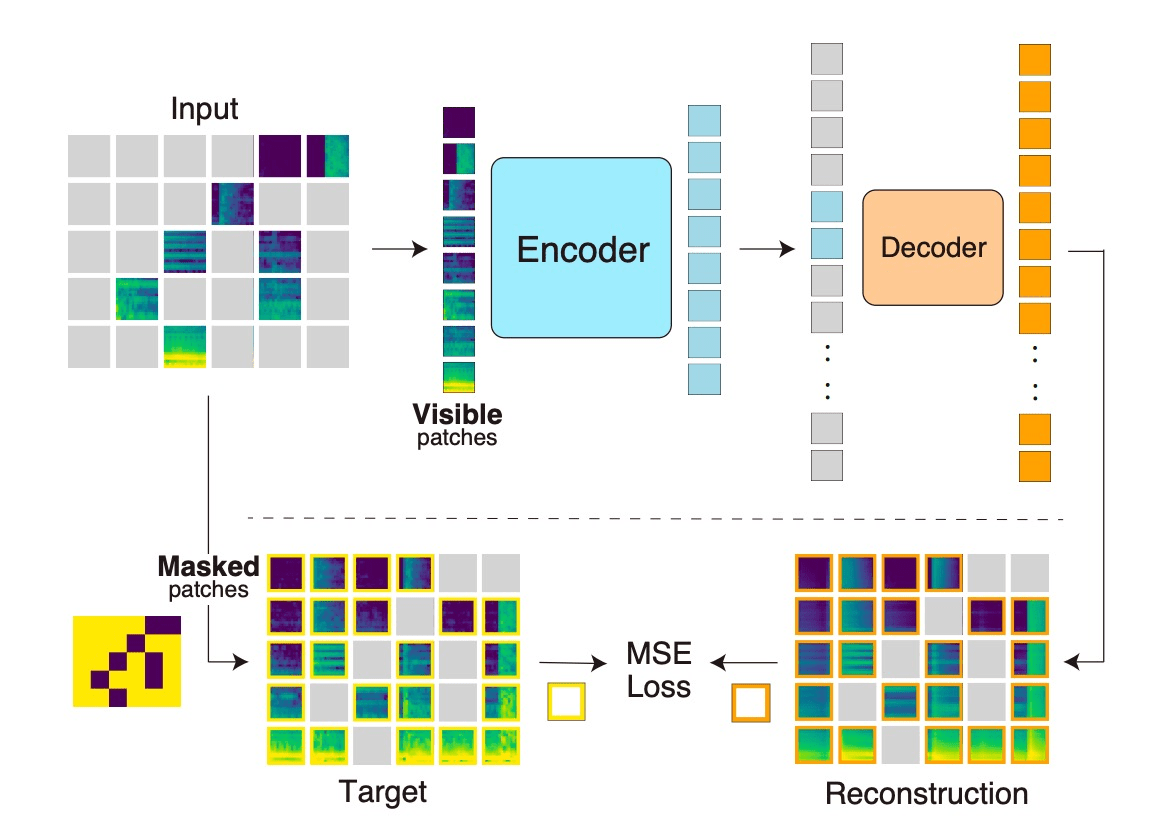
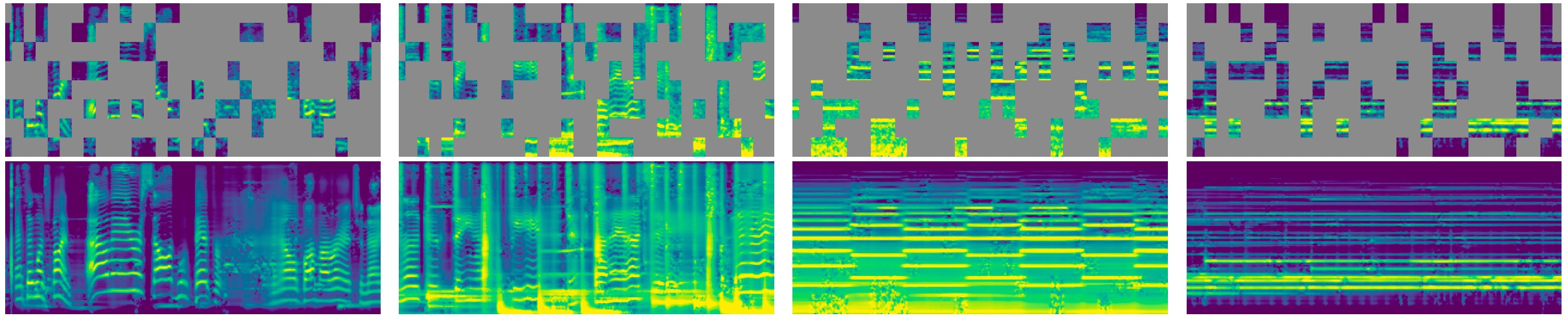
1. Masking
e.g. graphs
[Tan+, '22; Zhang+, '22; Hou+, '22; Li+, '22]
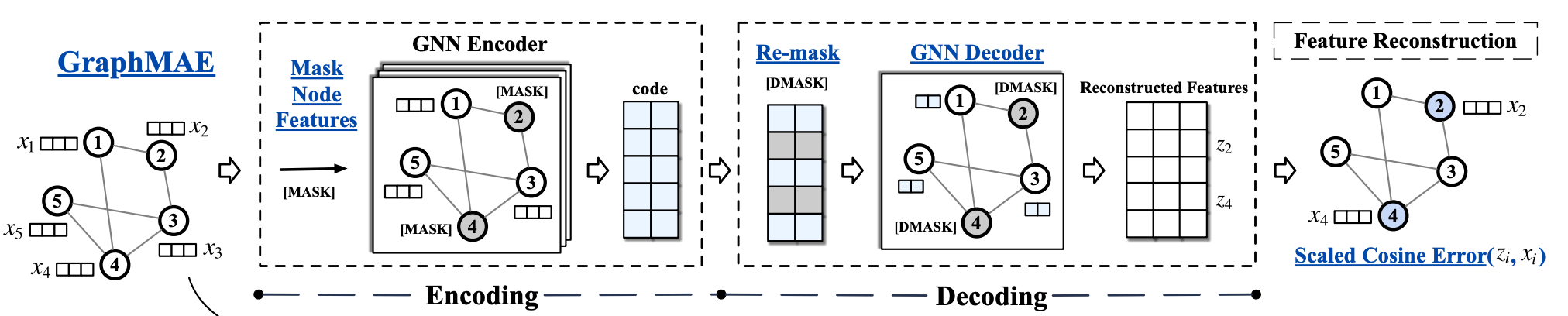
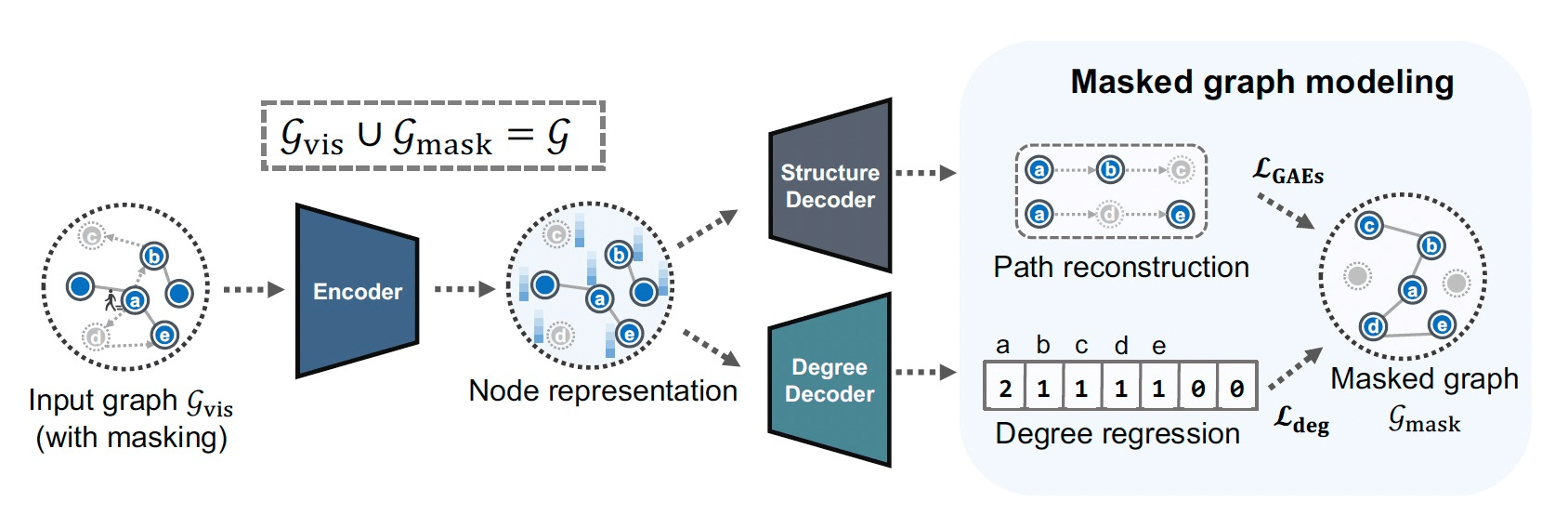
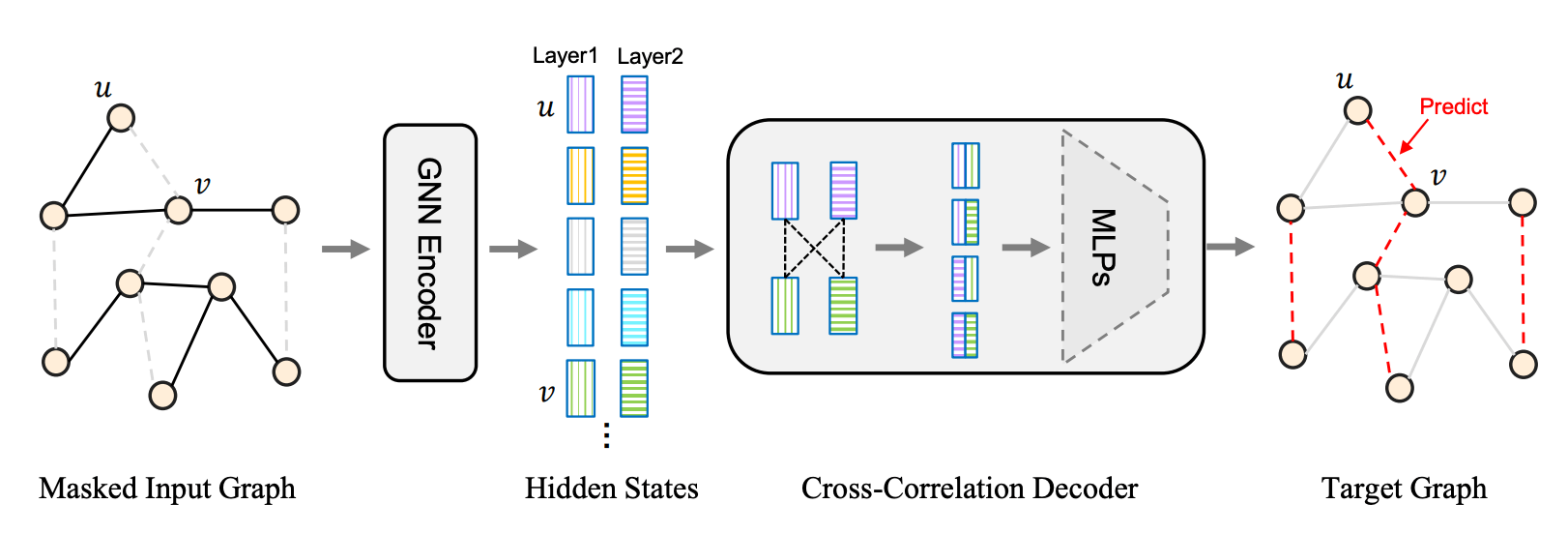
1. Masking
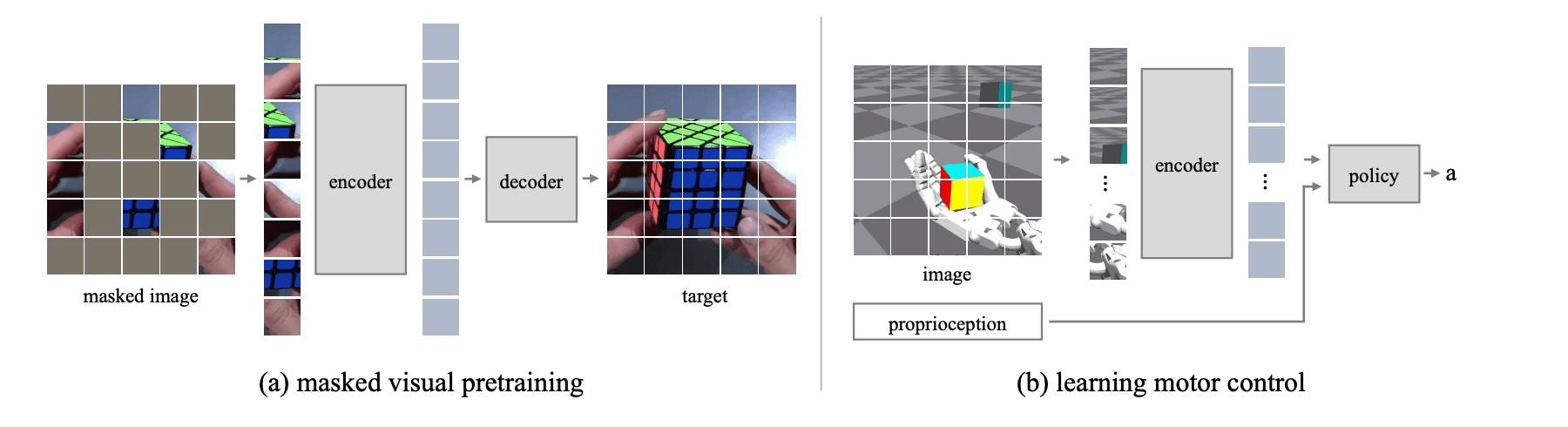
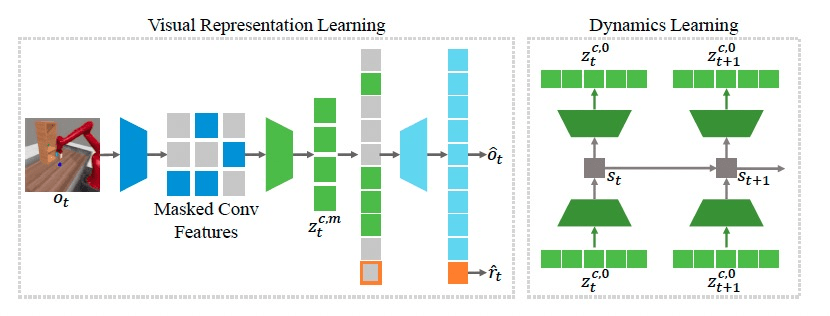
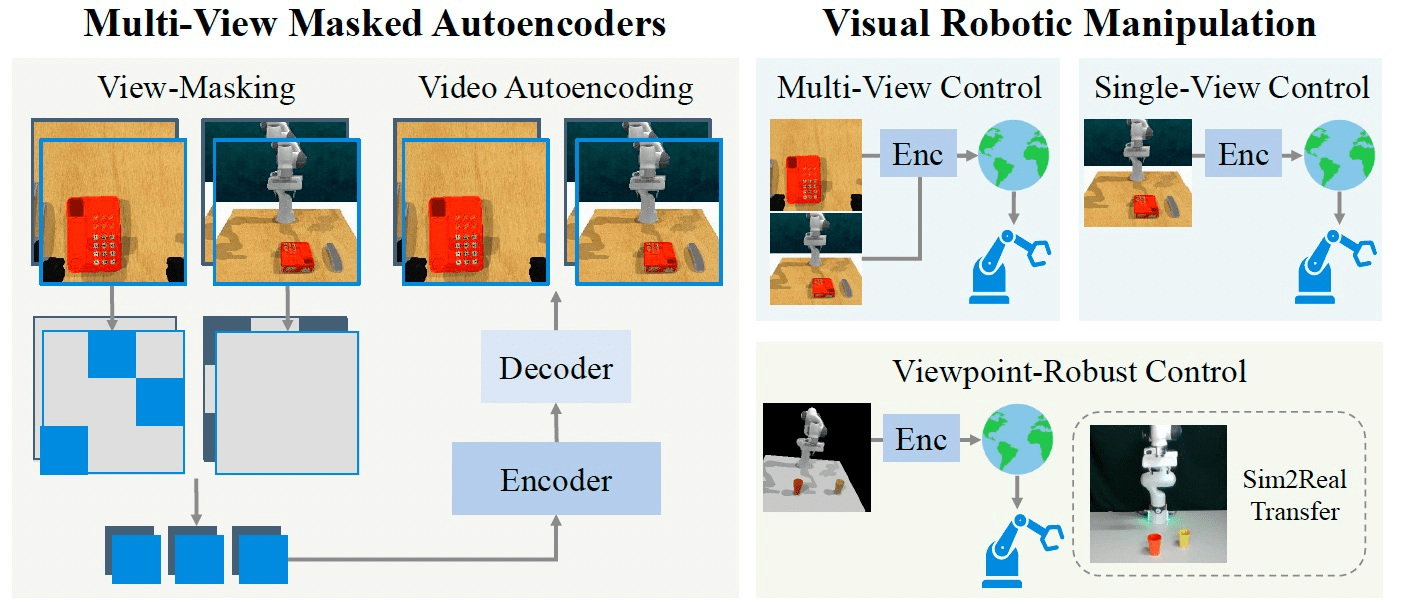
e.g. robotics
[Xiao+, '22; Radosavovic+, '22; Seo+, '22;]
1. Masking
[Feichtenhofer, et al., "Masked Autoencoders As Spatiotemporal Learners", NeurIPS 2022]
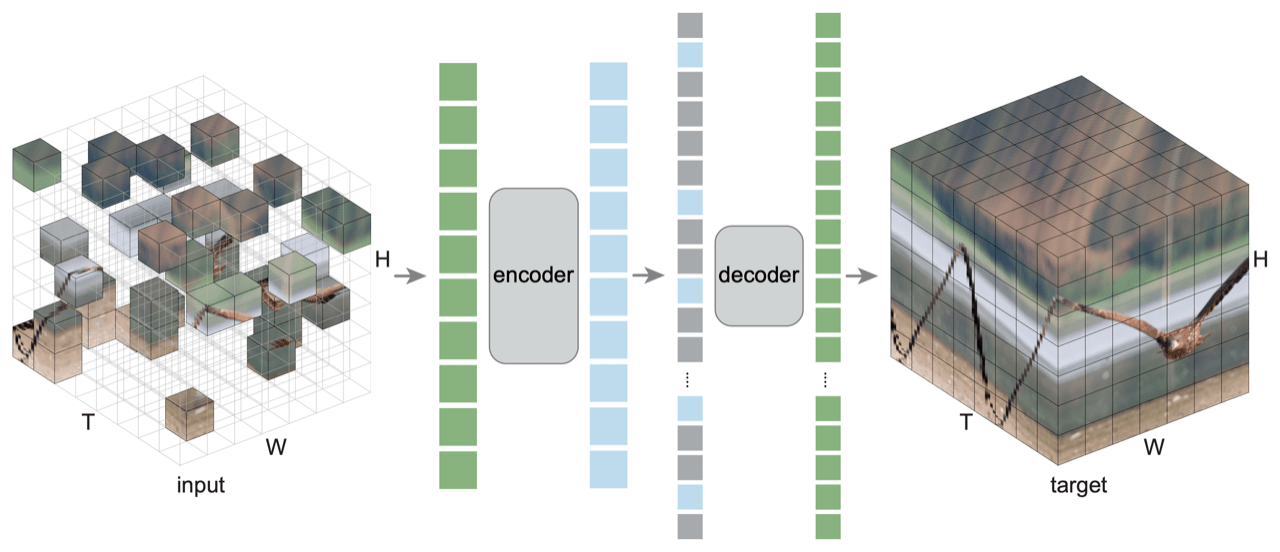
1. Masking
[Feichtenhofer, et al., "Masked Autoencoders As Spatiotemporal Learners", NeurIPS 2022]
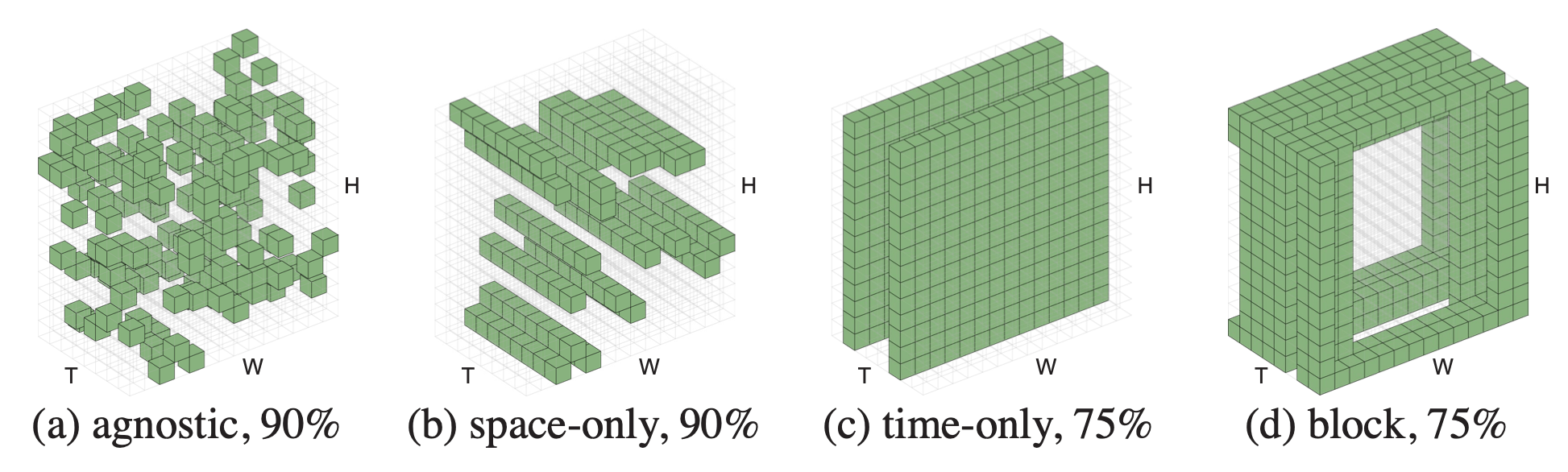
1. Masking
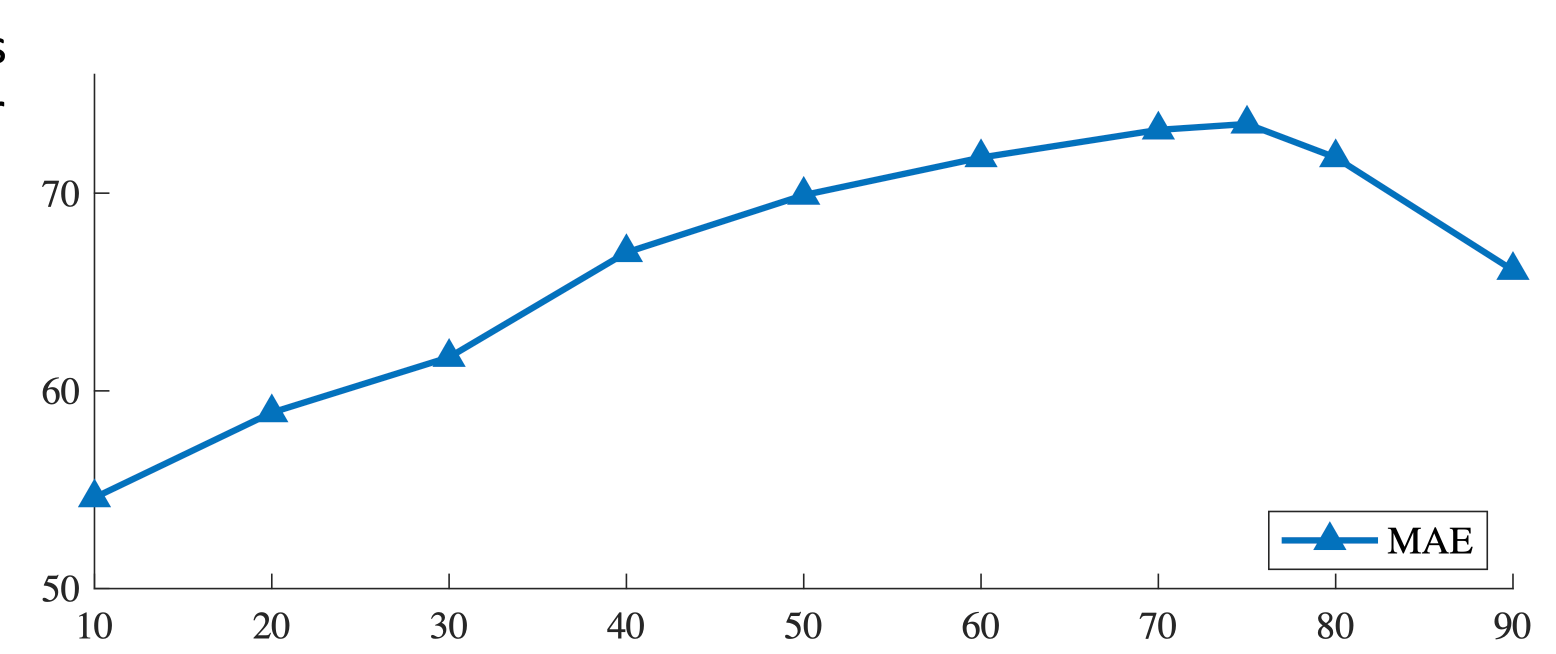
[He, et al. Masked Autoencoders Are Scalable Vision Learners, 2021]
masking ratio
transfer accuracy
masking 75% is
optimal for images
1. Masking
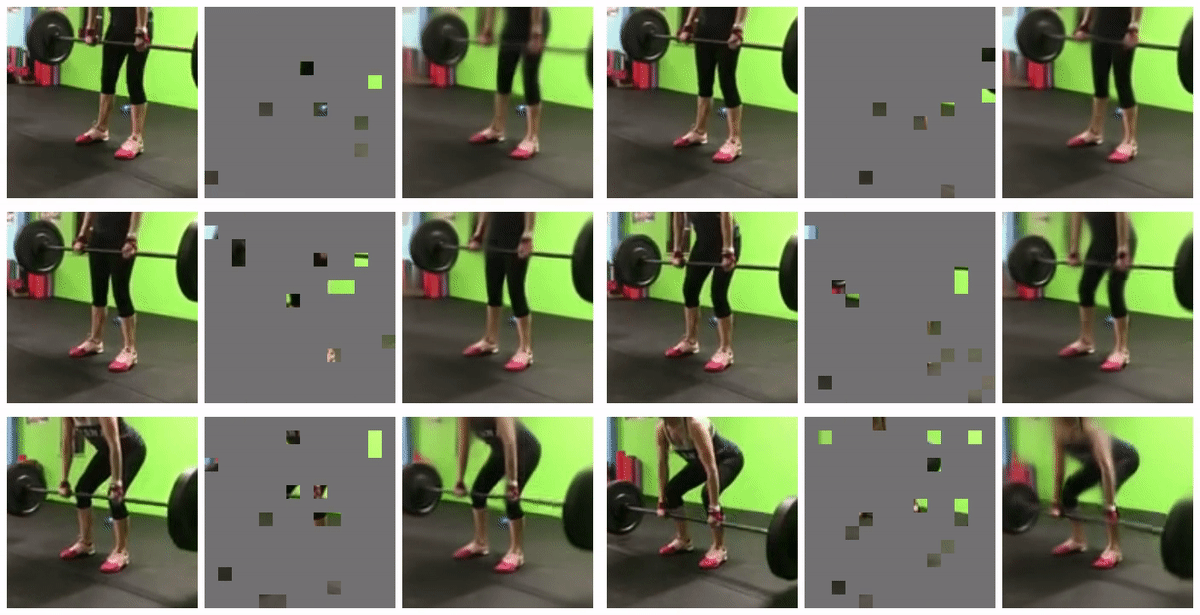
95% masked
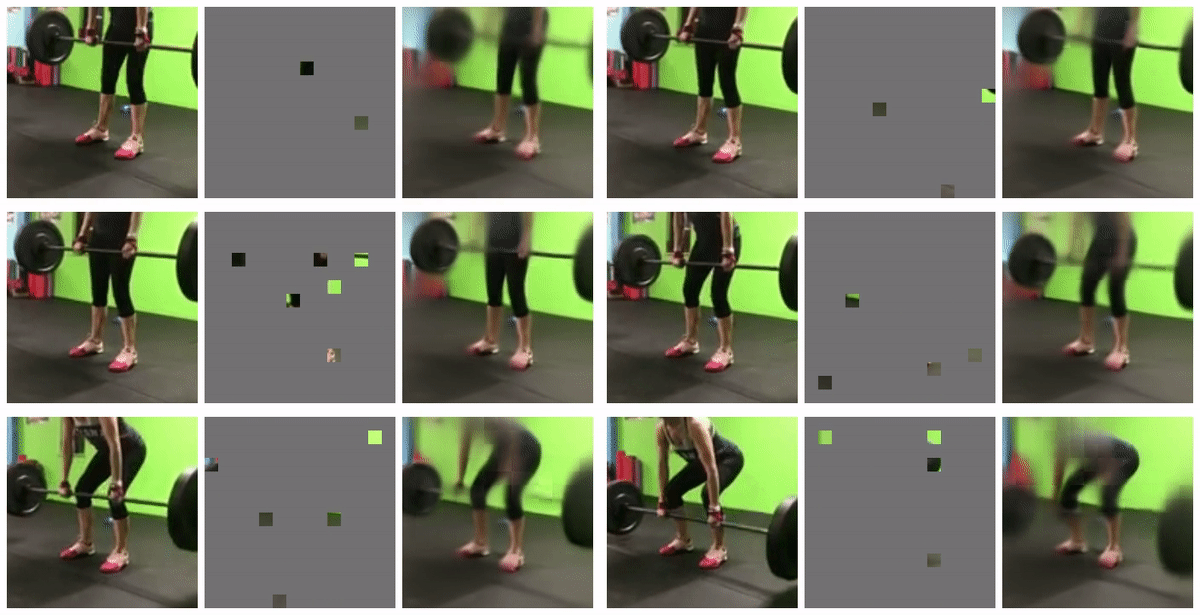
98% masked
Similar empirical studies shows 15% as optimal for languages, and 95% for videos
1. Masking
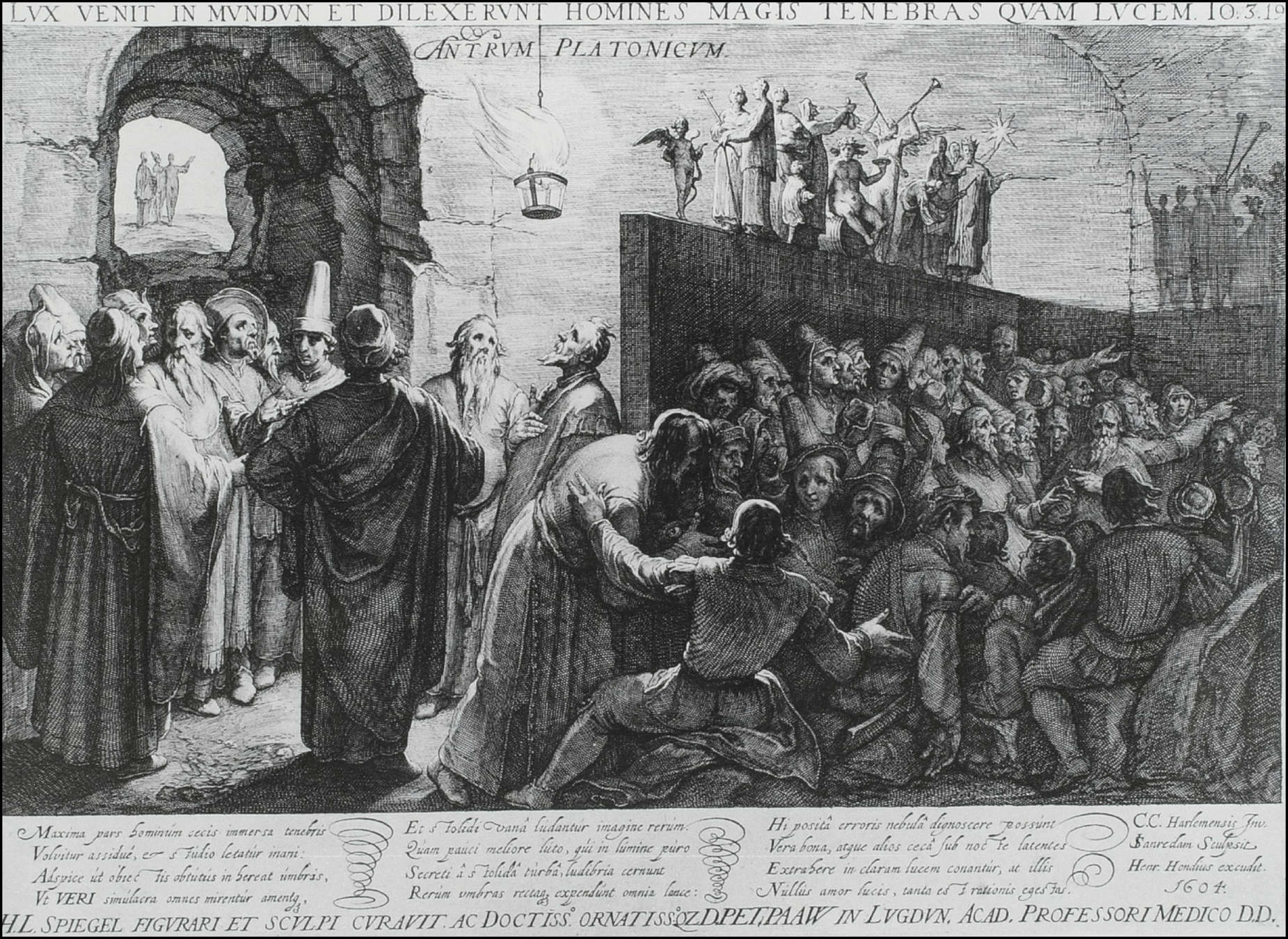
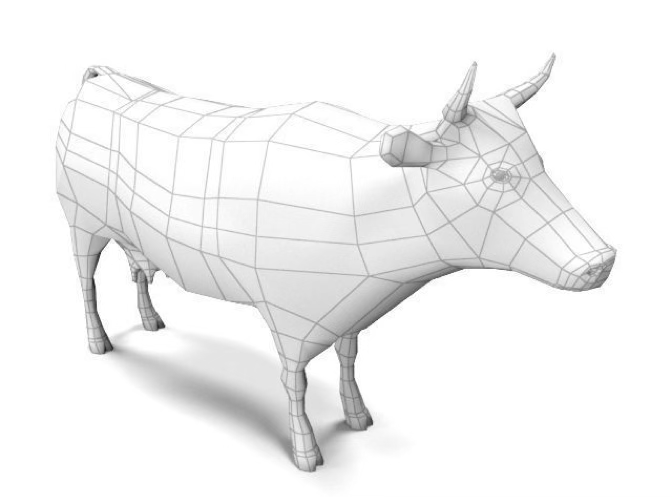

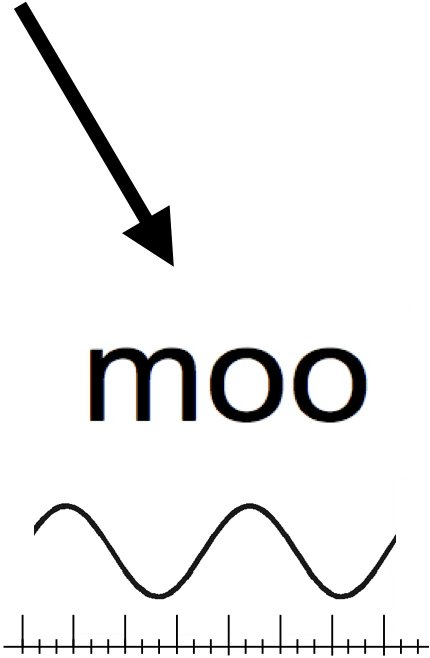
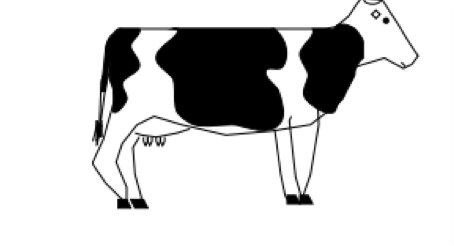
The allegory of the cave
2. Contrastive learning

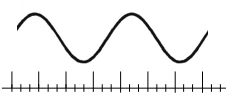
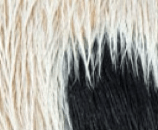
[images credit: visionbook.mit.edu]
2. Contrastive learning
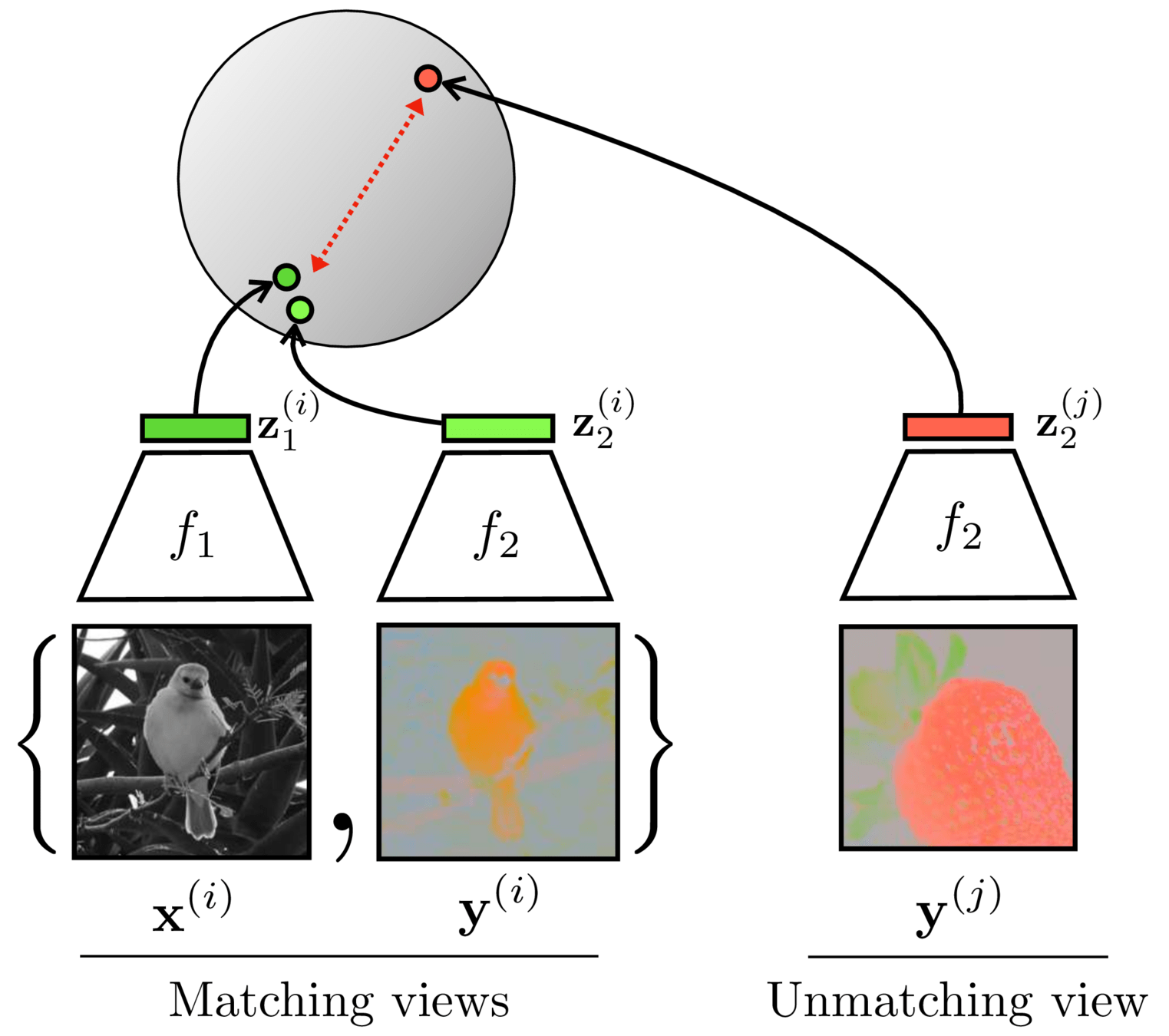
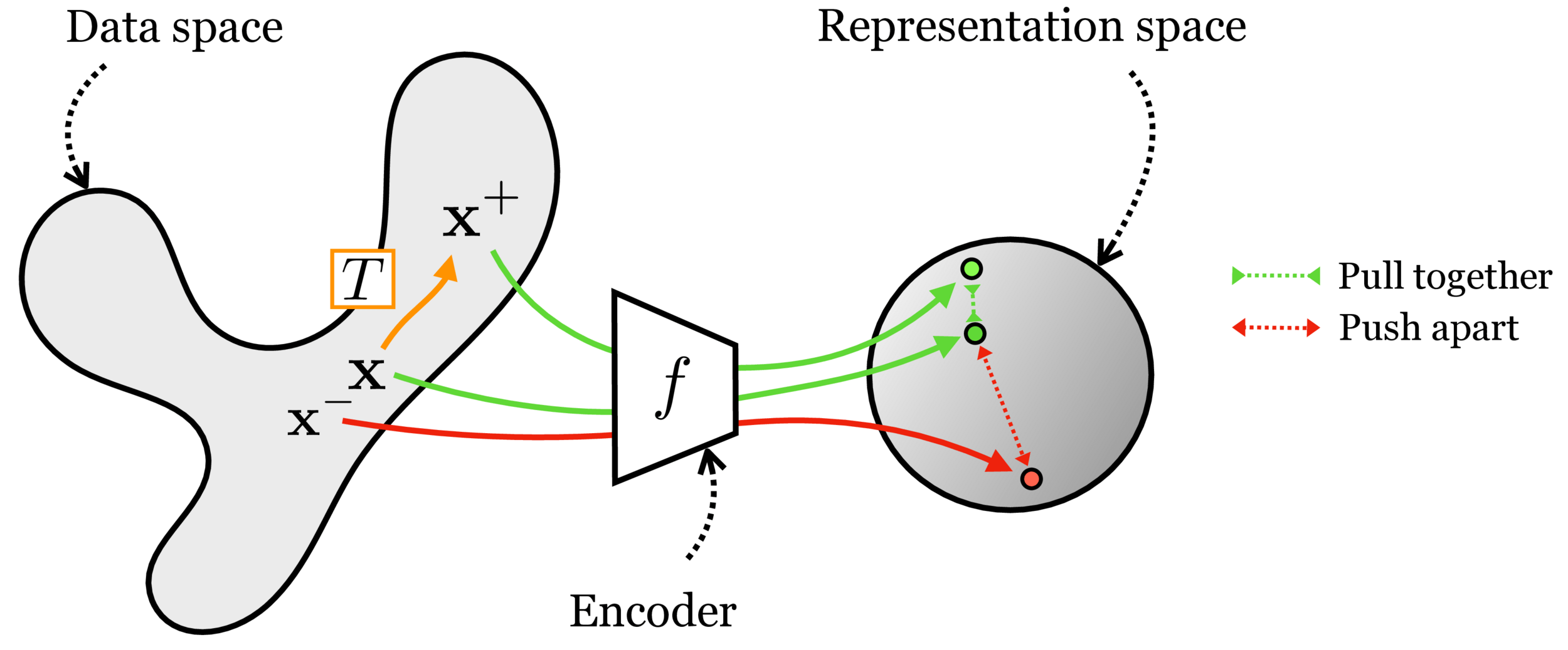
[images credit: visionbook.mit.edu]
2. Contrastive learning
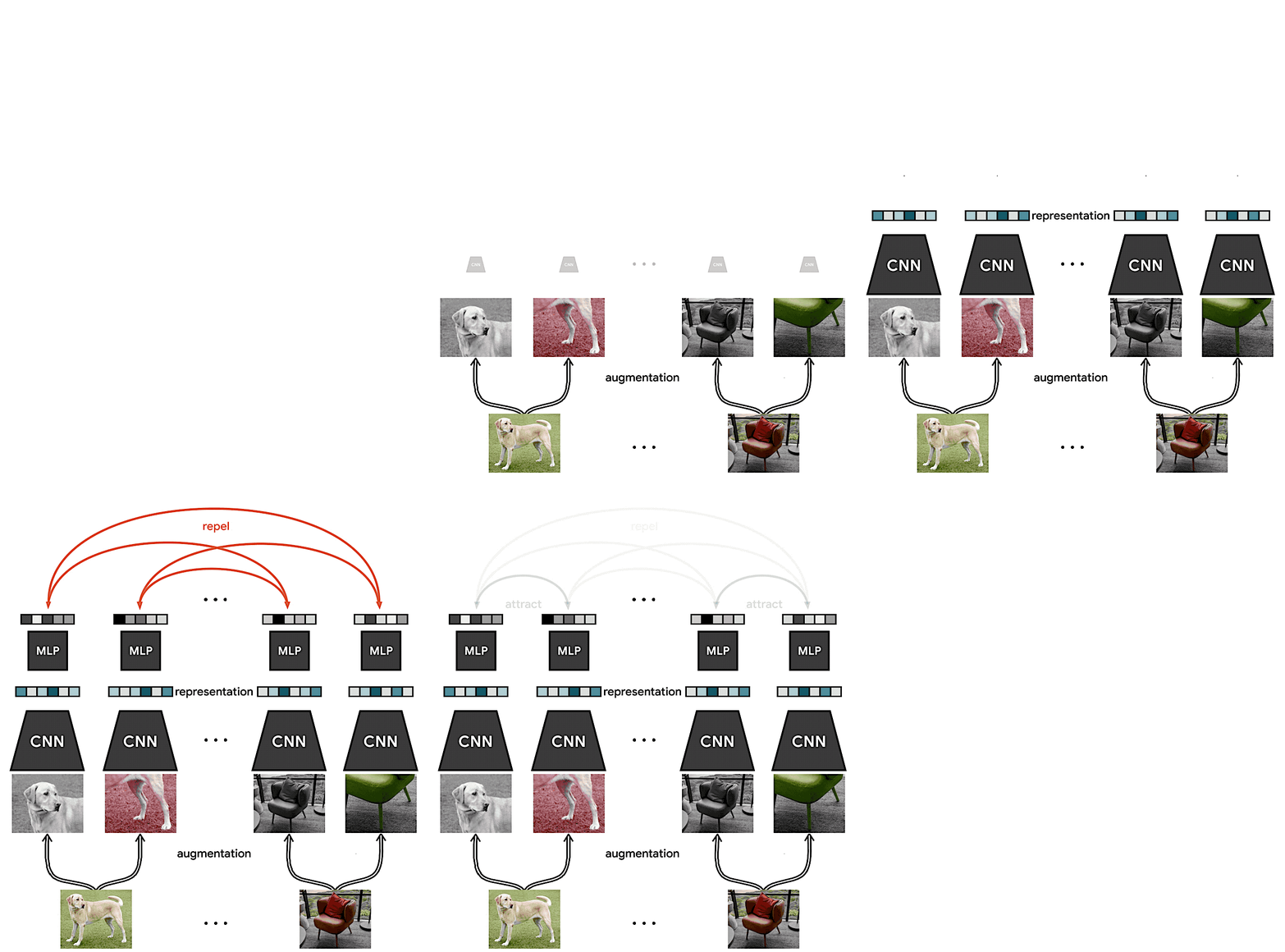
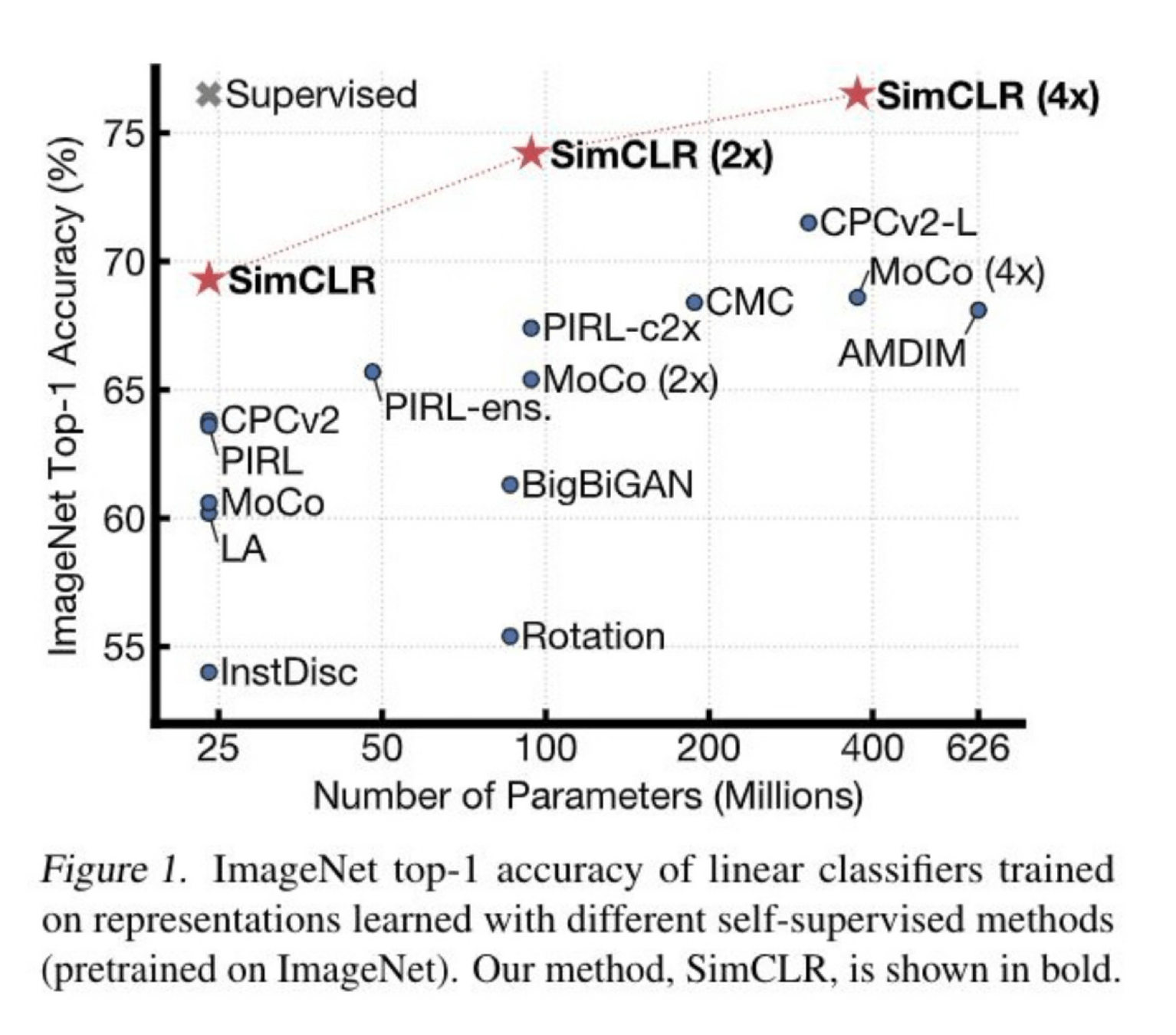
[Chen, Kornblith, Norouzi, Hinton, ICML 2020]
SimCLR animation
2. Contrastive learning
3. Multi-modality
[images credit: visionbook.mit.edu]
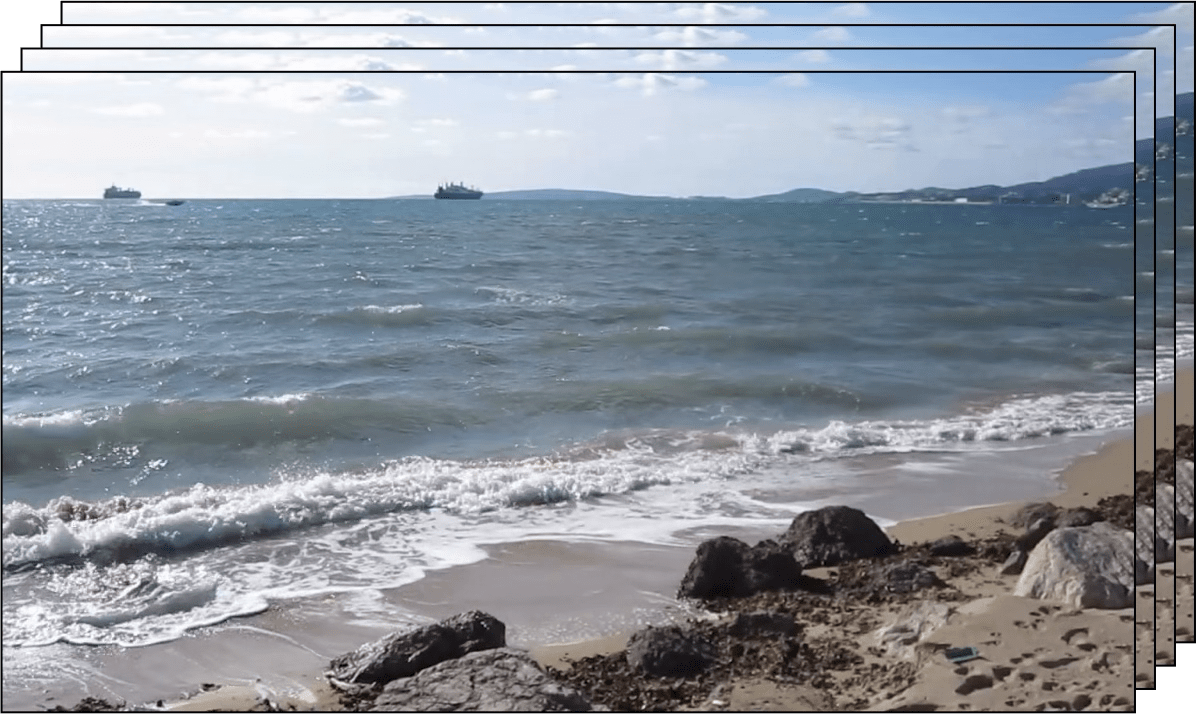
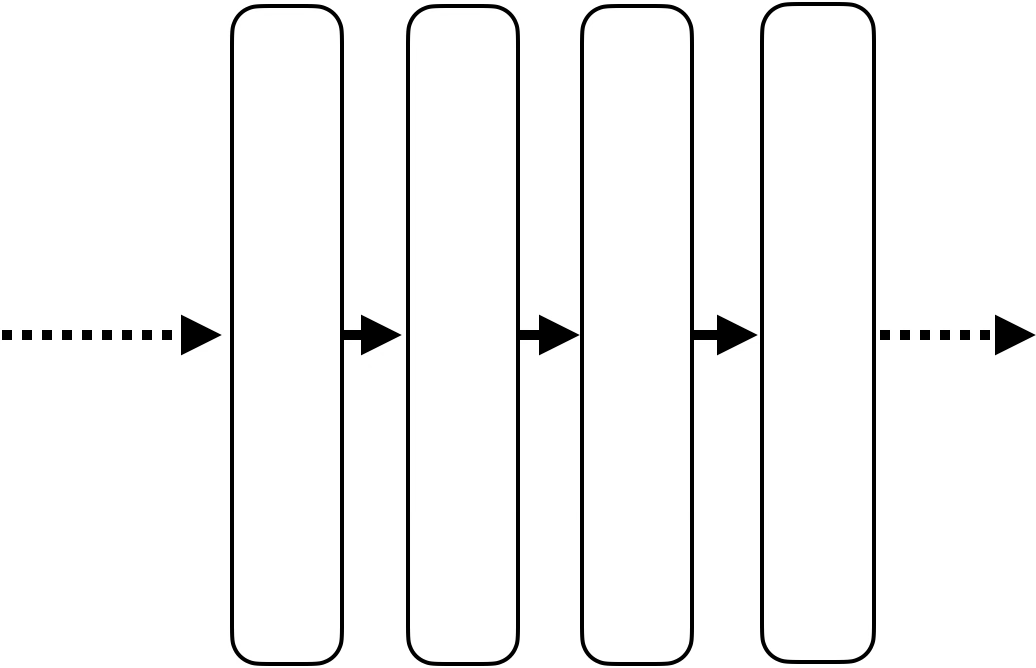
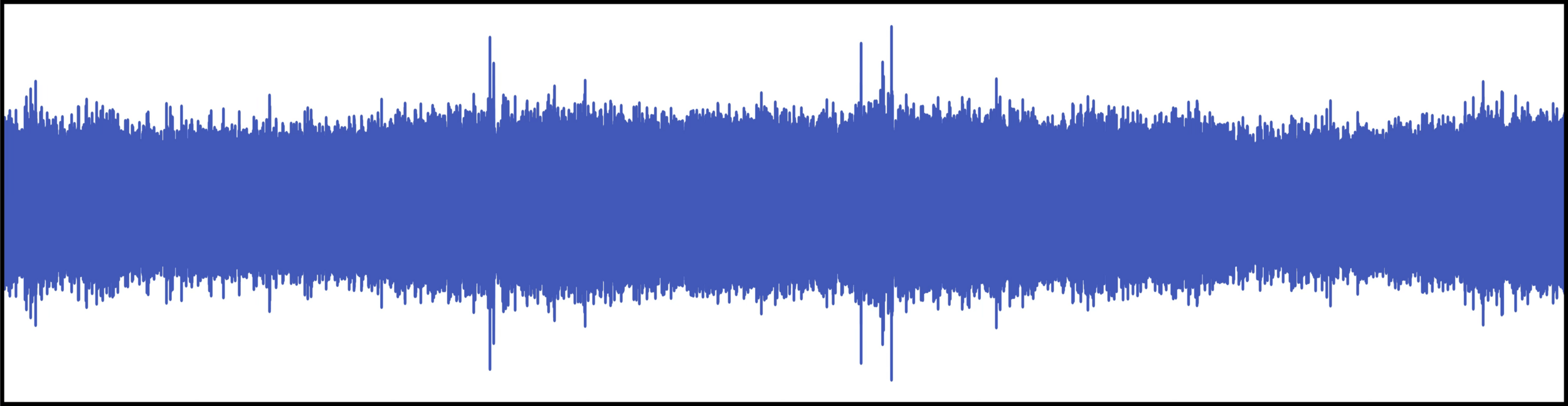
[Owens et al, Ambient Sound Provides Supervision for Visual Learning, ECCV 2016]
e.g. video, audio, images
[Owens et al, Ambient Sound Provides Supervision for Visual Learning, ECCV 2016]
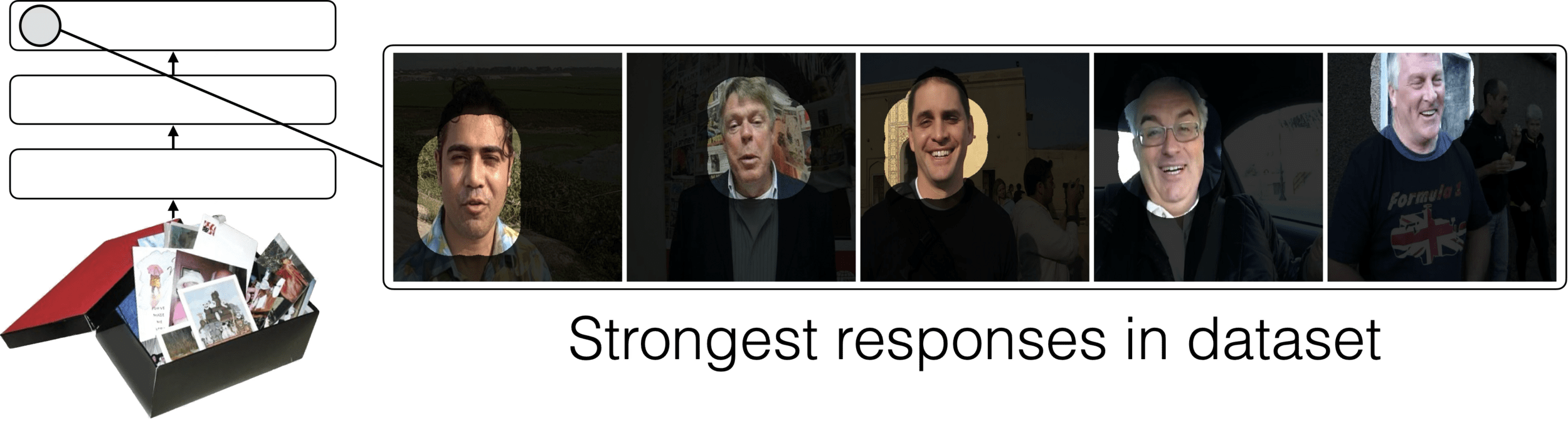
What did the model learn?
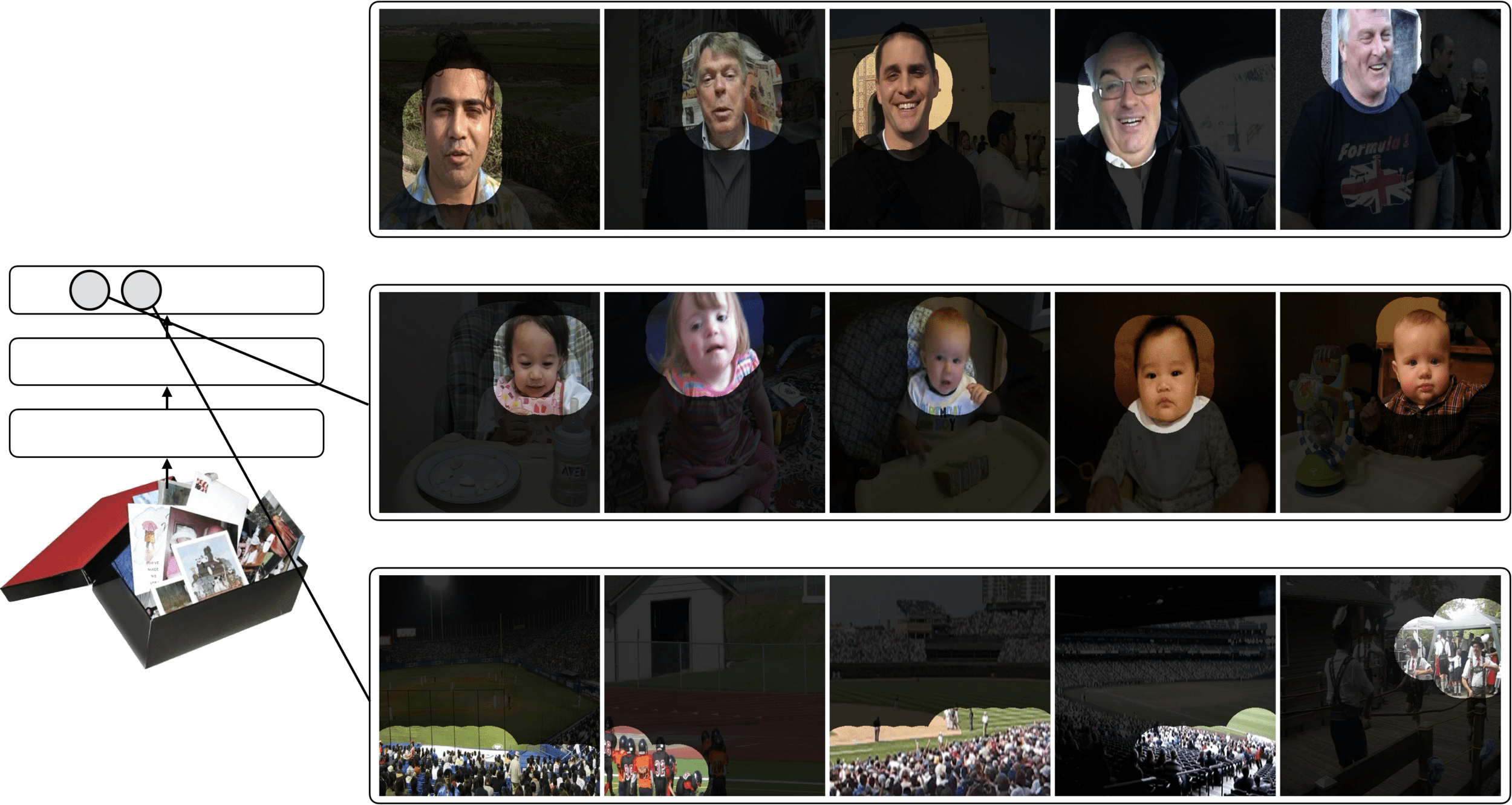
[Owens et al, Ambient Sound Provides Supervision for Visual Learning, ECCV 2016]
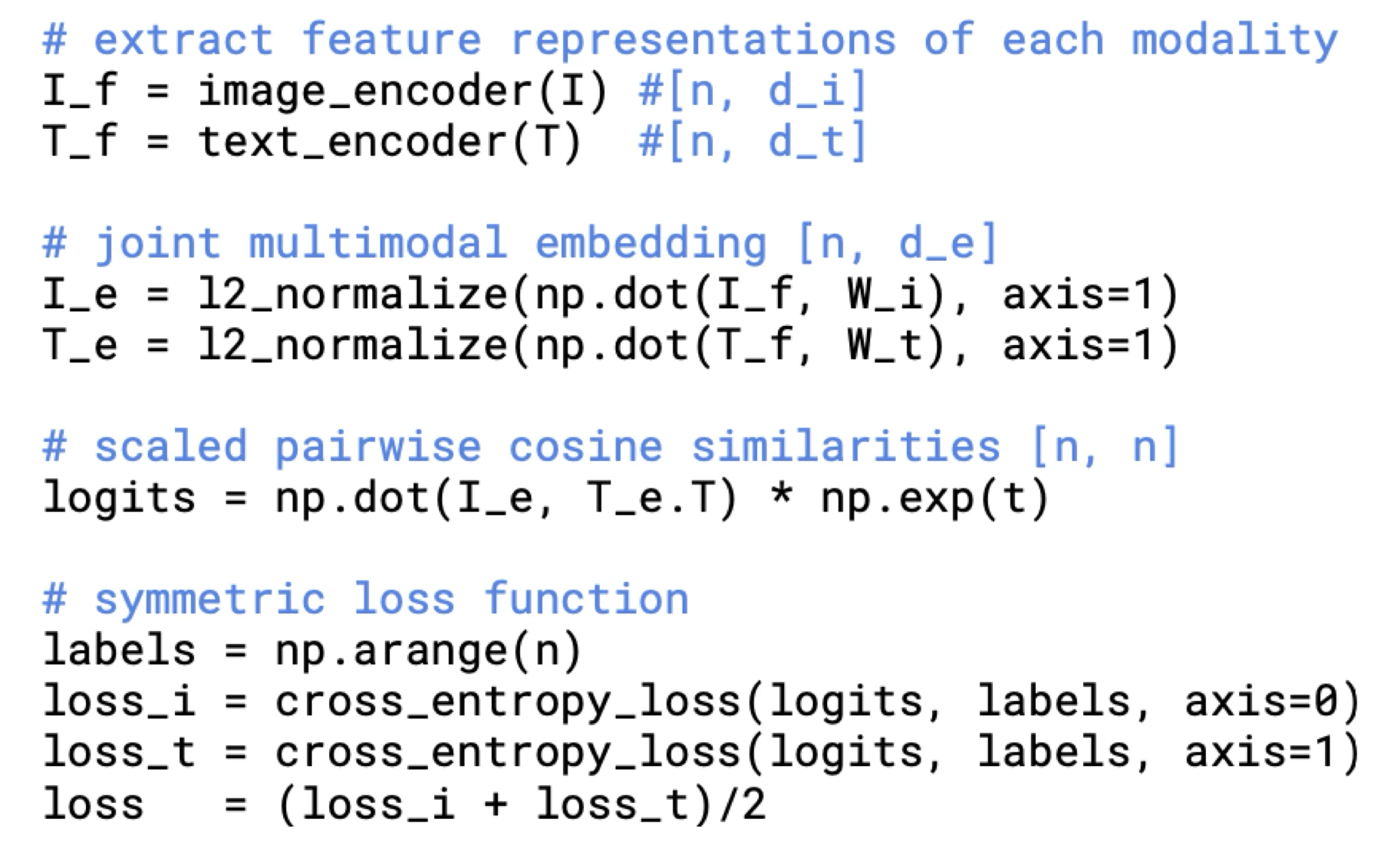
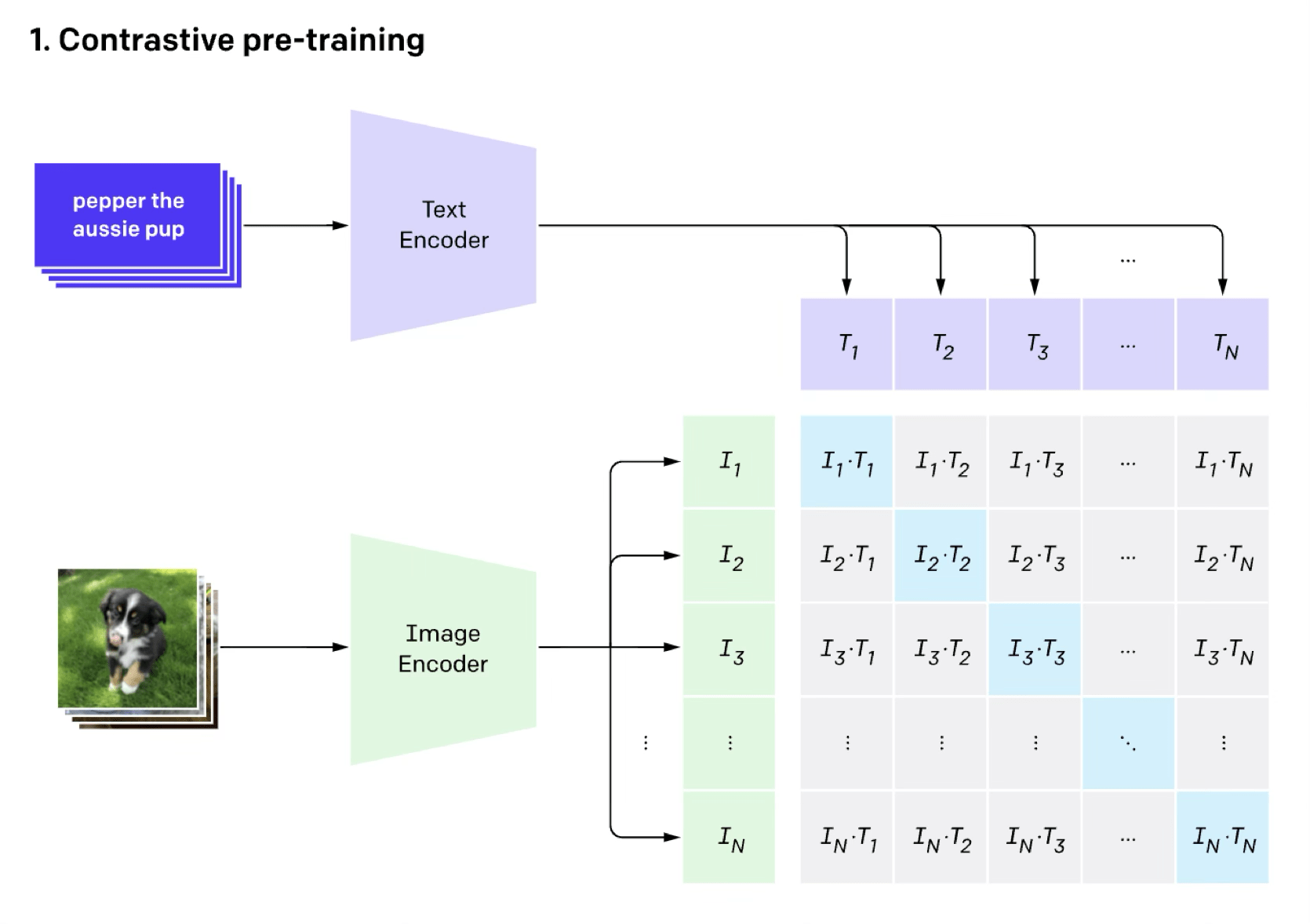
e.g. image classification (done in the contrastive way)
[Radford et al, Learning Transferable Visual Models From Natural Language Supervision, ICML, 2011]
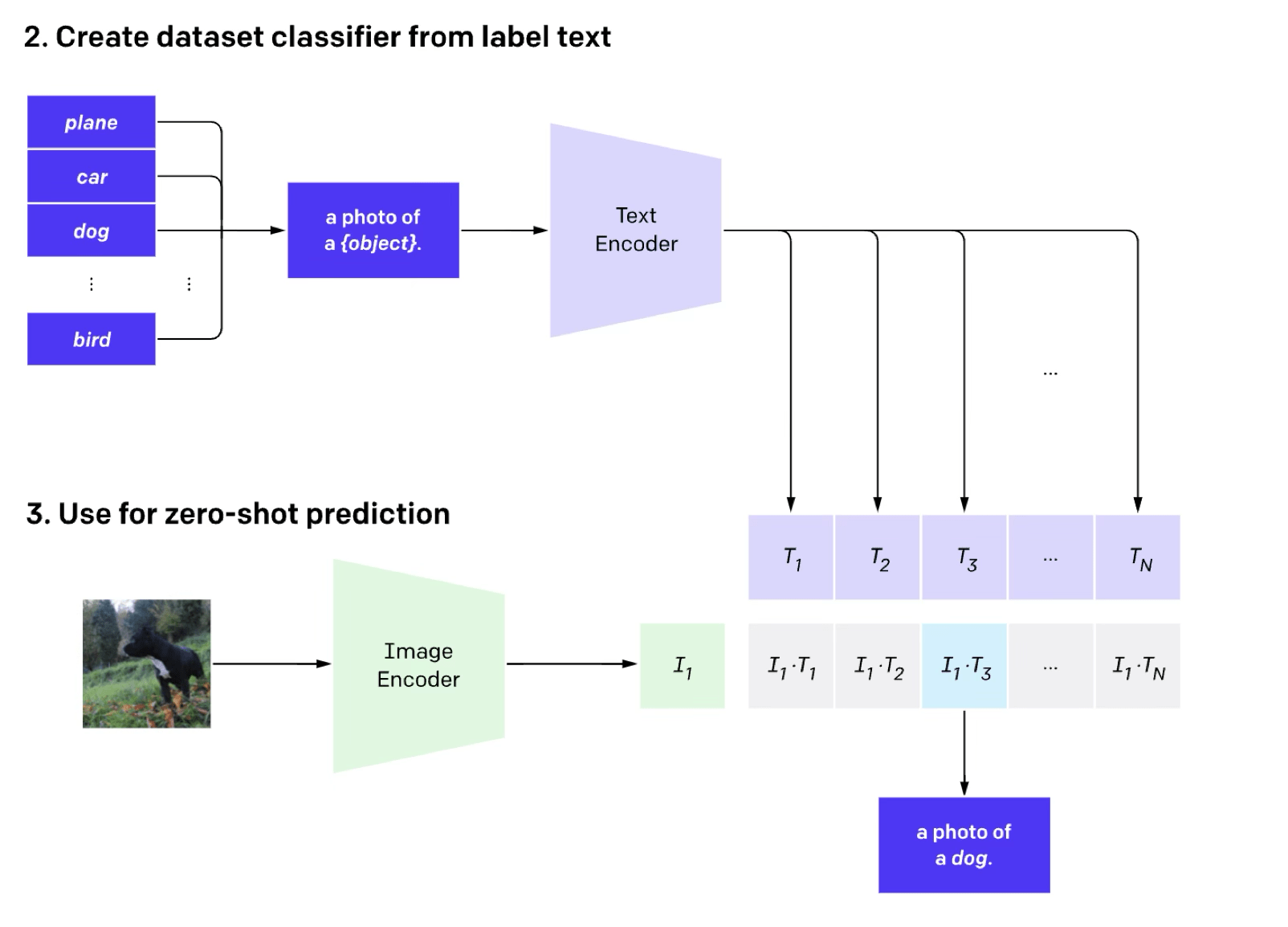
e.g. image classification (done in the contrastive way)
[Radford et al, Learning Transferable Visual Models From Natural Language Supervision, ICML, 2011]
[https://arxiv.org/pdf/2204.06125.pdf]
e.g Dall-E: text-image generation
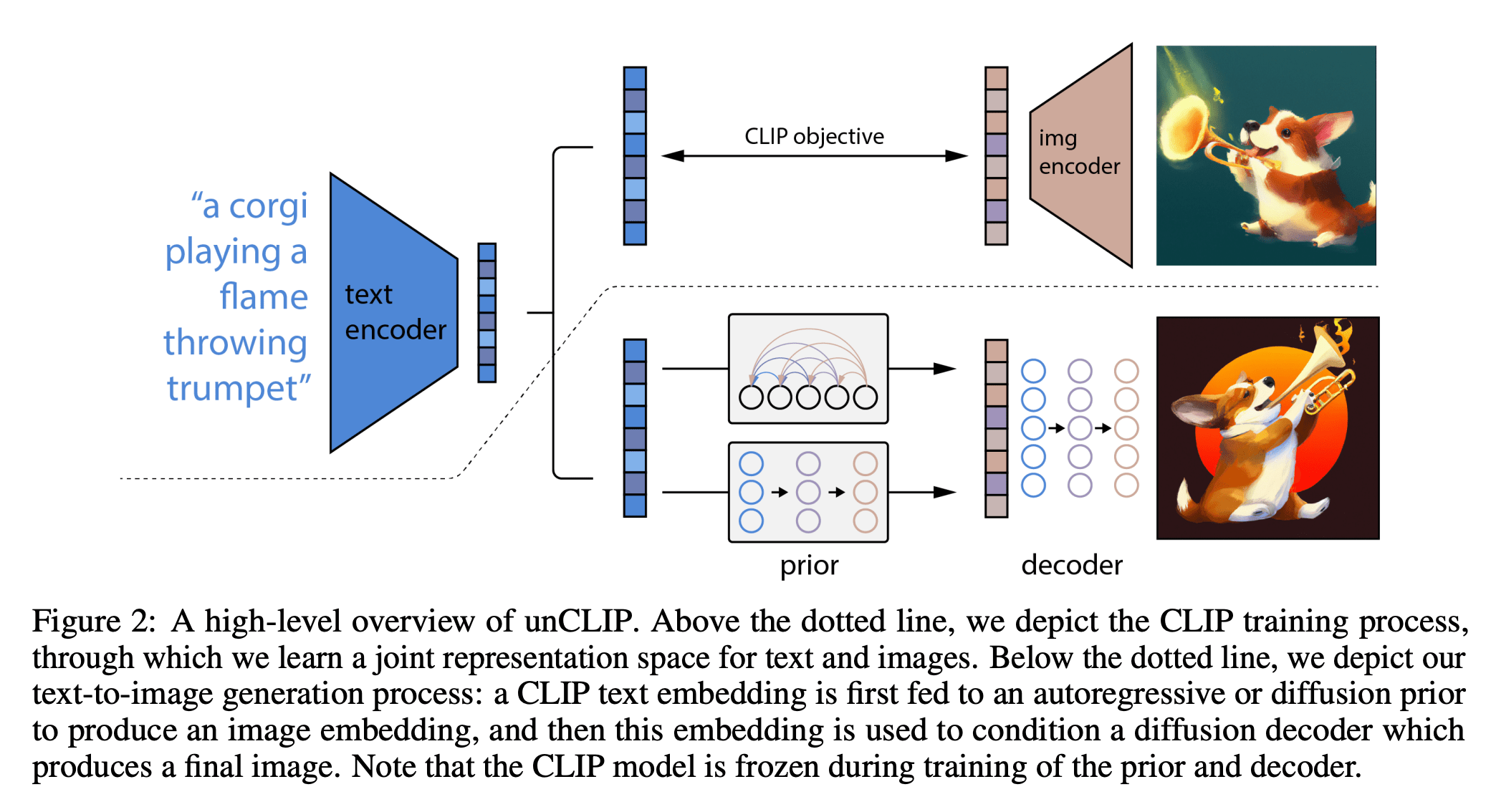
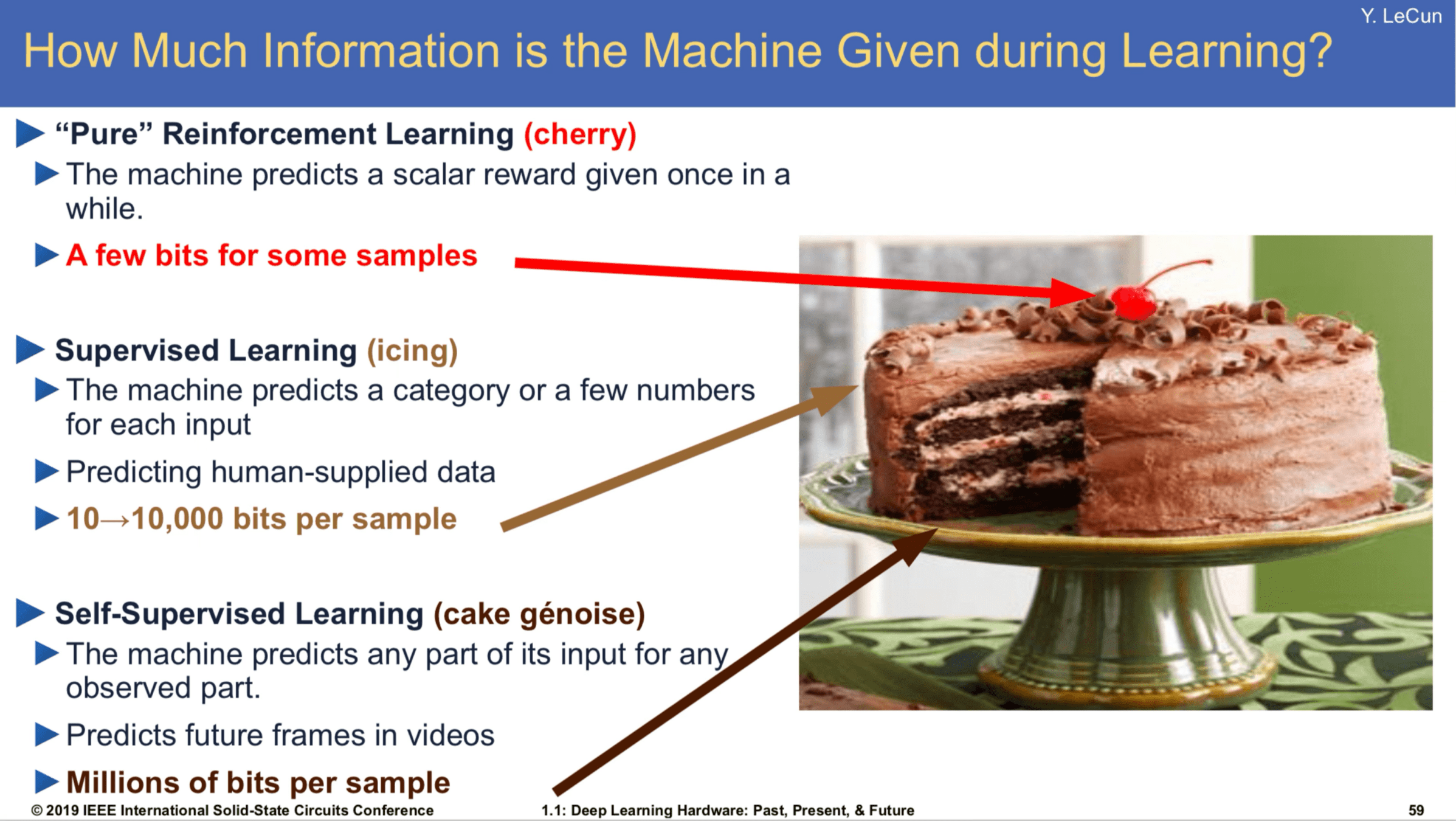
[Slide Credit: Yann LeCun]
Summary
Neural networks are not just calculators; each layer reshapes data into a new representation.
Good representations are compact, explanatory, reusable, and useful for transfer.
Autoencoders learn representations by reconstructing inputs, but plain reconstruction can cheat.
Self-supervised masking makes reconstruction harder and turns unlabeled data into a training signal.
Word embeddings, contrastive learning, and multimodality all learn geometries where meaning is useful.
Lec06 - Representation Learning - AI Educators Pilot
By Shen Shen