Susan Nygaard
English Teacher, Marshall School, Duluth, MN
(Photo credit: Sean Munson via Foter.com / CC BY-SA)
Oral citations consist of brief phrases that indicate the source of an idea or quotation. For instance, I could say
Or I could say
In both examples, I provide enough information about the source so that my audience can find the source in my Works Cited list. (I've also provided deep links here so you can see how I've paraphrased the original source.)
Find at least 15 reputable sources:
Read your sources & make sure you understand them!
Organize your thoughts in a rhetorically-effective way:
Submit your text (script & on-slide) to Turnitin.com to check for plagiarism (see Schoology for due dates).
It should be crystal clear throughout the project who created or collaborated on what (use initials to "sign" your work).
Each group member MUST
speak,
research,
write,
create, &
read/use all linked material in this slideshow.
NoodleTools, EasyBib, CiteThisForMe & the Purdue Owl will help you prepare your “Works Cited" lists.
See Schoology calendar for reflection exercise & proposal due date.
Schedule 1 or 2 progress conference(s) with me during class when you have significant work to show me.
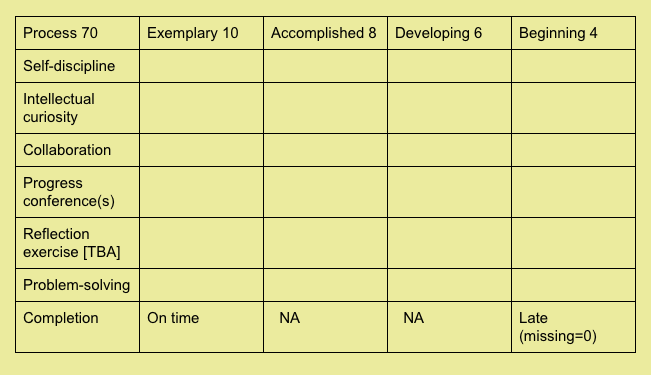
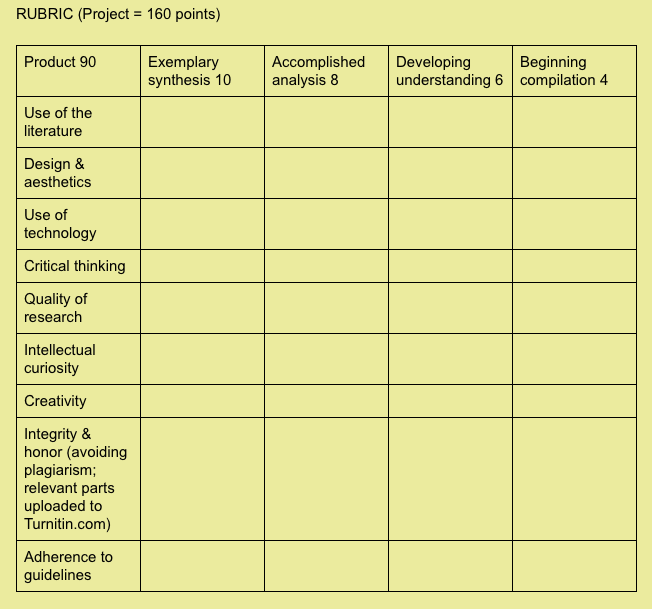
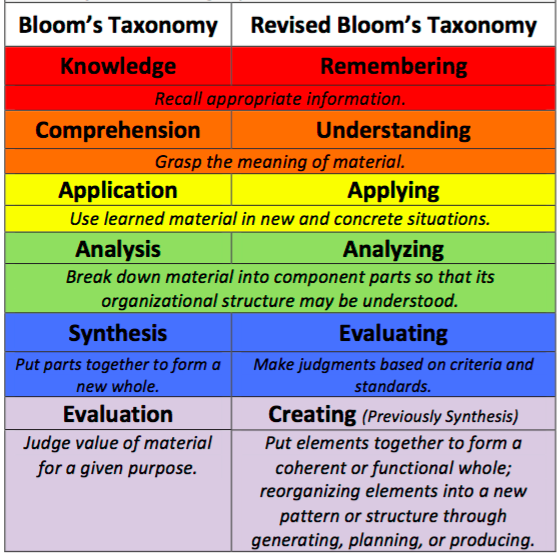
shoot for
these levels
By Susan Nygaard
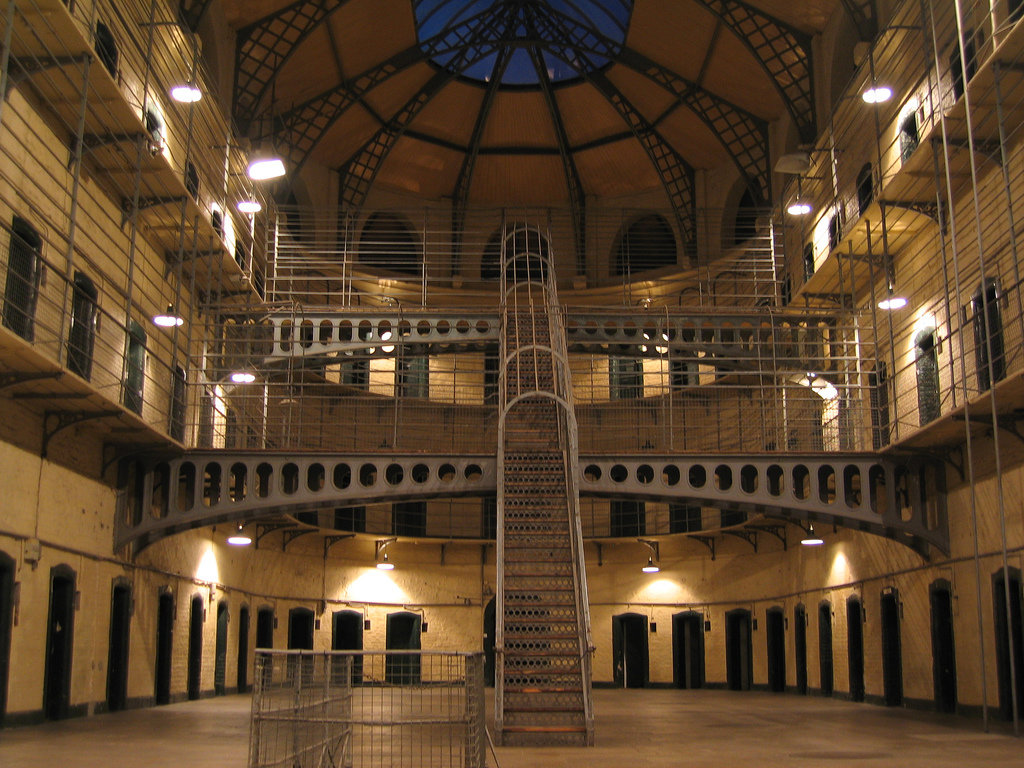
Part of the Shawshank Prison Reform Project for English 11, 2017