Serving and disseminating data

COMP63301 Data Engineering Concepts


Stian Soiland-Reyes

Intended Learning Outcomes

  1. Understanding of requirement needs for data products
  2. Ability to clarify data semantics
  3. Distinguish analytics, reports, dashboards and ad-hoc analytics
  4. Consider aspects of serving data, e.g. file vs db
  5. Reflect on machine learning needs
  6. Completing the data engineering life cycle

Serving

delivering data products

Data products

What are data products for?

  • Delivering processed data to downstream stakeholders
  • Data for analytics and
    business intelligence (BI)
  • Data for statistical analysis
  • Data for reporting and dashboards
  • Data for machine learning
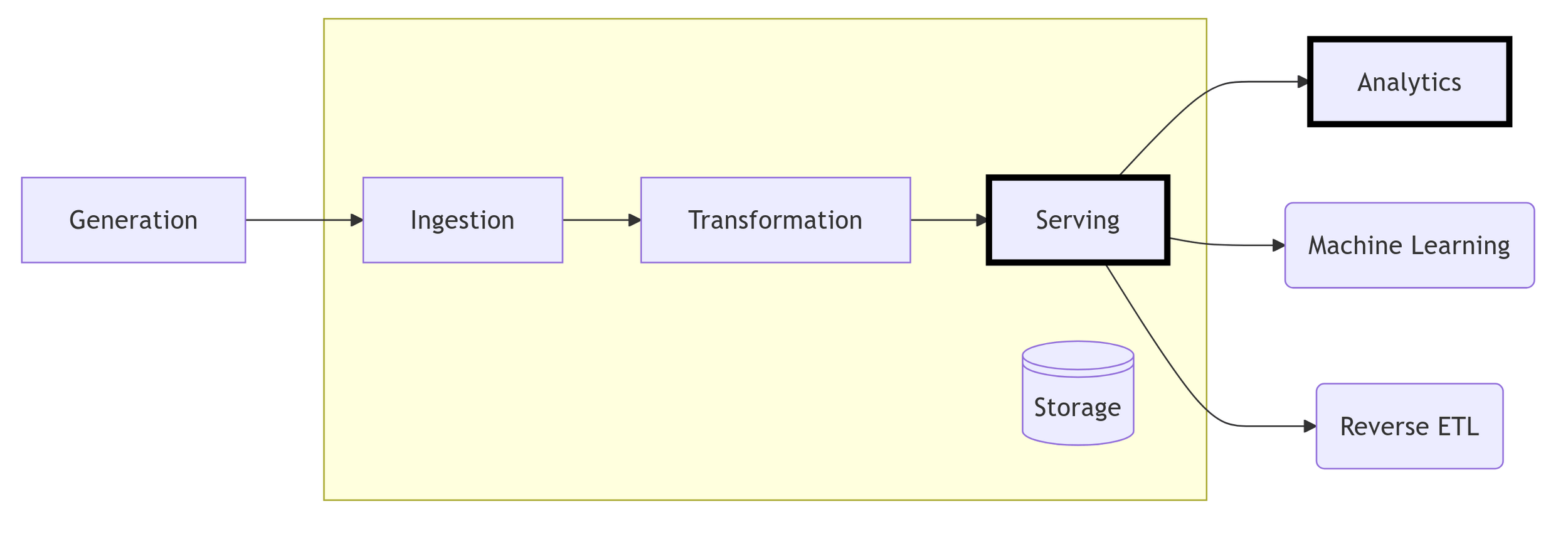
  • Data for complementing original data platforms (reverse ETL)


tl;dr: Data helps the business make decisions

Engineering for users

Gather requirements

Understand end user needs

Get overview of the "arena", why do the they need data?

Improve data products based on feedback

Who and what is the data for?

What should be accomplished from using the data?

Is the data for internal or external users?

What will be the measurable outcomes?

Self-service or tight integration with analytics?

Understanding
data semantics

Data definitions

Explicit definitions help reduce data misunderstanding

Customer Account

The registered profile containing customer details such as name, contact information, and account preferences.

Trade Account

A special type of customer account for professional tradespeople, usually offering benefits such as credit terms, bulk pricing, or exclusive promotions

Product

An item we sell, such as tools, hardware, equipment, or supplies. Products have attributes like size, material, brand, and specifications.

Product Category

A grouping of similar products (e.g., “Power Tools”, “Plumbing”, “Electrical”). Helps customers navigate the catalogue.

Product Variant

A version of a product that differs by a specific attribute (e.g., size, color, voltage).

  1. Be pragmatic, avoid getting philosophical
  2. Definitions are approximations
  3. Always give examples
  4. Write down and share the definitions, verify your understanding of the concepts
  5. Definitions vary for different data products.

Data Logic

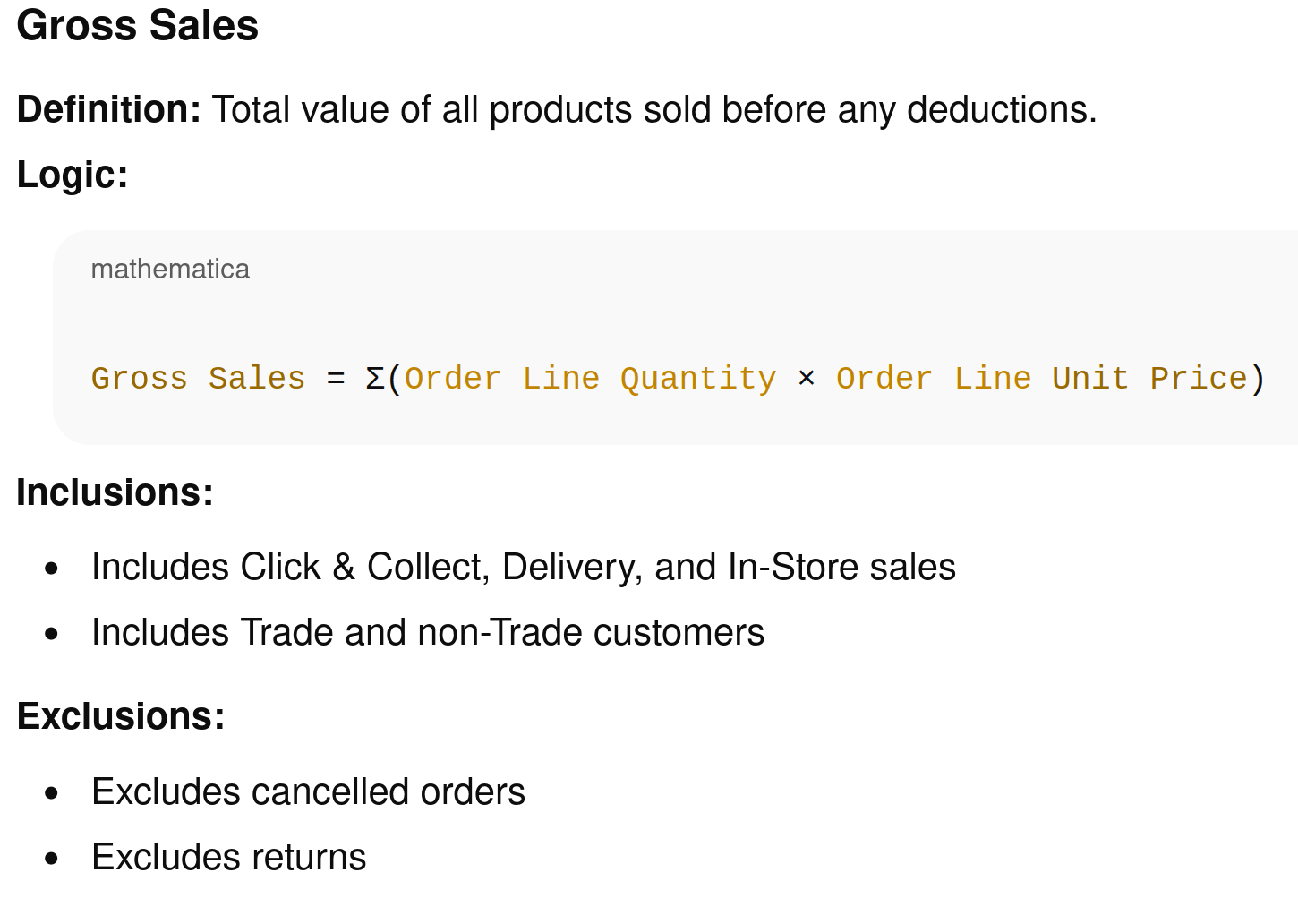
Expose business rules from underlying assumptions, e.g. in calculations or decisions

Brazil (Terry Gilliam, 1985) - Ministry of Information
https://www.youtube.com/watch?v=7xNnRBksvOU

  1. Highlight edge cases you had to make assumptions for
  2. Don't be too precise, the director does not want to see your SQL!
  3. Consider that different data sources may not be consistent in their data logic
  4. Have you understand the business processes?

Describe data products

Metadata What data product is being provided for which purpose? Which data logic rules are assumed?

Schema What is the data structure? Relate to data definitions!

Provenance How was which data collected and processed?

Attribution Who did the work, and what was it based on?

Versioning e.g. "Sales report 2025Q2 v1.0.4"
(Data can also use Semantic Versioning)

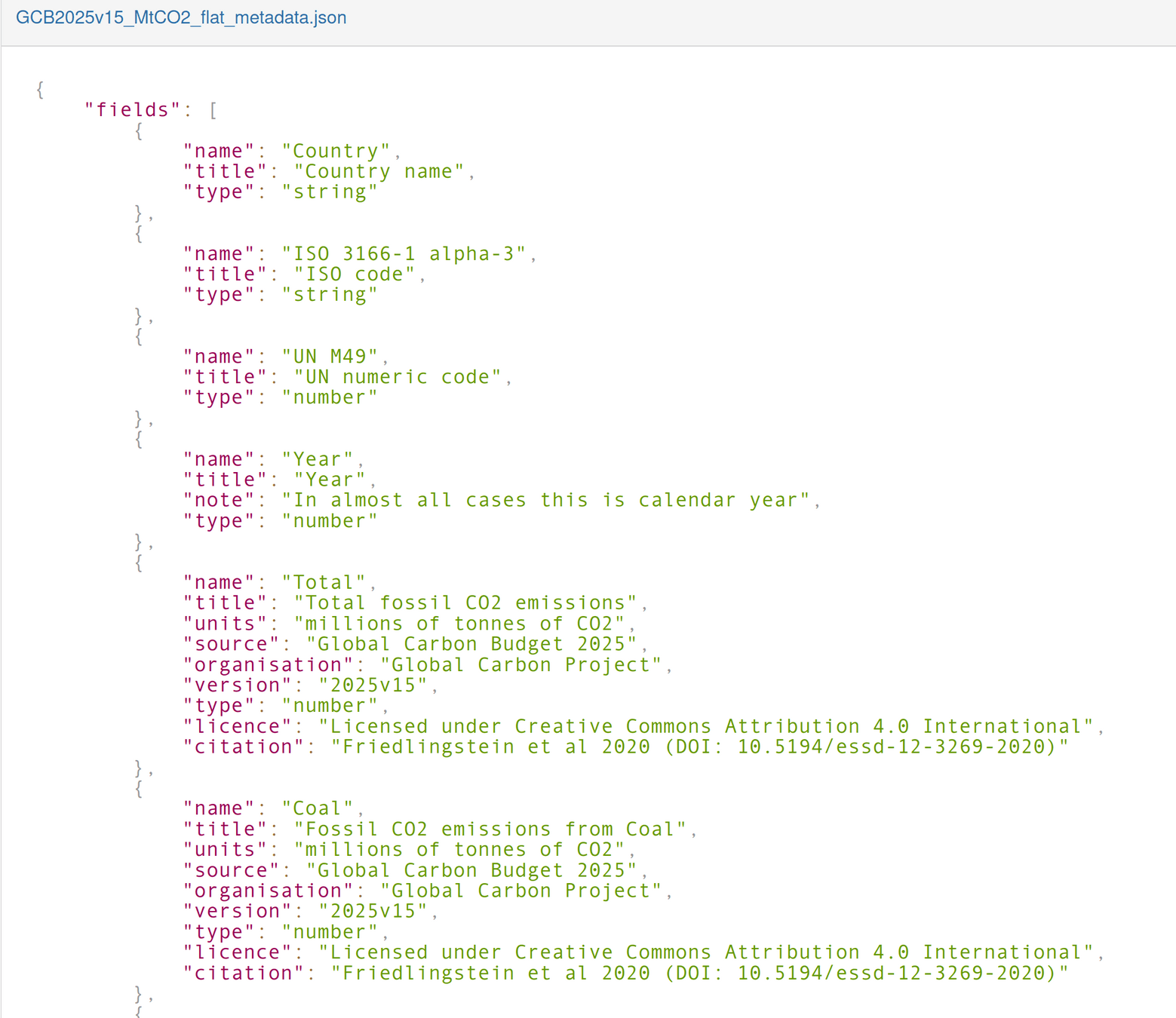
Machine readable schemas

Column headers are usually not precise enough, nor consistent 

Machine readable schemas can be validated and reasoned over

Analytics

Business analytics

Data for Actionable insight

Retrospective, finding
longer-term trends

Reflects on and informs strategic decisions (e.g. how effective was an advertising campaign)

Mixture of fixed metrics ("sales of screwdrivers this month") and ad-hoc data questions ("How many clicked on our campaign")

Operational analytics

Data for Immediate Action

Monitoring of current operations and applications

Real-time metrics e.g. requests per second, queue waiting time

May trigger automatic actions, e.g. Open new till to reduce queue

Can be predictive or reactive, e.g. increase cloud instances expecting spike in pizza orders as football match starts on TV

Reports

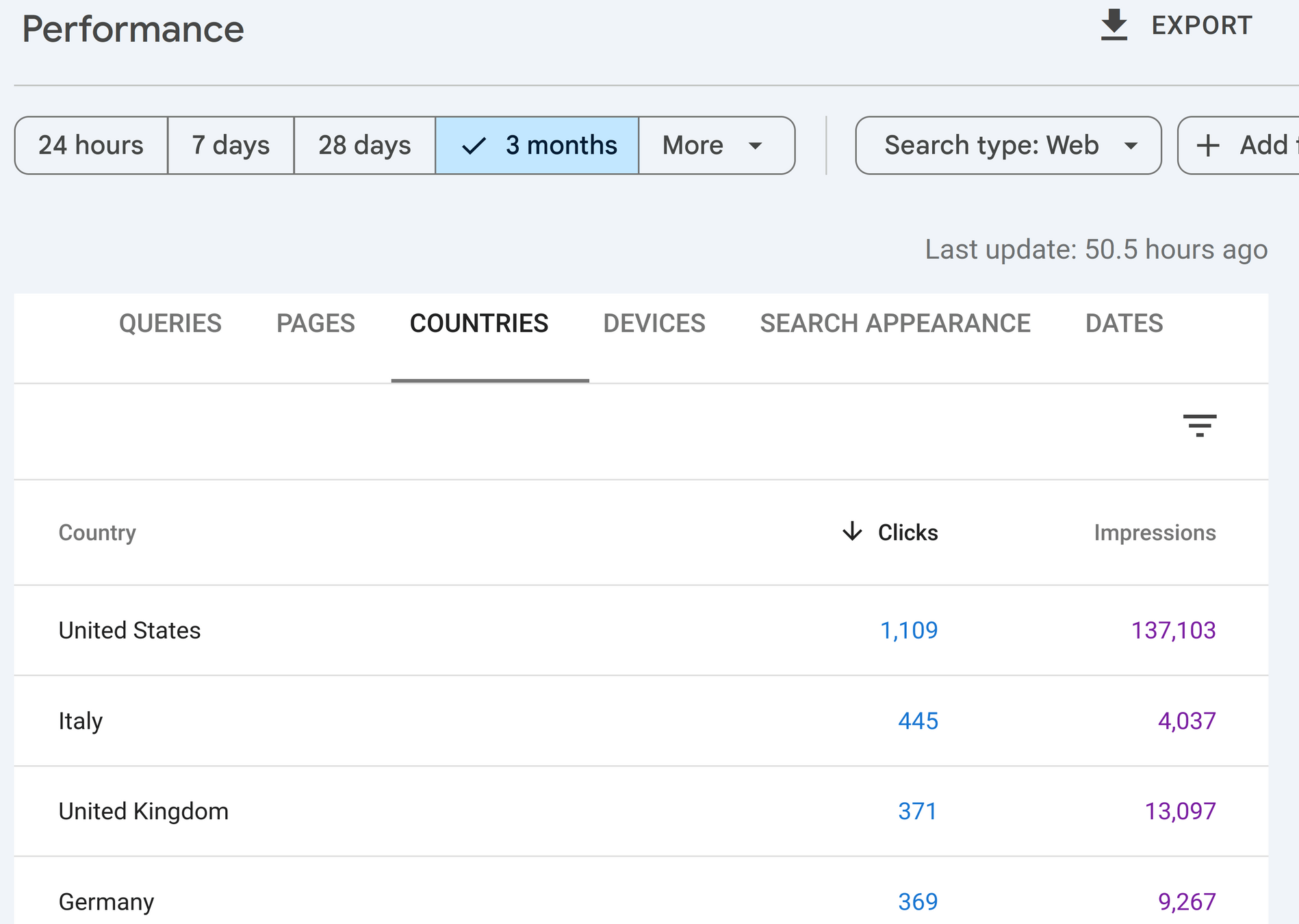
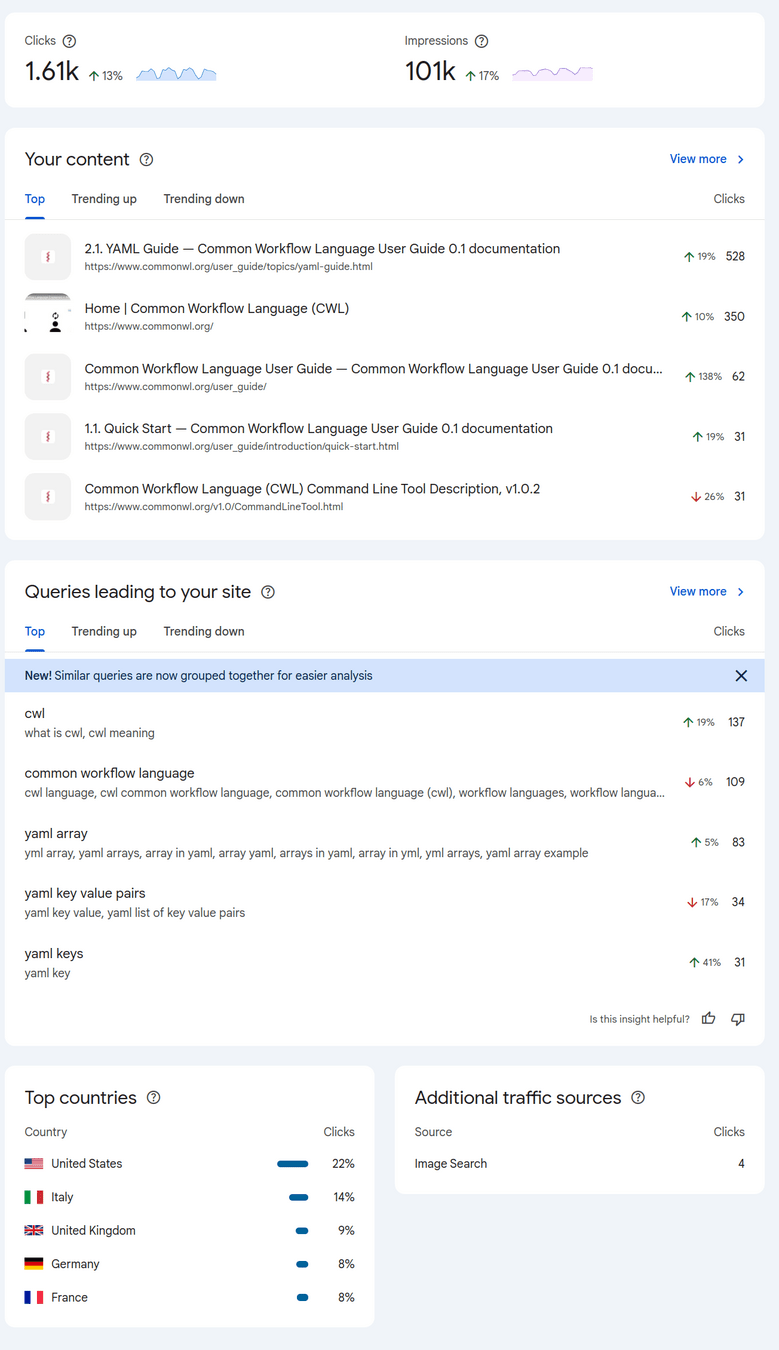
Reports answers predefined questions, typically presented in a table or charts

Reports can be interactive applications, e.g. filtering (e.g. Only mobile devices in Europe) and search (e.g. Views of "power drill")

Reports typically use already prepared queries and transformed datasets


Reports

Dashboards

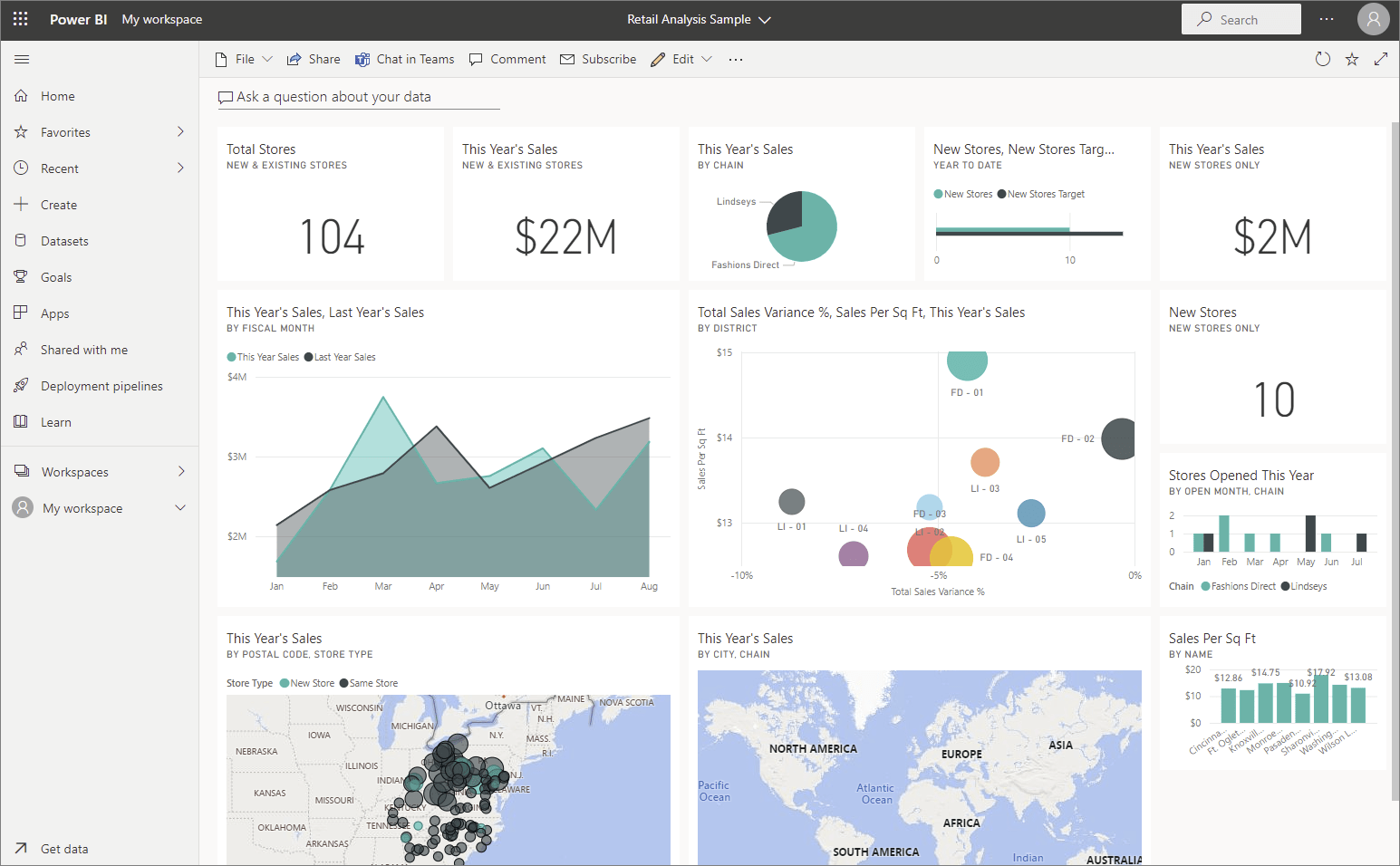
Displays performance against core metrics in a single view

Typically shows aggregates from multiple data sources, e.g. Total number of sales

Focus on critical aspects of already known importance

Limited level of interactivity

Starting point for navigating into deeper reports

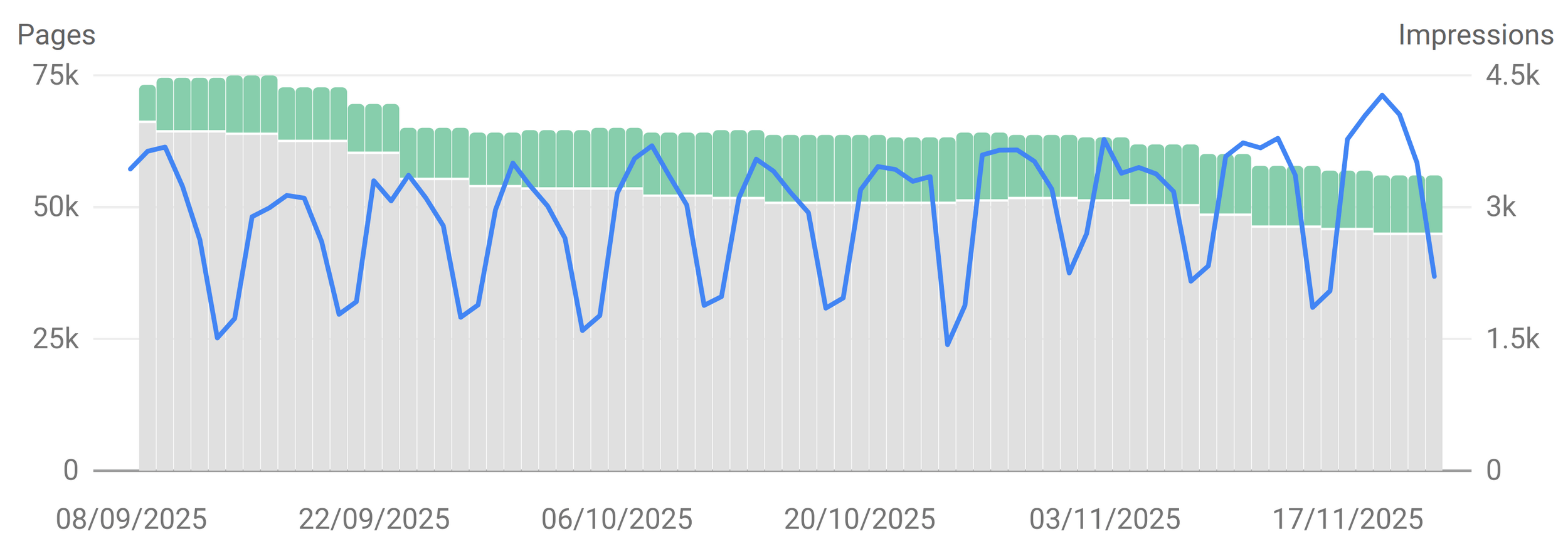
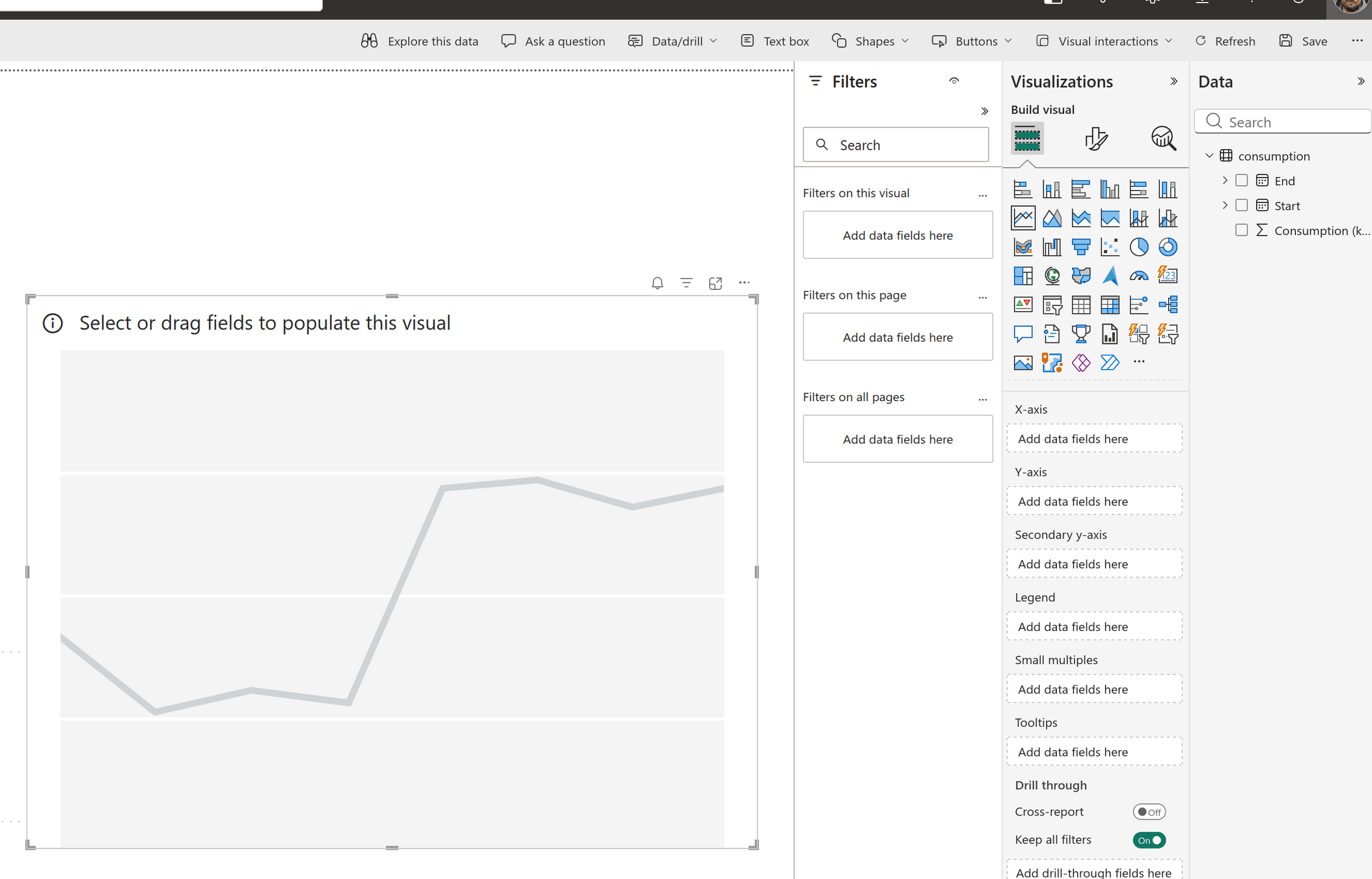
Dashboards can be created by end users using platforms like Power BI and Apache Superset

Dashboard

Business Intelligence tools have interactive report/dashboard editors

Ad-hoc analytics

Notebooks

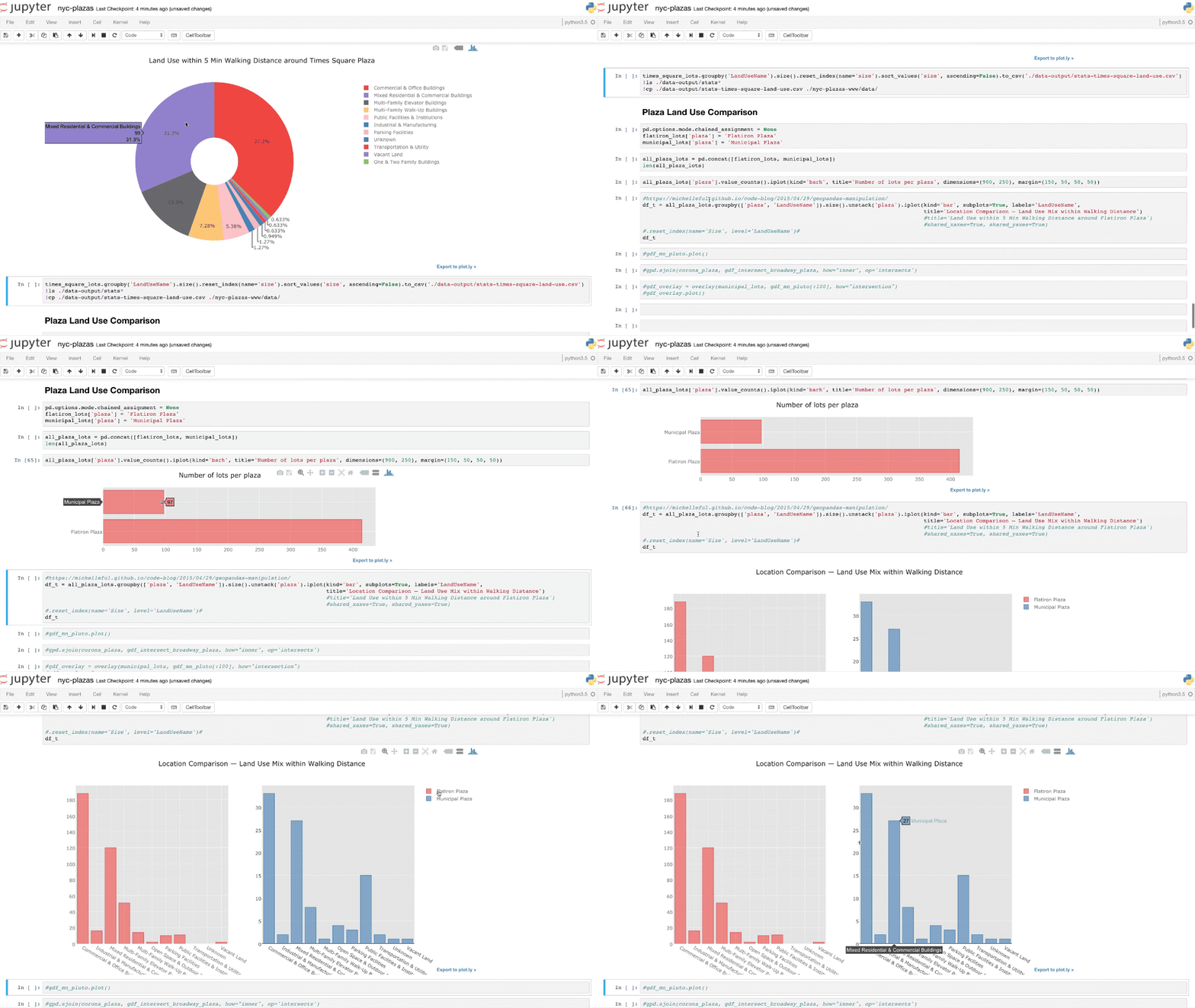
Why using notebooks

Dynamic, quick to change analysis code (data playground)

Ad-hoc analyses are by their nature error-prone, e.g. under-specified requirements

Code is visible, but visual presentations are directly embedded

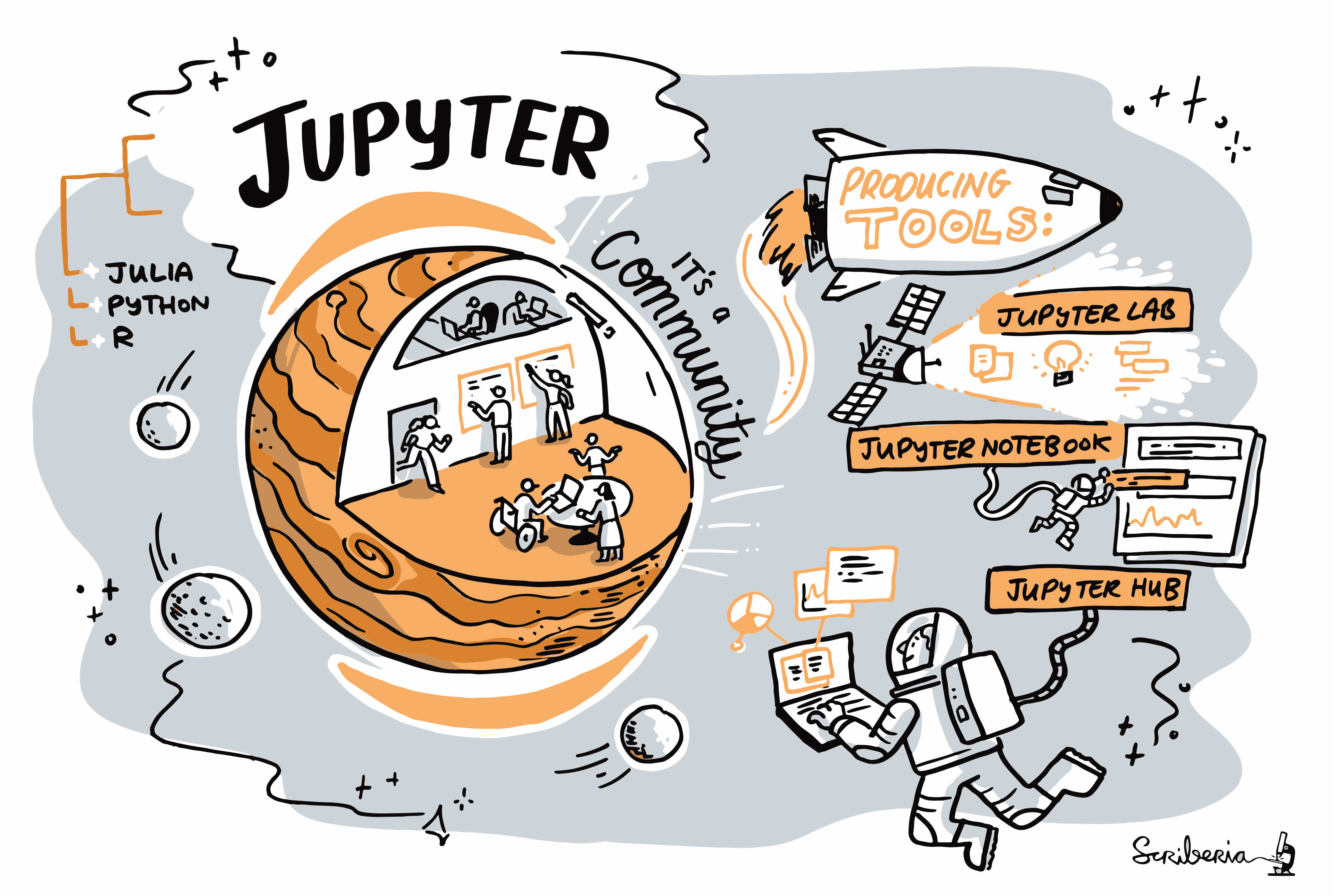
Turing Way illustration by Scriberia
https://doi.org/10.5281/zenodo.3332807

Machine learning

Using Machine Learning

Machine learning frameworks (e.g. PyTorch, scikit-learn, TensorFlow) can be used directly by data scientists (mostly using Python!)

Supervised Learning (Linear regression, Support Vector Machines, Sentiment Analysis)
Unsupervised Learning (k-means clustering, Principal Component Analysis)

Reinforcement Learning (deep learning, text mining)

Transformer networks (LLM, RAG, MCP)

Challenge: Choosing the most appropriate ML technique!

Preparing data for ML

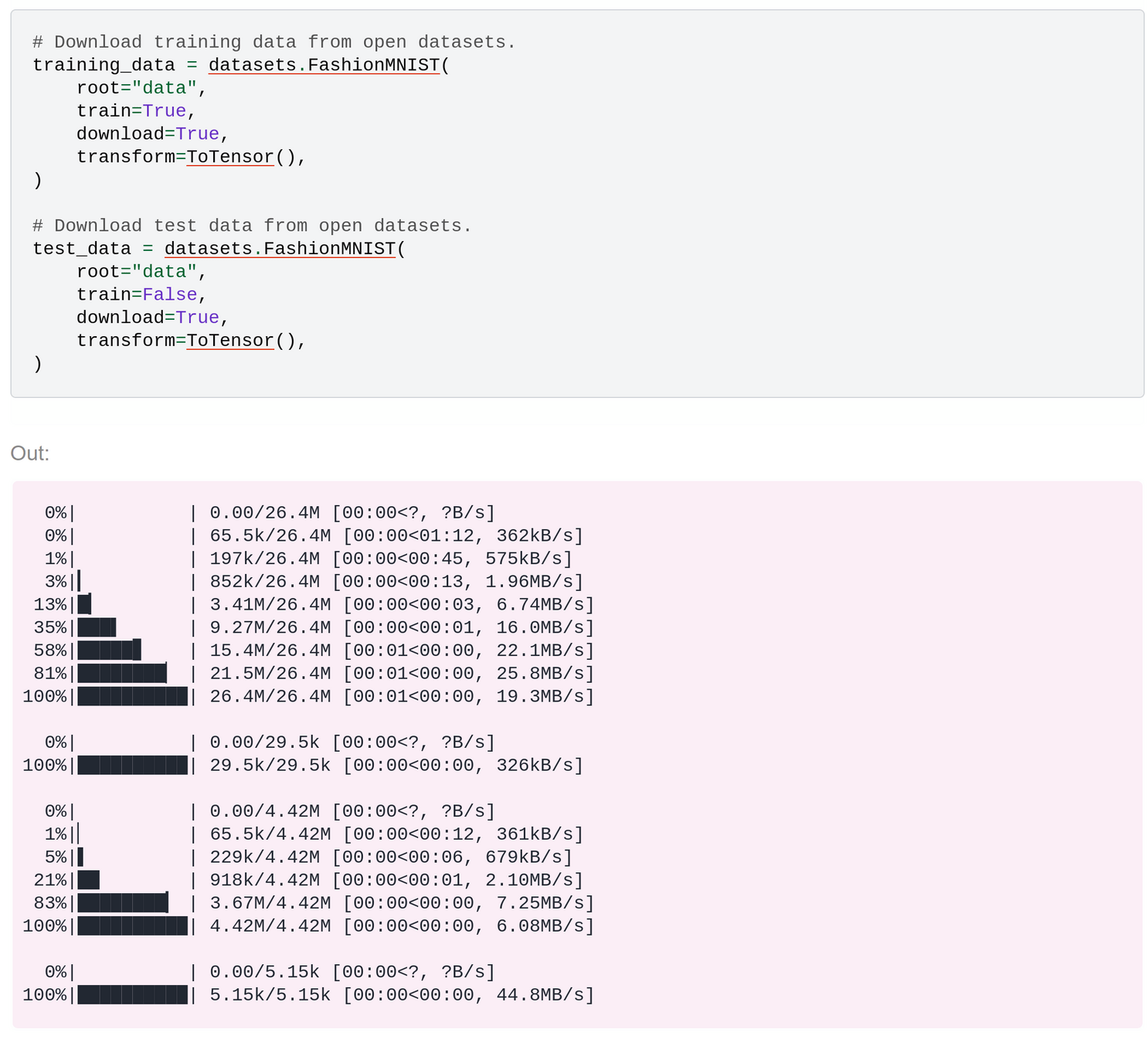
Data much be transformed for ML use

Each ML framework needs dataset preparation, e.g. identifying columns, categories, training data.

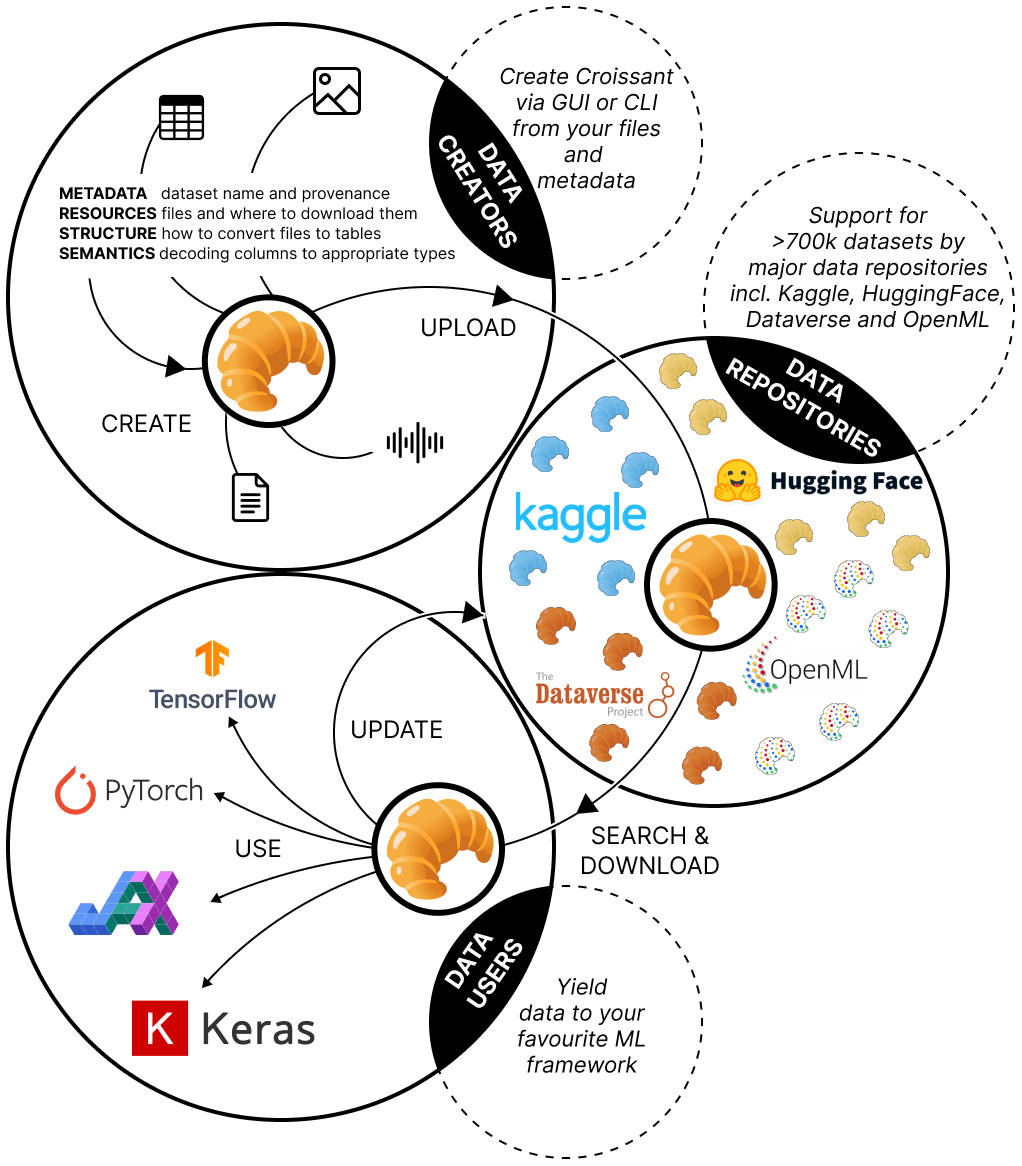
Croissant is a standardized metadata for ML datasets, to simplify load into ML tools

# 1. Point to a local or remote Croissant file
import mlcroissant as mlc
url = "https://huggingface.co/api/datasets/fashion_mnist/croissant"
# 2. Inspect metadata
print(mlc.Dataset(url).metadata.to_json())
# 3. Use Croissant dataset in your ML workload
import tensorflow_datasets as tfds
builder = tfds.core.dataset_builders.CroissantBuilder(
    jsonld=url,
    record_set_ids=["record_set_fashion_mnist"],
    file_format='array_record',
)
builder.download_and_prepare()
# 4. Split for training/testing
train, test = builder.as_data_source(
    split=['default[:80%]', 'default[80%:]'])

Serving data

File exchange

Ye Olde CSV file lives again!

Saving to file is easy, but management of those files is not.

Don't send by email, use collaboration platforms!

Use clear versioning in filename. Include metadata!

Database

Data warehouse by the Data Lake

Serving as an Online analytical processing (OLAP) database allows flexible SQL queries and integrates with BI reporting tools.

Separate from operations db,  consider performance!

Streaming systems

Streaming can allow immediate serving of data (live view)

Streaming systems can source from OLAP databases, files, APIs and queues

Query Federations can combine multiple data sources

Streaming jobs can be more complex to write and orchestrate

Cloud systems like Kubernetes can scale dynamically for varying end-user demand

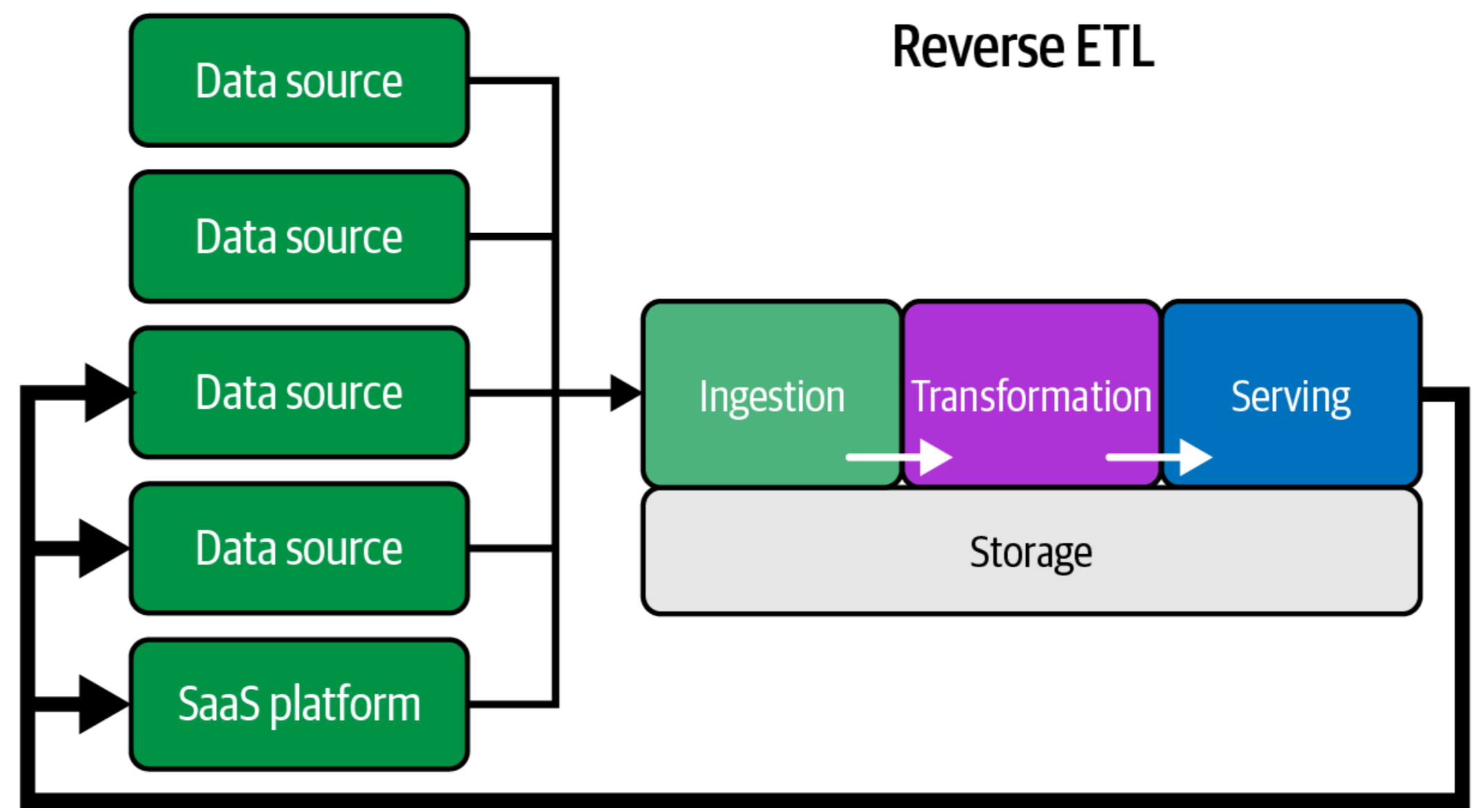
Reverse ETL

Reverse ETL

Serve data back from OLAP database back into source systems

(e.g. customer sees "89% find your restaurant reviews helpful")

Figure 9.5, Reis & Housley (2022): Fundamentals of Data Engineering

Serving completes the data engineering lifecycle

COMP63301 Serving

By Stian Soiland-Reyes

COMP63301 Serving

Lecture in COMP63301 Data Engineering Concepts at The University of Manchester.

  • 34