


















Fair Recommenders and the Sequencing of Information and Deliberation

Carina Hausladen

Fair Feed Ranking for Participatory Budgeting

Carina Hausladen

Fair Feed Ranking for Participatory Budgeting

1 Million Euro

MünchenBudget

Vetting.

  • Every proposal must be assessed for feasibility, legality, cost, and duplication.
    • Centralized review is
      costly and it
    • concentrates agenda-setting power.

Scale creates two problems

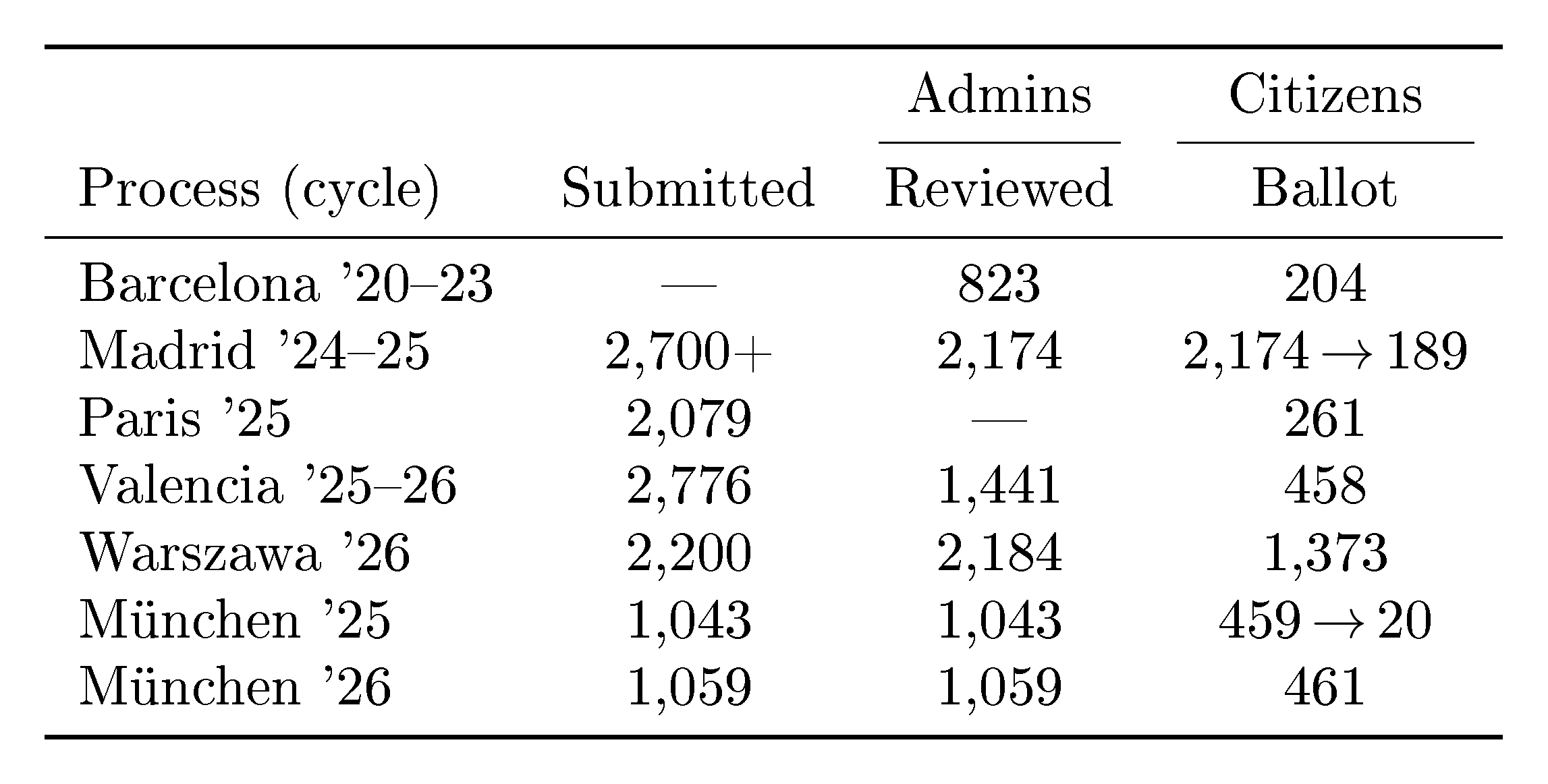
1059 reviewed


461 "feasible"

Vetting.

Scale creates two problems

Attention.

  • Citizens cannot realistically inspect thousands of proposals before voting.
  • The set of proposals a voter encounters is shaped by
    • the voter’s entry point
    • the platform’s ordering rule
  • Every proposal must be assessed for feasibility, legality, cost, and duplication.
    • Centralized review is
      costly and it
    • concentrates agenda-setting power.

Scale creates two problems

Attention.

  • Citizens cannot realistically inspect thousands of proposals before voting.
  • The set of proposals a voter encounters is shaped by
    • the voter’s entry point
    • the platform’s ordering rule

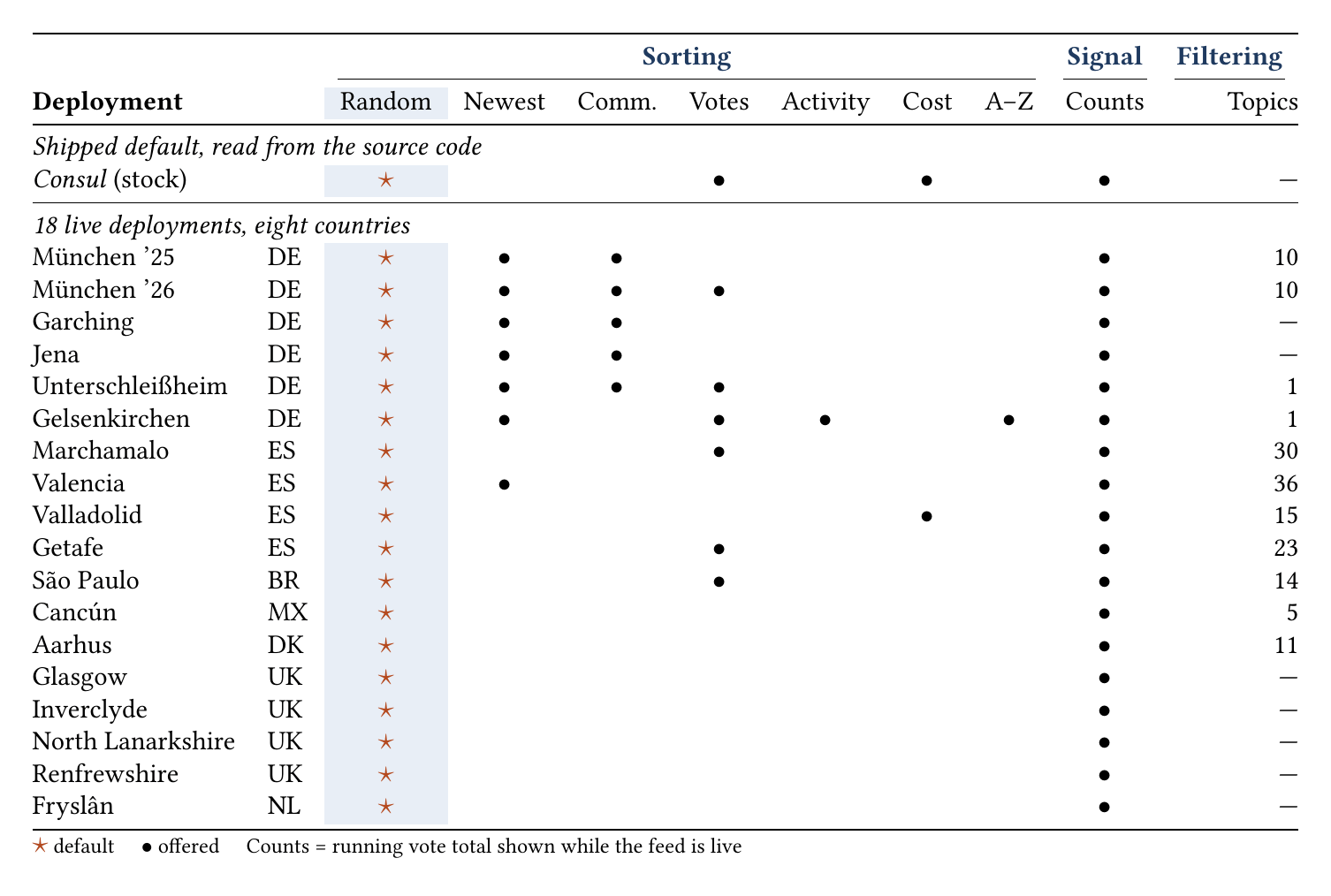
sorting

filtering

sorting

filtering

  • used by more than 200 public institutions
  • in over 35 countries
  • and serves more than 100 million people.

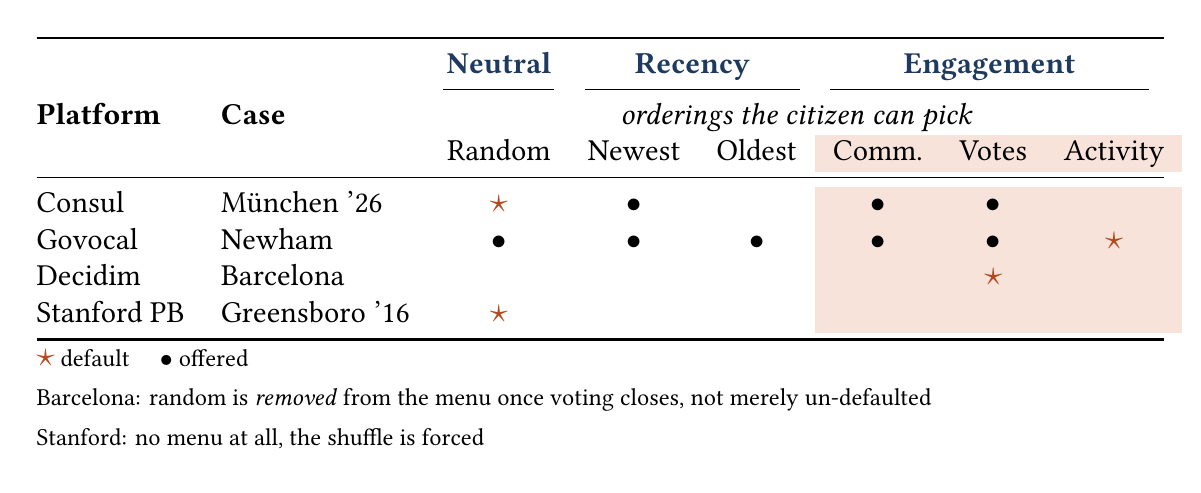
Cross-Platform-Comparison

Do other domains face similar challenges?

How did they solve them?

Literature

Democratic goal

  • Getting citizens interested
    • beyond their own needs / their initial favorite
    • towards their communities' needs

Recommendations

  • a third of Amazon purchases
  • 70% of YouTube watch time and
  • 80% of Netflix viewing

Learning from recommender systems

Mechanisms for identifying weak, infeasible, duplicate, or low-quality content.

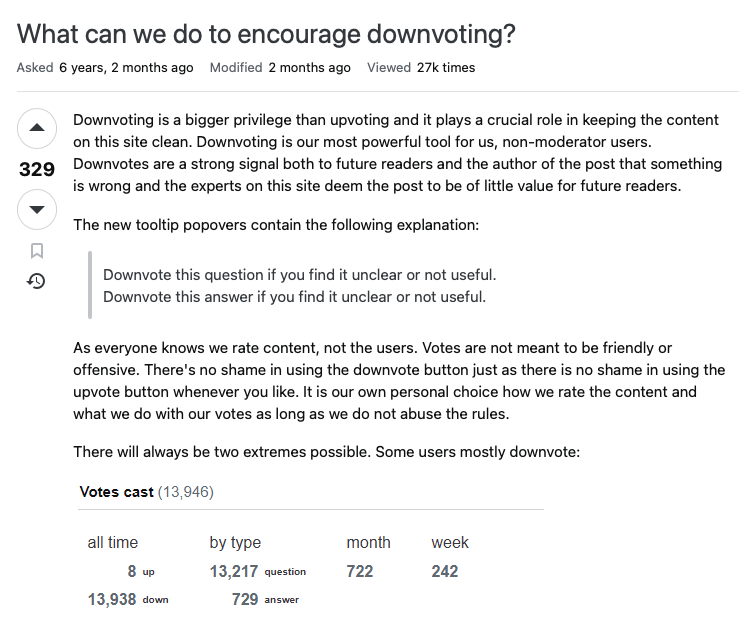
Learning from online communities

Learning from online communities

& recommender systems

  • Common characteristic: large option space
  • Found ways to manage them effectively

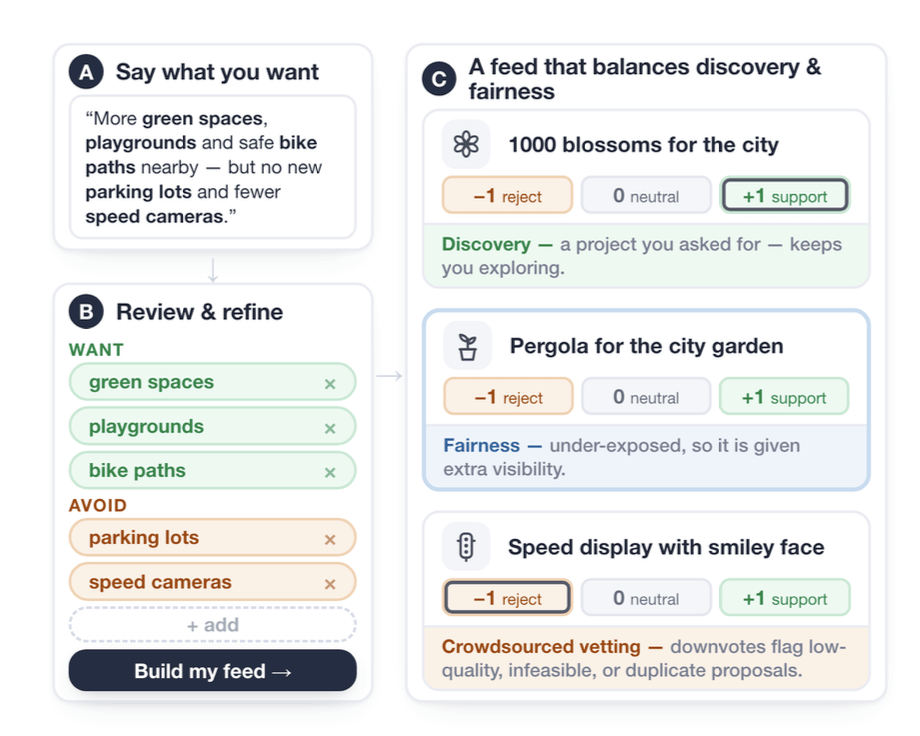
FairFeed

  1. Ranking process must be transparent
  2. Address the vetting problem
  3. Exposure correction / visibility floor

Data and Simulation

Data


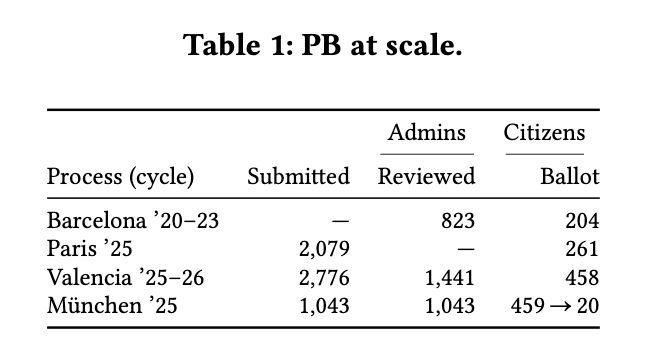
  • München-Budget; €1,000,000 in 2025 
    • 1,043 proposals submitted;
    • 459 up for vote;
    • 7134 reported participant count
    • 10 proposals funded
    • 4 proposals vetoed
  • additional data collected
    • proposal id
    • pseudonymised author
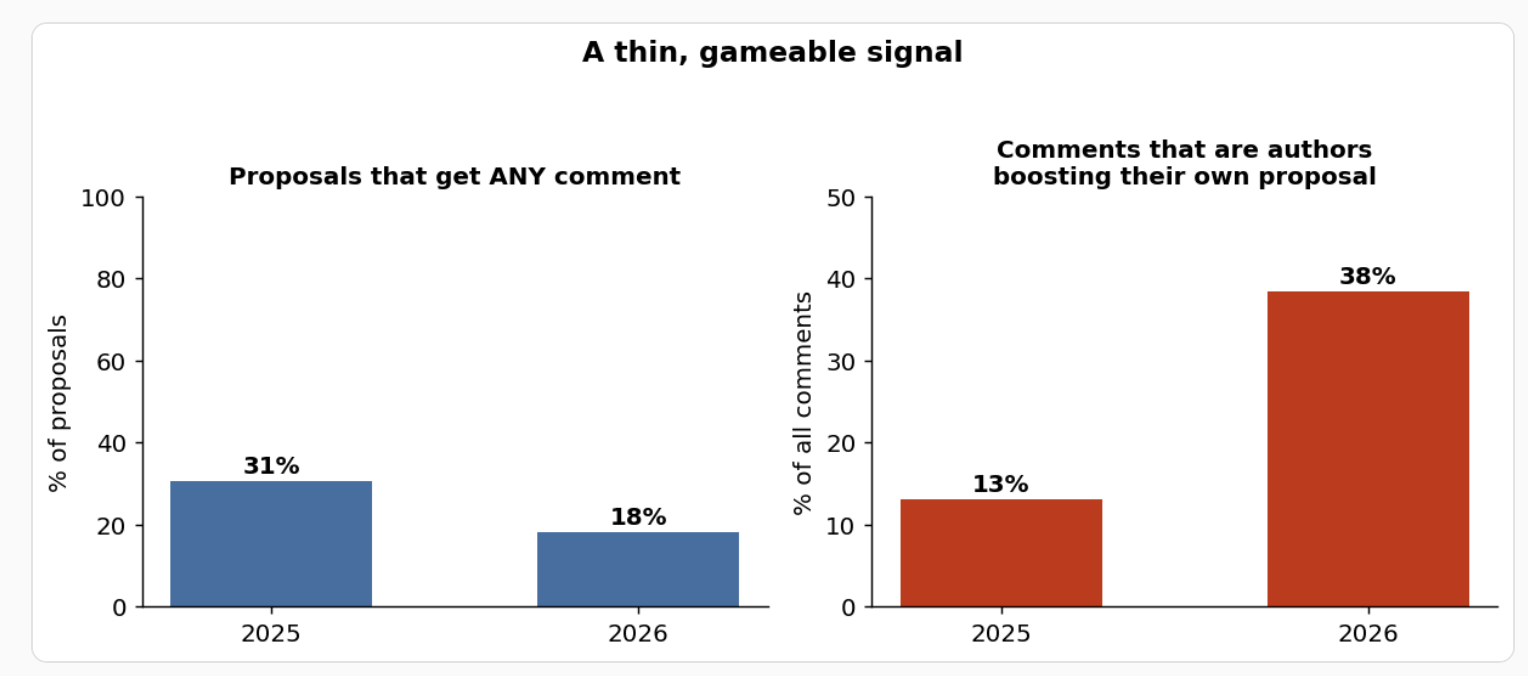
    • comment present or not
      • pseudonymised author

Simulation

  • 459 Proposals
  • 7134 Voters
    • their decision
      • seed is supported automatically
      • each other proposal is supported as a combination of
        • fit
        • divisiveness
        • position
    • browsing length
      • rises with recent relevance and
      • falls with fatigue

Results

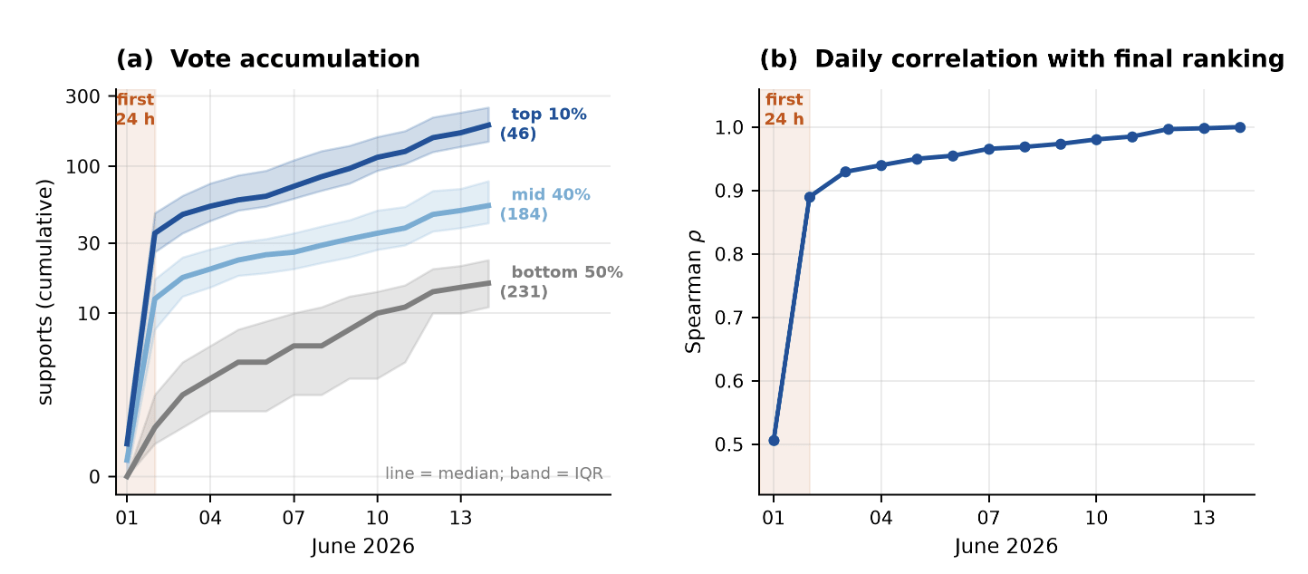
Munich field data, June 2026

Conclusion

  • Participatory Budgeting has a scale problem
  • Platform "solutions" partly aggravate the problem
  • FairFeed combines
    • fair exposure
    • crowd-sourced-vetting through negative feedback
    • transparent ranking on explicit preferences
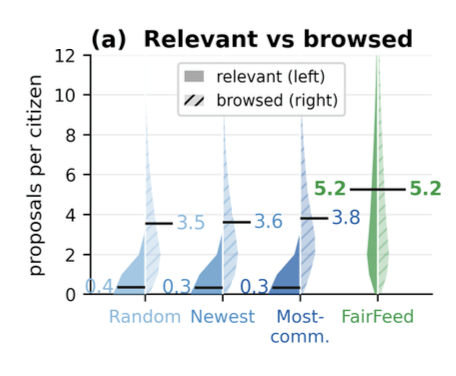
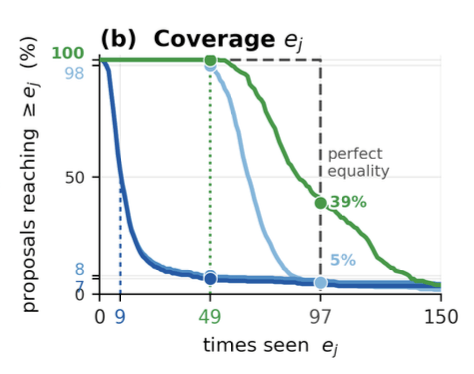
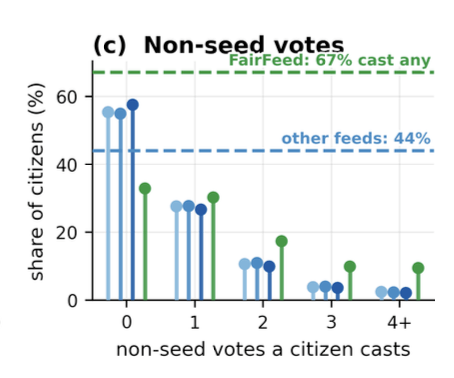
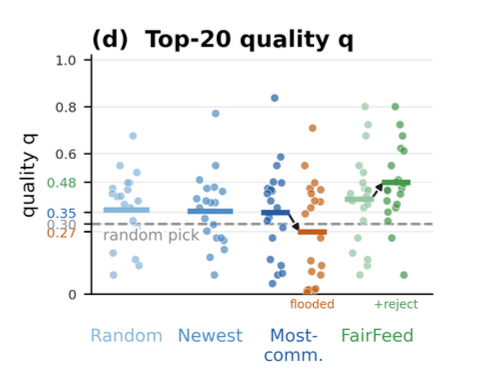
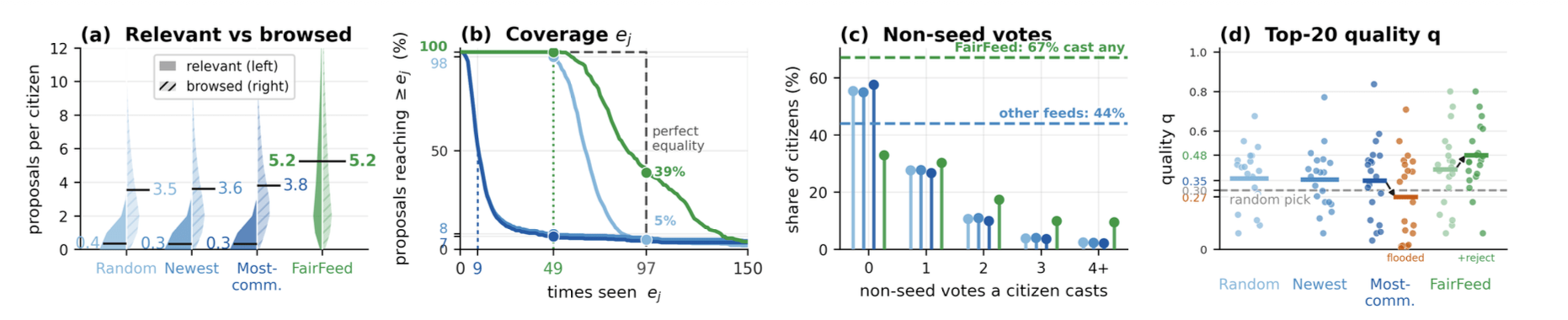
  • FairFeed increases
    • browsing length and relevance
    • coverage
    • non-seed votes
    • and top 20 quality

Open Questions

  • A user who lacks domain knowledge cannot state a preference over a feature until the system has shown them  some.
  • Interviewing the participant over the pool itself:
    • showing a fixed set of (unrated) proposals to the user
    • the system chooses the one whose rating would teach it the most about the user 
  • Example:
    • Eight turns, each turn shows one proposal, the participant rates it,
    • the scores over the pool are updated,
    • and the next proposal is picked against the updated scores.

How to improve the onboarding?

Pool-based active learning (Li 2025, Austin and Korikov 2024)

Other onboarding ideas?

For more ideas click here.

How to implement "transparency"?

  • Learned preferences/ vote counts downloadable as .json?
  • what else?

How to make hard tasks easier?


Is recommending interesting items enough?

More Fairness Criteria?

Should we keep categories?

Implementation

Where to find test data?

carina.hausladen@uni-konstanz.de

Appendix

Attention

  • Citizens cannot realistically inspect thousands of proposals before voting.
  • The set of proposals a voter encounters is shaped by
    • the voter’s entry point
    • the platform’s ordering rule
  • Two margins
    • Extensive margin: does a voter encounter proposals beyond the one that initially brought them to the platform?
    • Intensive margin: is attention concentrated on already-visible proposals, or do less prominent but potentially valuable proposals receive meaningful exposure?
  • A democratic process is not judged only by how many people can participate, but by what kind of participation it enables.
    • If PB platforms fail on either margin, they deny citizens a meaningful chance to encounter alternatives and form considered judgments [9, 14].
    • Fair exposure is therefore best understood as a floor on visibility: without it, a proposal’s failure may reflect rejection, but it may equally reflect lack of exposure.


Scale creates two problems

Vetting.


  • Every proposal must be assessed for feasibility, legality, cost, and duplication.
  • Centralized review is not only costly, but it also concentrates agenda-setting power.
  • Delegating evaluation back to citizens avoids this concentration of power, yet reintroduces the attention problem.

Scale creates two problems

PB at scale

Mechanisms for identifying weak, infeasible, duplicate, or low-quality content.

Learning from online communities

Fair Feed Ranking for Participatory Budgeting

By Carina Ines Hausladen

Fair Feed Ranking for Participatory Budgeting

  • 10