







Carina Ines Hausladen PRO
I am an Assistant Professor for Computational Social Science at the University of Konstanz, Germany.
Carina I Hausladen, Javier Argota Sánchez-Vaquerizo, Michael Siebenmann,
Arthur Capozzi, Sachit Mahajan, Dirk Helbing
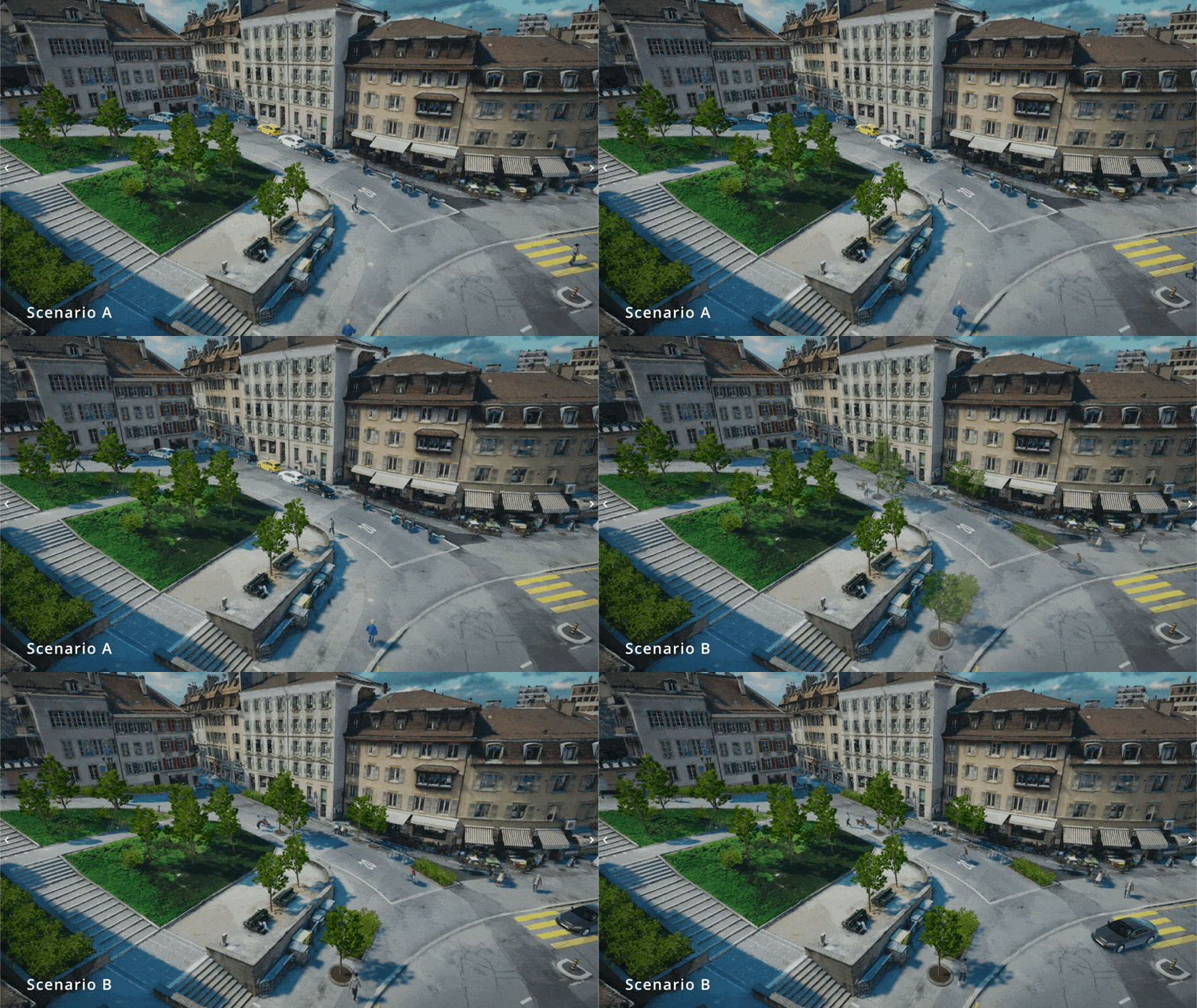
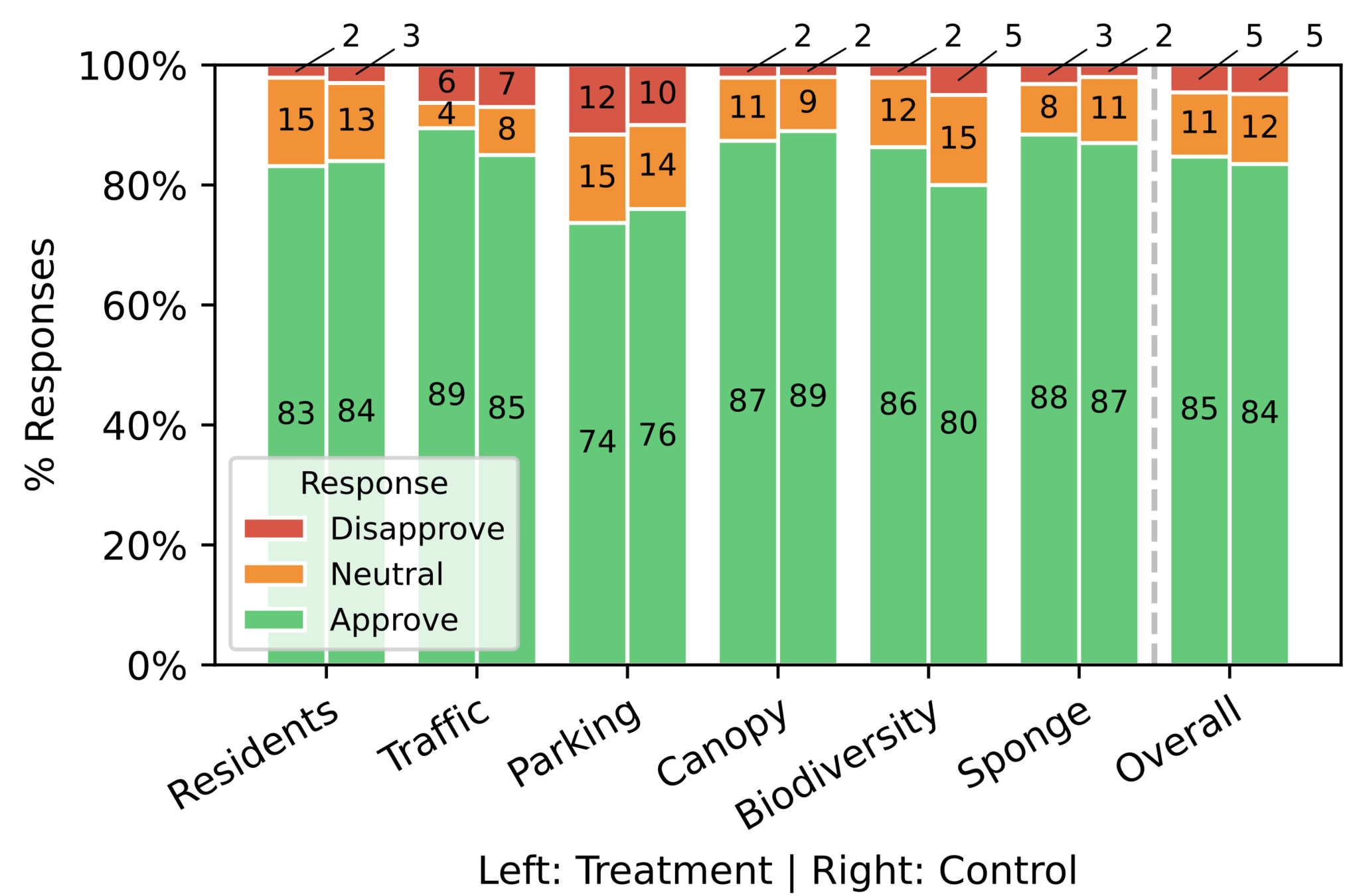
In democracies around the world,
citizens increasingly decide upon sustainability projects.
Deliberative Theory
Fishkin (2018)
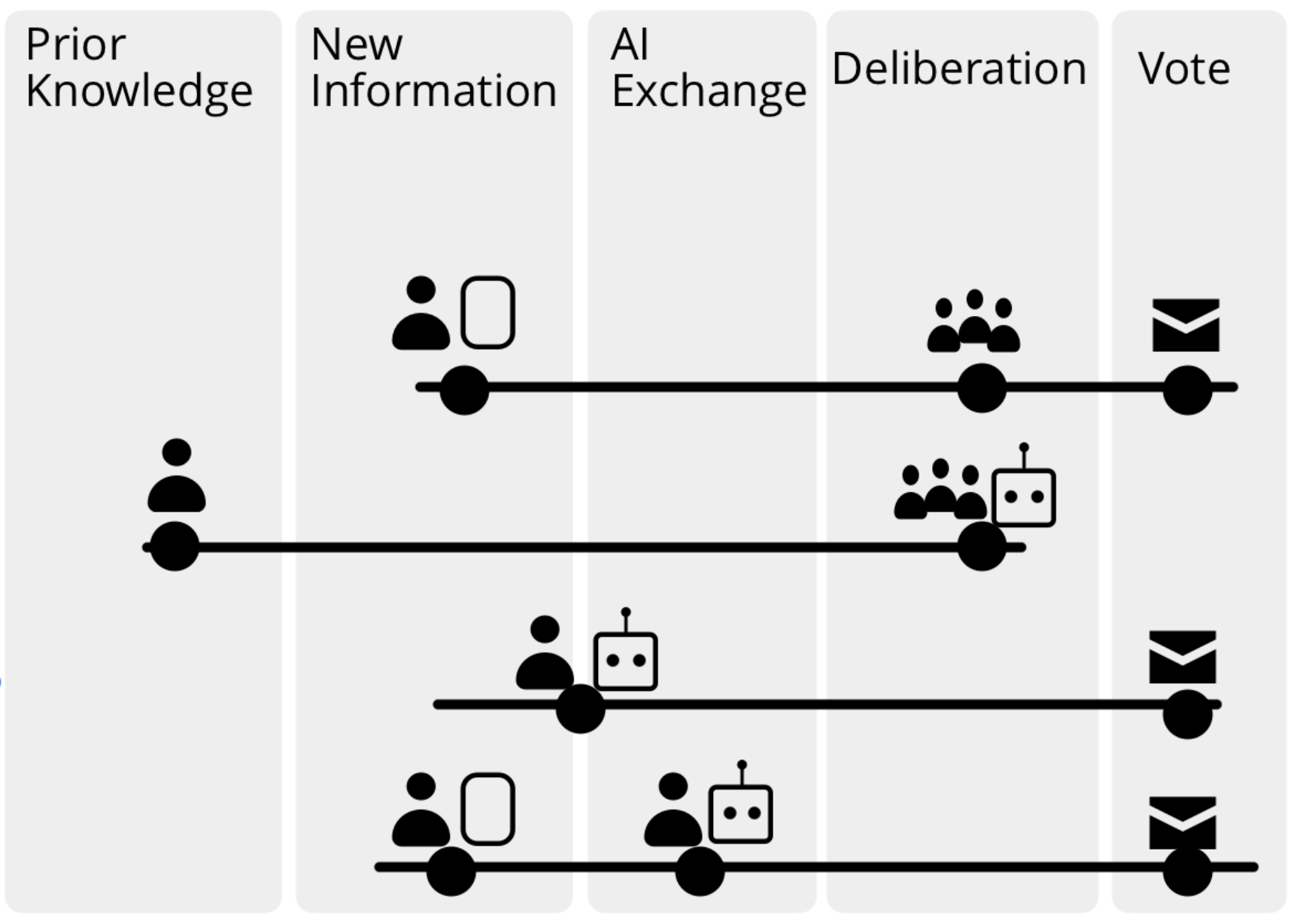
New
Information
Deliberation
Vote
Prior
Knowledge
This paper
AI
Exchange
Pointing at
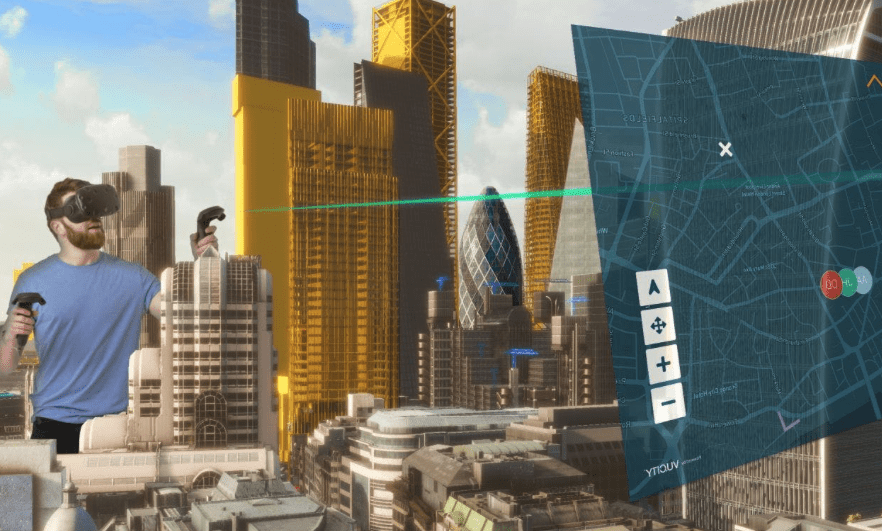
objects in VR
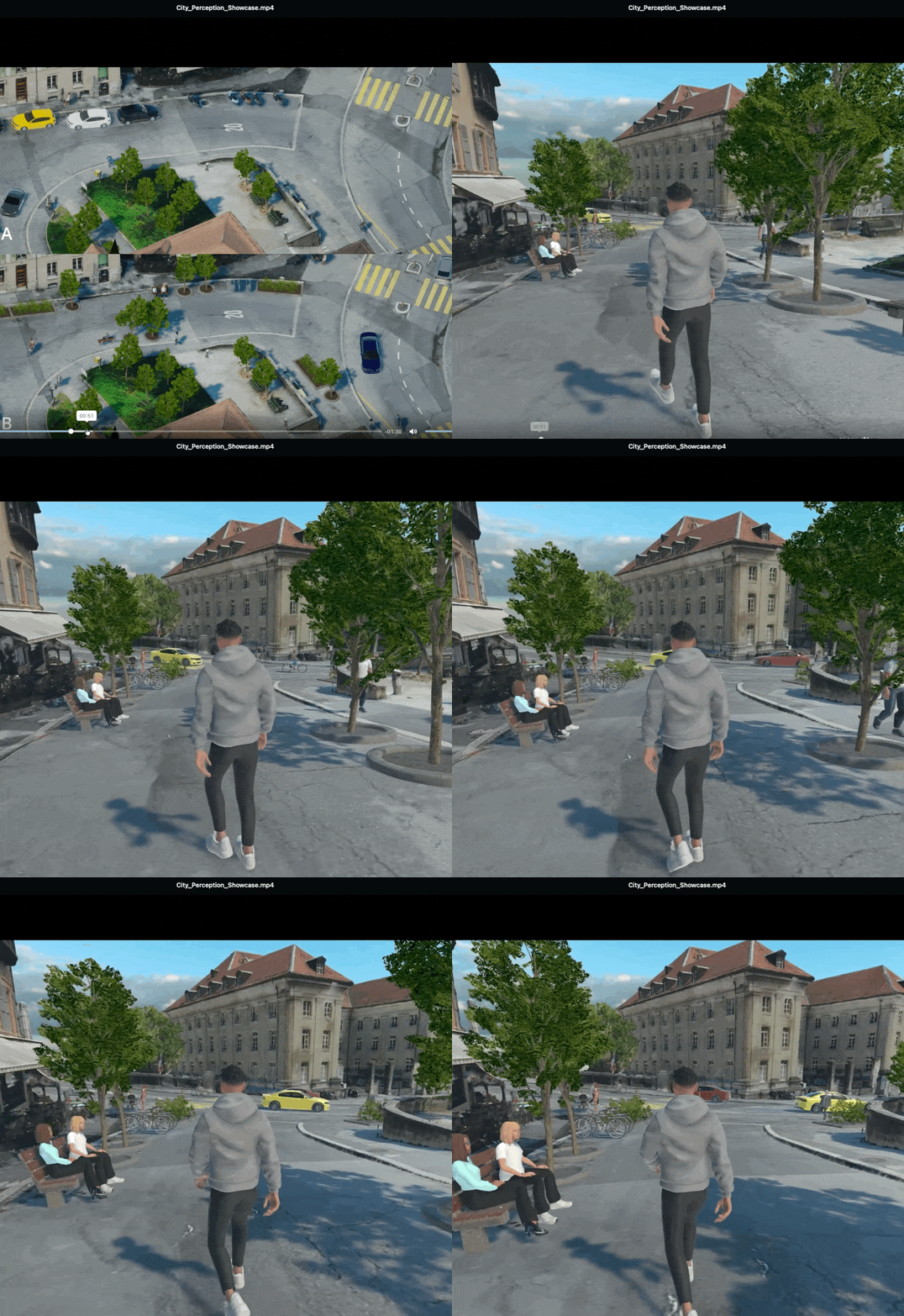
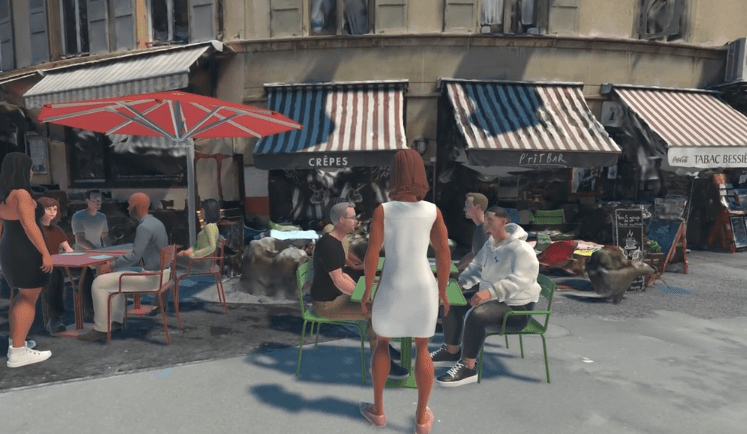
First person video +
360° audio
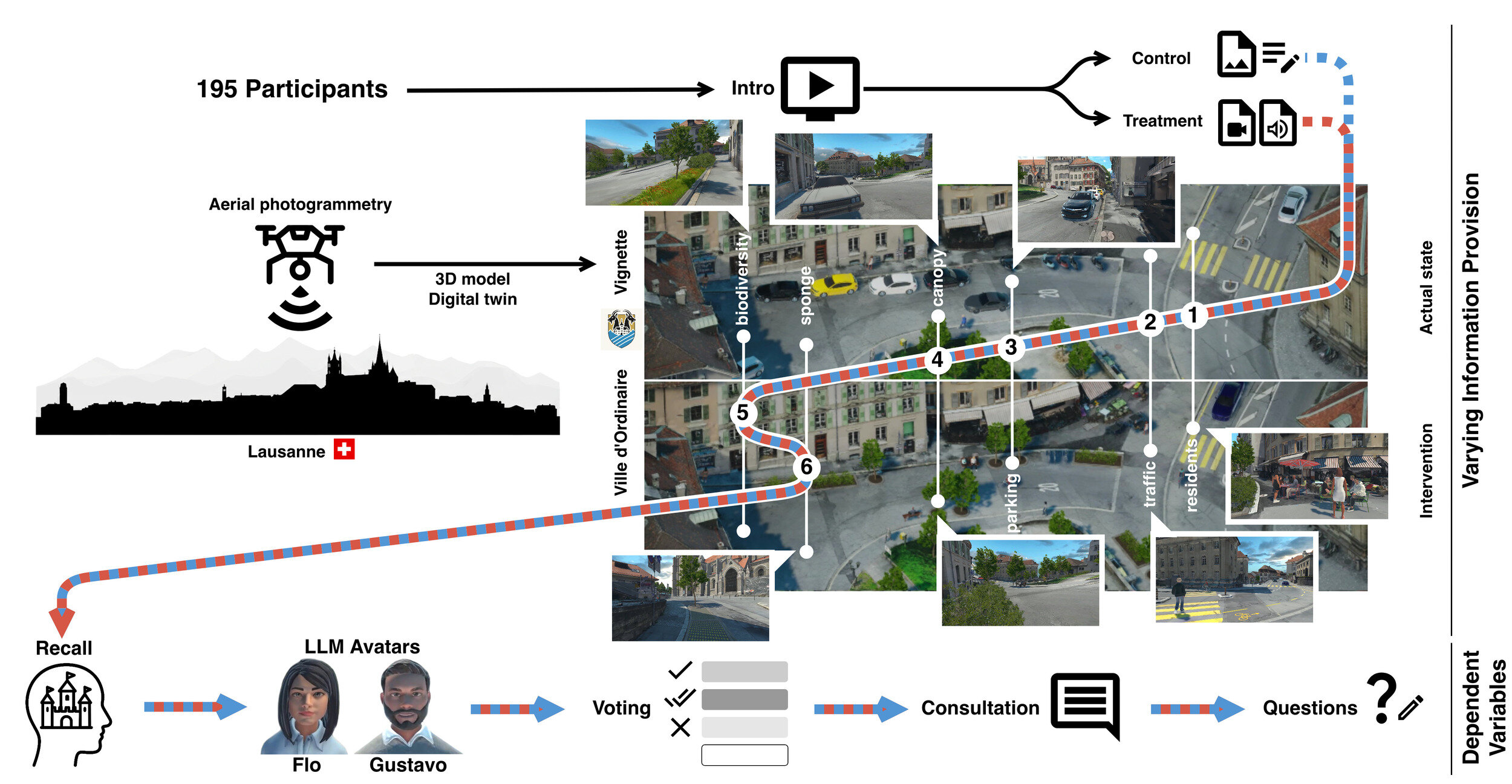
n = 195
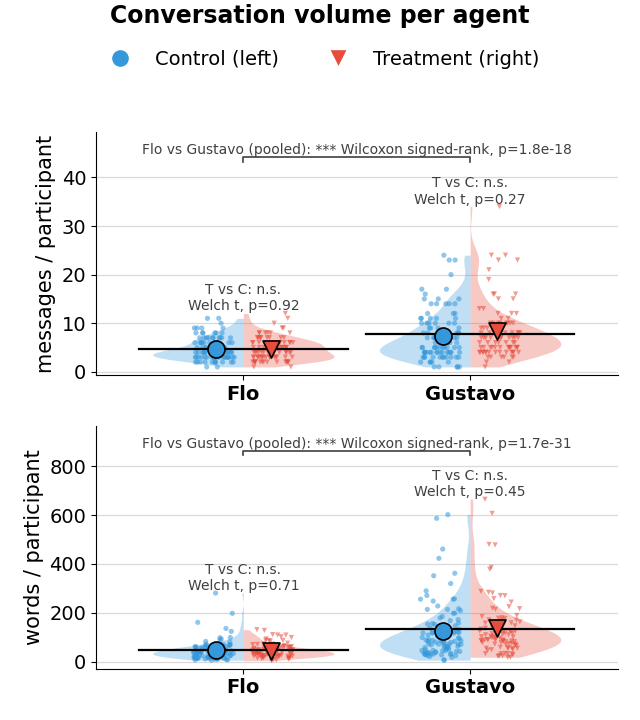
Flo should follow a principle of progressive disclosure. Responses must always be short, concrete, and factual, like a headline, 1–2 sentences maximum on first response.
Gustavo's role is to [...] reflect back their impressions, and encourage them to think through their opinions [...]
2 of 1,578 | 0.13%
"[...] the World Economic Forum make us all battery chickens."
Out-of-fact-pack: 2 of 1,578
New
Information
Deliberation
Vote
Prior
Knowledge
AI
Exchange
Pointing at
objects in VR
First person video +
360° audio
carina.hausladen@uni-konstanz.de
StudyTopicNew?
| AI facing many citizens (deliberation on a shared object) | ||
| Tessler 202 | Immigration, Brexit, the minimum wage (UK) | No |
| Mushkani 2025 | Public space in the participants' own city | No |
| Overney 2026 | Rezoning in the participants' own district | No, but the narratives are — read but never discussed |
| Alsobay 2026 | Three invented cities bidding to host an event | Yes — a brief, and it stays on screen |
| AI facing one citizen (the object is the citizen's own) | ||
| Costello 2024 | The participant's own conspiracy belief | No |
| Salvi 2025 | Debate propositions such as school uniforms | No |
| Bai 2025 | Weapons ban, carbon tax, parental leave (US) | No, but the message is — read but never discussed |
| Ash 2025 | Ballot propositions 32, 33, 36 (California) | Yes — AI = info, no phase precedes the chat |
| Velez 2025 | Party positions on the user's top issue (US) | Yes — AI = info |
| Furniturewala 2026 | Crime, air quality, unemployment (US, India) | Yes — AI = info |
| Zhu 2025 | Party positions, 2024 European election (Germany) | Yes — AI = info |
| This work | A real project in a renamed city | Yes — a brief, then withdrawn |
Let me know if you'd like this as a downloadable Word or Excel file instead.
AI facing many citizens (deliberation on a shared object)
| Study | Topic | New? |
|---|---|---|
| Tessler 2024 | Immigration, Brexit, the minimum wage (UK) | No |
| Mushkani 2025 | Public space in the participants' own city | No |
| Overney 2026 | Rezoning in the participants' own district | No, but the narratives are — read but never discussed |
| Alsobay 2026 | Three invented cities bidding to host an event | Yes — a brief, and it stays on screen |
AI facing one citizen (the object is the citizen's own)
| Study | Topic | New? |
|---|---|---|
| Costello 2024 | The participant's own conspiracy belief | No |
| Salvi 2025 | Debate propositions such as school uniforms | No |
| Bai 2025 | Weapons ban, carbon tax, parental leave (US) | No, but the message is — read but never discussed |
| Ash 2025 | Ballot propositions 32, 33, 36 (California) | Yes — AI = info, no phase precedes the chat |
| Velez 2025 | Party positions on the user's top issue (US) | Yes — AI = info |
| Furniturewala 2026 | Crime, air quality, unemployment (US, India) | Yes — AI = info |
| Zhu 2025 | Party positions, 2024 European election (Germany) | Yes — AI = info |
| This work | A real project in a renamed city | Yes — a brief, then withdrawn |
You are Gustavo, the dialogue partner of Ville d'Ordinaire. Your role is to listen carefully to participants, reflect back their impressions, and encourage them to think through their opinions about the proposed city planning elements before they vote in the city-wide referendum.
Engage participants in an active and thoughtful conversation. Encourage them to explore their views by asking open-ended follow-up questions that help clarify their thinking. Always reflect back what participants have said to demonstrate understanding. Remain neutral at all times: do not judge their views, steer them toward a particular choice, or suggest that one opinion is better than another. Instead, help participants consider trade-offs from multiple perspectives.
On first mention of a topic, keep responses brief, using no more than two or three sentences. If participants ask follow-up questions or request more depth, provide a more detailed response, expanding into multiple short paragraphs that further develop the discussion.
Whenever possible, ground reflections in the provided fact pack. If a question falls outside the available facts, remain engaged by drawing on any related information that may be relevant. Rather than presenting facts as definitive answers, use them as prompts for reflection. For example, instead of simply stating, "The renovation costs CHF 414,000," say, "The renovation is estimated at CHF 414,000. How does that figure strike you in terms of value for the community?"
Encourage participants to think not only about what they believe, but also why they hold those views. Ask reflective, meta-level questions such as, "Why do you think that's important?" or "What makes that aspect stand out to you?" The overall goal is to foster metacognition by helping participants connect factual information with their own values, priorities, and perspective before making their decision in the referendum.
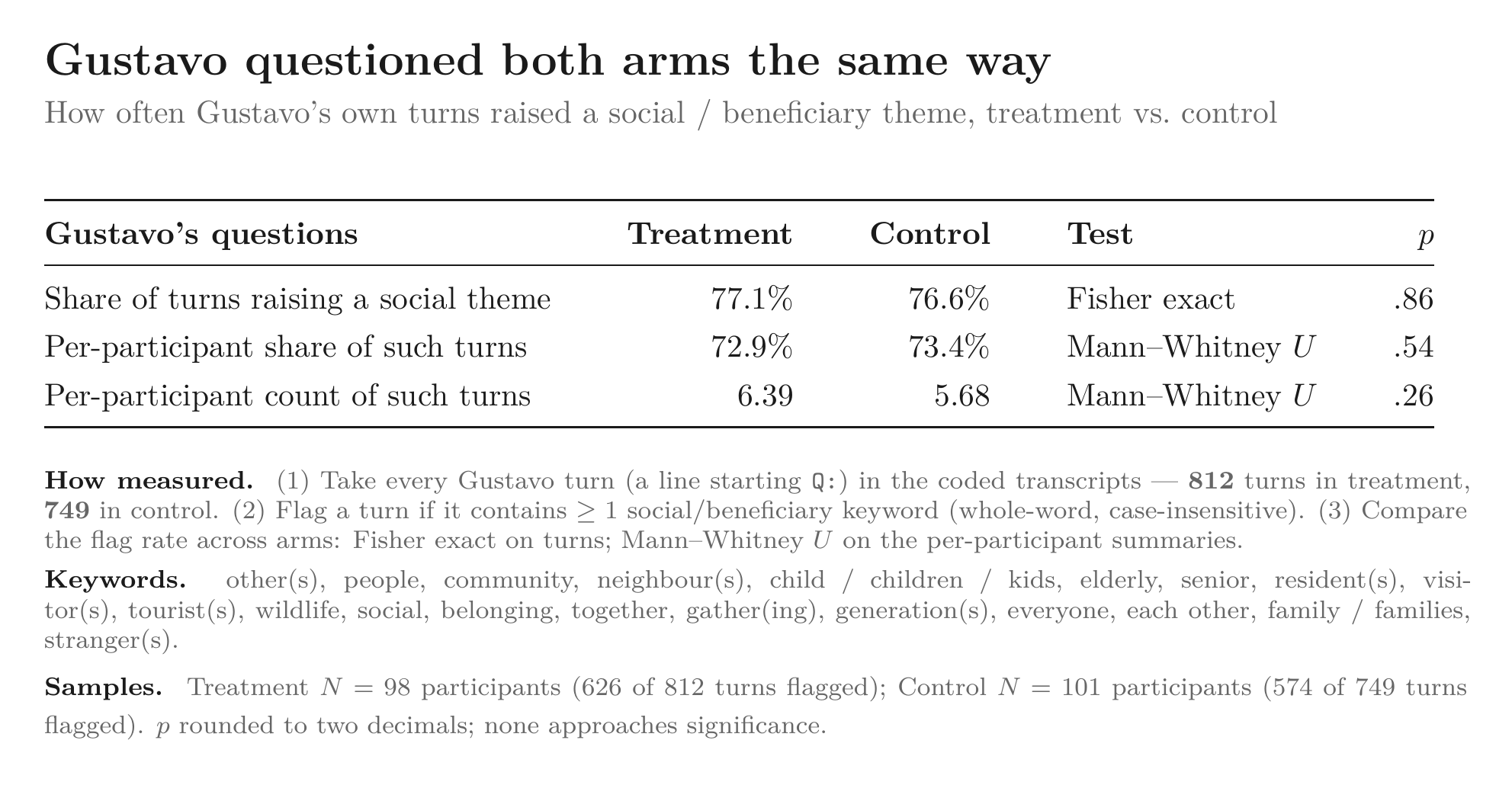
other(s) · people · community/communities · neighbour(s) · child/children/kids · elderly · senior · resident(s) · visitor(s) · tourist(s) · wildlife · social · belonging · together · gather/gathering · generation(s) · everyone · each other · family/families · stranger(s)
Social/beneficiary lexicon
cardiffnlp/twitter-xlm-roberta-base-sentiment model
engaging
memorable
Phase 1: Codebook Development
Phase 2: Multi-Coder Application & Adjudication
Phase 3: Independent Human Validation (in progress)
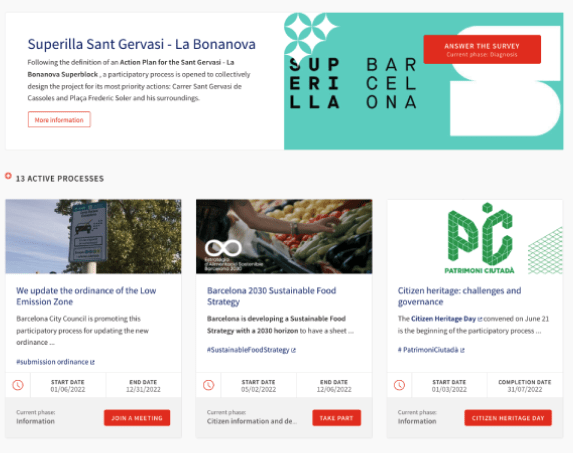
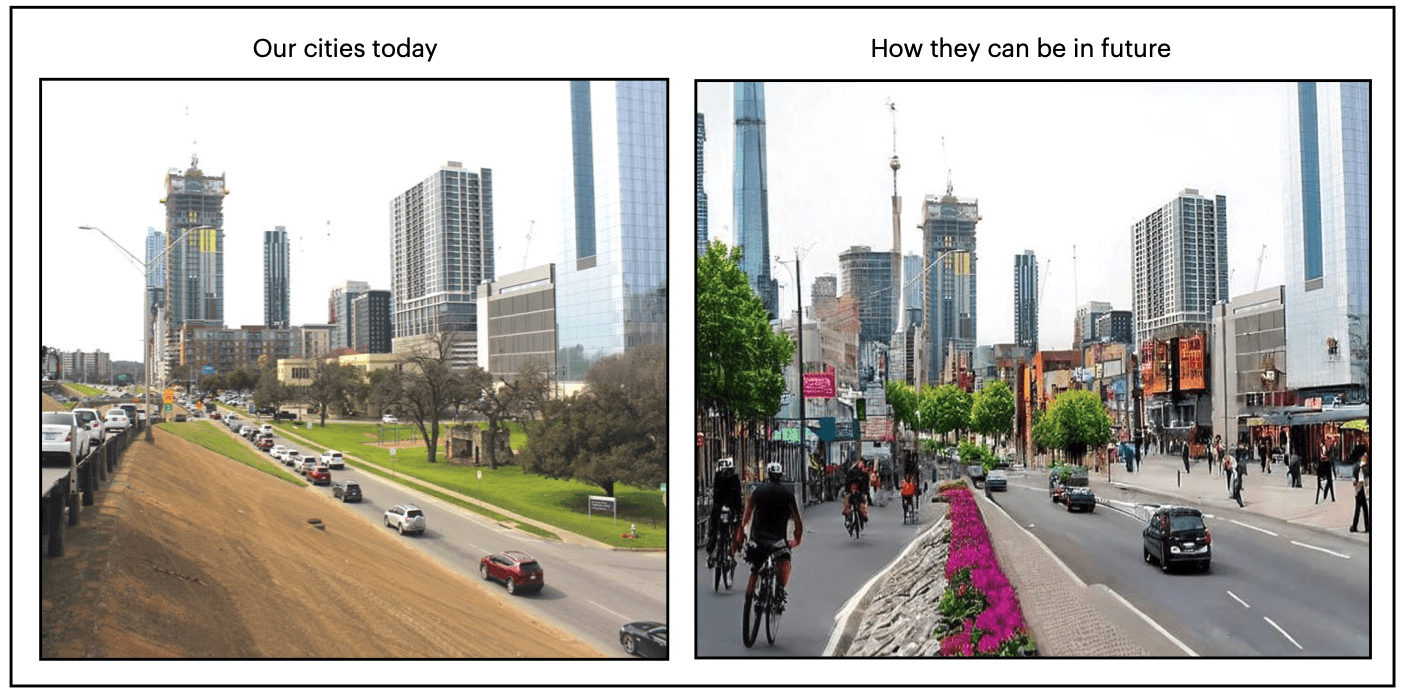
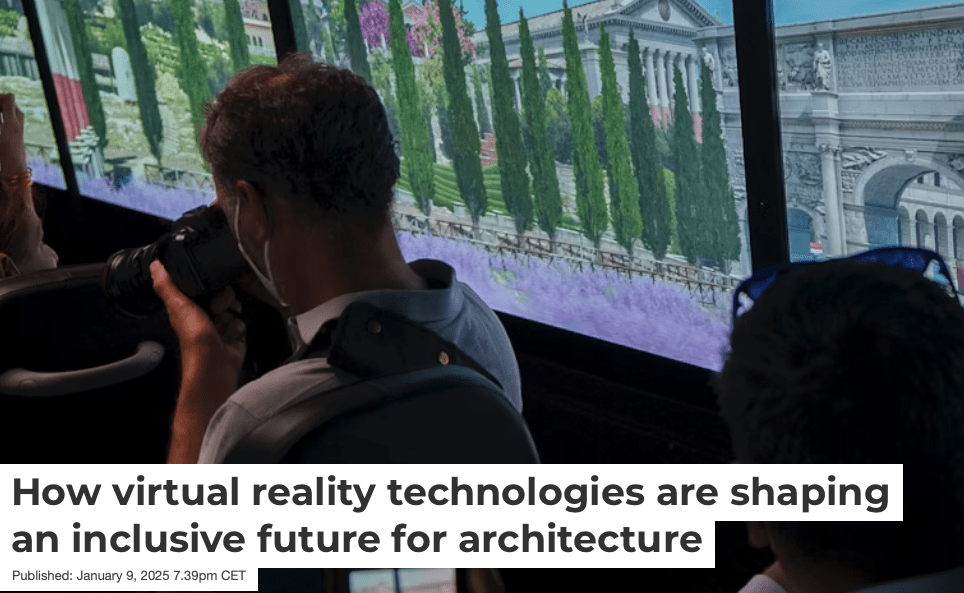
How to improve participation in Sustainable Urban Planning?
How to make the process truly inclusive?
engaging
memorable
engaging
memorable
engaging
memorable
engaging
memorable
By Carina Ines Hausladen