Languages all the way down
Alexander Gryzlov,
IMDEA Software Institute
Celonis, Madrid, 19/10/2022
Intro
- Research software engineer
- Write proofs for imperative (concurrent) algorithms
- Programs that assume a global storage and manipulate pointers to it
List reversal
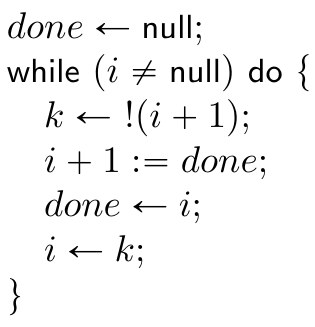
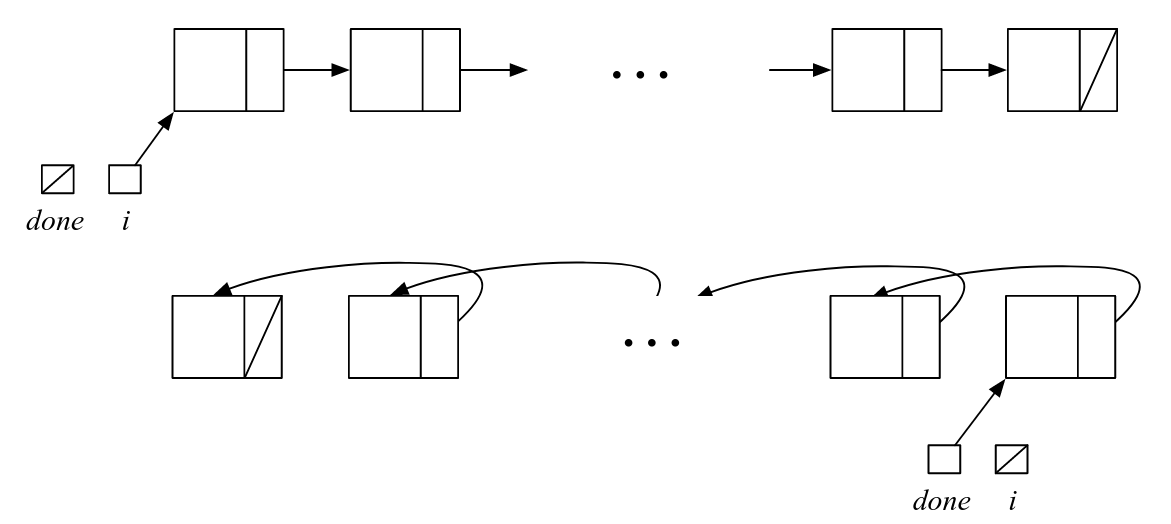
List reversal
- Written in some "midlevel" language
- You can compile it to machine code
- You can specify it with some abstraction
Compilation
.LBB2_1:
        cmp     qword ptr [rbp - 32], 0
        je      .LBB2_3
        mov     rax, qword ptr [rbp - 32]
        mov     rax, qword ptr [rax + 8]
        mov     qword ptr [rbp - 16], rax
        mov     rcx, qword ptr [rbp - 24]
        mov     rax, qword ptr [rbp - 32]
        mov     qword ptr [rax + 8], rcx
        mov     rax, qword ptr [rbp - 32]
        mov     qword ptr [rbp - 24], rax
        mov     rax, qword ptr [rbp - 16]
        mov     qword ptr [rbp - 32], rax
        jmp     .LBB2_1
Specification
reverse :=
list A :=   nil
          | :: of A & list A

rev nil   = nil
rev x::xs = rev xs ++ x::nil

{is_list i l}
reverse
{is_list done (rev l)}
Language stack
- Interaction between machine and human
- The gap is large, so we have a series of languages
- Programming is about navigating this stack
- Can computers also help with this navigation?
Me and languages
- A linguist father
- Got a computer in early 90s for text processing
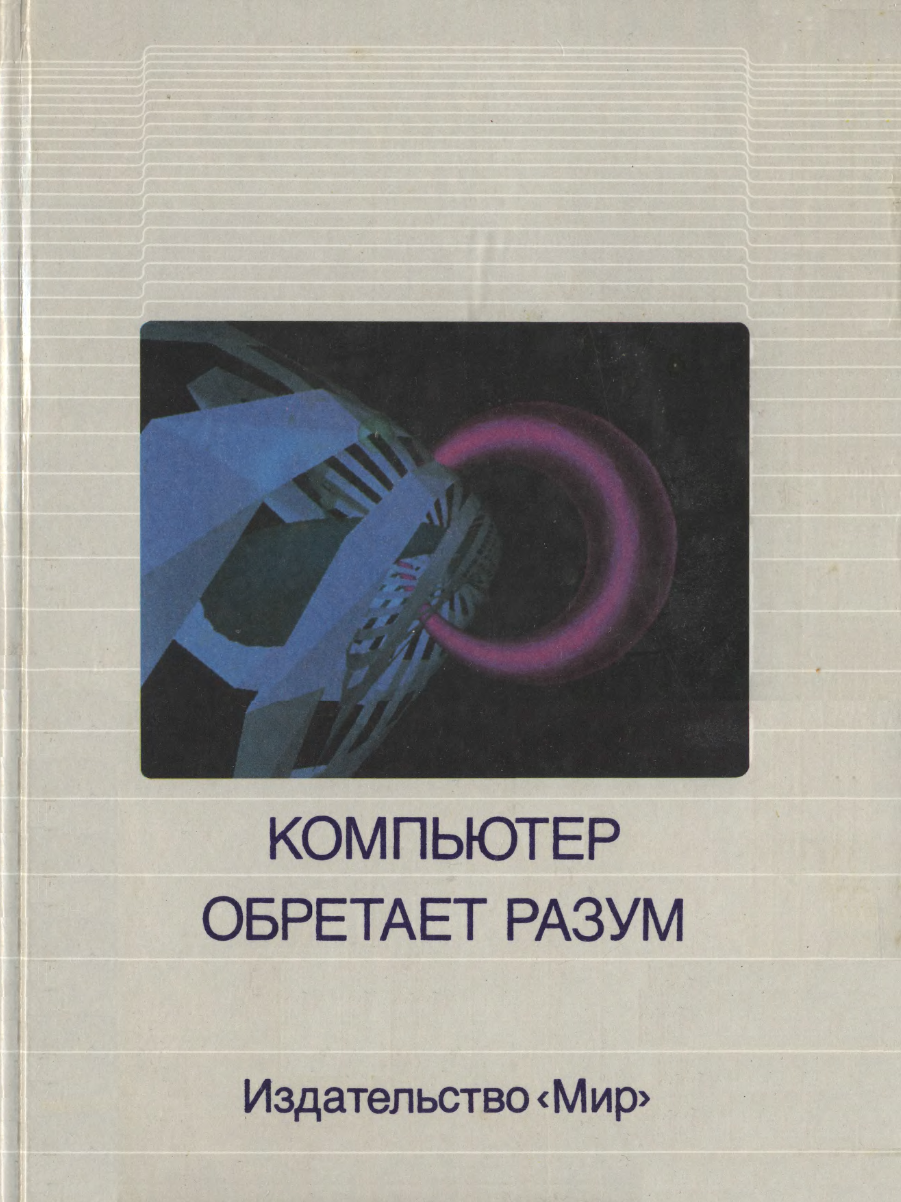
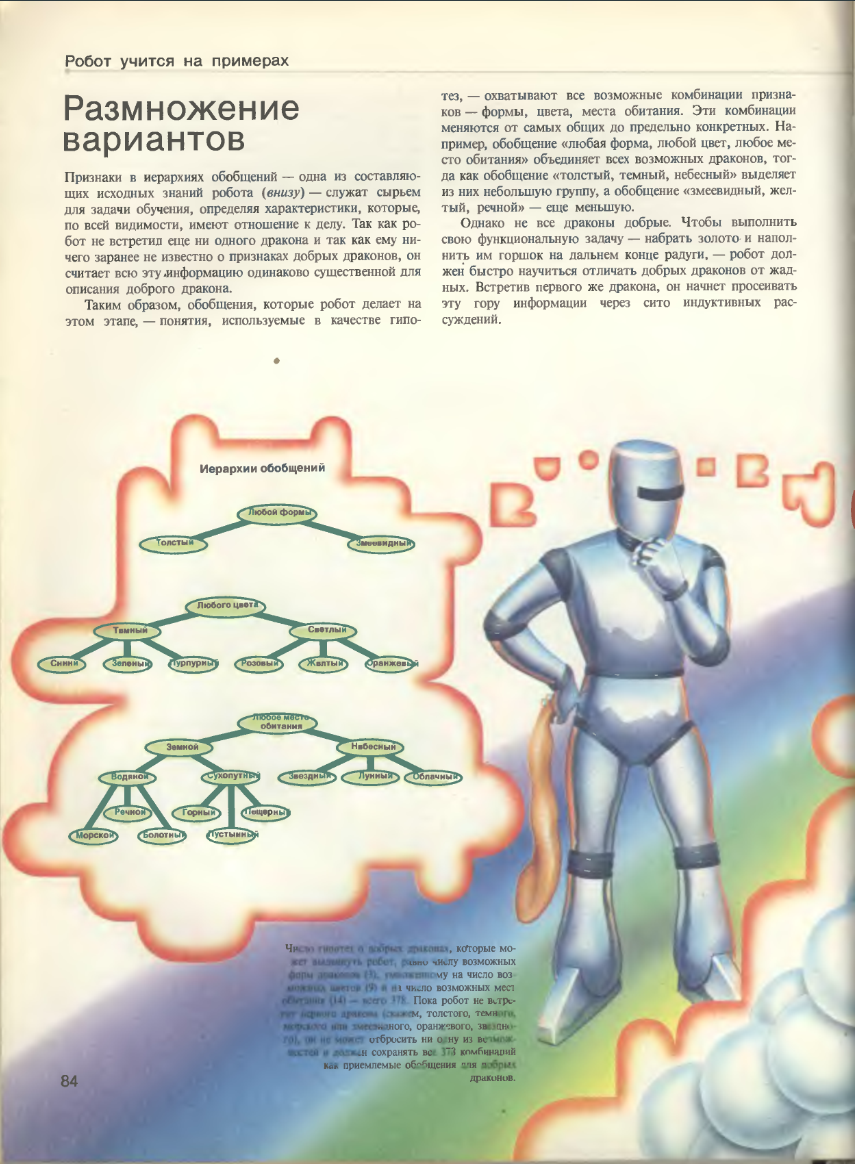
- "Computer obtains a mind", 1985-1990
- "Goedel, Escher, Bach", 1979
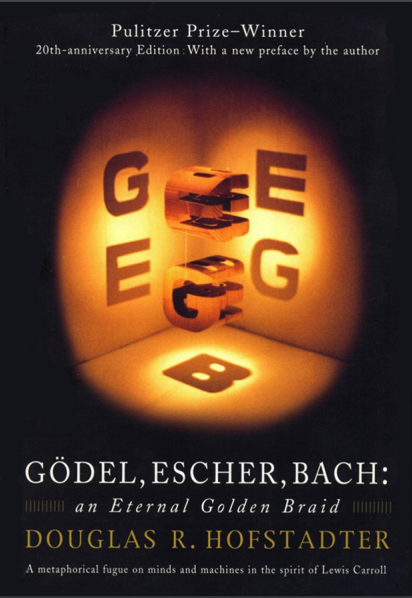
Me and languages
- Perceptrons, expert systems, semantics, learning
- Quines, fixpoints, self-modifying code
- Went to get a CS degree in mid 2000s
input to a program = string in a new language
the program itself = its interpreter
Language-Oriented Programming
Early work experience
- C/C++/Java (also some Smalltalk)
- Always about manipulating state ("mid-stack")
- Leaking abstractions: segfaults, null pointers, bizarre errors
- Spent a few years playing detective

Early work experience
- Nice theory, rough practice
- The computer is not a very coherent dialogue partner
- "This is just bit shuffling"
- Need to look for languages somewhere else
Biology
- Can sometimes be seen as "language stacks" incarnate
- Biosemiotics, code, signalling
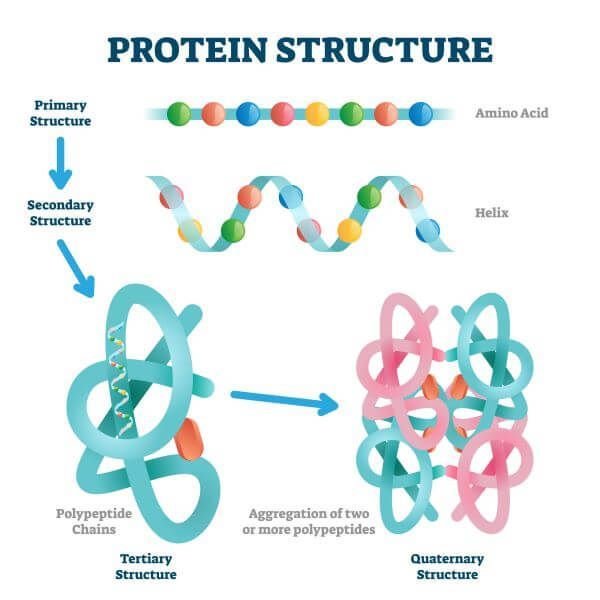
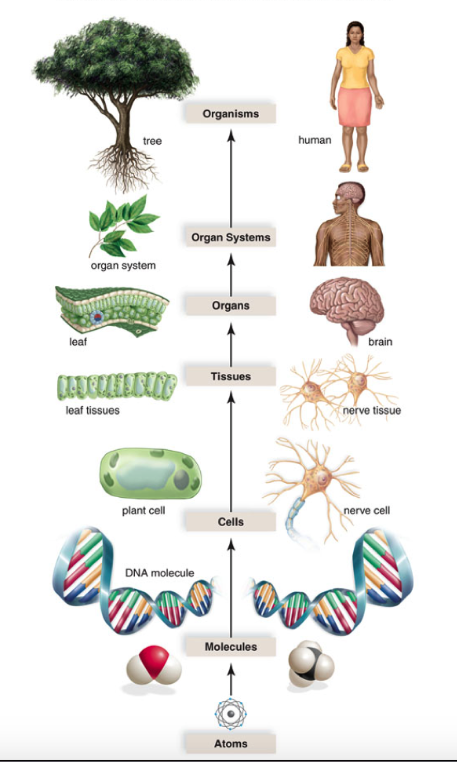
Systems biology
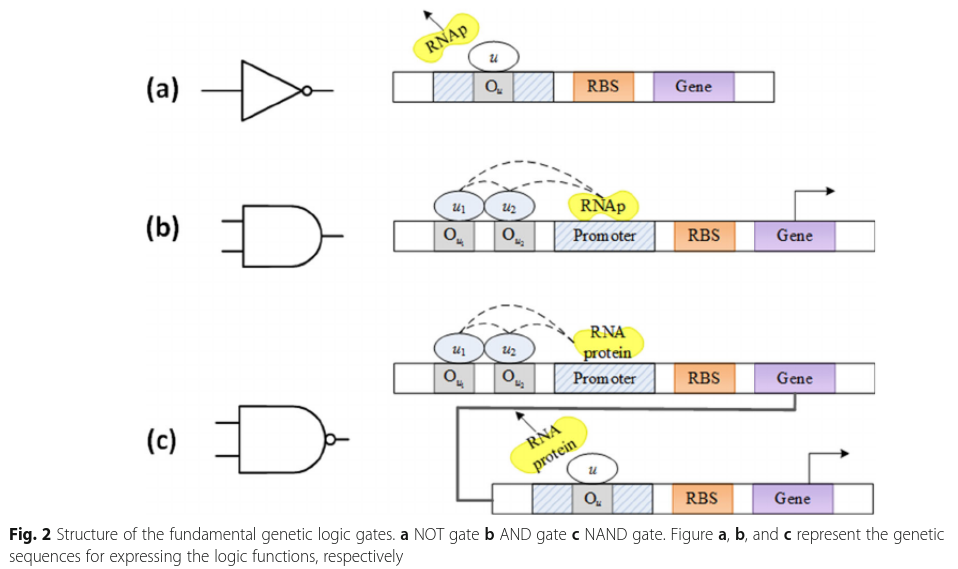
Lin et al., Journal of Biological Engineering (2018)
"Synthesis of control unit for future biocomputer"
Functional programming
- Played with Lisp before
- Started getting interested in typed functional languages like OCaml and Scala (early 2010s)
- Began with parsers and data pipelines
- Bioperl, Biocaml, ...
Bioinformatics
- Applied to a PhD in Plant Systems Biology
- Studied for 2.5 years before dropping out
- More interested in quantitative effects than in big picture
- "Computational glue" pipelines (Perl, Fortran, MATLAB, etc), ad-hoc write-and-forget scripts
- Even less trustworthy!
Script troubles
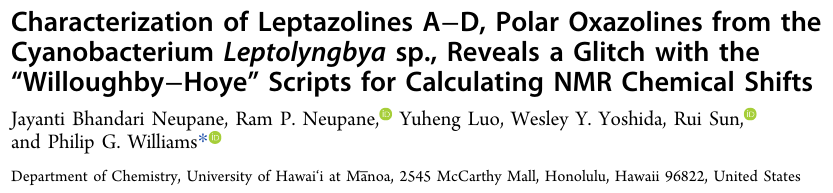
e.g., this paper from 2019 suggests 150+ papers could have wrong results:
"The error is the result of a simple file sorting problem. On operating systems without default file name sorting, the script fails to match the files containing a conformer’s free energy with its chemical shift – leading to an overall wrong value."
Data engineering
- Went back to the industry, wishing for more rigor
- R&D in ad-tech
- Recommender engines, distributed data pipelines
- Started fully embracing FP (mid 2010s)
- "Stats and monads" department
Specs and types
list A :=   nil
          | :: of A & list A

rev nil   = nil
rev x::xs = rev xs ++ x::nil
def rev[A] : List[A] => List[A] = {
  case Nil => Nil
  case (x::xs) => rev(xs) ++ List(x)
}
FP is executable specs:
Monads & DSLs
- Embrace Language-Oriented Programming, use mini-languages
- Need for meta-language constructs
- Monads model sequential composition
-
cause => effect[result]
- In CS computation is thought of as directed
- E.g. multiplying numbers vs factoring primes
Scalability
- Trustworthiness is really useful for a foundation
- Performance will suffer
- Scale horizontally => parallelism & concurrency
- Pandora's box: all about fine-grained communication
- No longer interacting with computer 1-1, you're outnumbered
- Sequentiality also starts leaking
Break up monads
Applicatives
def pure[A](a: A): F[A]
def apply[A, B](f: F[A => B]): F[A] => F[B]
Arrows
Arrow[F[_, _]]

def lift[A,B](f: A => B): F[A,B]
def dimap[A,B,C,D](fab: F[A,B])
         (f: C=>A)(g: B=>D): F[C,D]
def second[A,B,C]
          (fa: F[A,B]): F[(C,A),(C,B)]
def split[A,B,C,D]
         (f: F[A,B], g: F[C,D]): F[(A,C),(B,D)]
Visual programming
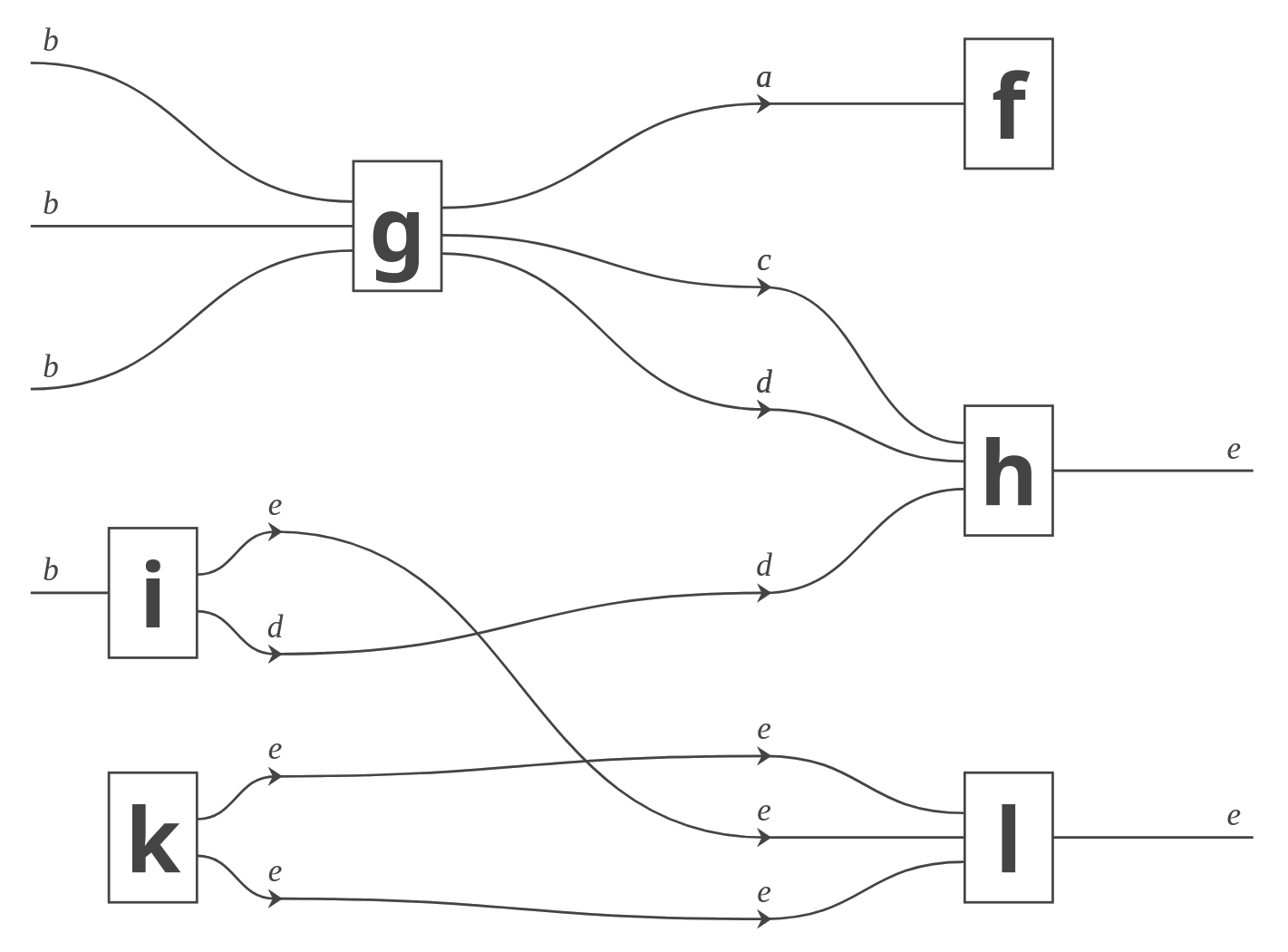
Categorical cybernetics
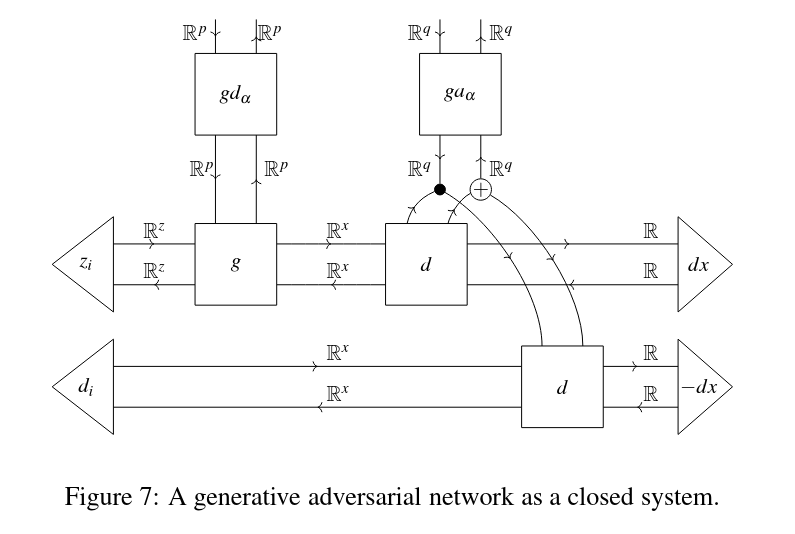
Capucci, Gavranovic, Hedges, Rischel [2021]
"Towards foundations of categorical cybernetics"
Build on monads
- We wanted expressive declarative DSLs
- FP - higher-order functions + higher-order types
- Abstracts and hides some of the complexity
- The computer can have coherent dialogue but can be very excrutiating
Logic programming
- A second side of declarative is logic programming
- Solving as the default mode of computation
- Norvig's Corollary to Greenspun's Tenth Law of Programming: "Any sufficiently complicated LISP program is going to contain a slow implementation of half of Prolog"
- Filling the gaps: implicits
Proof engineering
- Dependent types are a powerful metalanguage
- Solving becomes undecidable, manual proofs
- Programming -> constructive math & logic
- Equality, ordering, choice, finiteness
- Countability ~ serialization
AI vs IA
- Thinking is scarce
- Moshe Vardi: fast vs slow reasoning
- Expressive specs mean more powerful tools
- Typechecker feedback loop
- An interesting dialogue with machine
List reversal in Coq/HTT
Demo!
Contacts
- https://software.imdea.org/~aliaksandr.hryzlou/
- https://www.linkedin.com/in/alexgryzlov/
- https://github.com/clayrat/
- https://twitter.com/clayrat/
Languages all the way down
By Alex Gryzlov