10 minute learns
trust-less
What has 17th Century French Philosophy taught us about building smarter ecosystems?
Making decisions under extreme uncertainty
Pascals Wager
Setting up for the afterlife in the 17th Century
| God | Exists | Doesn't exist |
|---|---|---|
| Believe/be good | Go to heaven ✅ ✅ |
Possible positive affect on society, otherwise nothing happens |
| Don't believe/sin | Go to hell ❌ ❌ |
Nothing happens |
Pascals Climate
Setting up for the afterlife in the 21st Century
| Climate Change | It's real | It's not real |
|---|---|---|
| Act to save planet | High chance of survival ✅ ✅ |
Planet might improve, otherwise nothing happens |
| Don't act to save planet | No chance of survival ❌ ❌ |
Nothing happens |
Society (reverse)
Bad actors = punished
Good actors = not rewarded
| Law and order | Get arrested | Don't get arrested |
|---|---|---|
| Be a bad citizen | Less crime, society improves ✅ ✅ |
Go about your day |
| Be an upstanding citizen | System failure, society worsens ❌ ❌ |
Nothing happens |
Game Theory
Economics
| Market Competitor | Strategy is successful | Strategy is not successful |
|---|---|---|
| You compete | Potentially still gain market share ✅ ✅ |
Potentially lose investment or nothing happens |
| You don't compete | Lose market share ❌ ❌ |
Nothing happens |
You gotta be in it to win it
Alternatives to GT?
Zero-sum: win or lose
Zero-sum
Game Theory






Naive interpretation of technology companies approach
Decision Theory
Mitigating the risk of poor decisions
Common denominator?
Humans 🤷♂️🤷♀️
We are flawed. We simply cannot be trusted to make the right choice under extreme uncertainty.
What if we removed humans (🙍♀️🙍♂️), therefore, trust, from the decision equation? Let's explore!
e = (👫*trust)mc^2
Automating Decision Theory
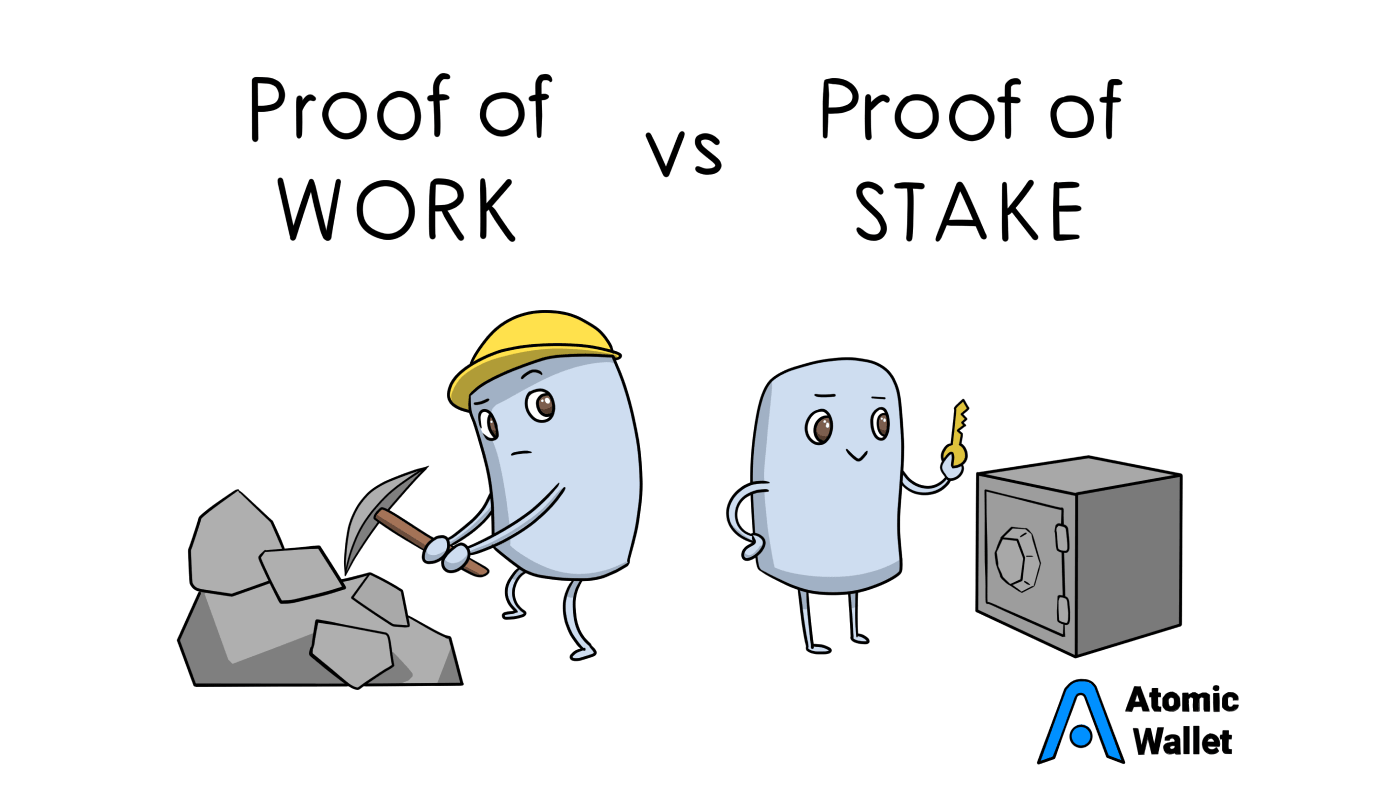
Next-gen: Cryptoeconomics
Incentives, rewards & punishments in a decentralized system
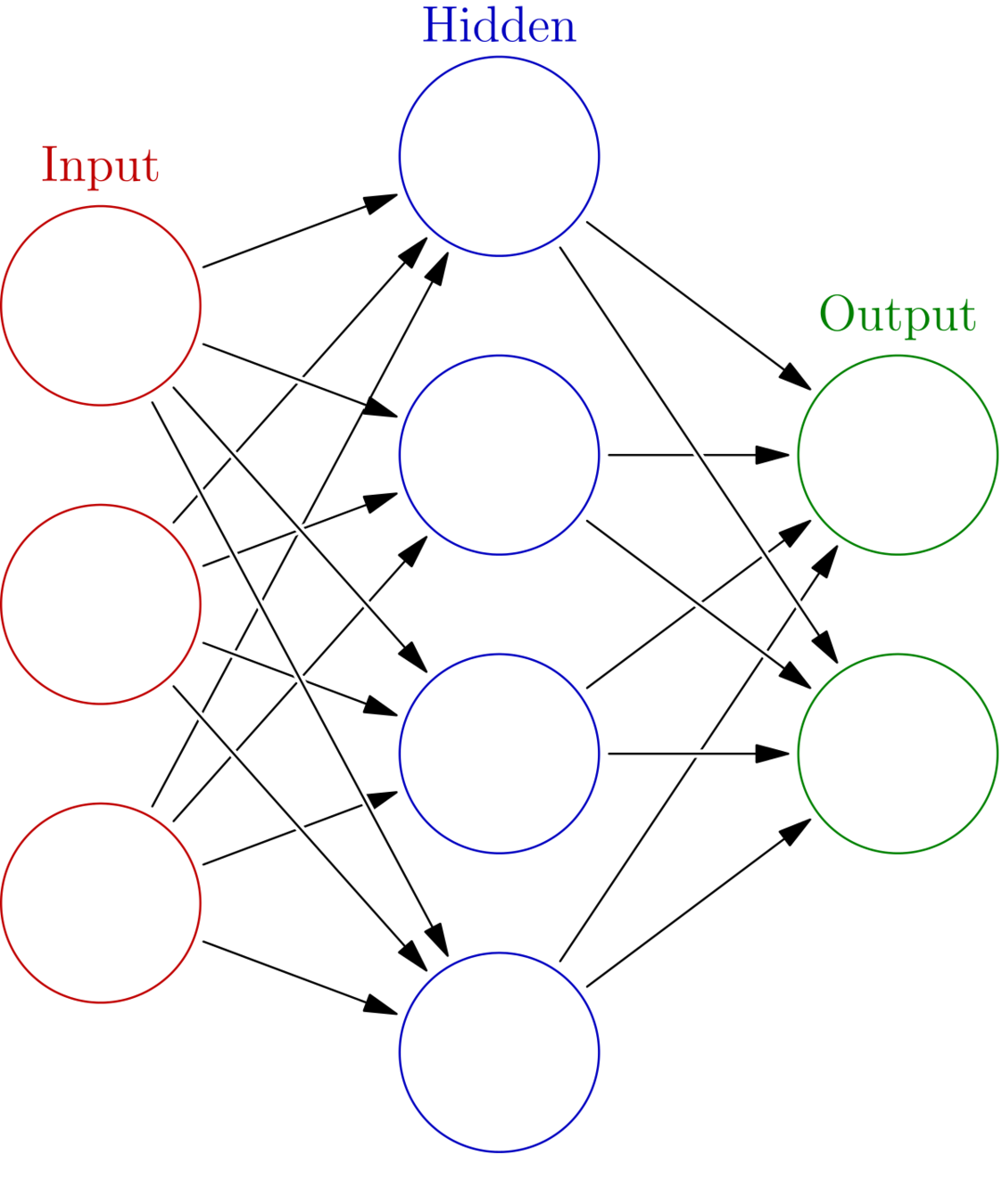
Next-gen: Machine Learning
Neural network = black box eventually
But can we remove trust from the equation with the stuff we use today?
Of course!
Example 1: Cloud Infrastructure
- Config driven: remove manual human intervention
- Auto-scaling: infrastructure setup to automatically scale-up (add more servers) to deal with increasing capacity
- Auto-healing: infrastructure automatically setup to bring dead servers back-up when they go down
- Load-balancing: infrastructure automatically setup to direct traffic in a balanced manner so servers don't crash under load
Example 2: Security
- Passwordless: never see or know a password again e.g., password managers (LastPass, Cyberark)
- Cryptography: we cannot comprehend the technology required to break levels of encryption we use today, a device dies and with it the key to the safe in the form of an private encryption key e.g., device to device messaging (WhatsApp)
- Zero trust corps: Things like Google's BeyondCorp which deal with decentralisation and scale of enterprise software
Example 3: Software Automation + Product Delivery
- Data-driven: let the data do the talking - not your boss
- Customer-first: show customers things, listen to their responses, deliver accordingly - you and I don't know best (sorry!)
- High code test coverage - don't trust yourself not to break things
- Experiment: build small, grow big - not the opposite, you don't know until you know and the quicker that is the better (Lean, XP)
- Continuous Integration / Continuous Delivery: get stuff in front of customers quicker and get smarter
Takeaways 🍔🍟
- Decisions: look at decisions, especially complex ones with lot's of unknowns, a bit differently (aim for that win-win)
- Industry automation: Go and research cryptoeconomics, it's what will underpin our financial ecosystem down the track
- Trust: stop trusting yourself or peers to make good decisions
-
Rather, Trust-less: wherever possible, strive to remove trust from any equation or conversation and rely on the systems we have around us today and look to implement new ones for tomorrow.
Good for you, good for business, good for the ecosystem.
Homework 📚
Cheers 🍻
@mjrowles
Trust-less: What has 17th Century Philosophy taught us about building trust-less ecosystems?
By Matt Rowles
Trust-less: What has 17th Century Philosophy taught us about building trust-less ecosystems?
Probability Theory, Decision Theory,