Baseline Product Stack
Because all products are the same.
...different industries and/or customers, of course.
🙃
🥞
What?
- A reusable, full-stack & automatically deployed product ecosystem:
- Database
- Auth
- API
- Web
- Customer App
- Admin Portal
- Marketing Site
- Mobile
- iOS
- Android
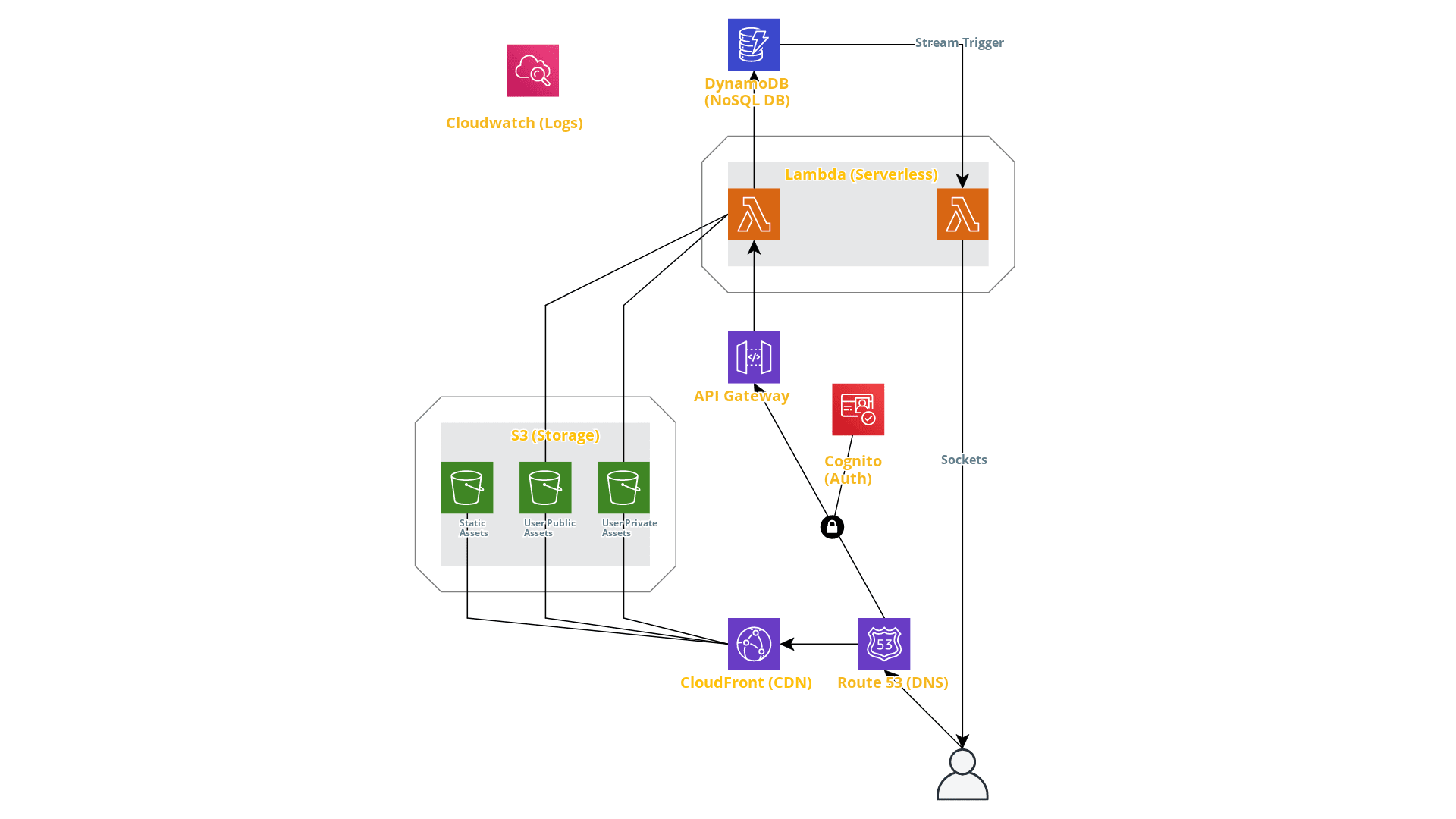
Why?
- maximise component re-usability
- automate everything & raise confidence
- promote team-wide best practice at all SDLC stages
- heighten security & accessibility at all layers
- increase scalability whilst drastically reducing costs
- accurately isolate billing for customers
- uplift culture & promote full-stack engineering
- enrich engineering talent by using the latest technologies and techniques
- determines collective team opinions up-front, saves time long term
How?
- Everything is code - infra, config etc.
- Monorepo - Keep It Simple, Sausage
- git push = entirely new environment
- `repo name` + `branch name` determines each unique stack
- `component name` determines isolated component (quicker deploys, build only what has changed)
- `prod` zone has production ready config
- deletion + teardown protection policies
- higher capacities
Example
prod
non-prod
=
product-a
product-b
product-c
master
master
master
feature-1
stg
stg
stg
feature-2
feature-3
Example cont.
prod
non-prod
product-a
master
feature-1
stg
feature-2
feature-3
- Product A - Feature 1 stacks:
- product-a-feature1-auth
- product-a-feature1-db
- product-a-feature1-web-app
- product-a-feature1-web-marketing
- product-a-feature1-web-admin
- product-a-feature1-mobile-ios
- product-a-feature1-mobile-android
- Product A - Master stacks:
- product-a-master-auth
- ...
Important: zero contamination: any stack within feature1 ecosystem, will only reference other feature1 stacks e.g., auth + db
Serverless (Lambda)
- ephemeral functions that do one focused job
- devs can look past tangible constraints like memory, processor etc.
- reactive (event) or targeted (API)
- pay for what you use, or pay nothing at all
NoSQL (DynamoDB)
- indexes > relationships
- more super fast queries > few tailored queries
- use db for speed, concurrency no longer an issue (see Serverless)
- Connor McGregor on boxing "Timing beats speed, precision beats power"
Matt Rowles on Digital products "Speed beats timing, power beats precision" - 'streams' enabled - pump events automatically from the database straight to users via websockets e.g., an updated object
React everything
- sharing react across all clients using yarn workspaces (@t-bomba 🤙):
- core:
- core components e.g., auth, user, workspaces etc.
- web:
- customer + admin apps: specific web react components
- marketing
- nextjs (todo)
- mobile
- ios + android: specific react-native components
- core:
Websockets
Users will be updated when they need to know 'something' automatically
- database updates
- database propagates 'stream' event with updated item
- lambda is triggered to catch & handle stream event and handle it
- e.g., find associated connected users and send them a websockets 'message' with updated data
- update appropriate react store with new information
- user sees updates
Get started
- Live example:
- Repo:
- Backlog:
Questions?
Baseline
By Matt Rowles