


Player-Computer Interaction
INTRODUCTION
UNIT 1:
Prof. Dr. Eike Langbehn
Department of Media Technology
Faculty of Design, Media and Information
Hamburg University of Applied Sciences

SECTION NAME
EXAMPLES
UNIT 2:
AGENDA
PLAYER-COMPUTER INTERACTION
UNIT 1: INTRODUCTION
1. INTRO
2. REQUIREMENT
ANALYSIS
3. GAME
DESIGN
0. ORGANIZATION
4. GETTING STARTED
WITH GODOT
5. USER
STUDIES
6. ANALYSIS OF
HUMAN FACTORS
7. INTERACTION
DESIGN
8. ADVANCED PROGRAMMING
WITH GODOT
9. EVALUATION
MODELS
10. MARKET
ANALYSIS
11. NARRATIVE
DESIGN
12. GAME ENGINE
ARCHITECTURE
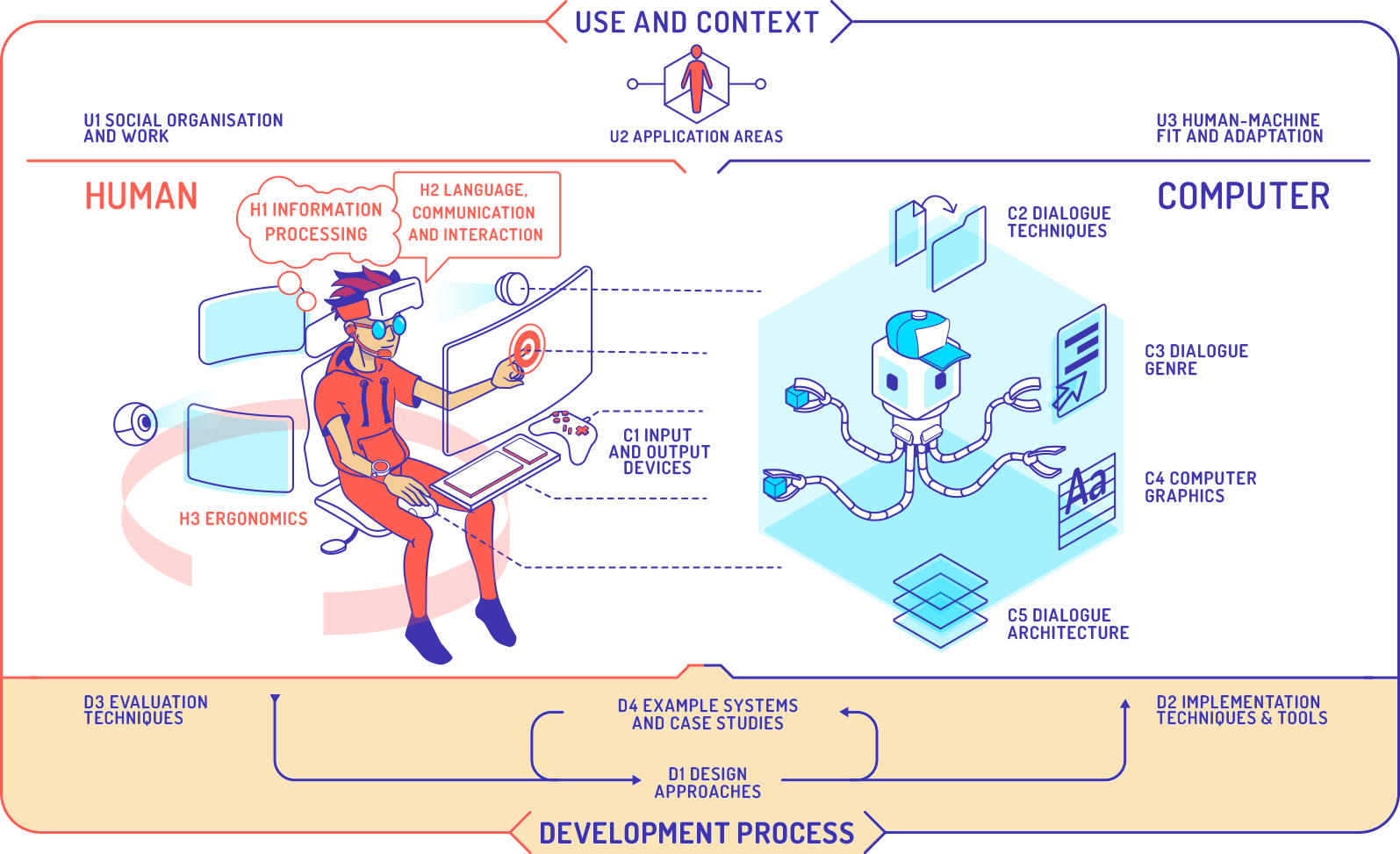
WHAT IS HCI?
Human-computer interaction is a discipline concerned with the design, evaluation and implementation of interactive computing systems for human use and with the study of major phenomena surrounding them
PLAYER-COMPUTER INTERACTION
UNIT 1: INTRODUCTION
(ACM SIGCHI Curricula for HCI)
WHAT IS HCI?
PLAYER-COMPUTER INTERACTION
UNIT 1: INTRODUCTION
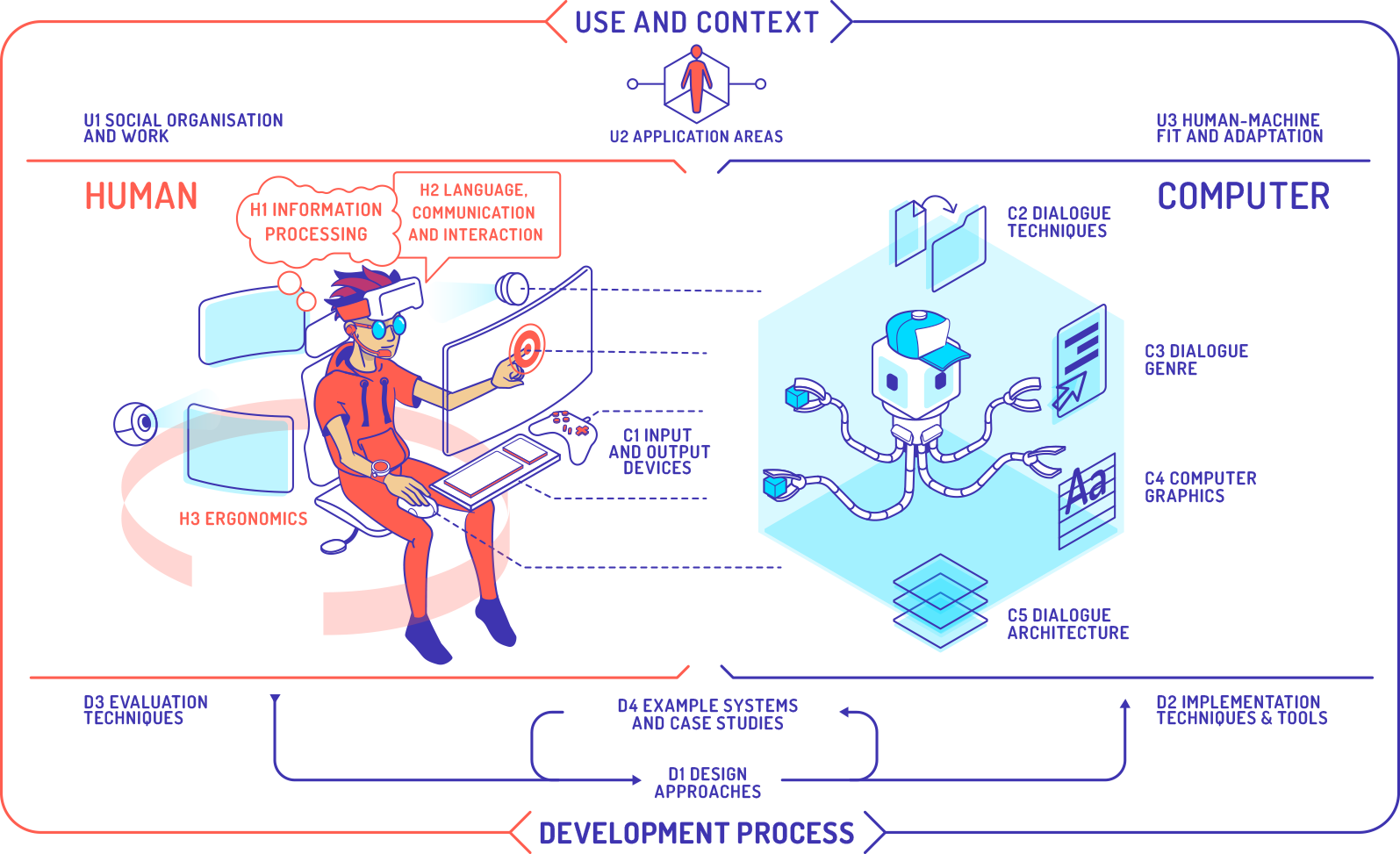
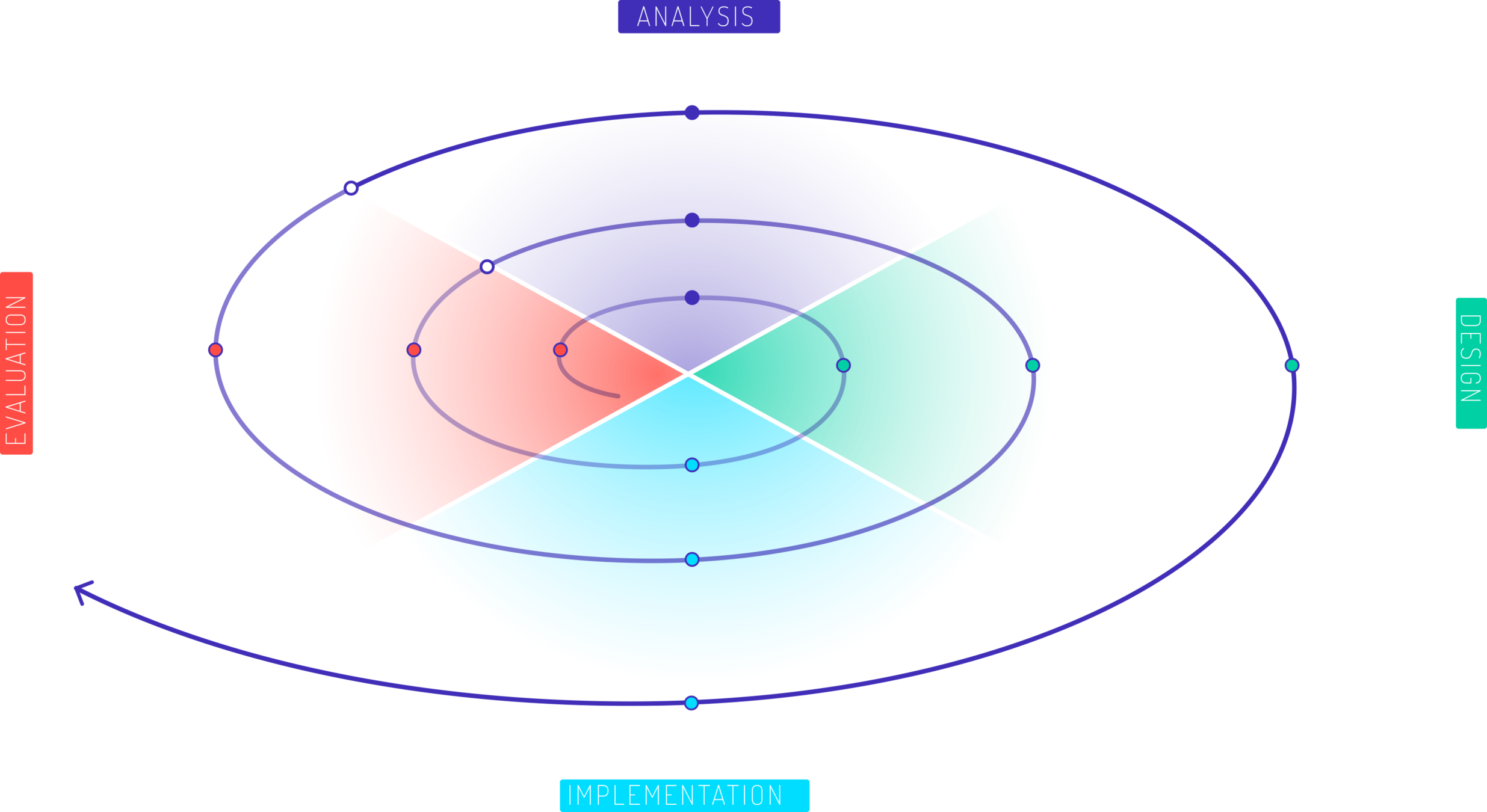
Development process
PLAYER-COMPUTER INTERACTION
UNIT 1: INTRODUCTION
Analysis Design Implementation Evaluation
WATERFALL
PLAYER-COMPUTER INTERACTION
UNIT 1: INTRODUCTION
Analysis
Design
Implementation
Evaluation

WATERFALL
PLAYER-COMPUTER INTERACTION
UNIT 1: INTRODUCTION
System Requirements
Software Requirements
Analysis
Program Design
Coding
Testing
Operations

W. Royce: Managing the Development of Large Software Systems.Institute of Electrical and Electronics Engineers, 1970
WATERFALL
PLAYER-COMPUTER INTERACTION
UNIT 1: INTRODUCTION
System Requirements
Software Requirements
Analysis
Program Design
Coding
Testing
Operations


W. Royce: Managing the Development of Large Software Systems.Institute of Electrical and Electronics Engineers, 1970
V-MODEL
PLAYER-COMPUTER INTERACTION
UNIT 1: INTRODUCTION
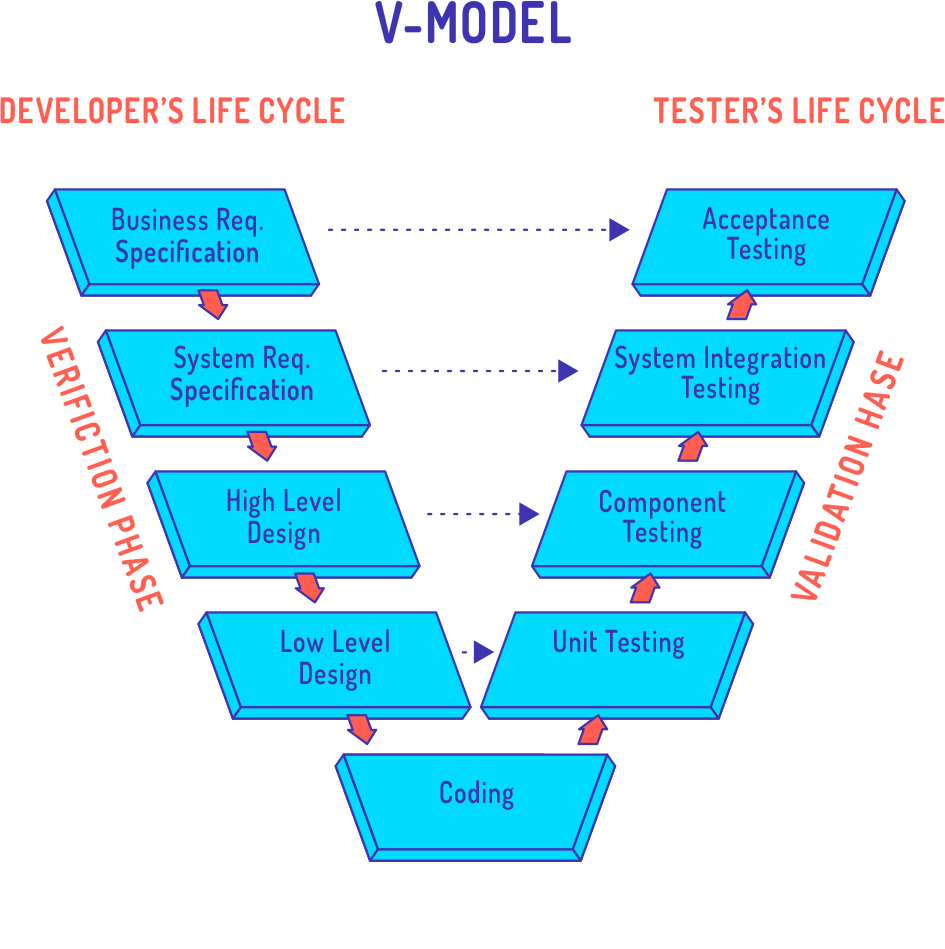
B.W. Boehm: Software Engineering Economics, Eaglewood Cliffs, NJ. Prentice-Hall, 1981
linear processes
PLAYER-COMPUTER INTERACTION
UNIT 1: INTRODUCTION
- Development often not straight forward
- Steps back lead to delay and higher costs
- Changes or requirements may not be reliable
- Final product only recognizable at the end
drawbacks
human-centered development process

PLAYER-COMPUTER INTERACTION
UNIT 1: INTRODUCTION
- Consideration of human, tasks, technology, and context
- Iterative and incremental development based on analysis
- Analytical and empirical evaluation
- Spiral Model
- Unified Process
- Rapid Prototyping
- Agile Development
- Scrum
Goals
- Iterative Process
- Incremental Improvements
- Small steps
- More realistic model of actual development process
General Principles
Concrete Models/Processes
human-centered development process
PLAYER-COMPUTER INTERACTION
UNIT 1: INTRODUCTION
Analysis
Design

Implementation
Evaluation
Final Product
manifesto for
agile developement
PLAYER-COMPUTER INTERACTION
UNIT 1: INTRODUCTION
We are uncovering better ways of developing software by doing it and helping others do it. Through this work we have come to value:
Individuals and interactions over processes and tools
Working software over comprehensive documentation
Customer collaboration over contract negotiation
Responding to change over following a plan
That is, while there is value in the items on the right, we value the items on the left more.
https://agilemanifesto.org/iso/en/manifesto.html
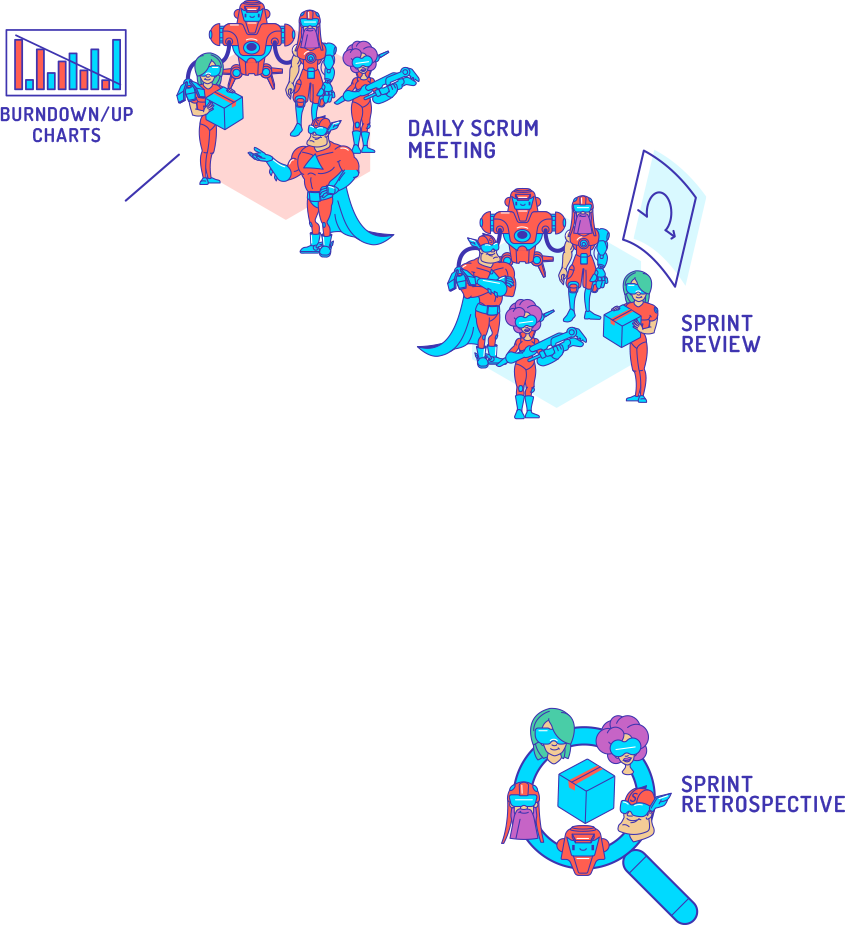
SCRUM Framework
INTERACTIVE SYSTEMS
UNIT 1: INTRODUCTION
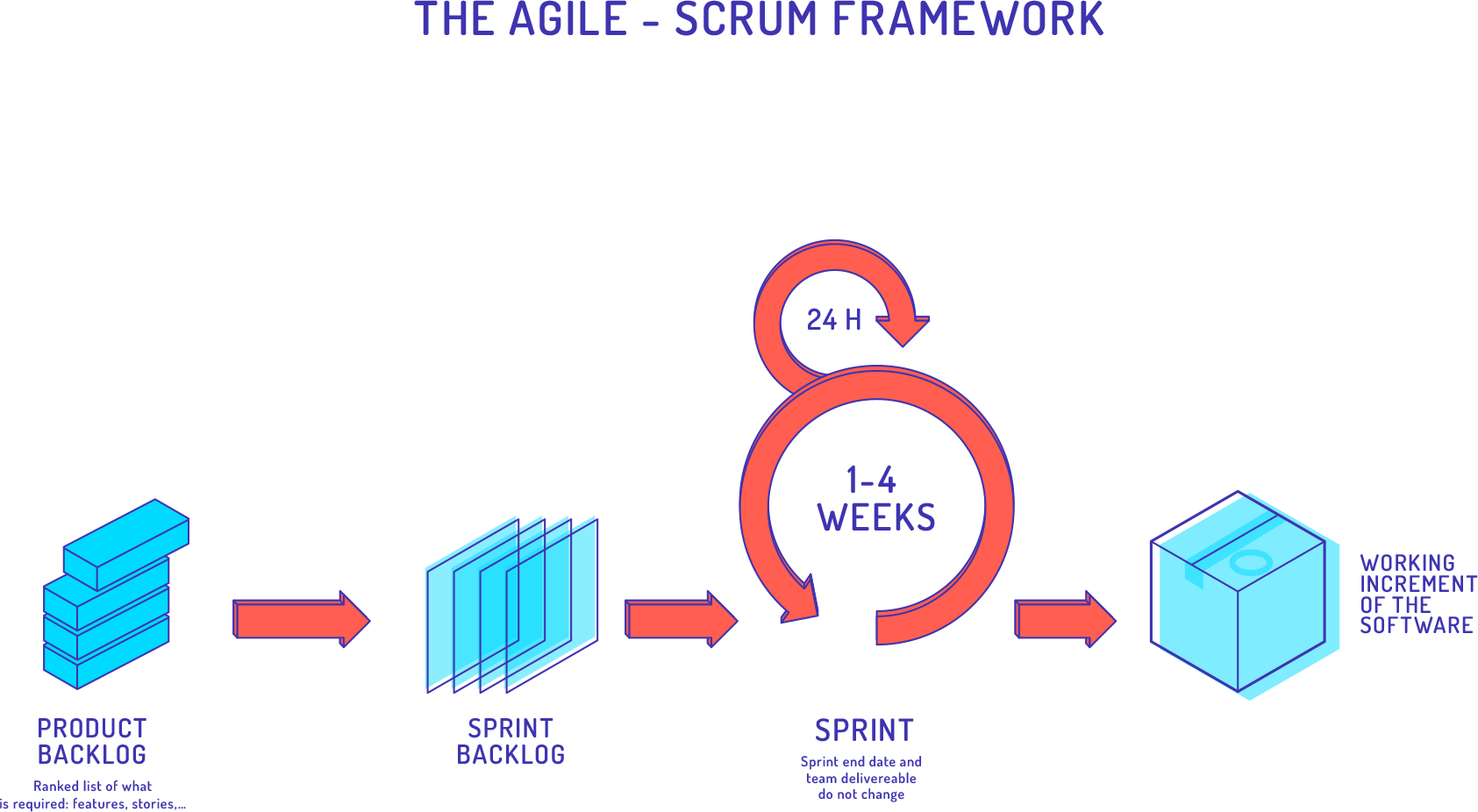
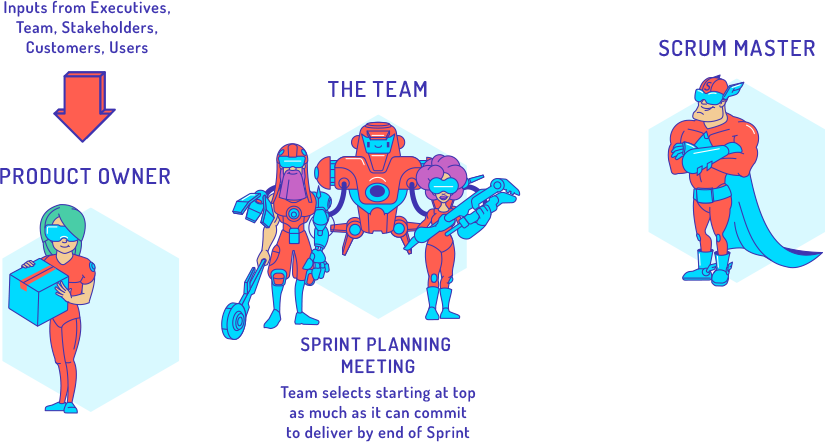
development cycle
in games industry
Release
INTERACTIVE SYSTEMS
UNIT 1: INTRODUCTION

Pre-Production
Production
Prototyping
Vertical Slice
Alpha
Beta
Release Candidate
- Gameplay Prototypes
- Technical Prototypes
- Art Style Prototypes
5 Min. Gameplay
in final Quality
Feature
Complete
Content
Complete

Player-Computer Interaction
The contents of this Open Educational Resource are licensed under the Creative-Commons Attribution 4.0 International license (CC BY 4.0)
Attribution: Eike Langbehn, Anh Sang Tran, Peter Wood
Unit 1 - Final ?
By sangow