


Player-Computer Interaction
ANALYSIS OF
HUMAN FACTORS
UNIT 6:
Prof. Dr. Eike Langbehn
Department of Media Technology
Faculty of Design, Media and Information
Hamburg University of Applied Sciences


SECTION NAME
EXAMPLES
UNIT 2:
AGENDA
PLAYER-COMPUTER INTERACTION
UNIT 6: ANALYSIS OF
HUMAN FACTORS
1. INTRO
2. REQUIREMENT
ANALYSIS
3. GAME
DESIGN
0. ORGANIZATION
4. GETTING STARTED
WITH GODOT
5. USER
STUDIES
6. ANALYSIS OF
HUMAN FACTORS
7. INTERACTION
DESIGN
8. ADVANCED PROGRAMMING
WITH GODOT
9. EVALUATION
MODELS
10. MARKET
ANALYSIS
11. NARRATIVE
DESIGN
12. GAME ENGINE
ARCHITECTURE
LEARNING outcomes
- Understanding human information processing
- Knowledge about perception, cognition, action
- Knowing selection & filtering of information, multi-sensory integration, short-term & long-term memory
PLAYER-COMPUTER INTERACTION
UNIT 6: ANALYSIS OF
HUMAN FACTORS
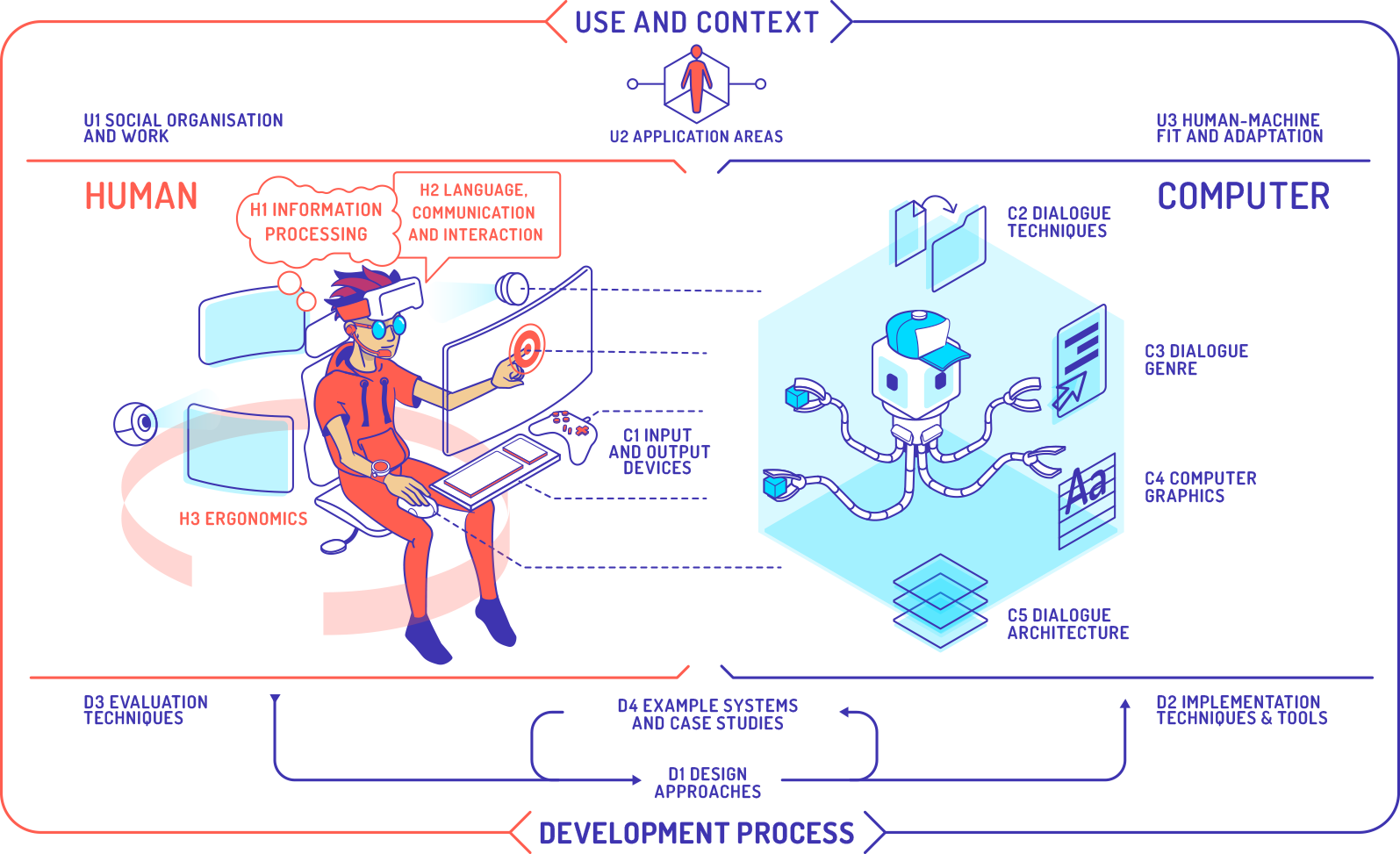
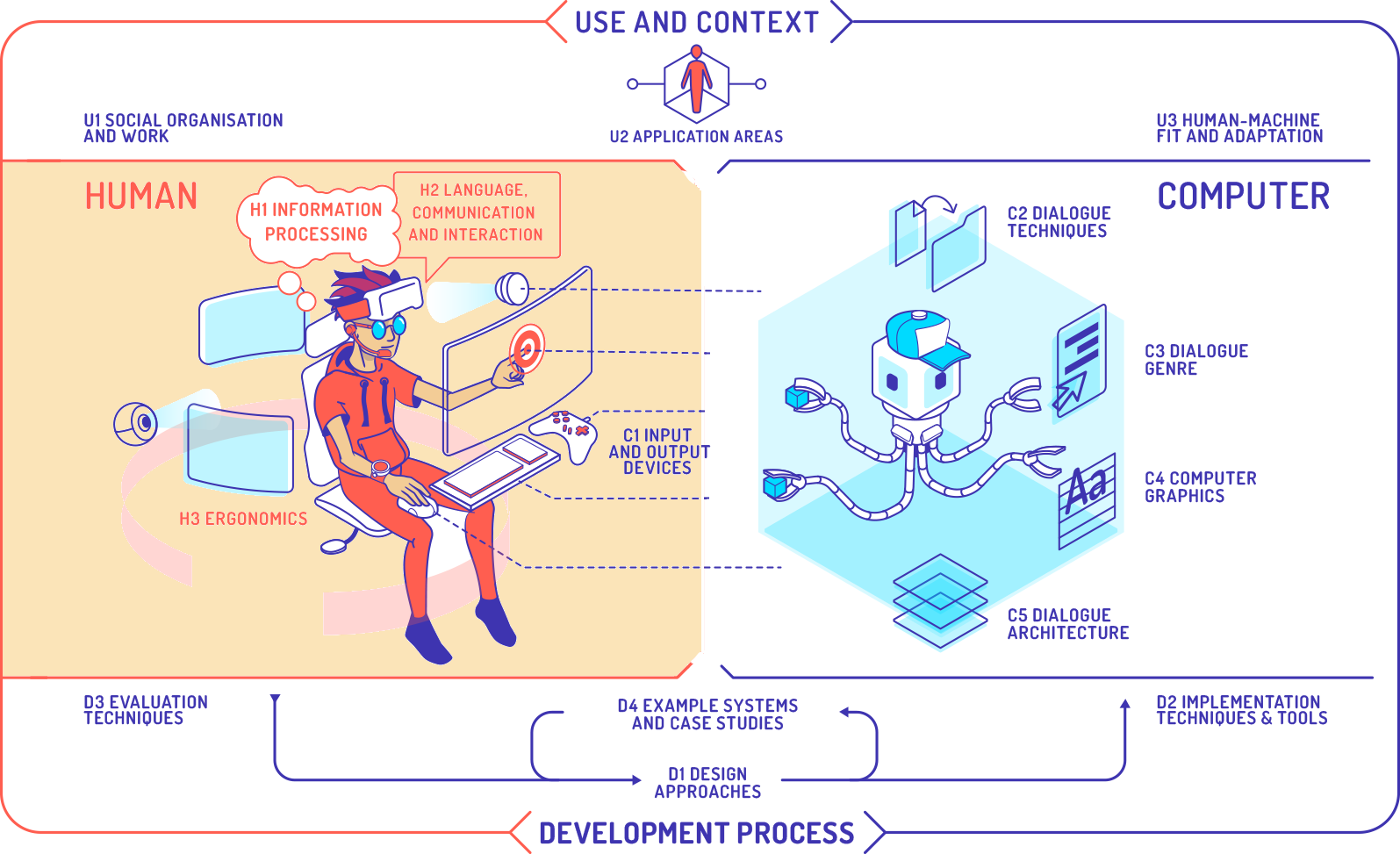
what is hci?
PLAYER-COMPUTER INTERACTION
UNIT 6: ANALYSIS OF
HUMAN FACTORS
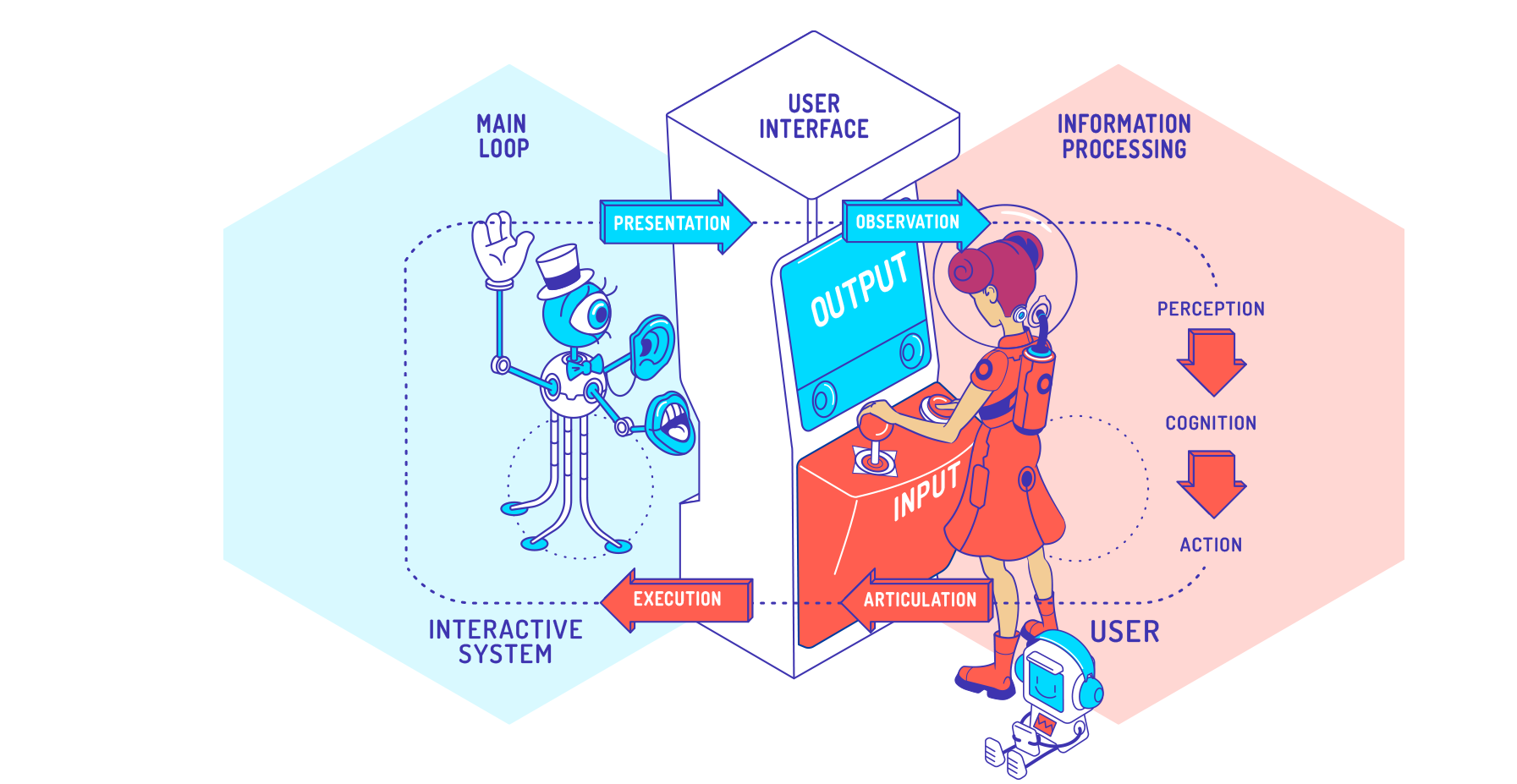
interaction framework
PLAYER-COMPUTER INTERACTION
UNIT 6: ANALYSIS OF
HUMAN FACTORS
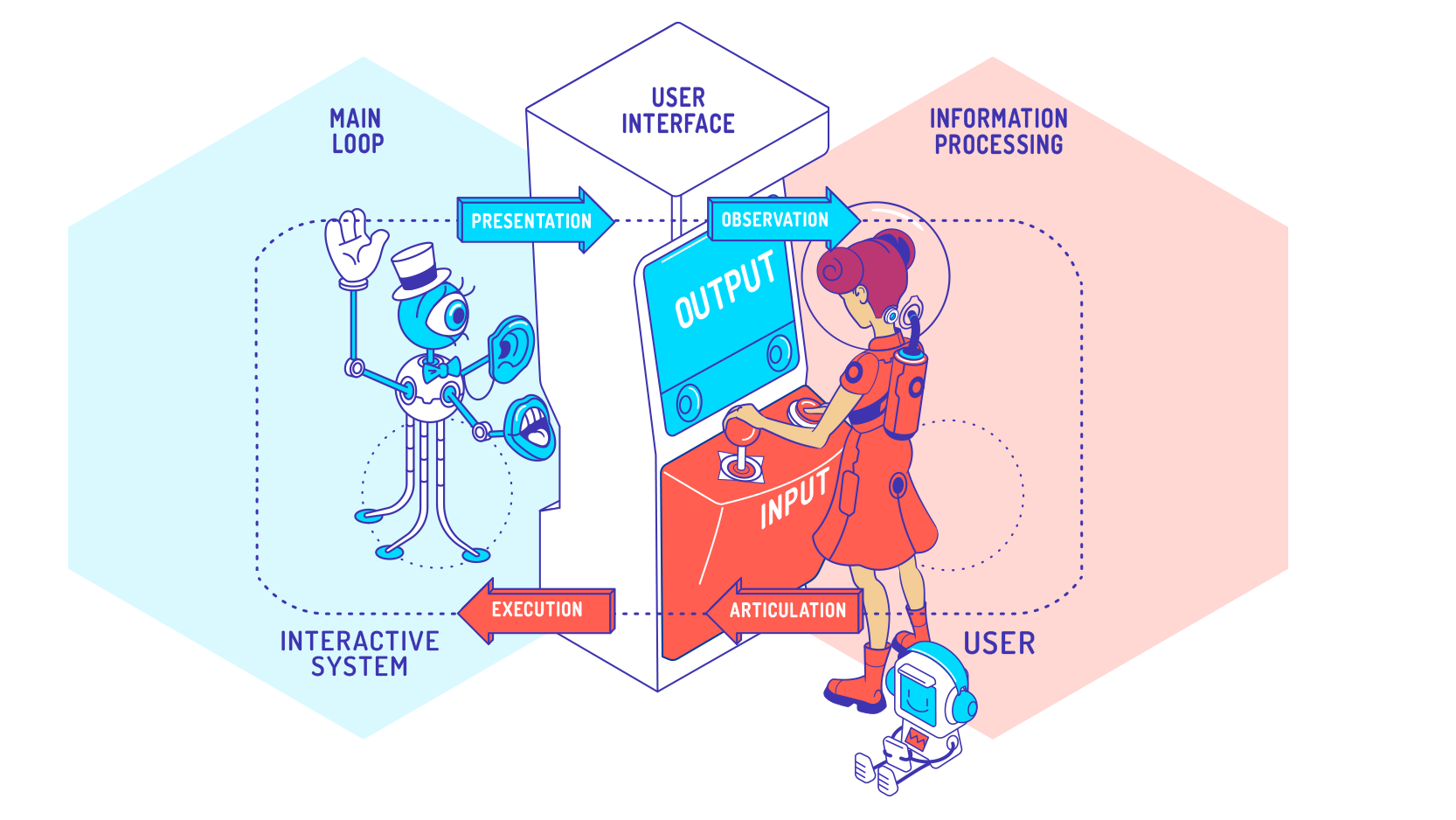
user
PLAYER-COMPUTER INTERACTION
Information Processing
Stimuli
Perception
(Receptors)
Cognition
(Central nervesystem)
Action
(Motor neurons)
Behaviour
UNIT 6: ANALYSIS OF
HUMAN FACTORS
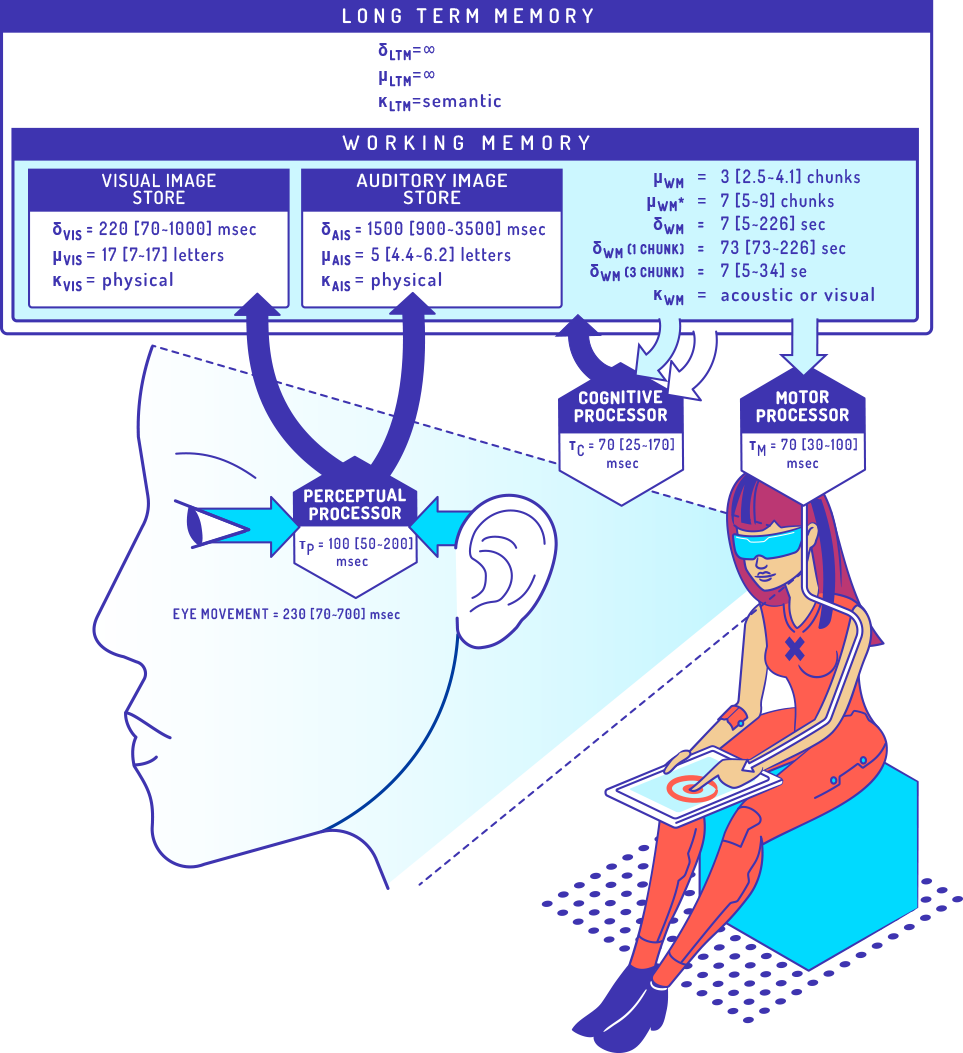
model human processor
PLAYER-COMPUTER INTERACTION
UNIT 6: ANALYSIS OF
HUMAN FACTORS
interaction framework
PLAYER-COMPUTER INTERACTION
UNIT 6: ANALYSIS OF
HUMAN FACTORS
definition
PLAYER-COMPUTER INTERACTION
Perception is the processing of information from environmental stimuli (external perception) or internal bodily signals (interoception).
Filtering, selection and integration of information is part of perception.
UNIT 6: ANALYSIS OF
HUMAN FACTORS
SEnsory modalities
PLAYER-COMPUTER INTERACTION
UNIT 6: ANALYSIS OF
HUMAN FACTORS
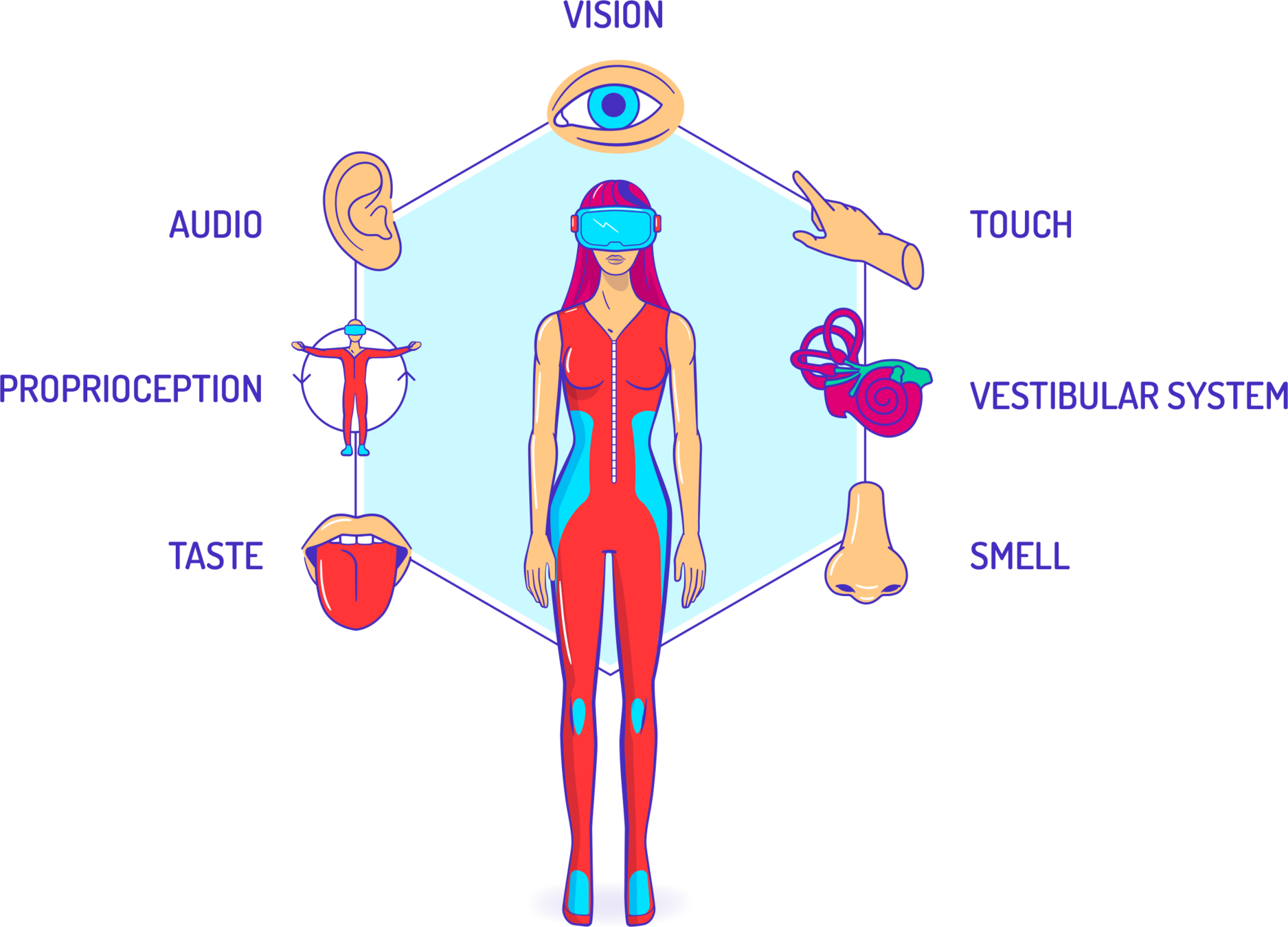
vision
PLAYER-COMPUTER INTERACTION
UNIT 6: ANALYSIS OF
HUMAN FACTORS
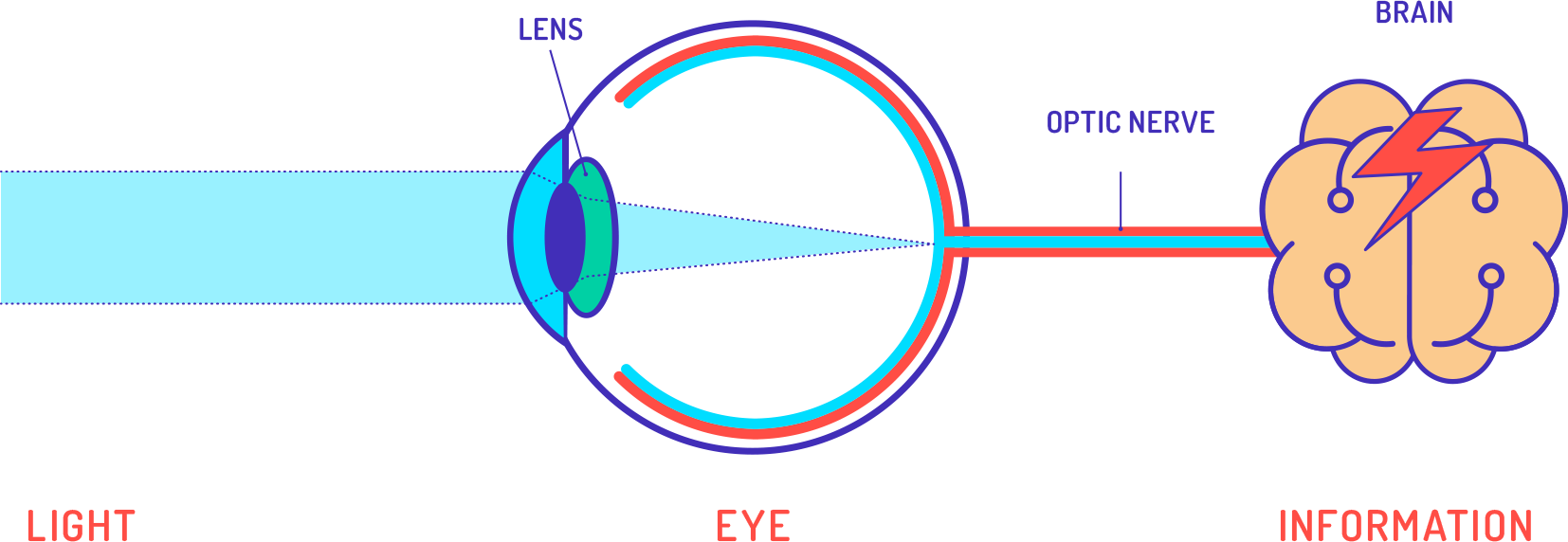
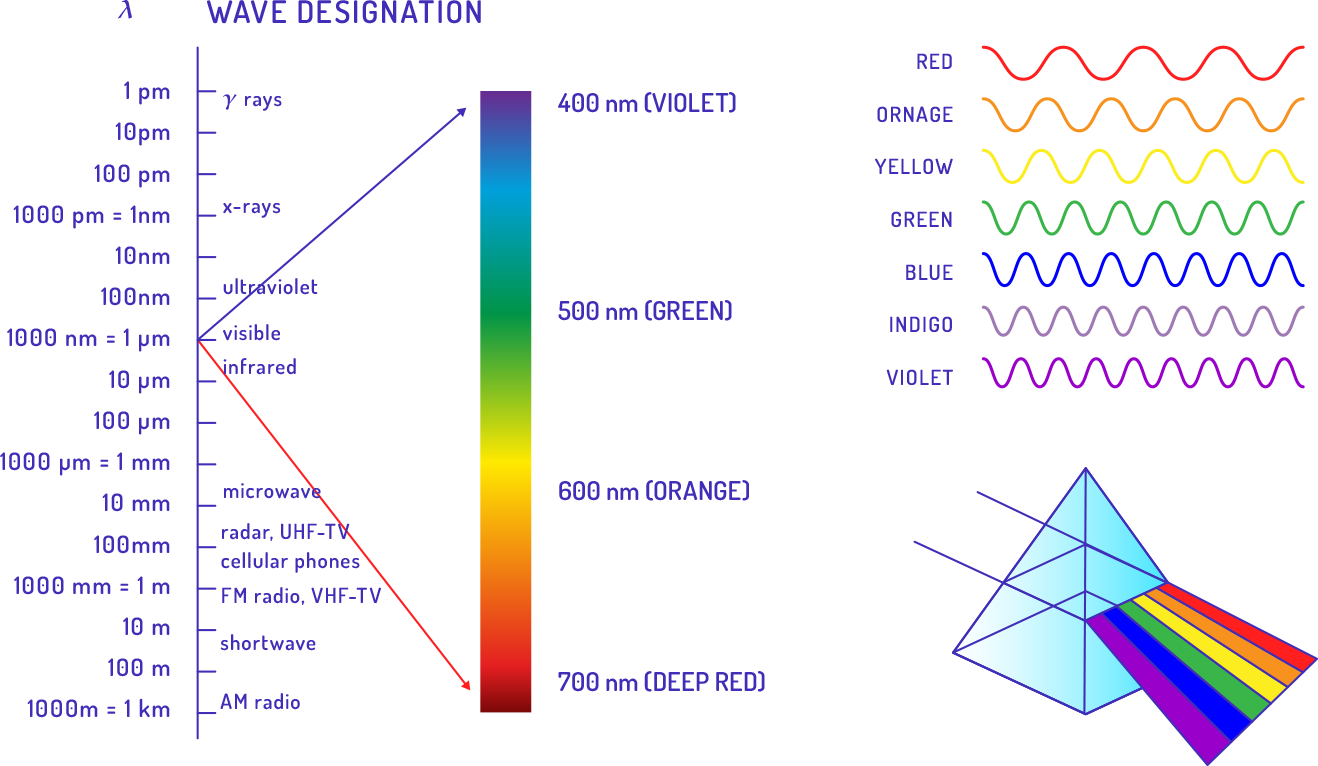
light
PLAYER-COMPUTER INTERACTION
UNIT 6: ANALYSIS OF
HUMAN FACTORS
human eye
PLAYER-COMPUTER INTERACTION
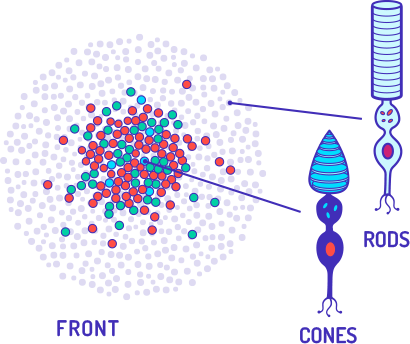
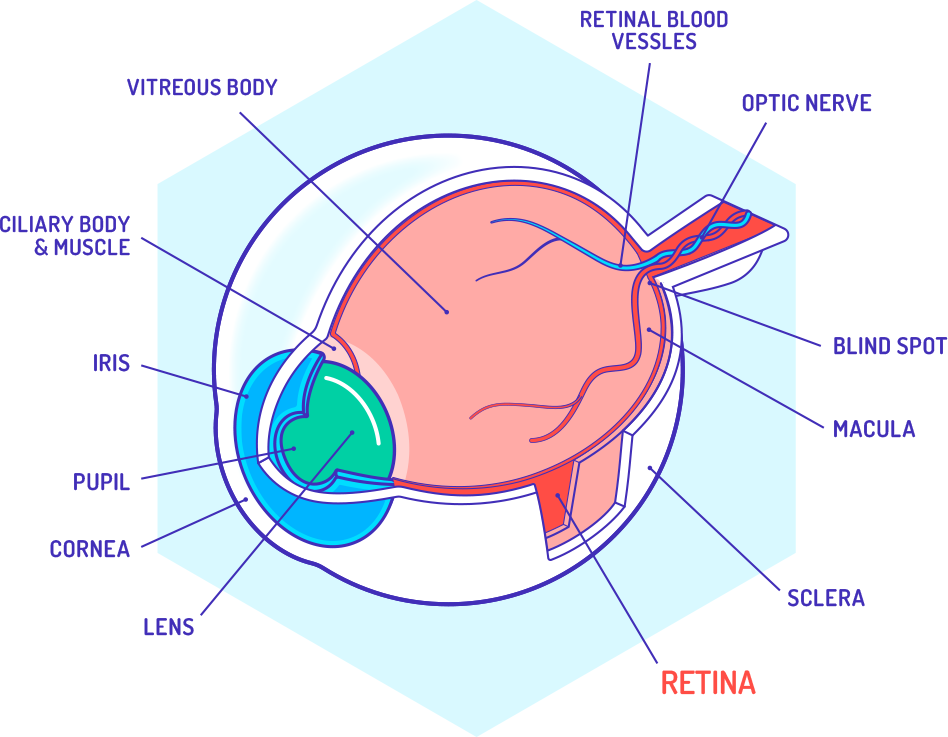
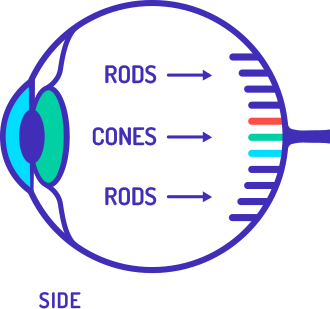
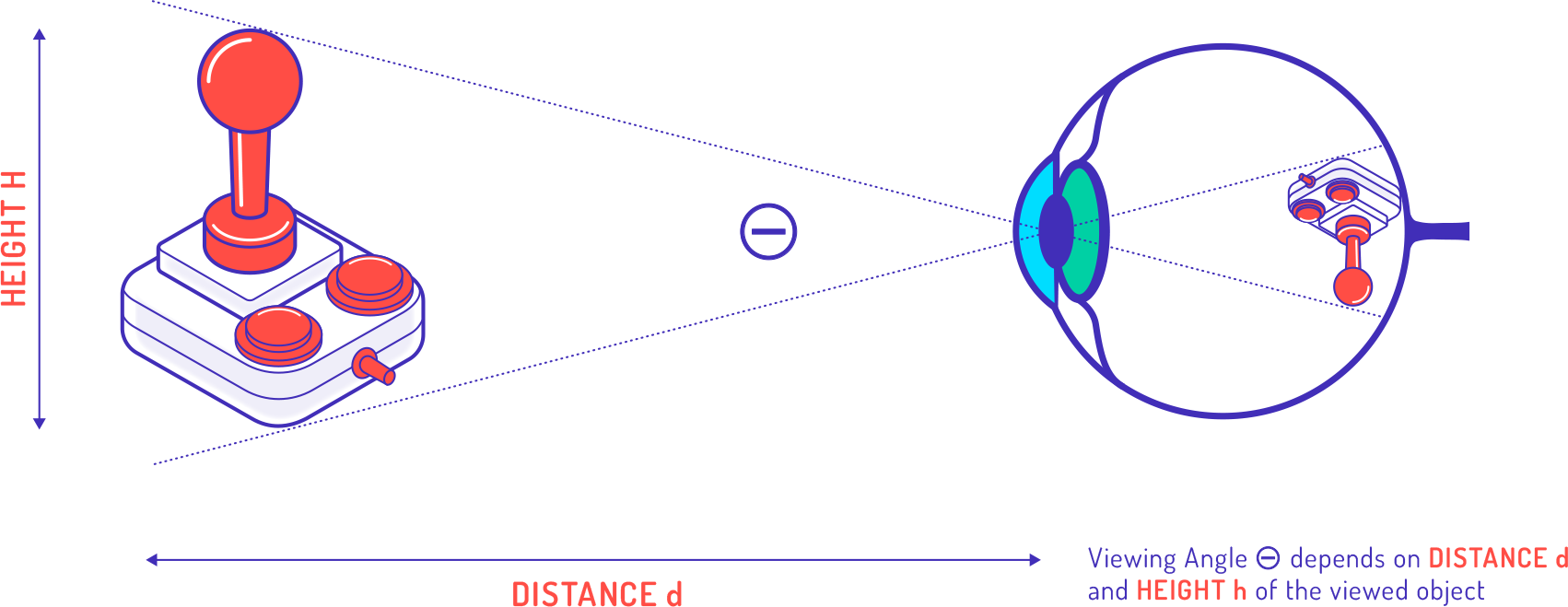
- Perception of color, shape, depth, movements etc.
- RETINA is innermost, light-sensitive layer of the eye
- Photoreceptive cells transform light into neuronal
activities and forward these information
🠒 CONES (7-8 MIO): colors & shape
🠒 RODS (100-120 MIO): light/dark, motion
UNIT 6: ANALYSIS OF
HUMAN FACTORS
size perception
PLAYER-COMPUTER INTERACTION
UNIT 6: ANALYSIS OF
HUMAN FACTORS
audio
PLAYER-COMPUTER INTERACTION
UNIT 6: ANALYSIS OF
HUMAN FACTORS
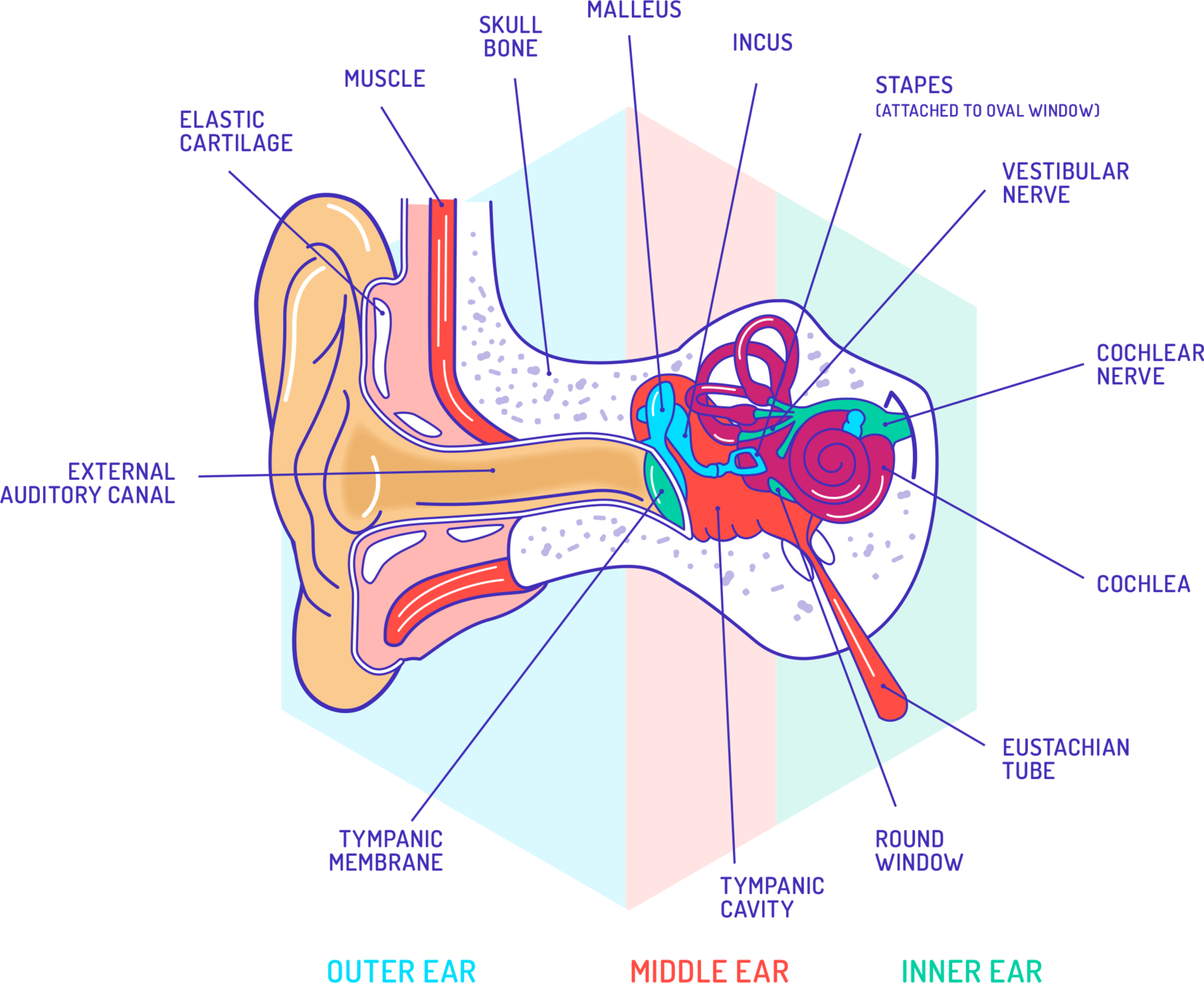
vestibular system
PLAYER-COMPUTER INTERACTION
UNIT 6: ANALYSIS OF
HUMAN FACTORS
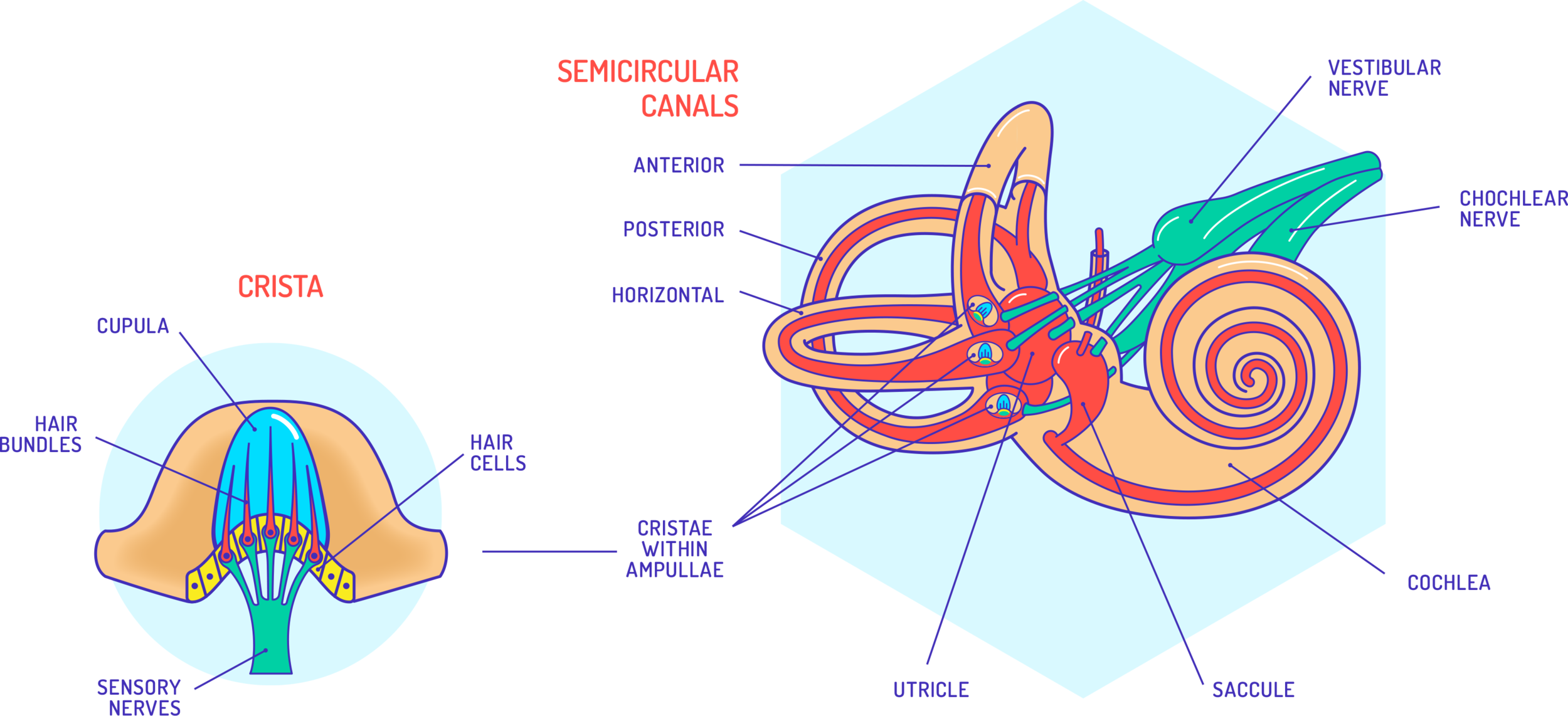
- Vestibular channel is able to perceive linear and angular accelerations
- Otolith organs (saccule and utricle): gravity and linear movements
- Semicircular canals: rotational movements
- Adaption to constant stimulation
- Otolith organs can not distinguish between a head tilt and linear movement since they perceive only the overall sum of gravity and inertial acceleration (GIA vector)
touch
PLAYER-COMPUTER INTERACTION
- Haptic perception
- receptors of muscles and joints
- Tactile perception
- receptors under the skin
- pressure, pain and temperature
- Proprioception
- perception of self-movements (kinesthetics)
- position and orientation of the body and limbs
passive or active
UNIT 6: ANALYSIS OF
HUMAN FACTORS
multi-sensory integration
PLAYER-COMPUTER INTERACTION
Semicircular Canals
(angular acceleration)
Vestibular System
Otolith Organs
(linear acceleration)
Visual System
Auditory System
Proprioception
Efferent Copy
Self-Motion Perception
...
UNIT 6: ANALYSIS OF
HUMAN FACTORS
multi-sensory integration
PLAYER-COMPUTER INTERACTION
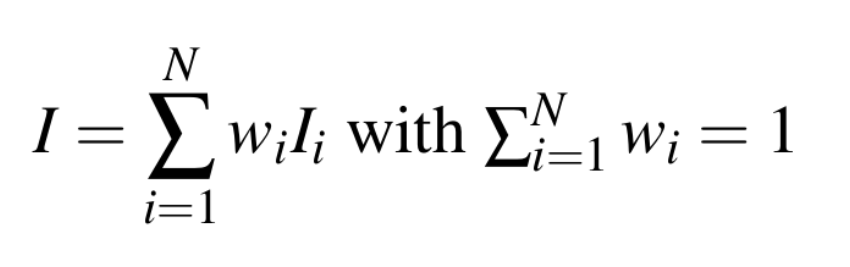
- Maximum Likelihood Estimation:
- Sum of individual information from all sensory channels
- Each channel different weight depending on quality
- vision tends to dominate the other sensory channels in many situations
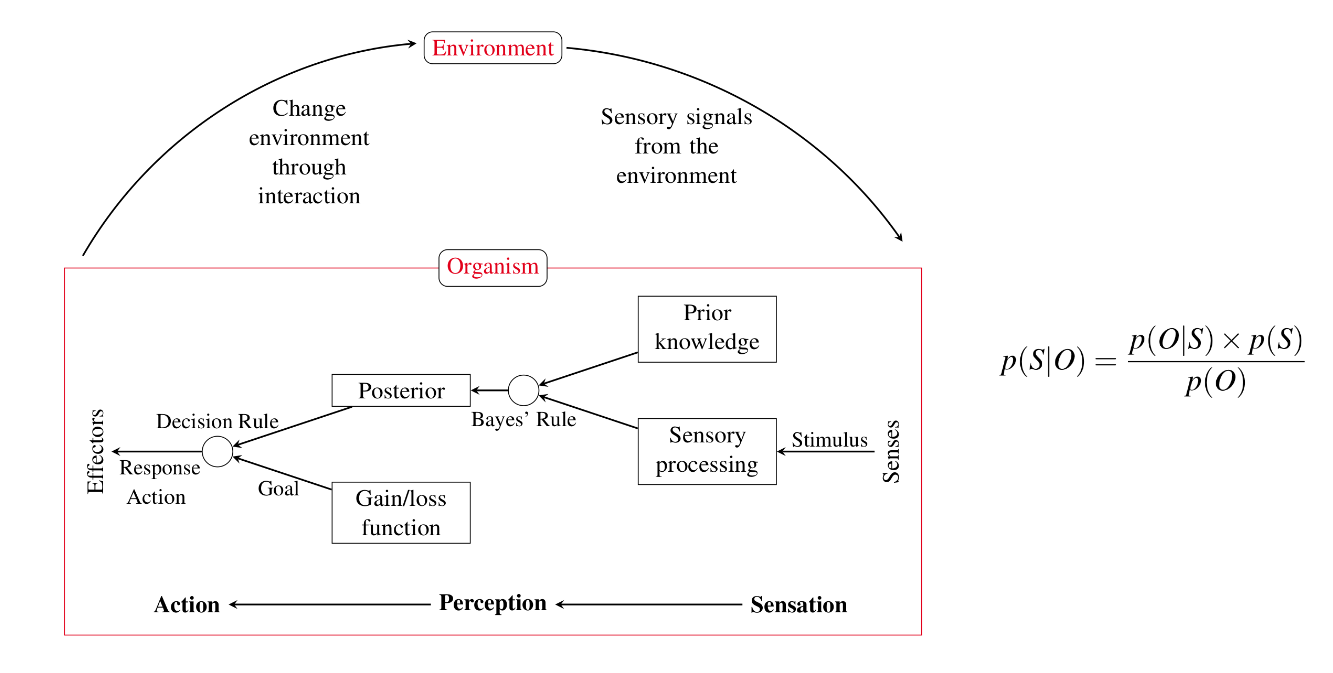
- Bayes' Rule:
- describes the combination of information from sensory channels and prior knowledge
- Each channel different weight depending on quality
- vision tends to dominate the other sensory channels in many situations
UNIT 6: ANALYSIS OF
HUMAN FACTORS
human bandwith
PLAYER-COMPUTER INTERACTION
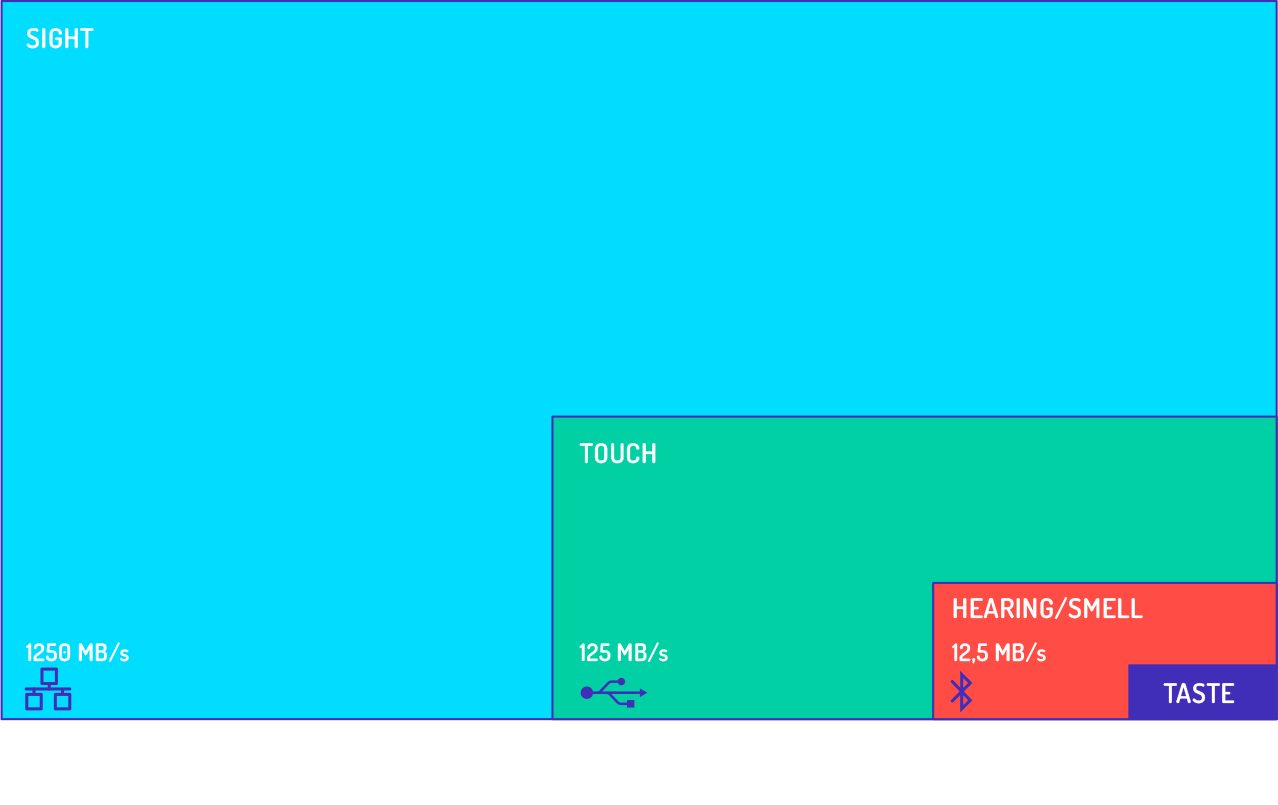
D. McCandless: The beauty of data visualization, TED Talk, 2010
UNIT 6: ANALYSIS OF
HUMAN FACTORS
filtering & selection
PLAYER-COMPUTER INTERACTION
Stimuli
Perception
(Receptors)
Cognition
(Central nervesystem)
Action
(Motor neurons)
Behaviour
- Limited capacity for storage and transformation
- perception
- memory
- inter- and intra-individual differences
- Total amount of input information: 1.5 GBit/s
- ca. 15 MBit/s reach receptors
- ca. 100 MBits/s reach consciousness
Filtering
Selection
UNIT 6: ANALYSIS OF
HUMAN FACTORS
interaction framework
PLAYER-COMPUTER INTERACTION
UNIT 6: ANALYSIS OF
HUMAN FACTORS
cognition
PLAYER-COMPUTER INTERACTION
Storage
- Sensory Store
- Working memory
- Long-term memory
Transformation
- Logic
- Problem solving
- Train skills
- Storage: Memory & Remembering
- Attention
- Transform: Logic, Problem Solving & Learning/Training
- Decision making
- Cognitive load
UNIT 6: ANALYSIS OF
HUMAN FACTORS
multi-storage model
PLAYER-COMPUTER INTERACTION
Stimuli
Sensory memory
- Iconic Register
- Echoic Register
- Haptic Register
Attention
Short-Term
Memory (STL)
Memorizing
Long-Term
Memory (STL)
Remembering
R.C. Atkinson, R.M. Shiffrin: Human memory: A proposed system and its control processes.
The psychology of learning and motivation (Volume 2). pp.89-195, 1968.
UNIT 6: ANALYSIS OF
HUMAN FACTORS
sensory memory
PLAYER-COMPUTER INTERACTION
- Information stays in sensory memory:
- ca. 0.5 - 1s in visual register
- ca. 4 - 5s in auditory register
- FIFO principle (first-in first-out)
- Deleting after ca. 4-10 elements
UNIT 6: ANALYSIS OF
HUMAN FACTORS
short-term memory
PLAYER-COMPUTER INTERACTION
- Temporary storage for brief information retrieval
- A lot of tasks need temporary storage:
- 35 x 6 = 30 x 6 + 5 x 6
- "The quick brown fox jumps over the lazy dog."
- Access in < 70 ms
- Information stays for ca. 15 - 30s
- Transfer to long-term memory via memorizing
UNIT 6: ANALYSIS OF
HUMAN FACTORS
attention
PLAYER-COMPUTER INTERACTION
- Attention is the allocation of cognitive resources to content or tasks
- Concentration is a measure of the intensity and duration of attention
- Certain events cause the attention to be focused on individual objects, e.g. due to
- special size and stimulus intensity
- movement
- color and contrasts
- ...
- Cocktail party effect describes people's ability to have regular entertainment despite the babble of voices
- Other voices are perceptually (not physically) attenuated by up to 15dB
UNIT 6: ANALYSIS OF
HUMAN FACTORS
chunking
PLAYER-COMPUTER INTERACTION
- Definition: Grouping of several elements into a unit of information in order to increase capacity
- Humans can store 4 ± chunks [1] or 7 ± 2 chunks [2] in STM
Should there be a maximum of 7 ± 2 GUI entries / icons / bullets / tabs?
040428832439
040 42 833 24 39
HEC ATR ANU PTH ETR EETTHE
CAT RAN UP THE TREE
GUI entries / icons / bullets / tabs can be browsed by visual scanning and do not need to be retrieved from STM
UNIT 6: ANALYSIS OF
HUMAN FACTORS
long-term memory
PLAYER-COMPUTER INTERACTION
- Memory for long-term storage (minutes to several years) of information
- Slow access: ca. 1/10s
- large capacity with little loss
- Storage of facts, data, sounds, movements, concepts, images, smells...
Declarative or explicite memory:
- Episodic memory, which contains what we have experienced
- Semantic memory, which contains, for example, facts about the world
- Declarative memory is important for drawing conclusions, applying rules...
Non-declarative or implicit memory
- Involves procedural knowledge about cognitive or motor abilites
- Abilities can be improved or accelerated by exercise
- Non-declarative includes priming and conditioning
L. Squire, S. Zola: Structure and function of declarative and non declarative memory systems. Proc. Natl.
Acad. Sci. USA, Vol 93, Nov: 13515-13522
UNIT 6: ANALYSIS OF
HUMAN FACTORS
recall vs. recognition
PLAYER-COMPUTER INTERACTION
To make knowledge from LTM available again in the STM by
- recalling something that has already been learned without offering
- free remembering (no sequence)
- serial remembering (list learning)
2. recognition from the multitude of options offered
- "What brand of bike do you ride?" ➔ Answer must be produced, i.e. Free remembering
- "Is your bike from the brand XYZ"?➔
Question can be answered with yes / no, ie. recognition
UNIT 6: ANALYSIS OF
HUMAN FACTORS
recognize-act-cycle
PLAYER-COMPUTER INTERACTION
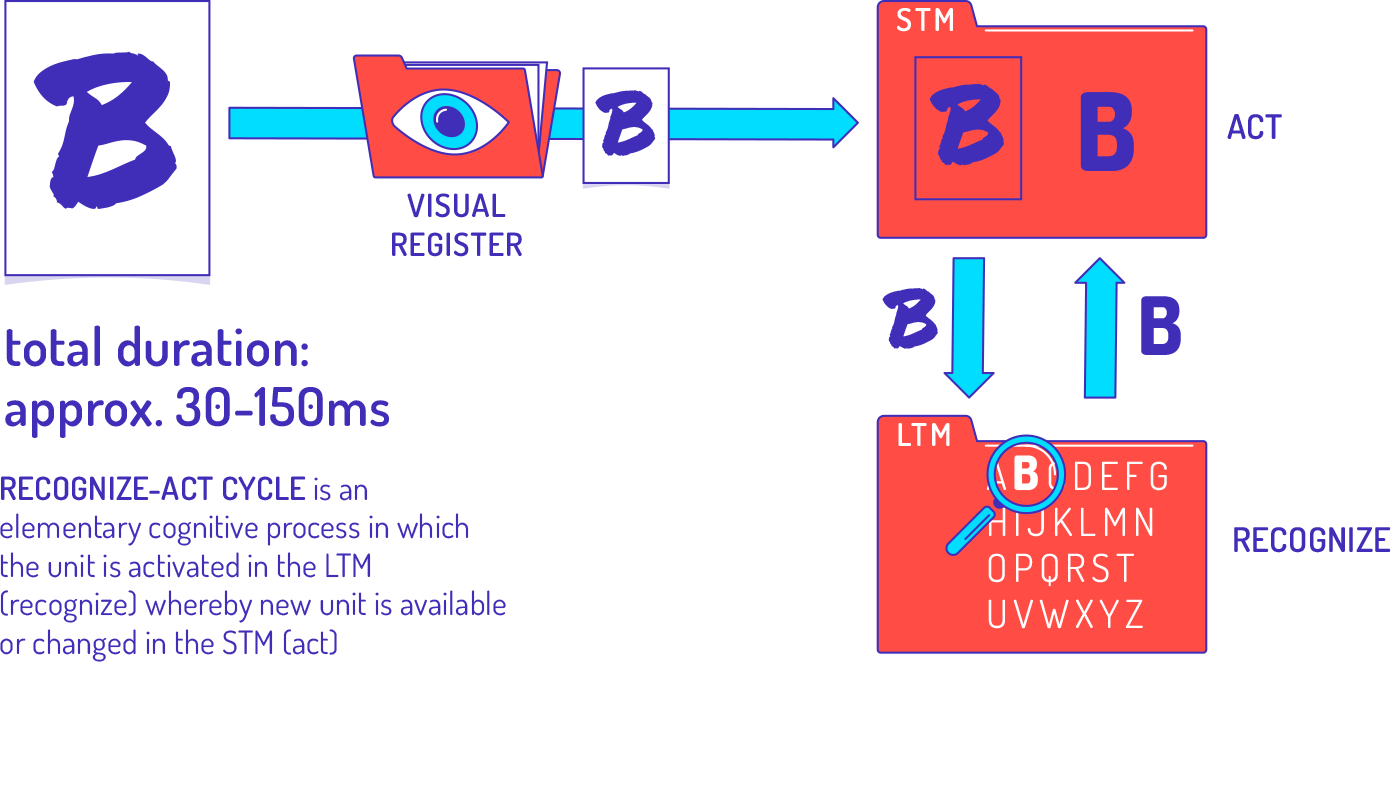
S. Card et al.: The Psychology of Human-Computer Interaction, 1983
UNIT 6: ANALYSIS OF
HUMAN FACTORS
cognitive load
PLAYER-COMPUTER INTERACTION
- Cognitive resources are limited
- Cognitive load becomes noticeable when
- tasks have to be solved under time pressure
- several tasks are pending at the same time
- decisions are made under severe emotional stress
- ...
Types
- Learning-related load, e.g. Learning to use software (induced through the form of presentation or mediation)
- Intrinsic load is associated with a task, e.g. Formulating a text (induced through the task itself)
- Extrinsic load is caused by medium, e.g. poorly designed interface (induced through learning & automation)
Measurement of
Cognitive Load?
UNIT 6: ANALYSIS OF
HUMAN FACTORS
interaction framework
PLAYER-COMPUTER INTERACTION
UNIT 6: ANALYSIS OF
HUMAN FACTORS
motor system
PLAYER-COMPUTER INTERACTION
User is able to do actions with end effectors:
- Hands, Arms, Fingers, Legs
- Face, Eyes
- Vocal cords
- Body posture
- ...
- Motor system is part of central nervous system which is responsible for movements
- Different movement processes:
- Target motor skills:
- Motor actions in environment
- Movement is planned
- Support or holding motor skills
- Maintaining the body position and learned movement automatisms
- Movement is unplanned/reflexively
- Target motor skills:
G. Rizzolatti,G. Luppino: The Cortial Motor System, Neuron 31: 889-901, 2001
UNIT 6: ANALYSIS OF
HUMAN FACTORS
reafference principle
PLAYER-COMPUTER INTERACTION
- Motor system sends command from central nervous system to muscle
- Efferent copy signal is created for prediction and comparison with sensory feedback
- Sensory feedback is based on multi-sensory perception
E. von Holst, H. Mittelstaedt: The reafference principle. Interaction between the central
nervous system and the periphery. The Behavioural Physiology of Animals and Man, 1:1 39-73.
Motor
command
(Efference)
Efference copy
estimated feedback
Motor system
Sensory
System
Comparator
Prediction
Sensory
feedback
(Re-afference)
Sensory
Discrepancy
UNIT 6: ANALYSIS OF
HUMAN FACTORS
interaction framework
PLAYER-COMPUTER INTERACTION
UNIT 6: ANALYSIS OF
HUMAN FACTORS
Player-Computer Interaction
The contents of this Open Educational Resource are licensed under the Creative-Commons Attribution 4.0 International license (CC BY 4.0)
Attribution: Eike Langbehn, Anh Sang Tran, Peter Wood
Unit 6 - V5
By sangow