




Shawn Graham
Catch me on Scholar Social https://scholar.social/@electricarchaeo
with
Kavita Mistry & Cierra Venable
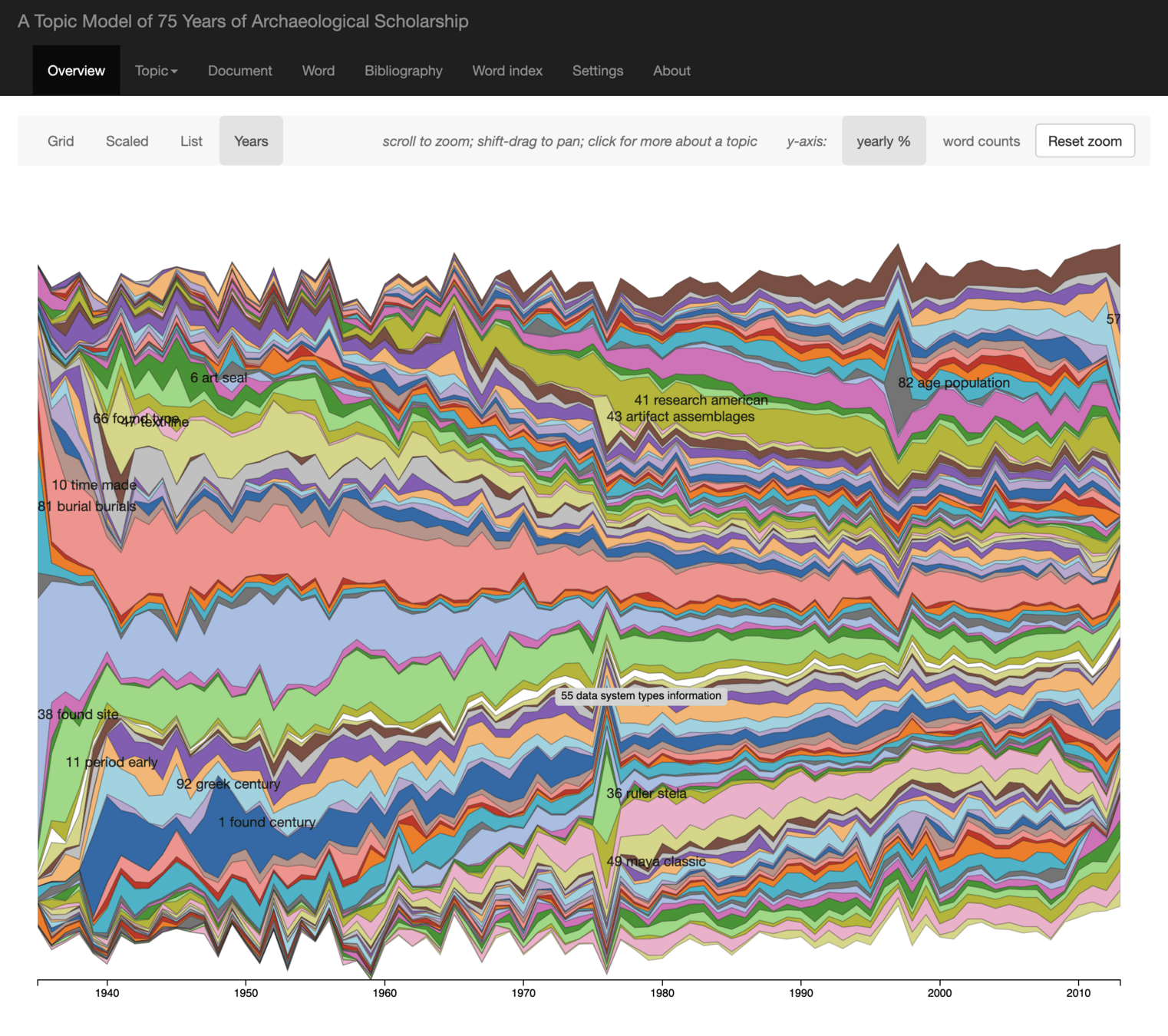
Notice Topic 55
Part One
• some brief biographical sketches:
• who I am, what makes me a 'digital archaeologist'
• introducing your TAs
• who you are and what you're hoping to get out of this course
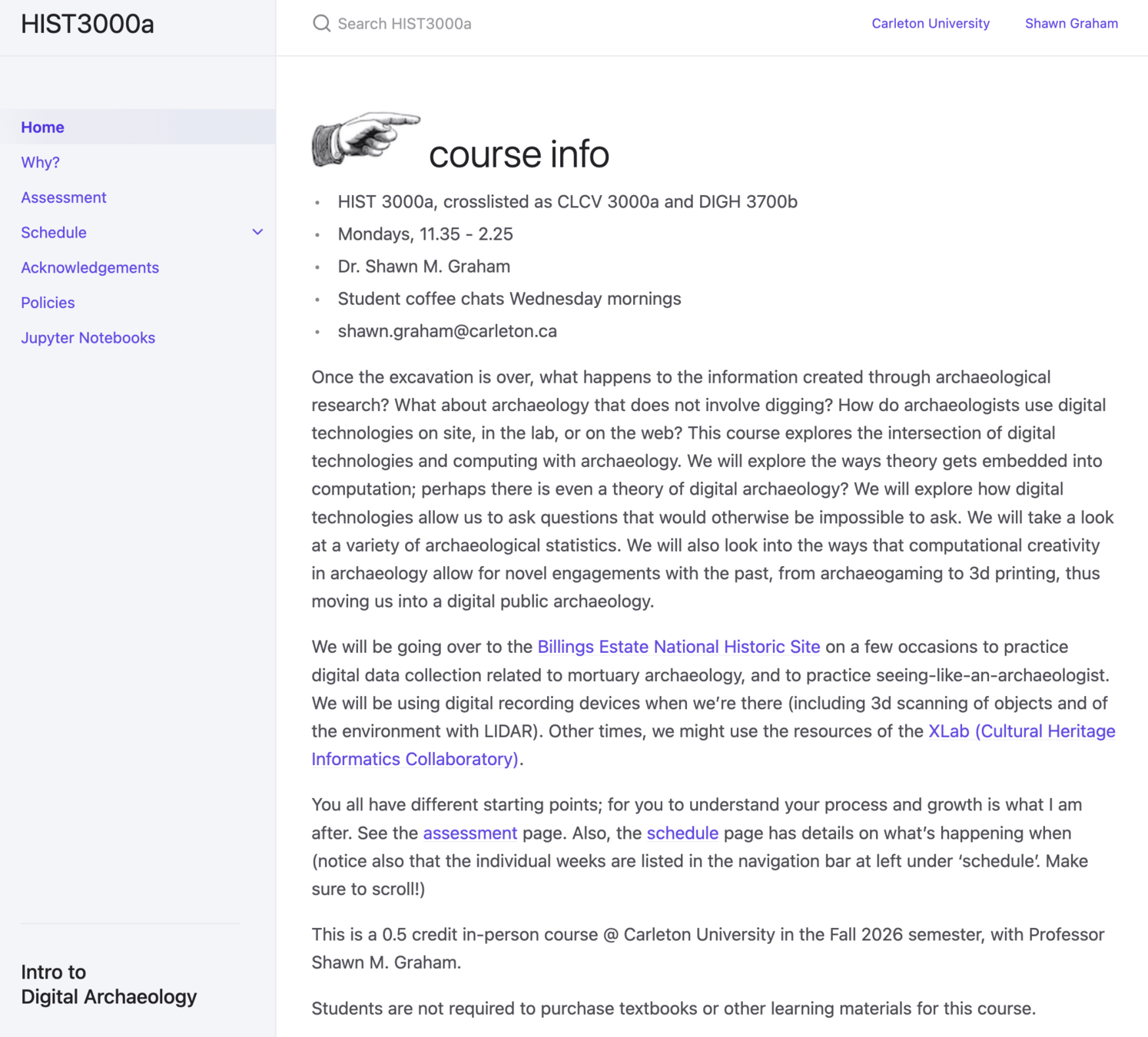
• course structure
• assessment structure
• overview of course schedule
Part Two
• Bite-sized Unconference:
• Setting up your personal digital archaeology 'lab' space
• A Personal Dataset exercise
| Project | Research Question(s) | Main Analytical Methods |
|---|---|---|
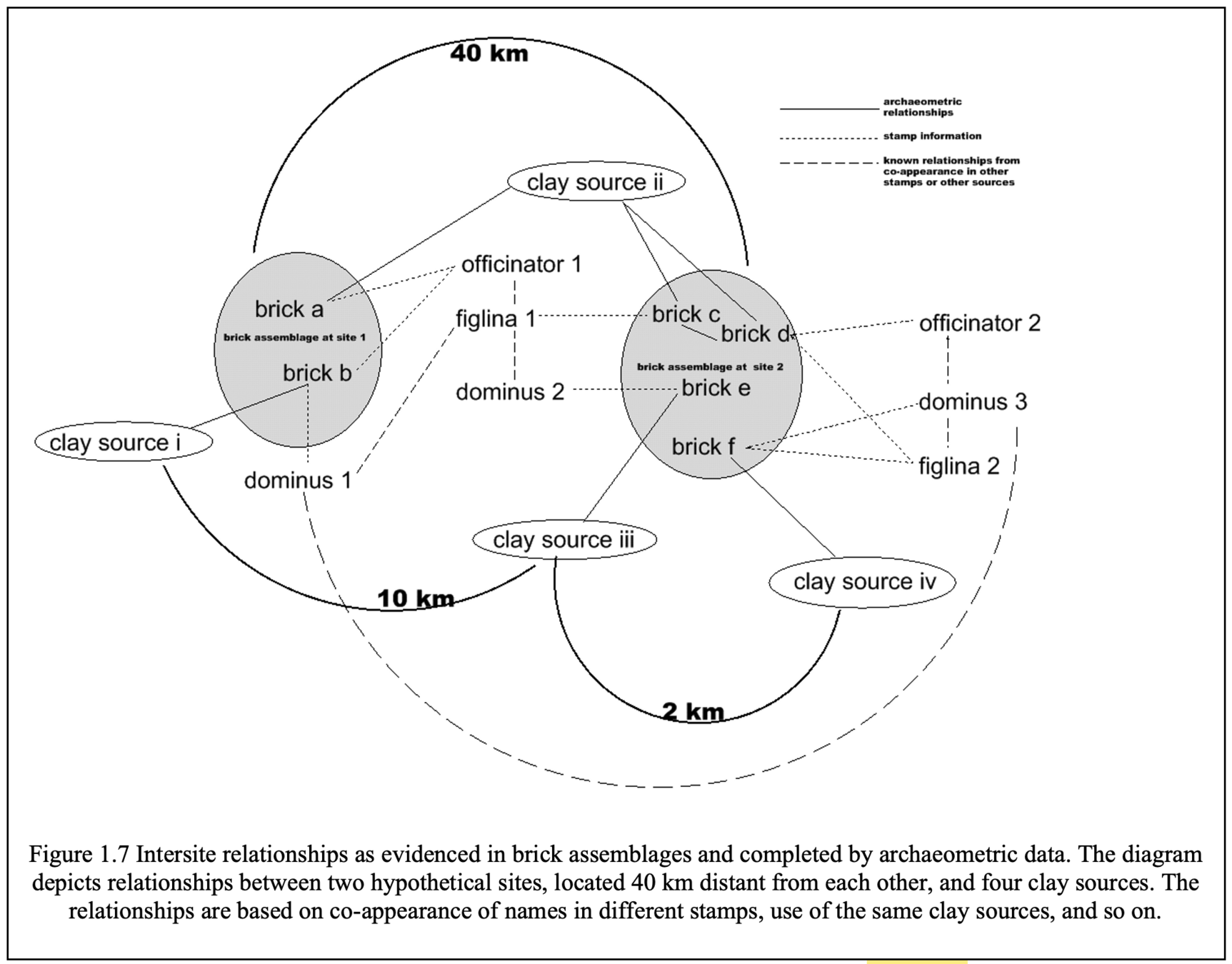
| Ex Figlinis | How do social relationships translate into exploitation of Rome's hinterland? | Social Network Analysis; XRD & XRF |
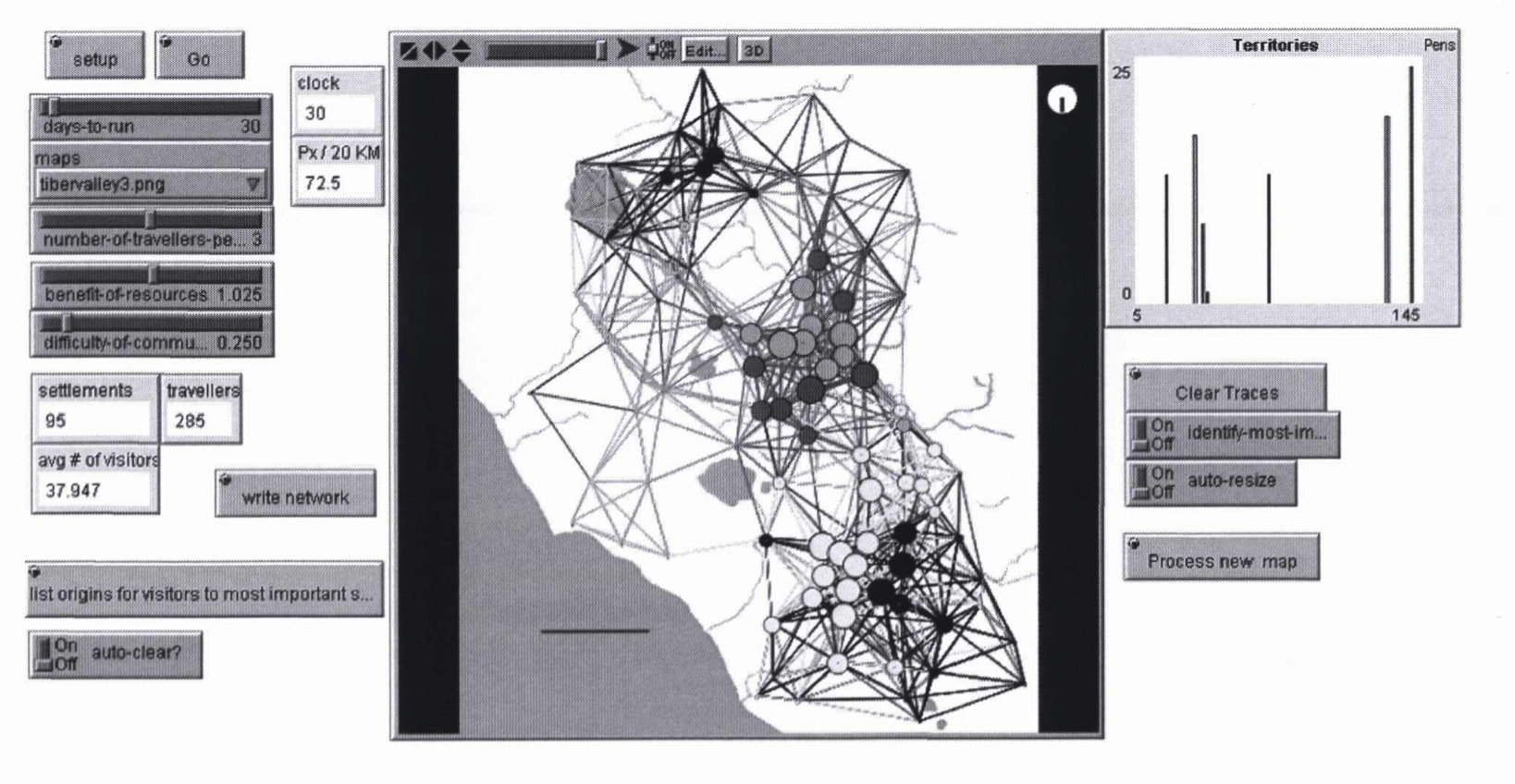
| BehaviourSpace | What do we see if we reanimate Roman social networks? Hypothesis: social network shapes can enhance or dampen the sources of civil violence | Agent Based Modelling, Social Network Analysis |
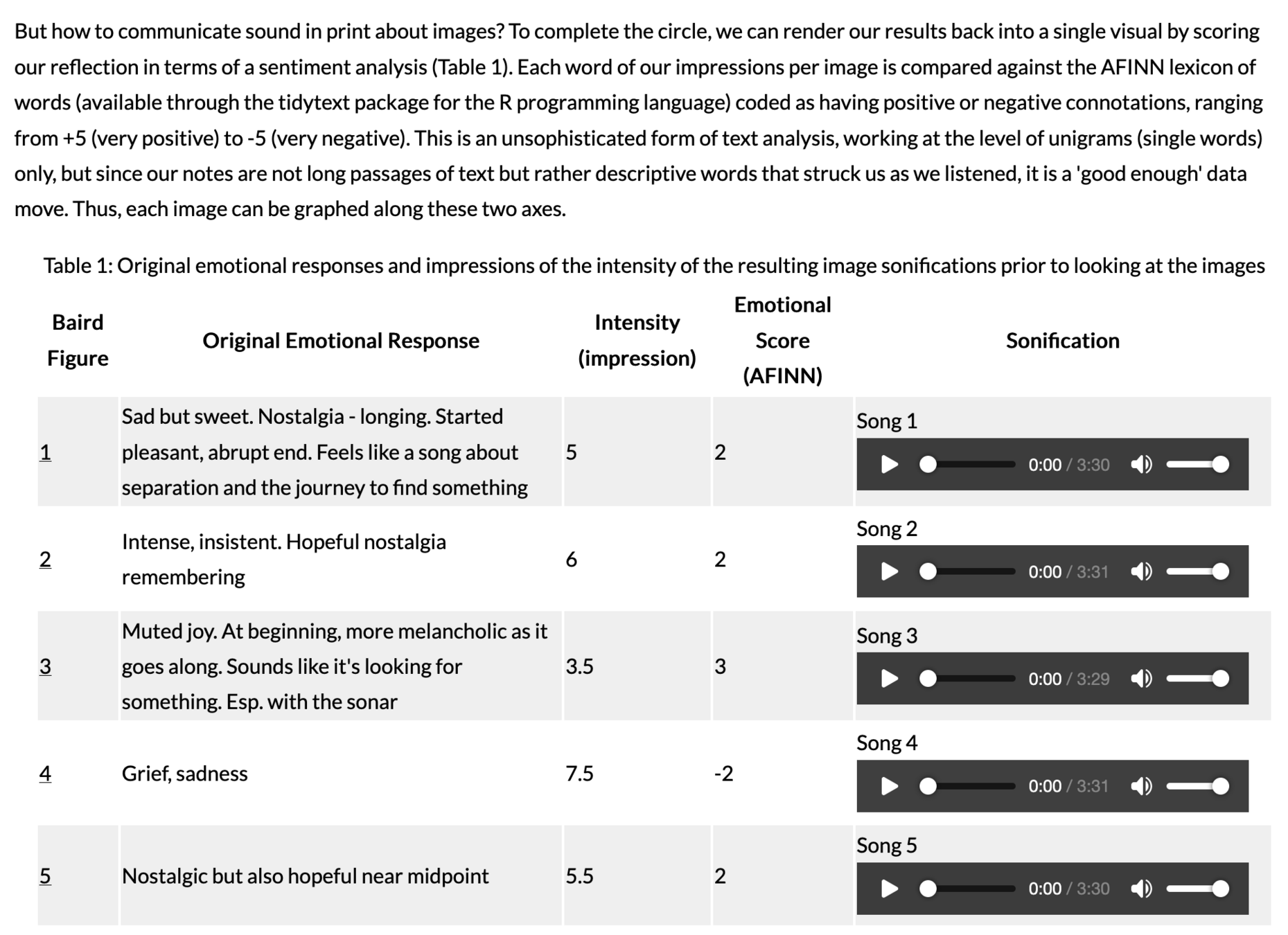
| Computational Creativity | Where can computational creativity techniques enhance legacy archaeological knowledge? | Sonification, artificial neural networks, computer vision, archaeogaming |
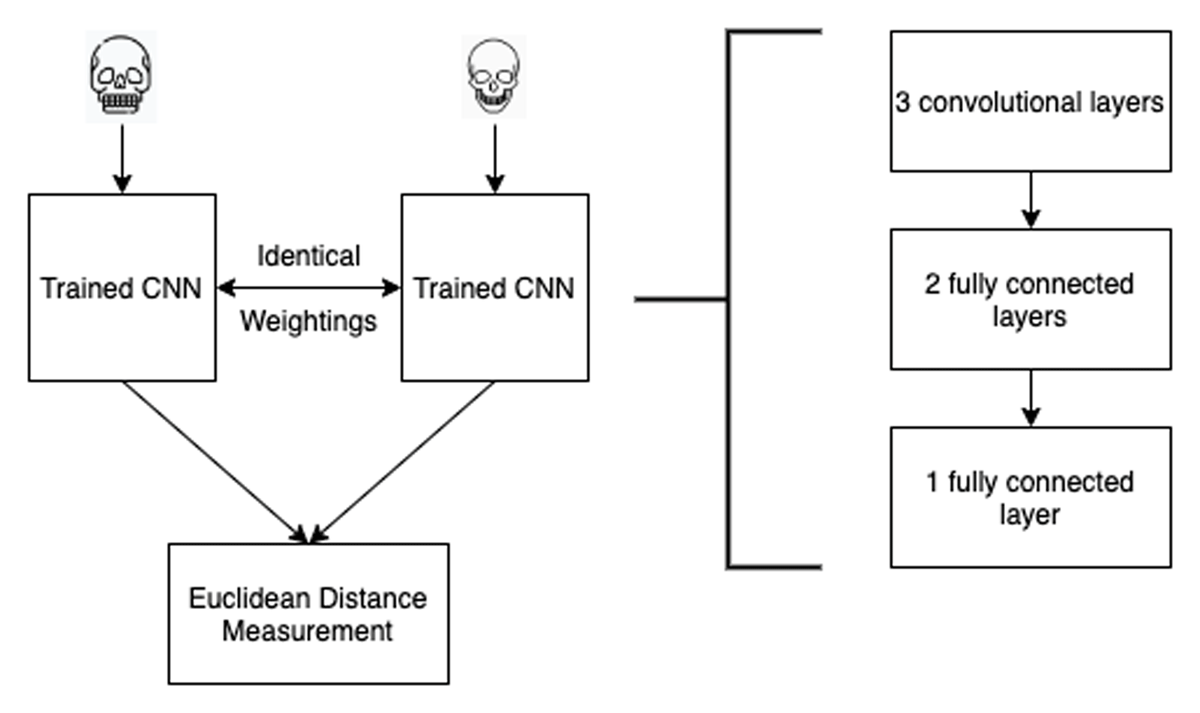
| The Bone Trade Project | Why do people buy and sell human remains on social media? | Image analysis: similarity, composition, influence; Social Network Analysis; Word Vectors; NLP; Text Analysis |
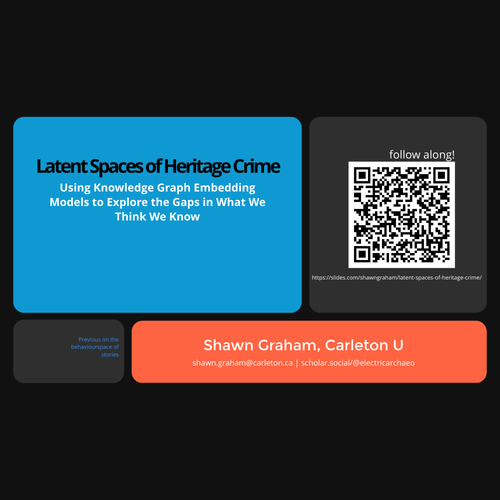
| The Organigram Project | Uncovering antiquities crime hiding in the interstices of what we know | Natural language processing; Knowledge graph embedding models |
| The International Space Station Archaeology Project | How do humans make a micro-society in space? What methods can we use? | Image analysis: composition, tagging; assemblage similarity |
| The Archaeology Impossible Project | What methods can we use to study human societies that are not self-sustaining? | Image analysis; OSINT; object detection models; assemblage similarities; network analysis; knowledge graph embeddings |
1998
2026
for books, publications, and other outputs, see shawngraham.github.io
office: pa406
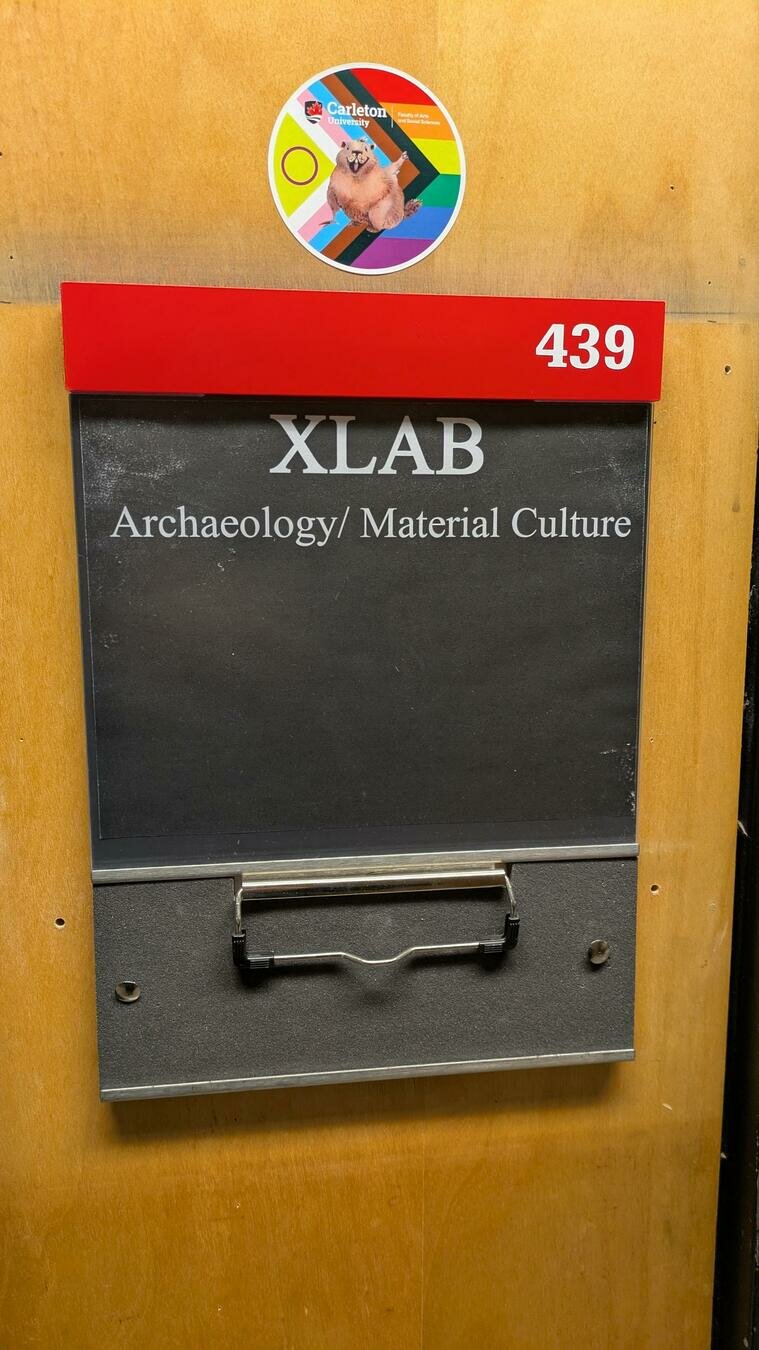
XLab: pa435-439
student coffee hours: mornings, 9 - 11 ish, Page Break in the library
- PhD candidate in Public History
- Collections Research at Ingenium, Canada's Science & Technology Museum
- Topography & Digital Data Assistant, Gabii Project, Rome
- Research interests in photogrammetry, ethics of 3d replication of cultural heritage materials
- PhD candidate in Cultural Mediations / Visual Culture
-Ethnographer, art director, writer, cultural curator,
- Research interests in documenting the nuances, legacy, and style of Black life, while challenging dominant narratives.
.
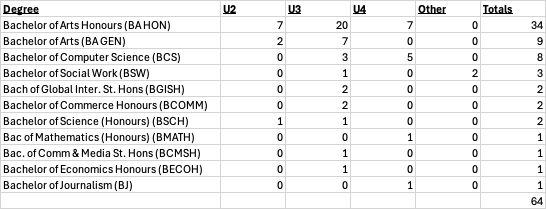
We don't have a BA in Archaeology, so here's who you are ....
program distribution of students.
2. Use these weekly exercises to help you design and implement your own personal digital archaeology project
1. Weekly exercises to build skills
3. Two consolidation exercises where you put what you've been doing into context
4. Weekly exercises are done/not done; PDAP eventually submitted with repo
5. Final exam functions as a final consolidation document.
Formal assessment builds on top of practice.
Part Two Photo by https://unsplash.com/@harlynkingm
Pretend this
is our class.
Divide in 3.
Go to the
area most
interested in.
You can change your
mind
42 BCE
1022.11.4
AD 545
1905/05/04
2433 BP
1876-04-20
545 CE
}
What is this?
Why might it matter?
How do we solve this?
By Shawn Graham