Graphics Processing Units (GPUs)
Parallel Algorithms
David Mayerich
Scalable Tissue Imaging and Modeling (STIM) Laboratory
Department of Electrical and Computer Engineering
Cullen College of Engineering
University of Houston
David Mayerich
STIM Laboratory, University of Houston

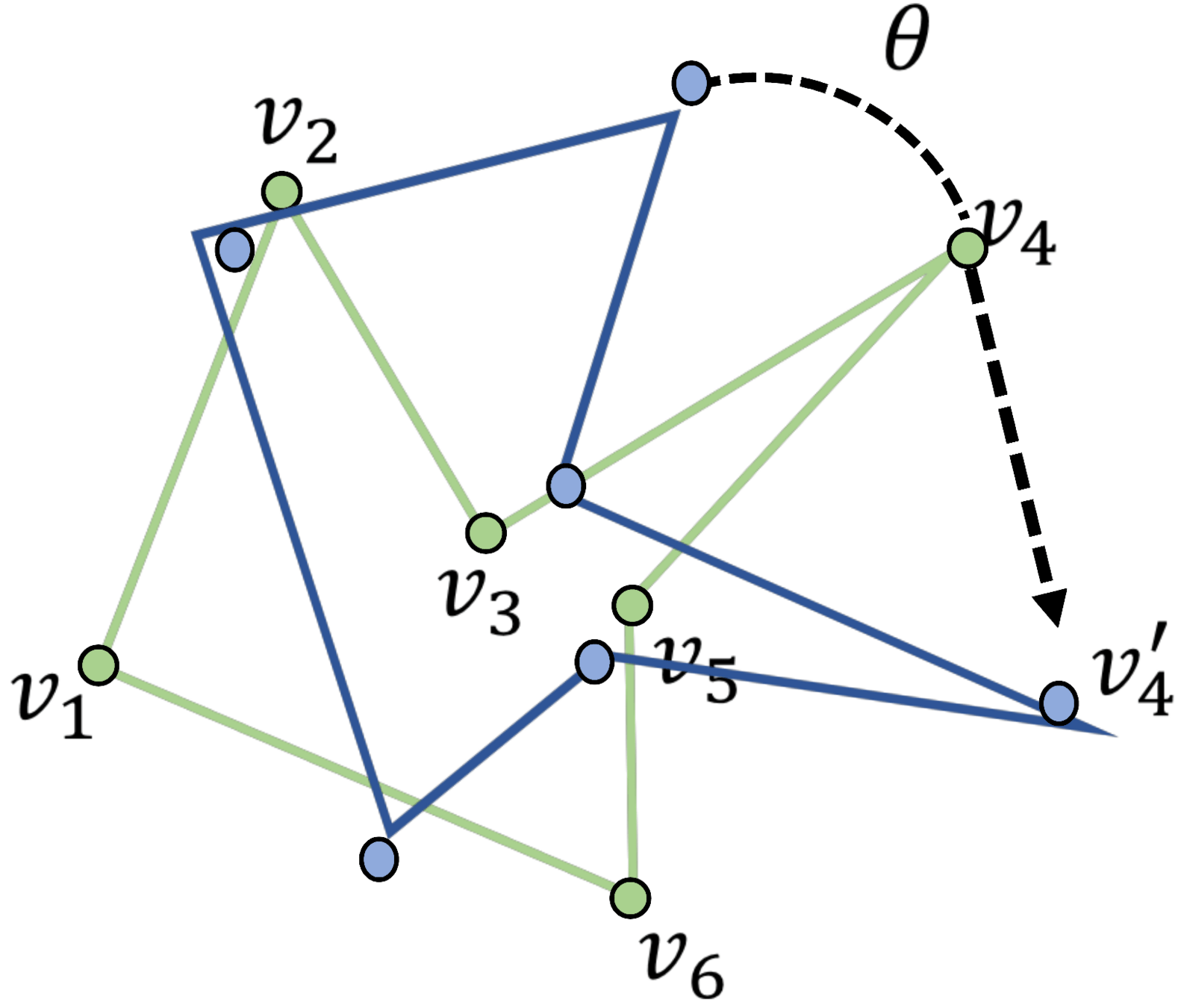
Vector Graphics
-
polygon: a series of line segments forming a closed planar shape
-
vertex: a point joining two line segments
-
transform: 2D or 3D linear operation applied to a series of vertices
David Mayerich
STIM Laboratory, University of Houston
\mathbf{R}=
\begin{bmatrix}
\cos{\theta} & -\sin{\theta}\\
\sin{\theta} & \cos{\theta}
\end{bmatrix}
\mathbf{v}_1'=
\mathbf{R}\mathbf{v}_1
\mathbf{v}_2'=
\mathbf{R}\mathbf{v}_2
\mathbf{v}_3'=
\mathbf{R}\mathbf{v}_3
\mathbf{v}_4'=
\mathbf{R}\mathbf{v}_4
\mathbf{v}_5'=
\mathbf{R}\mathbf{v}_5
=
\begin{bmatrix}
x_5'\\
y_5'
\end{bmatrix}
=
\begin{bmatrix}
\cos{\theta} & -\sin{\theta}\\
\sin{\theta} & \cos{\theta}
\end{bmatrix}
\begin{bmatrix}
x_5\\
y_5
\end{bmatrix}
\mathbf{v}_6'=
\mathbf{R}\mathbf{v}_6
Projections
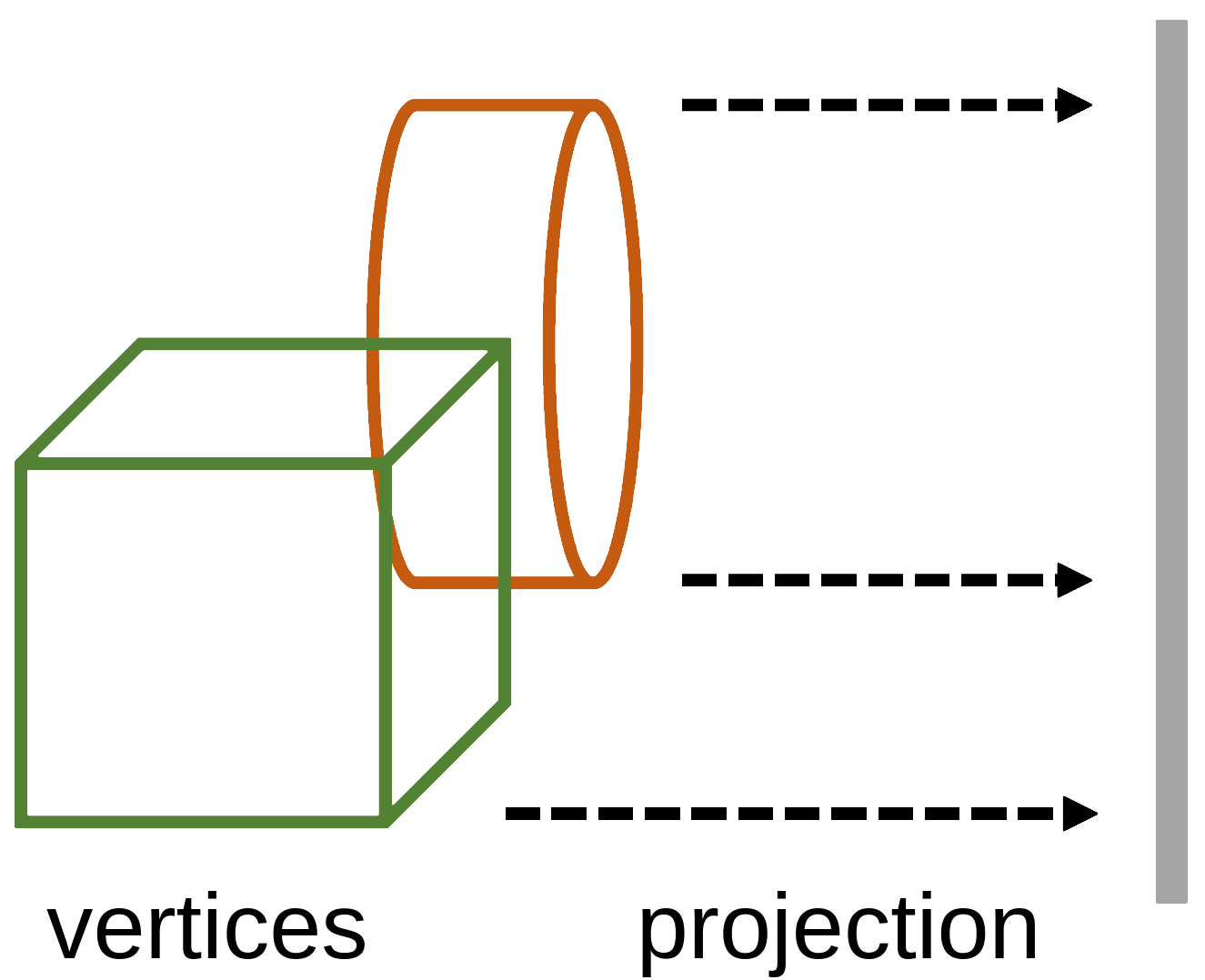
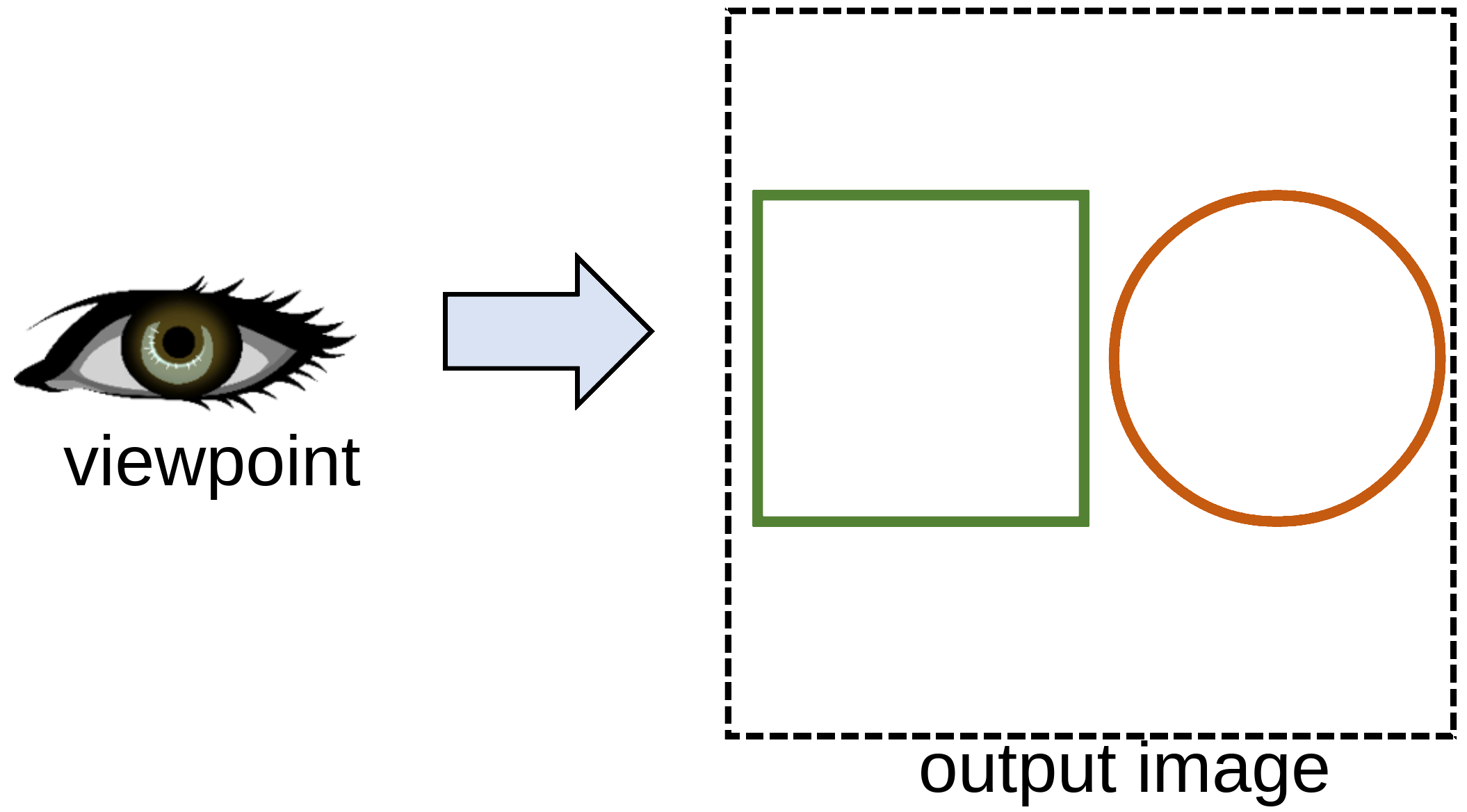
- Describe the world as a series of vertices connected by lines
- Create a virtual camera
- Rotate all of the vertices to line the camera up with its position in the virtual world
- Apply a projection to render the lines to a 2D plane (the screen)
David Mayerich
STIM Laboratory, University of Houston
Projections
David Mayerich
STIM Laboratory, University of Houston
-
orthographic projection: directly eliminate the z-axis component after rotating to the camera
\mathbf{P}=
\begin{bmatrix}
1 & 0 & 0\\
0 & 1 & 0\\
0 & 0 & 0
\end{bmatrix}
\dot{\mathbf{v}}_1=\mathbf{P}\mathbf{v}_1'
\dot{\mathbf{v}}_2=\mathbf{P}\mathbf{v}_2'
\dot{\mathbf{v}}_3=\mathbf{P}\mathbf{v}_3'
\dot{\mathbf{v}}_{n-1}=\mathbf{P}\mathbf{v}_{n-1}'
\dot{\mathbf{v}}_{n}=\mathbf{P}\mathbf{v}_{n}'
\cdots
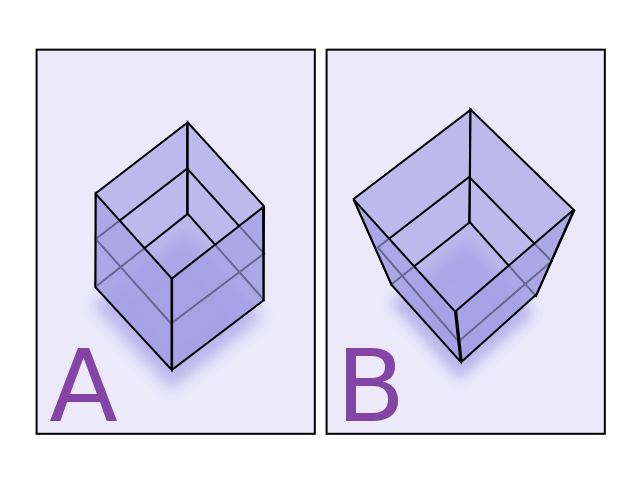
-
perspective projection: scale the \((x,y)\) coordinates as a function of \(z\) (distance from the camera)
-
points must be represented as a 4D vector
-
\mathbf{P}=
\begin{bmatrix}
1 & 0 & 0 & 0\\
0 & 1 & 0 & 0 \\
0 & 0 & -1 & 0\\
0 & 0 & D & 0
\end{bmatrix}
\text{where } \mathbf{v}_n'
=
\begin{bmatrix}
x_n'\\
y_n'\\
z_n'\\
w_n'
\end{bmatrix}
Vector Graphics
David Mayerich
STIM Laboratory, University of Houston
// calculate view (V) and projection (P)

// allocate endpoints for lines
point p[2];

// for every polygon in the scene
for(int pi = 0; pi < P; pi++) {
  // for every vertex in the polygon
  for(int vi = 0; vi < Polys[pi].V; vi++) {
  	// calculate the screen point
    vertex p[1] = P * V * Polys[pi][vi];
    // if this is not the first poly point
    if(vi != 0)
      // draw a line between the points
      drawLine(p[0], p[1]);
    // shift points to draw the next line
    p[0] = p[1];
  }
  // connect the polygon
  drawLine(p[0], Polys[pi][0]);
}
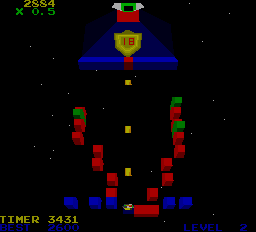
Star Wars (Atari 1983), arcade-museum.com
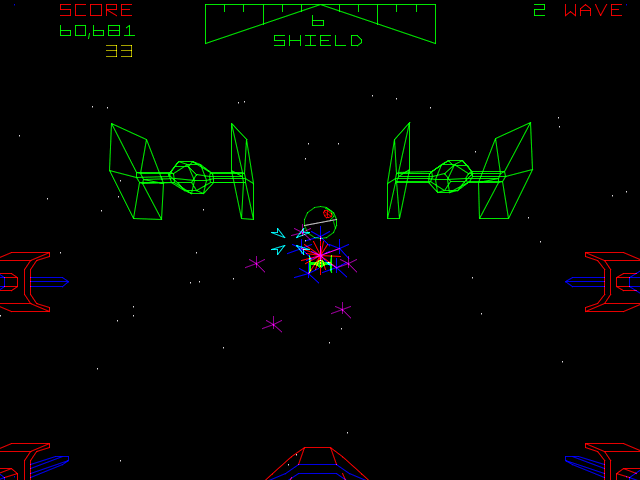
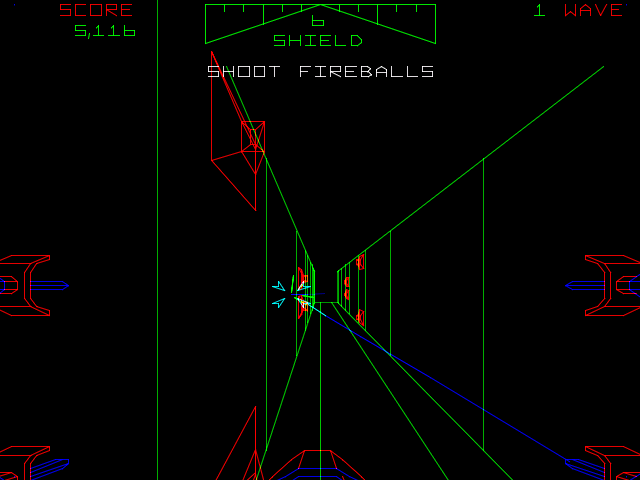
most of the work:
\(O(P \times V)\)
all \(P\) polygons
all \(V\) vertices
Shading (1980s)
-
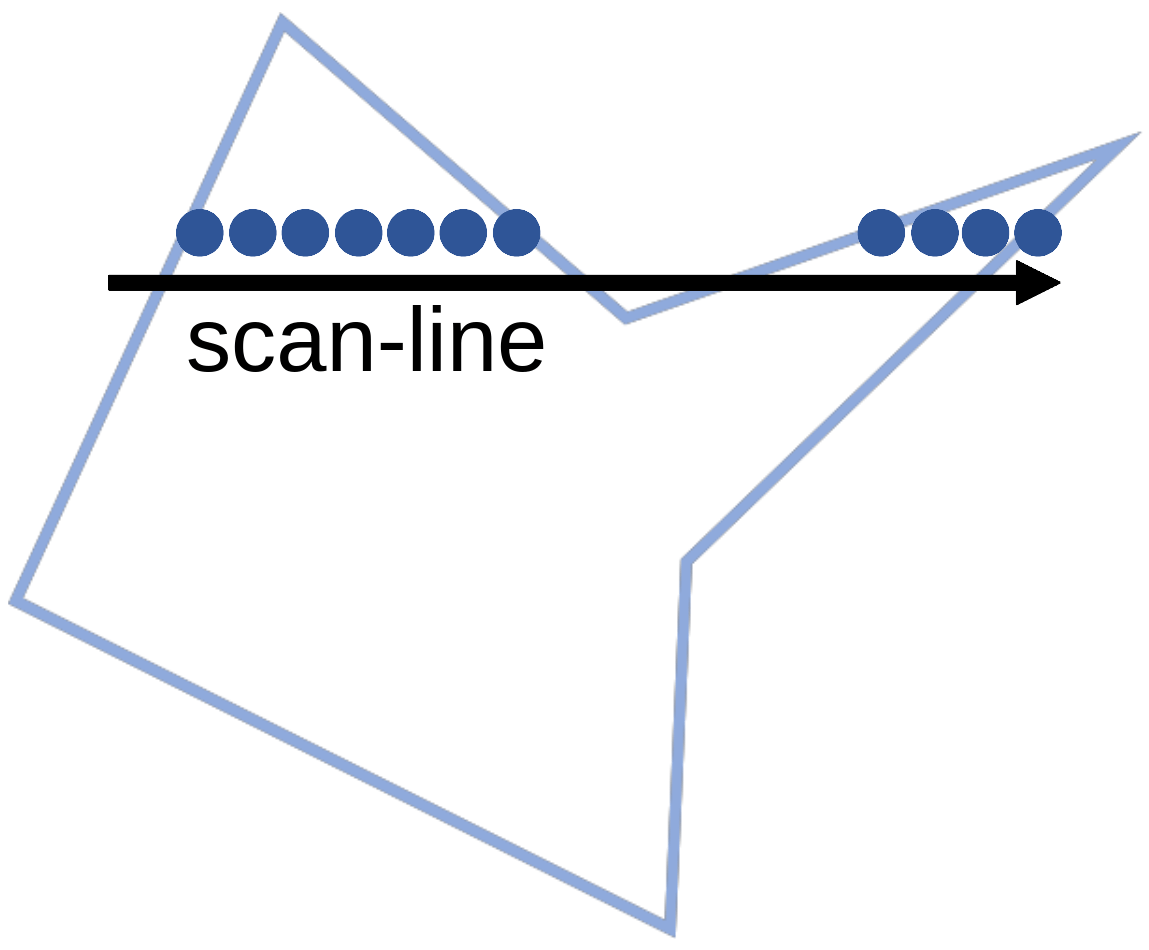
Calculate a color value \(c=[c_r\, c_g\, c_b]\) for each point inside the polygon
-
Scan-line algorithm to fill pixels
-
Calculate illumination:
-
\(\mathbf{n}\) is the surface normal
-
\(\mathbf{l}\) is the direction to the light source
-
David Mayerich
STIM Laboratory, University of Houston
\dot{\mathbf{c}}=\mathbf{c}(\mathbf{n}\cdot\mathbf{l})

\theta
=
\mathbf{n}\cdot \mathbf{l}
Shading
David Mayerich
STIM Laboratory, University of Houston
// calculate view (V) and projection (P)
// stores vertices for the current triangle
vertex* t = new vertex[3];
// for every triangle
for(int ti = 0; ti < T; ti++) {
  // transform to screen coordinates
  t[0] = P * V * Mesh[ti][0];
  t[1] = P * V * Mesh[ti][1];
  t[2] = P * V * Mesh[ti][2];
  // calculate the normal
  vector n = normal(t[0], t[1], t[2]);
  // initialize light intensity to zero
  color l_sum = 0;
  // for each light in the scene
  for(int li=0; li<L; li++)
    // add its intensity
    l_sum += cos(n, Lights[li].p);
  // calculate the final color
  color c = Mesh[ti].color * l_sum;
  // draw all pixels in the triangle
  drawPixels(t, c);
}
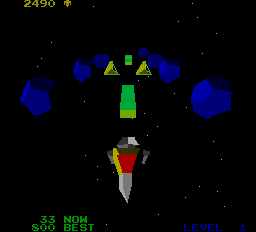
I, Robot (Atari 1983), arcade-museum.com
all \(P\) pixels
all \(T\) triangles
all \(L\) lights
Texture Mapping (1990s)
-
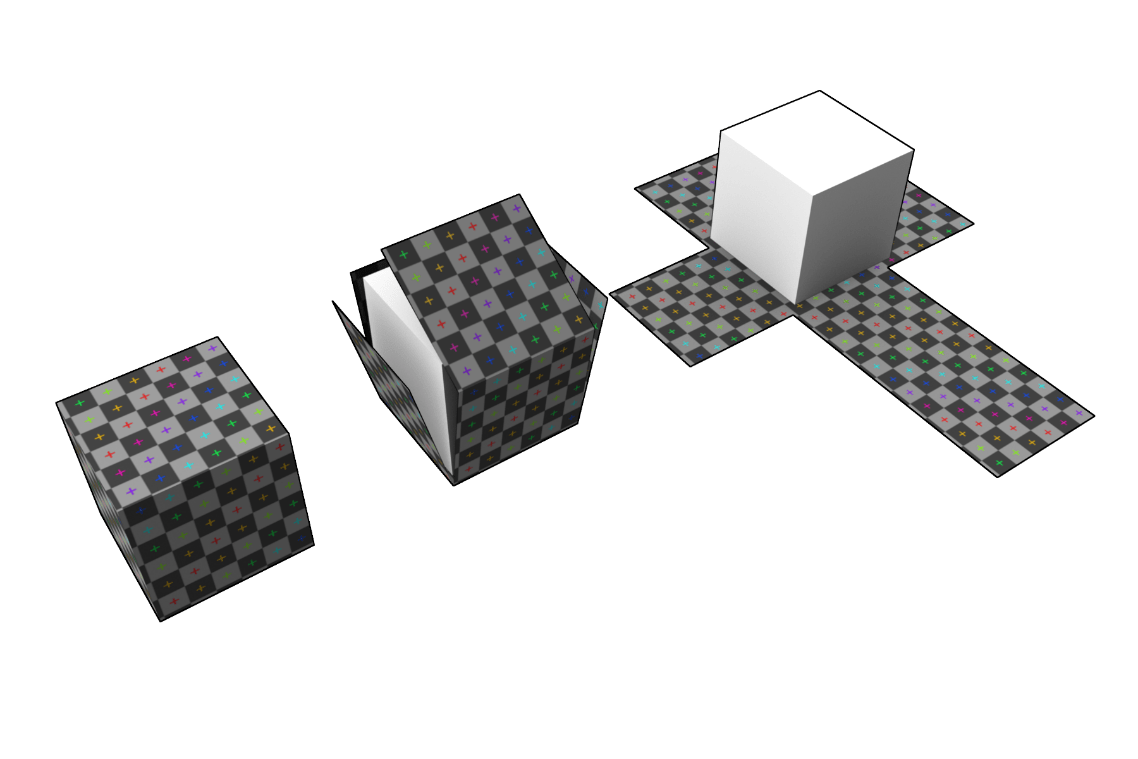
texture mapping: map a 2D image onto the polygons of a 3D object
David Mayerich
STIM Laboratory, University of Houston
-
provides additional color and shading details without extra vertices
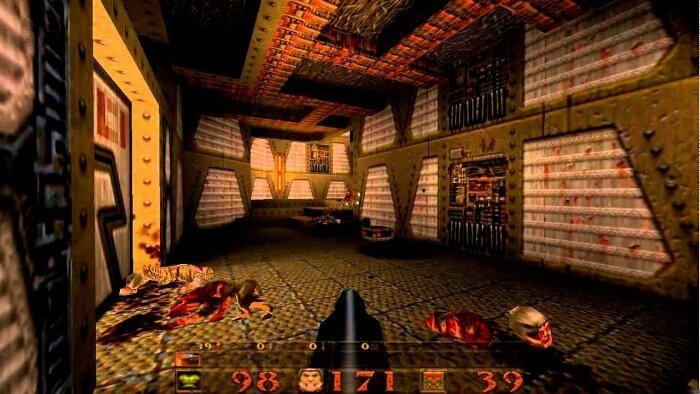
Voodoo2, Quake (1996)
GeForce2 MX, Creature (2001)
GeForce2 Go, Toy Soldier (2002)
GeForce2 Ti, Grove (2000)
Texture Mapping
David Mayerich
STIM Laboratory, University of Houston
// calculate view (V) and projection (P)
// stores vertices for the current triangle
vertex* t = new vertex[3];
// for every triangle
for(int ti = 0; ti < T; ti++) {
  // transform to screen coordinates
  t[0] = P * V * Mesh[ti][0];
  t[1] = P * V * Mesh[ti][1];
  t[2] = P * V * Mesh[ti][2];
  // calculate the normal
  vector n = normal(t[0], t[1], t[2]);
  // initialize light intensity to zero
  color l_sum = 0;
  // for each light in the scene
  for(int li=0; li<L; li++)
    // add its intensity
    l_sum += cos(n, Lights[li].p);

  // draw all pixels in the triangle
  drawPixels(t, Mesh[ti].texture, l_sum);
}
fragments
vertices

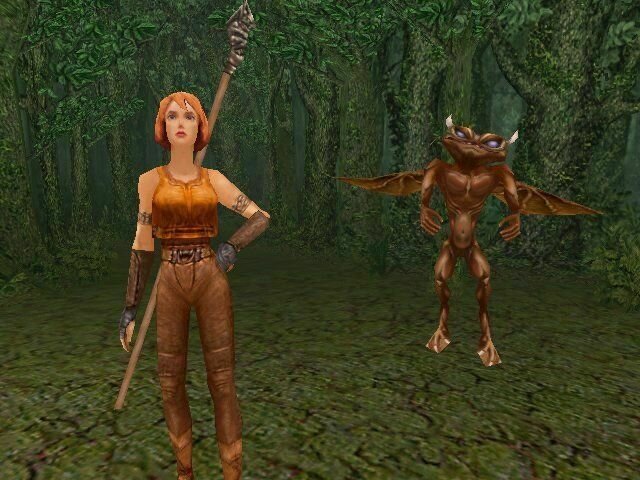
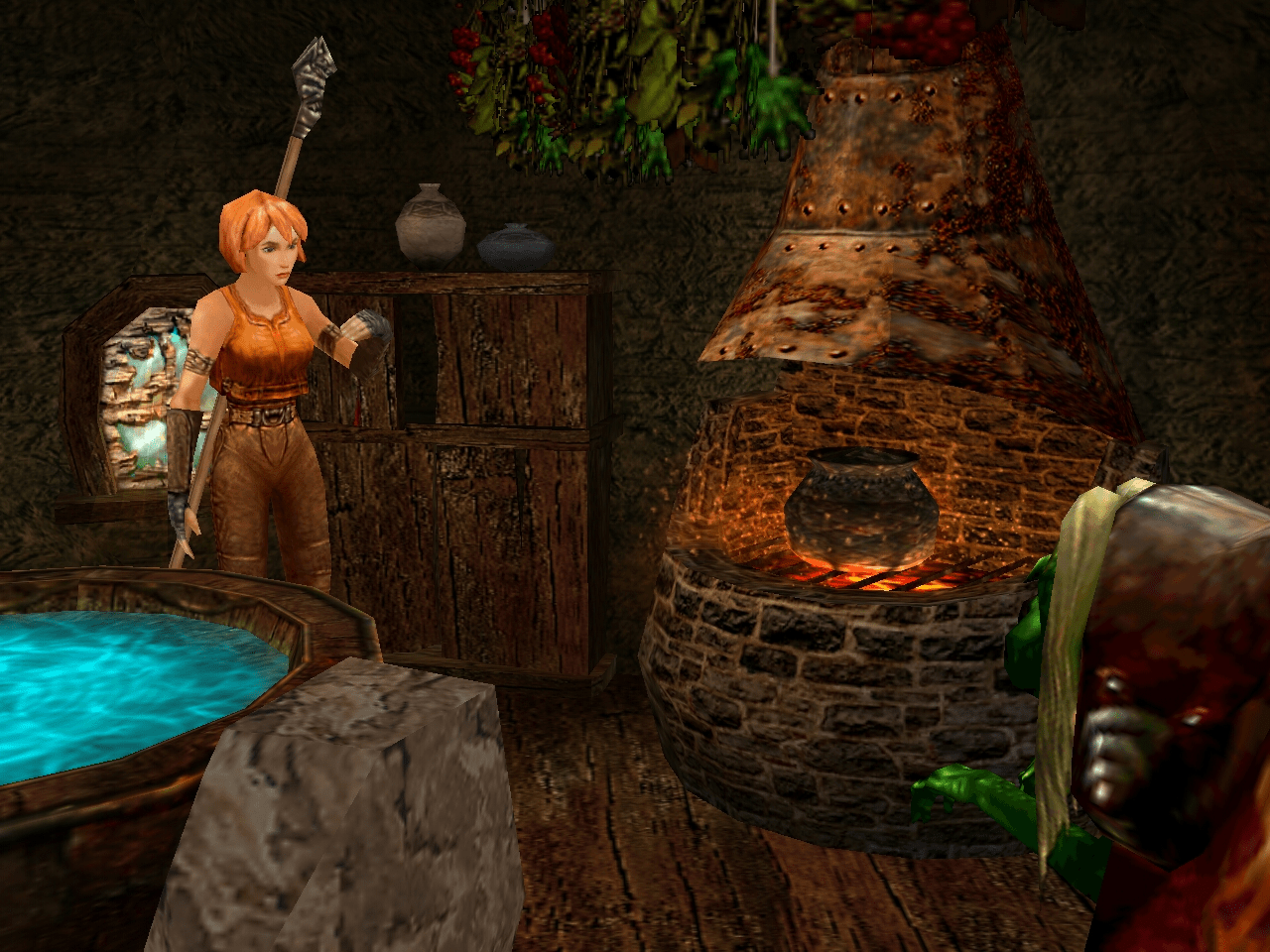
Darkened Skye, Boston Animation (2002)
Programmable Graphics Hardware
David Mayerich
STIM Laboratory, University of Houston
1998
1999
2000
2001
2002
2003
2004
DirectX 6
Microsoft
multitexture
DirectX 7
Microsoft
DirectX 8
Microsoft
shader model 1.x
DirectX 9
Microsoft
shader model 2.0 - 3.0
OpenGL
Silicon Graphics
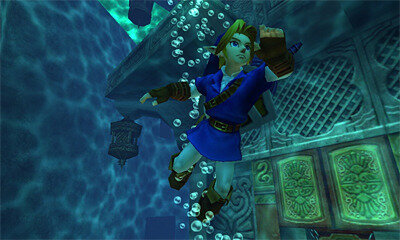
(1998) Ocarina of Time
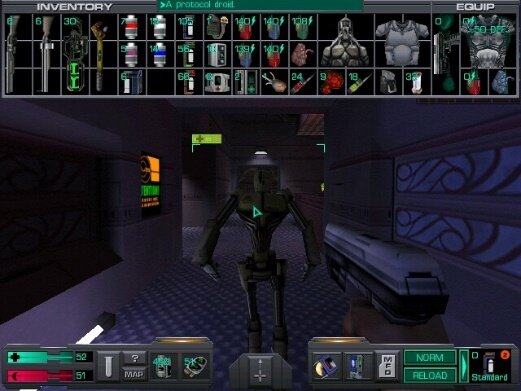
(1999) System Shock
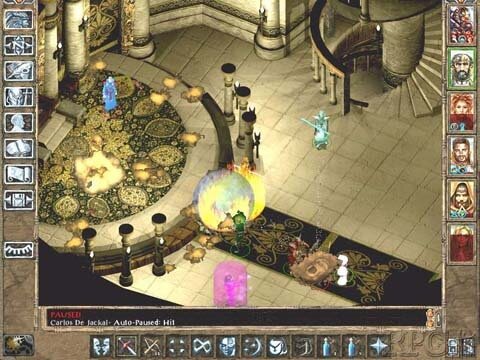
(2000) Baulder's Gate II
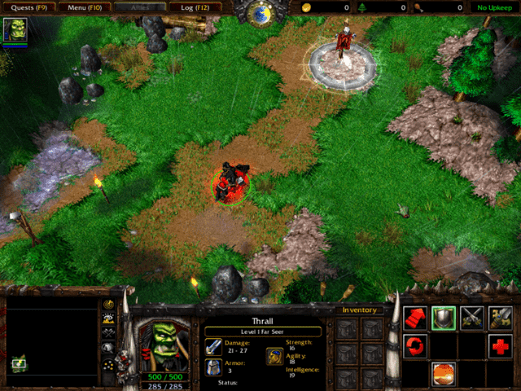
(2002) Warcraft III
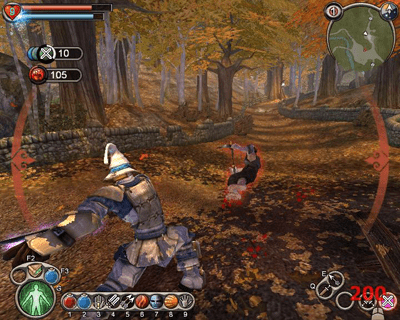
(2004) Fable
Geforce 256
nVidia
hardware texture
and lighting
Geforce 2
nVidia
Geforce 3
nVidia
programmable shading
(XBox)
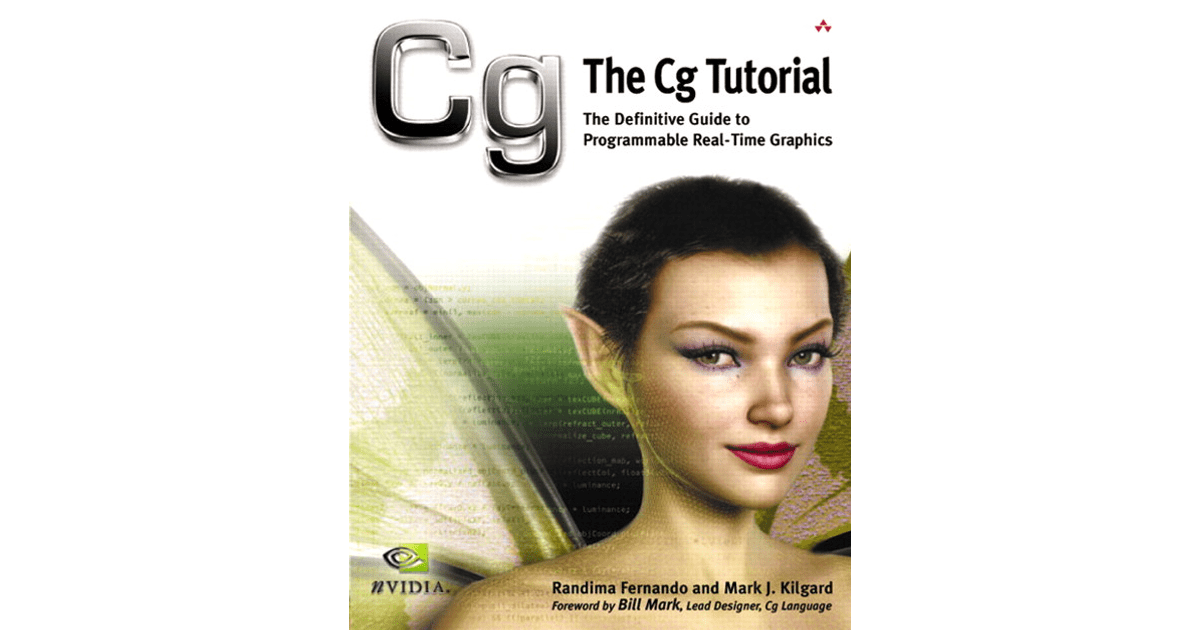
Cg
nVidia
shader language
Radeon 9700
Radeon
floating point math
GeForce FX
nVidia
practical GPGPU
GLSL
shading
language
Voodoo
3dfx Interactive
texture mapping
Cg (C for Graphics)
-
GeForce 3 - first programmable shader model (using assembly)
-
GeForce FX - first practical card for GPGPU
-
floating point precision
-
Cg provides a high-level language
for programming GPUs
-
David Mayerich
STIM Laboratory, University of Houston
Output varying(
  float2 position: POSITION,
  float4 color : COLOR,
  float2 texCoord : TEXCOORD0) {
    Output OUT;
    OUT.position = float4(position, 0, 1);
    OUT.color 	 = color;
    OUT.texCoord = texCoord;
    return OUT;
}
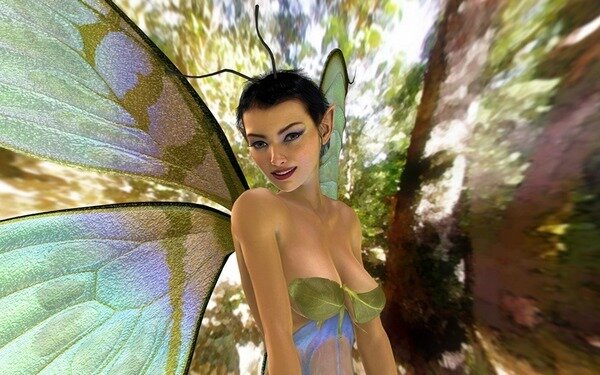
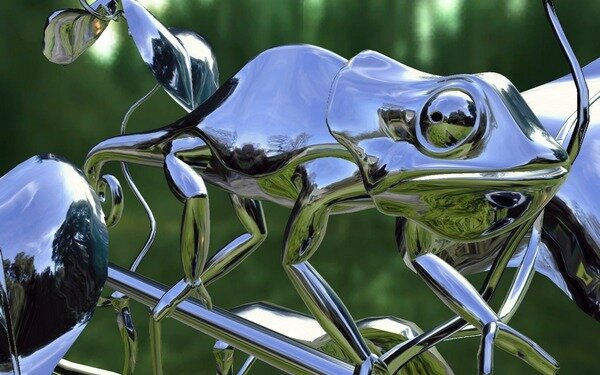
GeForce 3 Ti, Chameleon (2001)
GeForce FX 5200, Dawn (2003)
GPGPU - challenges and investments
General purpose GPU programming mapped mathematical problems to rendering
- Calculate the matrix multiplication \(\mathbf{C} = \mathbf{A}\mathbf{B}\):
- Store \(\mathbf{A}\) and \(\mathbf{B}\) as texture maps
- Draw a rectangle on the screen that is exactly the size of \(\mathbf{C}\) in pixels
- Write a pixel shader that multiplies the rows of \(\mathbf{A}\) with the columns of \(\mathbf{B}\)
- Read the results from the screen buffer
-
Debugging was extremely difficult
-
You could get a PhD implementing reasonably complex algorithms using shading languages and rendering rectangles
-
Financial companies would hire game programmers to do market analysis
David Mayerich
STIM Laboratory, University of Houston
Compute Unified Device Architecture
-
GeForce 8800 (2006)
-
Tesla architecture
-
first CUDA compatible card
-
-
CUDA 1.0 SDK (2007)
-
8800+ CUDA compatible
-
evolving compute capability (now 12.1)
-
-
Parallel model still based on GPUs
-
data parallel
-
single-instruction multiple data
(maps to shader programs)
-
David Mayerich
STIM Laboratory, University of Houston
GeForce 8800, Froggy (2006)
Nvidia Tech Demos
David Mayerich
STIM Laboratory, University of Houston
GeForce 200, Medusa (2008)
GeForce GTX 460, Heaven (2010)
GeForce GTX TITAN, Ira (2013)
GeForce GTX 900, Apollo Lunar Landing (2015)
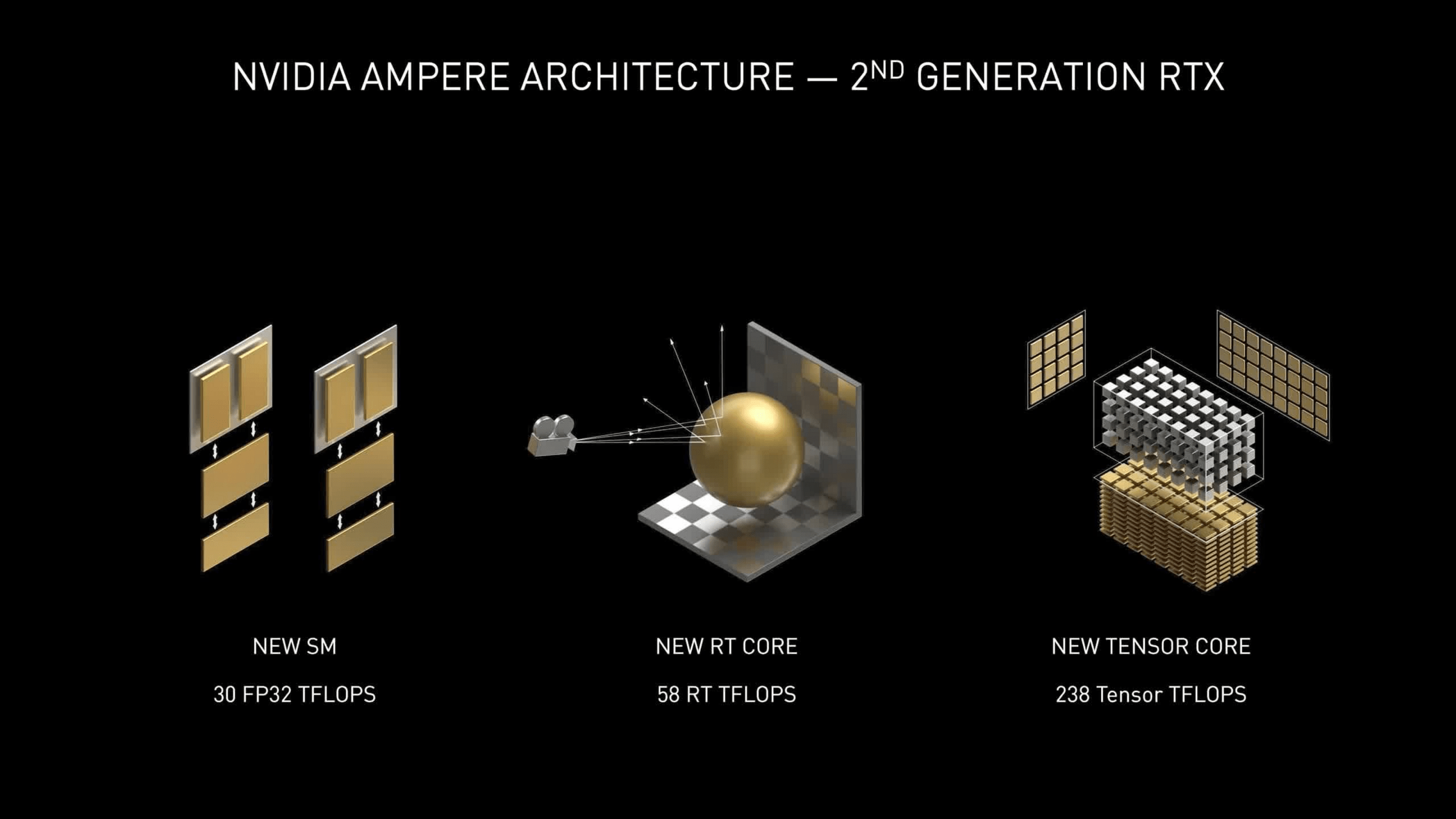
Modern Nvidia GPUs
-
CUDA Cores:
-
32-element SIMD vector units
-
hyperthreading
-
-
Tensor Cores:
-
optimized matrix multiply-and-accumulate (MMA)
-
mixed-precision arithmetic (ex. FP64, FP32, FP16, FP8)
-
-
Ray Tracing Cores:
-
bounding volume hierarchy (BVH) acceleration
-
optimized intersection detection
-
David Mayerich
STIM Laboratory, University of Houston
CUDA API
C/C++
CUDA Cores
Tensor Cores
Ray Tracing Cores
cuBLAS
cuDNN
OptiX
DirectX
Vulkan
Shading Language
David Mayerich
STIM Laboratory, University of Houston
E.1 Graphics Processing Units
By STIM Laboratory