



Saverio Bolognani
Senior Scientist at ETH Zurich
NCCR Automation Retreat 2026
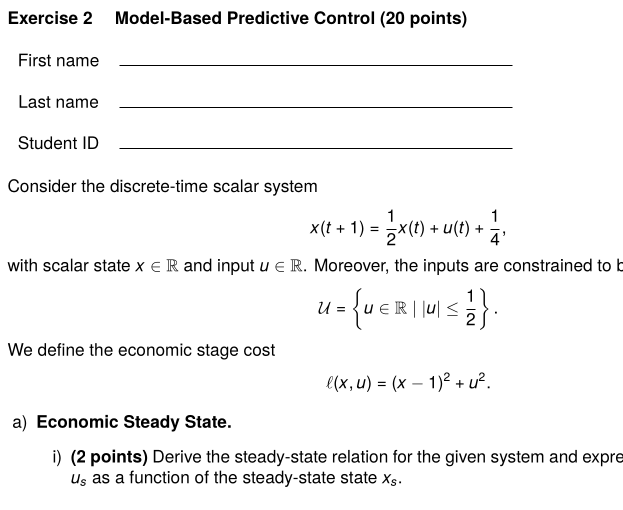
| Otherwise... | |
|---|---|
| Clarity | Ambiguous interpretation, answers are not informative |
| Time | Unanswered questions (also: cultural expectation) |
| Alignment | Out-of-scope competences determine the grade |
| Coverage | Correlated questions add little information on the student's level |
Standard procedure: test-solve the exam
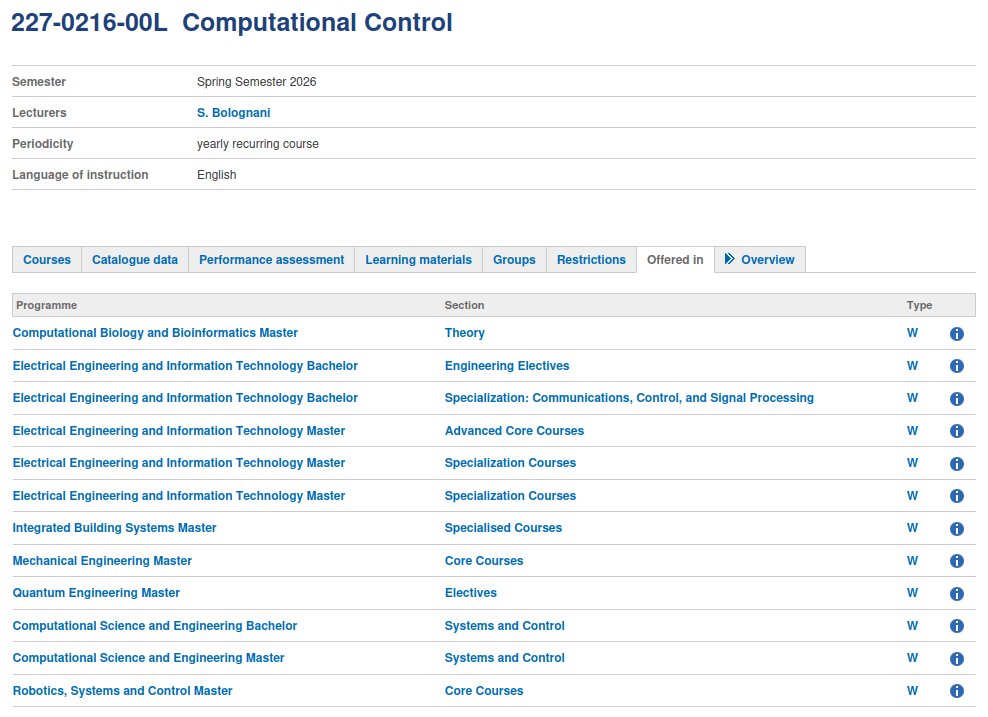
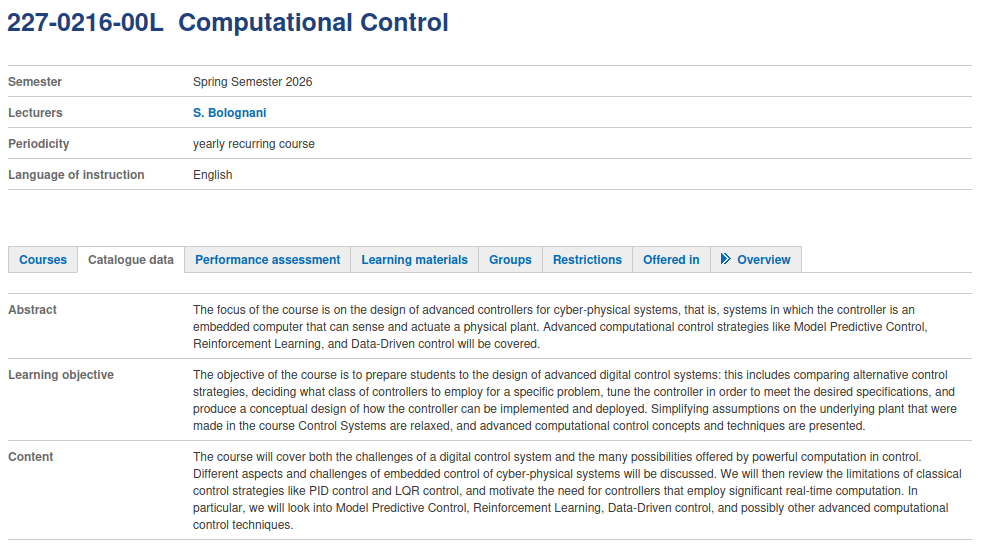
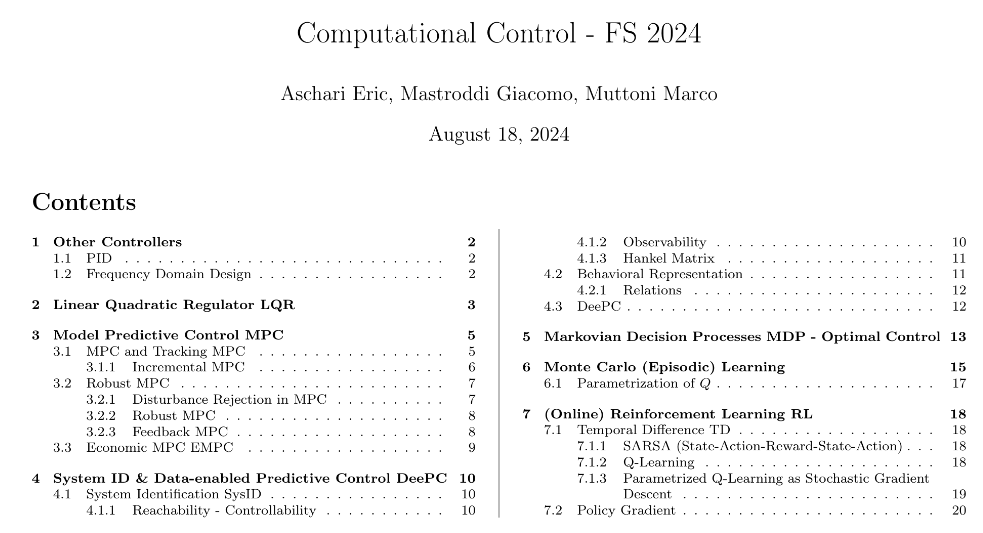
Who are the students, what do they know already, what is their level
Data: course catalog, your input, past questionnaires
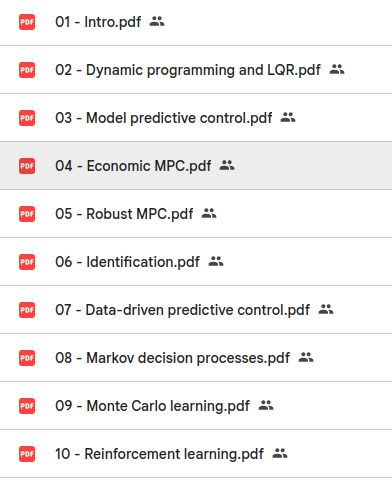
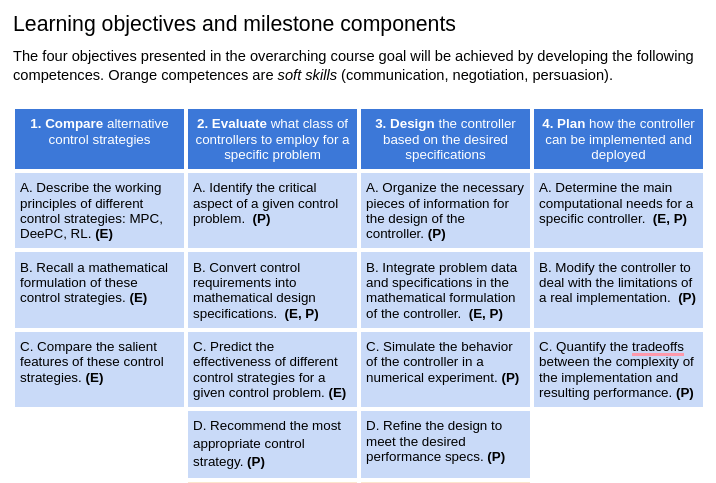
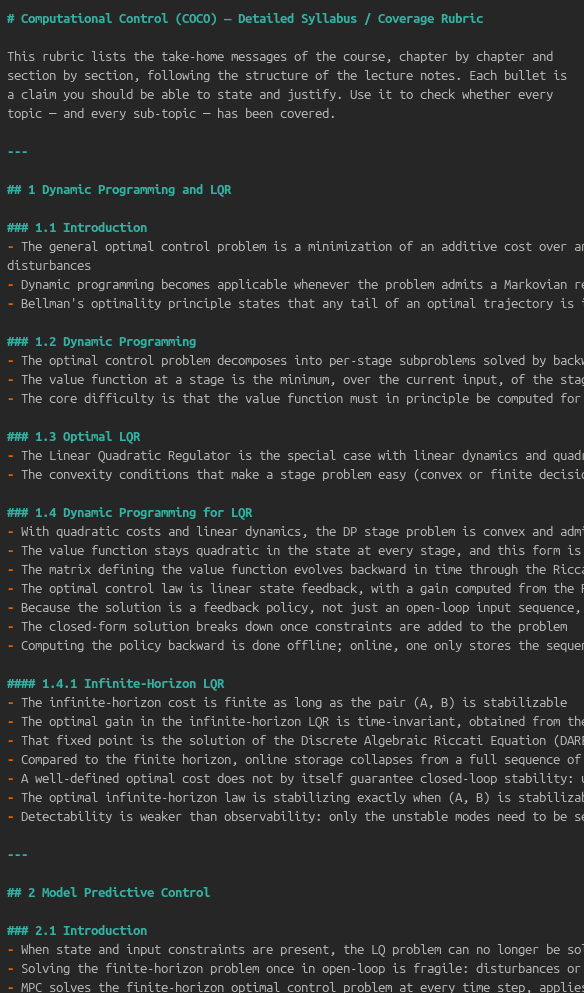
Competences and course content
Data: teaching material, syllabus, your input
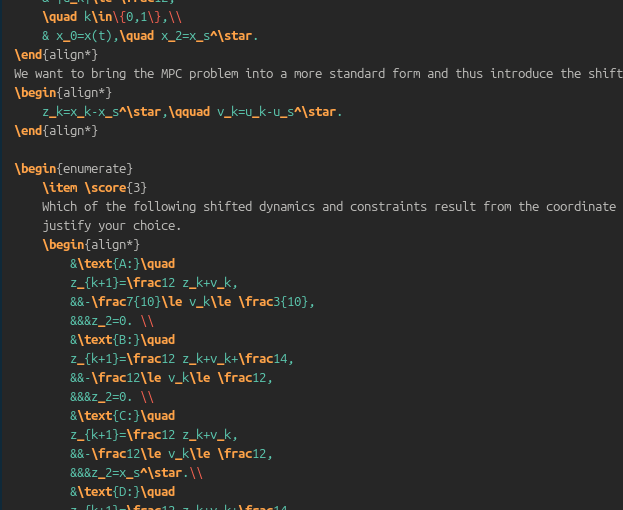
Your exam draft
Data: LaTeX draft
Pick a course you have been teaching / TAing + Claude code / Codex (or web chat)
Prepare a STUDENTS.md file that describes the level, compentences, pre-existing knowledge, and skills of a student that enrolls in the COCO course. Do not include competences and knowledge that they acquire during the COCO course. I will provide you multiple sources of information for this task.
+ + +
Ask me questions to refine the description, if some uncertainty is left
Students of the course are first or second year master student at ETH Zurich, the all have a bachelor level knowledge of linear algebra and calculus.
They have all taken a Control System 1 course that covers....
Prepare a
COURSE-CONTENT.md
file that describes the content covered in the course and the competences that the students need to learn.
I will provide you multiple source of information for this task.
+ + +
Ask me questions to refine the description, is some uncertainty is left
Even better: split into
A good idea in general
Helps you prepare better exams and tutorials, focus on what matters.
ETH Learning to teach course or equivalent
Consider students described in STUDENTS.md that just took the course COURSE-CONTENT.md. Solve the exam, write the solutions in a separate LaTeX file, and perform this analysis.
Write the findings in FINDINGS.md / chat about this / comment the LaTeX file / propose fixes / ...
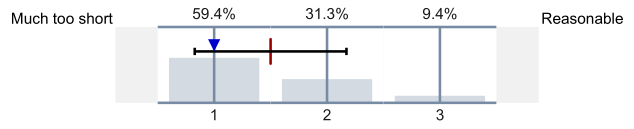
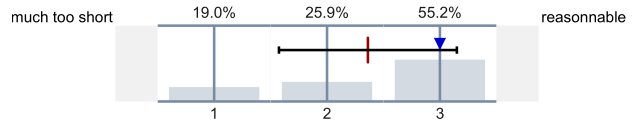
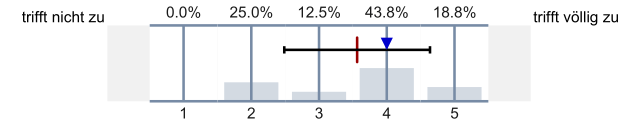
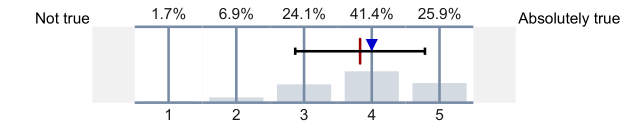
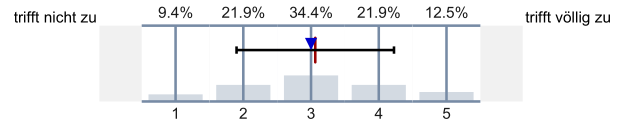
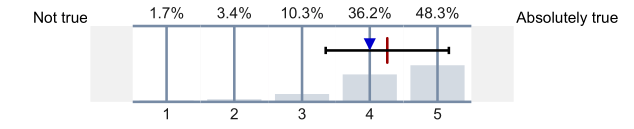
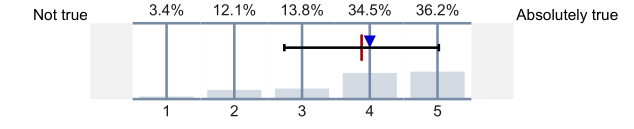
Time available for the exam
Tasks were clear and understandable
Alignment of content and difficulty
| Yes | But... |
|---|---|
| Coding work & report | blind LLM generation is easy (like copying, by the way) |
| Oral exam / questions | Does not scale |
| Group work | Extra complexity of assigning credit and verify collaboration |
| LLM-proof work | Increasingly difficult and... why? |
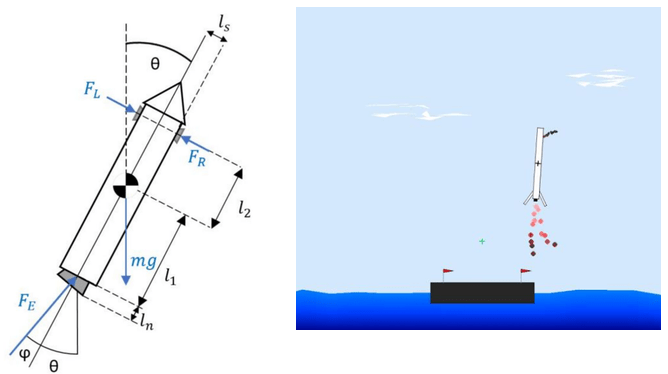
Vertical Rocket Landing
You are a control expert, and you are asked to act as a consultant for an aerospace company.
This company wants to hear your opinion on their rocket landing control scheme.
You need to produce a 5-slide presentation for the Chief Technology Officer of the company.
Each slide serves a specific purpose:
...
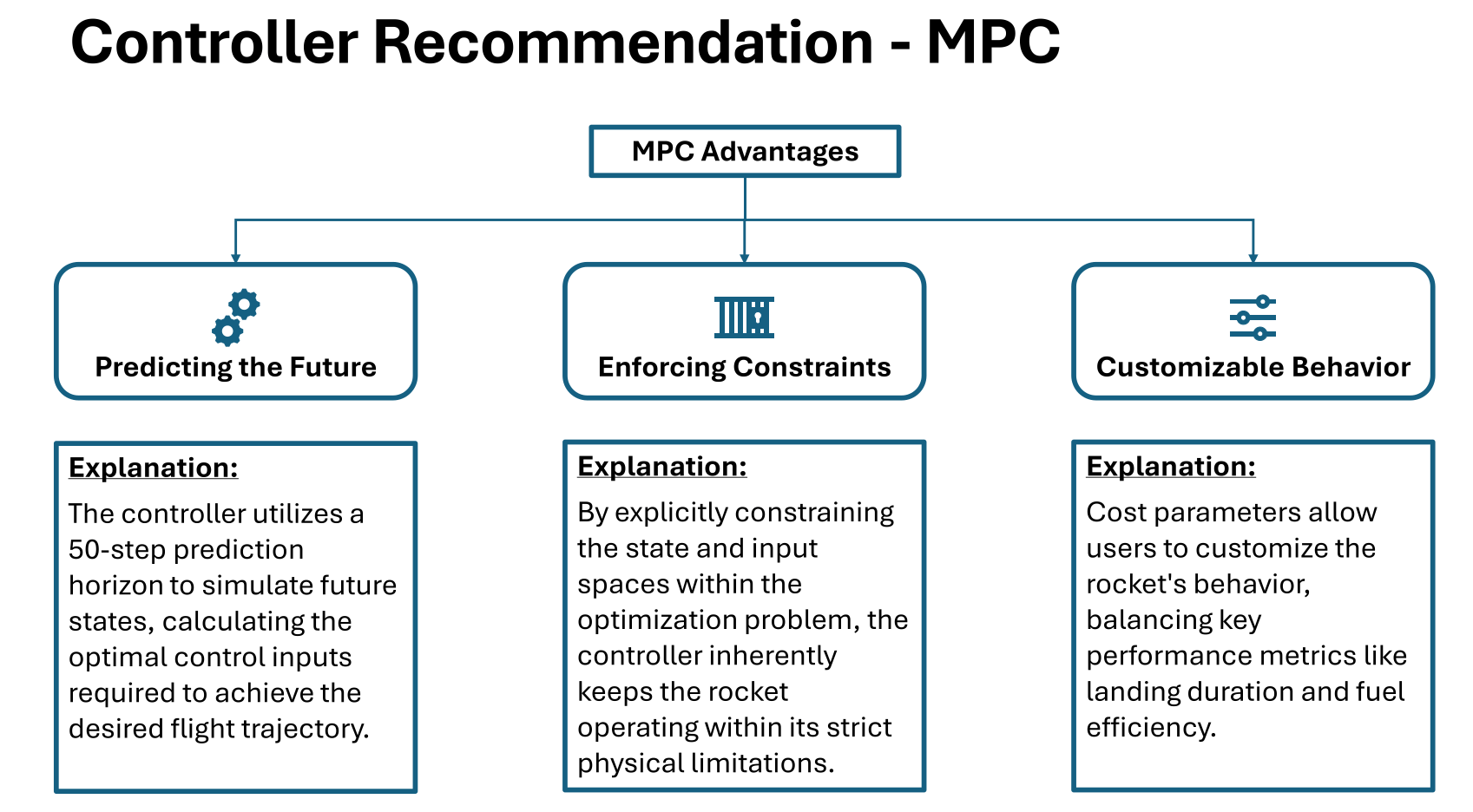
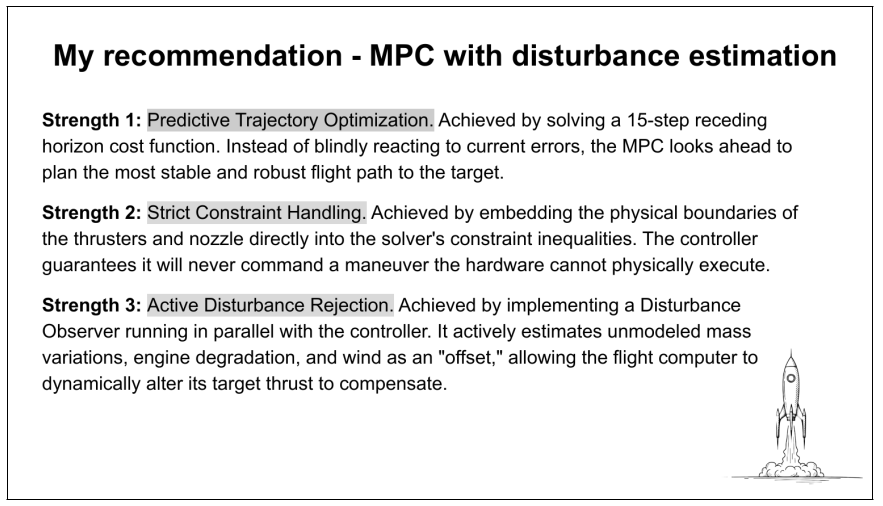
3. Your recommendation: Explain what type of controller you would recommend (among those seen in class). Provide the three most important reasons that support your choice
(list three strengths of the controller and explain how they are achieved). [3 points]
...
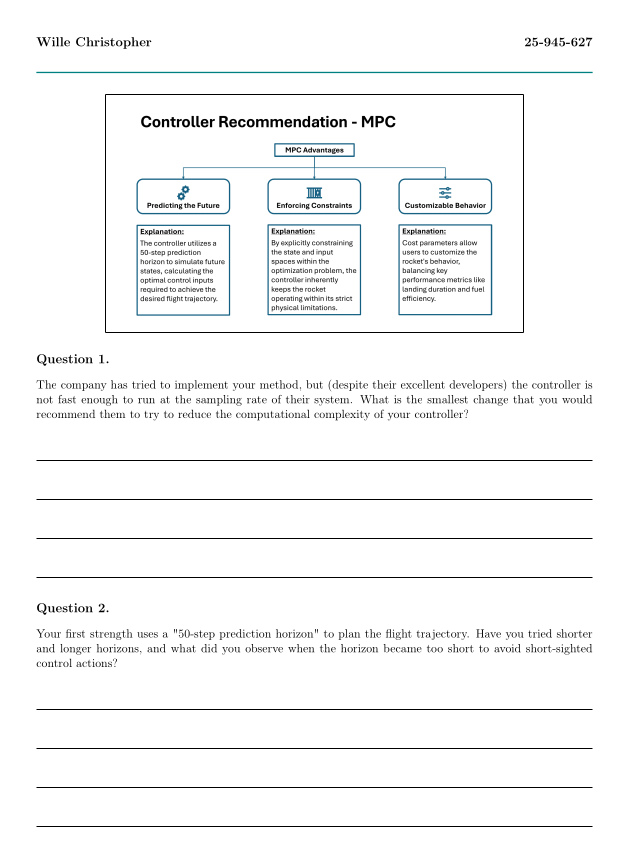
2 questions on the presentation that students have to answer at the exam.
How to build the question
- Quote 3–8 words verbatim (in quotation marks) from the chosen reason, and where possible cite a concrete specific from their deck (number, named component, figure).
- Ask one fair, pointed question about the assumption the reason rests on, a regime where it may break, a gap between claim and mechanism, or a relevant project-specific test.
- Use concrete project language; prefer wording that describes a physical change or an observable behavior over abstract control jargon. Retain a technical term only when it is itself the course concept being tested, and phrase the rest of the question in plain English. Reuse the student's own concrete terminology where possible. The question must be understandable by students for whom
English is a second language.
Purpose: the question needs to verify whether the student has learned the concepts
listed in the COCO syllabus.
And more!
Test on a few, fine tune, repeat.
The question must sound like a genuine technical question about the
recommendation, not an accusation that the student's work is incomplete. Do
not assume the student performed an additional test that is not explicitly
shown in the deck. When the claimed strength depends on a design choice or
operating range, first ask whether they tried the relevant variation and then
ask what they observed.
Which of the three reasons to pick
- Prefer a reason the student presents as an unqualified strength but which rests on a real, well-known caveat they did not mention.
- Spot mistakes: If present, pick a reason that seems to contrast to the concepts listed in the course syllabus for that specific control method.
- Cross-check slide 5 (Weaknesses). Do not let the question merely restate a limitation the student already lists there — that is too easy. If the natural critique is already on their weaknesses slide, go one level deeper than their stated mitigation, or pick a different reason.
The recommendation slide gives three reasons the student's controller is a
good choice. The question targets exactly one of them with one critique:
a fair challenge that requires the student to defend the reason they listed.
Use at most one short setup sentence followed by exactly one interrogative
sentence (1–2 sentences total, ≤ ~60 words), of the kind asked in the live Q&A right after the presentation. It must be answerable in a few lines by a student who understood and tested their own design. It is not a multi-part exam question.
The purpose is to reveal whether the student can defend the claimed strength,
has thought through its assumptions and limitations, and performed sufficient
project-specific tests. A generic reason copied from standard controller descriptions should be exposed by asking for the mechanism, evidence, or test result that supports it in this project.
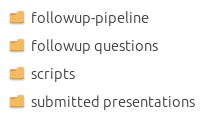
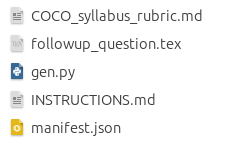
Structure your pipeline for reproducibility.
Make everything auditable.
Produce a pipeline that runs most things locally
Reuse and maintain
LaTeX template
auditable instructions
database of questions
what is really "LLM" in the pipeline?
By Saverio Bolognani