Hyoid Bone
— by 408510095 陳明皓
Femur
Hyoid Bone
— by 408510095 陳明皓
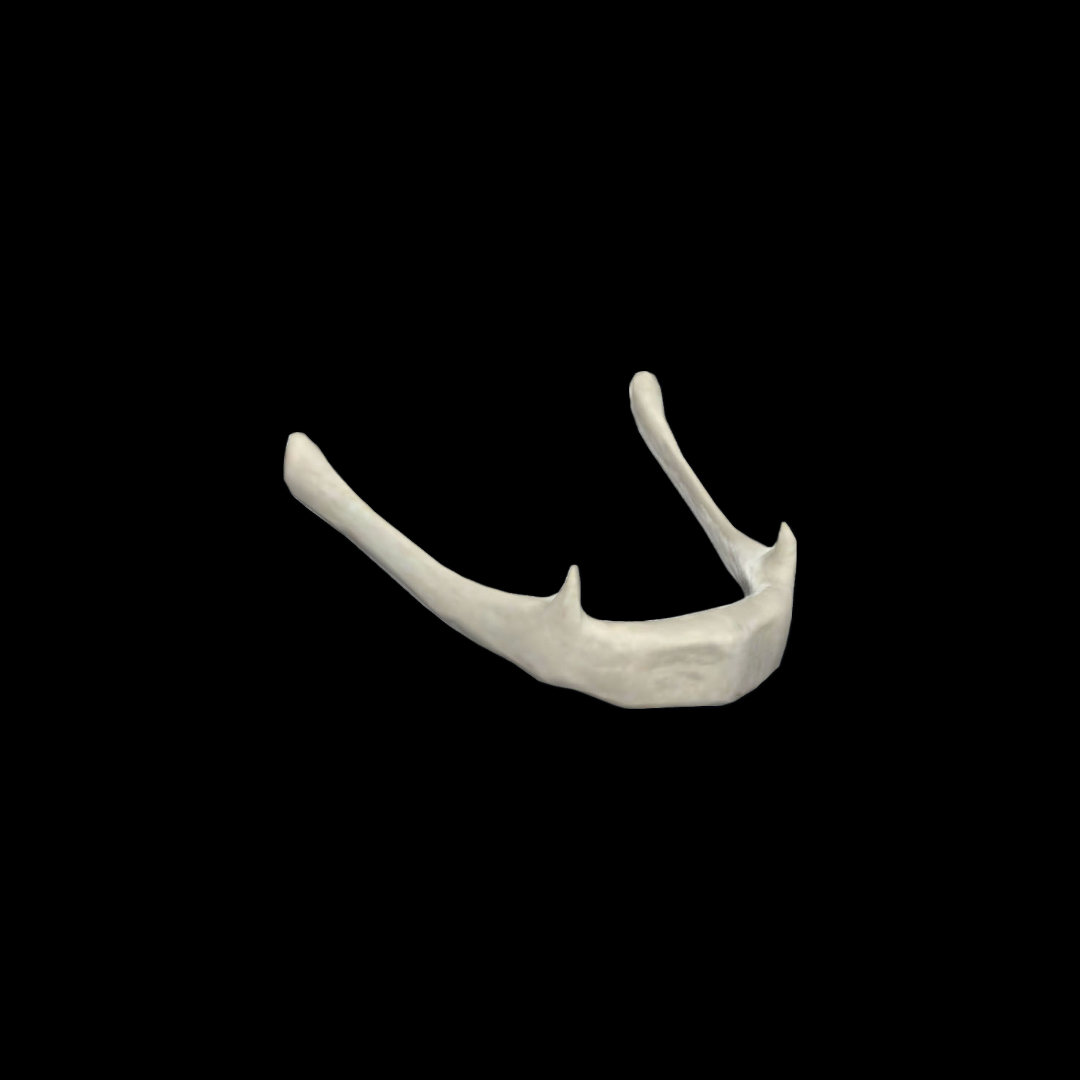
- Location: Neck (Inferior to the mandible; Superior to the larynx; Anterior to the third cervical vertebra)
- Bone type: Irregular bone
- Shape: Horseshoe
- Articulates with: None
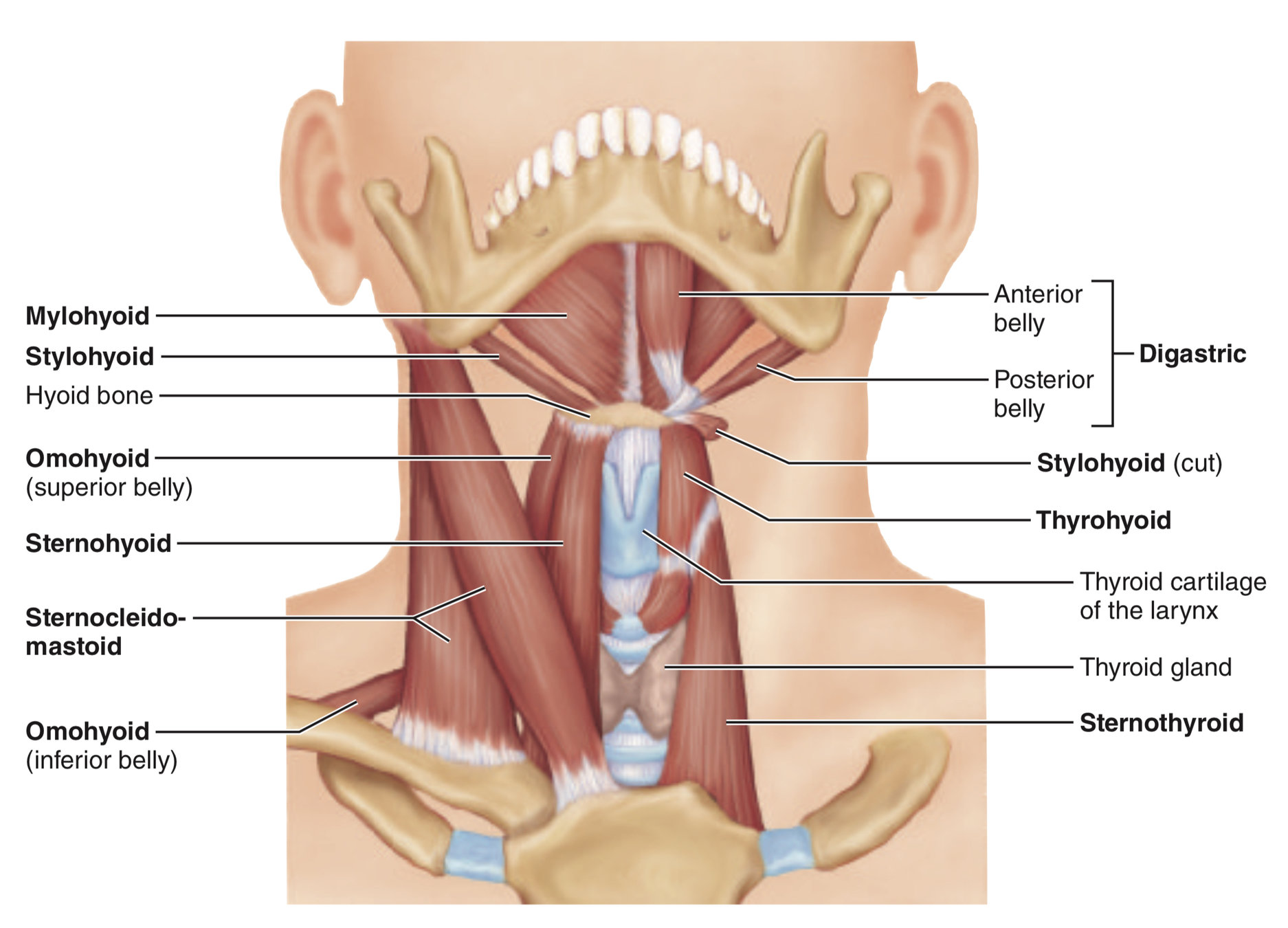
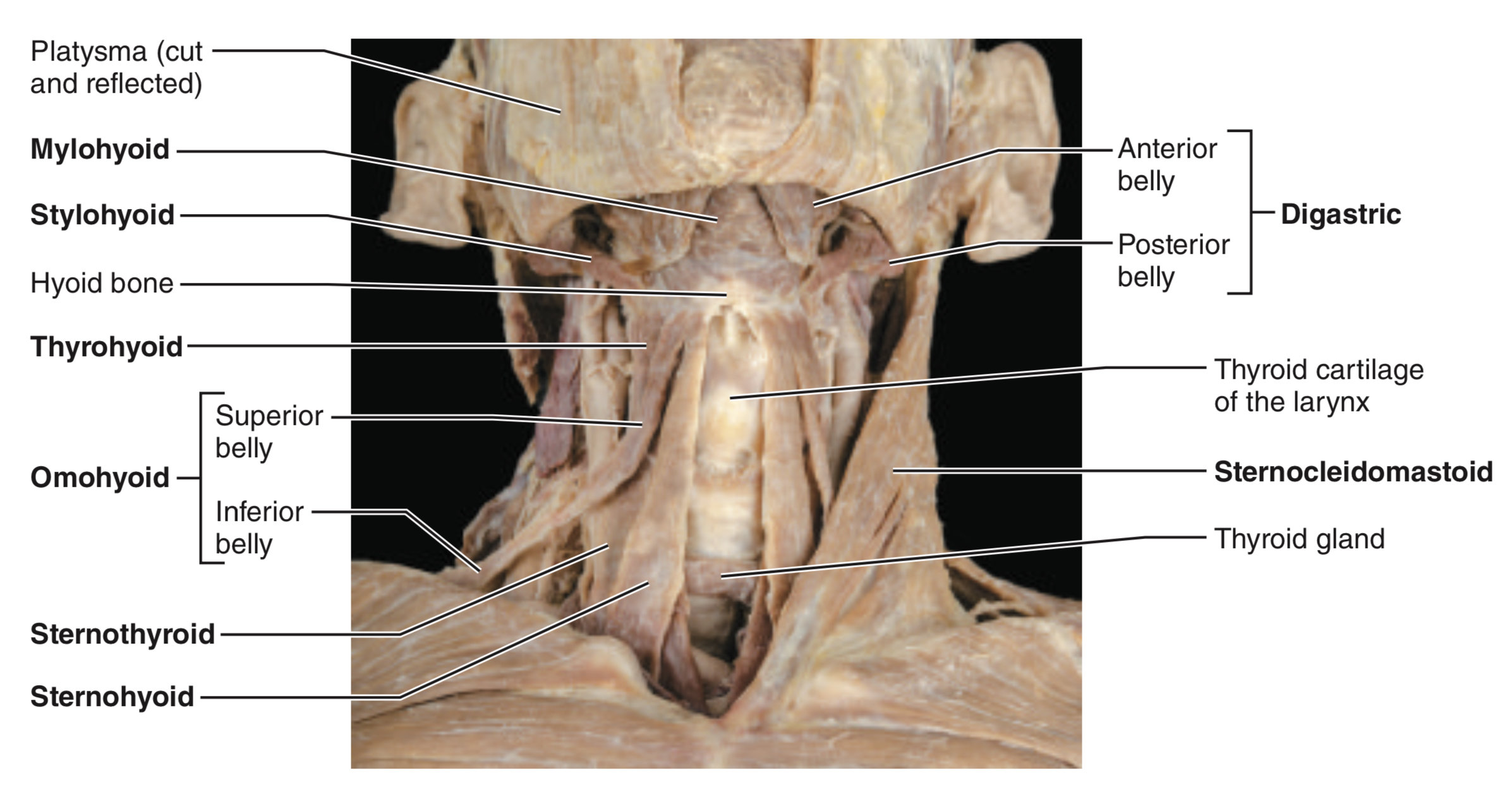


- Second pharyngeal arch ➔ lesser horn + upper part of the body
- Third pharyngeal arch ➔ greater horn + lower portion of the body
Development
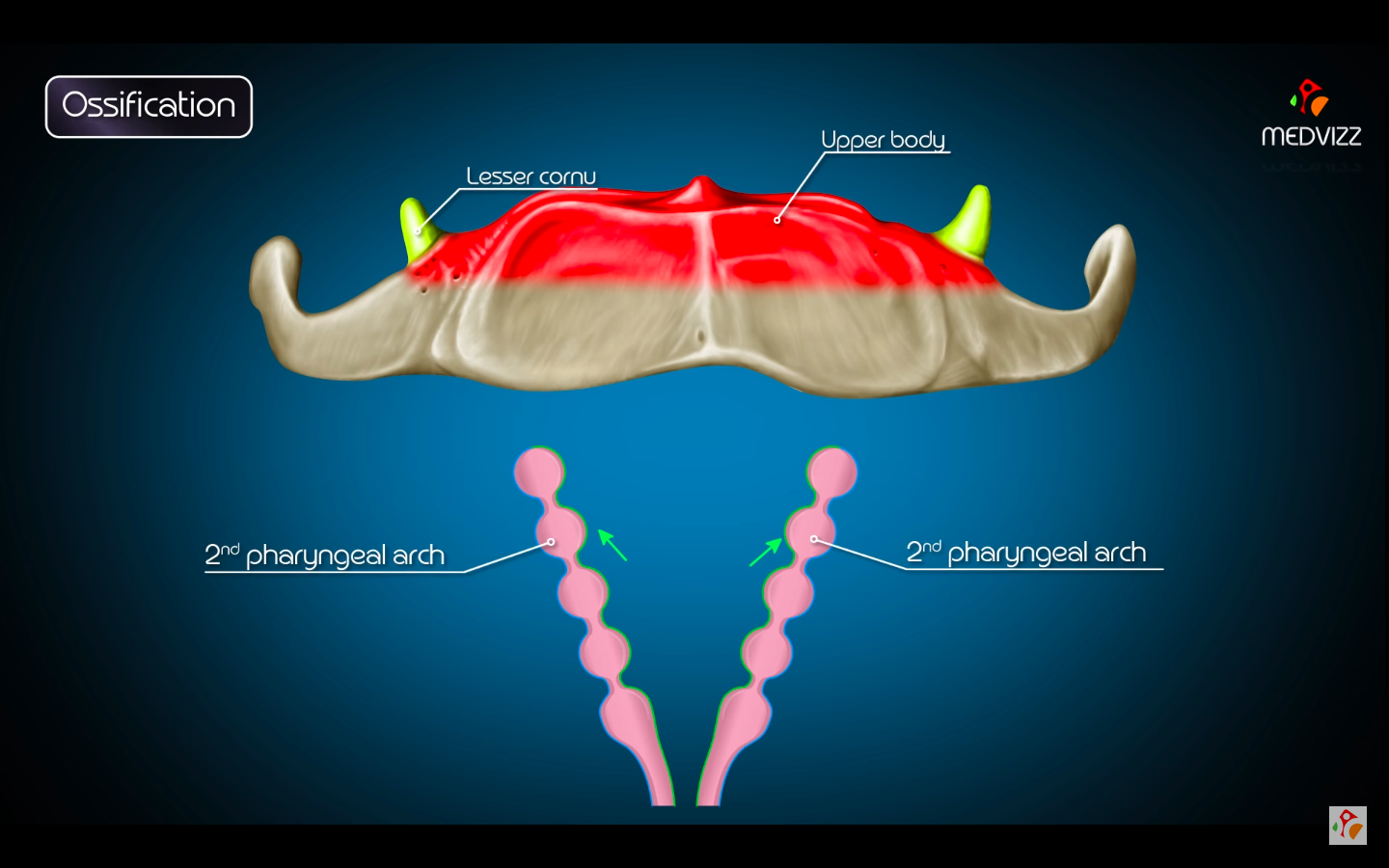
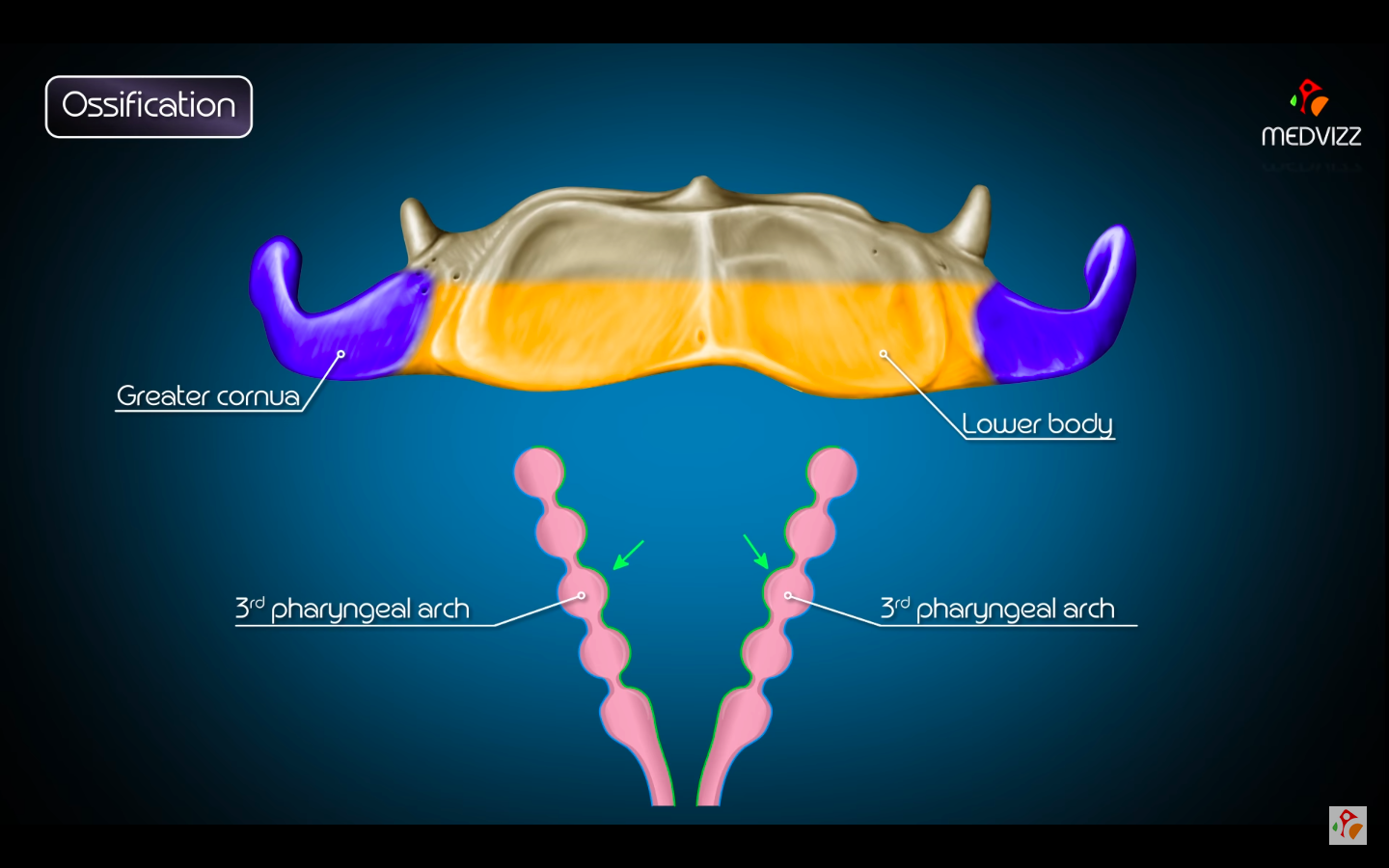
Six ossification centers:
- Greater horn ➔ before birth ~ end of fetal life
- Body ➔ before birth ~ at birth
- Lesser horn ➔ 1 or 2 years after birth ~ puberty
- Fuse with each other during adulthood
Ossification
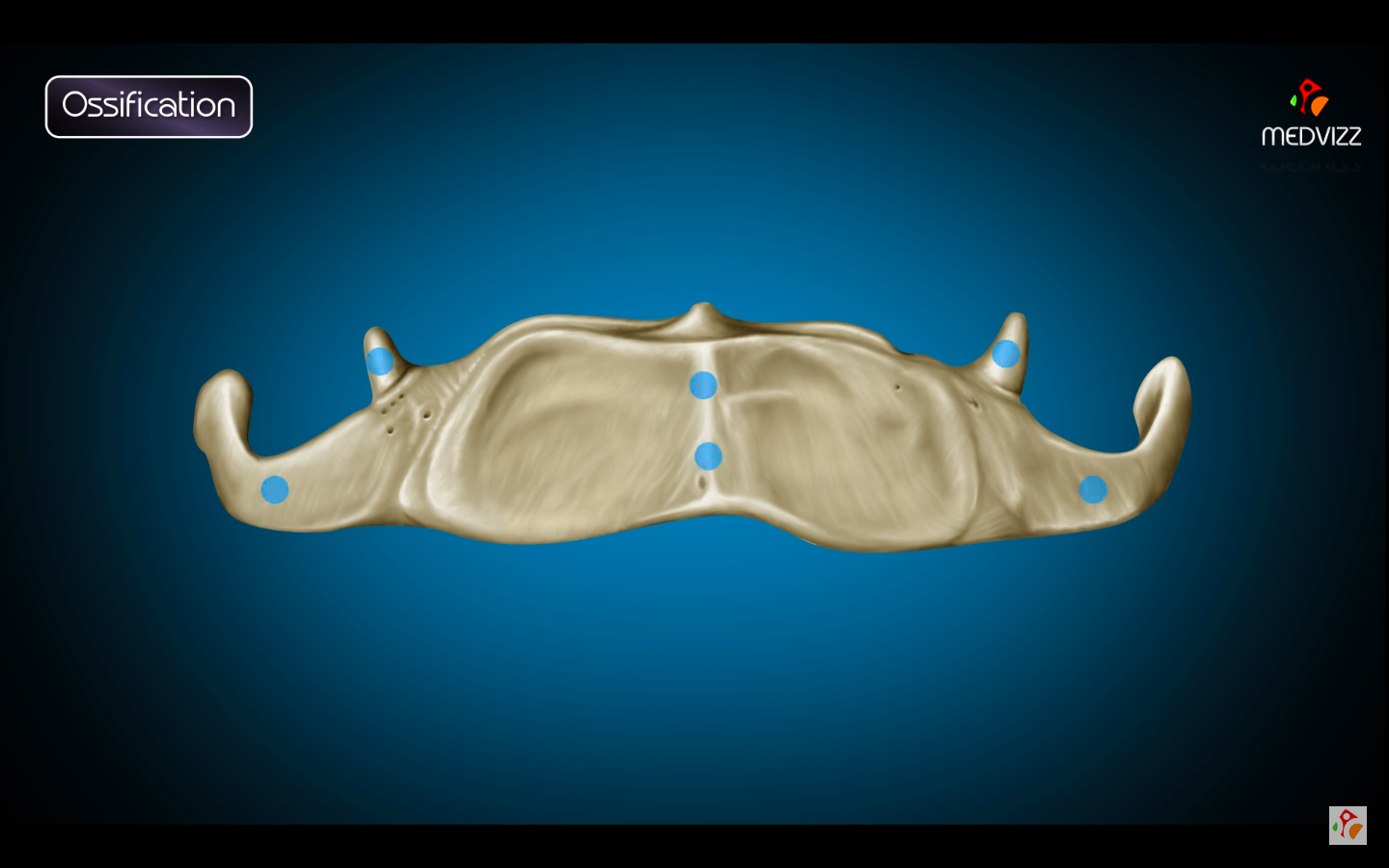
- wider range of tongue, pharyngeal and laryngeal movements
- swallowing, breathing (and speech)
Function
- Fracture (suspected case of strangulation of an adult)
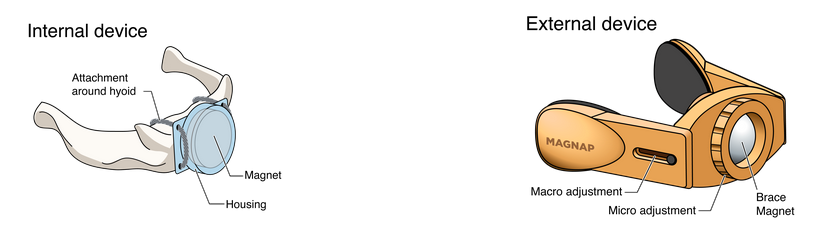
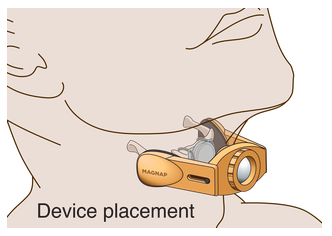
- Dislocation (obstructive sleep apnea)
Clinical Correlates
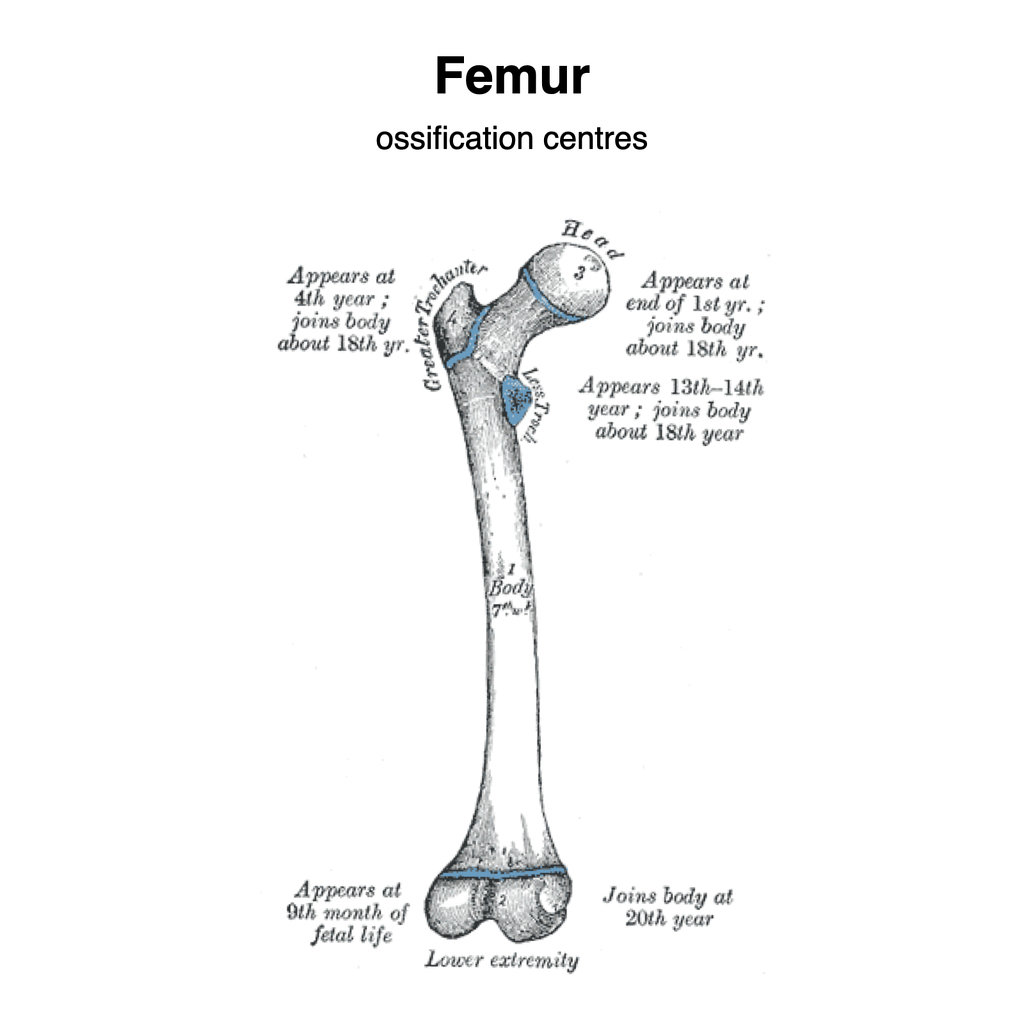
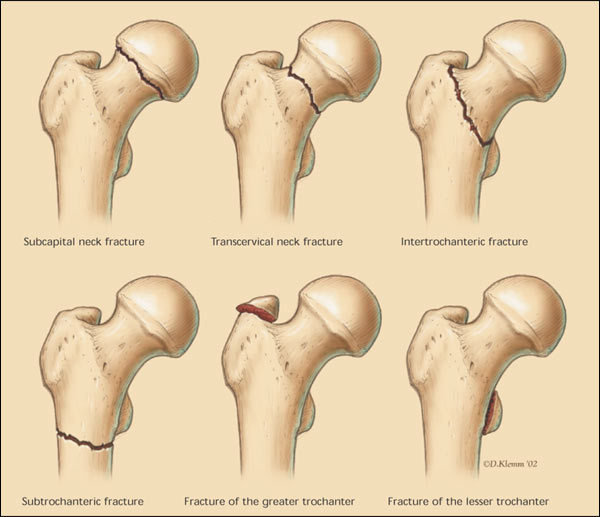
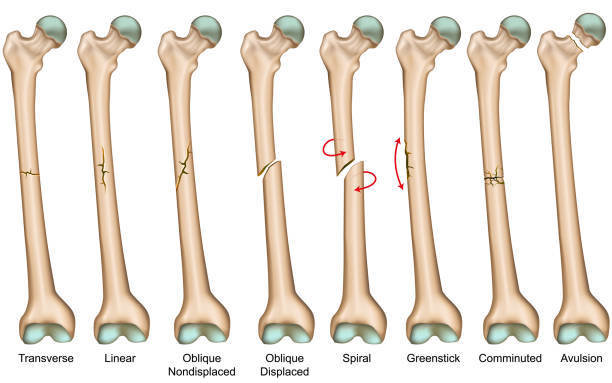
Femur
— by 408510095 陳明皓
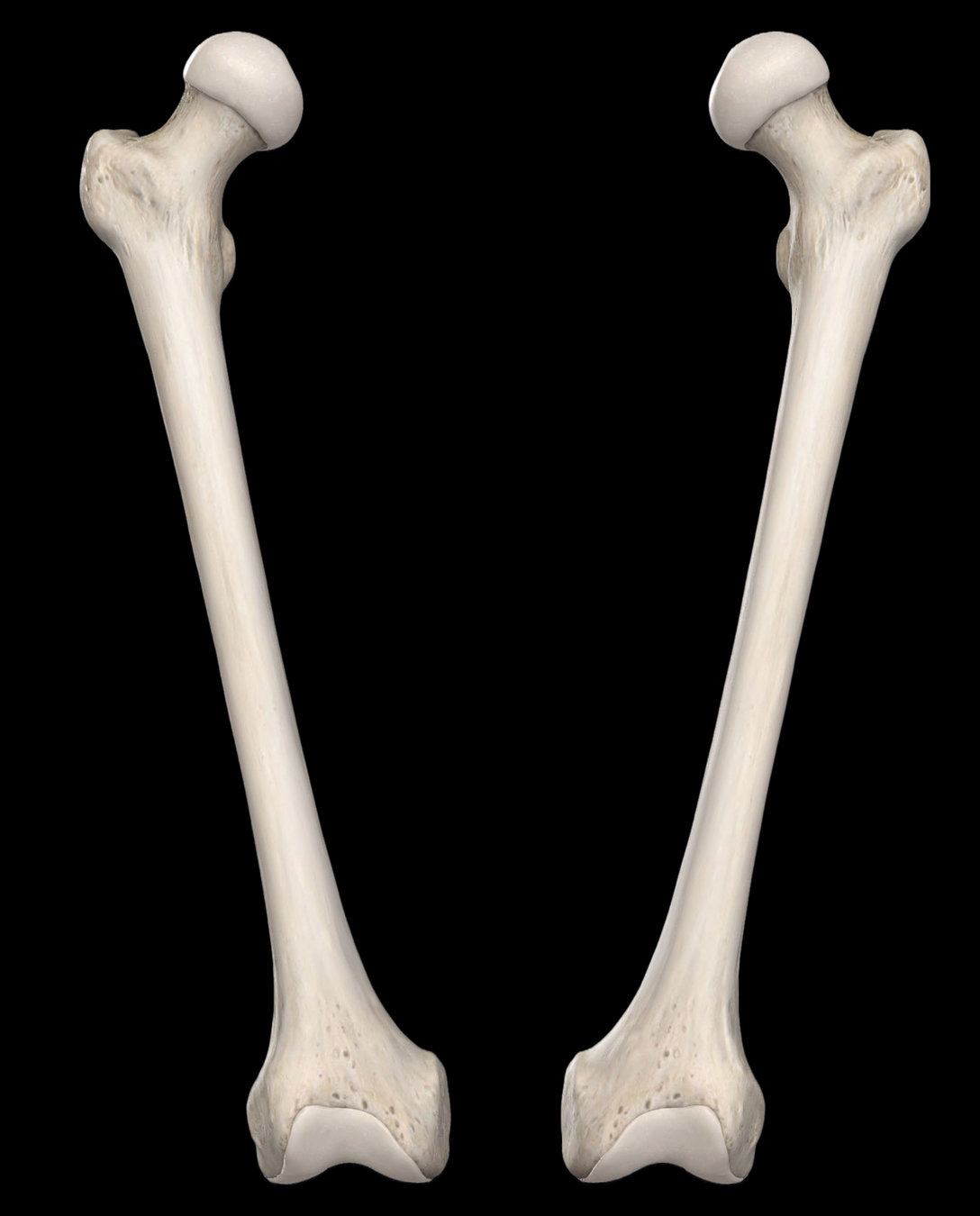
- Location: Thigh (Distal to the hip bone; Proximal to the tibia and fibula)
- Bone type: Long bone
- Articulates with: Hip bone, tibia, and patella
- Features: Longest, heaviest, and strongest bone
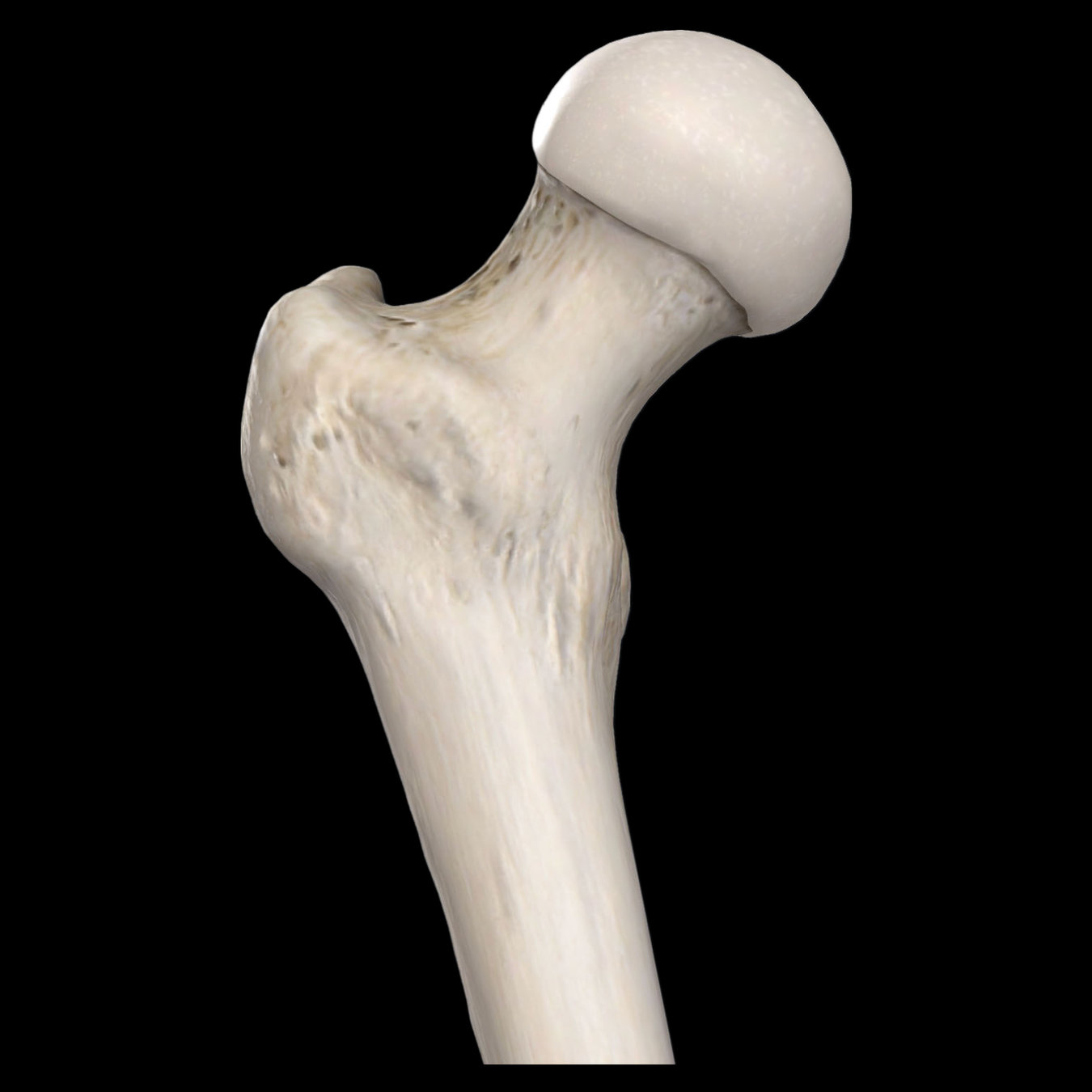
Head
Neck
Lesser Trochanter
Greater Trochanter
Intertrochanteric Line
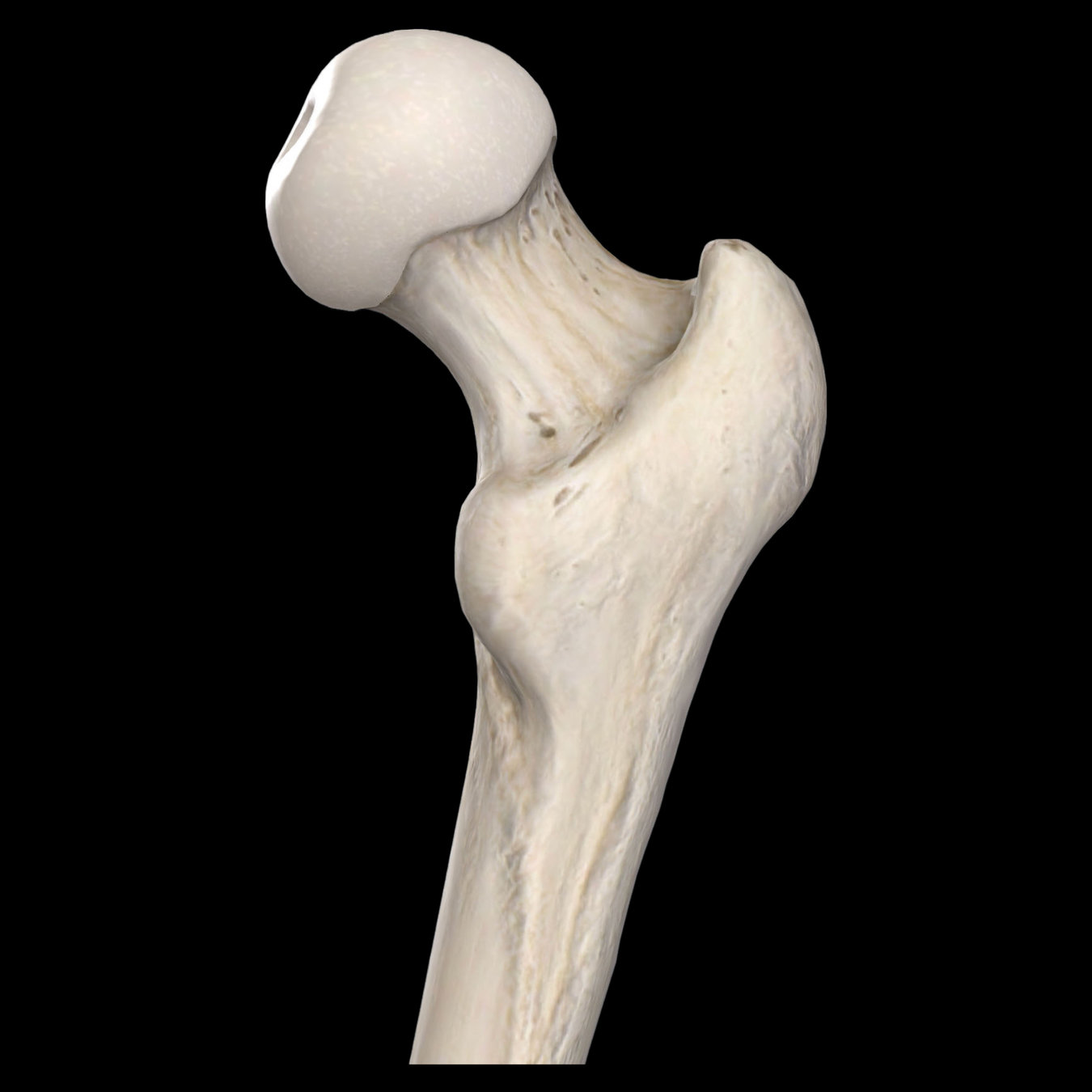
Head
Neck
Lesser Trochanter
Greater Trochanter
Intertrochanteric Crest
Gluteal Tuberosity
Pectineal Line
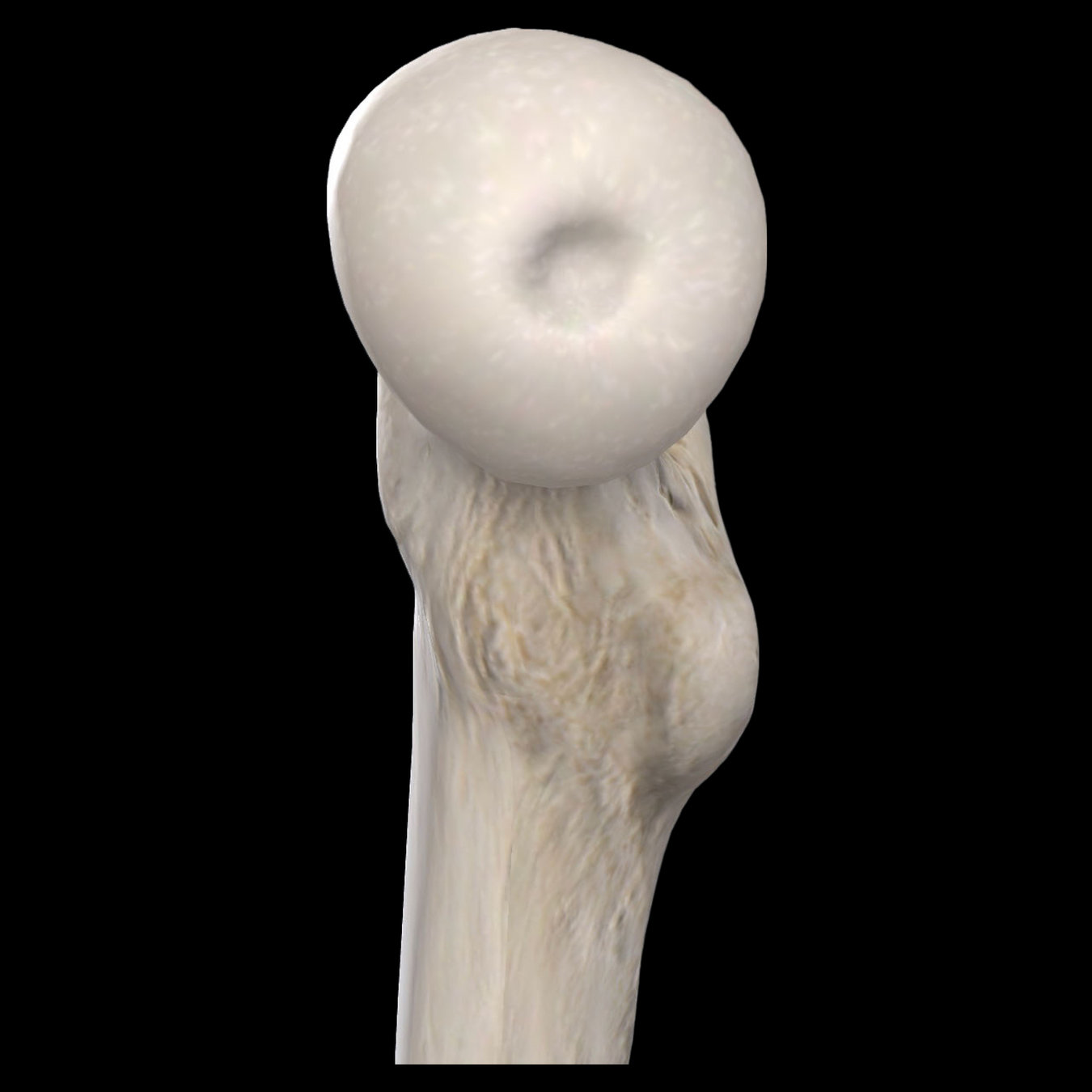
Head
Fovea Capitis
Lesser Trochanter
Intertrochanteric Line
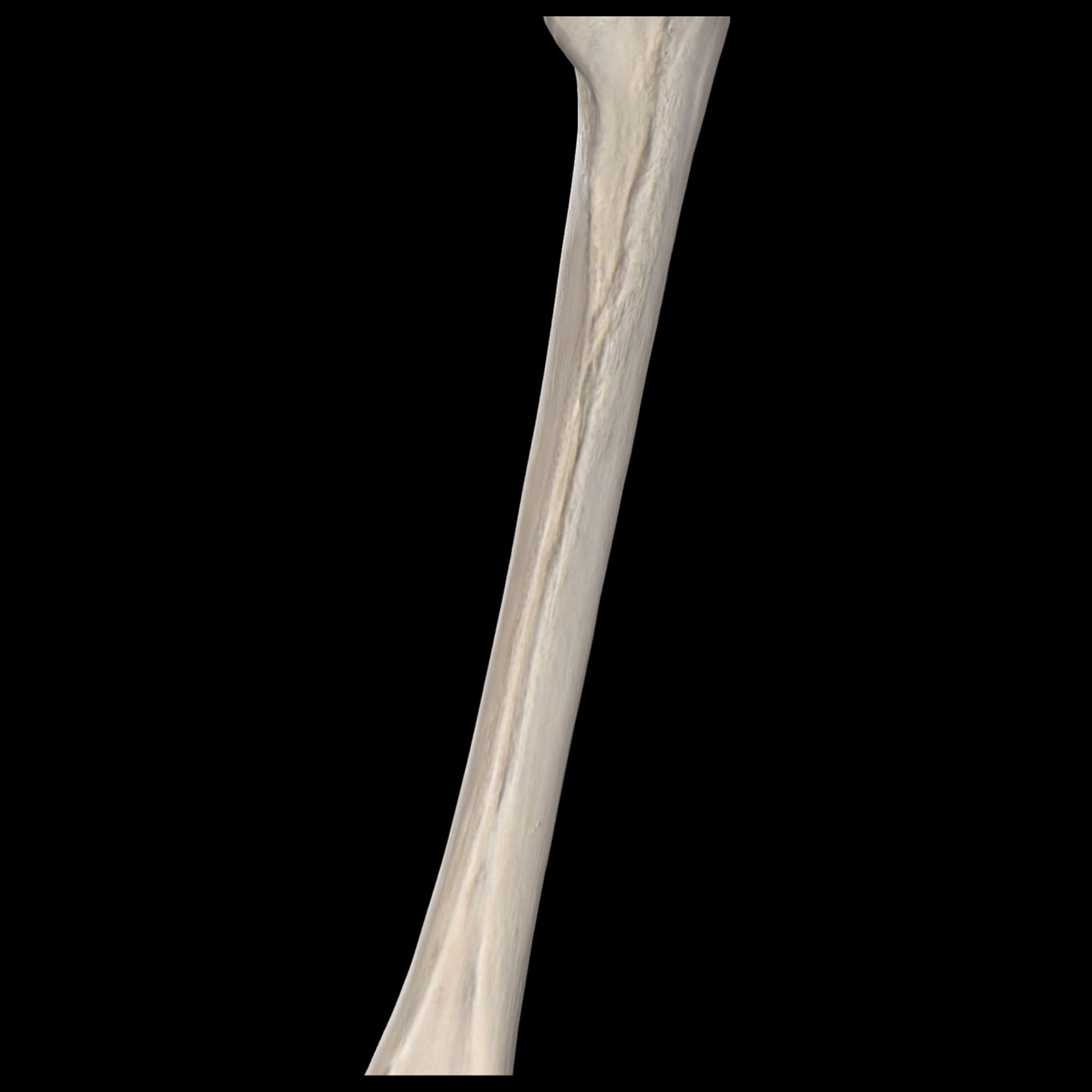
Medial Supracondylar Line
Lateral Supracondylar Line
Linea Aspera
Gluteal Tuberosity
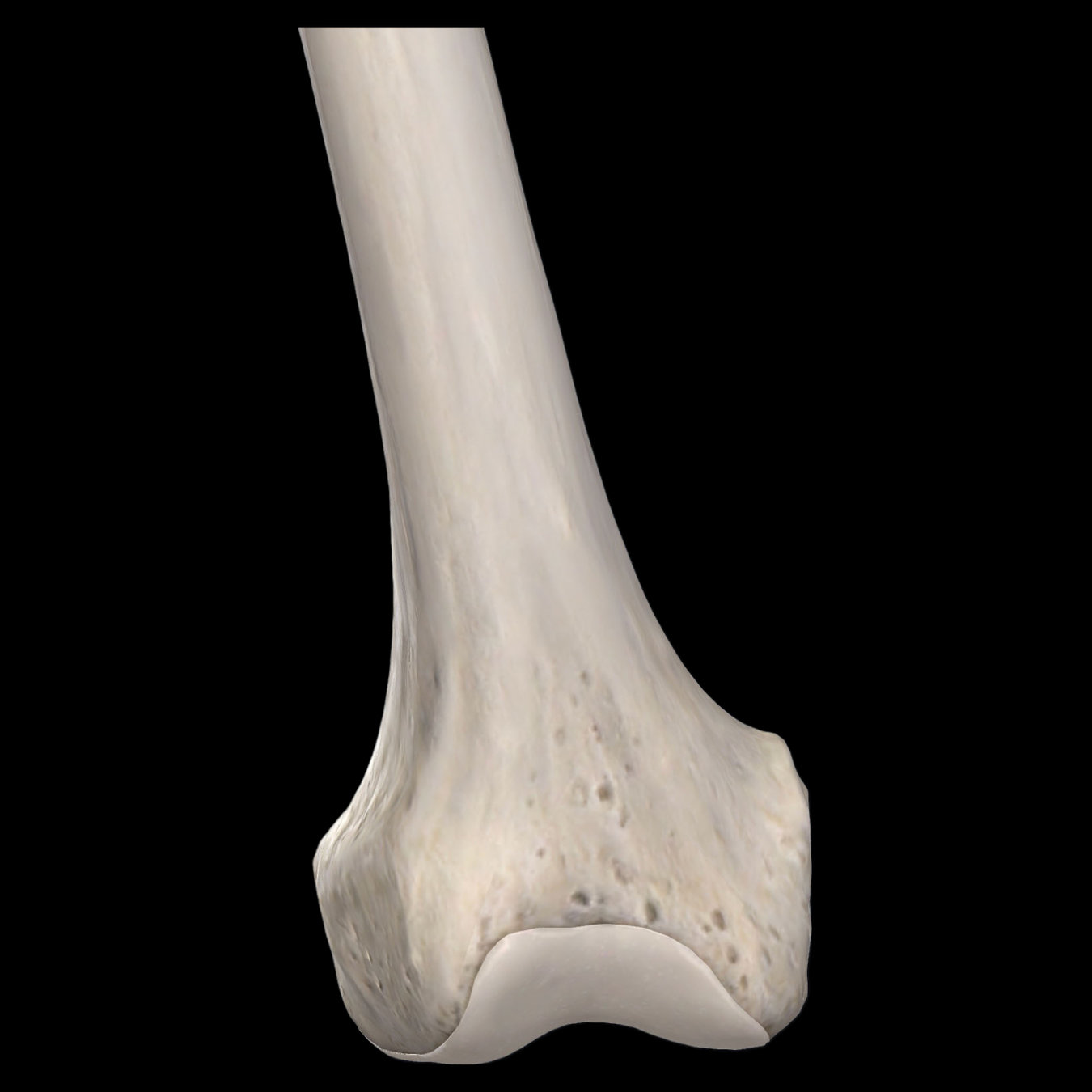
Patellar Surface
Medial Epicondyle
Lateral Epicondyle
Adductor Tubercle
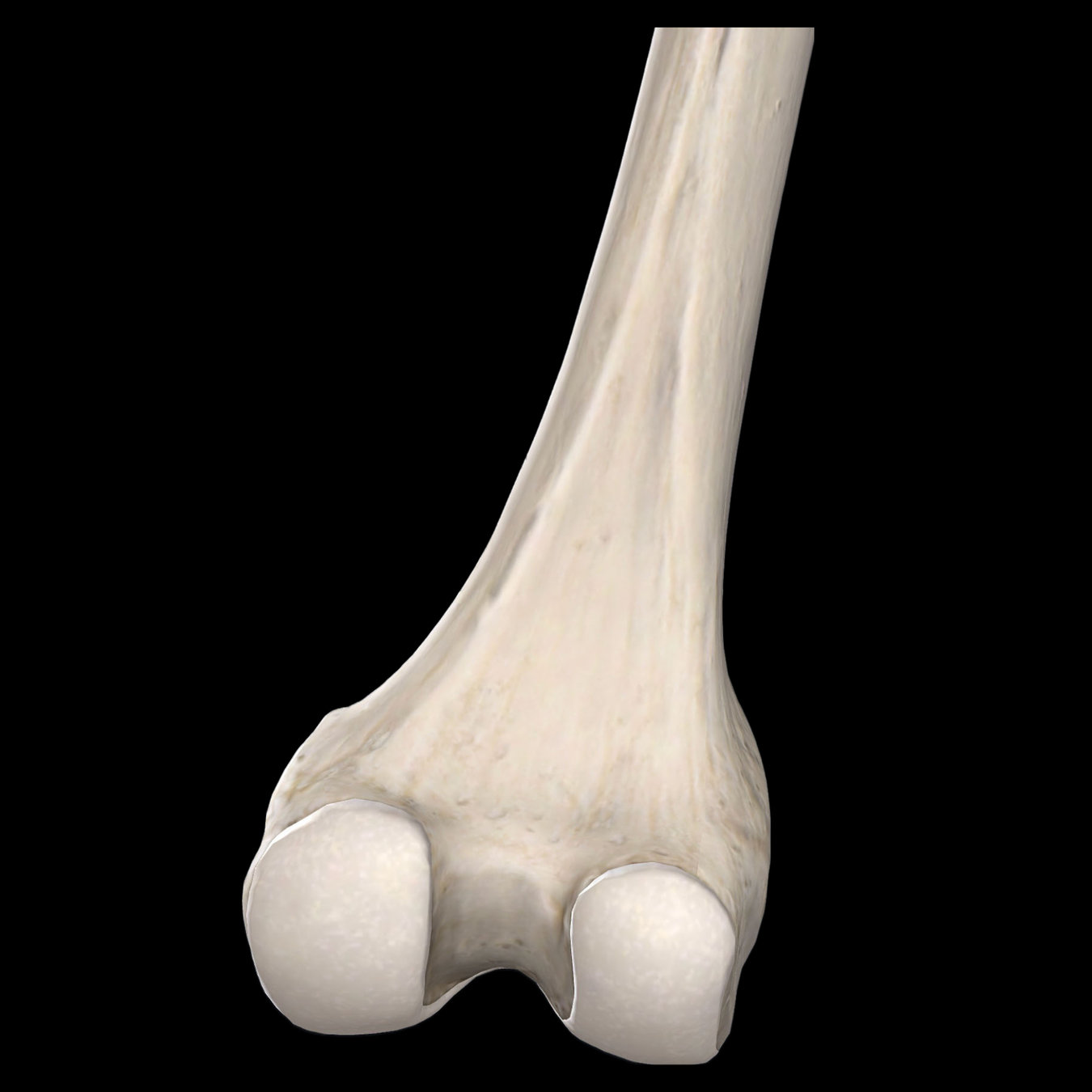
Medial Condyle
Medial Epicondyle
Lateral Epicondyle
Adductor Tubercle
Medial Supracondylar Line
Lateral Supracondylar Line
Lateral Condyle
Intercondylar Fossa
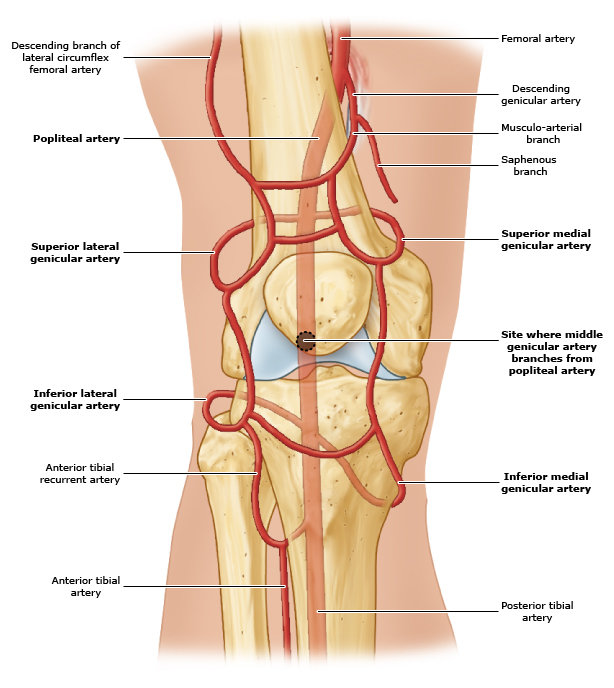

Vessels of the Thorax, Abdomen, and Pelvis
,
— by 408510095 陳明皓
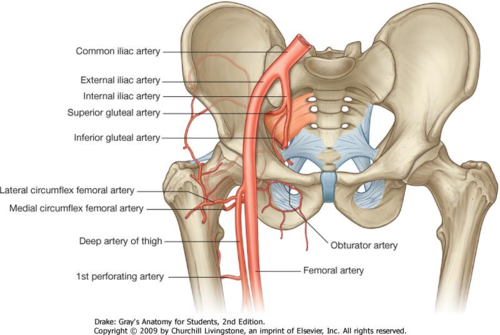
Arteries
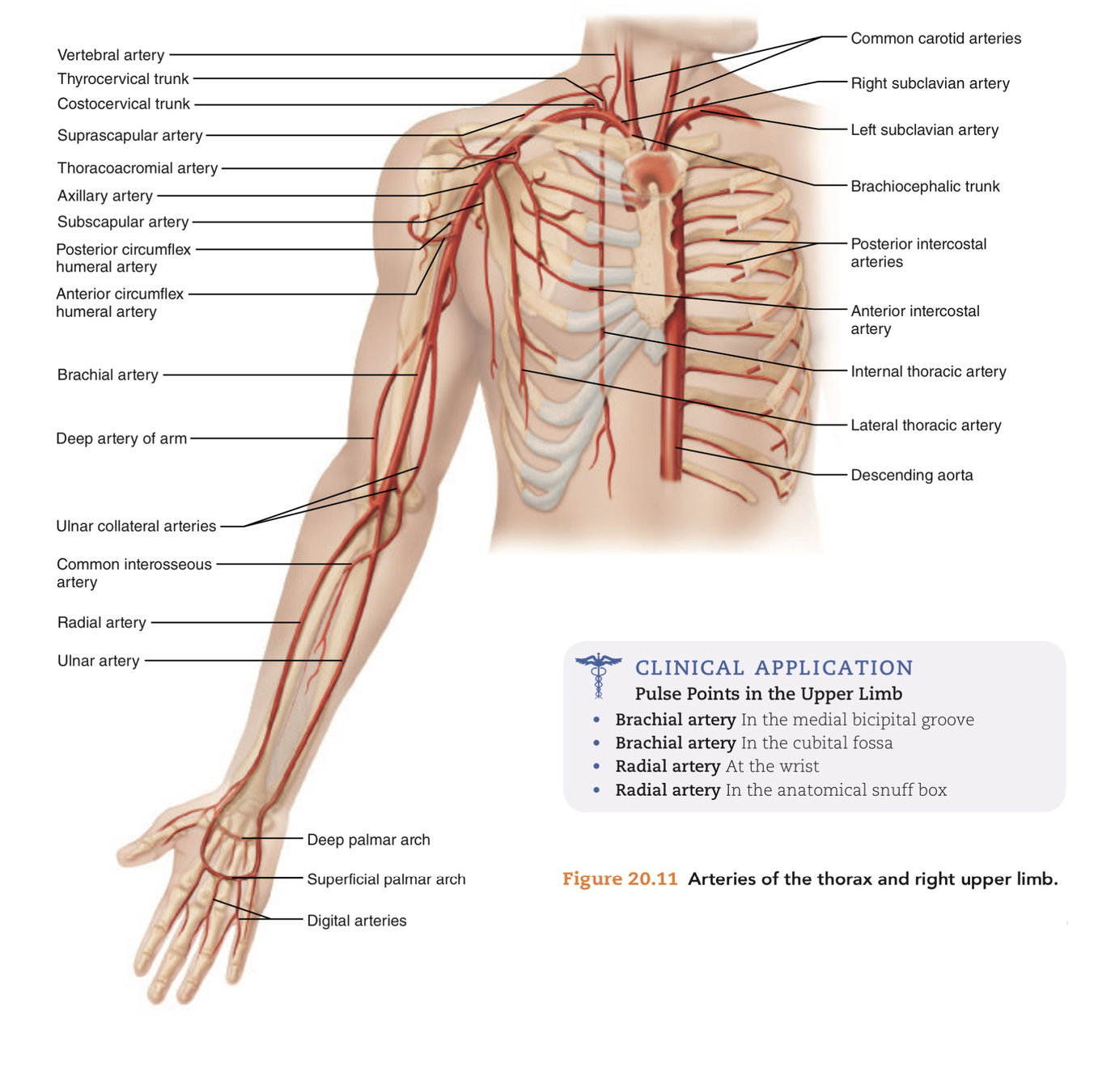
- arteries of the thorax
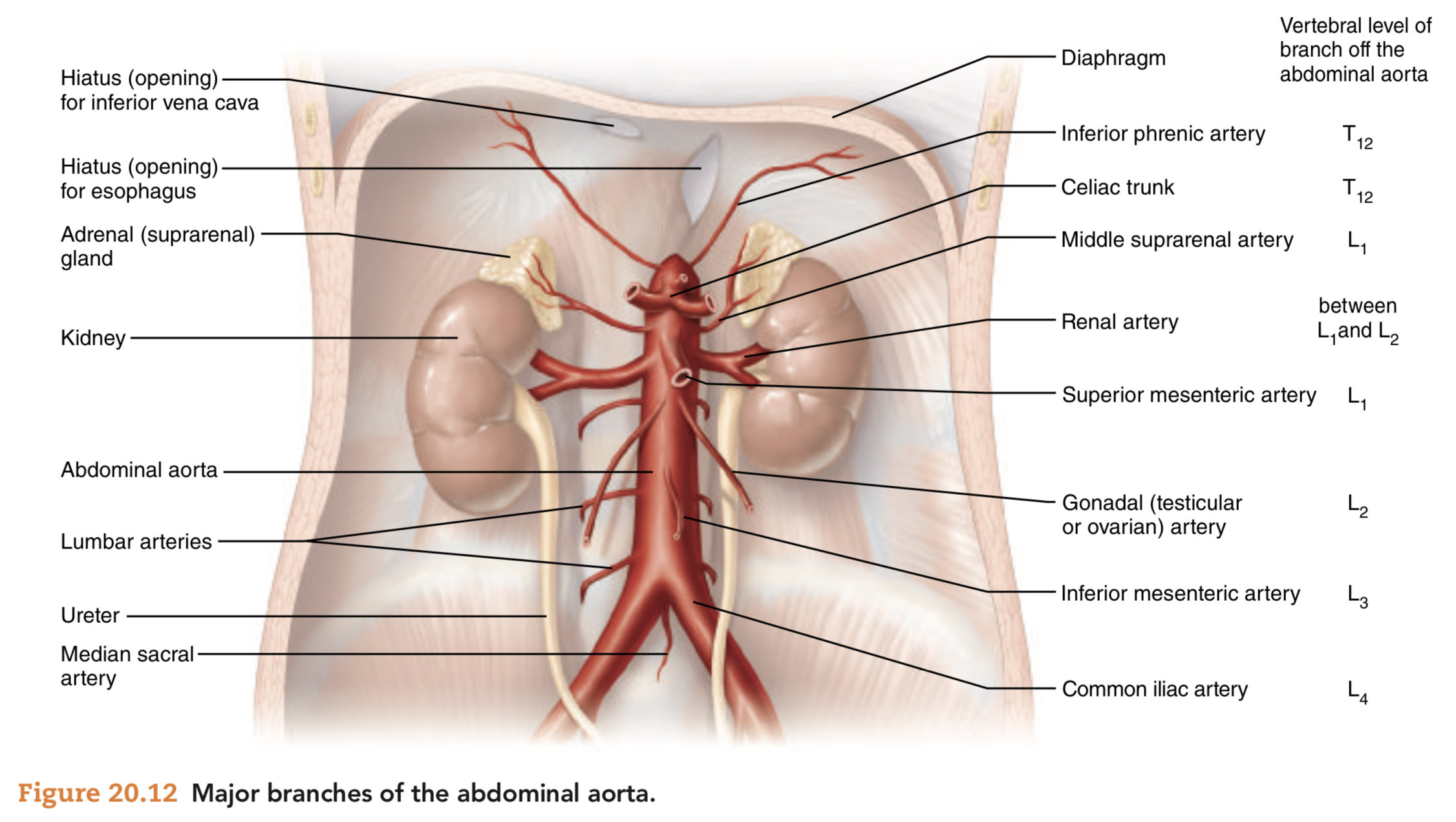
- major branches of abdominal aorta
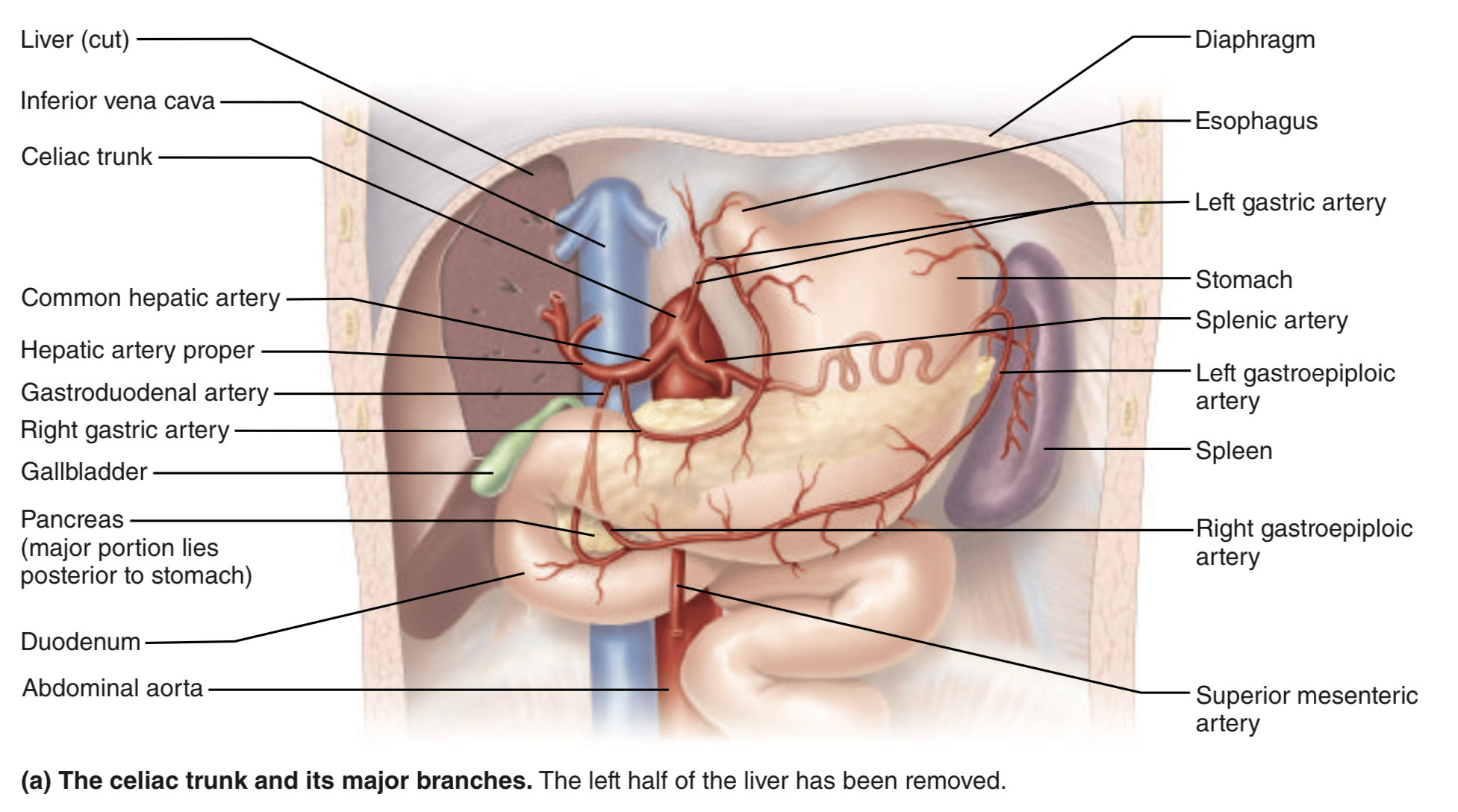
- celiac trunk and its branches
- midline branches of abdominal aorta
- arteries of the pelvis
Veins
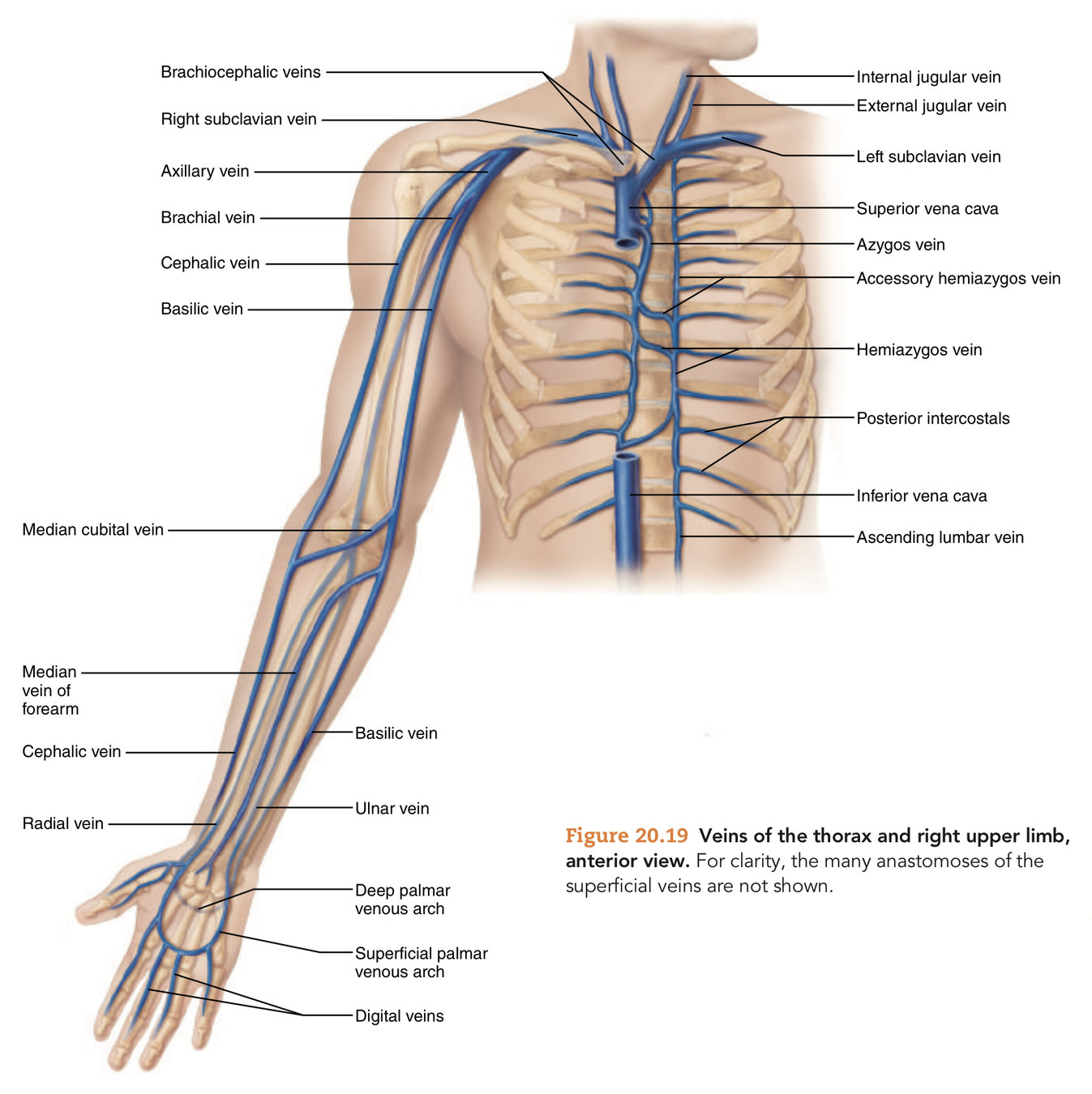
- veins of the thorax
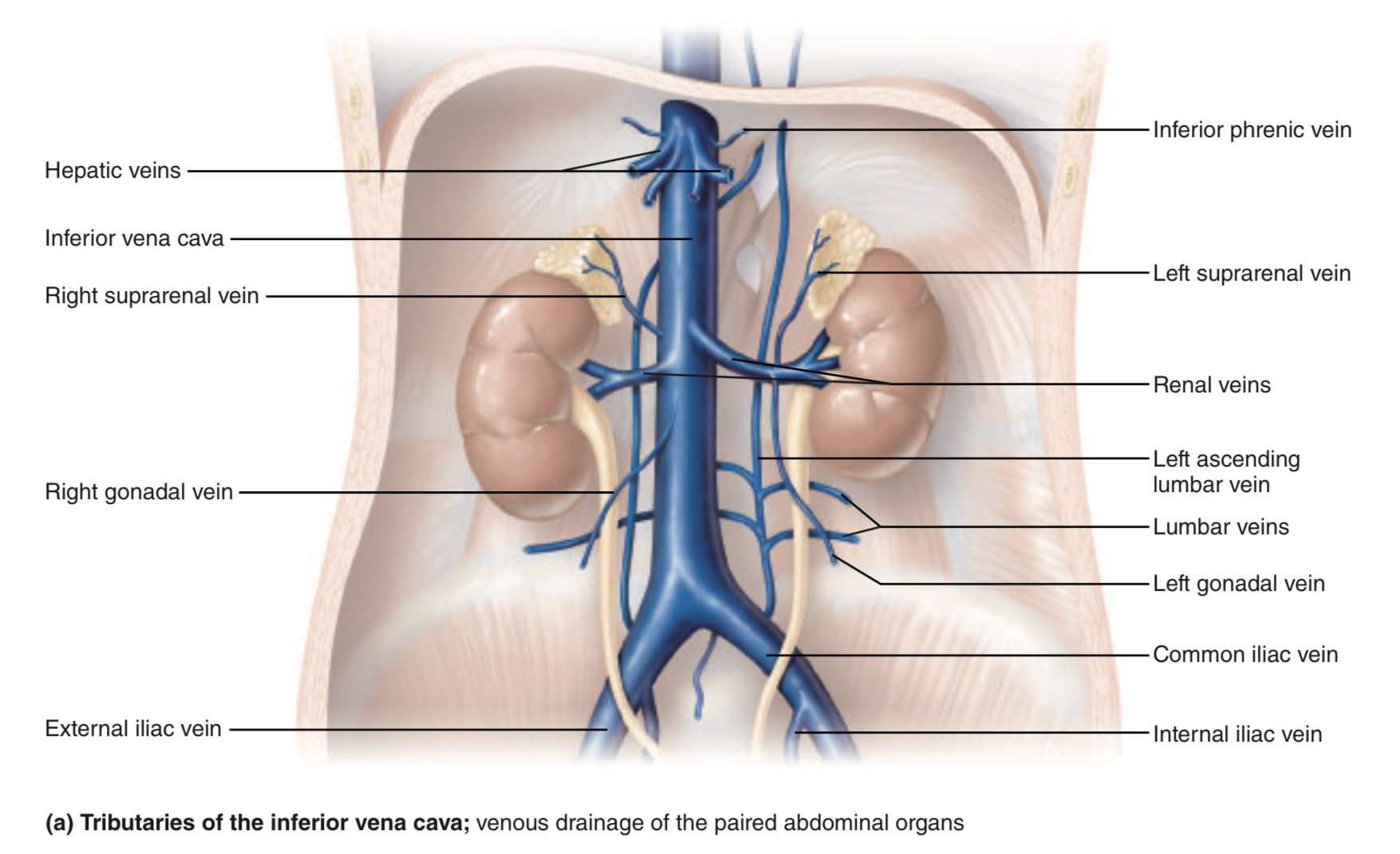
- tributaries of the IVC
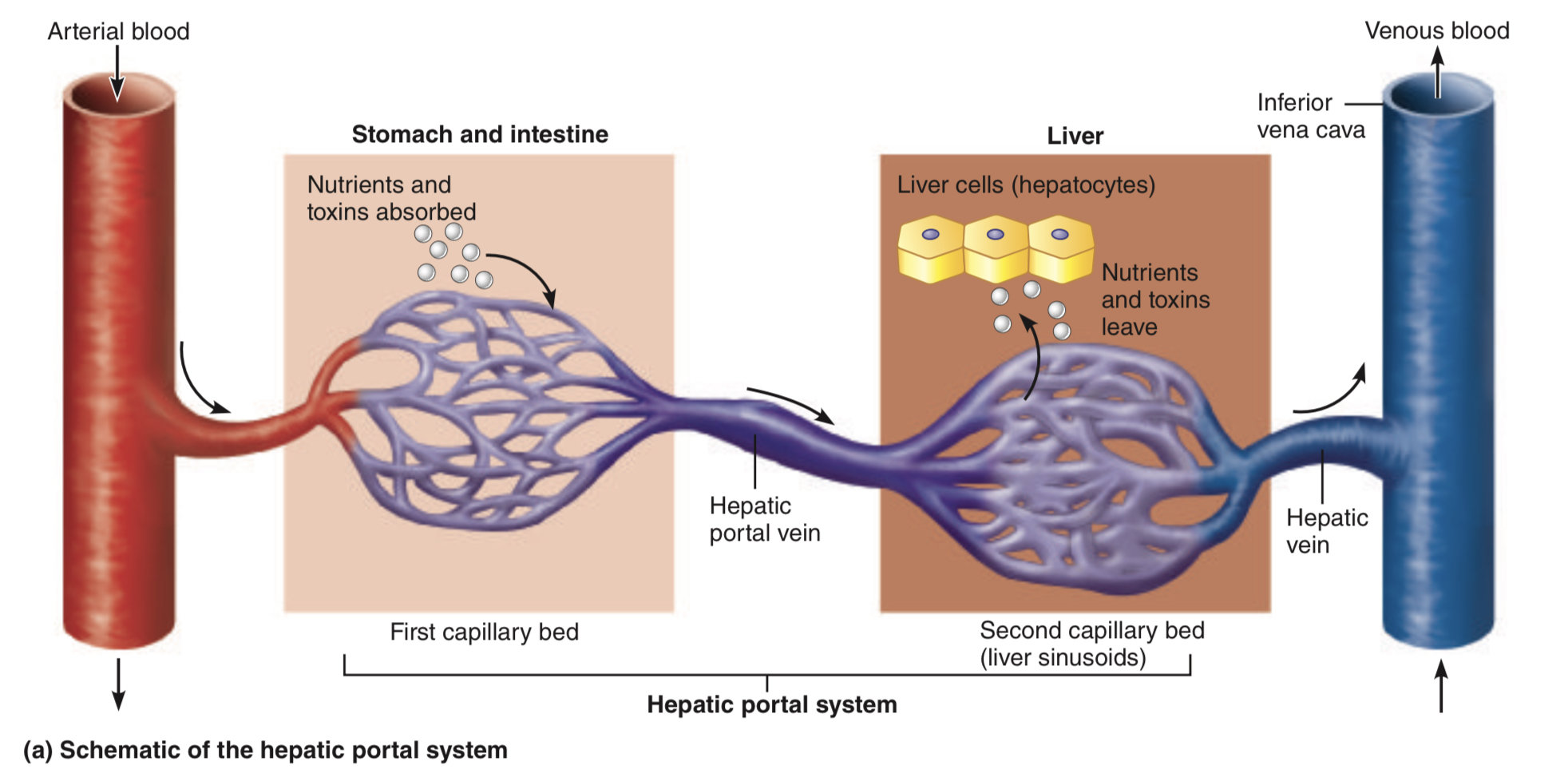
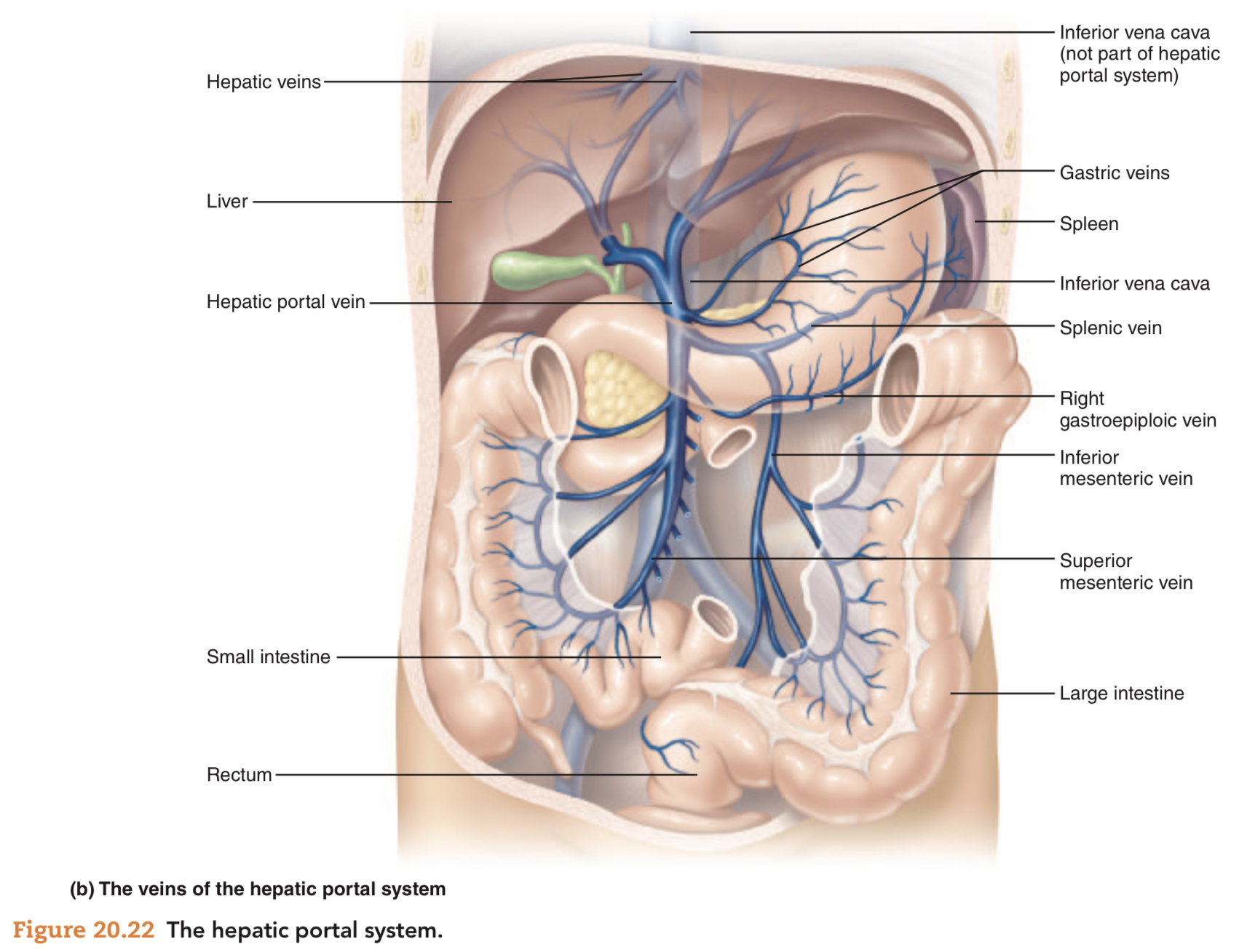
- hepatic portal system


THANK YOU
This is the end of my presentation.
Type IV Hypersensitivity
Process
Pathogen進入組織後,被dendritic cell吞噬,並在lymph node呈現出來
1.
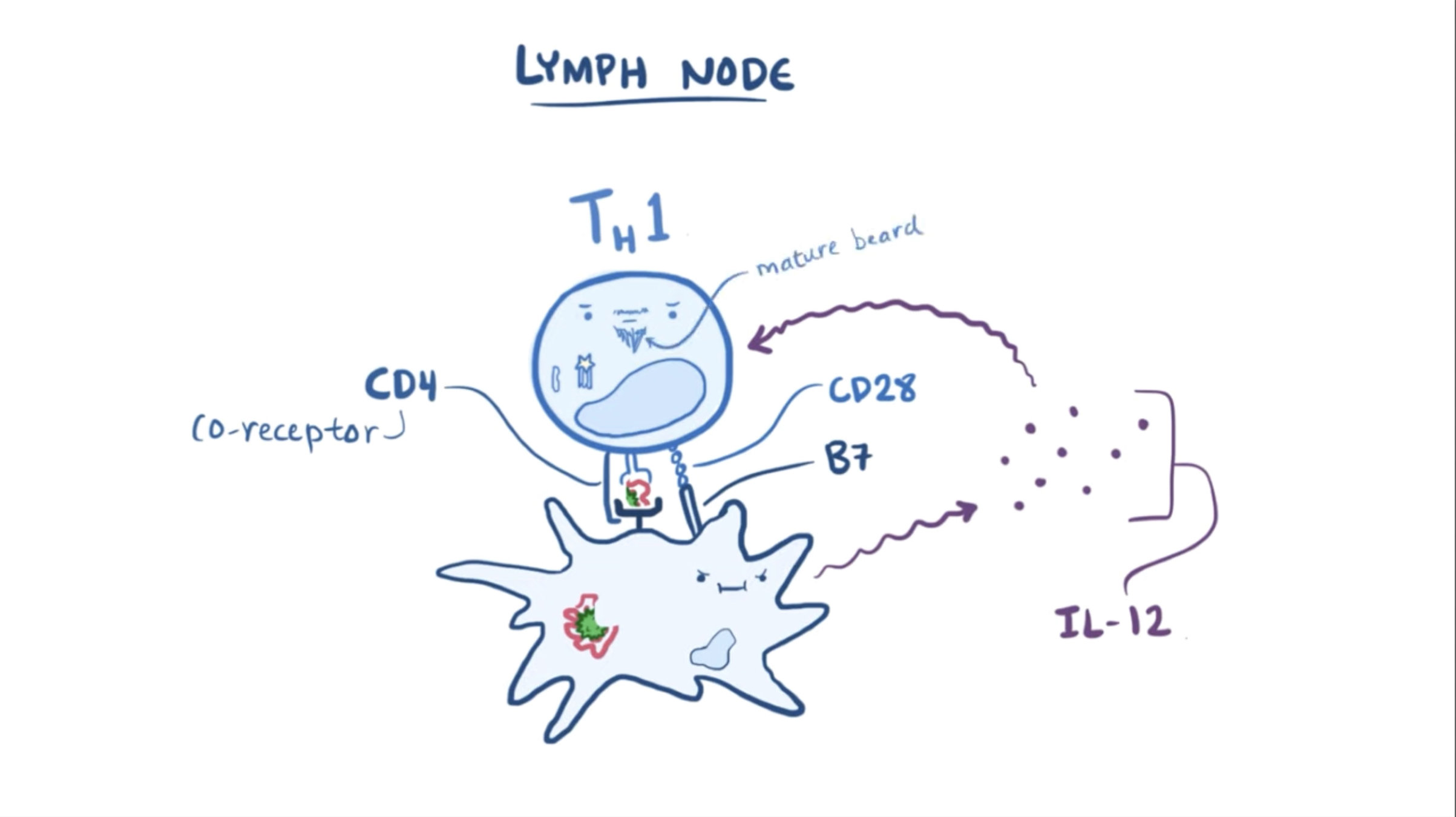
Th cell binds to dendritic cell,dendritic cell釋放IL-12使Th1 cell成熟
2.
成熟的Th1 cell釋放IL-2 和 IFN𝛄刺激其他Th1 cell變成 effector Th1 cell。而IFN𝛄也能刺激macrophage分泌 TNF, IL-1, IL-6等proinflammatory cytokines
3.
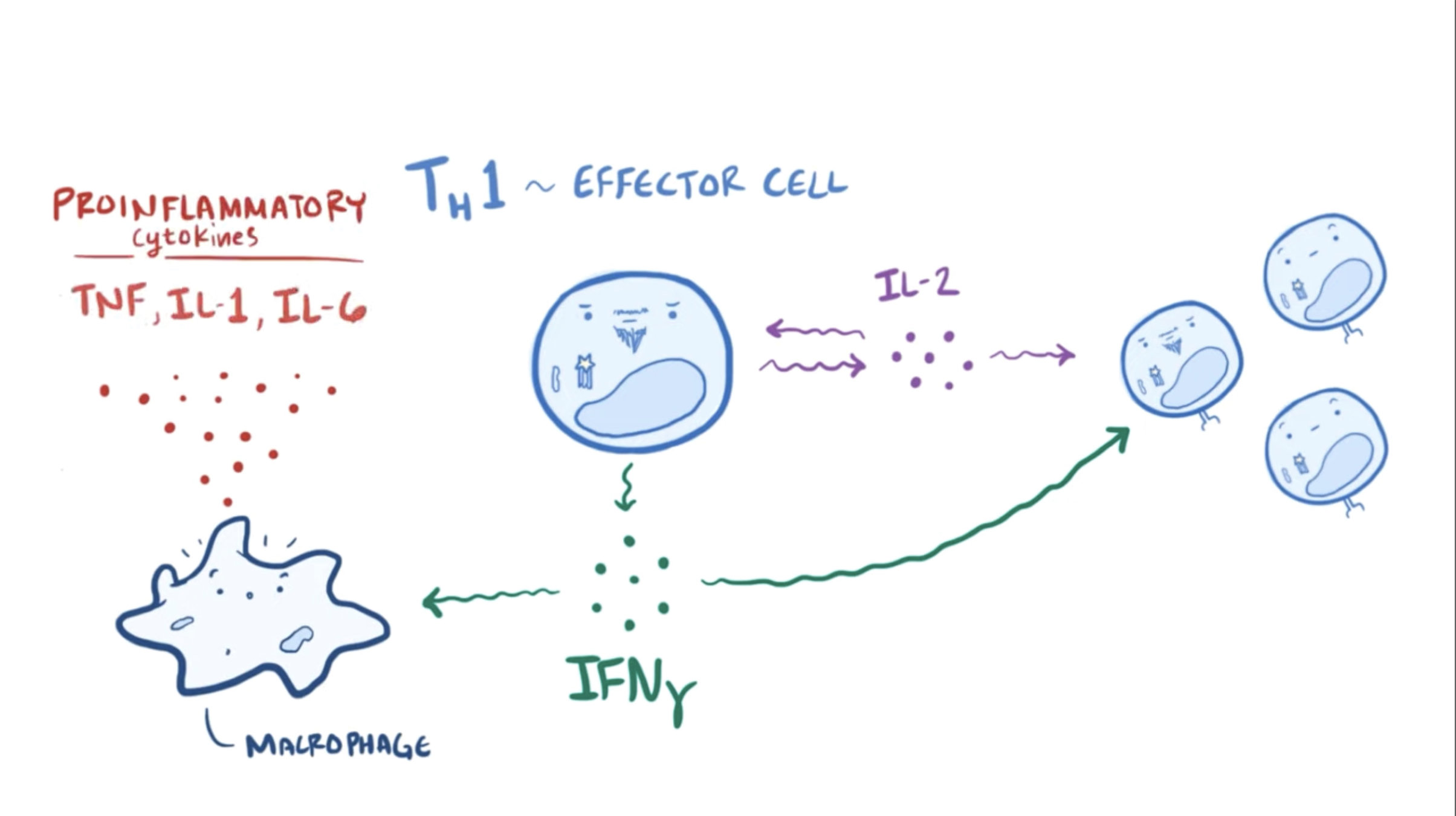
Process
Macrophage分泌的inflammatory cytokines會引發發炎反應,也就是紅腫熱痛
4.
Macrophage 也會分泌其他物質造成tissue damage
5.
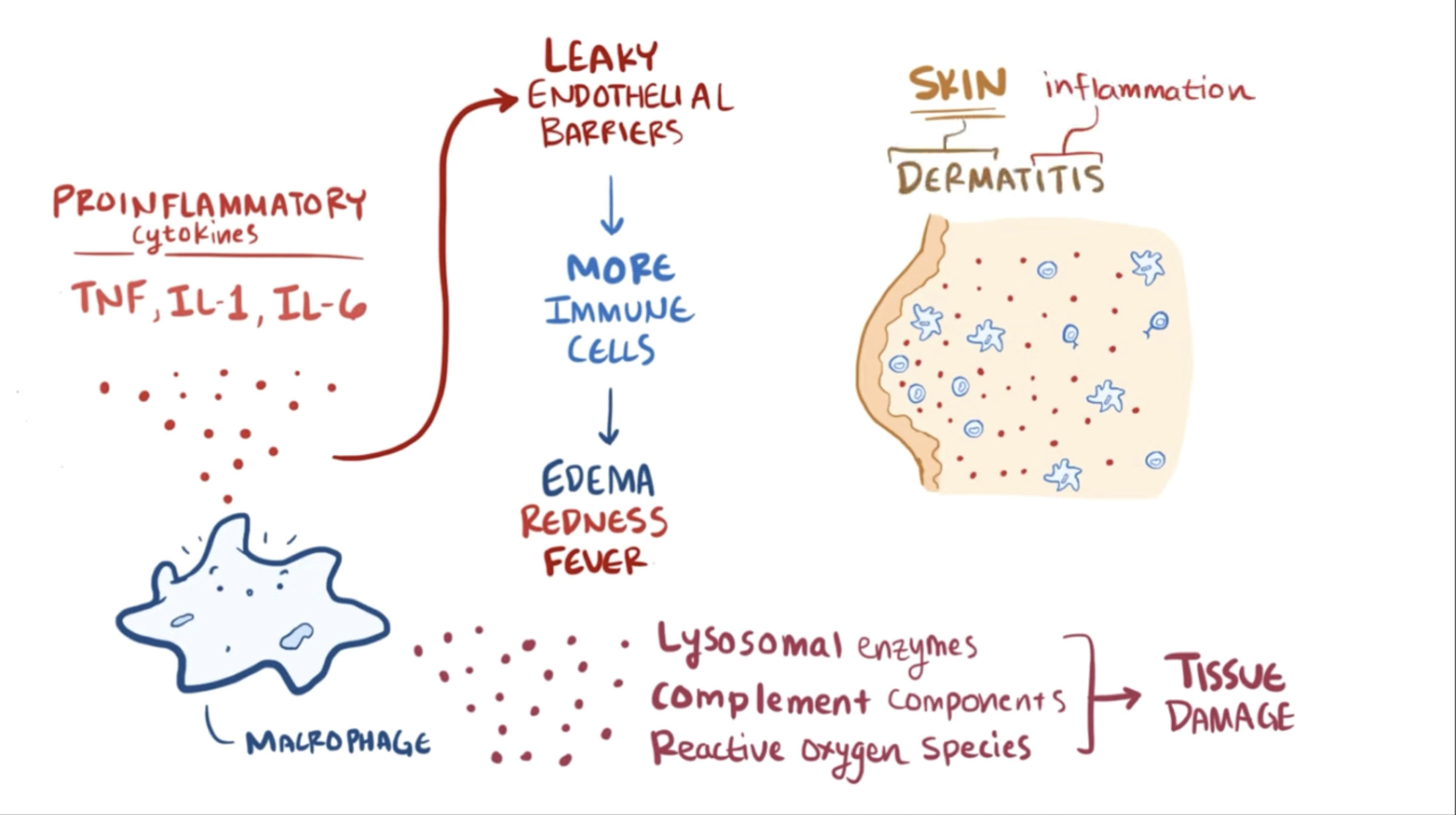
Process
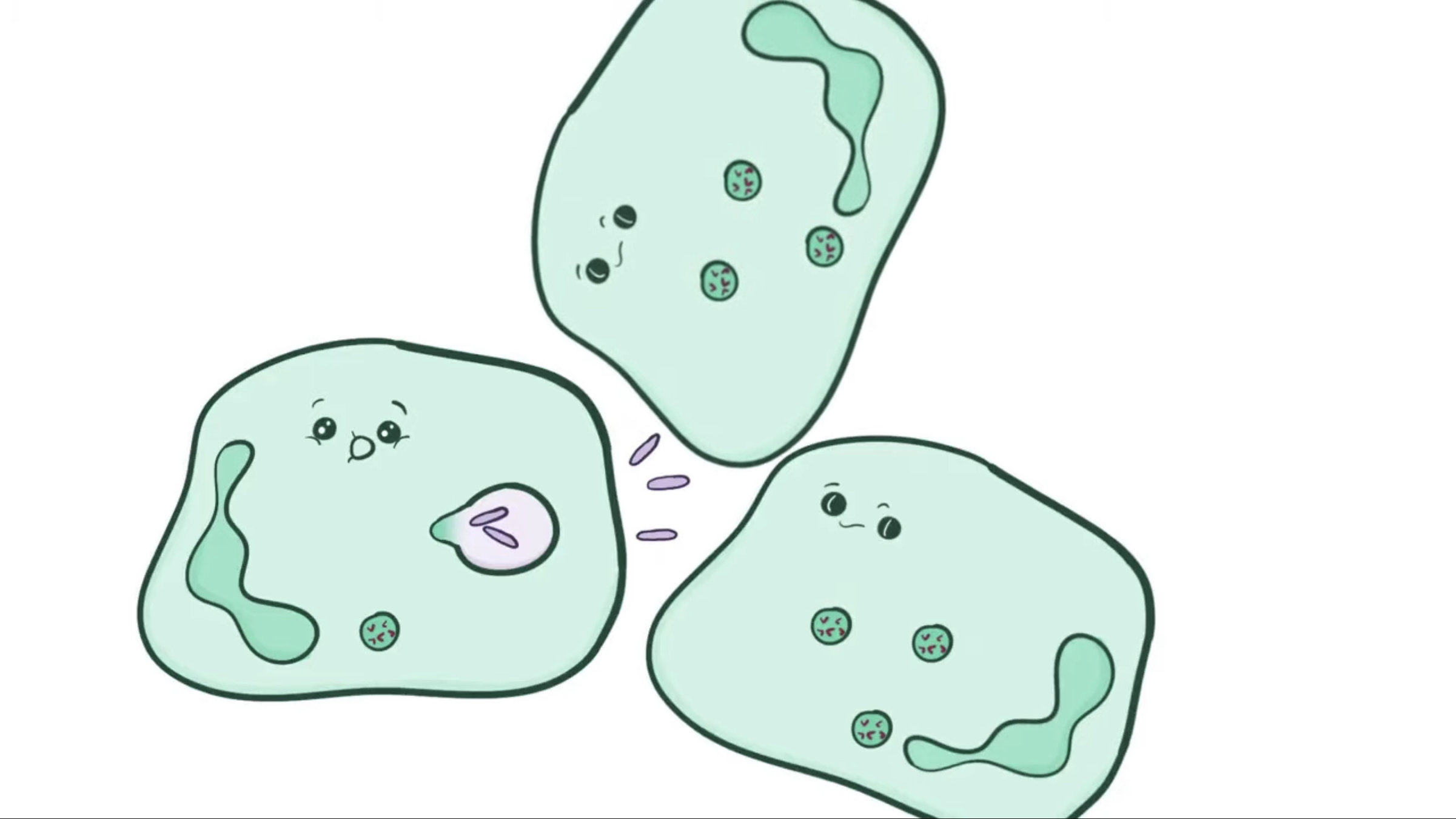
Phagocytes (macrophage, neutrophils等) 遇到pathogens後進行胞吞作用,吞入的囊泡稱為 phagosome
1.
Phagosome會和lysosomes結合形成phagolysosome,以摧毀pathogens
2.
因為胞吞作用的關係,phagosome的膜和細胞膜結構一樣,含有NADPH Oxidase和Superoxide Dismutase
3.
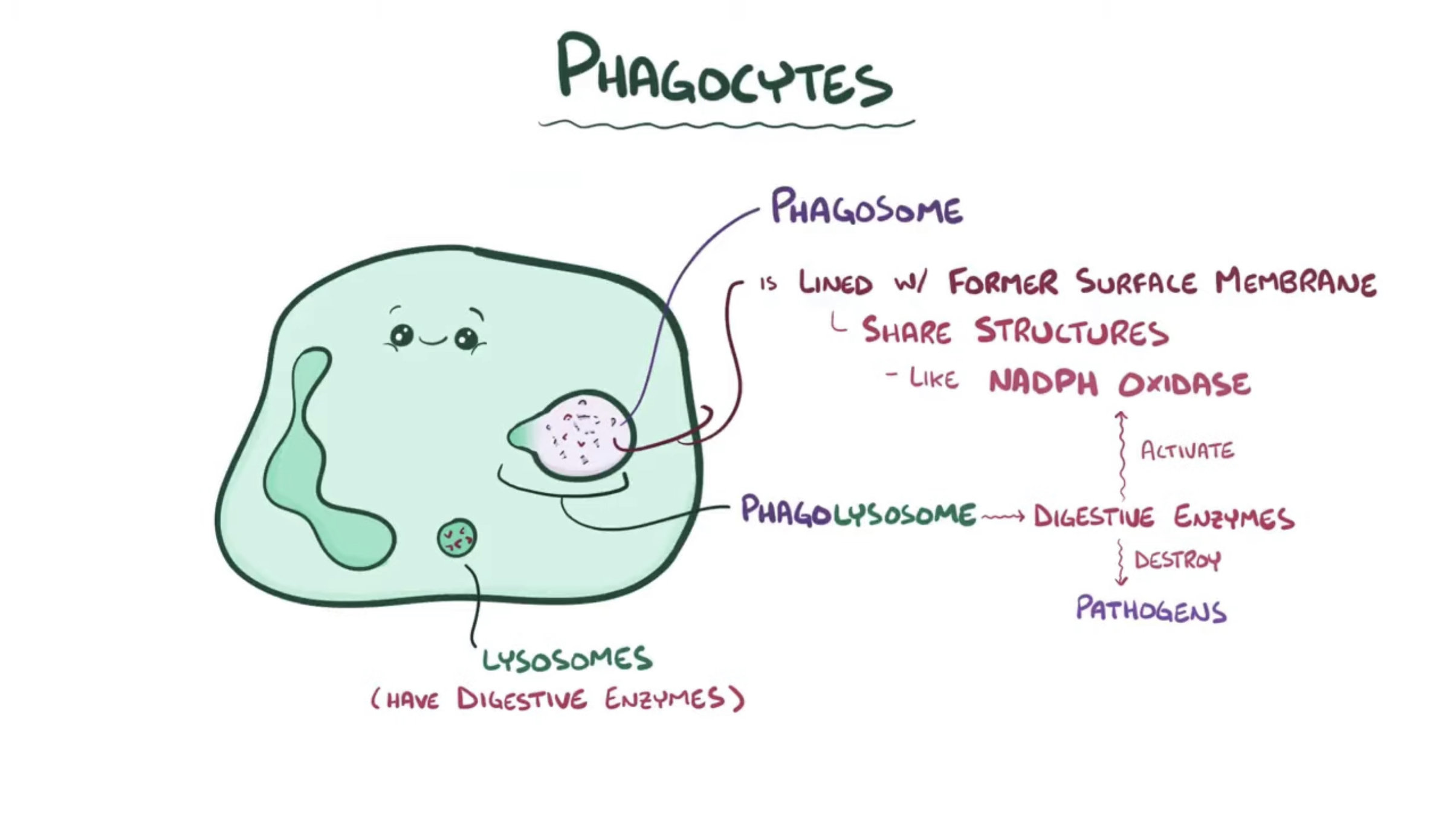
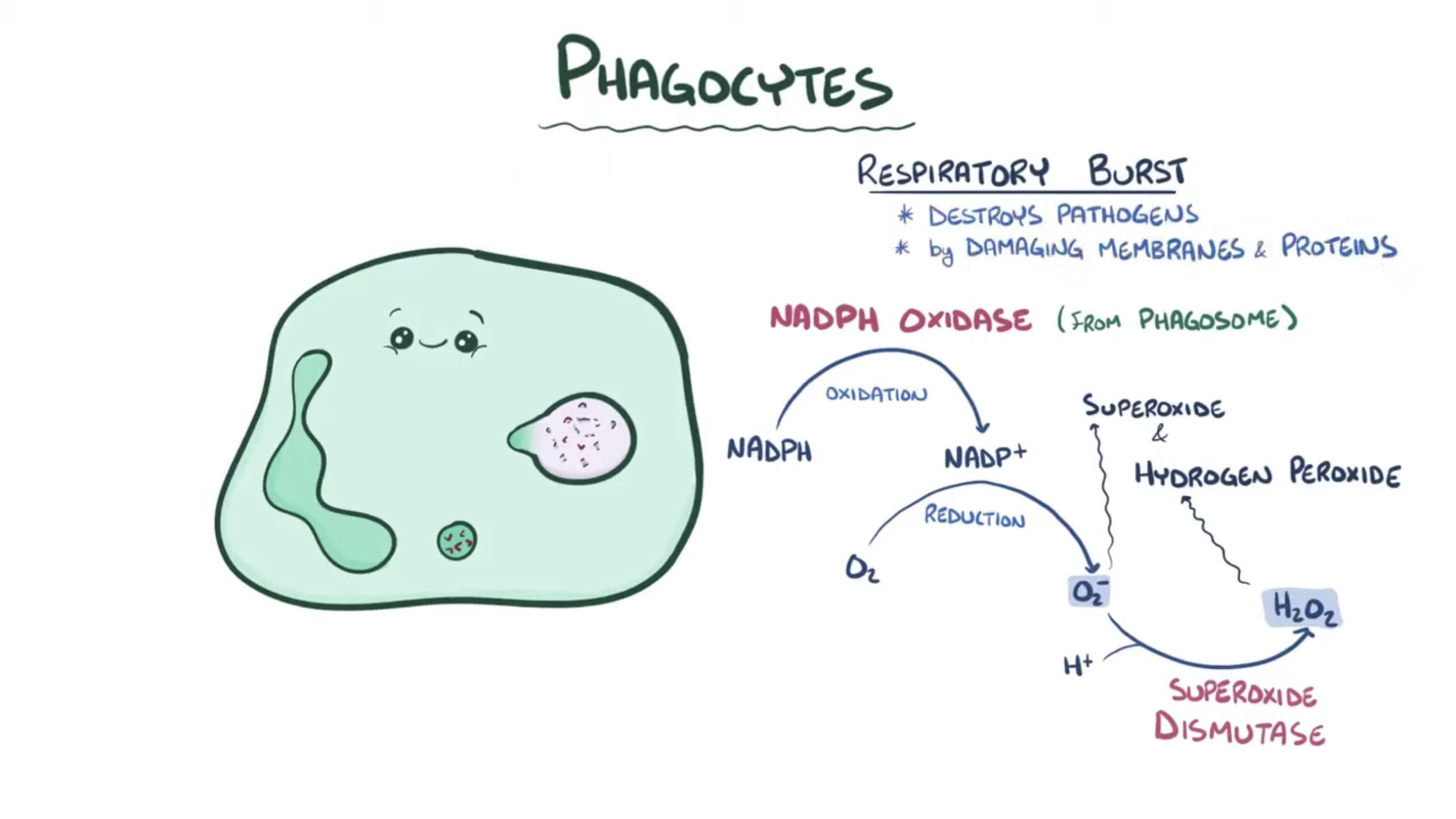
Process
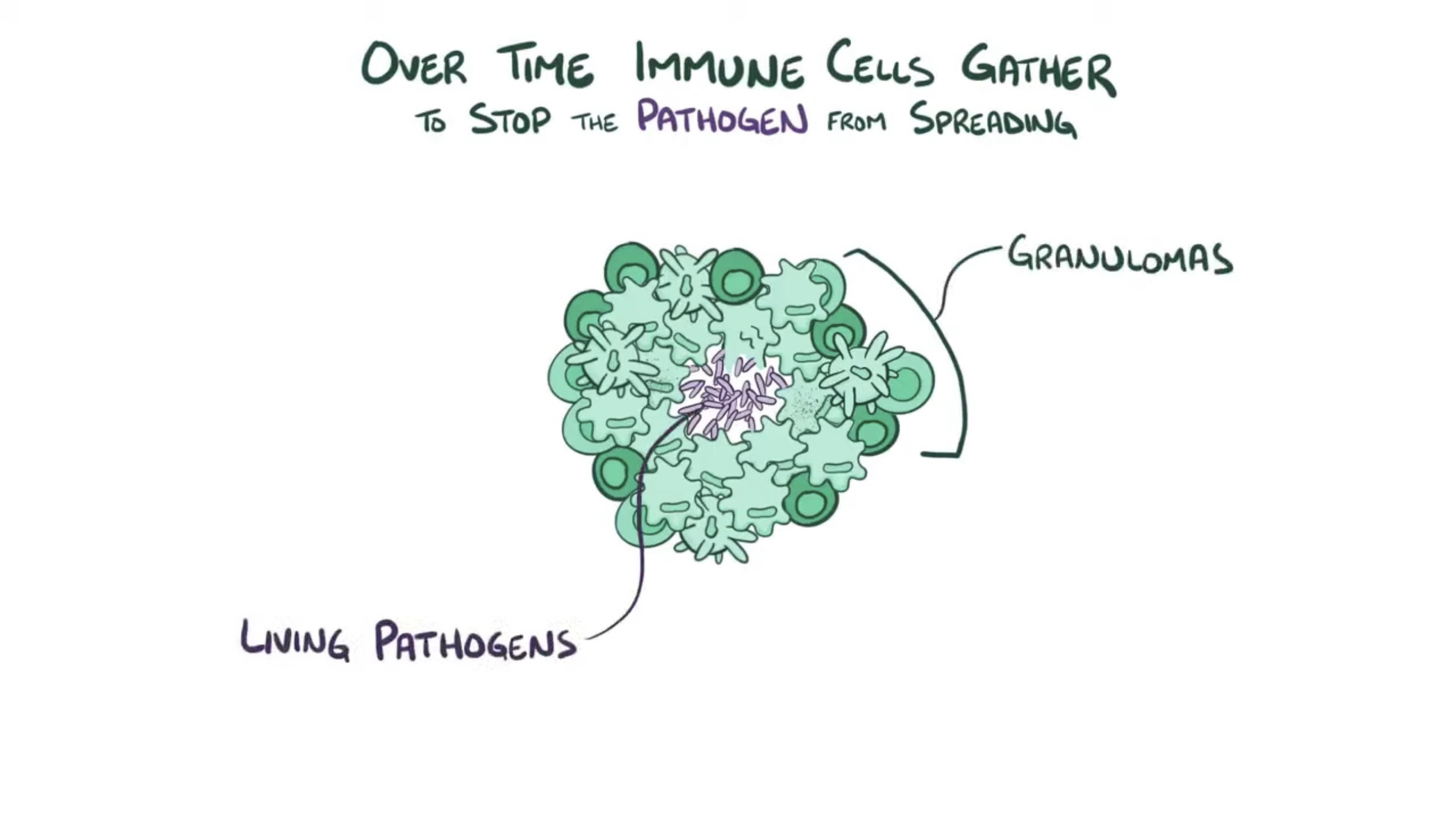
如果遇到不會被phagolysosome分解的pathogen (ex. 分解 NADPH Oxidase) ,那麼會促使更多phagocyte 和 T-lymphocyte 包圍pathogen
1.
Phagocyte 釋放 IL-12, TNF𝛂,使Th成熟,而成熟的Th釋放TNF𝛄 刺激macrophage 繼續進行免疫反應
2.
如此往復但是都沒辦法消滅被包圍起來的pathogen,即為Granuloma
3.
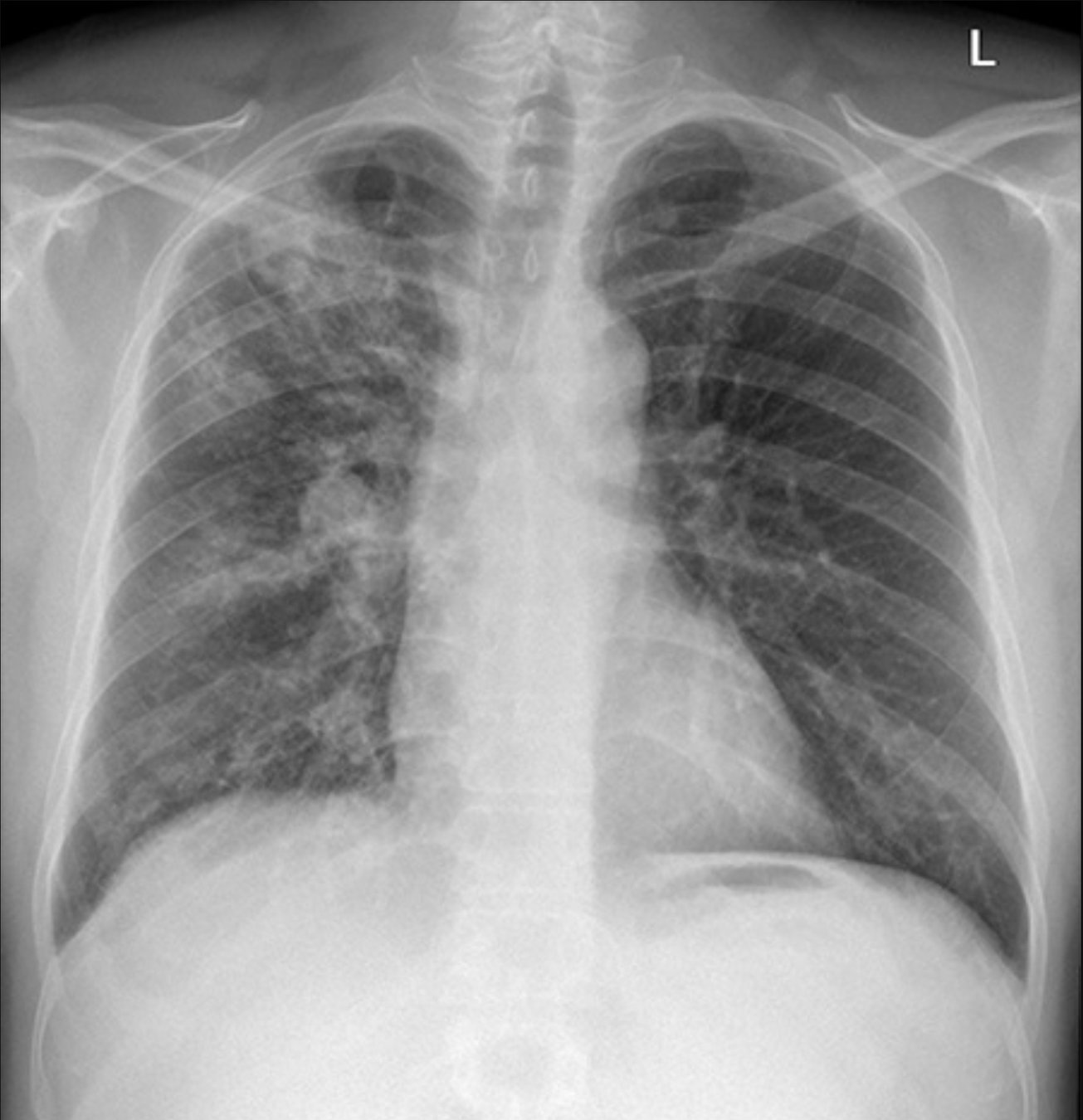
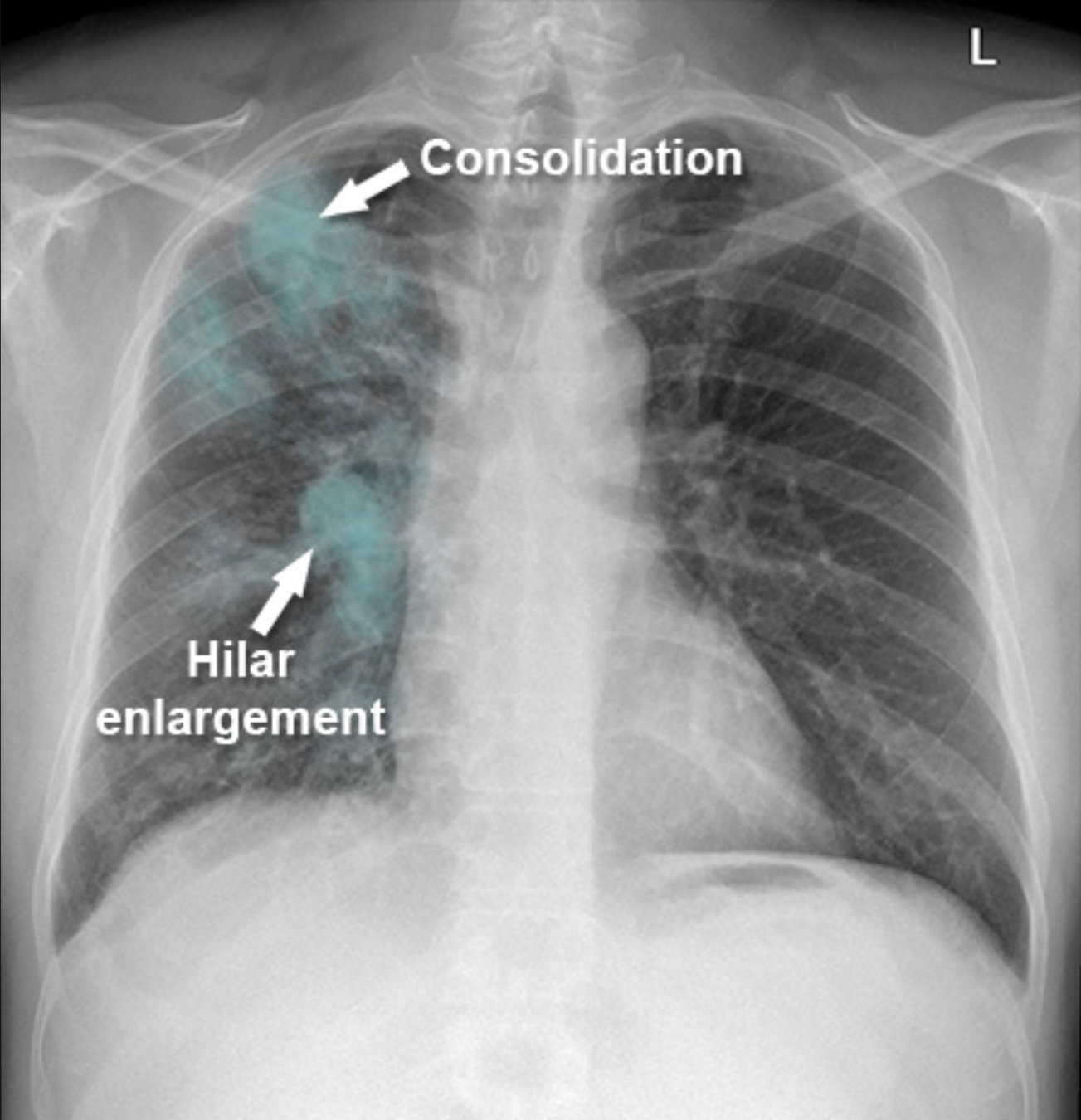
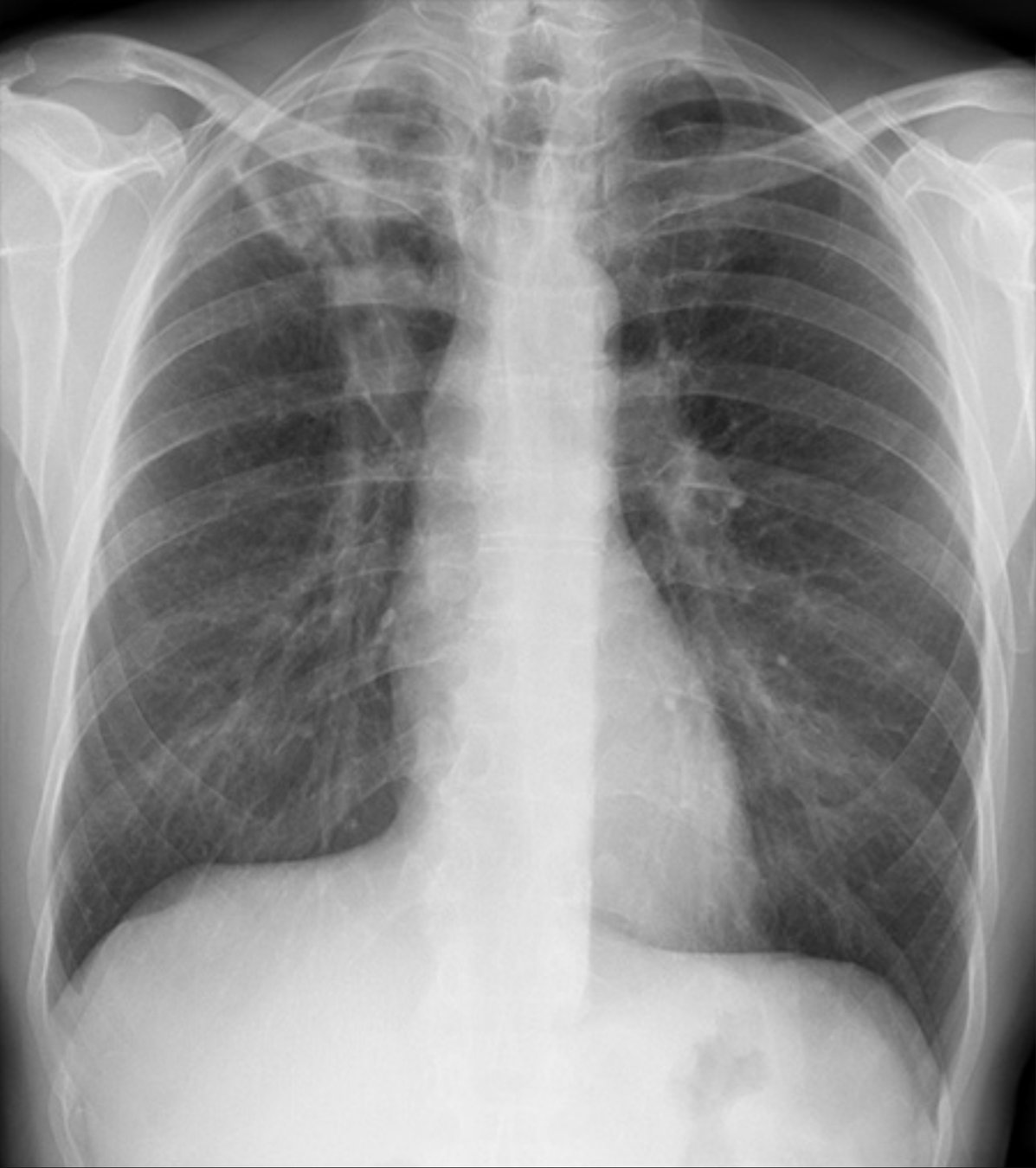
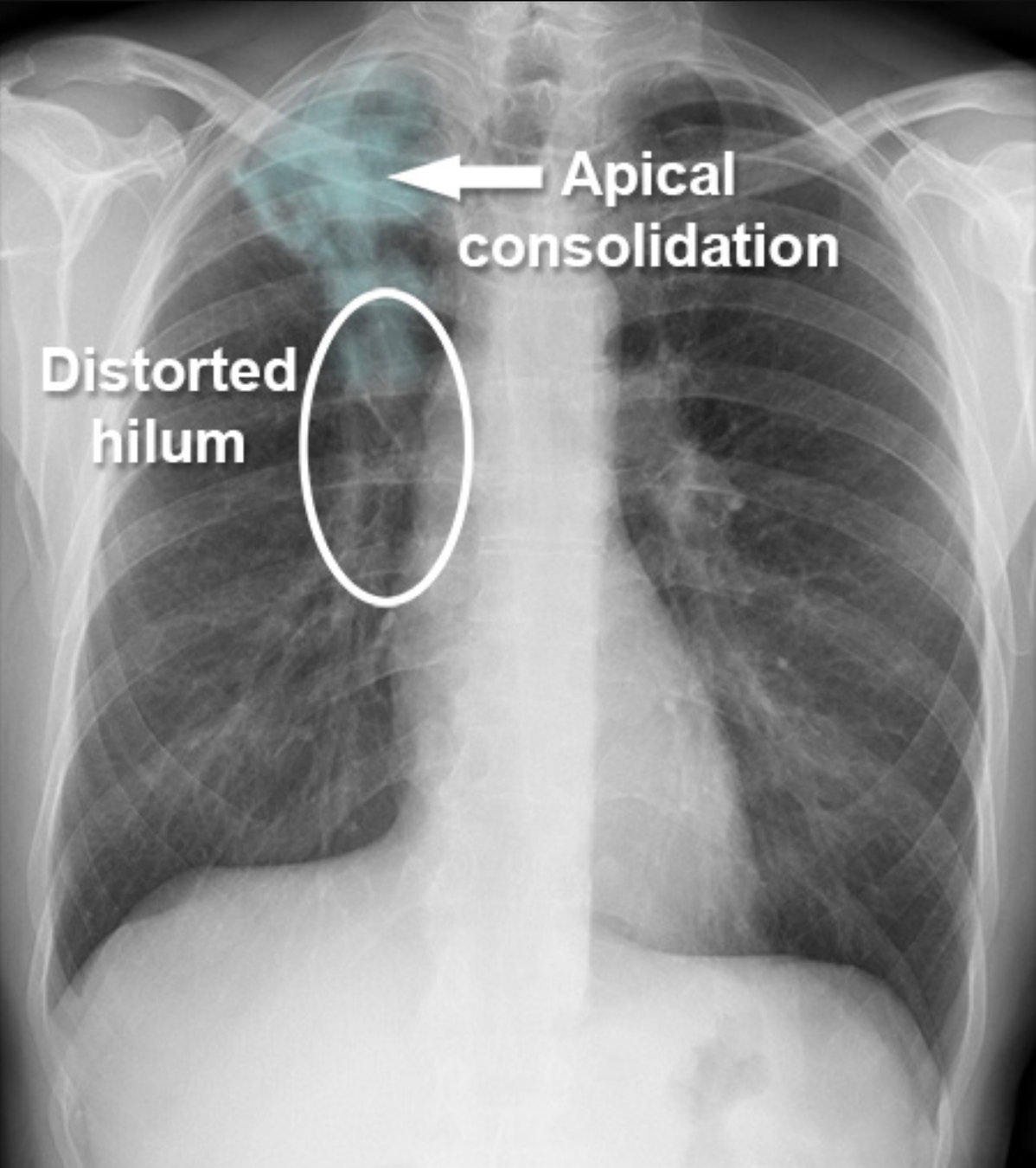
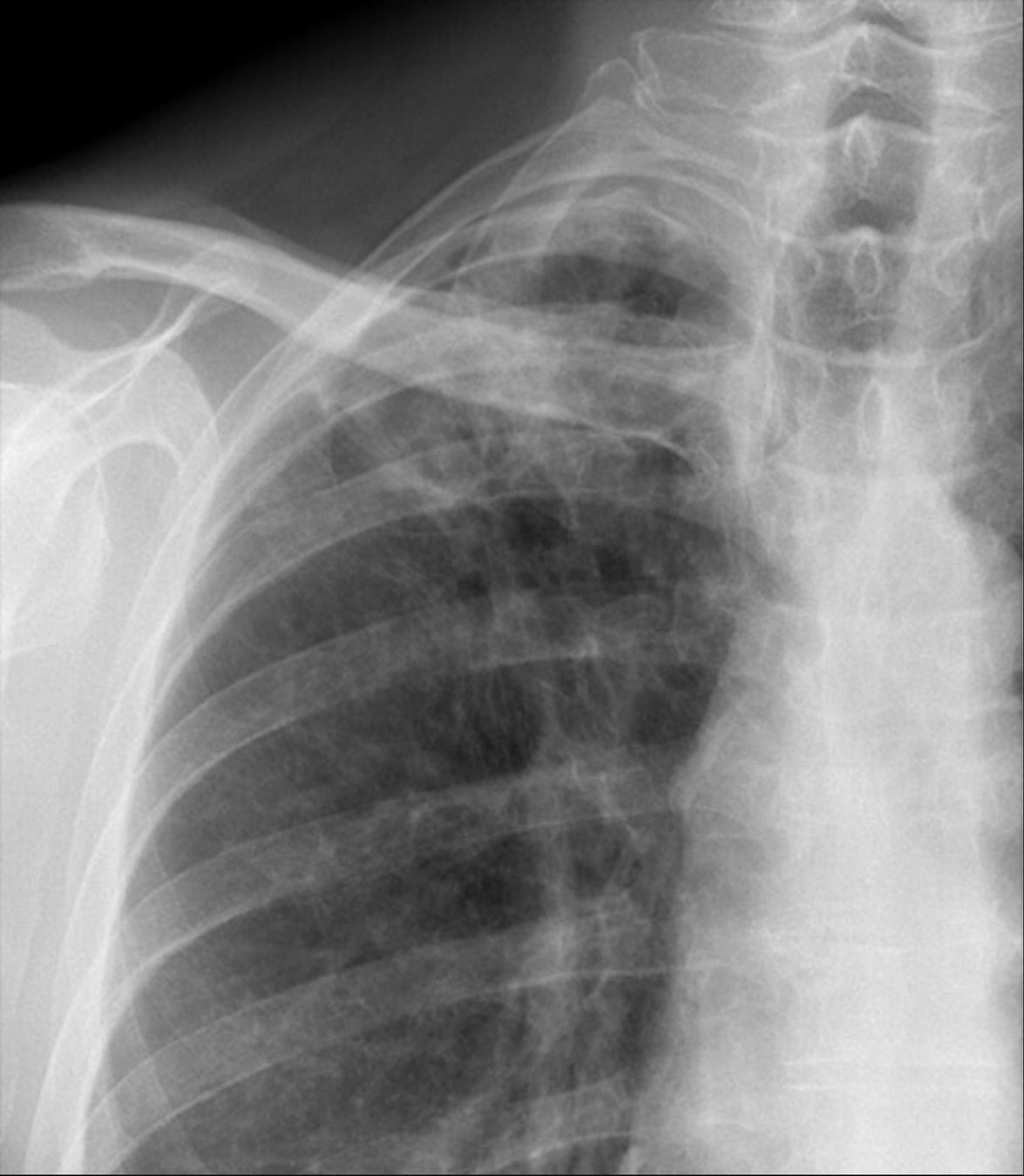
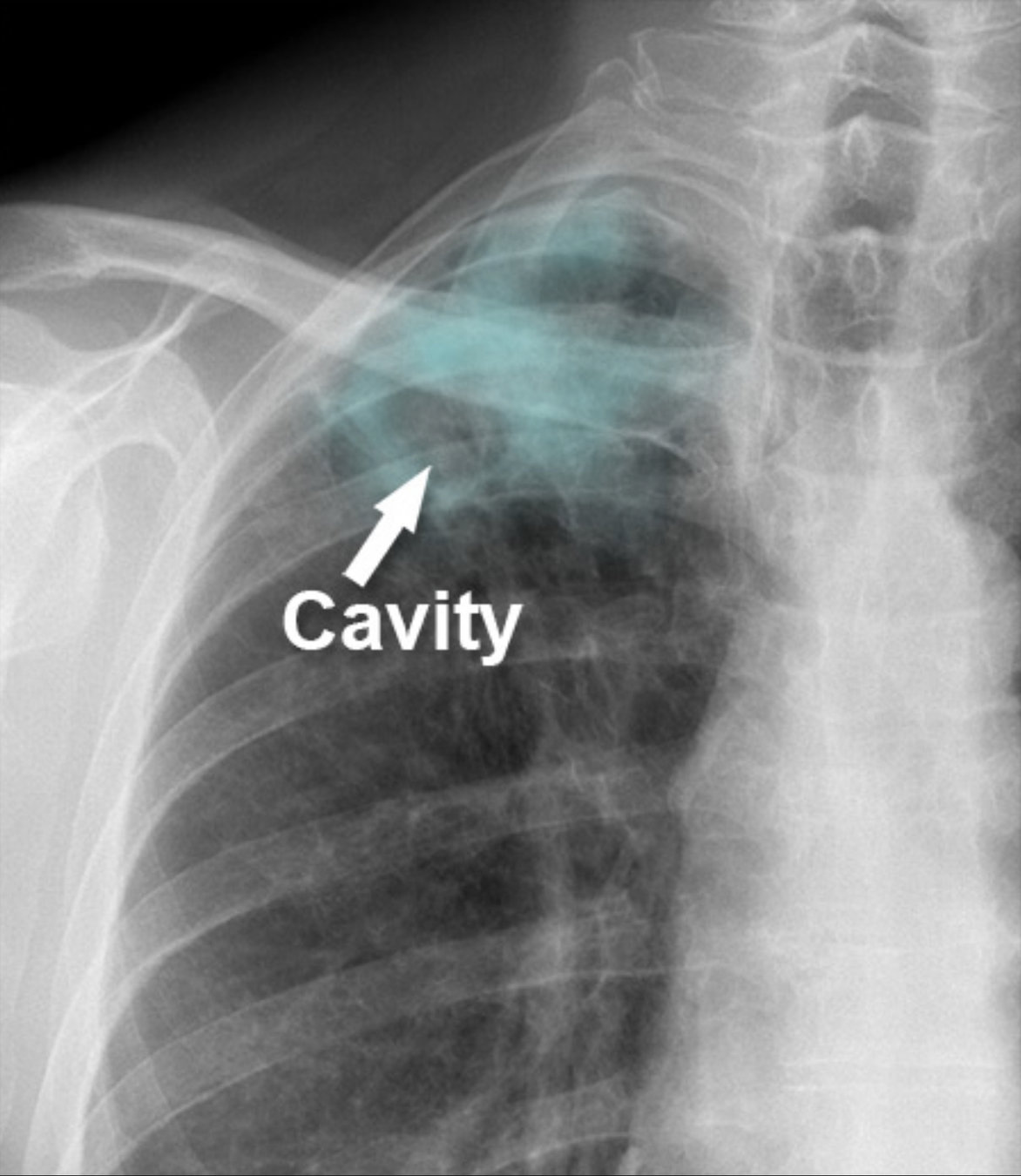
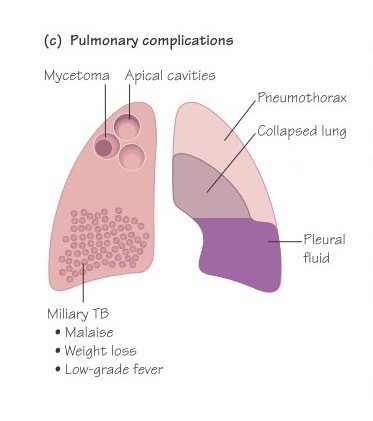
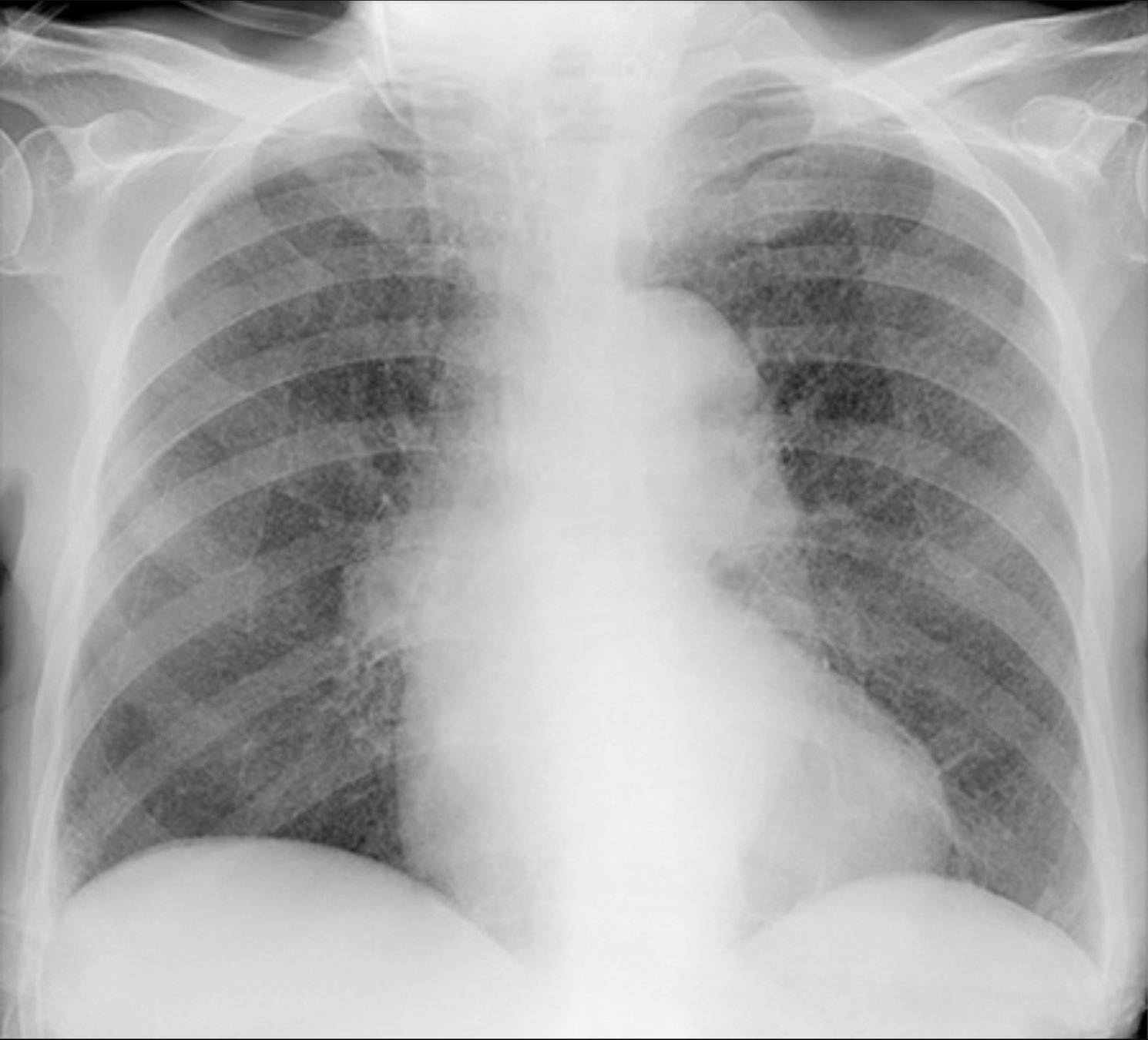
Diagnosis
Image
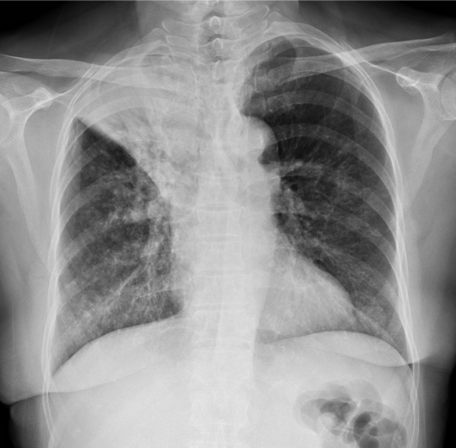
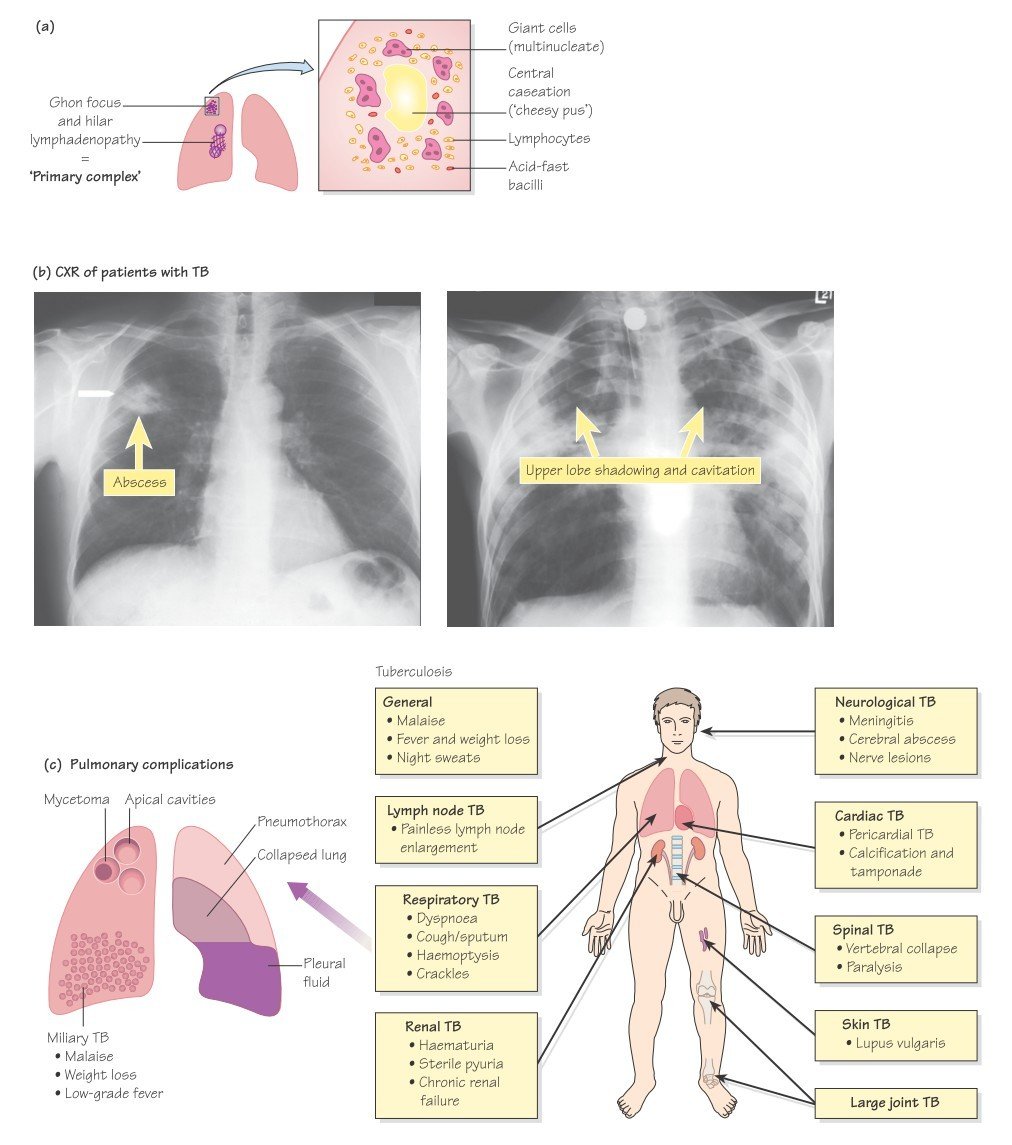
CxR
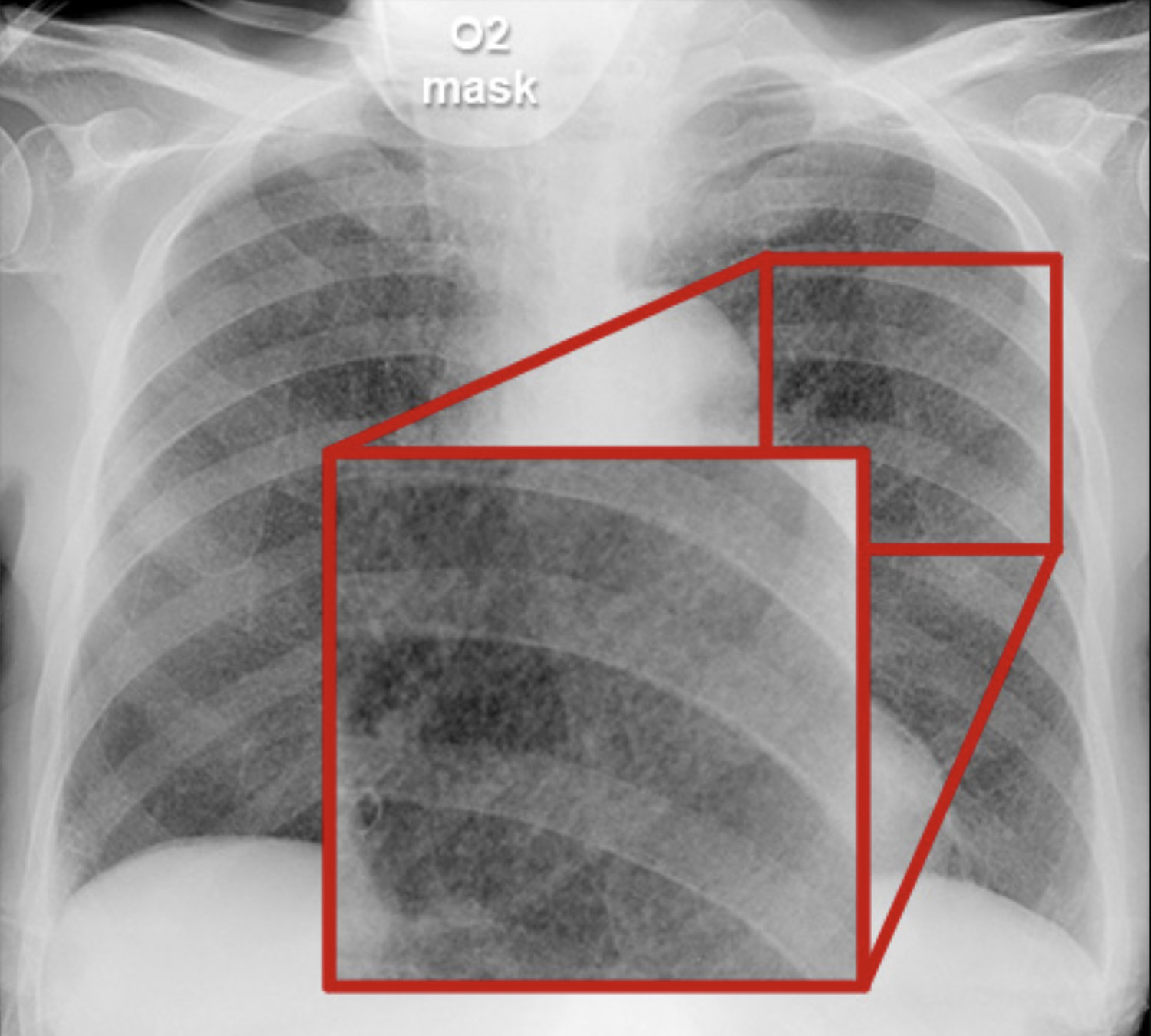
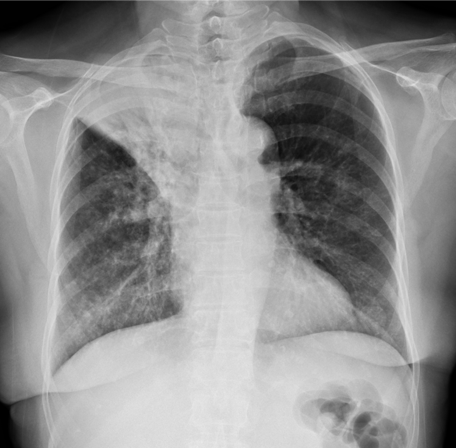
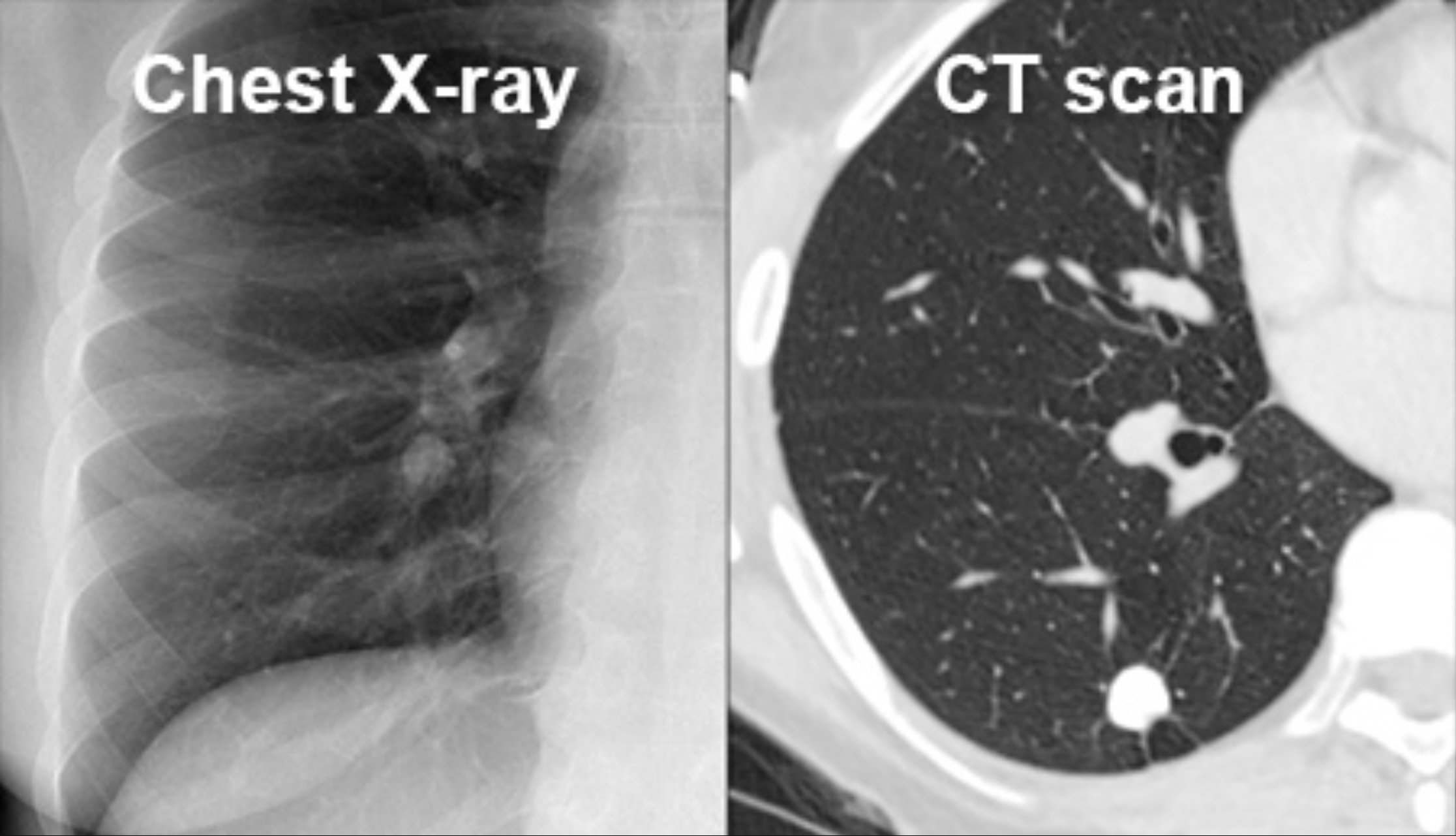
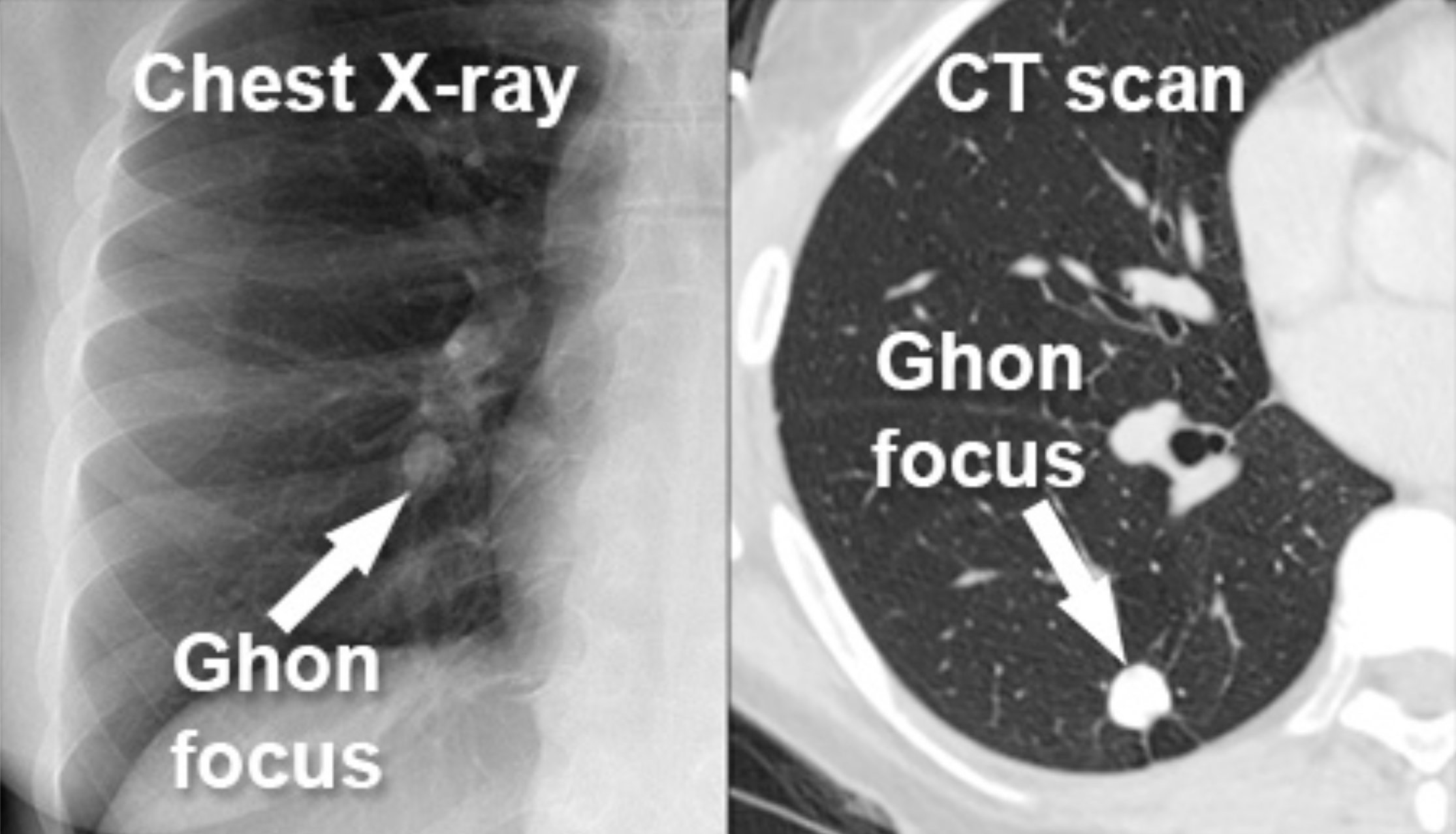
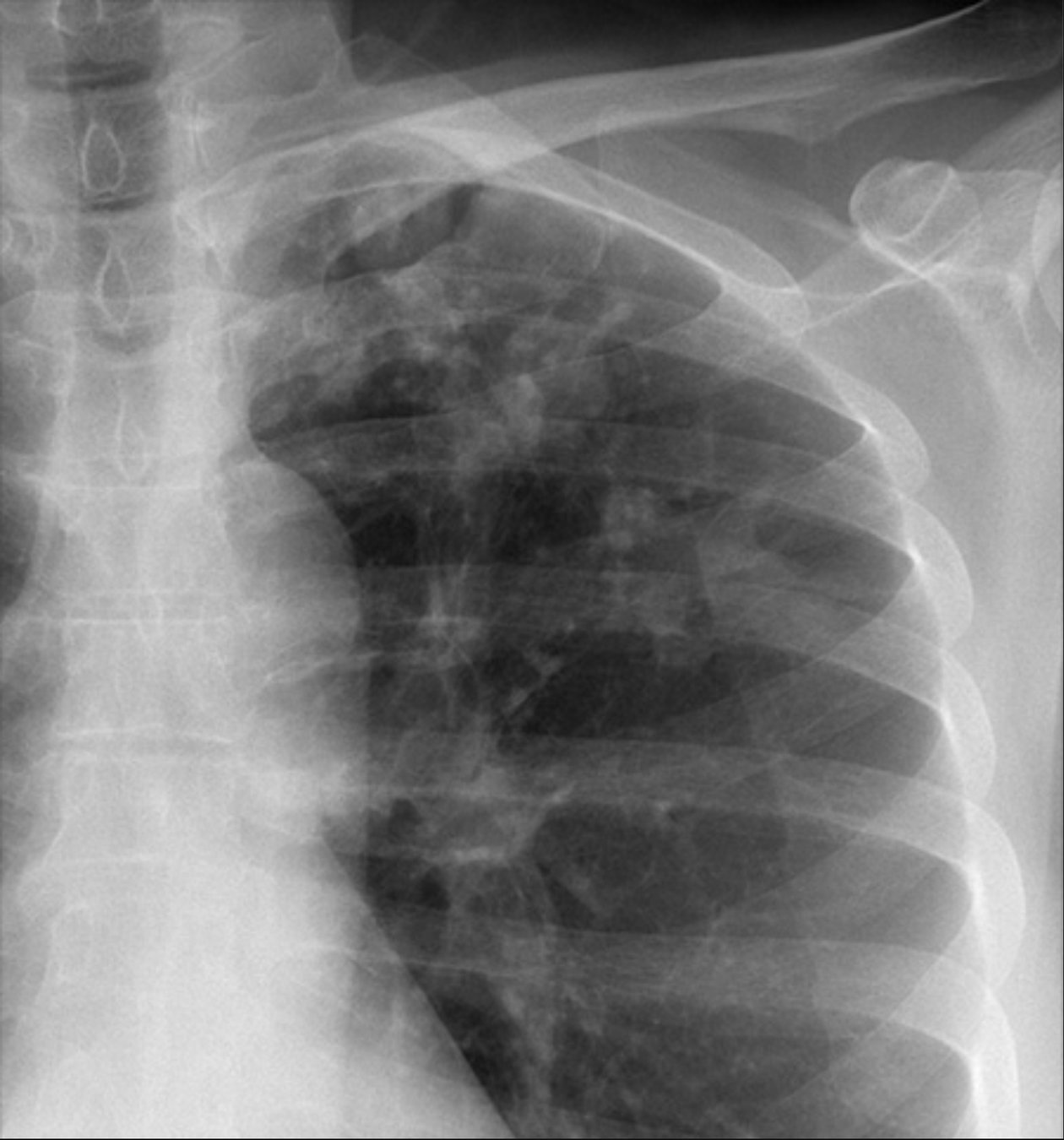
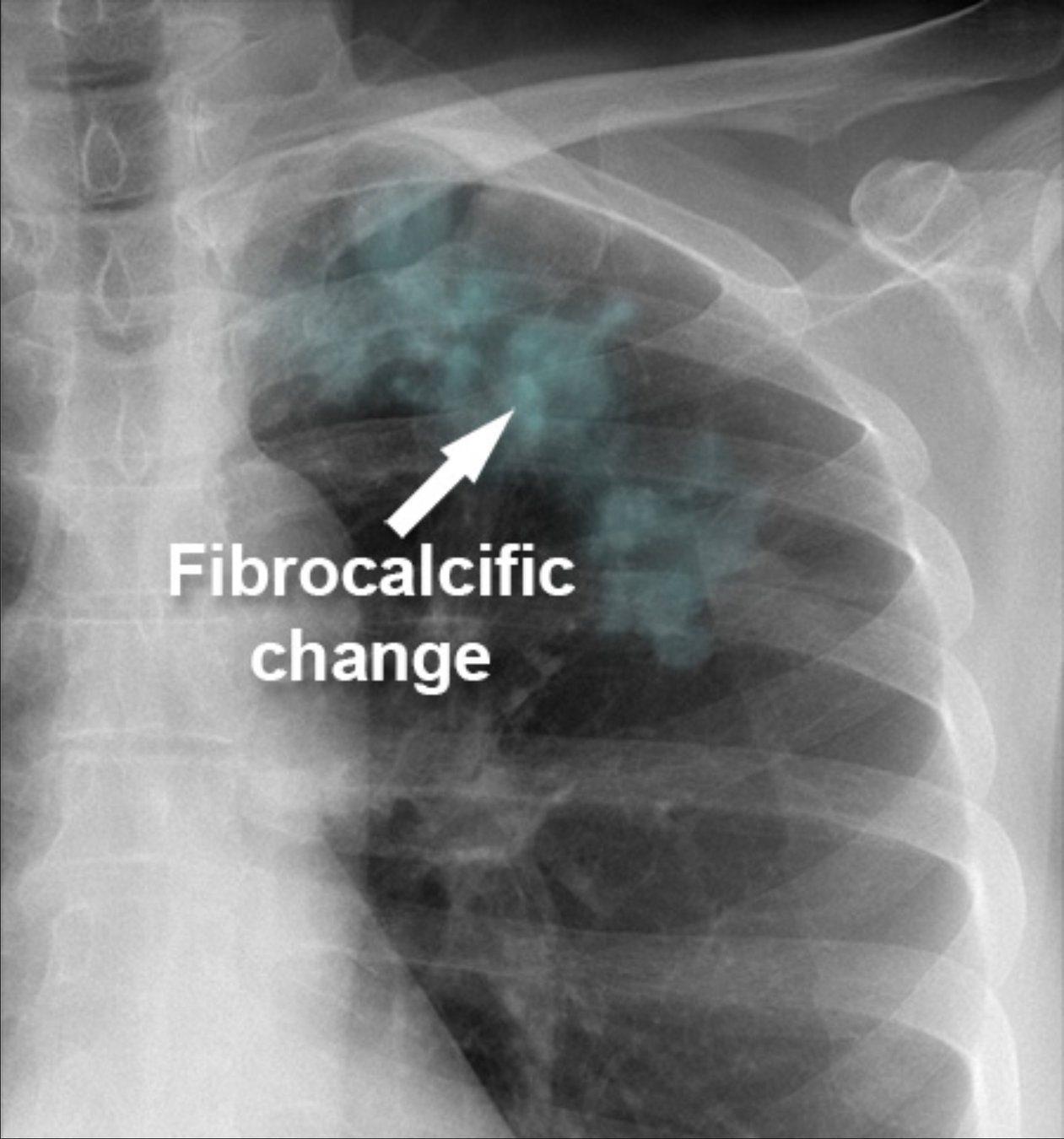
Bold
By minghaochen