





Opetus.tv PRO
Opetus.tv
M.Sc. Lauri Hellsten
math and physics teacher in Espoon yhteislyseo
Physics teacher of the year 2025 (Finnish society of sciences and letters)
STEAM teacher of the year 2023 (MAOL ry)
ASEFClassNet EmpowerEd Project 2026
Keep Your Microphone Muted 🎤 – Mute yourself when not speaking to avoid background noise.
Turn On Your Camera 📷 – Helps create a more engaging and connected atmosphere.
Use the Chat & Raise Hand ✋💬 – Share quick thoughts in chat or use “raise hand” before speaking to ensure smooth discussion.
Pedagogical foundations of Flipped Learning
Flipped Learning in practice
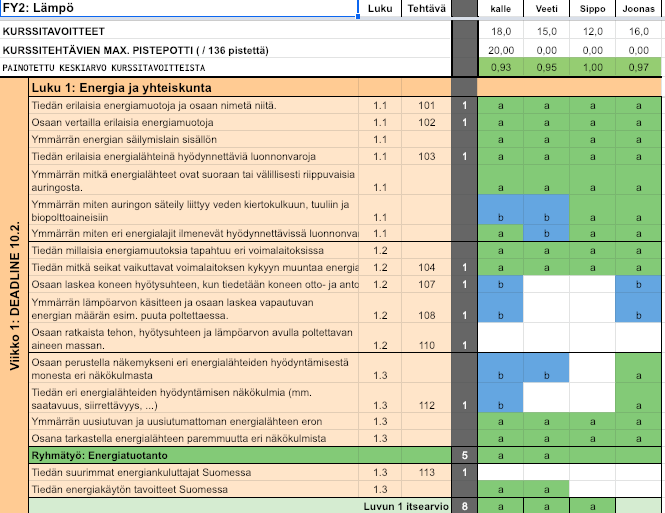
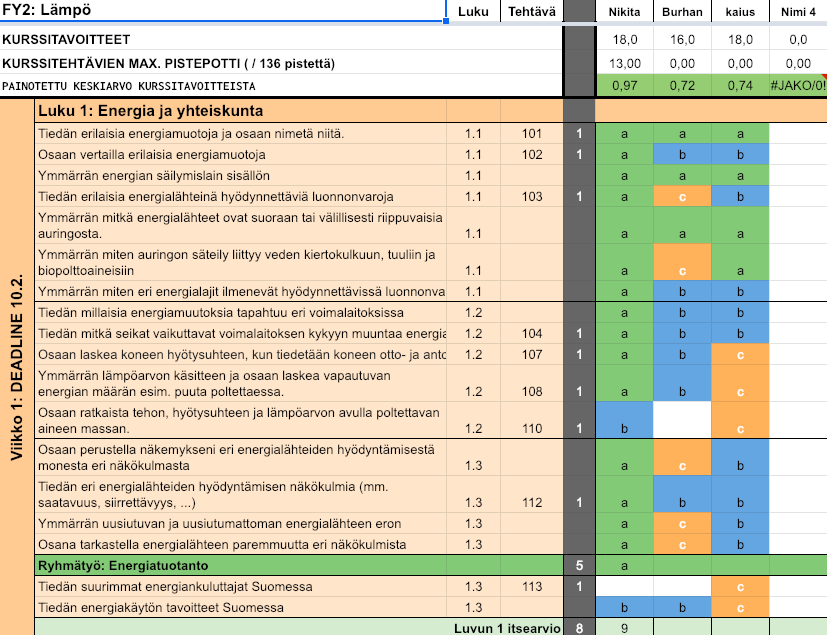
Guided self-assessment
Designing your own flipped learning cycle
Flipped learning is about reorganising learning
– not simply relocating instruction.
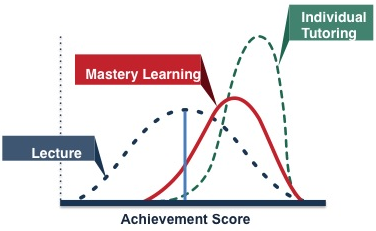
”20 % of the students under conventional instruction do about as well as the tutored students”
”80 % of the students do relatively poorly under conventional instruction as compared with what they might do under tutoring”
(Bloom 1984)
How can we bring some benefits of individual tutoring into a classroom?
Clear goal → Practice → Feedback → Corrective action → Another attempt → Progress
Students move forward when there is sufficient evidence of learning – not simply because time has passed.
Tasks the students can do with help (ZPD)
Tasks the students can do
Tasks the students can't do even with help
Lev Vygotsky - Zone of Proximal Development
Can do independently
→ good candidates for independent learning
Can do with support – ZPD
→ especially valuable use of shared classroom time
Autonomy
"I have meaningful choices"
Competence
"I can learn and improve"
Relatedness
"I belong and others support me"
Flipped Learning → autonomy
Mastery Learning → competence
Collaborative learning → relatedness
© Marika Toivola
www.flippedlearning.fi (material also in english)
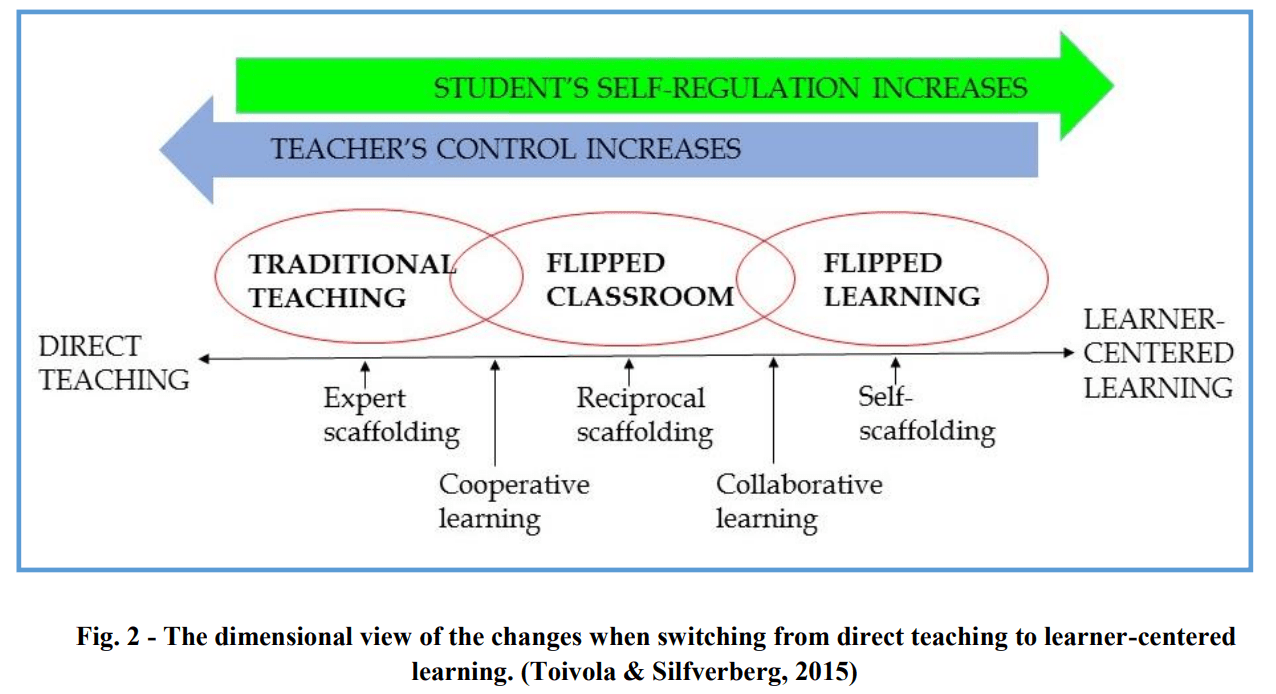
Flipped Classroom Flipped Learning
| Definition 📝 | Lessons at home, practice in class | Broader approach transforming learning |
| Aim 🎯 | Focus on when & where | Focus on how & by whom |
| Output 📊 | Home lectures, class activities | Active, flexible, assessed learning |
| Teacher Role 👩🏫 | Content deliverer, facilitator | Guide, mentor, reflective partner |
| Student Role 👨🎓 | Receive & practice | Active, collaborative, autonomous |
| Technology 💻 | Mainly for delivery | For delivery, assessment, collaboration |
| Scope 🌍 | Narrow: instruction only | Broad: curriculum & pedagogy |
Learning goals, assessment criteria and the form of summative assessment are discussed with students at the beginning of the course.
Students work in small groups at shared tables throughout the course.
The course is divided into six sections, each lasting about one week.
Summative assessment may take the form of an exam, portfolio or a larger experimental project.
Higher order thinking
Lower order thinking
More complex thinking often benefits from dialogue, feedback and guidance.
The teacher helps students compare their self-assessment with evidence of learning and identify the next step.
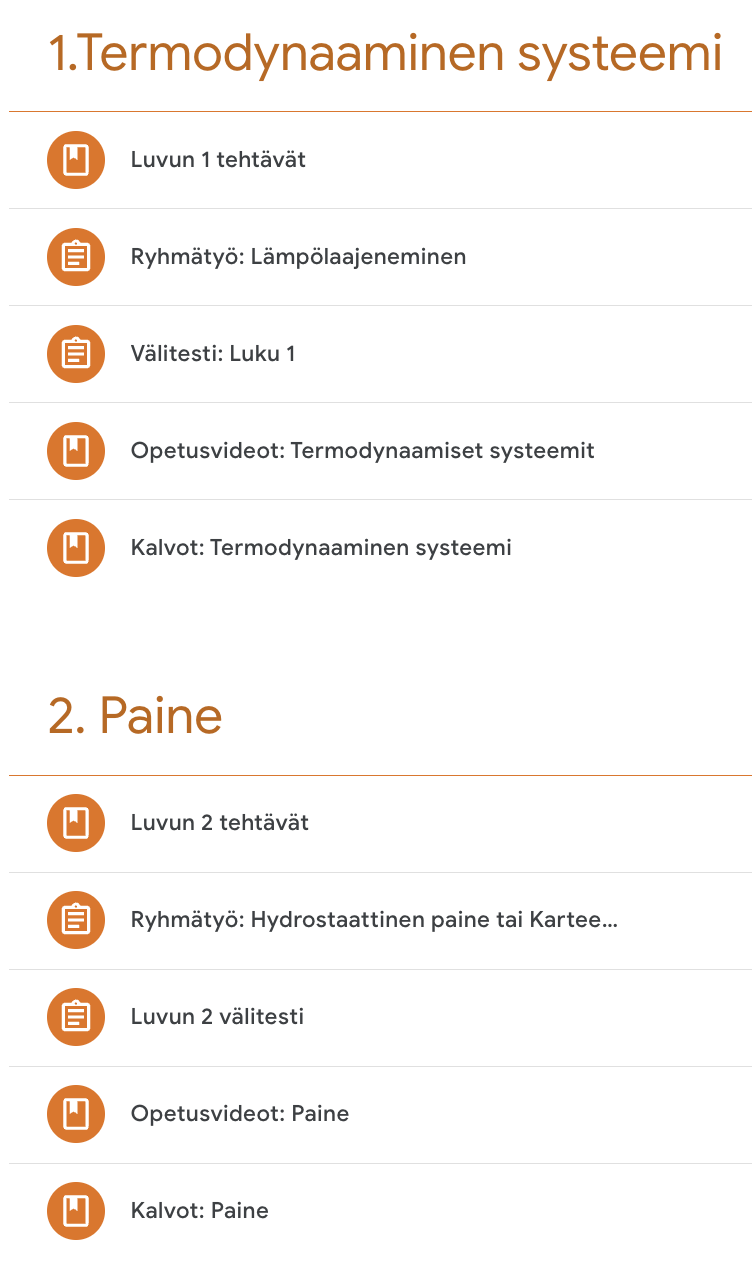
Unit 1
Self-assessment
1A
passed
Unit 2
Self-assesment
2A
failed
Self-assessment
2A
failed
passed
passed
Students work at a flexible pace and progress when there is sufficient evidence of learning.
Text
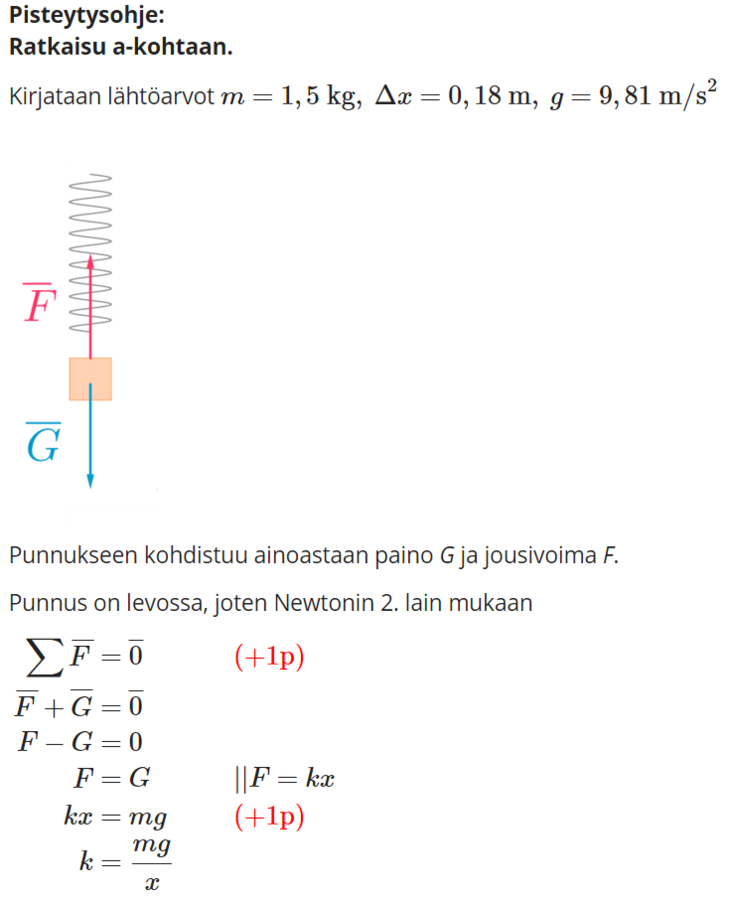
Course materials include short videos alongside text, examples and simulations.
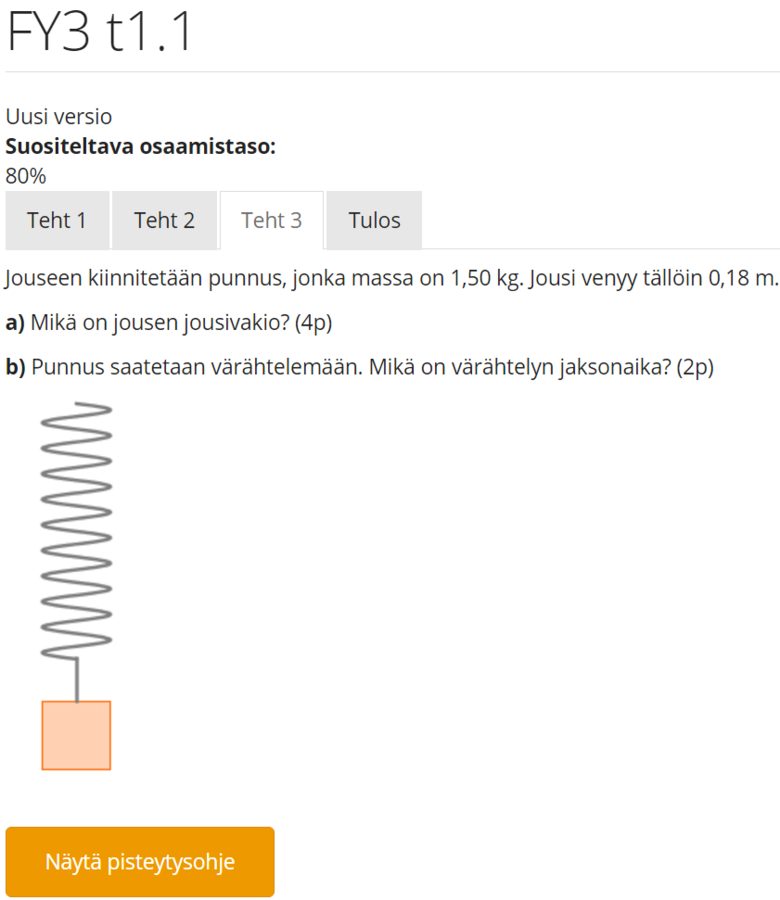
After each section, students complete a short multiple-choice check to identify what they understand and what still needs work.
I understand this so well I could
teach it to a friend.
I feel I have understood this.
I feel I somehow understand this, but there still is something unclear to me.
I need more practice and time to understand this.
This is not included in my studies.
Statement: "I understand the concept of diffraction. I also understand how diffraction is involved in the creation of an interference pattern."
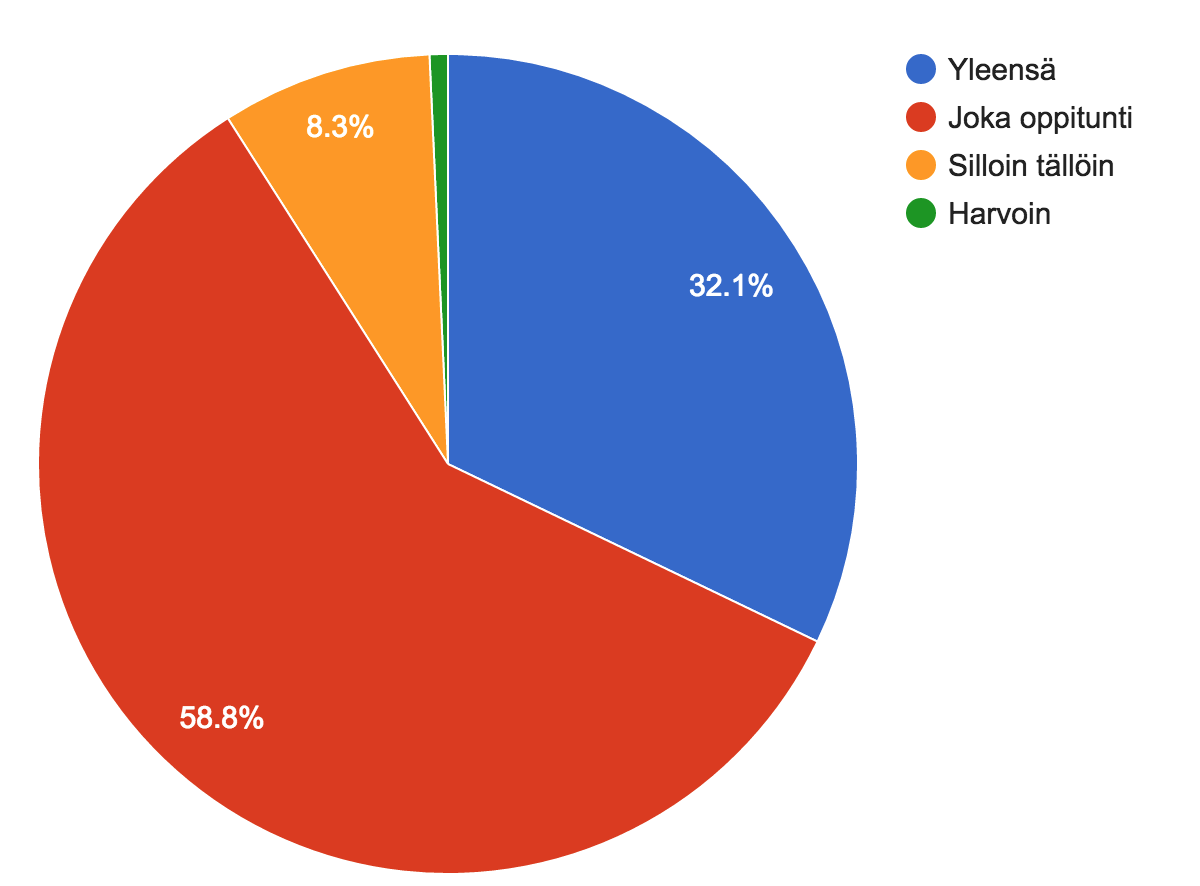
2023-2025, n = 382
Usually
Each lesson
Sometimes
Task for next session (7.9.)
Design a mini flipped learning cycle for one topic you teach. Outline what students do before class, in class, and after class. Focus on how your design supports active learning, scaffolding, and student autonomy. Use AI (e.g. Copilot / ChatGPT) to suggest activities, resources, or scaffolding ideas — but remember to adapt and review them for your own students.
Questions:
What activities take place before, during, and after class?
Which parts of the topic can students handle independently, and which require support?
How does the design use the Zone of Proximal Development (peer/teacher scaffolding)?
How does it support mastery learning (e.g., re-tries, feedback, pacing)?
What is the role of the teacher and the role of the students?
How does this cylce align with your curriculum goals (general, subject-specific, course-specific)?
Post your work in Padlet!
By Opetus.tv