Continuity In editing
Continuity editing is the most prominent and effective style of film and video editing in the post-production process found in narrative feature films, television and web content. It is used to smooth over the discontinuity of the editing process so that the scene plays out in a flow, making it a seamless narrative experience for the audience. It covers the broken scenes. It can be thought of as "invisible editing".
Introduction.
Rules in Continuity Editing
Match On Action
The 180 Degree Rule
Non-Continuity/Continuity Editing
30 Degree Rule
Eye-line Match
Different Shots
Cuts Transitions
Match on Action is also known as cutting on action. This is an editing technique for continuity editing in which one shot cuts to another shot portraying the action of the subject in the first shot. This creates the impression of a sense of continuity. This action generates a "visual bridge" which draws the viewers attention away from slight cutting or continuity issues. This is not a graphic match or a match cut, it shows a continual sense of the same action rather than matching two separate things.
Match On Action
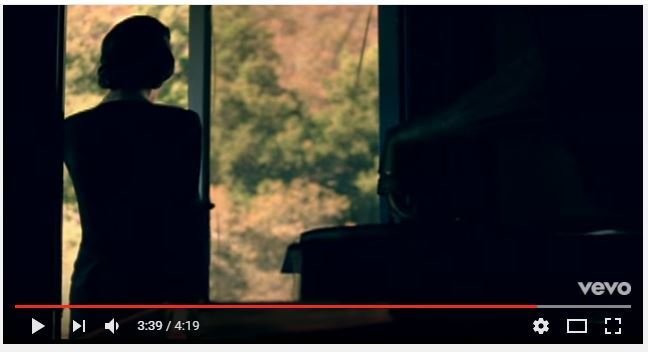
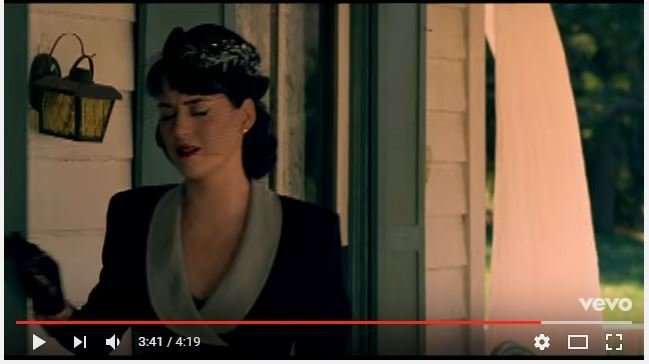
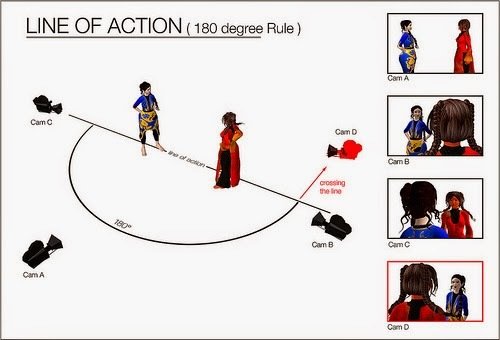
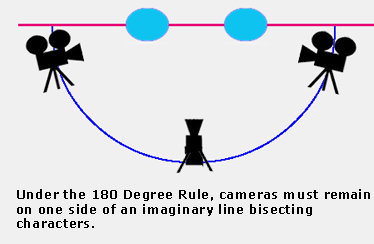
This is a filming guideline that participants in a scene and according to this technique the scene should have the same left right relationship to each other, with filming only taking place within the 180° angle in which this is maintained in a conversation. This allows the audience to have a greater sense of location in the scene in terms of what may be off screen in some shots, for example reverse shots.
180 Degree Rule
Discontinuity
Any alternative system of joining shots together using techniques unacceptable within continuity editing principles. This kind of editing is intending to make the editing choices visible to the viewer.
Montage
Series of shots that are not in sequential order, continuous or relate to each other. Often used in trailers or TV openings.
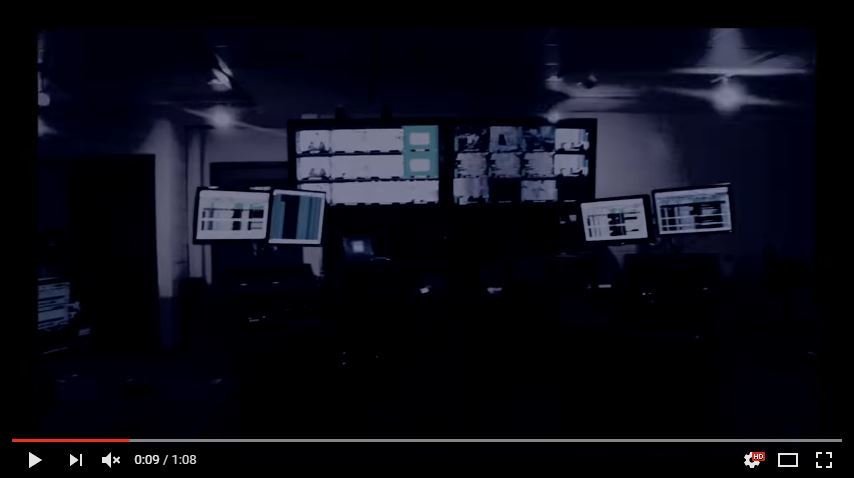
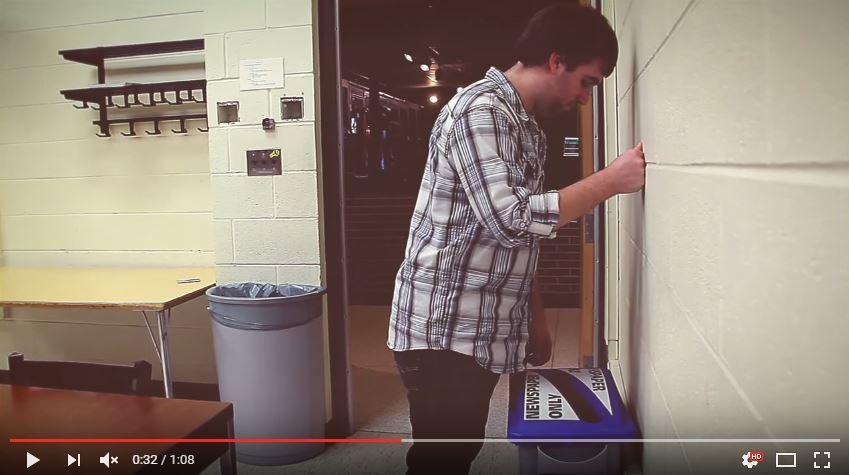
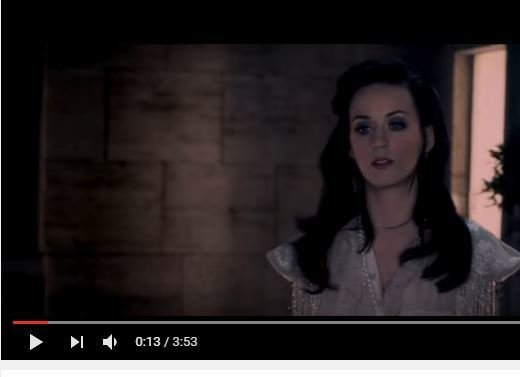
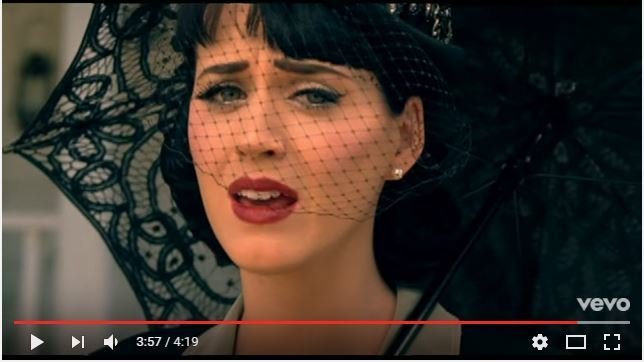
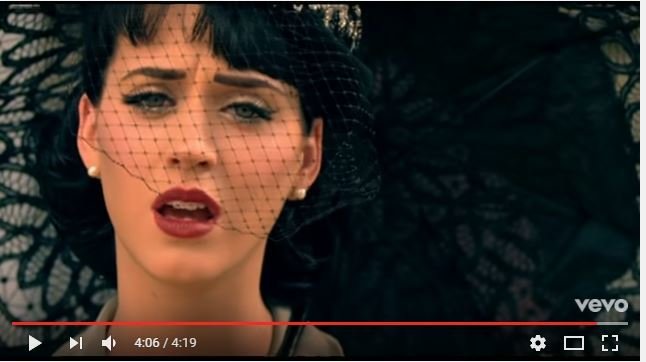
In an eye-line match, a shot of a character looking at something cuts to another shot showing exactly what the character sees. Essentially, the camera temporarily becomes the character’s eyes with this editing technique. In many cases, when the sequence cuts to the eye-line, camera movement is used to imply movement of the character’s eyes. Eg have been taken from Katy Perry-Thinking of you and Lana Rey- Born to Die
Eye-line Match
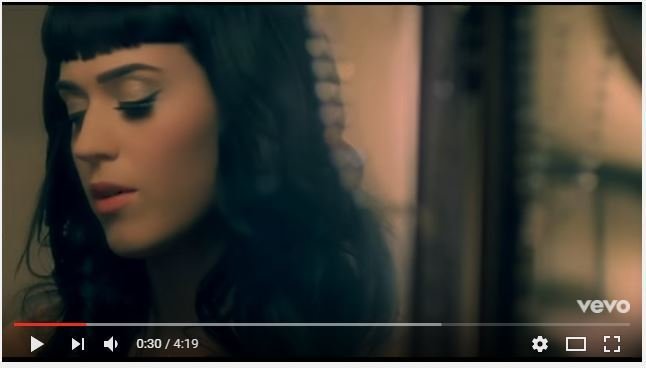
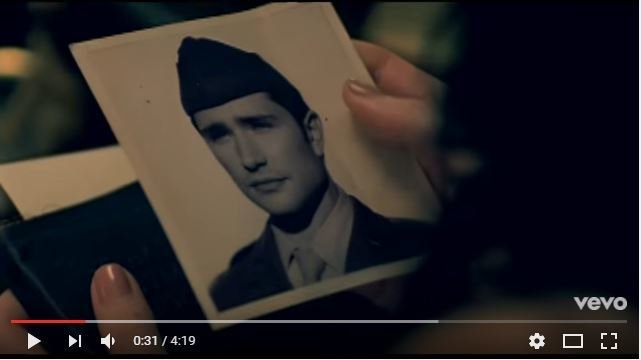
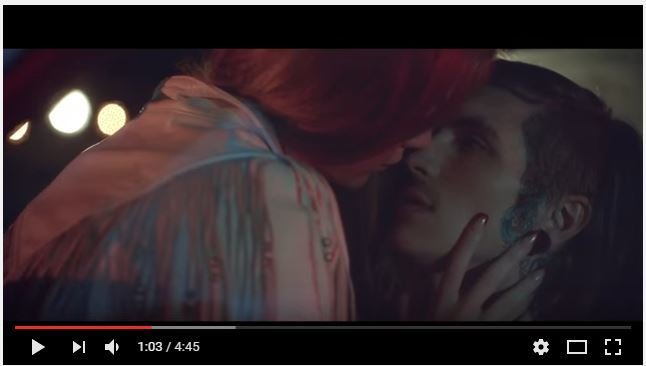
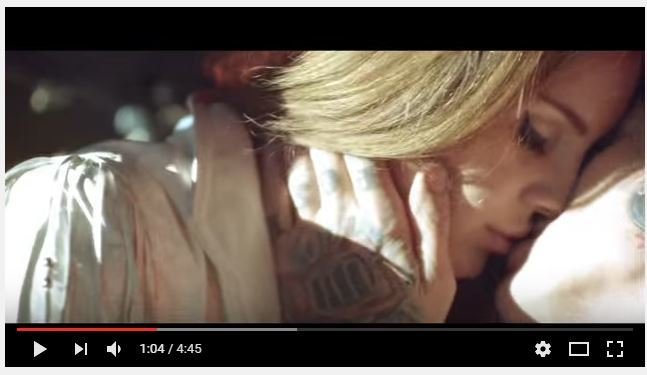
For example, a pan from left to right would imply that the character is moving his/her eyes or head from left to right. Because the audience sees exactly what the character sees in an eye-line match, this technique is used to connect the audience with that character, seeing as we practically become that character for a moment.
The 30-degree rule is a basic film editing guideline that states the camera should move at least 30 degrees between shots of the same subject occurring in succession. The example has been taken from Chainsmokers-Dont let me down.
30 Degree Rule
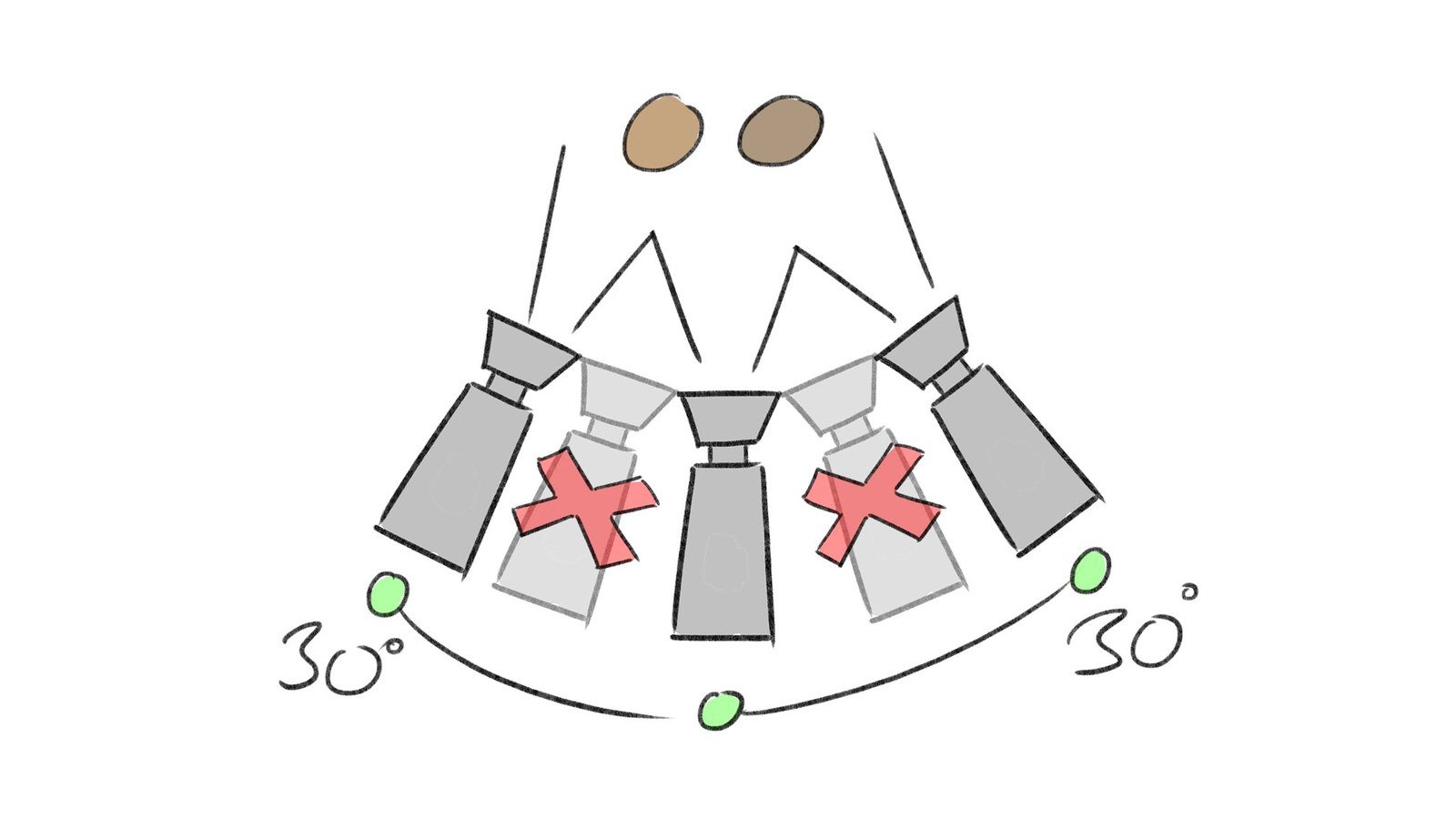
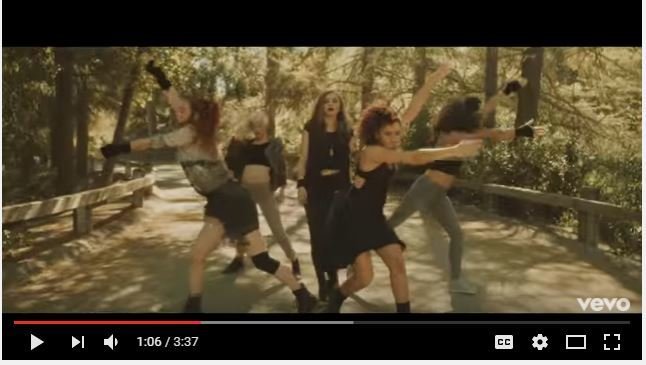
(Different Camera Shots.)
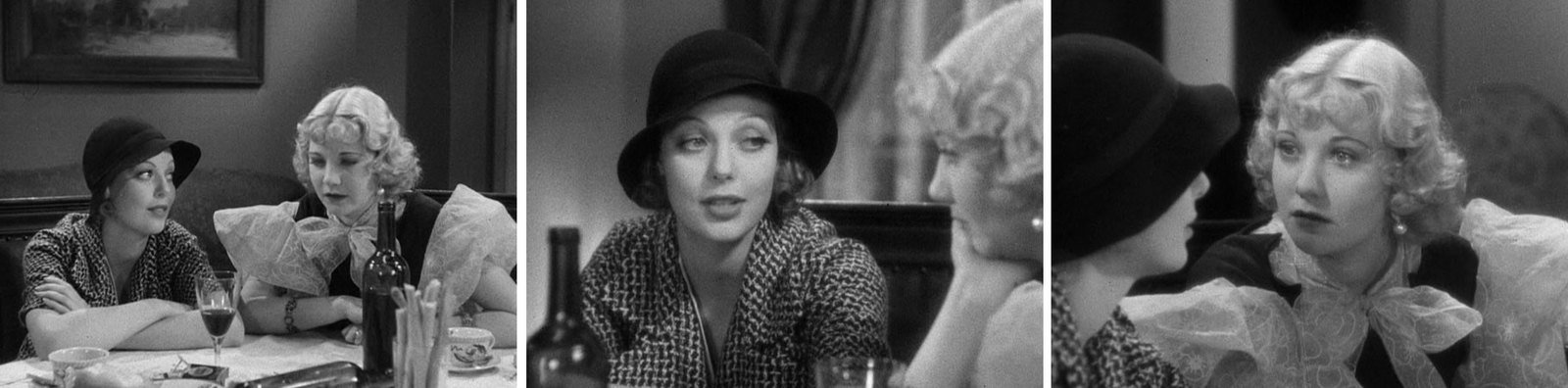
Shot Reverse Shot
Shot/Reverse Shot is an editing technique that defined as multiple shots edited together in a way that alternates characters, typically to show both sides of a conversation situation. There are multiple ways this can be accomplished, with common examples being over the shoulder shots, angled shots, left/right alternating shots, and often a combination of the three.
Establishing Shot
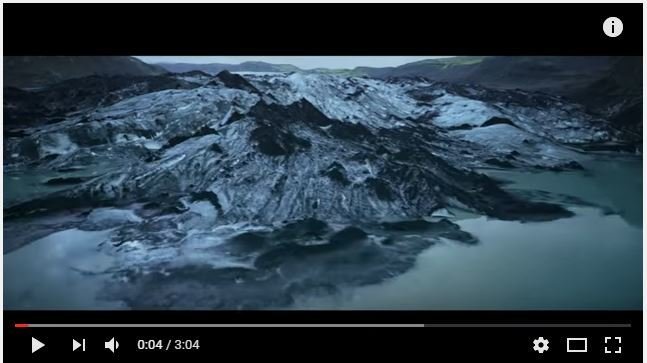
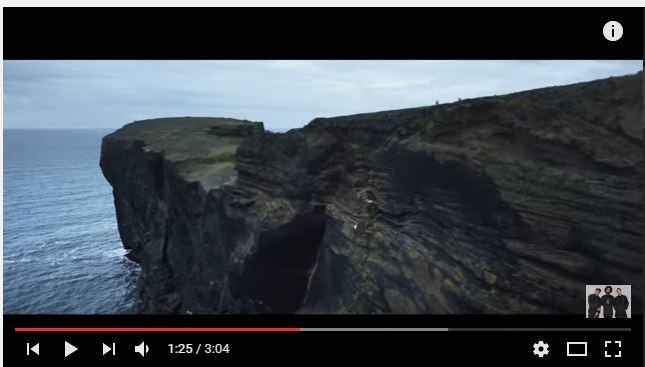
The Establishing Shot or sequence serves to situate the audience within a particular environment or setting and/or to introduce an important character or characters. The establishing shot is usually the first or the first few shots in a sequence, and as such, it must be very efficient in portraying the context. Typically, establishing shots are Extreme Long Shots or Long Shots, followed by progressively closer framing. I used Cold water by Justin bieber to explain this shot.
Re-Establishing Shot
A shot that returns to a view of a space or location after a series of close-ups.
The establishing shots shown in cold water by justin bieber can be seen twice or thrice through out the video.
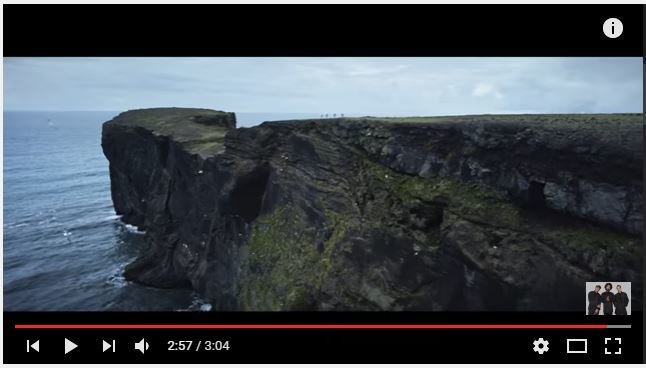
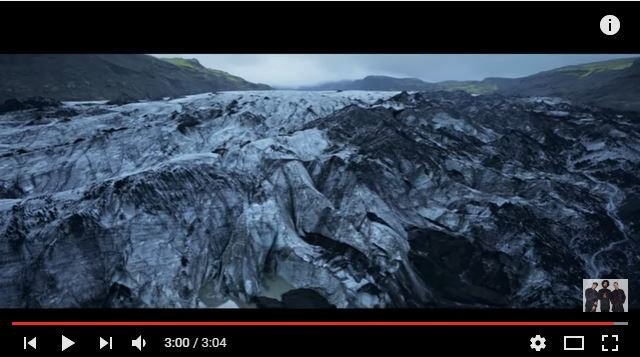
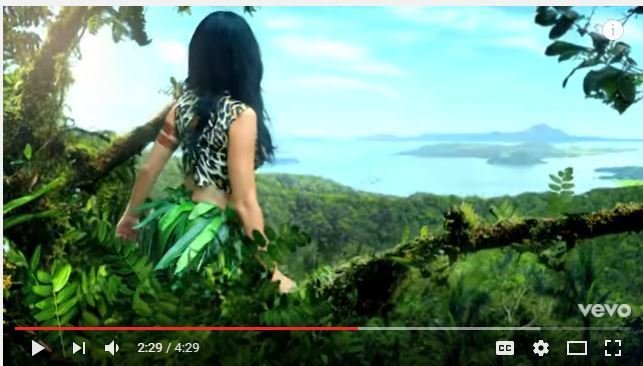
Cut-out is bringing the viewer from a close view to a more distant one. The sequence opens with an extreme long shot of the area’s landscape, a high-angled tracking shot (probably via helicopter) –giving us a wide panoramic view of the area. A cut suddenly transports the viewer somewhere within the landscape to a medium shot. The example has been taken from Katy Perry-Fireworks.
Cut out
Long Take
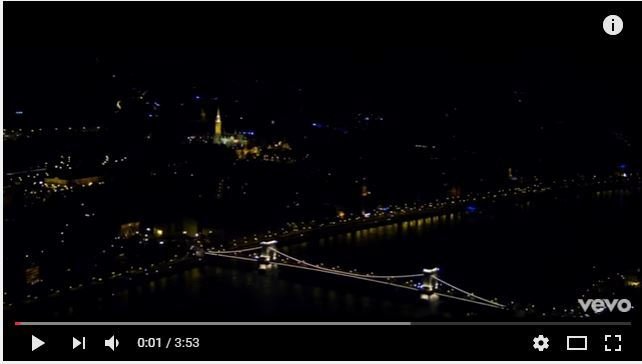
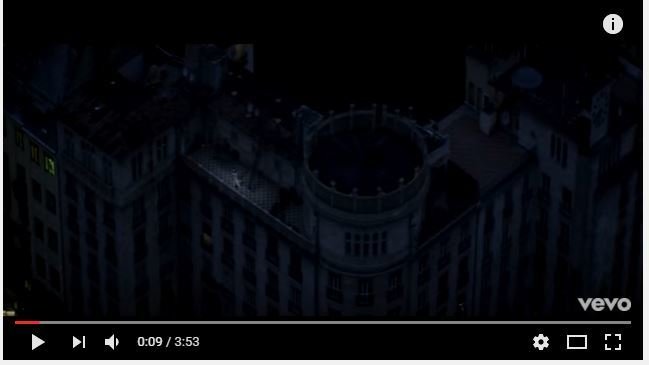
Long takes are simply shots that extend for a long period of time before cutting to the next shot. Generally, any take greater than a minute in length is considered a long take. Usually done with a moving camera, long takes are often used to build suspense or capture the attention of audience of without breaking their concentration by cutting the film.
Buffer Shot
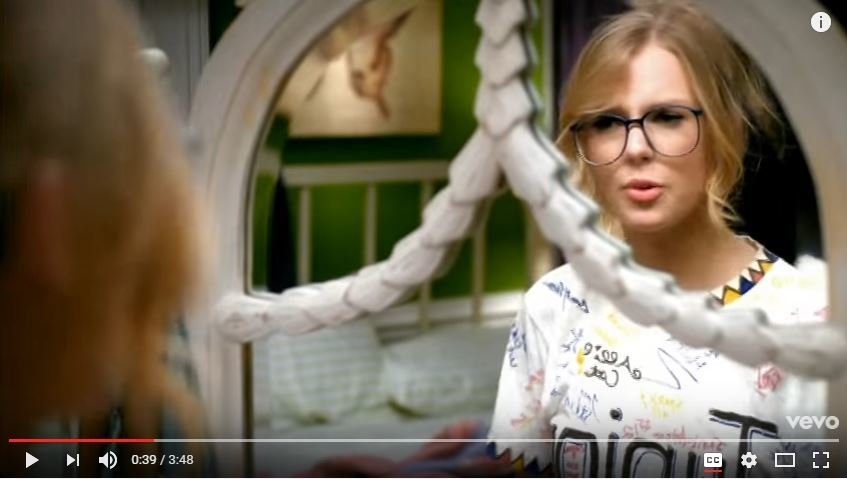
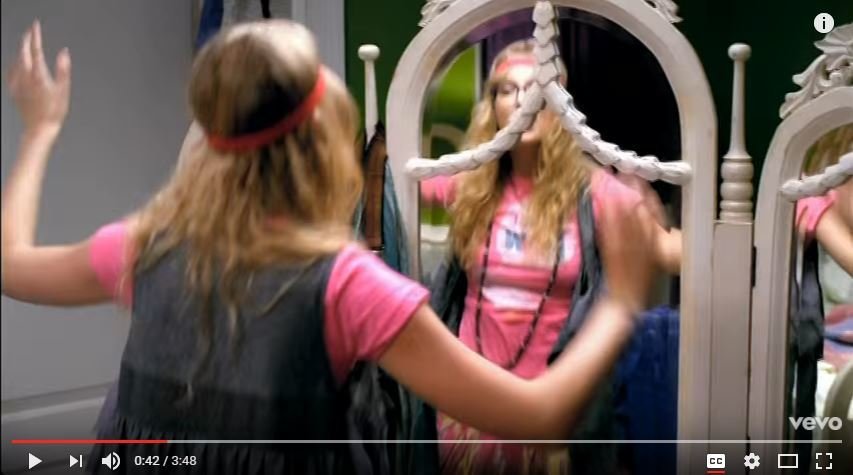
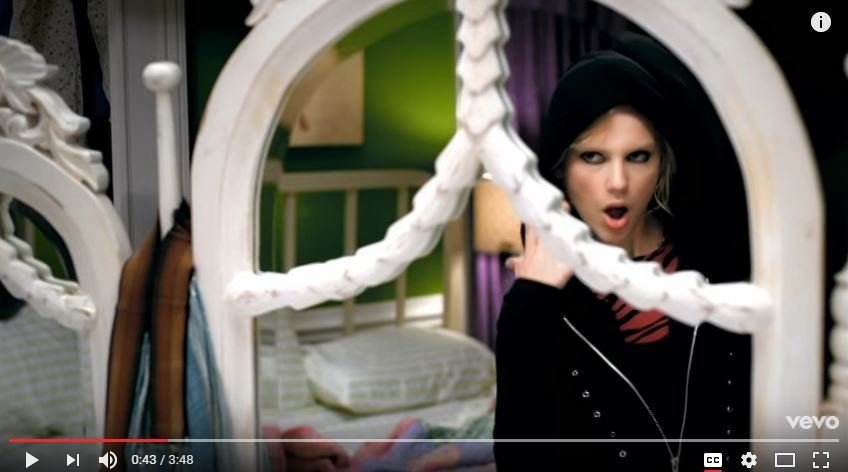
Buffer shot is a bridging shot, usually taken with a separate camera, to detach two shots which would have reversed the continuity of direction.
0:37
0:41
0:44
Cut Away Shot
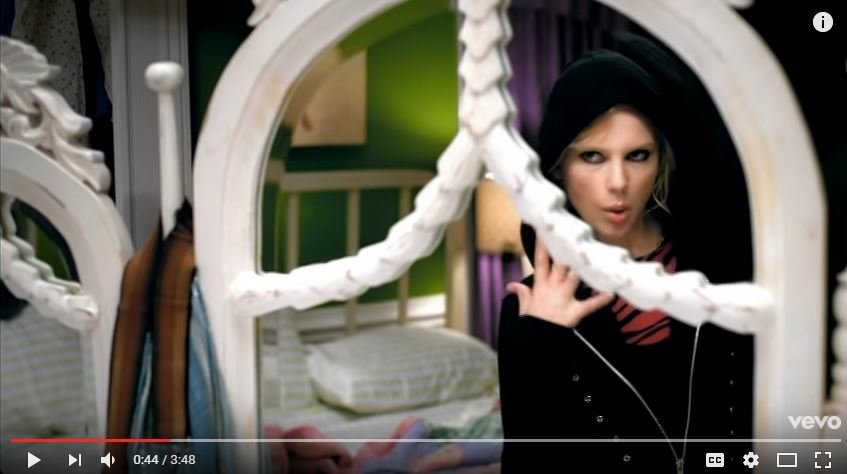
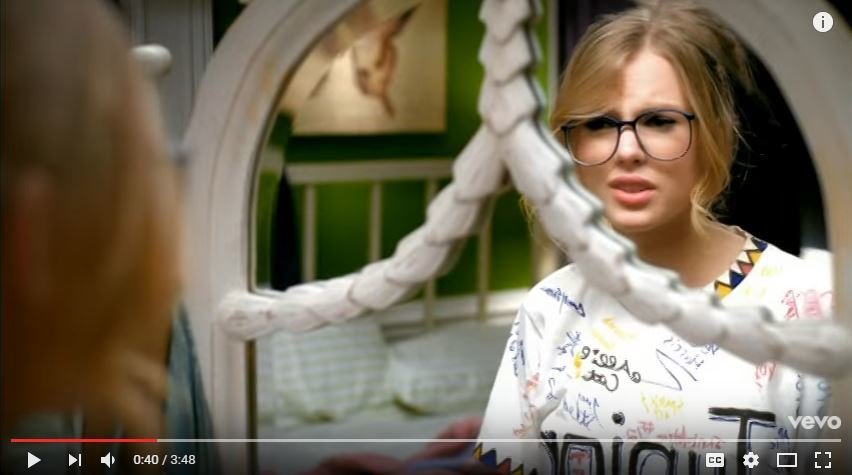
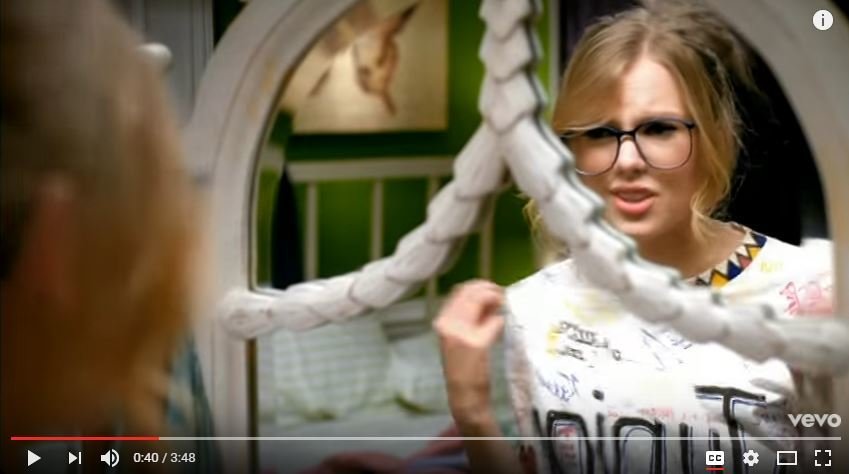
A Cut away shot is when the media text is interrupted by inserting a clip/action of something else. Not always but most of the times a cut away shot is followed by a cut back to the first shot.
Transitions and Cuts.
Parallel Editing
Parallel editing is a technique used to portray multiple lines of action, occurring in different places, simultaneously. In most but not all cases of this technique, these lines of action are occurring at the same time. These different sequences of events are shown simultaneously because there is usually some type of connection between them. This connection is either understood by the audience throughout the sequence, or will be revealed later on in the movie.
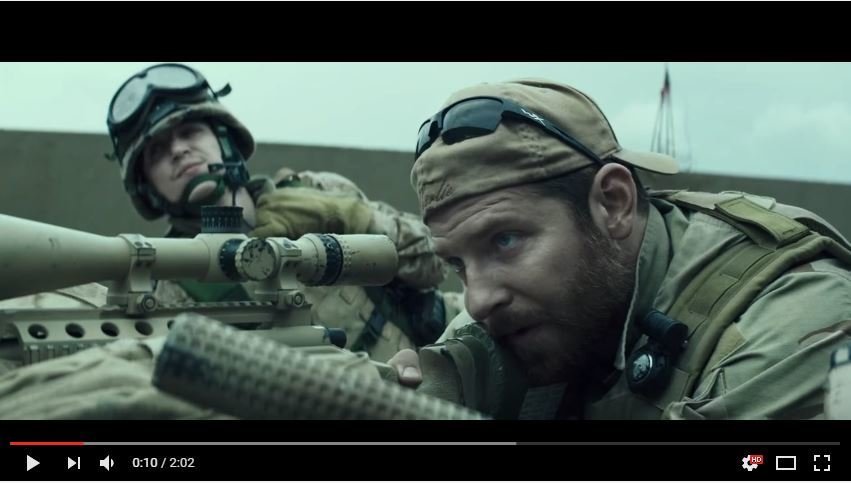
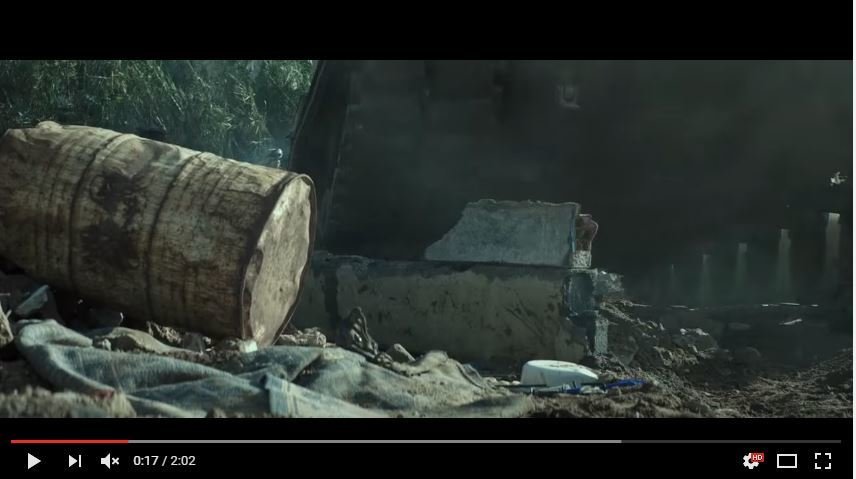
L Cut
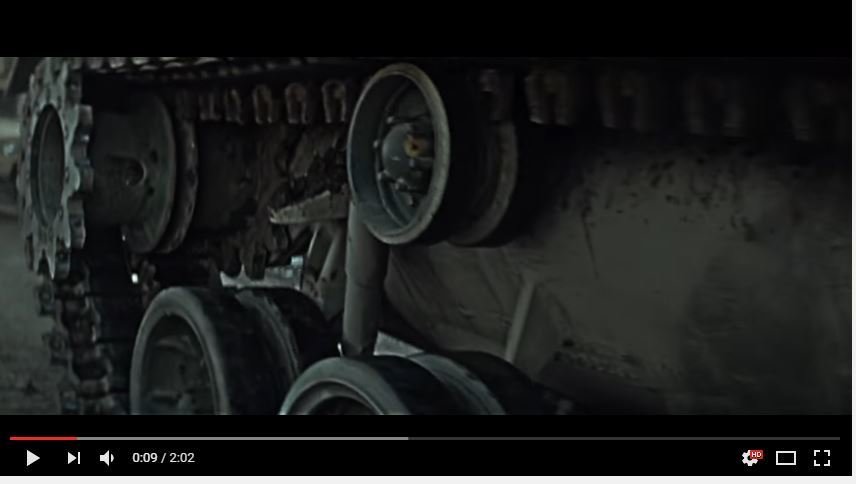
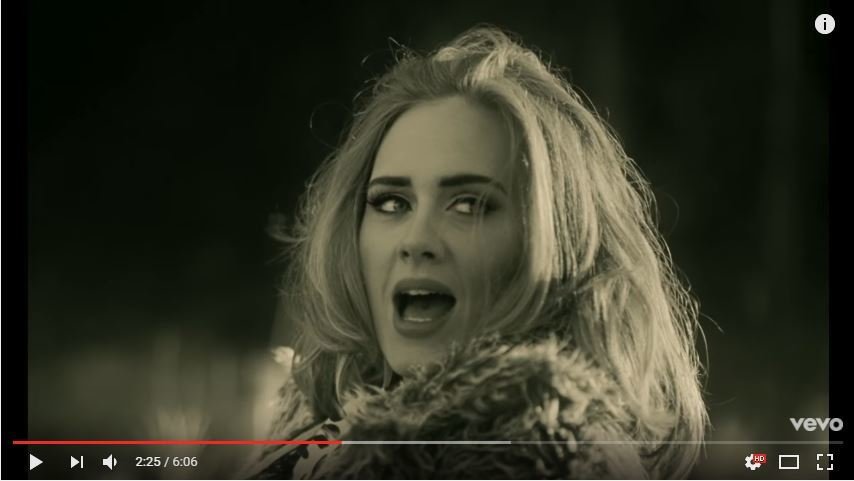
An L cut, also known as a split edit, is an edit transition from one shot to another in film or video, where transition of the audio and video happen at different times. Example has been taken from
Hello - Adele
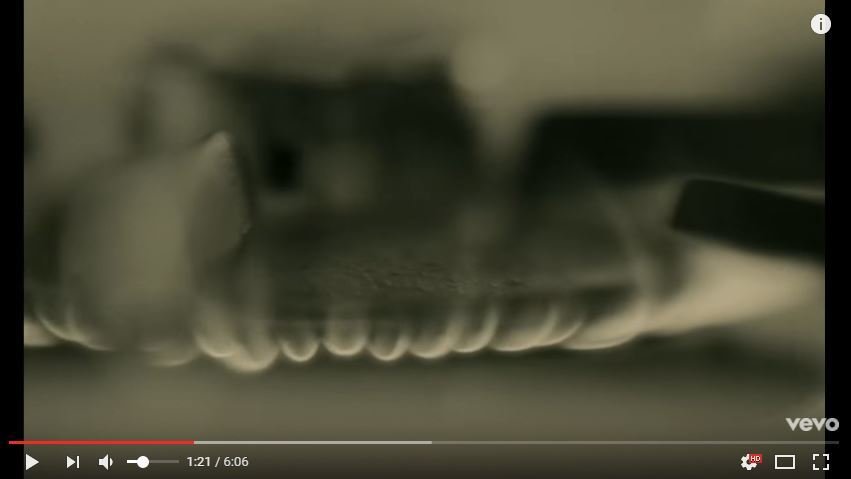
Jump Cut
A Jump-Cut is an example of the elliptical style of editing where one shot seems to be abruptly interrupted. Typically the background will change while the individuals stay the same, or vice versa. Jump-cuts is from the more contemporary style of continuity editing where the plot flows seamlessly to a more ambiguous story line.
Flash Cutting
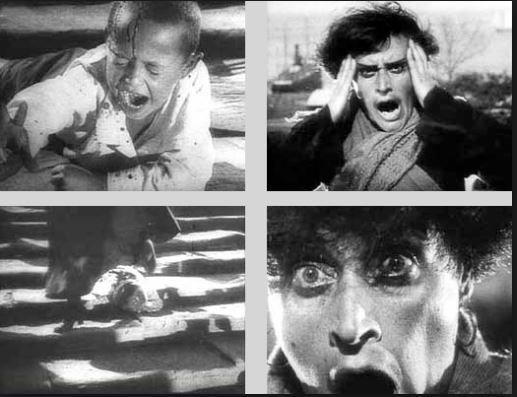
Editing sequences so that the duration of the shots are very brief. The cut usually lasts less than two seconds.
Fade In/Out
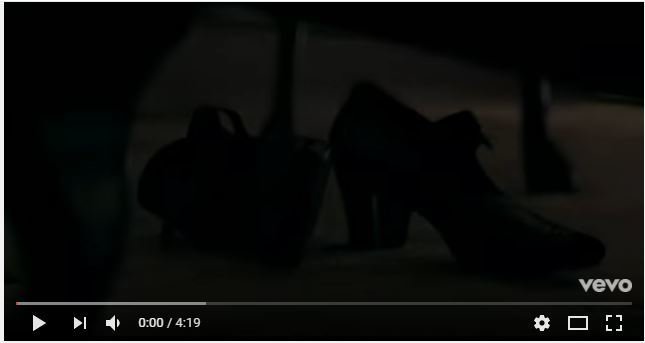
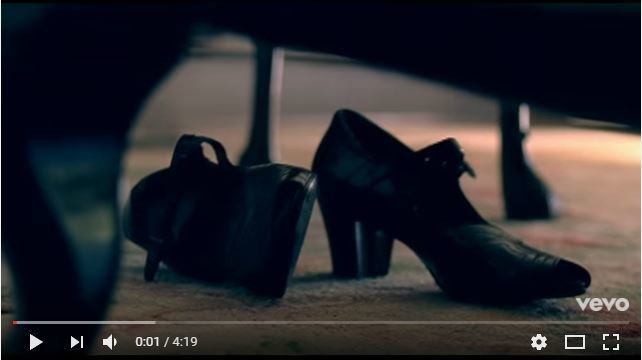
Fade to black or appear from black, often used to communicate an
ending or beginning.
Straight Cutting
It allows one shot to suddenly end and the next shot to abruptly come onto the screen.
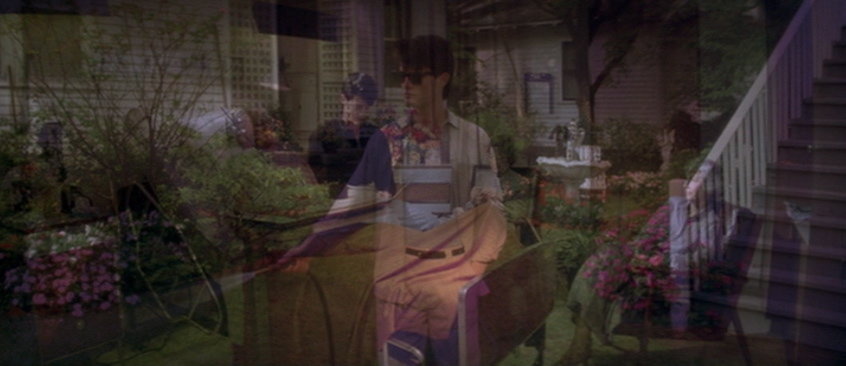
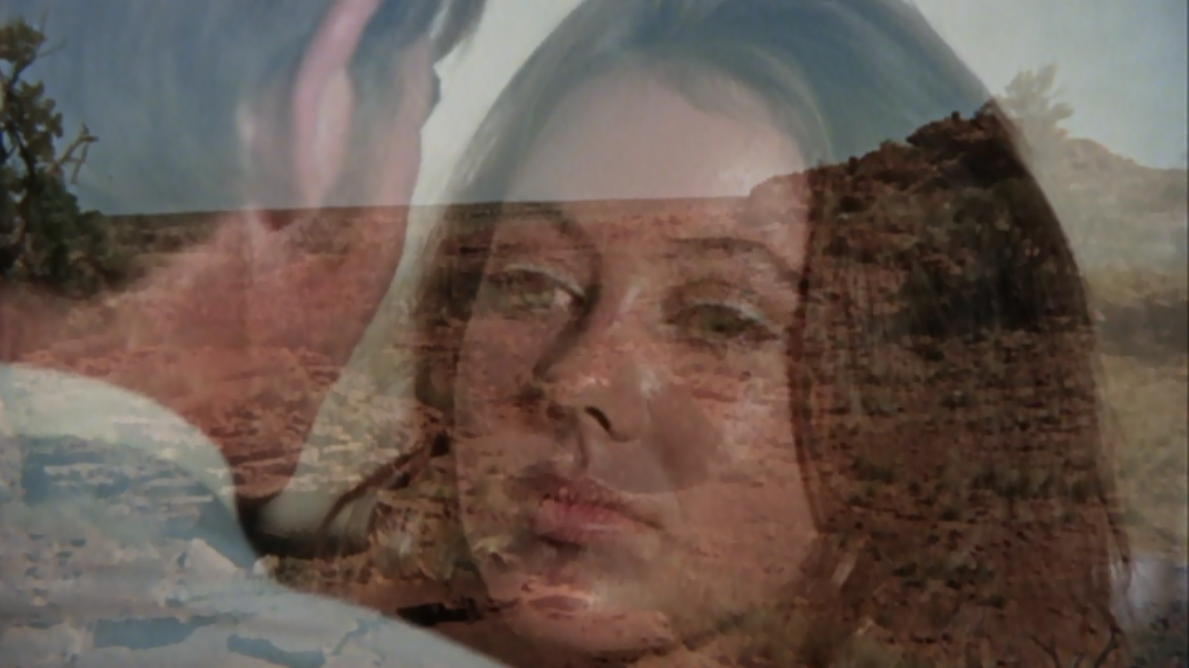
Overlap/ Dissolve
Makes a softer transition, to show allusion or time passing.
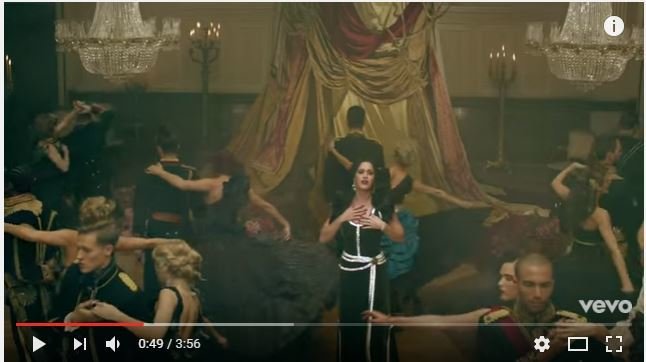
Wipe
Often used to show new day, scene or location.
Subliminal Cut
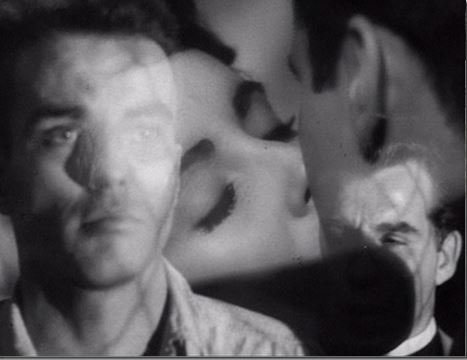
A cut consisting of a few frames which pass by so fast that the viewer is only subconsciously aware of them.
deck
By ramsha